Why Go on the Everest Base Camp Trek? Experience the Everest Region

For many travelers, reaching Everest Base Camp is a dream they have carried for years. Some may make this journey only once in their lifetime, but the experience can remain a special memory forever. They come to Nepal to see the world’s highest mountain, walk through the Himalayas, experience Sherpa culture, and discover a part of the world that is very different from everyday life.

At Best Of Nepal Trek, we understand that the Everest Base Camp Trek is more than an ordinary holiday. It requires time, preparation, physical effort and often years of saving. Every traveler comes with a personal dream and we take that dream seriously. Our aim is to help you enjoy your journey safely, responsibly and with meaningful experiences from the beginning to the end.

Experience the Heart of the Khumbu Region

The Everest Base Camp Trek takes you into the heart of Nepal’s Khumbu region, where spectacular mountain scenery, Sherpa culture, Buddhist traditions and traditional mountain life come together.

The trail passes through beautiful Sherpa villages, Buddhist monasteries, mountain forests, suspension bridges, rocky paths and high Himalayan valleys before reaching Everest Base Camp and the Khumbu Glacier.

With the support of an experienced local guide, you can learn about the mountains while also understanding the people, traditions and daily life of the communities living along the trail.

A scenic trail through the Sherpa villages of the Khumbu region.

See Everyday Life in the Everest Region

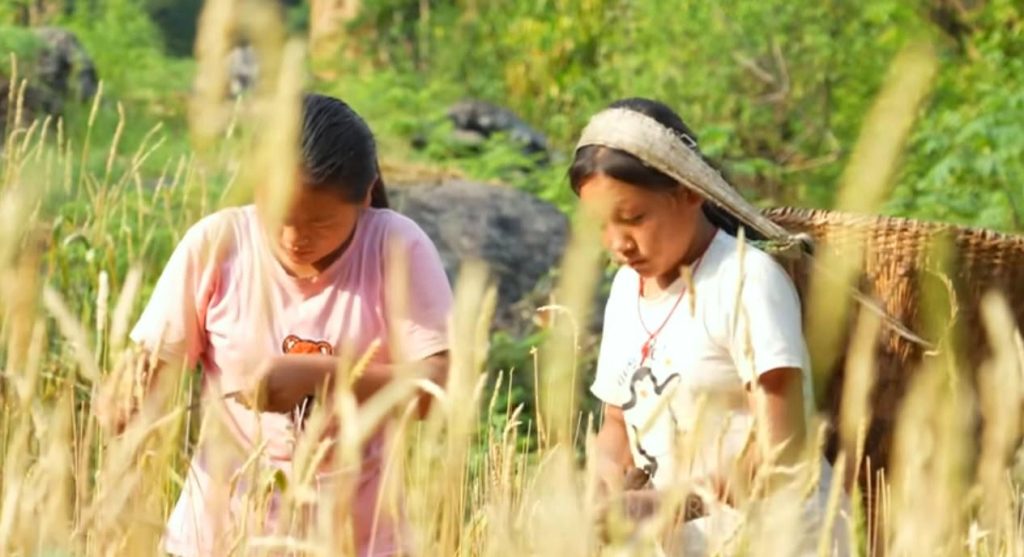
One of the special experiences of the trek is seeing how people live and work in the high mountains. Along the trail, you may see farmers working in their fields, local families operating teahouses and small businesses and children walking to and returning from school.

You may also meet Sherpa families living at high altitude and see trekkers and mountaineering groups preparing for their journeys toward the higher mountains.

These simple moments allow you to see the Everest region beyond its famous peaks. They help you connect with local people and understand how daily life continues in one of the world’s most remarkable mountain environments.

Local farming or Sherpa village life
Everyday life in the mountain communities of the Everest region.

Discover Namche Bazaar and the Himalayan Mountains

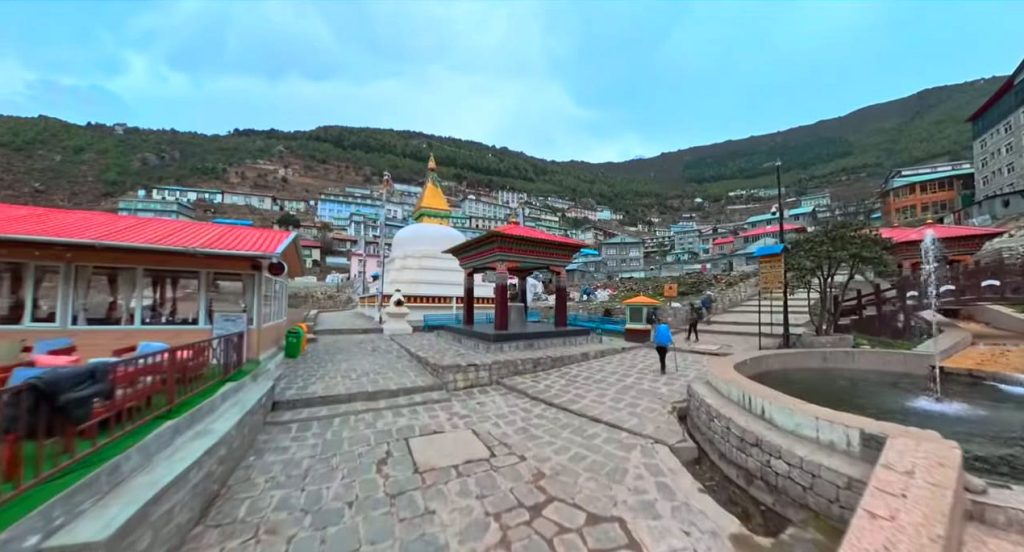
Namche Bazaar is one of the most memorable places along the Everest Base Camp route. Surrounded by mountains, this lively Sherpa town is an important stop for trekkers and a great place to experience the atmosphere of the Khumbu region.

As the trail climbs higher, the landscape gradually changes from green valleys and forests to rugged mountain terrain. Along the way, you can enjoy impressive views of Mount Everest, Lhotse, Nuptse, Ama Dablam, Thamserku and other Himalayan peaks.

Every section of the trail brings a different experience, from peaceful villages and forests to wide mountain valleys and high-altitude landscapes.

Walk the Rocky Trail to Everest Base Camp

The trail to Everest Base Camp is an important part of the adventure. As you move deeper into the Khumbu, the paths become more rugged and the surrounding mountains appear increasingly impressive.

Walking across rocky trails, crossing suspension bridges, passing mountain villages, and seeing the Himalayan landscape around you creates a unique trekking experience. Reaching Everest Base Camp is a memorable achievement, but the journey to reach it is just as meaningful.

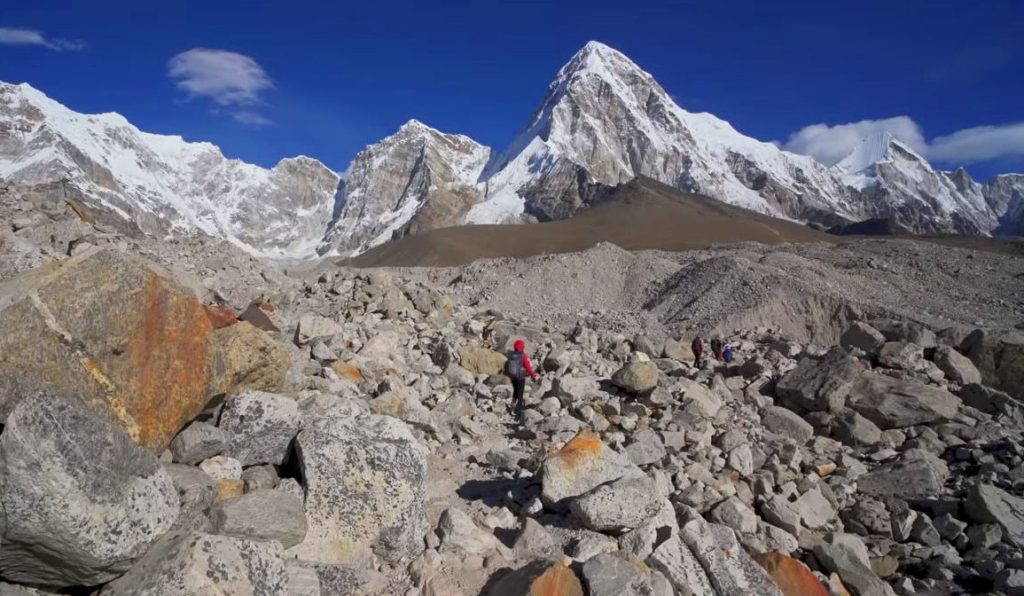
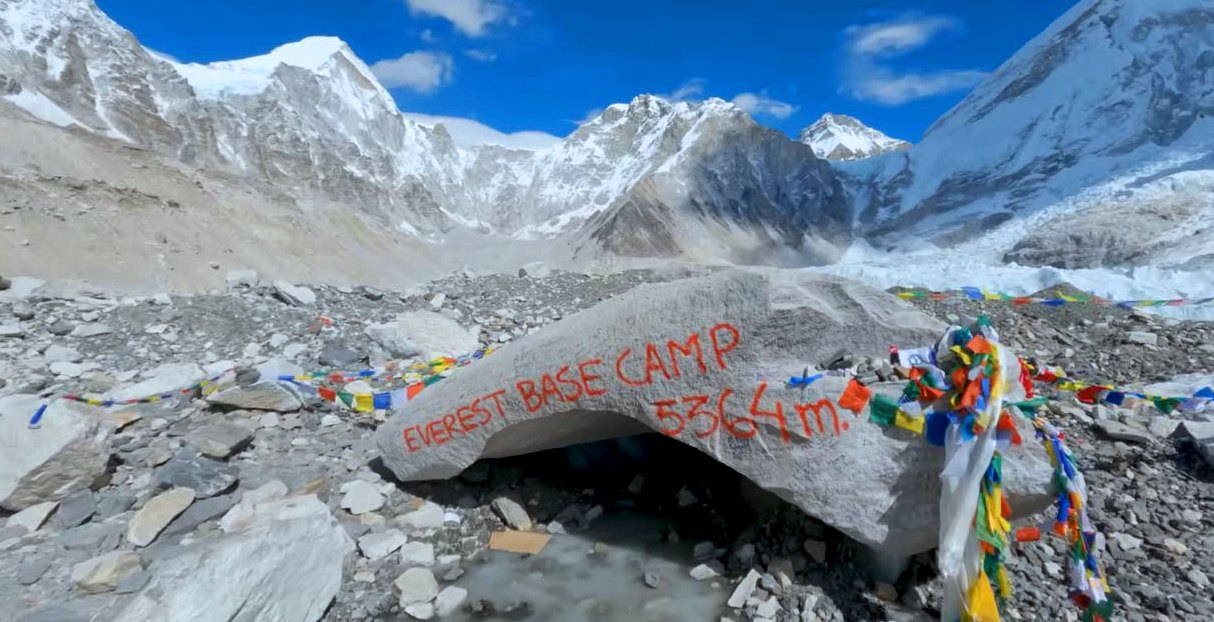
At Base Camp, you can experience the famous Khumbu Glacier and see the dramatic landscape of the area where mountaineering expeditions prepare for their climbs of Mount Everest.

Everest Base Camp and the impressive Khumbu Glacier.
Namche Bazaar surrounded by the Himalayan mountains of the Khumbu region.

Hike to Kala Patthar for an Everest Sunrise

Another unforgettable experience is the hike to Kala Patthar at 5,545 meters. The trail is rugged and rocky, with dramatic Himalayan scenery surrounding you as you climb higher.

The unique landscape and towering mountains make the journey captivating. From this famous viewpoint, you can enjoy a panoramic view of Mount Everest and the surrounding Himalayan peaks. On a clear morning, sunrise creates changing colors across the mountains and offers one of the most memorable views of the trek. For many trekkers, Kala Patthar becomes one of the highlights of their entire Everest journey.

Kala Patthar sunrise and Mount Everest
Sunrise over Mount Everest from Kala Patthar.

Experience Sherpa Culture and Buddhist Traditions

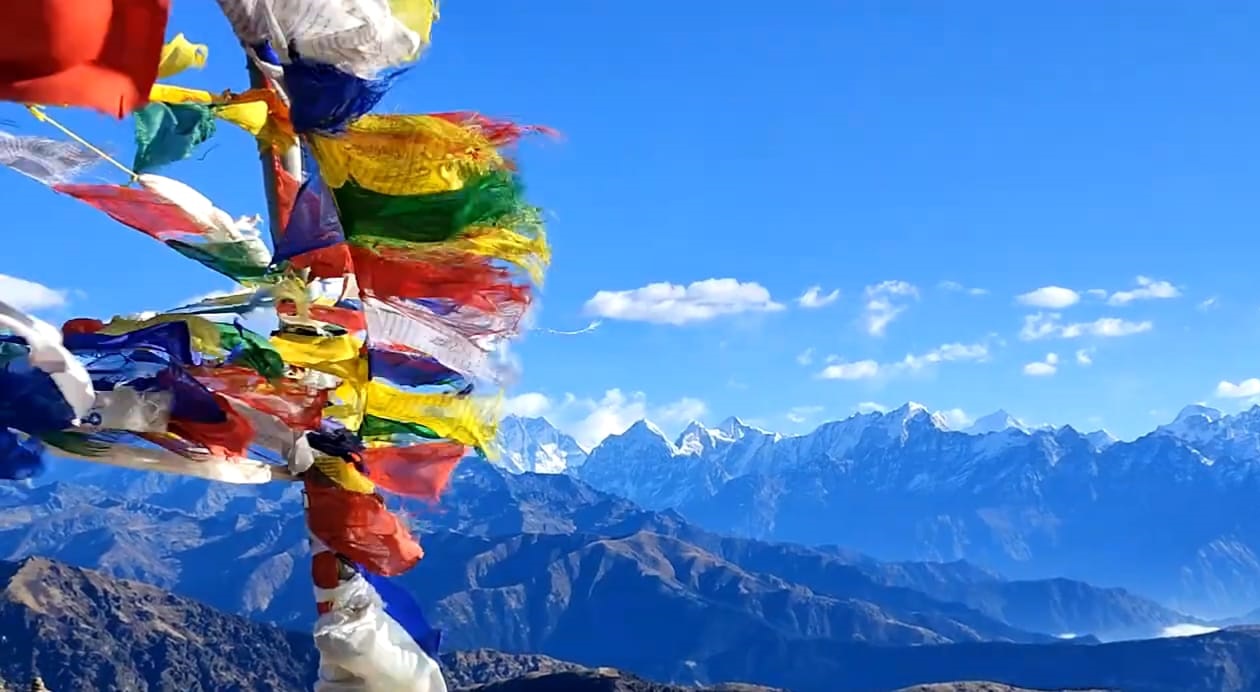
The Everest Base Camp Trek is also an opportunity to experience the cultural heritage of the Sherpa communities. Buddhist monasteries, prayer flags, prayer wheels, mani walls, traditional villages and warm mountain hospitality are important parts of the journey.

Traveling with a local guide gives you an opportunity to learn more about these traditions and understand the cultural significance of the places you visit. We encourage our guests to respect local customs, religious sites, communities and the natural environment throughout the trek.

Trek with Local Knowledge and Personal Care

At Best Of Nepal Trek P. Ltd., we believe that a good trekking experience is not only about reaching the destination. It is also about having reliable support throughout the journey.

Our local trekking team helps guests understand the route, local culture, mountain environment, and practical aspects of trekking in the Everest region. We focus on clear communication, responsible travel and guest safety while helping travelers enjoy the journey at a comfortable pace.

From the first day of the trek to reaching Everest Base Camp and returning through the Khumbu region, we aim to make your experience well organized and memorable.

Trek with Local Knowledge and Personal Care
Local guide sharing Himalayan culture and personal care on every trek.

More than Reaching Everest Base Camp

The Everest Base Camp Trek is not simply a journey to a famous mountain destination. It is a collection of experiences—the people you meet, the villages you visit, the monasteries you discover, the rocky trails you walk and the changing views of the Himalayas.

For travelers who dream of standing beneath Mount Everest, this trek brings together adventure, nature, culture, local life, and personal achievement.

Your journey may last only a few weeks, but the memories of walking through the Khumbu, meeting its people, seeing the Himalayan peaks and reaching Everest Base Camp can remain with you for a lifetime. Best Of Nepal Trek. is ready to help turn your Everest dream into a meaningful Himalayan experience.

Namche Bazaar

Namche Bazaar is the most famous mountain town in Nepal’s Everest region and the gateway to Everest Base Camp. Located in the Khumbu region of northeastern Nepal at an altitude of 3,440 meters (11,286 feet), Namche Bazaar is the largest Sherpa settlement and an essential stop for trekkers and climbers heading to Mount Everest, Gokyo Lakes and other Himalayan adventures.

Situated within Sagarmatha National Park, a UNESCO World Heritage Site, Namche Bazaar covers approximately 430.9 square kilometers and serves as the commercial, cultural and tourism hub of the Everest region. The town offers a unique blend of breathtaking mountain scenery, rich Sherpa heritage, modern trekking facilities and warm local hospitality.

Namche Bazaar is home to around 1,500 to 2,000 permanent residents living in approximately 397 households, with 49.5% male and 50.5% female residents. During the peak trekking seasons of spring (March to May) and autumn (September to November), the town welcomes more than 1,500 trekkers and visitors every day, making it one of Nepal’s busiest mountain destinations.

Whether you are trekking to Everest Base Camp, acclimatizing before climbing to higher elevations, exploring Sherpa culture, or simply enjoying panoramic Himalayan views, Namche Bazaar offers an unforgettable experience. With comfortable hotels, tea houses, cafés, bakeries, trekking gear shops, museums and vibrant local markets, it is the perfect base for discovering the beauty of the Everest region.

Why is Namche Bazaar So Famous?

Known worldwide as the Gateway to Everest, Namche Bazaar is the main resting point for trekkers and climbers heading to Everest Base Camp, Gokyo Lakes, Three Passes Trek and other popular trekking routes in the Khumbu region.

The town offers everything travelers need before continuing to higher elevations, including comfortable hotels, tea houses, restaurants, cafés, bakeries, banks, ATMs, pharmacies, internet services and trekking equipment shops.

Visitors can buy or rent trekking gear, purchase handmade souvenirs, traditional Sherpa clothing, local handicrafts and enjoy delicious Nepali, Sherpa, Tibetan and international cuisine. Namche Bazaar is also one of the safest and most comfortable places to acclimatize before trekking to higher altitudes.

Acclimatization in Namche Bazaar

Most Everest Base Camp itineraries include two nights in Namche Bazaar to help trekkers adjust to the altitude. Spending extra time here significantly reduces the risk of altitude sickness and prepares the body for the higher elevations ahead.

During acclimatization days, trekkers usually take short hikes to nearby viewpoints before returning to Namche Bazaar for the night. These hikes not only improve acclimatization but also reward visitors with magnificent Himalayan scenery.

Visit the World’s Highest Irish Bar

Namche Bazaar is home to the World’s Highest Irish Bar, a favorite gathering place for trekkers from around the globe. It is the perfect place to relax after a day’s hike while enjoying delicious food, refreshing drinks, and stunning Himalayan views.

Kathmandu to Lukla Flight – Gateway to the Everest Base Camp Trek
Experience the thrilling flight from Kathmandu to Lukla, offering spectacular aerial views of the Himalayas and the exciting start of the EBC  Trek.

Amazing Views of Mount Everest

One of the highlights of staying in Namche Bazaar is hiking to the famous Hotel Everest View, one of the highest hotels in the world. From its terrace, visitors can enjoy panoramic views of some of the world’s highest mountains, including:

  • Mount Everest (8,848.86 m)
  • Lhotse (8,516 m)
  • Ama Dablam (6,812 m)
  • Thamserku
  • Kongde Ri
  • Khumbila Peak

The peaceful surroundings and breathtaking Himalayan panorama make this one of the most memorable experiences in the Everest region.

Experience Sherpa Culture

Namche Bazaar is the cultural center of the Sherpa community. Walking through its stone-paved streets allows visitors to experience traditional Himalayan life, colorful prayer flags, spinning prayer wheels, Buddhist monasteries, and the warm hospitality of the Sherpa people.

Popular cultural attractions include:

  • Sherpa Culture Museum
  • Sagarmatha National Park Visitor Center
  • Tenzing Norgay Memorial
  • Traditional Sherpa Market
  • Local Buddhist Monasteries
  • Khumjung Village
  • Khunde Village

Visitors can also explore the Tenzing-Hillary School, founded by Sir Edmund Hillary to support education in the Everest region. Another popular excursion is the historic Thame Monastery, one of the oldest and most respected monasteries in the Khumbu region.

Dumji Festival in Namche Bazaar

One of the most important cultural events in Namche Bazaar is the Dumji Festival, celebrated every year in late June or early July.

This traditional Sherpa festival honors Guru Rinpoche (Padmasambhava), the revered Buddhist master who introduced Buddhism to the Himalayan region. The festival features colorful religious ceremonies, traditional Sherpa dances, music, prayers, and joyful community celebrations, offering visitors an unforgettable cultural experience.

Journey from Kathmandu to Namche Bazaar

The journey from Kathmandu to Namche Bazaar is the first stage of the famous Everest Base Camp Trek and one of Nepal’s most spectacular travel experiences. Most travelers reach Namche Bazaar (3,440 m) by taking a scenic 30 to 40-minute flight from Kathmandu or Manthali (Ramechhap) to Lukla, followed by a two-day trek through Phakding, traditional Sherpa villages, and Sagarmatha National Park.

Along the way, trekkers cross the beautiful Dudh Koshi River, walk over iconic suspension bridges, and enjoy breathtaking views of the Himalayan mountains before arriving at the vibrant Sherpa town of Namche Bazaar.

Kathmandu to Lukla: The flight from Kathmandu to Lukla covers approximately 135 km (84 miles) and usually takes 30 to 40 minutes. It is considered one of the world’s most scenic mountain flights, offering spectacular views of green hills, deep valleys, winding rivers, and snow-covered Himalayan peaks.

During the peak trekking seasons, many flights depart from Manthali Airport (Ramechhap) instead of Kathmandu. Travelers first drive approximately 130 km, taking around 4 to 5 hours, before boarding a 20-minute flight to Lukla.

For travelers who prefer overland travel, it is also possible to drive approximately 367 km from Kathmandu to Surke, near Lukla. Depending on road and weather conditions, the journey takes around 17 to 18 hours.

Lukla to Phakding: The trek from Lukla (2,860 m) to Phakding (2,610 m) covers approximately 7.5 to 8 km and usually takes 3 to 4 hours. This gentle trail passes through picturesque Sherpa villages, colorful prayer flags, ancient mani walls, pine forests, and several suspension bridges over the crystal-clear Dudh Koshi River, making it an enjoyable introduction to trekking in the Everest region.

Phakding to Namche Bazaar: The trek from Phakding to Namche Bazaar covers approximately 10 to 12 km with an elevation gain of around 830 meters and normally takes 6 to 8 hours. The trail follows the Dudh Koshi River through forests and traditional villages before crossing the famous Hillary Suspension Bridge. After entering Sagarmatha National Park, the final ascent rewards trekkers with their first views of Mount Everest on clear days before reaching Namche Bazaar, the gateway to the Everest region.

Local Markets in Namche Bazaar – Sherpa Shopping Hub in Everest Region
Explore the vibrant local markets of Namche Bazaar, where trekkers and locals shop for traditional handicrafts, trekking gear, local products and authentic Sherpa souvenirs.

Shopping and Local Markets in Namche Bazaar

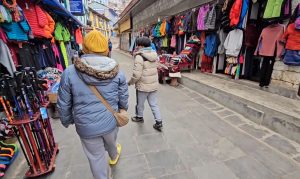
Namche Bazaar is the largest shopping center in the Everest region and offers almost everything trekkers need. Visitors can buy or rent trekking equipment, warm clothing, sleeping bags, down jackets, trekking poles, gloves and other essential outdoor gear.

The town is also famous for its lively local markets, where visitors can purchase Sherpa handicrafts, prayer flags, jewelry, artwork, traditional clothing, and unique Himalayan souvenirs. Fresh bakery products, locally roasted coffee and delicious Himalayan cuisine are also popular among travelers.

Final Thoughts

Namche Bazaar is much more than a stop on the way to Everest Base Camp. It is the cultural, commercial, and tourism hub of the Khumbu region, where breathtaking Himalayan scenery, Sherpa traditions, modern trekking facilities and genuine mountain hospitality come together.

Whether you are trekking to Everest Base Camp, exploring nearby Sherpa villages, visiting ancient monasteries, enjoying panoramic views of the world’s highest peaks, or simply relaxing in a cozy café overlooking the Himalayas, Namche Bazaar offers an unforgettable experience for every traveler. A visit to this remarkable mountain town is truly a highlight of any journey to the Everest region.

Why Everest Pikey Peak Trek Is Perfect for First-Time Trekkers in Nepal

Nepal is famous for its world-class trekking destinations, but many Himalayan routes can be challenging for beginners. The Everest Pikey Peak Trek is one of the best options for first-time trekkers who want to experience the beauty of the Himalayas without the extreme altitude and long trekking days of more demanding routes. Located in the lower Everest region, this scenic trek combines spectacular mountain views, authentic Sherpa culture and peaceful trails, making it an ideal introduction to trekking in Nepal.

One of the main highlights of the Everest Pikey Peak Trek is the breathtaking panorama from Pikey Peak (4,065 m). From the summit, trekkers can enjoy stunning views of Mount Everest, Lhotse, Makalu, Kanchenjunga, Numbur Himal and many other snow-capped peaks. The sunrise view from Pikey Peak is considered one of the finest mountain panoramas in Nepal.

The trek passes through traditional Sherpa villages, ancient monasteries, colorful prayer flags and beautiful rhododendron forests. Trekkers have the opportunity to experience the rich culture, warm hospitality and unique lifestyle of the local communities while enjoying a peaceful trekking environment away from crowded trails.

Unlike higher-altitude treks, the Everest Pikey Peak Trek has a lower risk of altitude sickness, making it suitable for beginners, families and travelers with moderate fitness levels. Daily walking hours of 4–5 hours are comfortable and the route offers well-managed teahouse accommodation throughout the journey.

Whether you are looking for your first Himalayan adventure, a short Everest region trek, or a less-crowded alternative to the Everest Base Camp Trek, the Everest Pikey Peak Trek provides an unforgettable combination of mountain scenery, cultural experiences and natural beauty. It is truly one of the best beginner-friendly trekking experiences in Nepal.

Spectacular Everest Views without Extreme Altitude

One of the main highlights of the Everest Pikey Peak Trek is the opportunity to enjoy breathtaking views of the world’s highest mountains without trekking to extreme altitudes. From the summit of Pikey Peak (4,065 m), trekkers are rewarded with a spectacular panorama of the Himalayas, including Mount Everest, Lhotse, Makalu, Kanchenjunga, Numbur Himal and many other snow-capped peaks.

The sunrise view from Pikey Peak is especially unforgettable, as the first rays of sunlight illuminate the Himalayan giants, creating a stunning mountain landscape. Unlike the Everest Base Camp Trek, which reaches significantly higher elevations, the Everest Pikey Peak Trek allows trekkers to experience incredible Mount Everest views with a lower risk of altitude sickness. This makes it an excellent choice for beginners, families and travelers seeking a comfortable and rewarding Himalayan trekking experience in Nepal.

Everest Pikey Peak Trek – Ideal Trek for Beginners

The Everest Pikey Peak Trek is considered a moderate and beginner-friendly trek in Nepal, making it a perfect choice for travelers with basic fitness levels and little or no trekking experience. The daily walking hours are usually manageable, ranging from 4 to 6 hours per day, allowing trekkers to enjoy the journey at a relaxed and comfortable pace.

The trail features well-maintained paths, gradual ascents and scenic landscapes, making it less physically demanding compared to many other high-altitude treks in Nepal. Along the way, trekkers can fully enjoy beautiful mountain views, traditional villages, and peaceful natural surroundings without feeling excessive strain.

This balanced trekking route makes the Everest Pikey Peak Trek an excellent introduction to the Himalayas, offering a safe, enjoyable and rewarding experience for first-time trekkers in Nepal.

Less Crowded and More Peaceful

Many popular trekking routes in Nepal attract large numbers of visitors, especially during peak seasons. In contrast, the Everest Pikey Peak Trek remains relatively quiet, peaceful, and uncrowded throughout most of the year.

This calm environment allows trekkers to fully enjoy the beauty of nature, stunning Himalayan scenery and authentic local culture without the busy trails often found in more commercial trekking regions like Everest Base Camp or Annapurna.

The peaceful atmosphere makes the Everest Pikey Peak Trek in Nepal ideal for those seeking a more personal, relaxing, and immersive Himalayan experience away from large crowds.

Rich Sherpa Culture and Local Hospitality

The trail of the Everest Pikey Peak Trek passes through traditional Sherpa villages, ancient monasteries, prayer walls, and beautiful Buddhist landmarks, offering trekkers a deep cultural experience in the Lower Everest region.

Along the journey, travelers can experience authentic mountain culture, local traditions, and the warm hospitality of the Himalayan people. The peaceful villages provide a unique opportunity to connect with local life and learn about their daily routines and spiritual practices.

Visiting villages such as Jhapre, Junbesi and Phaplu gives trekkers valuable insight into the lifestyle of local communities, where centuries-old traditions are still preserved in the mountains of Nepal.

This combination of culture, spirituality, and hospitality makes the Everest Pikey Peak Trek in Nepal not only a scenic adventure but also a meaningful cultural journey.

Comfortable Teahouse Accommodation

The Everest Pikey Peak Trek offers comfortable teahouse accommodation throughout the route, making it a convenient and beginner-friendly trekking experience in Nepal.

Trekkers can enjoy clean rooms, warm meals, and friendly local service while staying in traditional mountain lodges. These teahouses provide a simple but cozy environment, allowing travelers to rest comfortably after a day of trekking.

The availability of well-managed teahouses makes the Everest Pikey Peak Trek in Nepal suitable for beginners and first-time trekkers who may not have previous high-altitude trekking experience. It ensures a safe, warm and enjoyable stay while experiencing authentic Himalayan hospitality.

Outstanding Sunrise and Sunset Views

Pikey Peak is famous for offering one of the best sunrise viewpoints in Nepal. From the summit, trekkers can witness the first golden rays of sunlight touching Mount Everest and the surrounding Himalayan peaks, creating a truly unforgettable and magical moment.

The panoramic view from Pikey Peak (4,065 m) stretches across a wide Himalayan range, making it one of the most stunning viewpoints in the Everest region. Many travelers consider the sunrise here to be among the most beautiful mountain experiences in the entire Himalayas.

This incredible natural scenery is a major highlight of the Everest Pikey Peak Trek in Nepal, attracting both first-time trekkers and experienced adventurers seeking a peaceful and scenic Himalayan journey.

Lower Risk of Altitude Sickness

Since the highest point of the Everest Pikey Peak Trek is 4,065 meters, the risk of altitude sickness is significantly lower compared to many other treks in the Everest region. This makes it a safer and more comfortable option for beginners and families who want to experience the Himalayas.

The trek allows the body to adjust gradually to increasing altitude, reducing the chances of severe altitude-related problems. With proper hydration, a steady walking pace and basic acclimatization practices, most trekkers can complete the journey comfortably.

This lower altitude profile is one of the key reasons why the Everest Pikey Peak Trek in Nepal is considered ideal for first-time trekkers seeking a safe Himalayan adventure.

Best Trek for Photography and Nature Lovers

The Everest Pikey Peak Trek in Nepal is a perfect choice for photographers and nature lovers due to its incredible variety of landscapes and breathtaking Himalayan scenery. The trek offers stunning views of Mount Everest, Makalu, Kanchenjunga, Lhotse and many other snow-covered peaks, making it one of the most scenic short treks in the Everest region.

The trail passes through diverse natural environments, including lush rhododendron forests, alpine meadows, terraced farmlands, river valleys and traditional Sherpa villages. In spring, the forests come alive with vibrant rhododendron blooms, while autumn brings crystal-clear skies and perfect mountain visibility.

For photography enthusiasts, every section of the trek offers picture-perfect moments—from golden sunrises over the Himalayas to peaceful village life and dramatic mountain landscapes. The famous sunrise from Pikey Peak (4,065 m) is especially unforgettable and widely considered one of the best viewpoints in Nepal.

With its rich natural beauty, cultural diversity, and ever-changing scenery, the Everest Pikey Peak Trek provides endless opportunities for capturing Nepal’s most stunning Himalayan landscapes.

Conclusion-Why Everest Pikey Peak Trek Is Perfect for First-Time Trekkers in Nepal

The Everest Pikey Peak Trek in Nepal is one of the best beginner-friendly treks in the Himalayas. With spectacular Mount Everest views, authentic Sherpa culture, peaceful trails, comfortable accommodation and moderate difficulty, it offers an unforgettable Himalayan experience without the challenges of higher-altitude expeditions.

Whether you are planning your first trek in Nepal or searching for a quieter alternative to the Everest Base Camp Trek, the Everest Pikey Peak Trek provides the perfect balance of adventure, culture and natural beauty.

With Best Of Nepal Trek, you can enjoy a safe, well-organized and memorable trekking experience in the Everest region of Nepal.

Best Time to Visit Nepal

Best Time to Visit Nepal: Complete Seasonal Guide

While Nepal is best known for its dramatic high-altitude Himalayan peaks, the country offers remarkable geographical diversity. Its landscape stretches from the subtropical Terai plains along the Indian border—rich in jungles, rivers, and wildlife—to the arid highlands of the Tibetan Plateau in the north. This wide elevation range creates significant climatic variation across the country.

The best month to visit Nepal depends largely on your travel plans and the regions you intend to explore. Weather conditions vary greatly between low-altitude areas and high mountain regions, and seasonal changes strongly influence trekking conditions, wildlife experiences, and cultural sightseeing. As a result, Nepal’s tourism seasons are closely tied to its climate, making weather a key factor when planning your visit.

Best Time to Visit Nepal: A Complete Month-by-Month Weather & Travel Guide

Nepal’s dramatic geographical diversity—from the humid, tropical jungles of the Terai to the towering, snow-capped peaks of the Himalayas—creates a complex climate with distinct seasonal shifts. Choosing the best time to visit Nepal isn’t one-size-fits-all; it depends entirely on your desired adventures, whether that’s high-altitude trekking, wildlife safaris, cultural festivals, or serene mountain views. This comprehensive guide breaks down Nepal’s weather, festivals, and top activities month-by-month to help you plan your perfect journey.

January: Crisp Winters & Clear Mountain Vistas

Weather: Dry, sunny days and cold nights. Clear skies offer exceptional mountain visibility. Temperatures range from mild in the lowlands to freezing at higher elevations.

Best Things to Do in Nepal in January

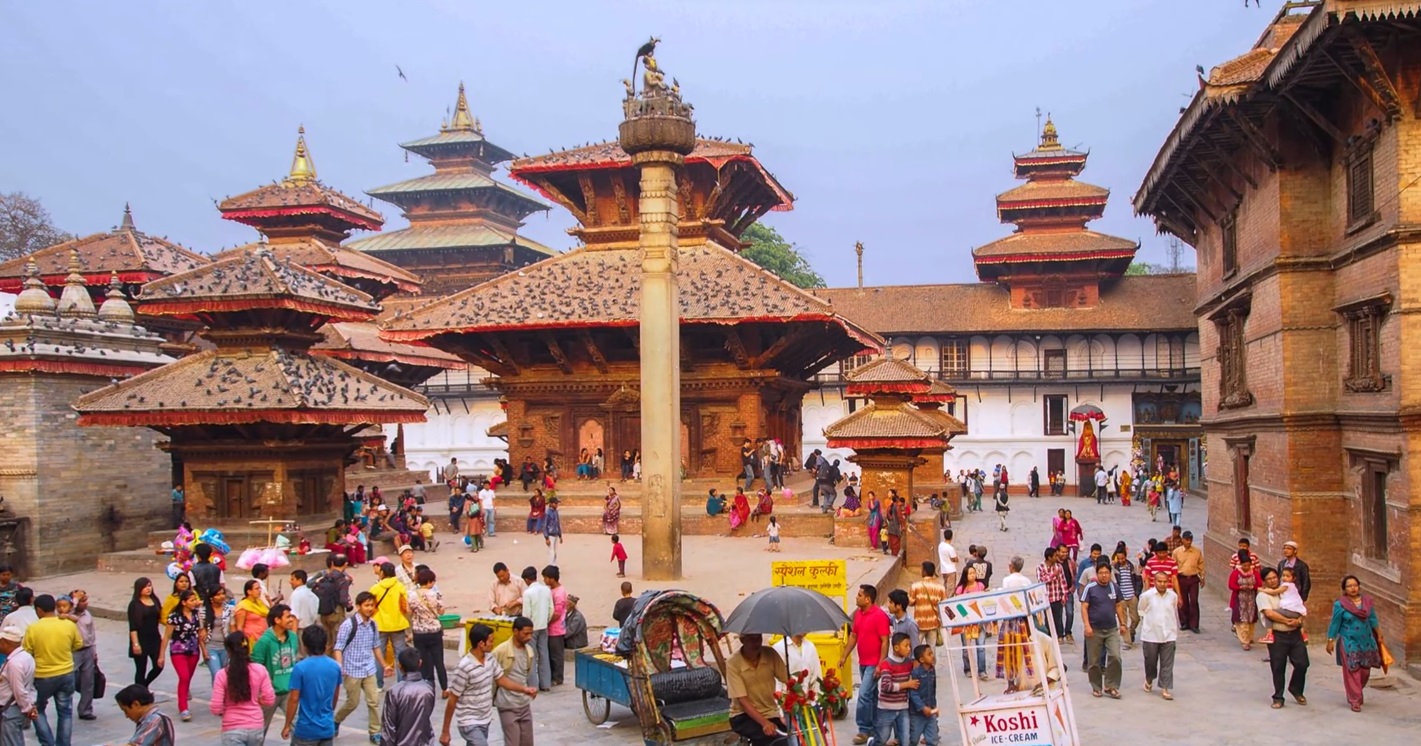
  • Cultural Tours & Sightseeing: Ideal for exploring Kathmandu Valley’s UNESCO World Heritage Sites—Kathmandu Durbar Square, Patan, Bhaktapur, Swayambhunath and Boudhanath—without crowds or heat.
  • Low-Altitude Trekking: Perfect for trails below 3,000m. The Ghorepani Poon Hill Trek and Nagarkot-Chisapani Trek offer stunning sunrise views with minimal cloud cover.
  • Wildlife Safaris: Excellent in Chitwan and Bardia National Parks. Thinner vegetation and pleasant daytime temperatures increase chances of spotting rhinos, elephants, and even tigers.

Advantages: Fewest tourists, superb photography conditions, dry trails.

Considerations: Very cold at night; high-altitude treks (Everest Base Camp, Annapurna Circuit) are challenging due to snow and closed passes.

February: Late Winter Warmth & Rhododendron Buds

Weather Overview: February marks Nepal’s gradual transition from the crisp cold of winter to the early hints of spring. Days are typically sunny, dry, and pleasantly cool, perfect for daytime exploration. Nights and early mornings remain cold, especially at higher elevations. The air clarity is excellent, offering some of the year’s sharpest mountain panoramas. By late February, the lower hills (around 1,500-2,500m) begin to see the first vibrant blooms of rhododendrons, Nepal’s national flower.

Best Things to Do in Nepal in February

  1. Trekking in the “Shoulder Season” Sweet Spot

February is a superb month for beginner and intermediate treks before the spring crowds arrive. Trails are peaceful, teahouses are readily available, and the weather is stable at lower to medium altitudes.

  • Langtang Valley Trek: An excellent choice with reliable weather. The valley is stunning, views of Langtang Lirung are incredible, and you’ll encounter fewer fellow trekkers.
  • Lower Everest Region Treks: Treks to Tengboche or Namche Bazaar are very feasible. While nights are frigid, days are clear for iconic views of Everest, Ama Dablam and Lhotse.
  • Dhampus-Sarangkot-Poon Hill Loop: A shorter trek offering magnificent Annapurna range vistas and a chance to see early rhododendrons.
  1. Immersive Cultural & Festival Experiences
  • Celebrate Losar (Tibetan New Year): Dates vary yearly (late Jan to March). Experience vibrant mask dances, prayer ceremonies, and family gatherings in Kathmandu’s Boudhanath and Swayambhunath, as well as in mountain communities like those in the Langtang and Helambu regions.
  • Unhurried Heritage Tours: Explore the Kathmandu, Patan, and Bhaktapur Durbar Squares comfortably. The cool weather is ideal for walking between temples and courtyards without the heat or monsoon rains.
  1. Premium Wildlife & Bird Watching

The national parks are at their most pleasant. Vegetation is still thin, and animals are active in the comfortable temperatures.

  • Chitwan & Bardia National Parks: Increased chances of spotting the Bengal tiger, one-horned rhinoceros, and wild elephants. Birdlife is prolific, with resident species and lingering migrants.
  • Koshi Tappu Wildlife Reserve: A world-renowned birdwatcher’s paradise in February, with hundreds of species easily sighted.

Advantages of Visiting Nepal in February

  • Excellent Weather Balance: More forgiving daytime temperatures than January, yet still with crisp, clear skies.
  • Significantly Fewer Crowds: Enjoy popular sites and trails with a sense of tranquility before the spring rush.
  • Festival Bonus: The unique opportunity to experience the colorful Losar celebrations.
  • Superb Visibility & Photography: High chance of pristine mountain views and great light for photography.

Key Considerations & Tips for February Travel

Pack for Cold Nights: Essential items include a high-quality down jacket, thermal layers, a warm sleeping bag (for treks), and a good hat/gloves. Mornings and evenings are chilly.

High Passes Remain Closed: Treks involving high mountain passes (like Thorong La on the Annapurna Circuit or Cho La on the Everest Three Passes) are generally not accessible due to deep snow and avalanche risk.

Book Losar Accommodation Early: If planning to be in areas celebrating Losar, especially near monasteries, secure your lodging well in advance.

Potential for Late Snowfalls: While generally stable, brief snow showers can still occur on higher trails, adding to the scenic beauty but requiring flexibility.

Is February a Good Time to Visit Nepal?

Yes, absolutely. February is a hidden gem for travelers seeking a balance of good weather, cultural depth, and outdoor adventure without the peak-season crowds. It’s ideal for cultural enthusiasts, wildlife lovers, and trekkers focusing on low to mid-altitude routes. While not suited for the most extreme high-altitude expeditions, it offers a wonderfully authentic and serene Nepali experience.

March: The Start of Spring & Prime Trekking Season

Weather Overview: March is when Nepal truly shakes off the winter chill. The weather shifts to consistently mild and pleasant, with warm, sunny days and cool, comfortable nights. Humidity remains low, and the infamous monsoon haze has yet to arrive, resulting in crystal-clear skies and exceptional mountain visibility. This is the opening month of the world-renowned spring trekking season. Most notably, the hillsides from around 2,000 meters upwards become a spectacular canvas of blooming rhododendron forests, painting the trails in vibrant shades of red, pink, and white.

Best Things to Do in Nepal in March
  1. World-Class Trekking Begins: March is arguably the best month to start major Himalayan treks. Trails are dry, temperatures are ideal for walking, and the scenery is breathtaking with spring blooms.
  • Annapurna Base Camp (ABC) Trek: The journey through Modi Khola valley becomes magical as the path winds through forests of blooming rhododendrons with towering snow-capped peaks as a backdrop.
  • Everest Base Camp (EBC) Trek: Busier trails return, but the conditions are superb: stable weather, clear views, and a vibrant atmosphere in Namche Bazaar and Tengboche.
  • Langtang Valley Trek: An excellent choice to avoid the larger crowds of the more popular trails, while still enjoying perfect weather and stunning alpine scenery.
  1. Photography & Nature Walks
  • Unmatched Landscape Photography: The combination of clear air, pristine snow on high peaks, and vibrant floral foregrounds creates a photographer’s paradise. Sunrise and sunset shots are particularly stunning.
  • Shorter Nature Treks: If not undertaking a long trek, enjoy day hikes around Pokhara (Sarangkot, World Peace Pagoda) and the Kathmandu Valley (Shivapuri, Chandragiri) for incredible panoramas without the commitment.
  1. Cultural Festivals & Village Life
  • Holi, the Festival of Colors: Usually falls in March. Experience this joyful, chaotic national celebration, especially vibrant in Kathmandu’s Durbar Square and the streets of Patan.
  • Vibrant Local Life: As the weather warms, village life becomes more active. It’s a wonderful time to interact with locals in hill communities who are beginning their agricultural season.
Advantages of Visiting Nepal in March

Optimal Trekking Conditions: The perfect balance of warm days, cool nights, dry trails, and clear skies.

Natural Beauty Peak: The iconic rhododendron blooms make forested trails extraordinarily beautiful.

Festive Atmosphere: The energy on trails and in cities picks up with the arrival of spring and Holi celebrations.

Reliable Flight & Transport Schedules: Domestic flights to Lukla, Pokhara, and elsewhere operate with minimal weather-related disruptions.

Key Considerations & Tips for March Travel

  • Book in Advance: This is the start of the high season. Teahouses on popular routes, domestic flights, and quality guides should be booked weeks or months ahead.
  • Layered Clothing is Key: Pack for all conditions—light layers for warm daytime hiking, and a warm jacket/fleece for chilly mornings and evenings.
  • Moderate Crowds: Trails and major sites will be noticeably busier than in winter, though not as crowded as late April. Embrace the social trail atmosphere.
  • Potential for Late Season Snow: At very high altitudes (above 4,000m), occasional brief snow showers are still possible. Be prepared with appropriate gear.
Is March a Good Time to Visit Nepal?

Yes, March is one of the top months to visit Nepal. It is the ideal choice for trekkers and outdoor enthusiasts seeking the best possible combination of weather, scenery, and trail conditions. It’s also fantastic for photographers and culture seekers wanting to experience a major festival.

The only drawbacks are the need for advanced planning and accepting more company on the classic trails. For a near-guarantee of a spectacular Himalayan experience, March is an excellent bet.

April: Peak Season Perfection & High-Altitude Adventures

Weather Overview: April represents the pinnacle of Nepal’s spring season. Days are warm and consistently stable, with clear blue skies becoming the norm. Nighttime temperatures are mild, even at higher elevations. This period offers the most reliable weather window of the year, with significantly less precipitation and cloud cover than the approaching monsoon. The landscapes are vibrant and alive—rhododendron forests are in full, spectacular bloom, and the alpine meadows begin to green.

Best Things to Do in Nepal in April
  1. Premier High-Altitude Trekking & Climbing

April is the undisputed best month for major treks and peak climbing expeditions. The snow on high passes has melted, and the jet stream has shifted, minimizing wind.

Classic Treks: The Everest Base Camp Trek and Annapurna Circuit are in prime condition. The Manaslu Circuit Trek is particularly ideal, offering a perfect blend of stunning scenery and cultural immersion with manageable visitor numbers (permit-limited).

Peak Climbing: This is the primary season for summiting Nepal’s trekking peaks. Island Peak (Imja Tse) is a popular goal, offering a true mountaineering experience. Mera Peak is another excellent option for those seeking high-altitude challenges.

  1. Photography & Cultural Exploration

Ultimate Photography Conditions: The clear atmosphere, vibrant wildflowers, and majestic snow-capped peaks provide endless opportunities for iconic Himalayan photography.

Festival Energy: The month often includes Nepali New Year (Bikram Sambat) around mid-April, celebrated with local parades, family gatherings, and festive foods. It’s a great time to experience local joy and tradition.

  1. Jungle Safaris in Optimal Conditions

Wildlife Activity: In Chitwan and Bardia National Parks, the warm (but not yet oppressively hot) weather keeps animals active near water sources. The thinning winter foliage still allows for excellent wildlife visibility, especially for birds, rhinos, and elephants.

Advantages of Visiting Nepal in April

Most Predictable & Favorable Weather: The highest probability of excellent conditions for views and trekking.

Optimal Conditions for High Passes: Key passes like Thorong La (Annapurna) and Kongma La (Everest) are typically open and safe for crossing.

Lush, Vibrant Scenery: The country is at its most visually stunning with blooms and greenery.

Full Tourism Infrastructure: All services, flights, and lodges are fully operational, with a vibrant, social atmosphere on the trails.

Key Considerations & Tips for April Travel

  • Expect Crowds: This is the busiest month in Nepal. Popular trails like EBC and ABC will be bustling. Book flights (especially to Lukla), guides, porters, and teahouses 3-6 months in advance.
  • Higher Costs: Due to demand, prices for flights and services are at their peak.
  • Warmer Temperatures: At lower elevations and in cities like Kathmandu and Pokhara, afternoons can be quite warm. Sun protection (hat, sunscreen, sunglasses) is essential.
  • Dust and Haze: By late April, increasing heat can lead to some dust and pre-monsoon haze in the valleys, potentially softening the most distant mountain views.
Is April a Good Time to Visit Nepal?

Yes, April is arguably the single best month to visit Nepal for high-altitude trekking and climbing. It offers the most reliable weather and overall conditions for serious mountain adventures.

However, this perfection comes with a significant trade-off: crowds and higher prices. It is ideal for trekkers and climbers for whom optimal trail conditions are the top priority and who don’t mind a social, well-traveled path. For those seeking solitude, you must look to more remote, restricted areas like Upper Dolpo or Humla.

May: Late Spring Heat & High Mountain Summit Windows

Weather Overview: May represents the tail end of Nepal’s prime spring season, characterized by increasingly warm temperatures and the first signs of the approaching monsoon. Days are long, sunny, and hot, especially in the lowlands and cities. While the afternoons can feel quite warm, the higher altitudes remain pleasant for trekking. A noticeable haze often builds up in the valleys due to dust and pre-monsoon moisture, which can soften long-range panoramic views. However, this is a crucial month for high-altitude mountaineering, as it offers the most stable weather windows for summiting the world’s highest peaks.

Best Things to Do in Nepal in May
  1. Mountaineering & High-Altitude Trekking

May is the peak of the mountaineering season on giants like Everest, Lhotse, and Makalu. For trekkers, it’s the last reliable month for classic high passes before the summer snow.

  • Trekking Peak Ascents: Mera Peak and Island Peak are in prime condition for climbers, offering a thrilling but accessible summit experience.
  • High Pass Crossings: It is often the last feasible month to cross high passes like Thorong La on the Annapurna Circuit before summer snowfall makes them treacherous.
  • Everest Region Trekking: While lower trails are hot, the Everest Base Camp trek is still viable, with trekkers sharing the trail with triumphant summit teams descending in late May.
  1. Explore the Rain-Shadow Region of Upper Mustang

As monsoon clouds gather to the south, the trans-Himalayan region of Upper Mustang becomes accessible and ideal. This ancient Tibetan kingdom lies in a dramatic rain-shadow, meaning it receives minimal precipitation.

  • A Unique Landscape: Experience a stark, desert-like landscape of eroded cliffs, ancient cave dwellings, and remote monasteries.
  • Cultural Immersion: Witness a preserved Tibetan Buddhist culture largely untouched by the monsoon weather affecting the rest of Nepal.
  1. Wildlife Viewing in National Parks
  • Birdwatching Bonanza: National parks are teeming with birdlife. However, by late May, the heat and humidity in Chitwan and Bardia can become intense, making early morning and late afternoon safari drives most comfortable.
  • Jungle Atmosphere: The forests are lush, green, and full of sounds, offering a vibrant (if humid) jungle experience.
Advantages of Visiting Nepal in May

Long, Warm Days: Maximum daylight hours for trekking and exploration.

Mountaineering Excitement: A unique opportunity to be in Everest Base Camp during the historic summit push period (typically mid-to-late May).

Fewer Crowds on Standard Treks: As the heat increases, mainstream trekking trails (outside Everest Base Camp) begin to quiet down compared to April.

Access to Unique Regions: The best time to start planning a Upper Mustang or Dolpo trek, as these areas become their most accessible.

Key Considerations & Tips for May Travel
  • Increasing Heat & Humidity: Be prepared for hot, sweaty conditions at lower elevations. Hydration and sun protection are critical.
  • Reduced Mountain Visibility: The pre-monsoon haze can obscure the crisp, clear mountain views seen in earlier spring. Mornings often offer the clearest skies.
  • Monsoon Approaching: The month ends with a rising chance of afternoon thunderstorms, especially in the hills. Be flexible with flight schedules.
  • Leeches Appear: In verdant, lower-elevation forest areas (like parts of the Annapurna Sanctuary approach), leeches become active by late May.

Is May a Good Time to Visit Nepal?

Yes, for specific travelers. May is an excellent choice for mountaineers, peak climbers, and those seeking the unique culture of Upper Mustang. It’s also a good pick for trekkers who don’t mind warmer temperatures and some haze in exchange for fewer crowds on classic trails.

However, it is not ideal for photographers seeking crystal-clear mountain vistas or for travelers sensitive to heat and humidity. It represents a “final call” for spring Himalayan adventures before the monsoon cycle begins.

June: Early Monsoon Lushness & Rain-Shadow Adventures

Weather Overview: June marks the definite arrival of the monsoon across most of Nepal. Expect high humidity, warm temperatures, and frequent rainfall, typically in intense afternoon or evening showers. Skies are often overcast, and mountain views are regularly obscured by clouds. However, this transforms the landscapes into an incredibly lush, vibrant green. Crucially, the trans-Himalayan rain-shadow regions (like Upper Mustang and Dolpo) remain largely dry and accessible, as they are protected by the massive Himalayan range from the southerly monsoon clouds.

 Best Things to Do in Nepal in June
  1. Explore the Forbidden Kingdom: Upper Mustang

This is one of the prime months to visit Upper Mustang. The region is at its most accessible, with dry trails and dramatic landscapes under vast, rain-shadow skies.

  • Unique Culture & Landscape:Experience a preserved Tibetan Buddhist culture in a stark, desert-like environment of cliffs and canyons.
  • The Tiji Festival:Often held in late May or early June, this vibrant three-day monastic festival in Lo Manthang is a major cultural highlight, featuring elaborate masks, dances and rituals.
  1. Immersive Cultural & Heritage Tours

With outdoor trekking limited in most areas, focus turns to Nepal’s rich cultural heartlands.

  • Kathmandu Valley Exploration: Deep-dive into the museums, art galleries, and courtyard workshops of Kathmandu, Patan, and Bhaktapur. The rain provides a moody, atmospheric backdrop to the ancient architecture.
  • Monsoon Festivals: Participate in local harvest-related festivals and rituals that occur in rural villages during this agricultural period.
  1. Photography & Short Hikes
  • Lush Landscape Photography: Capture the countryside at its most emerald green. Terraced fields glow, and waterfalls are at their most powerful.
  • Day Hikes in the Foothills: Short hikes around Pokhara (e.g., to the World Peace Pagoda) or the Kathmandu Valley rim can be rewarding during breaks in the rain, offering misty, atmospheric views.
Advantages of Visiting Nepal in June
  1. Spectacular Lush Scenery: The country is phenomenally green and alive with rushing rivers and waterfalls.
  2. Solitude & Lower Prices: Experience popular cultural sites without crowds and benefit from significant discounts on hotels and flights.
  3. Unique Cultural Access: Witness the important Tiji Festival in Upper Mustang and authentic rural life during the planting season.
  4. Ideal Rain-Shadow Trekking: Perfect, stable conditions for trekking in Upper Mustang, Upper Dolpo, and Nar Phu Valley.

Key Considerations & Tips for June Travel

Challenging Trekking Conditions: On most mainstream trails (Annapurna, Everest, Langtang), paths are slippery, muddy, and leech-infested. High passes are dangerous due to snow and avalanche risk.

  • Limited Mountain Views: The Himalayas are often hidden behind clouds for days at a time.
  • Travel Disruptions: Domestic flights are frequently delayed or canceled due to poor visibility. Road travel can be slowed by landslides.
  • Humidity and Insects: It’s hot, sticky, and mosquitoes are prevalent in the lowlands (Terai). Quality rain gear (jacket, pants, pack cover) is an absolute necessity.
Is June a Good Time to Visit Nepal?

Yes, but for a very specific type of traveler. June is excellent for cultural enthusiasts, photographers seeking lush greenery, and adventurers headed to the rain-shadow regions like Upper Mustang. It offers deep cultural immersion and significant savings.

However, it is generally not recommended for classic Himalayan trekking or for travelers seeking clear mountain vistas. Success requires flexibility, a tolerance for rain and humidity, and a focus on indoor cultural or specific rain-shadow outdoor experiences.

July: Deep Monsoon & Cultural Immersion

Weather Overview: July is the heart of the monsoon season in Nepal. Expect daily, heavy rainfall, high humidity, and consistently overcast skies. Temperatures remain warm, but the pervasive moisture and cloud cover define the experience. Landscapes reach peak lushness, with vibrant green terraced fields and powerful, cascading waterfalls.

The Himalayan panorama is almost entirely obscured, making this the least viable month for classic mountain viewing. However, the rain-shadow regions remain a stark and fascinating exception.

Best Things to Do in Nepal in July
  1. Journey to the Ancient Rain-Shadow Kingdoms

The trans-Himalayan areas, sheltered from the monsoon by the world’s highest peaks, are in their prime season.

  • Upper Mustang Trek: Experience the “Last Forbidden Kingdom” with its dramatic, desert-like landscapes, ancient cave monasteries, and unique Tibetan culture under reliably dry skies.
  • Upper Dolpo Trek: A truly remote and challenging adventure into one of Nepal’s most isolated regions, featured in the film Himalaya. This is one of the few windows to access this area.

 2. Deep Cultural & Spiritual Exploration

With outdoor activities limited elsewhere, this is the perfect time for an unhurried deep dive into Nepal’s cultural and spiritual heart.

  • Heritage without Crowds: Have Kathmandu’s UNESCO sites like Pashupatinath, Boudhanath, and the Durbar Squares almost to yourself. The rain-washed stone and mist create a profoundly atmospheric experience.
  • Yoga & Meditation Retreats: Join a retreat in the hills of Pokhara or the Kathmandu Valley. The constant sound of rain and the quiet, introspective atmosphere are ideal for practice and rejuvenation.
  • Monastery Stays: Spend time in monasteries around Boudha or Swayambhu, engaging in teachings or simply observing daily rituals in a serene setting.
  1. Lowland Wildlife & White-Water Rafting
  • White-Water Adventure: Rivers are swollen and powerful, offering world-class rafting and kayaking for experienced enthusiasts on the Bhote Koshi, Sun Koshi, and Trishuli rivers.
  • Jungle Safaris with a Caveat: Chitwan and Bardia are incredibly lush, but the heat, humidity, and mosquitoes are intense. Wildlife sightings can be more challenging due to dense foliage, but the jungle ambiance is raw and immersive.
Advantages of Visiting Nepal in July
  1. Significant Cost Savings: Enjoy low-season discounts of 30-50% on hotels, tours, and domestic flights.
  2. Ultimate Solitude: Escape the tourist trail entirely at major cultural sites.
  3. Unique Access: One of the best times to trek in the remote, culturally rich rain-shadow regions.
  4. Lush, Dramatic Scenery: Witness the country at its most vibrantly green and photogenic in terms of landscapes and waterfalls.

Key Considerations & Tips for July Travel

  • Severely Limited Mountain Views: Do not visit with the expectation of seeing the Himalayas. Clouds and rain are the norm.
  • Challenging Travel Logistics: Landslides frequently block roads, and domestic flights are highly prone to lengthy delays and cancellations. A flexible itinerary is absolutely essential.
  • Leeches & Insects: Leeches are abundant on any forested trail. Mosquitoes are prevalent in the Terai; malaria and dengue prophylaxis should be considered.
  • High Humidity & Dampness: Nothing dries easily. Waterproof bags, quick-dry clothing, and serious rain gear are mandatory.
Is July a Good Time to Visit Nepal?

Yes, but only for a very specific traveler profile. July is highly recommended for budget-conscious cultural and spiritual seekers, and for adventurers targeting the unique rain-shadow regions of Upper Mustang and Dolpo. It is not suitable for classic trekking, mountain photography, or travelers who are inflexible or easily frustrated by weather-related disruptions.

If you embrace the rain, seek cultural depth over mountain vistas, and plan around the rain-shadow areas, July offers an uniquely authentic and affordable Nepali experience.

August: Monsoon’s Finale & Festival Spirit

Weather Overview: August represents the tail end of the monsoon season. The month often begins with persistent rainfall and high humidity, but conditions typically start improving in the latter half. You can expect a mix of heavy showers, overcast skies, and occasional breaks of sunshine.

By late August, the rainfall frequency decreases noticeably, especially in western regions. The landscape remains intensely green, with rivers and waterfalls still at full flow. This is a month of transition, where patience is rewarded with glimpses of the clear autumn skies to come.

Best Things to Do in Nepal in August
  1. Rain-Shadow Treks & Late-Month Adventures
  • Upper Mustang & Dolpo: These regions remain the most reliable and popular trekking destinations, offering dry trails and clear skies while the rest of the country is still emerging from the rains.
  • Early Autumn Trailblazing: For experienced and flexible trekkers, embarking on classic trails like the Everest Base Camp or Annapurna Circuit in late August can be rewarding. You’ll beat the peak autumn crowds, enjoy lush scenery, and have a chance of improving weather, though showers and leeches are still a possibility.
  1. Experience the Vibrant Teej Festival

August is culturally highlighted by Teej, a significant Hindu festival dedicated to Goddess Parvati.

  • Women’s Festival: Primarily observed by women who dress in vibrant red saris, sing, dance, and fast for the longevity and prosperity of their husbands.
  • Where to Experience: The festivities are most colorful at Pashupatinath Temple in Kathmandu and in local squares across the country. It’s a beautiful and photogenic display of tradition and devotion.
  1. Lush Landscape Photography & Serene Exploration
  • Waterfalls & Countryside: This is the best time to photograph powerful waterfalls like those around Pokhara (Davis Falls) and in the hills. The countryside is a breathtaking tapestry of green rice paddies.
  • Quiet Cultural Sites: Enjoy continued access to cultural sites in the Kathmandu and Pokhara valleys with minimal tourist crowds, perfect for leisurely, in-depth exploration.
Advantages of Visiting Nepal in August
  • Shoulder Season Benefits: Enjoy lower prices and fewer tourists than in peak seasons, with a chance of good weather developing.
  • Unique Festival Experience: Witness the beautiful and culturally rich Teej festival.
  • Lush, Dramatic Scenery: The landscapes are at their most verdant and photogenic.
  • Strategic Timing: Arriving in late August positions you perfectly for the start of the world-renowned autumn trekking season.

Key Considerations & Tips for August Travel

  1. Unpredictable Weather: Pack for all conditions: high-quality rain gear, quick-dry clothing, and leech protection are still essential, but also include layers for cooler, sunny days.
  2. Persistent Leeches & Humidity: Forested areas remain humid and leech-prone throughout the month.
  3. Travel Delays Possible: While improving, road landslides and flight delays can still occur, especially in the first half of August. Build flexibility into your itinerary.
  4. Limited Mountain Visibility: While improving, clear, panoramic Himalayan views are still not guaranteed until later in the month or into September.

Is August a Good Time to Visit Nepal?

  • Yes, for flexible travelers and culture enthusiasts. August is ideal for:
  • Festival-goers wanting to experience Teej.
  • Trekkers committed to the rain-shadow regions.
  • Budget-conscious adventurers willing to embrace some uncertainty for lower costs and the chance to start classic treks early.
  • Photographers focused on lush landscapes and cultural events.

It is less ideal for those with limited time who absolutely require guaranteed clear skies and dry trails for their Himalayan trekking or mountain photography.

September: The Start of the Premier Autumn Trekking Season

Weather Overview: September marks the transition from monsoon to autumn, offering some of Nepal’s most dynamic and rewarding weather. The month begins with residual humidity and occasional showers, but the skies clear dramatically as the weeks progress. By mid-to-late September, you can expect stable, dry weather, crisp air, and increasingly spectacular mountain visibility. Trails dry out, the post-monsoon landscape is intensely green, and the famous autumn trekking season begins in earnest.

Best Things to Do in Nepal in September

  1. Early Autumn Trekking with Lush Scenery

September is the perfect month to start major treks if you wish to avoid the peak October crowds while enjoying fresh, clear conditions.

  • Everest Region: The trail to Everest Base Camp comes alive. Views of Ama Dablam and the surrounding giants are sharp, and the famous airstrip at Lukla operates more reliably.
  • Annapurna Region: The Annapurna Circuit and Annapurna Base Camp treks are superb. Rhododendron forests are green, and the air clarity improves daily, revealing stunning views of Machhapuchhre and the Annapurna massif.
  • Langtang Valley: An excellent choice, as the valley rebounds beautifully from the monsoon, offering a quieter alternative with accessible trails and incredible alpine scenery.
  1. Festival of Dashain (Late September)

The most important Hindu festival in Nepal, Dashain, often begins in late September. This is a profound cultural experience.

  • Family & Celebration: Witness families reuniting, receive tika (red rice) blessings, see local kite festivals, and experience a nation immersed in celebration.
  • Vibrant Atmosphere: While some shops may close for a day or two, the festive spirit is everywhere, especially in villages and local communities.
  1. Photography & Outdoor Adventure
  • Optimal Photography Conditions: Capture the contrast of lush green valleys against newly snow-dusted white peaks under clearing blue skies.
  • Adventure Sports Resume: Excellent conditions return for paragliding in Pokhara, mountain biking, and white-water rafting (rivers remain lively from monsoon rains).
Advantages of Visiting Nepal in September
  1. Ideal Trekking Weather Emerges: Enjoy the start of Nepal’s best and most stable trekking season with comfortable daytime temperatures and cool nights.
  2. Fresh, Vibrant Landscapes: The countryside is at its greenest, waterfalls are powerful, and the air is washed clean.
  3. Beat the Peak Crowds: Trails and teahouses are less crowded than in October and November, offering a more tranquil experience.

Major Festival Experience: Opportunity to witness the beginning of the significant Dashain festival.

Key Considerations & Tips for September Travel

Variable Early Month Weather: The first two weeks can still see occasional rain and cloud. Be prepared with waterproof gear and flexible plans.

Leeches (Early Month): In forested areas at lower elevations, leeches can remain active until the trails fully dry out mid-month.

Book Key Services Early: As it’s the start of high season, domestic flights (especially to Lukla) and popular teahouses should be booked in advance, particularly for late September trips.

Festival Travel: During Dashain, domestic transportation can be very busy as Nepalis travel to their home villages. Plan accordingly.

Is September a Good Time to Visit Nepal?

Yes, September is a fantastic time to visit Nepal, particularly for trekkers who prioritize lush scenery and want to avoid the largest crowds. It offers the “best of both worlds”: the vibrant greenery of the monsoon and the stable, clear conditions of autumn.

While the very beginning of the month carries a slight weather risk, from mid-September onward, conditions are typically outstanding. It is highly recommended for trekkers, festival-goers, and photographers seeking dynamic landscapes.

October: Nepal’s Premier Travel Month

Weather Overview: October stands as the pinnacle of Nepal’s travel calendar. The monsoon has fully retreated, leaving behind crystal-clear skies, exceptionally dry air, and stable, mild temperatures. Days are pleasantly warm with abundant sunshine, while nights become crisp and cool, especially at altitude.

This combination creates unsurpassed mountain visibility—the Himalayas appear staggeringly close and vivid against deep blue skies. It is, by consensus, the best overall month for travel and trekking in Nepal.

Best Things to Do in Nepal in October
  1. World-Class Trekking Across All Regions

Every major trekking route is in prime condition. This is the month for iconic Himalayan journeys.

  • Everest Region: The Everest Base Camp trek is at its busiest and most vibrant. The iconic view from Kala Patthar is virtually guaranteed. The Three Passes Trek is also ideal for experienced adventurers.
  • Annapurna Region: Perfect conditions for the Annapurna Circuit, Annapurna Base Camp, and the Manaslu Circuit. The views of the Annapurna massif and Dhaulagiri are breathtaking.
  • Langtang, Helambu, & Beyond: All regions are accessible, offering a quieter but equally stunning experience compared to the more famous trails.
  1. Immersion in Major Festivals: Dashain & Tihar

October is rich with Nepal’s most significant cultural celebrations.

  • Dashain (Vijaya Dashami): The longest and most important Hindu festival, spanning 15 days. It’s a time of family reunions, temple visits, animal sacrifices (symbolic of victory over evil), kite flying, and receiving tika (blessings) from elders.
  • Tihar/Deepawali (Festival of Lights): Following Dashain, this five-day festival celebrates light over darkness. Houses are adorned with oil lamps (diyas) and colorful rangolis, and different days are dedicated to worshipping crows, dogs, cows, and oxen. The night dedicated to Laxmi, the goddess of wealth, is particularly beautiful.
  1. Peak Adventure & Photography Season

Optimal Conditions for Everything: This is the best month for peak climbing (Island Peak, Mera Peak), mountain flights, paragliding in Pokhara, and jungle safaris (with pleasant temperatures in Chitwan and Bardia).

Photographer’s Paradise: The clear, dry air provides stunning visibility and perfect light for landscape, portrait, and cultural photography throughout the day.

Advantages of Visiting Nepal in October
  • Perfect Weather: The most reliable and pleasant conditions of the year for all activities.
  • Unbeatable Mountain Views: The highest probability of completely unobstructed, panoramic Himalayan vistas.
  • Vibrant Cultural Atmosphere: Experience the country’s biggest and most joyous festivals.
  • Full Operational Access: All trails, passes, and tourism infrastructure are fully open and running smoothly.

Key Considerations & Tips for October Travel

  • Peak Season Crowds: This is the busiest month. Popular trails, teahouses, and flights will be crowded. A social atmosphere is guaranteed; solitude is not.
  • Essential to Book Extremely Early: Secure international flights, domestic flights (especially Lukla), trekking permits, guides, and teahouses 6-9 months in advance.
  • Higher Costs: Prices for flights, tours, and some lodgings are at their annual peak due to high demand.
  • Cool Nights at Altitude: While days are mild, temperatures at higher elevations (above 3,500m) can drop below freezing at night. A high-quality sleeping bag and warm layers are crucial.
Is October a Good Time to Visit Nepal?

Yes, unequivocally. October is the best month to visit Nepal if your top priorities are guaranteed excellent weather, crystal-clear mountain views, and experiencing major cultural festivals. It is the ideal choice for first-time visitors and seasoned trekkers alike who want the classic Himalayan experience.

The trade-off is that you must be prepared for significant crowds, meticulously plan and book well in advance, and accept premium prices. For the quintessential Nepali adventure, October delivers.

November: Post-Peak Perfection & Crisp Mountain Days

Weather Overview: November continues Nepal’s excellent autumn conditions with dry, stable weather and brilliantly clear skies. Temperatures become noticeably cooler, especially at night and at higher elevations, as winter begins to approach. Days remain sunny and pleasant for trekking, but the air carries a crisp, refreshing chill. This is the last month of the prime trekking season before the winter cold sets in, offering a magnificent blend of outstanding visibility, quieter trails, and a more serene mountain atmosphere.

Best Things to Do in Nepal in November
  1. Superior Trekking with Enhanced Solitude

November is arguably even better than October for experienced trekkers who prioritize clear skies and fewer people.

  • Everest Region: The Everest Base Camp trek remains superb. While nights are cold, the days are clear and the trails are less congested than in October, allowing for a more contemplative journey.
  • Annapurna Circuit & Sanctuary: The Annapurna Circuit is ideal, with stable conditions for crossing Thorong La Pass. The Annapurna Base Camp trek offers stunning, crowd-free views of the amphitheater of peaks.
  • Manaslu Circuit Trek: An excellent time for this restricted-area trek, combining challenging passes with rich cultural encounters in near-perfect weather.
  1. Photography at Its Best
  • Optimal Light and Clarity: The cold, dry air provides unparalleled atmospheric clarity, making it the best month for sharp, long-range landscape and mountain photography. Sunrise and sunset light on the peaks is exceptionally vivid.
  • Cultural Photography: The Tihar (Deepawali) festival, occurring in early November, offers vibrant, colorful photo opportunities with its lights, decorations and rituals.
  1. Cultural Festivals and Village Life
  • Tihar / Deepawali (Festival of Lights): Experience this beautiful five-day festival immediately following Dashain. Witness homes and streets illuminated with oil lamps (diyas), intricate rangoli art, and the special days honoring dogs, crows, cows, and the bond between brothers and sisters (Bhai Tika).
  • Authentic Village Encounters: With the main harvest season over, village life is active and communal. It’s a wonderful time for genuine cultural interaction in less-visited regions.
Advantages of Visiting Nepal in November
  • Excellent Weather Stability: Continues the dry, clear pattern of October with even lower chances of precipitation.
  • Reduced Crowds: A significant drop in trekkers compared to October, leading to a more peaceful experience on the trails and better service in teahouses.
  • Superb Visibility & Photography: The clearest air of the year, resulting in the sharpest possible mountain views.
  • Rich Cultural Festivals: The opportunity to partake in or observe the beautiful, family-oriented Tihar celebrations.

Key Considerations & Tips for November Travel

Cold Temperatures, Especially at Night: Be prepared for sub-freezing conditions at high altitudes. A high-quality, cold-weather sleeping bag (-10°C to -15°C rating), insulated down jacket, thermal layers, gloves, and a warm hat are non-negotiable.

  • Shorter Daylight Hours: Days are shorter than in October. Trekking days need to be planned efficiently to reach destinations before dusk and the temperature plummets.
  • Book in Advance (But Less Than October): While not as critical as October, popular flights and services should still be booked 2-3 months in advance, especially for the first half of the month.
  • High Passes Can Get Icy: Towards the end of November, high passes (like Thorong La) may begin to develop ice, requiring greater caution and potentially microspikes.
Is November a Good Time to Visit Nepal?

Yes, November is a top-tier month to visit Nepal, highly recommended for trekkers, photographers, and cultural travelers who don’t mind cooler temperatures. It is perfect for those seeking the classic Himalayan trekking experience with the added benefits of clearer skies and fewer people than October.

It is less suitable for those highly sensitive to cold or for travelers attempting very high-altitude climbs (like 8,000m peaks), as the window for those is closing. For everyone else, November offers a pristine, crisp, and profoundly beautiful Himalayan experience.

Best Things to Do in Nepal in December
  1. Winter Trekking with Unbeatable Views

December is ideal for low to mid-altitude treks where trails remain accessible and skies are reliably clear.

  • Ghorepani Poon Hill Trek: A classic winter choice. The sunrise view over the Dhaulagiri and Annapurna ranges from Poon Hill is spectacular in the crisp winter air.
  • Everest Panorama Trek (Tengboche): Trek to Tengboche Monastery for breathtaking, close-up views of Everest, Lhotse, and Ama Dablam without the extreme cold of higher elevations.
  • Langtang Valley Trek: Still accessible and beautiful, with sunny days and dramatic snowy peaks framing the valley.
  1. Cultural & Festive Exploration
  • Christmas & New Year in the Himalayas: Experience a unique blend of traditional Nepali hospitality and festive celebrations in Kathmandu, Pokhara, and on trekking trails. Many hotels and restaurants offer special dinners and events.
  • Tamu Lhosar (Gurung New Year): Celebrated by the Gurung community in late December, this festival features cultural dances, music, and feasts, particularly vibrant in the Pokhara region.
  1. Wildlife Safaris & Cultural Sightseeing
  • Optimal Safari Conditions: Chitwan and Bardia National Parks are excellent in December. The cool, dry weather makes animal spotting comfortable and productive, with high chances of seeing rhinos, elephants, and deer.
  • Serene Heritage Tours: Explore the Kathmandu Valley’s UNESCO sites like Bhaktapur, Patan, and the stupas without crowds. The winter light is perfect for photography.
Advantages of Visiting Nepal in December
  1. Superb Visibility & Photography: Crystal-clear, pollution-free skies offer arguably the best mountain photography conditions of the year.
  2. Minimal Crowds & Peaceful Trails: Enjoy popular sites and trekking routes with a true sense of tranquility after the autumn rush.
  3. Pleasant Daytime Temperatures: At lower altitudes and in the sun, daytime conditions are perfect for hiking and sightseeing.
  4. Unique Festive Atmosphere: Celebrate the holidays in a unique setting with both Western and local Nepali festivities.

Key Considerations & Tips for December Travel

  • Extreme Cold at Night: Be prepared for freezing temperatures, especially above 2,500m. A high-quality down jacket, thermal layers, a four-season sleeping bag (for treks), and a warm hat/gloves are essential.
  • Limited High-Altitude Access: Treks involving high passes (Everest Base Camp beyond Tengboche, Annapurna Circuit’s Thorong La, Manaslu Circuit) are generally not feasible due to deep snow and avalanche risk.
  • Short Daylight Hours: Plan trekking days to finish early, as the sun sets quickly and temperatures drop drastically immediately afterward.
  • Potential Flight Delays: Morning fog in the Terai can occasionally delay domestic flights to/from Kathmandu in the early morning.
Is December a Good Time to Visit Nepal?

Yes, December is an excellent time to visit Nepal for the right traveler. It is perfect for those seeking crystal-clear mountain views, peaceful cultural exploration, wildlife safaris, and lower-altitude trekking without crowds. It’s also a magical time for a festive holiday season in a unique location.

It is less ideal for those set on reaching classic high-altitude destinations like Everest Base Camp or crossing major passes. Travelers must be prepared for and comfortable with cold conditions, especially at night.

Best Time to Visit Nepal: Final Travel Tip

If you want perfect weather and clear Himalayan views, choose October or November. For flowers and mild temperatures, March and April are excellent. Travelers seeking fewer crowds and lower costs can consider winter or monsoon months, focusing on suitable regions.
 

The 10 Best Trekking Trails in Nepal

Nepal is a global trekking paradise, home to some of the most spectacular and diverse hiking trails on earth. From short and easy routes suitable for beginners to demanding high-altitude expeditions for seasoned trekkers, the country offers an adventure for every type of traveler. Its unique blend of Himalayan landscapes, ethnic cultures and centuries-old traditions creates a trekking experience unlike anywhere else.

Among the top routes, the Everest Base Camp Trek remains a bucket-list choice, offering close-up views of the world’s highest peak and insight into Sherpa culture. The Annapurna Sanctuary (ABC) Trek is known for its dramatic amphitheater of mountains, while the Annapurna Circuit showcases a remarkable mix of climate zones and High Mountain passes. For trekkers seeking quiet trails and remote beauty, the Manaslu Circuit delivers pristine landscapes and cultural authenticity.

Closer to Kathmandu, the Langtang Valley Trek provides quick access to Himalayan scenery, while the Ghorepani Poon Hill Trek is ideal for short, rewarding hikes with sunrise views. Those looking for alternative Everest-region routes will appreciate the serene beauty of the Gokyo Lakes Trek, famous for its turquoise lakes and panoramic viewpoints.

The restricted Upper Mustang Trek offers a completely different side of Nepal, with its desert-like terrain and preserved Tibetan-influenced culture. Meanwhile, the Pikey Peak Trek provides some of the finest panoramic views of Everest on a short itinerary. Lastly, the Langtang Gosainkunda Trek blends mountain scenery with sacred alpine lakes, making it a perfect choice for both nature lovers and cultural explorers.

Together, these ten trails highlight the best of Nepal’s natural beauty, cultural richness, and trekking diversity—making the country a top destination for hikers worldwide.

The Classic & Iconic Treks

Everest Base Camp Trek: The Ultimate Himalayan Pilgrimage

The Everest Base Camp (EBC) Trek is widely regarded as the world’s most iconic high-altitude adventure—an inspiring journey to the foot of the planet’s tallest mountain. More than a physical challenge, it is a spiritual and cultural pilgrimage through the heart of the Khumbu Valley, where vibrant Sherpa traditions, ancient monasteries, and prayer-flag-lined trails create an unforgettable experience. Every step reveals new layers of Himalayan beauty, from the forested paths and sweeping valleys to the towering peaks that define this legendary region.

The trail leads through Namche Bazaar, the bustling Sherpa capital, before continuing to the serene and sacred Tengboche Monastery, home to panoramic mountain views. As trekkers approach Everest Base Camp, the landscapes become increasingly dramatic, following the edge of the mighty Khumbu Glacier. The trek’s ultimate highlight is the sunrise climb to Kalapatthar (5,545 m), offering one of the most breathtaking vistas of Mount Everest, Lhotse, Nuptse, and Ama Dablam.

This 12–14 day journey requires good fitness, acclimatization, and essential permits such as the Sagarmatha National Park Entry Permit and the TIMS card. While demanding, the route rewards trekkers with deep cultural encounters, thrilling suspension bridges, peaceful pine forests, and the warm hospitality of local teahouses. The Everest Base Camp Trek is truly a bucket-list classic—where the path itself becomes just as meaningful as the destination.

  • Best For: Adventurers seeking an iconic high-altitude trek
  • Duration: 12–14 days
  • Highest Point: Kalapatthar (5,545 m)

Annapurna Sanctuary (Annapurna Base Camp) Trek: A Journey into the Mountain’s Heart

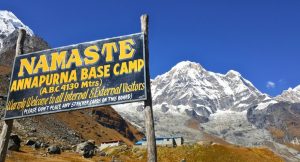
The Annapurna Sanctuary Trek, leading to the spectacular Annapurna Base Camp (ABC), is one of Nepal’s most immersive and visually dramatic Himalayan adventures. Unlike longer circuit routes, this trail takes you straight into the mountain’s inner sanctum—a breathtaking amphitheater surrounded by towering peaks such as Annapurna I (8,091 m), Hiunchuli, and the striking, pyramid-like Machhapuchhre. The journey showcases remarkable diversity, moving from lush rhododendron forests and stone-paved village trails to wide terraced farmlands and finally into the glacial basin of the Sanctuary.

Throughout the trek, travelers experience a beautiful blend of nature and culture. Traditional Gurung and Magar villages like Ghandruk and Chhomrong offer warm hospitality, unique traditions, and dramatic viewpoints. As the trail steadily climbs, each day reveals new ecosystems, shifting from warm lowland forests to high alpine landscapes dominated by ice and rock. The final ascent to Annapurna Base Camp (4,130 m) rewards trekkers with an unforgettable 360-degree panorama of Himalayan giants—a moment that captures the awe and grandeur of the region.

With a typical duration of 7–12 days, the Annapurna Sanctuary Trek is perfect for trekkers with moderate fitness who want a high-impact Himalayan experience without the extreme altitude of longer expeditions. Accessible, culturally rich, and scenically magnificent, the ABC Trek offers a deep, meaningful connection to the mountains—making it one of Nepal’s most cherished classic adventures.

Annapurna Base Camp Trek

  • Best For: Moderate trekkers seeking diverse landscapes
  • Duration: 7–12 days
  • Highest Point: Annapurna Base Camp (4,130 m)

Annapurna Circuit Trek: A Journey Through Worlds

The Annapurna Circuit Trek is a legendary trans-Himalayan adventure and one of the most diverse long-distance hikes in the world. This iconic 14–18 day journey circles the entire Annapurna massif, guiding trekkers through an extraordinary progression of landscapes—from warm subtropical forests and vibrant terraced fields to the windswept, high-altitude desert reminiscent of the Tibetan Plateau. The trek’s most defining milestone is the ascent over Thorong La Pass (5,416 m), a challenging yet immensely rewarding crossing that offers sweeping Himalayan panoramas and a profound sense of accomplishment.

More than just a physical challenge, the Annapurna Circuit is a rich cultural odyssey. The trail leads through the traditional Buddhist settlements of Manang, where centuries-old customs, monasteries, and unique architecture reflect the region’s Tibetan heritage. After the high-pass crossing, trekkers descend to Muktinath, one of Nepal’s most sacred pilgrimage sites, revered by both Hindus and Buddhists for its eternal flame and 108 holy water spouts.

The journey continues through the dramatic Kali Gandaki Gorge, recognized as the world’s deepest, passing through the windswept town of Jomsom and the charming apple-growing village of Marpha. With its contrasting climates, cultural richness, and dramatic mountain scenery, the Annapurna Circuit is perfectly suited for experienced trekkers seeking variety and adventure. This classic route remains one of Nepal’s most rewarding long-distance treks, offering an unforgettable blend of natural beauty, spiritual heritage, and personal triumph.

  • Best For: Experienced trekkers wanting variety and a high pass
  • Duration: 14–18 days
  • Highest Point: Thorong La Pass (5,416 m)
Manaslu Circuit Trek: The Pristine Himalayan Journey

The Manaslu Circuit Trek is one of Nepal’s most spectacular and untouched trekking experiences, offering a peaceful alternative to the more famous Himalayan routes. Circling Mount Manaslu (8,163 m)—the world’s eighth-highest peak—this 13–17 day restricted-area trek delivers exceptional solitude, dramatic landscapes, and a deep connection to Tibetan-influenced culture.

The trail traces the powerful Budhi Gandaki River, climbing steadily through terraced hillsides, lush forests, and remote stone villages such as Sama Gaon and Samdo, where ancient monasteries, prayer walls, and traditional lifestyles have been preserved for generations.

The journey’s defining challenge is the ascent over Larke La Pass (5,160 m), a demanding high-altitude crossing that reveals sweeping views of the Manaslu, Himalchuli, and Cheo Himal ranges. The sense of accomplishment at the top—combined with the raw alpine scenery—makes this one of Nepal’s most rewarding Himalayan passes.

Because the region is designated as a restricted area, trekkers must travel with a registered guide and obtain special permits, which helps maintain the trail’s quiet, authentic, and unspoiled character. Ideal for experienced trekkers seeking remote wilderness and cultural immersion, the Manaslu Circuit offers rugged terrain, serene glacial valleys, and a genuine expedition feel. This is a trek that combines adventure, cultural depth, and pristine Himalayan beauty—making it one of Nepal’s most extraordinary and underrated long-distance journeys.

  • Best For: Trekkers seeking solitude and raw Himalayan landscapes
  • Duration: 13–17 days
  • Highest Point: Larke La Pass (5,160 m)
Langtang Valley Trek: The Accessible Himalayan Sanctuary

The Langtang Valley Trek is one of Nepal’s most accessible yet deeply rewarding Himalayan journeys, often called the “Valley of Glaciers.” Located just a few hours’ drive from Kathmandu, this 6–8 day trek is perfect for travelers with limited time who want authentic culture, serene landscapes, and stunning mountain vistas without the crowds of more popular trails.

The route passes through lush pine and rhododendron forests, traditional Tamang villages with distinctive architecture, and high alpine meadows where yaks graze peacefully, all set against the dramatic backdrop of the Langtang mountain range. Trekkers experience a harmonious blend of natural beauty and local culture at every step.

A standout highlight is the climb to Kyanjin Ri (4,773 m) or Tserko Ri (4,984 m), offering panoramic views of Langtang Lirung (7,227 m), Gangchenpo, and the surrounding glacial valleys. Beyond the scenery, the trek carries a meaningful cultural element, passing through resilient communities that have rebuilt and preserved their heritage since the 2015 earthquakes.

With its easy access, rich Tamang cultural experiences, dramatic glacial landscapes, and moderate duration, the Langtang Valley Trek is an excellent choice for trekkers seeking a genuine Himalayan adventure that combines breathtaking natural scenery with a deep connection to local communities. It is ideal for beginners, families, and anyone looking for a condensed yet memorable Himalayan experience.

  • Best For: Short-trek seekers near Kathmandu
  • Duration: 6–8 days
  • Highest Point: Tserko Ri (4,984 m)
Ghorepani Poon Hill Trek: The Perfect Himalayan Introduction

The Ghorepani Poon Hill Trek is Nepal’s most beloved short adventure, offering an accessible and incredibly rewarding glimpse into the heart of the Annapurna region. Ideal for beginners, families, or those with limited time, this 3–5 day journey is famed for its iconic sunrise view from Poon Hill (3,210m), where the entire snow-capped panorama of the Annapurna and Dhaulagiri ranges is bathed in golden morning light—a truly unforgettable spectacle.

The trail itself is a beautiful immersion, climbing through lush rhododendron forests (vibrant in spring), past charming Gurung and Magar villages like Ulleri and Ghorepani, and along ancient stone staircases that weave through terraced farmland.

More than just a viewpoint trek, it provides a rich cultural experience with cozy teahouse stays and warm local hospitality. Despite its shorter duration, the trek involves significant stone steps, offering a satisfying sense of achievement.

As the perfect introductory Himalayan trek, Poon Hill delivers spectacular mountain scenery, cultural encounters, and the magic of the mountains in a compact, manageable itinerary, proving that an epic adventure doesn’t always require weeks on the trail.

  • Best For: Beginners and families
  • Duration: 3–5 days
  • Highest Point: Poon Hill (3,210 m)
Everest Gokyo Lakes Trek: The Turquoise Alpine Alternative

The Everest Gokyo Lakes Trek is a stunning and tranquil alternative to the traditional Everest Base Camp route, offering breathtaking glacial landscapes and the mesmerizing turquoise waters of the Gokyo Lakes. This 12–14 day trek follows the quieter western side of the Khumbu Valley, leading adventurers alongside the massive Ngozumpa Glacier, Nepal’s largest glacier, and into a pristine high-altitude sanctuary where nature reigns supreme.

The trek’s most memorable highlight is the ascent to Gokyo Ri (5,357 m), a viewpoint that rivals even Kala Patthar. From this summit, trekkers are rewarded with a panoramic 360-degree view of four 8,000-meter giants: Mount Everest, Lhotse, Makalu, and Cho Oyu, reflected beautifully in the jewel-like lakes below.

Ideal for photographers and trekkers seeking a quieter Everest-region experience, the route combines moderate to challenging high-altitude crossings, unique glacial terrain, and the serene beauty of sacred alpine lakes. Unlike the busier EBC trail, the Gokyo Lakes Trek offers both solitude and awe-inspiring Himalayan scenery, making it a perfect choice for those looking to explore the Khumbu region with a deeper sense of calm and wonder.

This trek provides a balanced experience of adventure, culture, and natural splendor—making the Everest Gokyo Lakes route a memorable and less-crowded Himalayan classic.

Aerial panorama of turquoise Gokyo Lakes during Everest Gokyo Lakes
The stunning emerald waters of the Gokyo Lakes, a spectacular detour on deluxe Everest Gokyo Lakes
  • Duration: 12–14 days
  • Highest Point: Gokyo Ri (5,357 m)
Upper Mustang Trek: Journey to the Last Forbidden Kingdom

The Upper Mustang Trek is a journey into one of Nepal’s most remote and captivating regions, often called the “Last Forbidden Kingdom.” This 12–15 day trek traverses a stark high-altitude desert, presenting a striking contrast to Nepal’s lush hills and snow-capped peaks. Trekkers encounter wind-sculpted cliffs, deep canyons, eroded pillars, and vast open skies, all while exploring a land that has preserved its Tibetan Buddhist culture for centuries.

The trail offers a profound cultural experience, passing ancient monasteries perched on cliffs, thousand-year-old cave dwellings, and the walled capital of Lo Manthang, a living museum showcasing traditional architecture, history, and local life. Vibrant prayer flags flutter along old trade routes, reinforcing the sense of timelessness in this remarkable region.

Ideal for cultural explorers and those seeking uniquely stark landscapes, the trek requires special permits and a registered guide. The highest points generally range from 3,800 m to 4,200 m, making it less extreme in altitude compared to other Himalayan classics, yet no less rewarding. Walking through Upper Mustang feels like stepping back in time, offering a rare glimpse into a world largely untouched by modernity.

With its combination of breathtaking desert scenery, preserved culture, and historical intrigue, the Upper Mustang Trek is not only a hiking adventure but a journey of discovery—an unforgettable immersion into a timeless way of life in the heart of the Himalayas.

  • Best For: Cultural explorers and trekkers seeking unique landscapes
  • Duration: 12–15 days
  • Highest Point: Lo Manthang area (3,800–4,200 m)
Everest Pikey Peak Trek: The Legend’s Favorite Sunrise Vista

The Everest Pikey Peak Trek is a remarkable short alternative for trekkers seeking iconic Everest views without the length or extreme altitude of the traditional EBC route. Celebrated by Sir Edmund Hillary for its breathtaking sunrise vistas, this 4–7 day trek ascends through serene rhododendron forests, peaceful Sherpa villages, and past historic monasteries before reaching the summit of Pikey Peak (4,065 m). From this vantage point, trekkers are treated to a stunning panorama of the eastern Himalayan range, with Mount Everest, Lhotse, Makalu, and Kanchenjunga glowing in the morning light.

Perfect for families, travelers with limited time, or anyone seeking a less demanding trek with equally spectacular scenery, the trail combines accessibility with Himalayan grandeur. With fewer crowds compared to the classic EBC route, trekkers can enjoy a more intimate experience of local culture, lush mid-hill landscapes, and the tranquil beauty of the region.

The Everest Pikey Peak Trek proves that the most unforgettable Himalayan moments don’t always require long or extreme journeys. Its combination of moderate trekking, cultural immersion, and awe-inspiring vistas makes it an ideal choice for anyone wanting a compact yet profoundly rewarding Himalayan adventure.

  • Best For: Trekkers seeking short Everest views
  • Duration: 4–7 days
  • Highest Point: Pikey Peak (4,065 m)
Langtang Gosainkunda Trek: A Sacred Journey to Himalayan Lakes

The Langtang Gosainkunda Trek combines two spectacular regions into one unforgettable Himalayan adventure, offering a harmonious mix of cultural exploration, majestic mountain scenery, and spiritual significance. This 8–12 day trek begins in the enchanting Langtang Valley, often called the “Valley of Glaciers,” where trekkers experience the warm hospitality of Tamang communities and sweeping views of Langtang Lirung.

From there, the trail ascends to the sacred Gosainkunda Lakes, a collection of pristine alpine lakes revered as major Hindu and Buddhist pilgrimage sites, set against a dramatic backdrop of snow-capped peaks. The trek’s adventurous highlight is the crossing of Lauribina La Pass (4,610 m), offering panoramic high-Himalayan vistas and a true sense of accomplishment.

This trek is ideal for trekkers seeking a multifaceted journey, combining serene forests, glacial valleys, ancient monasteries, and the profound tranquility of holy lakes. It blends natural beauty with cultural and spiritual depth, making it a holistic Himalayan pilgrimage that nurtures the soul as much as it delights the senses. The Langtang Gosainkunda Trek is a rewarding adventure that creates a lasting connection to both the majestic landscapes and rich spiritual heritage of Nepal.

  • Best For: Trekkers wanting a mix of culture, mountains, and holy lakes
  • Duration: 8–12 days
  • Highest Point: Lauribina La Pass (4,610 m)

Why Nepal Should Be Your Next Trekking Destination

Nepal is more than a travel destination—it is the ultimate trekking experience, where every journey becomes a lifelong memory. Renowned as one of the world’s top adventure destinations, Nepal captivates trekkers with its extraordinary combination of natural beauty, cultural richness, and welcoming mountain communities.

The scenery is unmatched. From the iconic silhouette of Mount Everest to the tranquil turquoise lakes of Gokyo and the desert-like landscapes of Upper Mustang, Nepal’s Himalayan vistas are endlessly diverse and awe-inspiring. Each trail reveals new panoramas, including glacial valleys, soaring peaks, and serene alpine meadows.

Cultural immersion is another highlight. Trekkers pass through ancient Sherpa, Tamang, and Gurung villages, centuries-old monasteries, and high passes adorned with fluttering prayer flags. These trails are living museums, offering authentic experiences and meaningful connections to traditions that have endured for generations.

Nepal also boasts a well-established trekking infrastructure. A network of cozy teahouse lodges provides comfort, warmth, and hospitality along major routes, allowing trekkers to travel light while engaging deeply with the local mountain community. Trails suit all fitness levels—from the gentle slopes of Poon Hill to the challenging high passes of the Annapurna Circuit—making the Himalayas accessible to both beginners and seasoned adventurers.

Ultimately, it is the warm hospitality and genuine cultural encounters that make trekking in Nepal unforgettable. Sharing a meal in a family-run lodge, receiving a friendly “Namaste” from local children, and feeling the serene spirituality of the mountains create a profound sense of connection.

Whether you seek a challenging climb, a peaceful valley trek, or a culturally immersive journey, Nepal offers not just a trail, but an adventure that will transform you. The Himalayas are waiting—ready to leave a lasting impression on every traveler.

Weather in Nepal

Weather in Nepal: Your Essential Guide to Seasons & Smart Trekking

Nepal’s unparalleled altitude range—from the steamy 60-meter jungles of the Terai to the 8,848-meter peak of Everest—creates one of the planet’s most dramatic and vertically stacked climate systems. For travelers, this means experiencing multiple ecological zones within a single journey, where weather directly dictates the feasibility, safety, and enjoyment of every adventure. Understanding this intricate climate tapestry is the crucial first step in planning an unforgettable and secure Himalayan experience.

This vertical variation divides Nepal into three broad climatic regions: the subtropical lowlands, the temperate middle hills, and the alpine high Himalayas. Each zone has its own rules. Consequently, the country experiences four distinct seasons, each offering a different face to explorers. The clear, stable windows of spring (March-May) and autumn (October-November) are prime for trekking, while winter brings cold serenity and the monsoon delivers lush, rain-soaked landscapes.

Smart preparation is non-negotiable. Mountain weather is notoriously volatile, and a sunny start can swiftly become a high-altitude storm. Packing a layered clothing system and sturdy, waterproof boots is essential safety protocol, not just a comfort tip. By aligning your trip with the right season, respecting altitude, and preparing for all conditions, you transform Nepal’s formidable weather into the powerful, beautiful backdrop of an epic journey.

Decoding Nepal’s Climate: A Tale of Altitude

Nepal’s weather is a story written by altitude. The country stacks three distinct climatic zones vertically:

  • The Tropical Terai Lowlands (below 1,000m): Hot, humid summers and mild winters. Home to Chitwan and Bardia national parks.
  • The Temperate Middle Hills (1,000m – 3,500m): Includes Kathmandu and Pokhara. Features warm summers, cool winters, and pronounced seasonal shifts.
  • The Alpine Himalayas (above 3,500m): Cold, thin air. Winters are severe, and even summer nights can drop below freezing. This is trekking country.

Across these zones, four main seasons rotate, each painting the landscape in a different light and opening unique possibilities for travelers.

Weather in Nepal-Regional Weather & Travel Windows

Kathmandu Valley Weather Guide (Altitude: 1,400 meters)

Nestled in a bowl-shaped valley, Kathmandu experiences a subtropical highland climate with four distinct seasons. The unique topography can trap atmospheric particles, leading to noticeable haze, especially in the dry months.

  • Spring (March to May): This is a fantastic time to visit. Days are warm and sunny, with average highs ranging from 22°C to 28°C. Evenings remain pleasantly cool. This season offers clear skies for sightseeing and vibrant cultural festivals like Holi.
  • Summer/Monsoon (June to September): Characterized by heat, humidity, and afternoon thunderstorms. Temperatures can reach 30°C, with high humidity. Heavy but often brief rainfall transforms the surrounding hills into a lush green landscape, though clouds may obscure mountain views.
  • Autumn (October to November): Universally considered the best season to visit Kathmandu. The air is fresh, skies are crystal clear, and the temperatures are ideal—warm, sunny days and cool, crisp nights. This is the peak season for tourism and major festivals like Dashain and Tihar.
  • Winter (December to February): Days are pleasant and sunny with daytime temperatures around 19°C, making exploration comfortable. However, mornings and evenings can be chilly, with temperatures occasionally dropping near freezing. Dense morning fog is common.

Smart Travel Tip: During the dry seasons (winter and spring), air quality in the valley can decline due to dust and pollution. Those with respiratory sensitivities may benefit from carrying a mask. Layered clothing is recommended year-round to adapt to changing daily temperatures.

Annapurna and Machhapuchhre mountains seen from Pokhara Lakeside.

Set beside the serene Phewa Lake with the majestic Annapurna range as a backdrop, Pokhara’s climate is warmer and more humid than Kathmandu’s. Its weather directly impacts the legendary mountain vistas.

  • Spring (March to May): Ideal for adventure and views. Rising temperatures bring lush flora, including blooming rhododendrons. The skies are generally clear, offering spectacular sunrise views over the Himalayas from viewpoints like Sarangkot. Perfect for paragliding, hiking, and boating.
  • Summer/Monsoon (June to September): The lush green season with frequent, sometimes persistent rainfall. While the lake and waterfalls are at their most powerful, the Himalayan panorama is often hidden by clouds. Trekking routes can be slippery and leech-prone.
  • Autumn (October to November): The prime season for panoramic mountain views. Post-monsoon air is exceptionally clear, providing uninterrupted vistas of the Annapurna and Dhaulagiri ranges. The weather is stable, with warm days and cool nights, excellent for all outdoor activities.
  • Winter (December to February): Days are mild and perfectly pleasant for lakeside strolls and café hopping. Nights are cooler. While sunrise views are still possible, occasional morning haze can soften the mountain scenery.

Smart Travel Tip: For the iconic Pokhara sunrise view over the Himalayas, prioritize visits in the post-monsoon autumn or spring months. Early morning trips to Sarangkot or the World Peace Pagoda during these seasons offer the highest chance of a clear, breathtaking spectacle.

Chitwan National Park Weather Guide (Altitude: 150 meters)-Weather in Nepal

Located in the subtropical Terai lowlands, Chitwan experiences a true tropical climate—distinctly hotter and more humid than the hill regions, with a dramatic seasonal shift that affects wildlife viewing.

  • Spring (March to May): Temperatures begin to climb sharply, often reaching above 35°C. The forest is drier, and wildlife is more concentrated around remaining water sources, potentially making animal sightings easier. Mornings and late afternoons are the best times for safari activities.
  • Summer/Monsoon (June to September): Hot, incredibly humid, and wet. This is the low season for tourism. Heavy rains can cause flooding, and the jungle vegetation becomes extremely dense, making wildlife spotting more challenging. Mosquito populations are high, and some lodges may close.
  • Autumn (October to November): Arguably the best time for a safari. The heat and humidity recede, conditions are comfortable, and the post-monsoon landscape is lush. Reduced vegetation and animals gathering at waterholes improve visibility for spotting rhinos, deer, and birds.
  • Winter (December to February): Days are sunny and pleasantly warm, ideal for jeep and canoe safaris. Mornings and nights, however, can be surprisingly cold and foggy, requiring warm layers. The fog typically burns off by mid-morning to reveal beautiful days.

Smart Travel Tip: Don’t be fooled by Chitwan’s “lowland” reputation. Winter mornings on elephant-back or in open jeeps can be very cold. Pack a warm jacket, hat, and gloves alongside your lighter safari clothing. Fog can also delay morning activities, so a flexible schedule is advisable.

Seasonal Insights for Trekkers & Travelers

Choosing the right season is the most critical decision for your Nepal adventure. Your experience—from trail conditions to mountain visibility—is defined by the time of year you visit. Here is your essential guide to Nepal’s trekking seasons.

Spring (March–May) & Autumn (September–November): The Prime Trekking Windows

These back-to-back seasons offer the best weather for trekking in Nepal. You can expect stable conditions, dry trails, and the clearest skies for panoramic Himalayan views. This is the ideal time for classic teahouse treks like the Everest Base Camp and Annapurna Circuit routes.

Important Note: Always be prepared for volatility. Mountain weather can change in minutes. A sunny morning at lower elevations can become a severe snowstorm at high passes above 4,000 meters. Packing for all scenarios is non-negotiable.

Monsoon (June–August): The Season of Lush Solitude

The summer monsoon brings daily rainfall, creating slippery trails, swollen rivers, and humid conditions. While mainstream trekking is challenging, this is the perfect time to visit Nepal’s rain-shadow regions. Areas like Upper Mustang and Dolpo remain dry, offering unique desert-like landscapes and trails free of crowds. You trade sweeping mountain vistas for emerald-green valleys and incredible solitude.

Winter (December–February): The Crisp, Cold Challenge

Winter transforms the high Himalayas into a silent, frozen world. Days are often sunny and clear, but temperatures plummet far below freezing at night. This season is recommended only for experienced, well-equipped trekkers on specific winter routes. For most visitors, winter is better suited for lower-elevation hikes, wildlife safaris in Chitwan National Park, and cultural sightseeing in the quieter valleys.

Trek Equipment & Travel Essentials for Your Trek

Underestimating your gear is the most common—and riskiest—mistake you can make for a Himalayan trek. The right equipment functions as your essential safety system, protecting you from volatile weather and challenging terrain. Comfort is a welcome benefit, but survival is the priority.

Footwear: Your Most Critical Investment

  • Sturdy, Waterproof Hiking Boots: This is non-negotiable. Running shoes offer zero insulation, ankle support, or protection against snow, freezing mud, and rocky trails. Inadequate footwear risks frostbite, injury, and can abruptly end your journey.
  • The Layered Clothing System: Your Adaptable Defense
    Mountain weather shifts hourly. Layers allow you to adapt instantly.
  • Base Layer: Moisture-wicking fabric (synthetic or merino wool) to keep sweat away from your skin.
  • Insulating Mid-Layer: A fleece or down jacket for retaining vital body heat.
  • Weatherproof Outer Shell: A waterproof and windproof jacket and pants to shield against rain, snow, and biting wind.

Other Essential Gear:

  • Backpack: A comfortable, fitted pack (40-60 liters for teahouse treks).
  • Sleeping Bag: Rated to at least -10°C for high-altitude treks, even if using teahouse blankets.
  • Accessories: Thermal gloves, warm hat, UV-protection sunglasses, headlamp, high-SPF sunscreen, and a reusable water bottle with purification.
Weather in Nepal: Your Seasonal Trekking Planning Guide

Choosing the right season is the first step to a successful trek. Use this guide to align your goals with the ideal conditions.

Season Typical Conditions Ideal For Key Consideration
Spring Warm days, clear mornings, blooming trails All trekking, photography, cultural tours Afternoon cloud build-up; book teahouses and flights early.
Autumn Stable, dry weather, excellent visibility High-altitude treks, mountain views, festivals Peak tourist season; secure permits and flights months in advance.
Winter Sunny days, freezing nights, snow at altitude Lower-elevation hikes, wildlife safaris, cultural visits Prepare for extreme cold; many high passes are closed.
Monsoon Heavy rainfall, high humidity, lush landscapes Rain-shadow area treks (Upper Mustang), cultural tours Challenging trails in most regions; expect leeches, fog, and travel delays.
Travel with Respect & Preparedness

Nepal’s majestic climate demands respect. By strategically choosing your season, packing for all eventualities, and heeding local guidance, you transform weather from a potential obstacle into the powerful, defining backdrop of an extraordinary journey.

Invest in reliable gear, prioritize proper acclimatization, and always err on the side of caution in the mountains. With thoughtful preparation, you secure the freedom to fully immerse yourself in the breathtaking beauty and profound culture that make Nepal a timeless destination for adventurers worldwide.

Hidden Places in Nepal You Should Visit

Nepal is famous for Mount Everest, Pokhara, and the popular trekking routes, but beyond these well-known destinations, there are countless hidden gems waiting to be explored. From serene villages to mystical lakes and untouched trails, Nepal has a secret side that few travelers get to experience. This guide will take you on a journey through some of the most beautiful and less-explored places in Nepal.

Why Explore Hidden Places in Nepal?

Visiting hidden places in Nepal has many benefits:

  • Peace and tranquility: Away from crowded tourist spots.
  • Authentic experience: Experience local culture and traditions.
  • Breathtaking nature: Pristine landscapes and wildlife.
  • Adventure opportunities: Unexplored trails for trekking, hiking, and camping.

Exploring these hidden gems allows you to truly connect with Nepal’s culture, nature, and people.

1. Rara Lake – The Blue Gem of Nepal

Why Visit Rara Lake?

Rara Lake, located in the remote far-western region of Nepal, is the largest lake in the country. It’s often called the “Blue Gem of Nepal” due to its stunning turquoise water surrounded by snow-capped mountains.

Highlights:

  • Altitude: 2,990 meters above sea level.
  • Area: Covers around 10.8 square kilometers.
  • Surrounded by: Rara National Park, home to red pandas, musk deer, and over 200 bird species.

Things to Do at Rara Lake

  1. Boating on the lake – Enjoy the crystal-clear water and mountain reflections.
  2. Trekking around the lake – Short trails give panoramic views of the lake and forests.
  3. Photography – Perfect sunrise and sunset spots.
  4. Wildlife spotting – Explore Rara National Park.
Best Time to Visit
  • Autumn (September–November) – Clear skies and pleasant weather.
  • Spring (March–May) – Blooming flowers and green landscapes.

Tansen – A Peaceful Hill Town

About Tansen

Tansen is a beautiful hill town in the Palpa district, filled with history and culture. Unlike Pokhara or Kathmandu, Tansen remains quiet and largely untouched by mass tourism.

hidden places nepal

Why it’s special:

  • Ancient Newari architecture.
  • Hilltop views of the Himalayas.
  • Local crafts and traditional markets.

Things to See in Tansen

  • Rani Mahal – Known as the “Taj Mahal of Nepal,” a historic palace by the river.
  • Sital Niwas – A heritage building showcasing local architecture.
  • Traditional markets – Handicrafts, metalwork, and Thangka paintings.
Local Experiences
  • Enjoy homemade Thakali food in local restaurants.
  • Walk the narrow streets and interact with friendly locals.
  • Attend local festivals if visiting during Dashain or Tihar.

Khaptad National Park – A Sacred Wilderness

Why Khaptad?

Khaptad National Park is located in far-western Nepal. It’s not just a natural wonder; it’s also a spiritual place, home to hermitages and meditation spots.

Highlights:

  • Altitude: 1,500–3,300 meters.
  • Flora: Rhododendrons, medicinal herbs, and alpine meadows.
  • Fauna: Himalayan black bears, musk deer, and over 300 bird species.

Top Activities in Khaptad

  1. Trekking trails – Gentle treks for all levels of hikers.
  2. Meditation and spiritual retreats – Visit monasteries and hermitages.
  3. Wildlife spotting – Especially during early morning hikes.
Best Time to Visit
  • Spring and Autumn for the best trekking conditions.

Gosaikunda – The Sacred Lake in Langtang

About Gosaikunda

Gosaikunda is a high-altitude alpine lake in Langtang National Park. It is considered sacred by both Hindus and Buddhists.

Interesting Facts:

  • Altitude: 4,380 meters above sea level.
  • Pilgrimage: Thousands visit during the Janai Purnima festival.
  • Scenic trails: Surrounded by snow-capped peaks and alpine meadows.

Trekking to Gosaikunda

  • Starting point: Dhunche or Sundarijal.
  • Trail type: Moderate to challenging.
  • Highlights along the way:
  • Lauribina Pass views.
  • Smaller lakes like Saraswati Kunda.
  • Rich biodiversity, including Himalayan thar and snow leopards (rare sightings).

Conclusion

Nepal is more than Everest and Pokhara. Its hidden gems, from serene lakes to quiet hill towns, offer a chance to experience the country in a unique and authentic way. Whether you are a trekker, nature lover, or cultural explorer, visiting these lesser-known places will leave you with unforgettable memories.

Start planning your journey to discover the hidden treasures of Nepal, and you’ll see a side of the country most travelers never experience.

Discover Nepal’s Temples, Festivals and Traditions

Introduction: More Than Mountains

When you think of Nepal, the majestic Himalayas likely come to mind. But beyond the soaring peaks lies a deeper treasure: a living cultural landscape where ancient temples touch the sky, festivals set the streets ablaze with color, and traditions breathe in everyday life. Nepal isn’t just a destination for trekkers—it’s a sanctuary for the soul, where spirituality is woven into the very fabric of existence. This guide invites you to discover the sacred temples, vibrant festivals, and timeless traditions that form the true heartbeat of Nepal.

The Architectural Psalms: Nepal’s Sacred Temples

Nepal’s temples are not just places of worship; they are stories carved in wood and stone, standing as testaments to centuries of devotion and artistry.

Kathmandu Valley: The Epicenter of Newari Craftsmanship

A UNESCO World Heritage Site in its own right, the Kathmandu Valley is an open-air museum of intricate architecture and spiritual energy.

  • Pashupatinath Temple, Kathmandu: Nepal’s most sacred Hindu site, dedicated to Lord Shiva. Located on the banks of the Bagmati River, this sprawling temple complex is a profound place to witness the cycle of life and death through open-air cremations. The serene yet intense atmosphere offers a deep glimpse into Hindu rituals.

  • Swayambhunath Stupa (The Monkey Temple): Perched atop a hill, this ancient stupa is one of the world’s oldest Buddhist shrines. Its iconic, all-seeing Buddha eyes gaze over the valley. The climb up its eastern steps, surrounded by playful monkeys, is a pilgrimage in itself, culminating in panoramic views and the calming spin of prayer wheels.

  • Boudhanath Stupa, Kathmandu: The center of Tibetan Buddhism in Nepal. This colossal mandala is circled day and night by pilgrims and monks murmuring mantras. The air, scented with butter lamps and incense, thickens during prayer times, creating an unforgettable sensory experience.

  • Patan Durbar Square: A masterpiece of Newari architecture. The former royal square is a dense cluster of palaces, courtyards, and temples like the Krishna Mandir—a stunning stone shrine adorned with intricate carvings from the Hindu epics.

Beyond the Valley: Pilgrimage Sites of Power & Peace

  • Muktinath Temple, Mustang: A unique and powerful site sacred to both Hindus and Buddhists at 3,800 meters. For Hindus, it is a place to achieve moksha (liberation) by bathing under its 108 water spouts. For Buddhists, it is home to the “eternal flame,” a natural phenomenon where fire burns alongside water.

  • Janaki Mandir, Janakpur: A dazzling marble palace in Nepal’s southern plains, built in ornate Mughal-Rajput style. Dedicated to Goddess Sita, it marks her birthplace and is a major pilgrimage site, especially during the festival of Vivaha Panchami, which re-enacts her wedding to Lord Rama.

The Calendar of Joy: Nepal’s Vibrant Festivals

Nepal’s lunar calendar ensures the country is in a near-constant state of celebration. Here are the festivals that paint the nation with joy.

Dashain: The Grand Festival of Victory

When: September or October
The most important Hindu festival in Nepal, Dashain is a 15-day celebration of the victory of Goddess Durga over the demon Mahishasura. It’s a time for family reunions, where elders place a mixture of yogurt, rice, and vermillion (tika) on the foreheads of the young, offering blessings. The skies fill with kites, and communities come together in a profound celebration of good over evil.

Tihar: The Festival of Lights

When: October or November, following Dashain
Also known as Deepawali, Tihar transforms Nepal into a twinkling wonderland. Over five days, homes are adorned with oil lamps (diyas) and marigold garlands to worship not just the goddess of wealth, Laxmi, but also the animals that coexist with humans: crows, dogs, cows, and finally, the sacred bond between brothers and sisters on Bhai Tika.

Holi: The Festival of Colors

When: March
A euphoric celebration of the arrival of spring. Social norms dissolve as people take to the streets to playfully smear colored powder (gulal) and water on each other. It’s a joyous, chaotic, and incredibly fun expression of community and the triumph of good, centered around the legend of Prahlad and Holika.

Indra Jatra: Kathmandu’s Living Heritage Festival

When: September
This eight-day festival in Kathmandu honors Indra, the king of heaven. The old city comes alive with the masked dances of deities like Lakhe, the procession of the Living Goddess Kumari in a towering chariot, and the display of sacred relics. It’s a direct, vibrant link to the valley’s ancient Newari traditions.

The Living Threads: Nepal’s Enduring Traditions

The true culture of Nepal is found in the daily practices and skilled hands of its people.

The Living Goddess: Kumari

A unique tradition where a young pre-pubescent girl from the Shakya clan is carefully selected and worshipped as the human embodiment of the divine female energy, Taleju. She resides in the Kumari Ghar in Kathmandu Durbar Square and makes public appearances during festivals, a deeply revered and mystical aspect of Newari culture.

Sacred Craftsmanship

Nepal’s artisanal heritage is a form of devotion.

  • Thangka Painting: Intricate Buddhist scroll paintings depicting deities and mandalas, created with natural pigments on cotton or silk.

  • Metalwork: The Valley is famed for its lost-wax casting of exquisite statues and the crafting of singing bowls, whose vibrations are used in meditation.

  • Pottery in Bhaktapur: In the city of Bhaktapur, potters still use traditional wooden wheels in the open square, creating everyday items just as their ancestors did.

A Tapestry of Faiths

One of Nepal’s most beautiful traditions is the seamless syncretism of Hinduism and Buddhism. It’s common to find Hindu shrines within Buddhist stupa complexes and vice versa. This mutual respect and integration over millennia is a powerful lesson in religious harmony.

Your Cultural Travel Guide: Tips for an Authentic Experience

  1. Plan Around a Festival: To see Nepal at its most vibrant, time your visit with Dashain, Tihar, or Holi. Book accommodations well in advance.

  2. Hire a Local Cultural Guide: A knowledgeable guide can unlock the hidden meanings behind temple carvings, rituals, and festival customs, transforming your sightseeing into understanding.

  3. Participate Respectfully: Always ask permission before taking photos of people, especially during private rituals. Dress modestly when entering temples (cover shoulders and knees) and remember to remove your shoes.

  4. Support Artisan Communities: Visit the workshop districts in Patan (for metalwork, thangka painting) and Bhaktapur (for pottery). Purchasing directly from artisans helps preserve these ancient crafts.

  5. Learn a Few Phrases: A simple “Namaste” (with palms pressed together) goes a long way. It means, “The divine in me honors the divine in you.”

Conclusion: Find Your Place in the Tapestry

Discovering Nepal’s temples, festivals and traditions is an invitation to connect with a culture that has honored the sacred, celebrated life, and preserved its heritage against the backdrop of the world’s highest peaks. It’s a journey that engages all your senses and leaves an imprint on your heart. Come to Nepal not just to see its mountains, but to feel its soul.

Explore Nepal’s Mountains, Parks and Wildlife

Introduction: Where Wilderness Meets Majesty

Nepal is a symphony of extremes. From the world’s highest peaks piercing the clouds to steamy lowland jungles teeming with life, this compact nation offers an unrivaled portfolio of natural wonders. It’s a land where your journey can traverse multiple ecosystems in a single day, from alpine meadows to subtropical forests. This guide is your gateway to exploring the iconic mountains, protected national parks, and incredible wildlife that make Nepal a bucket-list destination for every nature lover and adventurer.

The Crown Jewels: Nepal’s Iconic Mountain Ranges

Nepal is synonymous with the Himalayas, home to eight of the world’s fourteen 8,000-meter peaks. But its mountains offer more than just altitude—they offer soul-stirring adventures.

The Everest Region (Sagarmatha National Park)

  • The Draw: Trek to the base of the world’s highest mountain, Mt. Everest (8,848m). The experience is about the journey through the homeland of the legendary Sherpa people, past ancient monasteries, and into a landscape of glacial valleys and towering giants like Lhotse and Ama Dablam.

  • Key Experience: The Everest Base Camp (EBC) Trek. A classic two-week journey that culminates at the foot of the Khumbu Icefall. For panoramic views without the long trek, the Everest Panorama Trek or a scenic mountain flight offer breathtaking alternatives.

The Annapurna Region

  • The Draw: Incredible diversity. This massive range offers everything from easy village walks to one of the world’s greatest treks, all with stunning views of Annapurna I (8,091m), Machhapuchhre (Fishtail), and Dhaulagiri.

  • Key Experiences:

    • Annapurna Circuit: A legendary trek circumnavigating the massif, crossing the dramatic Thorong La Pass (5,416m).

    • Annapurna Base Camp (ABC) Trek: A journey into the heart of the mountains, surrounded by a natural amphitheater of peaks.

    • Shorter Treks: The Ghorepani Poon Hill Trek provides iconic sunrise views in just 4-5 days, perfect for those with limited time.

Off-the-Beaten-Path Treasures

  • Langtang Valley: Closer to Kathmandu, this “Valley of Glaciers” offers a beautiful blend of Tamang culture, yak pastures, and dramatic mountain scenery, with a shorter trekking itinerary.

  • Upper Mustang: A high-altitude desert kingdom with a Tibetan flavor, often called a “geological wonderland.” Access requires a special permit, preserving its unique, arid landscapes and ancient cave monasteries.

Nepal’s Wild Heart: National Parks & Wildlife Sanctuaries

Beyond the mountains, Nepal’s protected areas safeguard an astonishing array of biodiversity, from Bengal tigers to one-horned rhinos.

Chitwan National Park (Terai Lowlands)

  • The Ecosystem: A UNESCO World Heritage Site, this is a vast area of grasslands (phul), riverine forests, and oxbow lakes.

  • Wildlife Encounters: This is the best place to spot the Asian One-Horned Rhinoceros and the elusive Bengal Tiger. You’ll also see gharial crocodiles, elephants (wild and domesticated), and over 500 species of birds.

  • How to Explore: Jeep safaris, guided jungle walks, elephant-back safaris (choose ethically operated programs), and canoe rides on the Rapti River.

Bardia National Park (Western Terai)

  • The Experience: More remote and wild than Chitwan, Bardia offers a higher chance of spotting a tiger in solitude. Its wilderness is less traversed, providing a more pristine jungle experience.

  • Key Activities: Similar safari options to Chitwan, with a stronger focus on walking safaris led by expert naturalists for true immersion in the jungle sounds and signs.

Sagarmatha & Langtang National Parks (Himalayan Region)

  • High-Altitude Wildlife: These mountain parks protect species adapted to the cold, thin air. Keep an eye out for the elusive snow leopard, red panda, Himalayan tahr (a goat-like ungulate), and colorful Impeyan pheasants (Danphe, Nepal’s national bird).

Koshi Tappu Wildlife Reserve (Eastern Plains)
  • A Birder’s Paradise: Primarily a wetland reserve on the Sapta Koshi River, this is one of Asia’s best locations for birdwatching, with hundreds of resident and migratory species, including waterfowl, raptors, and the endangered wild water buffalo.

Iconic Wildlife of Nepal: What to Spot

  • The Bengal Tiger: The apex predator of the Terai. Spotting one is a rare and thrilling privilege, with Bardia National Park currently offering the best odds.

  • Asian One-Horned Rhinoceros: Nepal’s conservation success story. Populations have rebounded dramatically, and seeing these prehistoric-looking giants in the grasslands of Chitwan is almost guaranteed.

  • Snow Leopard: The “Ghost of the Mountains.” Spotting one in the high Himalayas of regions like Upper Dolpo or Shey-Phoksundo National Park requires patience, luck, and often a specialized wildlife-focused expedition.

  • Red Panda: An adorable and endangered arboreal mammal found in the temperate bamboo forests of eastern Nepal, like in the hills around Ilam or Langtang.

  • Himalayan Monal (Danphe): Nepal’s spectacular national bird, a colorful pheasant found in alpine and sub-alpine regions.

Planning Your Adventure: Mountains vs. Jungle

Best Time to Go:

  • For Trekking (Mountains): October-November (Autumn) and March-May (Spring) offer stable weather and clear skies.

  • For Wildlife Viewing (Jungle): October-April. The post-monsoon and winter months offer pleasant temperatures, better visibility through thinner vegetation, and animals congregating around water sources. Avoid the intense heat and monsoon rains of May-September.

Combining Experiences:

A classic Nepal itinerary beautifully combines mountain and jungle. Example: Kathmandu (culture) → Pokhara & Annapurna short trek (mountains) → Chitwan National Park (wildlife). This offers a complete and diverse experience of the country’s landscapes.

Responsible Exploration Guidelines:

  1. Leave No Trace: Carry out all waste, especially on trekking routes. Use refillable water bottles with purification.

  2. Respect Wildlife: Maintain a safe distance. Never feed animals or disrupt their natural behavior for a photo.

  3. Support Local: Hire local guides and porters. Their knowledge enriches your experience and your spending supports community livelihoods.

  4. Choose Ethical Operators: For wildlife activities, select operators committed to animal welfare and conservation.

Conclusion: Answer the Call of the Wild and the High

Nepal’s mountains don’t just call to climbers; they call to anyone who seeks awe. Its jungles don’t just shelter wildlife; they pulse with ancient, wild energy. To explore Nepal is to engage in a profound dialogue with nature in its most raw and magnificent forms. Whether you’re standing breathless before Everest, locking eyes with a rhino in tall grass, or hearing the haunting call of a hornbill in a silent forest, Nepal delivers moments that redefine adventure. Start planning your journey to where the earth touches the sky and wildlife rules the land.