

Upper Dolpo Trek
Upper Dolpo Trek Access Guide
The Upper Dolpo Trek requires two domestic flights: Kathmandu – Nepalgunj – Juphal. As flights to Juphal are weather-dependent, we recommend adding 2–3 buffer days to your itinerary.
Upper Dolpo is a restricted area, and a Restricted Area Permit must be obtained through a licensed Nepali trekking agency. A minimum of two trekkers is required, as solo permits are not available.
At Best Of Nepal Trek, we arrange your domestic flights, permits and trekking logistics for a safe, smooth and hassle-free adventure.
Destination:
Nepal
Trip Duration:
26 Days
Max Altitude:
Kang-La Pass (5,306 m)
Activities:
Trekking
Start Point:
Kathmandu
Ending Point:
Kathmandu
Region:
Dolpo
Trip Grade:
Moderate
Group Size:
2–10 People
Accomodation:
Hotels/Teahouses/Tent
Meals:
Breakfast, Lunch and Dinner during the trek
Transportation:
Domestic Flight
Permits Required:
Upper Dolpo/Lower Dolpo Restricted Area Permit
Best Season:
Spring (March–May) & Autumn (September–November)
The Upper Dolpo Trek is one of Nepal’s most remote and extraordinary Himalayan adventures, offering an unforgettable journey through untouched landscapes, ancient Tibetan culture and breathtaking mountain wilderness. Located in the far northwestern region of Nepal near the Tibetan border, this restricted trekking destination is perfect for adventurous travelers seeking solitude, spectacular scenery and authentic cultural experiences far from the country’s more popular trekking routes. Suitable for experienced trekkers and nature lovers, the Upper Dolpo Trek combines high-altitude adventure, rich history and remarkable natural beauty into one unforgettable expedition.
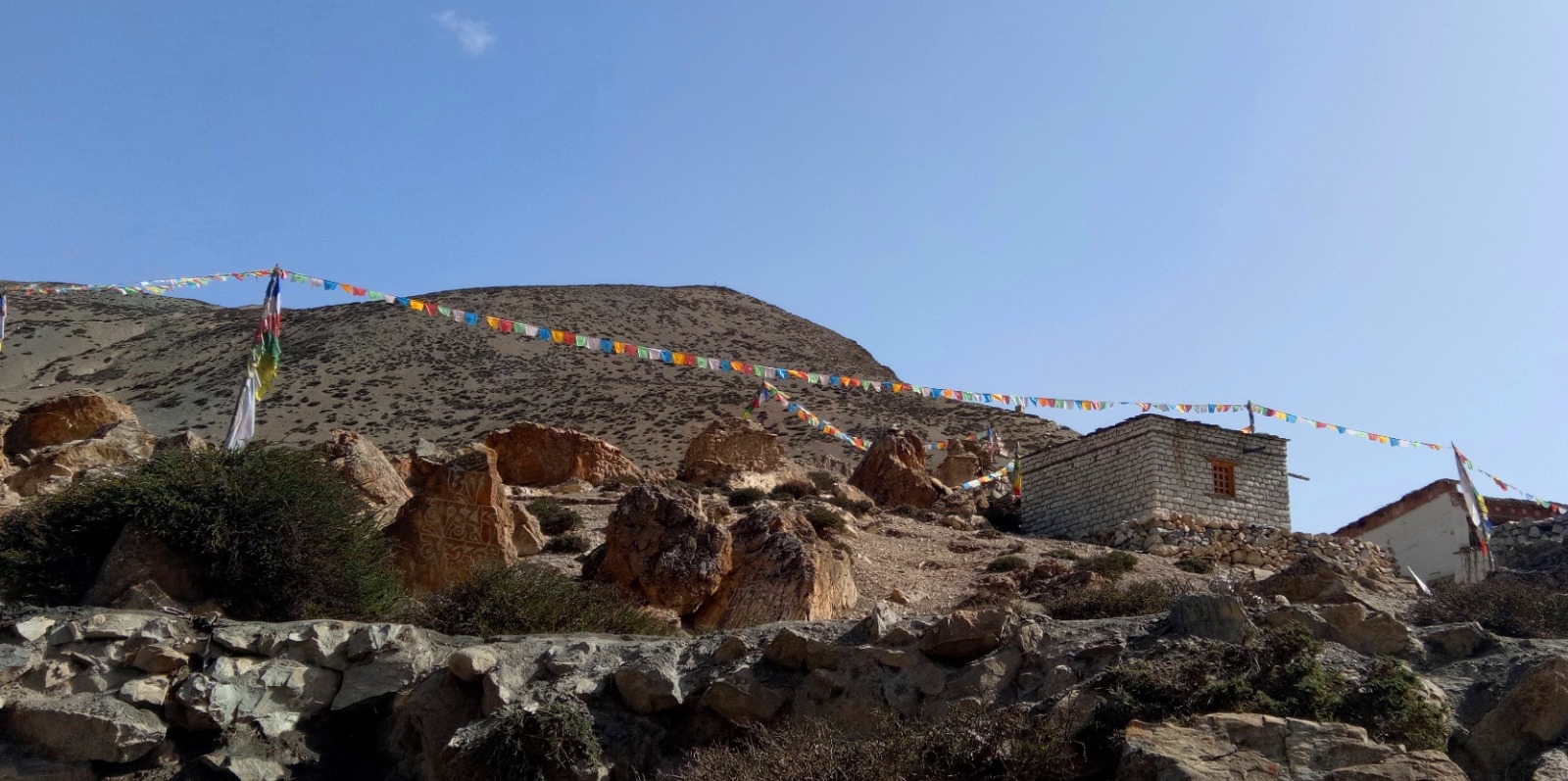
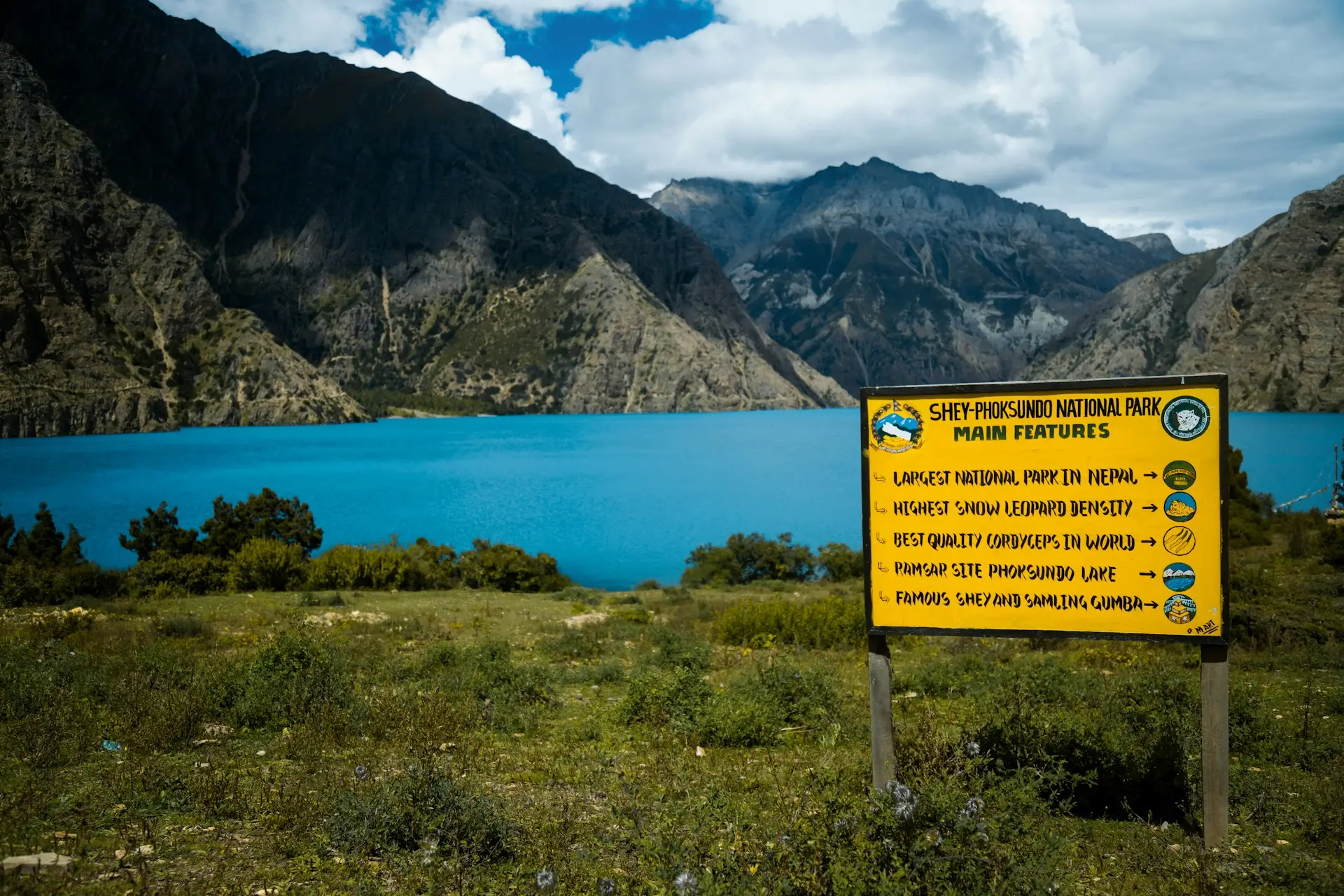
Situated within Shey Phoksundo National Park, Nepal’s largest national park, the trek reaches elevations above 5,300 meters, crossing the spectacular Kang La Pass (5,306 m) while passing through dramatic landscapes of high mountain deserts, deep river valleys, alpine meadows and rugged Himalayan trails. The journey begins with scenic flights from Kathmandu to Nepalgunj and Juphal before trekking through beautiful villages including Dunai, Ringmo, Shey Gompa, Saldang and Chharka. Along the way, trekkers discover traditional stone houses, colorful prayer flags, ancient mani walls, Buddhist chortens and centuries-old monasteries that beautifully preserve the region’s unique Tibetan Buddhist heritage.
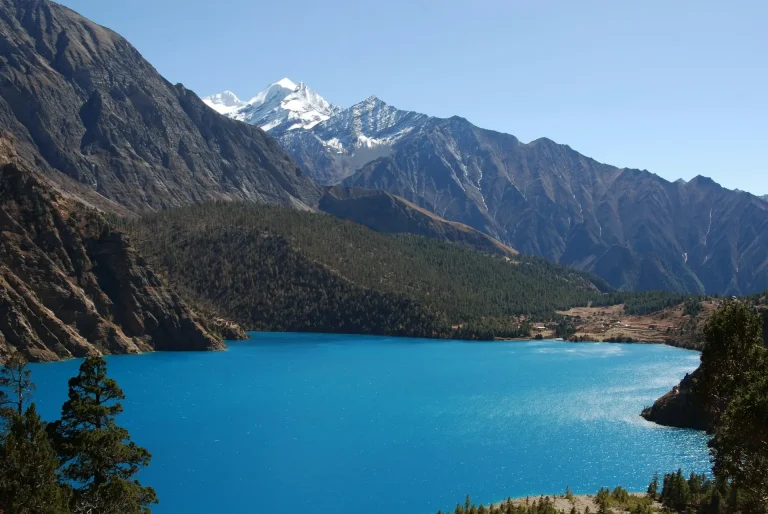
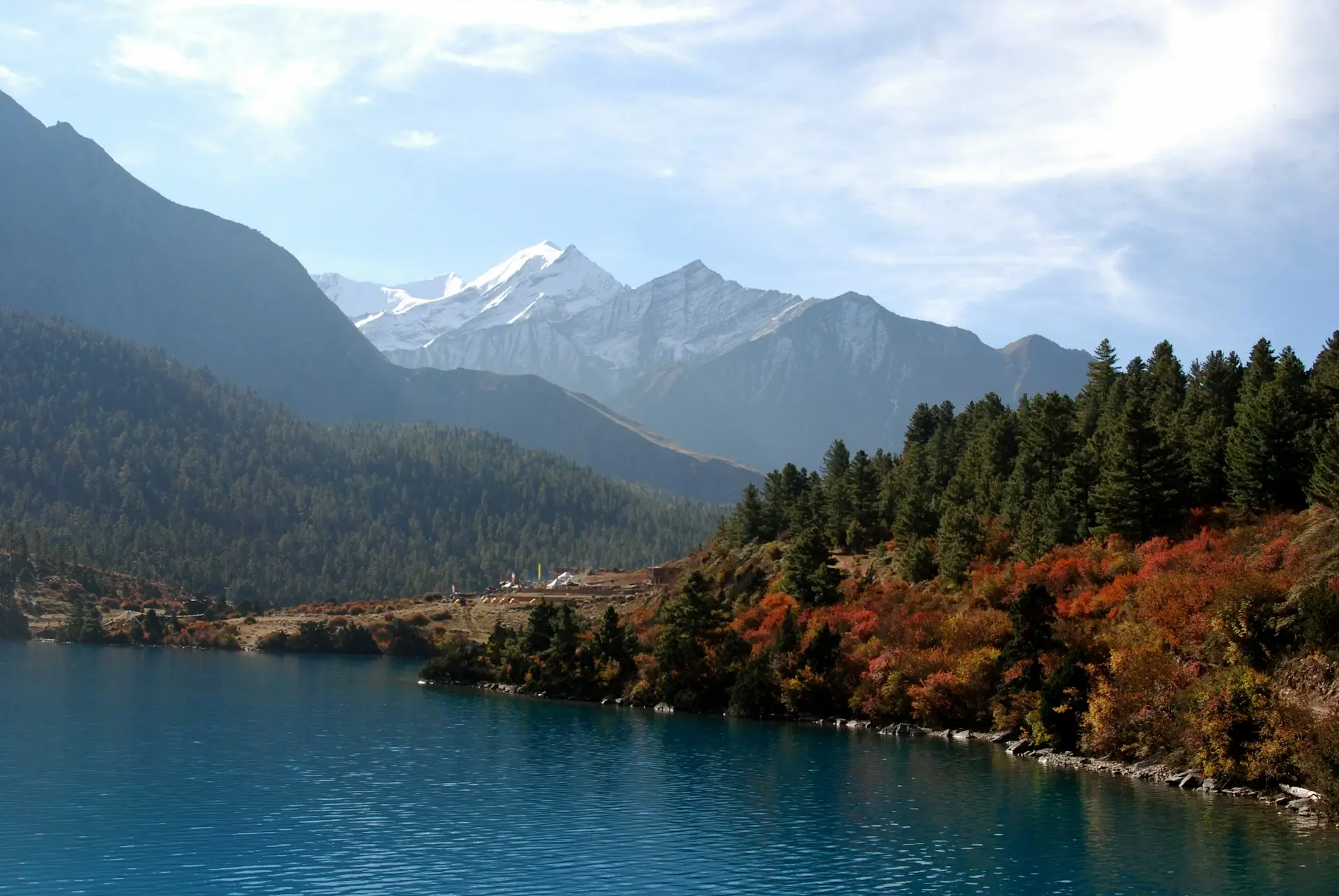
One of the greatest highlights of the Upper Dolpo Trek is visiting the magnificent Shey Phoksundo Lake, Nepal’s deepest and one of its most beautiful alpine lakes, famous for its crystal-clear turquoise water surrounded by towering cliffs and snow-capped mountains. The trek also includes a visit to the sacred Shey Gompa Monastery, a centuries-old Buddhist monastery where trekkers can experience peaceful spiritual traditions, ancient architecture and the unique lifestyle of the local Dolpo-pa people. Throughout the journey, you will have opportunities to meet friendly local families, learn about their customs, traditions and daily life, creating meaningful cultural connections that make the trek even more rewarding.
With Best Of Nepal Trek, your adventure is guided by experienced local trekking guides who share valuable knowledge about the region’s history, culture, wildlife, mountain landscapes and trekking routes. Every evening, your guide provides a detailed briefing about the following day’s trail, altitude, walking distance and important safety information, helping you trek with confidence and proper preparation. Our friendly guides and support team create a welcoming atmosphere where every guest feels like part of one family, ensuring a safe, enjoyable and memorable trekking experience from beginning to end.
As you explore the remote wilderness of Shey Phoksundo National Park, you may encounter rare Himalayan wildlife, including the elusive snow leopard, Himalayan blue sheep, musk deer and a variety of colorful birds. Comfortable family-run teahouses and traditional homestays along the route offer warm hospitality and freshly prepared local meals, allowing trekkers to experience the authentic culture and lifestyle of one of Nepal’s most isolated Himalayan regions.
Combining spectacular mountain scenery, pristine nature, ancient monasteries, unique Tibetan culture, expert local guidance and unforgettable high-altitude adventure, the Upper Dolpo Trek is truly one of Nepal’s most rewarding and exclusive trekking experiences.
Explore our detailed itinerary, trip cost, departure dates and Upper Dolpo Trek Package, and book your adventure with Best Of Nepal Trek for an unforgettable journey into the hidden Himalayan kingdom of Upper Dolpo.
Upper Dolpo Trek Highlights
- Remote and Untouched Region: Upper Dolpo is one of Nepal’s most isolated trekking destinations, offering pristine landscapes and a true off-the-beaten-path adventure.
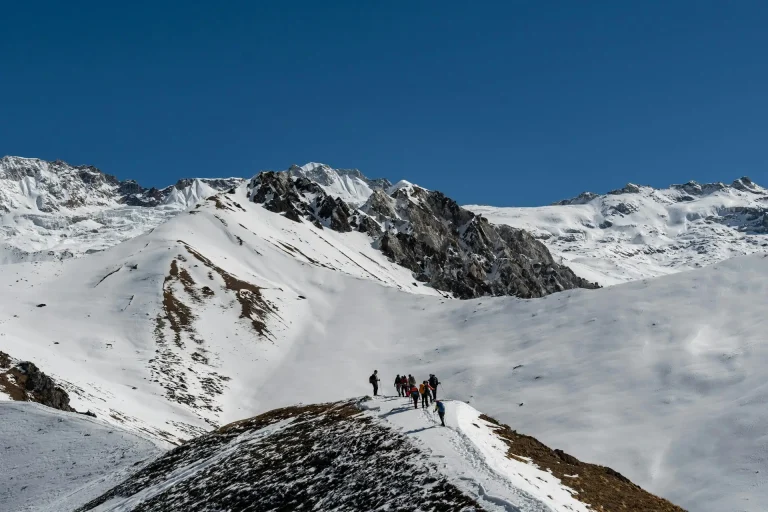
- Stunning Himalayan Scenery: Trek through high-altitude deserts, deep valleys, rugged trails, and panoramic views of towering peaks including Dhaulagiri and Kanjiroba ranges.
- Ancient Tibetan-Style Villages: Explore traditional villages like Ringmo, Saldang, and Chharka, where life has remained largely unchanged for centuries.
- Buddhist Monasteries: Visit iconic monasteries such as Shey Gompa and Chharka Monastery, experiencing spiritual rituals and the serene atmosphere of Tibetan Buddhist culture.
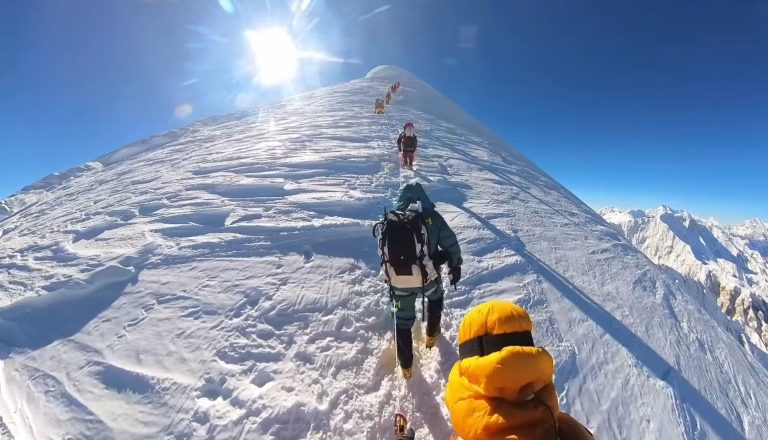
- Kang-La Pass (5,306 m): Cross the highest point of the trek, offering breathtaking panoramic views of valleys, mountains, and remote wilderness.
- Phoksundo Lake: Marvel at the turquoise waters of Nepal’s deepest lake, surrounded by cliffs and lush alpine scenery.
- Wildlife and Biodiversity: Shey Phoksundo National Park is home to rare wildlife, including snow leopards, Himalayan blue sheep, Himalayan bears, and diverse bird species.
- Cultural Experience: Witness unique Tibetan-influenced traditions, local festivals, and ancient ways of life preserved in the remote Himalayan region.
- Adventure and Solitude: Upper Dolpo offers a combination of high-altitude trekking challenges, spectacular vistas, and serene surroundings, making it perfect for adventurous travelers seeking tranquility and authentic experiences.
Route of Upper Dolpo Trekking:
The Upper Dolpo Trek begins with a scenic flight from Kathmandu to Nepalgunj, covering approximately 366 km in about 50 minutes. Travelers can also reach Nepalgunj by road, covering around 490–510 km, which takes approximately 9–10 hours by private vehicle or 11–14 hours by Bus, depending on road conditions. From Nepalgunj, another spectacular 35 to 45-minute domestic flight takes you to Juphal Airport, covering approximately 150 km. Juphal is the main gateway to the remote and beautiful Upper Dolpo region.
From Juphal, the trekking trail follows a remarkable route through traditional Himalayan villages and breathtaking landscapes, including Dunai, Chhepka, Ringmo, Shey Phoksundo Lake, Sallaghari, Nangdala High Camp, Shey Gompa, Namgung Gompa, Saldang, Yangze Gompa, Tinje, Chharka, Dho Tarap, Tarakot, before returning to Juphal.
Every day brings new scenery, from peaceful mountain villages and fertile valleys to dramatic cliffs, alpine meadows, crystal-clear rivers and rugged high-altitude terrain. Along the way, you will meet the warm and welcoming Dolpo-pa people, whose traditional lifestyle, unique culture and genuine hospitality make the journey even more memorable.
One of the major highlights of the route is crossing the spectacular Kang La Pass (5,306 m) and Shey La Pass (5,010 m) while exploring the pristine wilderness of Shey Phoksundo National Park, Nepal’s largest national park. The trail passes ancient Tibetan Buddhist monasteries, colorful prayer flags, mani walls, chortens and centuries-old stone villages, offering a fascinating insight into the region’s rich spiritual and cultural heritage.
Combining breathtaking Himalayan scenery, authentic Tibetan culture, peaceful trekking trails, rare wildlife and unforgettable mountain landscapes, the Upper Dolpo Trek route offers one of Nepal’s finest off-the-beaten-path trekking adventures and an experience that will stay with you for a lifetime.
Include
The Upper Dolpo Trek package in Nepal includes all essential services and logistics to ensure a safe, comfortable and well-organized Himalayan adventure. From domestic flights, accommodation and meals to restricted area permits, national park permits and professional trekking staff, every detail is carefully arranged for a hassle-free trekking experience in the remote and spectacular Upper Dolpo region.
Package Includes:
- Airport Transfers: International and domestic airport transfers in Kathmandu and Nepalgunj as per the itinerary.
- Accommodation in Cities: Hotel stay in Kathmandu on a twin-sharing basis with Bed & Breakfast (BB) plan; hotel stay in Nepalgunj on twin-sharing basis with Breakfast, Lunch, and Dinner (BLD) plan.
- Kathmandu Sightseeing: Guided city tour by a professional English-speaking guide.
- Domestic Flights: Kathmandu–Nepalgunj–Kathmandu and Nepalgunj–Juphal–Nepalgunj flights included.
- Trekking Meals & Accommodation: Three meals a day (Breakfast, Lunch, Dinner) during trekking in tent camps; twin-sharing tent accommodation.
- Permits: Upper Dolpo and Lower Dolpo restricted area permits.
- Trekking Support: Professional licensed English-speaking trekking guide; required number of porters to carry luggage, food and tents.
- Medical & Safety: Comprehensive medical kit for emergencies.
- Taxes: All government and local taxes included.
Exclude
While the Upper Dolpo Trek package in Nepal covers most essential trekking services, some personal expenses and optional costs are not included in the package price.
Package Excludes:
- International Flights: Airfare to and from Nepal.
- Nepal Visa: Visa entry fees for Nepal.
- Meals in Cities: Lunch and dinner in Kathmandu not included.
- Insurance: Travel insurance covering medical emergencies, evacuation, and lost baggage.
- Beverages: Alcoholic drinks, bottled water, mineral water, or boiled water during trekking.
- Extra Expenses: Any additional meals or drinks not listed in the itinerary; extra nights in Kathmandu due to early arrival, late departure, or early return from trekking.
- Personal Costs: Personal gear, equipment, and other personal expenses.
- Tips: Gratuities for guides, porters and staff.
We recommend carrying some extra cash for personal expenses and optional services during the Upper Dolpo Trek in Nepal, as remote villages have limited banking facilities and additional expenses such as beverages, snacks, hot showers, charging facilities, Wi-Fi, laundry, tips and personal purchases are not included in the trekking package.
Upper Dolpo Trek Itinerary
Arrive in Kathmandu, Nepal’s vibrant capital. You will be greeted at the airport and transferred to your hotel. Rest, recover from your flight, and prepare for the upcoming adventure.
Spend the day preparing for the trek—check your gear and trekking permits. Enjoy a guided Kathmandu sightseeing tour, visiting major cultural and historical landmarks, including temples, stupas, and local markets.
Take a domestic flight to Nepalgunj, a gateway to Upper Dolpo. Overnight stay at a hotel and brief orientation with your trekking team.
Fly to Juphal, the entry point to Dolpo. Begin your trek through gentle trails to Dunai, passing small settlements and scenic valleys.
Trip Duration:
3 Hours
Accomodation:
Teahouse
Meals:
Breakfast, Lunch, Dinner
Trek through forests and terraced fields, experiencing the rural lifestyle of local Dolpo communities. Overnight in Chhepka.
Ascend gradually, surrounded by stunning Himalayan views. Stop at Chunuwar/Amchi Hospital village for overnight stay.
Reach the magnificent Phoksundo Lake, Nepal’s deepest lake, with turquoise waters framed by cliffs. Experience the serene environment and local culture.
Acclimatization and exploration day. Optional hikes around the lake or nearby villages, photography, and relaxation amidst natural beauty.
Continue trekking through alpine meadows and highland trails to Sallaghari, enjoying the panoramic Himalayan scenery.
Ascend to Nangdala High Camp, preparing for the high mountain passes ahead. Spectacular views of surrounding peaks accompany you.
Cross the challenging Nangda La Pass, the highest point of the trek. Descend to Shey Gompa, a historic monastery offering breathtaking vistas and spiritual tranquility.
Cross Shey La Pass to reach Namgung Gompa. Marvel at dramatic landscapes, high-altitude deserts, and Himalayan peaks.
Descend to the traditional village of Saldang. Explore local life and Tibetan-influenced architecture.
Acclimatization and optional hike to Yangjer Gumba, perched on a ridge offering spectacular panoramic views of valleys and mountains.
Trek through high-altitude pastures and remote settlements to Komash Village, experiencing the solitude of Upper Dolpo.
Descend through alpine terrain and grazing pastures to reach Shimen Village.
Trek to Tinje Village, a traditional Dolpo settlement, surrounded by high Himalayan peaks.
Reach Yak Kharka, a grazing pasture for yaks, with panoramic views of distant mountains.
Continue through peaceful trails to Tokyu Village, enjoying remote Himalayan landscapes.
Trek to Dho Tarap, a village preserving Tibetan culture. Rest and explore the area.
Descend through valleys and terraced fields to Naworpani.
Continue trekking through forests and farmlands to Lashicap, enjoying diverse scenery.
Return to Dunai, retracing scenic trails and reflecting on your journey through Upper Dolpo.
Complete the trek by reaching Juphal, ready for your return flight.
Fly back to Nepalgunj, then connect to Kathmandu. Overnight stay in Kathmandu.
Transfer to Kathmandu International Airport for your onward flight, concluding an unforgettable Upper Dolpo adventure.
Upper Dolpo Trek Packing List:
Clothing:
- Base Layers: Thermal tops and bottoms for warmth.
- Trekking Shirts & Pants: Quick-dry, moisture-wicking fabrics.
- Insulation Layer: Fleece jacket or down jacket for cold evenings.
- Outer Layer: Waterproof and windproof jacket and pants.
- Trekking Socks: Several pairs of moisture-wicking socks.
- Hat & Gloves: Warm hat for cold nights, sun hat for daytime, insulated gloves.
- Buff/Scarf: For dust, sun protection, and warmth.
Footwear:
- Trekking Boots: Sturdy, waterproof, and broken-in boots.
- Camp Shoes/Sandals: Comfortable for evenings at teahouses.
- Gaiters: Optional, for snow or dust protection.
Gear & Equipment
- Backpack: 50–65 L for trekking days.
- Daypack: Small 20–30 L for day trips and essentials.
- Sleeping Bag: Warm sleeping bag rated for -15°C to -20°C.
- Trekking Poles: Strong, adjustable poles for stability.
- Headlamp: With extra batteries.
- Water Bottles & Hydration System: 2–3 L capacity.
- Sunglasses & Sunscreen: UV protection is essential at high altitudes.
- Water Purification: Tablets or filter.
Personal Items:
- Toiletries: Biodegradable soap, toothbrush, toothpaste, wet wipes, and toilet paper.
- Towel: Lightweight quick-dry towel.
- Medications: Personal medicines, altitude sickness medication, basic first-aid kit.
- Camera & Batteries: To capture scenic landscapes.
- Power Bank: For charging devices in remote areas.
Optional Items:
- Journal or book for leisure.
- Snacks or energy bars.
- Lightweight binoculars for wildlife spotting.
Upper Dolpo Trek Packing List: Tips
- Pack layered clothing for variable high-altitude conditions.
- Keep electronics and important documents in waterproof bags.
- Avoid overpacking; porters can carry extra luggage, but keep essentials with you.
Upper Dolpo Trek FAQs
The Upper Dolpo Trek is one of Nepal’s most remote and culturally rich high-altitude treks. Located in the far northwest, near the Tibetan border, this trek takes adventurers through pristine landscapes, traditional Tibetan-style villages, ancient monasteries, and rugged Himalayan terrain. It is renowned for its solitude, spiritual atmosphere, and unique cultural experiences.
The trek usually lasts 26 days, including domestic flights, acclimatization days, and rest periods. Daily trekking distances vary from 3 to 6 hours, depending on altitude, terrain, and acclimatization needs.
The trek’s highest point is the Kang-La Pass at 5,306 meters. Crossing this pass offers panoramic views of high Himalayan peaks, deep valleys, and vast high-altitude landscapes. It is the most challenging yet rewarding part of the trek.
The trek is considered moderate to challenging. It is suitable for physically fit and experienced trekkers. Due to high altitudes (4,000–5,300 meters), proper acclimatization and preparation are essential to avoid altitude sickness.
The ideal seasons are spring (March–May) and autumn (September–November). During these months, the skies are clear, temperatures are moderate, and the landscapes are vibrant with natural beauty. Winters are harsh and inaccessible due to snow, while monsoon season brings heavy rainfall and trail hazards.
Trekking in Upper Dolpo requires Upper Dolpo and Lower Dolpo Restricted Area Permits, which are arranged by authorized trekking agencies. These permits ensure access to the remote region and support local conservation efforts.
Accommodation includes hotels in Kathmandu and Nepalgunj, typically on a twin-sharing basis. During the trek, lodgings are in teahouses or tent camps, providing basic but comfortable shelter for trekkers.
Yes. The trek includes a licensed English-speaking trekking guide and the required number of porters to carry tents, food, and personal luggage. Guides enhance safety, route knowledge, and cultural understanding of the region.
During trekking, three meals a day (breakfast, lunch, and dinner) are provided, usually prepared fresh in teahouses or camps. In Kathmandu and Nepalgunj, breakfast is included. Mineral water, beverages, and personal snacks are not included.
Yes. Comprehensive travel insurance is strongly recommended. It should cover medical emergencies, evacuation, high-altitude trekking, and lost or damaged equipment, as Upper Dolpo is a remote region with limited medical facilities.
The trek passes through Shey Phoksundo National Park, which is home to rare wildlife including snow leopards, Himalayan blue sheep, Himalayan bears, and diverse alpine bird species. Trekkers can enjoy wildlife spotting alongside stunning mountain vistas.
Upper Dolpo offers authentic Tibetan-influenced culture. Trekkers visit ancient monasteries such as Shey Gompa, Chharka, and Namgung Gompa, interact with local villagers, witness traditional festivals, and experience a way of life preserved for centuries.
Due to its remote location, high altitudes, and challenging passes, this trek is not recommended for first-time trekkers. Prior trekking experience, fitness, and acclimatization knowledge are highly advised.
Trekkers should carry warm clothing, trekking boots, sleeping bags, trekking poles, and layered gear for high-altitude conditions. Proper physical preparation and training for long-distance trekking are essential for safety and comfort.
Most itineraries include flights from Kathmandu to Nepalgunj, then Nepalgunj to Juphal, followed by trekking. Domestic flights are subject to weather conditions, and backup plans may include extra nights in Kathmandu or Nepalgunj.
With proper acclimatization, a licensed guide, and trekking experience, the trek is safe. The region is politically stable, but remoteness requires careful planning, respect for local customs, and adherence to trekking guidelines.
Upper Dolpo is one of the few untouched, off-the-beaten-path trekking regions in Nepal. It combines high-altitude adventure, breathtaking landscapes, unique wildlife and rich Tibetan culture, making it a truly extraordinary Himalayan experience.
Upper Dolpo Trek Good To Know
The Upper Dolpo Trek Region is one of Nepal’s most remote and culturally rich Himalayan destinations. Due to its isolated location, the local people have preserved their traditional lifestyle, language, traditions and culture for centuries. The region has strong historical and cultural ties with Tibet, making it one of the finest places to experience authentic Himalayan heritage.
In the past, Upper Dolpo was an important part of the ancient Trans-Himalayan trade route, where traders exchanged salt, wool, grain and other goods between Nepal and Tibet. Today, many local families continue to earn their living through farming, yak and sheep herding, and small-scale trade.
Most people in the Upper Dolpo Region follow Tibetan Buddhism, while some communities still practice the ancient Bon religion, one of the oldest spiritual traditions in the Himalayas. Along the trekking trail, visitors can explore ancient monasteries, colorful prayer flags, mani walls, chortens and prayer wheels that reflect the region’s rich spiritual heritage.
The friendly Dolpo-pa people are known for their warm hospitality, traditional stone houses, unique culture and simple mountain lifestyle. Visiting the Upper Dolpo Region is not only an unforgettable Himalayan experience but also a wonderful opportunity to discover one of Nepal’s best-preserved cultures and traditions.
The Upper Dolpo Trek is located in the Dolpa District of northwestern Nepal, within the spectacular Shey Phoksundo National Park, Nepal’s largest national park. Situated near the Tibetan border, Upper Dolpo is one of Nepal’s most remote and protected restricted trekking regions, renowned for its untouched landscapes, ancient Tibetan Buddhist culture and breathtaking Himalayan scenery.
The journey begins with a flight from Kathmandu to Nepalgunj, followed by another flight to Juphal Airport, the main gateway to the Upper Dolpo region. From Juphal, the trekking trail passes through remote mountain villages, high Himalayan passes, centuries-old monasteries, and the magnificent Shey Phoksundo Lake, offering an unforgettable journey through one of Nepal’s last hidden Himalayan Kingdom’s.
The Upper Dolpo Trek takes you through some of Nepal’s most remote and culturally rich Himalayan villages, including Juphal, Dunai, Ringmo, Dho Tarap, Tokyu, Saldang, Shey Gompa, Chharka and other traditional settlements. Each village offers breathtaking mountain scenery, ancient stone houses, centuries-old monasteries and a peaceful lifestyle that has been preserved for generations.
Along the trekking trail, you will meet the friendly Dolpo-pa people, who are well known for their warm hospitality, strong community values, and unique Himalayan traditions. Most local families follow Tibetan Buddhism, while some communities continue to practice the ancient Bon religion, making Upper Dolpo one of Nepal’s most culturally fascinating trekking destinations.
Life in the Upper Dolpo region is simple and closely connected to nature. Many local people earn their living through farming, yak and sheep herding, traditional handicrafts, small-scale trade, and tourism. Visitors have the opportunity to learn about local customs, traditional clothing, mountain farming, and everyday village life while enjoying genuine Himalayan hospitality.
Meeting the local people is one of the most memorable parts of the Upper Dolpo Trek. Their welcoming nature, rich cultural heritage and timeless way of life create meaningful experiences that make every journey through Upper Dolpo truly unforgettable.
The Upper Dolpo Trek passes through the spectacular Shey Phoksundo National Park, Nepal’s largest national park and one of the country’s richest areas for Himalayan biodiversity. The region’s unique landscape, ranging from dense forests and alpine meadows to high-altitude deserts, supports a remarkable variety of plants and wildlife.
Along the trail, trekkers can enjoy forests of blue pine, juniper, birch, willow and rhododendron, while colourful alpine flowers brighten the mountains during spring and summer. Upper Dolpo is also one of the best places in Nepal to spot rare wildlife, including the snow leopard, Himalayan blue sheep (bharal), musk deer, Himalayan wolf, Himalayan tahr and red fox. Bird enthusiasts may also see the Himalayan monal, golden eagle, lammergeier and many other Himalayan bird species.
The rich biodiversity of the Upper Dolpo region makes every trek even more rewarding, offering a unique opportunity to experience Nepal’s untouched natural beauty and diverse Himalayan wildlife in one of the countries most remote and protected mountain landscapes.
The Upper Dolpo Trek is a high-altitude trek in northwestern Nepal, with elevations ranging from around 1,500 meters at Dunai to the highest point at Kang-La Pass, 5,306 meters. Most villages and trekking camps are situated between 3,000–4,500 meters, including popular stops like Phoksundo Lake (3,600 m), Shey Gompa (4,343 m), Namgung Gompa (4,360 m), and Saldang (3,770 m).
Due to its significant altitude, proper acclimatization is essential to avoid altitude sickness. Trekkers experience a mix of high Himalayan passes, alpine landscapes, and high-altitude deserts, making the Upper Dolpo Trek one of Nepal’s most challenging yet rewarding trekking adventures.
Proper acclimatization is essential during the Upper Dolpo Trek, as the trail reaches elevations above 5,300 meters, including Kang La Pass (5,306 m). Gaining altitude gradually allows your body to adjust to the lower oxygen levels and helps reduce the risk of altitude sickness.
A well-planned itinerary includes enough time for acclimatization, regular rest, and a steady walking pace. Trekkers are advised to stay well hydrated, eat nutritious meals, avoid alcohol and inform their guide immediately if they experience symptoms such as headache, dizziness, nausea, or unusual fatigue.
With proper acclimatization, experienced guides and careful planning, most trekkers can safely enjoy the spectacular landscapes and unique cultural experiences of the Upper Dolpo Trek.
Absolutely! The Upper Dolpo Trek is one of Nepal’s most remote and adventurous treks. It takes trekkers through high-altitude deserts, rugged valleys, and challenging mountain passes like the Kang-La Pass (5,306 m). The trek combines physical challenges, off-the-beaten-path exploration, and cultural immersion in traditional Tibetan-style villages and ancient monasteries.
This trek is ideal for adventurers seeking solitude, pristine natural landscapes, wildlife encounters, and a unique Himalayan experience far from crowded tourist trails. With proper preparation, acclimatization, and a licensed guide, Upper Dolpo offers an unforgettable high-altitude adventure for those ready to explore Nepal’s hidden treasures.
The Upper Dolpo Trek is a safe and rewarding adventure when you travel with a licensed trekking guide, follow a well-planned itinerary, and allow enough time for proper acclimatization. As the trek passes through remote high-altitude areas, good physical fitness, proper preparation, and experienced local support are essential for a safe and enjoyable journey.
The trekking trails are generally peaceful and less crowded than many other popular routes in Nepal. Following your guide’s advice, staying well hydrated, walking at a comfortable pace, and recognizing the early symptoms of altitude sickness will help ensure a safe trekking experience.
At Best Of Nepal Trek, your safety and comfort are our highest priorities. Our trained and experienced trekking guides, assistant guides, Sherpa team and porters work closely together to support you throughout the journey. We believe every traveler is part of our family, so our team provides personal care, regular health checks and continuous encouragement from the beginning of the trek until your safe return.
With experienced local staff, proper permits, quality equipment, and comprehensive travel insurance, the Upper Dolpo Trek offers a safe, memorable and truly rewarding Himalayan adventure.
The Upper Dolpo Trek begins with a domestic flight from Kathmandu to Nepalgunj, followed by another scenic flight to Juphal Airport, the main gateway to the Upper Dolpo region. During these flights, you can enjoy breathtaking aerial views of Nepal’s diverse landscapes, including the green Terai plains, rolling hills, dense forests, winding rivers and snow-capped Himalayan peaks. This unforgettable mountain flight is one of the highlights of the Upper Dolpo adventure and offers a wonderful introduction to the remote beauty of western Nepal.
From Juphal, the trekking trail leads through peaceful mountain villages, deep river valleys, alpine landscapes and high Himalayan passes before reaching the hidden valleys of Upper Dolpo.
After completing the trek, you return to Juphal and take a flight back to Nepalgunj, followed by a connecting flight to Kathmandu. As flights in the Himalayas are weather-dependent, delays or cancellations are possible. We recommend allowing 3–4 extra buffer days in your travel itinerary to ensure a smooth and stress-free journey.
The Upper Dolpo Trek is a restricted area trek, and all foreign trekkers must obtain special permits before entering the region. A Restricted Area Permit (RAP) for Upper Dolpo is mandatory, along with a Shey Phoksundo National Park Entry Permit.
According to the regulations of the Government of Nepal, the trek must be completed with a licensed trekking guide through a registered trekking company. Independent trekking is not permitted in the Upper Dolpo region.
At Best Of Nepal Trek, we arrange all the required trekking permits and handle the necessary paperwork before your trip, allowing you to enjoy a smooth, safe and hassle-free trekking experience.
The Upper Dolpo Trek is one of Nepal’s most remote and breathtaking trekking adventures, and choosing the right time to visit is essential for a safe and memorable experience. The best time to trek Upper Dolpo is during spring (March to May) and autumn (September to November). These seasons offer stable weather, clear skies, and moderate temperatures, ideal for trekking at high altitudes and crossing challenging passes like the Kang-La Pass (5,306 m).
- In spring, the valleys and alpine meadows bloom with rhododendrons and wildflowers, creating vibrant landscapes alongside turquoise lakes such as Phoksundo Lake. This season is perfect for nature lovers and photographers seeking the best scenery. Autumn offers crisp air, excellent visibility of the Himalayan peaks, and stable trails, making it a preferred season for most trekkers.
- Winter (December to February) is extremely cold, with heavy snowfall making high passes dangerous and many villages inaccessible. Monsoon season (June to August) brings heavy rains, slippery trails, and occasional landslides, which can disrupt flights to remote airstrips like Juphal and trekking schedules.
Trekking in the recommended seasons ensures safer trails, better accommodation, and reliable domestic flights, while providing the opportunity to experience Upper Dolpo’s pristine landscapes, Tibetan-influenced culture, ancient monasteries, and unique wildlife.
By planning your trek in spring or autumn, you maximize your chances of enjoying a rewarding, high-altitude Himalayan adventure in one of Nepal’s most untouched regions.
The Upper Dolpo Trek takes trekkers through remote high-altitude regions, with elevations often exceeding 5,000 meters at Kang-La Pass. Altitude sickness, or Acute Mountain Sickness (AMS), is a real risk, but it can be minimized with proper planning and precautions.
- Gradual Acclimatization
-
- Follow a slow and steady ascent to allow your body to adjust to higher altitudes.
- Include rest days at key points such as Phoksundo Lake (3,600 m) and Saldang (3,770 m).
- Avoid ascending more than 300–500 meters per day once above 3,000 meters.
- Stay Hydrated
-
- Drink at least 3–4 liters of water daily to prevent dehydration, which worsens altitude sickness.
- Avoid excessive alcohol and caffeine, as they can dehydrate you.
- Proper Nutrition
-
- Eat high-carbohydrate meals to maintain energy levels.
- Small, frequent meals are better than heavy portions at high altitudes.
- Take It Easy
-
- Avoid overexertion on the first day at higher camps.
- Listen to your body—if you feel symptoms like headache, nausea, or dizziness, stop ascending and rest.
- Medication and Supplements
-
- Some trekkers use Diamox (acetazolamide) to help with acclimatization—consult a doctor before use.
- Carry basic medications for headaches, nausea, and altitude sickness.
- Travel with an Experienced Guide
-
- Licensed guides are trained to monitor symptoms, manage altitude sickness and recommend descent if necessary.
By following these precautions, trekkers can safely enjoy the Upper Dolpo Trek, experiencing breathtaking Himalayan landscapes, Tibetan culture, and wildlife while minimizing the risks of high-altitude illness.
Comprehensive travel insurance is highly recommended for the Upper Dolpo Trek due to its remote location and high altitude. Your insurance policy should cover high-altitude trekking (above 5,300 m), emergency helicopter evacuation, medical treatment, trip cancellation or interruption and flight delays or cancellations.
At Best Of Nepal Trek, safety is our highest priority. We never operate any trek or tour without proper insurance coverage for our guests and trekking team. We believe travel insurance is essential not only for our travelers but also for our trekking guides, assistant guides, Sherpa guides and porters. To support our team, Best Of Nepal Trek provides insurance coverage for all our staff at no additional cost, ensuring they are protected throughout every journey.
Before starting your trek, please make sure your personal travel insurance provides adequate coverage for trekking in the Himalayas. Having the right insurance gives you peace of mind and ensures you can receive immediate assistance if an emergency arises during your Upper Dolpo Trek.
The Upper Dolpo Trek experiences diverse climate conditions due to its high-altitude terrain, ranging from 2,000 meters in lower valleys to over 5,300 meters at Kang-La Pass. The best trekking seasons are spring (March–May) and autumn (September–November), offering clear skies, moderate temperatures, and stunning Himalayan views.
Summer (June–August) brings heavy monsoon rains, slippery trails, and river crossing risks, while winter (December–February) is extremely cold with snow-covered passes, suitable only for well-prepared adventurers.
Temperature Range:
- Lower Dolpo villages: 10°C to 25°C (day), 0°C to 10°C (night)
- High passes & Upper Dolpo: -10°C to 10°C (day), -20°C to -5°C (night)
Traveling to Upper Dolpo requires domestic flights from Kathmandu to Nepalgunj and then from Nepalgunj to Juphal, the main gateway for the trek. These flights are typically operated by small aircraft or STOL (Short Takeoff and Landing) planes, which have strict baggage limits due to weight and space restrictions.
General baggage allowance:
- Checked luggage: Usually 15–20 kg per person (varies by airline and aircraft).
- Carry-on baggage: Typically 5 kg per person, including essentials like cameras, documents, medications and a small daypack for trekking days.
Important tips:
- Excess baggage may not be accepted on small aircraft or may incur additional charges.
- Pack light and compact, using soft duffel bags instead of rigid suitcases.
- Trekking essentials like sleeping bags, tents, and food are usually carried by porters provided by trekking agencies, reducing the need for heavy personal luggage.
- Always check with your airline for updated baggage policies before departure.
Following baggage limits ensures smooth travel and helps avoid delays, allowing you to focus on the adventure, high-altitude trekking, and cultural exploration of Upper Dolpo.
Charging facilities are available at most teahouses and lodges along the Upper Dolpo Trek, although availability becomes more limited in the higher and more remote villages. In some places, electricity is supplied by solar power or small hydropower systems, and a small additional fee may be charged to recharge phones, cameras, power banks or other electronic devices.
To ensure your devices stay powered throughout the trek, we recommend bringing a high-capacity power bank, spare batteries and the necessary charging cables. Keeping your phone and camera fully charged allows you to capture the spectacular mountain scenery and stay connected whenever network coverage is available.
During the Upper Dolpo Trek, trekkers can enjoy a mix of traditional Tibetan cuisine and basic Western-style meals at teahouses and tent camps. Since the region is remote, food options are limited but sufficient to maintain energy during high-altitude trekking.
Typical Meals Include:
- Breakfast: Porridge, eggs, Tibetan bread (balep), pancakes, or noodles.
- Lunch: Dal Bhat (rice with lentils), momo (dumplings), noodles, vegetable soups, and Tibetan-style fried bread.
- Dinner: Stews, vegetable or meat dishes, and rice, often accompanied by tea or butter tea.
Tips for Trekkers:
- Carry energy bars, nuts, and chocolate for quick snacks on the trail.
- Drink plenty of water or tea to stay hydrated at high altitudes.
- Expect higher prices in remote areas due to transportation costs of supplies.
- Vegetarian options are widely available, but inform your guide in advance for special dietary needs.
Despite the remoteness, the combination of local flavors, hearty meals, and high-energy foods ensures trekkers stay fueled while exploring Upper Dolpo’s rugged landscapes, Tibetan villages, and Himalayan scenery.
Accommodation on the Upper Dolpo Trek is mainly provided in family-run teahouses, local lodges, traditional homestays, and, on some itineraries, fully supported tented camps. Due to the region’s remote location and limited infrastructure, the facilities are generally simple but clean, comfortable, and provide everything needed for a pleasant overnight stay after a rewarding day of trekking.
Most teahouses offer twin-sharing rooms with comfortable beds, mattresses, pillows, blankets and shared bathroom facilities. In some larger villages, you may find basic attached bathrooms and hot showers, while accommodation in the higher and more isolated settlements is more basic. Electricity is available in many villages, although charging electronic devices may require a small additional fee.
The dining halls are warm and welcoming, providing a comfortable place to relax, enjoy freshly prepared meals, share stories with fellow trekkers, and experience the genuine hospitality of the local people. Most lodges serve a variety of local and international dishes, along with hot drinks to keep you warm in the mountain climate.
Depending on the itinerary and seasonal conditions, some remote sections of the Upper Dolpo Trek may require camping, where our experienced trekking crew will set up comfortable tents, prepare freshly cooked meals, and ensure you have a safe and enjoyable camping experience in the heart of the Himalayas.
Staying in locally operated teahouses, homestays and camps not only provides a unique cultural experience but also directly supports local families and the mountain economy. It offers a wonderful opportunity to learn about the traditions, customs and daily life of the Dolpo-pa people while enjoying the peaceful atmosphere of one of Nepal’s most remote Himalayan regions.
No. The Upper Dolpo Trek is a restricted area trek in Nepal, and independent trekking is not permitted. According to the regulations of the Government of Nepal, all trekkers must travel with a licensed trekking guide through a registered trekking company.
Hiring a professional guide not only fulfills the permit requirements but also enhances your safety and overall trekking experience. Local guides provide valuable knowledge about the region’s culture, history, trails and weather while helping with navigation, communication and emergency support in this remote Himalayan region.
At Best Of Nepal Trek, our experienced local guides ensure a safe, enjoyable and memorable journey, allowing you to explore the hidden beauty of the Upper Dolpo Trek with confidence.
The Upper Dolpo Trek is considered a challenging to strenuous Himalayan trek, suitable for trekkers with good physical fitness and a spirit of adventure. The trail involves long days of walking, steep ascents and descents, and high-altitude passes, including Kang La Pass (5,306 m).
No technical climbing experience is required, but previous trekking experience at high altitude is highly recommended. A well-planned itinerary with proper acclimatization, experienced local guides and a steady walking pace helps ensure a safe and enjoyable trekking experience.
With the right preparation, suitable equipment, and professional support from Best Of Nepal Trek, the Upper Dolpo Trek becomes a rewarding adventure through one of Nepal’s most remote and spectacular Himalayan regions.
Internet and Wi-Fi are available in some villages and teahouses along the Upper Dolpo Trek, but the connection is often slow and unreliable due to the region’s remote location. In the higher-altitude and more isolated areas, internet access may be limited or unavailable.
Mobile network coverage is also limited and varies depending on the location. Most trekkers choose to enjoy the peaceful mountain environment and disconnect from daily life while exploring the hidden beauty of Upper Dolpo.
If you need to stay connected, we recommend informing your family and friends before the trek that communication may be limited. Enjoying the journey without constant internet access allows you to fully experience the spectacular landscapes, rich culture and tranquility of the Upper Dolpo region.
Preparing your body and mind is essential before taking on the Upper Dolpo Trek, one of Nepal’s most remote and challenging adventures. The trek involves long walking days, steep ascents, rugged trails, and high-altitude passes above 5,000 meters, so proper fitness and endurance training are crucial.
Start training at least 2–3 months in advance, focusing on cardiovascular exercises such as running, hiking, cycling or swimming to build stamina. Strength training, particularly for legs, core and back, helps prepare for carrying a daypack and walking on uneven terrain. Practice long hikes on hilly or mountainous trails with a weighted backpack to simulate real trekking conditions.
Equally important is mental preparation and acclimatization awareness. Breathing exercises, yoga, or meditation can enhance lung capacity and resilience at altitude. Combining physical training with mental readiness ensures you can fully enjoy the challenging yet rewarding journey through Upper Dolpo.
Tipping in Nepal is not mandatory, but it is a widely practiced way of showing appreciation for good service, especially in the tourism and trekking industry. Since wages for guides, porters, and service staff are often modest, tips are considered an important supplement to their income.
- Restaurants & Cafés: Some tourist restaurants may add a 10% service charge, but leaving an extra small tip (5–10%) is appreciated.
- Hotels: Porters and housekeeping staff usually receive a small tip of NPR 100–200 per service.
- Guides & Porters on Treks: It is customary to tip trekking staff at the end of the trek. A general guideline is 10–15% of the total trek cost, divided among guides, porters, and cooks. Often, groups collect money together and distribute it fairly.
- Taxis: Tipping taxi drivers is not expected, but rounding up the fare is a polite gesture.
While not compulsory, tipping is a gesture of gratitude that goes a long way in supporting local workers. Trekkers and travelers in Nepal are encouraged to tip according to the quality of service, trip duration, and personal satisfaction.
Estimated Cost for: USD 4,000–6,500 per person
The Upper Dolpo Trek cost for 2026–2027 varies depending on several factors, including the group size, trek duration, category of hotel in Kathmandu, teahouse or camping accommodation, level of service, domestic flights, restricted area permits and the number of trekking guides and porters required.
Whether you choose a standard, deluxe or luxury trekking package, Best Of Nepal Trek offers flexible itineraries and personalized services to match your travel style, comfort level and budget while ensuring a safe, comfortable and unforgettable Himalayan adventure.
Reviews
Nature’s Untouched Masterpiece
Upper Dolpo is a hidden gem of Nepal. The scenery, wildlife, and peacefulness are unmatched. The trek was well-organized, and the guides were knowledgeable and friendly. Truly an adventure of a lifetime!
Laura Martinez
,Canada

Challenging but Rewarding
This trek tested my limits, but the reward was seeing the untouched Dolpo region. From high-altitude passes to the serene Shey Phoksundo Lake, every moment was magical. The guides ensured safety and comfort throughout. I can’t wait to return!
Emily Walker
,UK
A Journey Like No Other
Trekking Upper Dolpo was an unforgettable experience. The landscapes were untouched, the local culture fascinating, and the guides were extremely professional. Every day brought new adventures and breathtaking views. Highly recommended for serious trekkers!
Sarah Thompson
,USA