

Everest Expedition
Destination:
Nepal
Trip Duration:
65 Days
Max Altitude:
8848 M
Activities:
Expedition
Start Point:
Kathmandu
Ending Point:
Kathmandu
Region:
Everest
Trip Grade:
Challenges
Group Size:
2-15
Accomodation:
Hotel/Teahouses/Tent Camp
Meals:
Breakfast, Lunch and Dinner during Trip
Transportation:
Private Vehicle
Permits Required:
National Park/Expedition Permit
Best Season:
Mid-April to May (pre-monsoon) or mid-September to October (post-monsoon)
The Everest Expedition is the ultimate challenge for climbers who dream of standing on the highest point on our planet. Towering at 8,848.86 meters (29,031.7 feet) above sea level, Mount Everest rises above the Himalayan giants as a symbol of courage, determination and extraordinary human achievement. For mountaineers, reaching its summit is far more than a personal goal—it is the realization of a lifelong dream.
Located on the border between Nepal and Tibet, Everest attracts adventurers from every corner of the world. The mountain’s legendary reputation was established in 1953 when Sir Edmund Hillary and Tenzing Norgay Sherpa successfully reached the summit for the first time. Since then, Everest has remained the most iconic climbing destination on Earth, drawing those who seek the ultimate high-altitude adventure.
An Everest Expedition is not simply a mountain climb. It is a demanding journey that requires physical strength, mental resilience, technical skills, and months of preparation. Climbers face extreme weather, challenging terrain, and thin air while moving through some of the most spectacular landscapes in the Himalayas. Every step toward the summit tests endurance and determination.
The adventure begins with a thrilling flight to Lukla, followed by a trek through Nepal’s beautiful Khumbu Valley. Along the route, climbers pass through traditional Sherpa villages, cross suspension bridges draped with prayer flags and visit centuries-old Buddhist monasteries. The journey offers a unique opportunity to experience the rich culture, warm hospitality and spiritual traditions of the Himalayan people.
As the trail ascends higher into the mountains, trekkers enjoy breathtaking views of Everest, Lhotse, Nuptse, Ama Dablam and many other snow-covered peaks. The gradual approach allows the body to adapt to increasing altitude while building excitement for the expedition ahead.
Everest Expedition Highlights
- Reach the summit of Mount Everest (8,848.86 m), the highest point on Earth
- Trek through the stunning Khumbu region with Sherpa villages and mountain views
- Experience Everest Base Camp (5,364 m), the main expedition hub
- Cross challenging sections like the Khumbu Icefall and Lhotse Face
- Enjoy breathtaking views of peaks such as Lhotse, Nuptse and Makalu
- Discover rich Sherpa culture, monasteries and Buddhist traditions
- Witness dramatic landscapes of glaciers, valleys and icy ridges
Route of the Everest Expedition
The Everest Expedition route follows the classic South Col path in Nepal, which is the most popular and well-established climbing route to the summit of Mount Everest.
The journey begins in Kathmandu, where climbers prepare permits, gear and logistics. From there, a short and scenic flight takes them to Lukla (2,860 m), the gateway to the Everest region.
From Lukla, the trekking route passes through beautiful Sherpa villages such as Phakding, Namche Bazaar, Tengboche, Dingboche and Lobuche. This section helps climbers acclimatize while experiencing the culture and landscapes of the Khumbu Valley.
The expedition then reaches Everest Base Camp (5,364 m), located on the edge of the Khumbu Glacier. This is the main preparation zone for the summit climb.
Above Base Camp, climbers enter the technical climbing section through the Khumbu Icefall, leading to Camp I (6,000 m) and then across the Western Cwm to Camp II (6,400 m).
The route continues up the steep Lhotse Face to Camp III (7,100 m), followed by the high-altitude climb to Camp IV (South Col, 8,000 m).
From Camp IV, climbers make their final summit push to reach the summit of Mount Everest (8,848.86 m), the highest point on Earth.
In descent, the route follows the same path back to Base Camp and then returns to Lukla and Kathmandu.
Include
The Mount Everest Expedition package includes a comprehensive range of services designed to ensure safety, comfort and a successful summit experience. Our team provides complete logistical support from your arrival in Nepal until the successful completion of the expedition.
Package Includes:
- Arrival and departure cost on domestic and international flights
- Food and accommodation in Kathmandu on B/B plan
- All the meals (Breakfast, Lunch and Dinner) During the Trekking and climbing of Everest Summit and back
- All of the transportation service from initial and endpoints of Everest Expedition
- Climbing Sherpa guide for the expedition
- Everest Expedition Group climbing equipment like climbing rope, ice ax, ice screw, ice bar, etc
- All the required permits for Everest Expedition
- Acclimatization summit of Island peak or Lobuche Peak for 1 time.
- High altitude meals
- All of the insurance and expenses of Liaison officer (Government of Nepal)
- All necessary camping and kitchen equipment provided including base camp tents, dining tent with table and backrest chair, kitchen with all utensils, toilet with commode, etc
- High altitude tents and the crucial gadgets like EPI gas and burner for the high climb
- Warm clothes and trek gear for Nepali staffs including porters
- Life and medical insurance of all the staff and porters
- Portable Altitude Chamber (PAC) and Gamow Bag along with the comprehensive first-aid kit
- Communication devices like a walkie talkie and satellite phone in case of emergency
- 60 Kg Baggage included on flight to lukla and YAK or porter to base camp
- 5-6 bottle of oxygen with mask and regulator for summit
- Farewell dinner with Nepali song and dance
Exclude
The following services, fees, and personal expenses are not included in the Mount Everest Expedition package. Climbers are advised to review these exclusions carefully and make the necessary financial and logistical arrangements before the expedition begins. Proper preparation for these additional costs will help ensure a smooth, safe and well-organized Mount Everest climbing experience.
Package Excludes:
- International airfare as well as airport tax
- Nepal entry visa fees
- Medical and personal high-risk insurance
- Lunch and dinner while in Kathmandu
- Bar and beverage bills
- Personal climbing gears and equipment
- Emergency rescue evacuation
- Climbing bonus and tips for Everest Base Camp staffs and personal expenses
- Permit fees and charge for satellite phone, communication gadget and commercial filming while on Everest Expedition.
- Garbage deposit USD3k (sharing of the total person) and the deposit fee won’t be refunded if the climbers don’t take back their garbage to Kathmandu.
Everest Expedition Itinerary
Welcome to Nepal and the beginning of your Mount Everest Expedition. Upon arrival at Kathmandu (1,400m / 4,593 ft), our representative will meet you at Tribhuvan International Airport and transfer you to your hotel.
After check-in, you can relax after your international flight or explore the lively streets of Kathmandu, a city rich in culture, history and UNESCO World Heritage Sites. Depending on your arrival time, you may also visit local trekking shops to purchase any last-minute expedition gear.
In the evening, you will attend an important Everest Expedition briefing with your expedition leader and climbing team. During this session, you will review the itinerary, permits, safety procedures, equipment checklist, weather conditions and overall expedition preparations. After the briefing, you will proceed to dinner with your team.
Your first day is designed to help you settle into Nepal comfortably and prepare for the exciting journey to the world’s highest mountain.
Accomodation:
3-Star Hotel/Resort
Meals:
Welcome Dinner
The second day of your Mount Everest Expedition is dedicated to exploring the cultural treasures of Kathmandu Valley while completing important expedition preparations. After breakfast, you will enjoy a guided sightseeing tour of some of Kathmandu’s most famous UNESCO World Heritage Sites.
During the tour, you may visit landmarks such as Kathmandu Durbar Square, Swayambhunath Stupa, Pashupatinath Temple, and Boudhanath Stupa. These historic sites offer a fascinating introduction to Nepal’s rich culture, architecture and spiritual heritage.
This day provides an excellent opportunity to experience the cultural heart of Nepal while making the preparations for your climb to the summit of Mount Everest.
Trip Duration:
5-6 Hours
Accomodation:
Hotel In Kathmandu
Meals:
Breakfast
Day three is dedicated to final preparations for the Mount Everest Expedition. This important day allows climbers to complete all necessary arrangements before departing for the Everest region and beginning the journey toward the world’s highest mountain.
After breakfast, you will meet your expedition leader, climbing Sherpas, and support team for a detailed briefing. The session covers the expedition itinerary, acclimatization schedule, safety procedures, weather updates, communication systems and emergency protocols.
A thorough inspection of personal and group climbing equipment will also be conducted. Essential gear such as mountaineering boots, down suits, harnesses, helmets, and oxygen equipment will be checked to ensure everything is ready for high-altitude conditions.
Any remaining permits, documentation and logistical arrangements will be finalized. If required, climbers can purchase or rent additional gear in Kathmandu.
This preparation day plays a vital role in ensuring a safe, organized and successful Everest Expedition, giving climbers the confidence and readiness needed for the challenging weeks ahead.
Trip Duration:
3-4 Hours
Accomodation:
Hotel in Kathmandu
Meals:
Breakfast
Today marks the real beginning of your Mount Everest Expedition in the Himalayas. After an early breakfast, you will take a scenic mountain flight from Kathmandu to Lukla (2,800m), one of the most exciting and adventurous airports in the world.
Upon landing at Lukla, you will meet your trekking crew, Sherpa team, and porters. After a short preparation and equipment check, the trek begins toward Phakding (2,600m). The trail descends gently through beautiful landscapes, crossing small suspension bridges, traditional villages, and lush forests along the Dudh Koshi River.
This first trekking day is relatively easy and designed to help you gradually adjust to the mountain environment. You will experience the natural beauty of the Everest region while walking through peaceful Sherpa settlements and enjoying views of surrounding peaks.
By late afternoon, you will arrive at Phakding, a quiet riverside village where you will stay overnight in a comfortable teahouse.
Trip Duration:
4-5 Hours
Accomodation:
Normal Teahouse
Meals:
Breakfast, Lunch & Dinner
Today’s journey on the Mount Everest Expedition takes you deeper into the heart of the Khumbu region as you trek toward the famous Sherpa town of Namche Bazaar (3,440m). After breakfast in Phakding, the trail continues alongside the Dudh Koshi River, passing through pine forests, suspension bridges and small traditional villages.
On the way, you will enter the Sagarmatha National Park, a UNESCO World Heritage Site, where permits are checked at Monjo. From here, the trail becomes steeper as you ascend toward Namche, offering your first breathtaking views of Mount Everest, Lhotse and surrounding peaks on a clear day.
The final section of the trek is a steady uphill climb, which is challenging but rewarding. Namche Bazaar is the main trading hub of the Everest region and offers shops, bakeries, cafes, and beautiful mountain views.
Upon arrival, you will rest and enjoy the vibrant atmosphere of this iconic Sherpa town.
Trip Duration:
4-5 Hours
Accomodation:
Normal Teahouse
Meals:
Breakfast, Lunch & Dinner
Day six of your Mount Everest Expedition is an important acclimatization day in Namche Bazaar (3,440m). This rest day helps your body adjust to the higher altitude and prepares you for the upcoming climb into the higher Himalayas.
After breakfast, you may take a short hike to nearby viewpoints such as the Everest View Hotel area or visit the Syangboche ridge for stunning panoramic views of Mount Everest, Ama Dablam and Lhotse. These short hikes follow the “climb high, sleep low” principle, which is essential for safe acclimatization.
Later, you can explore Namche Bazaar, the main trading center of the Khumbu region. The town offers bakeries, shops, trekking gear stores and local markets, giving you a chance to experience Sherpa culture and daily mountain life.
In the evening, you will return to your teahouse for rest, briefing and preparation for the next stage of the expedition.
Trip Duration:
3-4 Hours
Accomodation:
Normal Teahouse
Meals:
Breakfast, Lunch & Dinner
On Day 07 of your Mount Everest Expedition, the journey continues from Namche Bazaar (3,440m) toward the peaceful Himalayan village of Dole (4,040m). After breakfast, the trail gradually ascends through beautiful alpine landscapes, leaving the busy trading hub of Namche behind.
The route passes through rhododendron and pine forests, small Sherpa settlements, and open ridges that offer stunning views of Ama Dablam, Thamserku, and surrounding peaks. As you gain altitude, the environment becomes quieter and more remote, giving you a true sense of the high Himalayas.
The trekking path includes steady uphill climbs and some steep sections, so a slow and steady pace is important for proper acclimatization. Along the way, you may spot Himalayan wildlife and enjoy the peaceful mountain atmosphere.
By late afternoon, you will reach Dole (4,040m), a small settlement surrounded by rugged hills and alpine scenery, where you will rest for the night.
Trip Duration:
5-6 Hours
Accomodation:
Normal Teahouse
Meals:
Breakfast, Lunch & Dinner
After breakfast, your Mount Everest Expedition continues with a scenic trek from Dole (4,040m) to the peaceful settlement of Machhermo (4,420m). The trail gradually climbs through beautiful alpine landscapes, passing yak pastures, rocky hills and quiet mountain valleys.
During the journey, you will enjoy breathtaking views of surrounding Himalayan peaks, including Cho Oyu, Kangtega and Thamserku on clear days. As you gain altitude, the vegetation becomes thinner and the environment more remote, offering a true high-altitude trekking experience in the Everest region.
Machhermo is a small but important village in the Khumbu region, known for its calm atmosphere and stunning natural scenery. It is also an essential acclimatization stop before heading toward the higher Gokyo Valley area.
Upon arrival, you will rest, hydrate and prepare for the next stage of your expedition with your guide and support team.
Trip Duration:
6-7 Hours
Accomodation:
Normal Teahouse
Meals:
Breakfast, Lunch & Dinner
On Day 09 of your Mount Everest Expedition, the journey continues from Machhermo (4,420m) toward the stunning village of Gokyo (4,790m). After breakfast, the trail gradually ascends through a beautiful alpine landscape filled with glacial valleys, rocky terrain and peaceful mountain surroundings.
As you climb higher, you will pass through remote sections of the Khumbu region, where the environment becomes more rugged and dramatic. Along the way, you may enjoy incredible views of surrounding peaks and the wide glacial valley that leads toward the famous Gokyo Lakes.
Gokyo is one of the most beautiful settlements in the Everest region, located beside a series of turquoise glacial lakes. The village offers a peaceful atmosphere and breathtaking scenery, making it a perfect place for rest and acclimatization during the expedition.
Upon arrival, you will check into a teahouse, relax and prepare for the next stage of your journey.
Trip Duration:
5-6 Hours
Accomodation:
Normal Teahouse
Meals:
Breakfast, Lunch & Dinner
Day 10 of your Mount Everest Expedition is dedicated to exploration and acclimatization in the stunning Gokyo Valley. After breakfast, you will spend the day exploring the beautiful surroundings of Gokyo (4,790m), one of the most scenic high-altitude regions in the Everest area.
You may take short hikes around the famous Gokyo Lakes, a series of turquoise glacial lakes surrounded by snow-covered peaks and massive ice formations. The peaceful environment offers an ideal setting for rest, recovery and proper acclimatization before ascending higher.
For those who feel energetic, an optional hike to Gokyo Ri (5,357m) provides one of the best panoramic viewpoints in the Everest region. From the summit, you can enjoy breathtaking views of Mount Everest, Cho Oyu, Lhotse, Makalu and the impressive Ngozumpa Glacier.
After the exploration, you will return to your teahouse in Gokyo for rest, hydration and preparation for the next stage of the expedition.
Trip Duration:
3-4 Hours
Accomodation:
Normal Teahouse
Meals:
Breakfast, Lunch & Dinner
Today, on your Mount Everest Expedition, you will depart from the stunning Gokyo Valley and trek toward Thagnak (4,700m). After breakfast, the trail gradually descends and then continues across rugged terrain along the edge of the Ngozumpa Glacier, the largest glacier in the Himalayas.
This section of the journey is more remote and adventurous, offering dramatic mountain scenery, rocky paths, and close-up views of glacial formations. As you walk, you will experience the raw beauty of the Everest region, where nature remains wild and untouched.
The trek requires careful movement over uneven ground, but the pace remains steady to support proper acclimatization at high altitude. Your guide and Sherpa team will assist you throughout the journey to ensure safety and comfort.
By afternoon, you will reach Thagnak, a small and quiet settlement surrounded by mountains, where you will rest and prepare for the next stage of the expedition.
Trip Duration:
5-6 Hours
Accomodation:
Normal Teahouse
Meals:
Breakfast, Lunch & Dinner
On Day 12 of your Mount Everest Expedition, you will begin one of the most challenging and exciting sections of the journey. After an early breakfast in Thagnak (4,700m), the trail ascends steadily toward the famous Cho La Pass (5,368m).
The climb to the pass is steep and demanding, involving rocky terrain, icy sections, and sometimes snow-covered paths depending on the season. Careful footing and a slow, steady pace are essential as you cross this high-altitude pass with the support of your guide and Sherpa team.
From the top of Cho La Pass, you will be rewarded with breathtaking views of surrounding Himalayan peaks and glaciers. After a short break, the trail descends carefully over glacial terrain toward Dzongla (4,700m).
Dzongla is a small, quiet settlement surrounded by dramatic mountain scenery, where you will rest and recover after a long and challenging trekking day.
Trip Duration:
7-8 Hours
Accomodation:
Normal Teahouse
Meals:
Breakfast, Lunch & Dinner
After breakfast, you will spend a relaxing day in the peaceful surroundings of Dzongla (4,700m) during your Mount Everest Expedition. This rest day is important for recovery after crossing the challenging Cho La Pass (5,368m) and helps with proper acclimatization at high altitude.
You can enjoy the quiet Himalayan atmosphere, surrounded by dramatic mountain views and untouched natural beauty. This break allows your body to regain strength and maintain stamina for the upcoming sections of the expedition.
Your guide may also provide a short briefing about the next trekking route, weather conditions and safety guidelines to ensure you are well-prepared for the journey ahead. Staying hydrated, eating well and resting properly are highly recommended.
Dzongla offers a calm and remote environment, making it an ideal place for both physical and mental recovery before continuing the expedition.
Trip Duration:
4-5 Hours
Accomodation:
Normal Teahouse
Meals:
Breakfast, Lunch & Dinner
After breakfast, the trail gradually climbs from Lobuche through a rugged alpine landscape filled with rocky terrain, glacial moraine and breathtaking views of surrounding Himalayan peaks during your Mount Everest Expedition.
As you gain altitude, the air becomes thinner and the environment more extreme. The route requires a slow and steady pace to ensure proper acclimatization and energy conservation. Your guide and Sherpa team will support you throughout the journey, ensuring safety and stability in this high-altitude section.
The trek offers dramatic scenery of the Everest region, with close views of glaciers, ice formations and towering mountains. Upon reaching High Camp (5,400m), you will settle into your tented accommodation, rest and prepare for the upcoming summit push.
Trip Duration:
5-6 Hours
Accomodation:
Tented Camp at High Camp
Meals:
Breakfast, Lunch & Dinner
On Day 15 of your Mount Everest Expedition, you will make an early start from High Camp (5,400m) for a challenging ascent toward Lobuche Peak (6,119m). This day is an important climbing and acclimatization milestone, designed to test endurance, technique and high-altitude performance.
The route involves steep sections, rocky terrain and mixed snow and ice conditions. Using fixed ropes, crampons and climbing equipment, you will gradually ascend under the guidance of your experienced Sherpa team. Proper pacing and focus are essential throughout the climb due to the thin air and demanding conditions.
From the summit area of Lobuche Peak, you will be rewarded with breathtaking panoramic views of the Everest region, including Mount Everest, Lhotse, Nuptse and surrounding Himalayan peaks.
After spending a short time at the top, you will carefully descend back to High Camp (5,400m) for rest and recovery.
Trip Duration:
8-9 Hours
Accomodation:
Tented Camp at High Camp
Meals:
Breakfast, Lunch & Dinner
Early in the morning after breakfast on your Mount Everest Expedition, you will descend from Lobuche High Camp (5,400m) and continue toward Gorak Shep (5,190m), the final settlement before Everest Base Camp. The trail leads through rugged glacial terrain and moraine landscapes.
As you progress, the environment becomes more dramatic and remote, with close-up views of ice formations, rocky paths, and towering Himalayan peaks. The walk requires careful steps and a steady pace due to the high altitude and uneven terrain.
Upon reaching Gorak Shep (5,190m), you will check into a teahouse and rest. Depending on your energy level and weather conditions, you may also prepare for the next major highlight of the expedition—Everest Base Camp.
Gorak Shep offers a unique high-altitude setting surrounded by glaciers and mountains, making it an important stop for acclimatization and preparation.
Trip Duration:
6-7 Hours
Accomodation:
Teahouse in Gorak Shep
Meals:
Breakfast, Lunch & Dinner
Day 17 of your Mount Everest Expedition is one of the most important and exciting days of the entire journey. Early in the morning, you will hike from Gorak Shep (5,190m) toward Kala Patthar (5,545m) for a breathtaking sunrise view over the Himalayas.
From the top of Kala Patthar, you will enjoy the most stunning panoramic views of Mount Everest, Lhotse, Nuptse and surrounding peaks, making it one of the best viewpoints in the Everest region.
After descending back to Gorak Shep for a short rest, you will continue your trek to the legendary Everest Base Camp (5,380m). The trail follows rocky glacial terrain along the Khumbu Icefall area, offering a true sense of high-altitude expedition adventure.
Upon reaching Everest Base Camp, you will experience the iconic location where climbers from around the world prepare for their summit attempts. After spending time at base camp and capturing memorable moments, you will return to Gorak Shep for overnight rest.
Trip Duration:
7-8 Hours
Accomodation:
Teahouse in Gorak Shep
Meals:
Breakfast, Lunch & Dinner
The climbing period of your Mount Everest Expedition begins after proper acclimatization and preparation at Everest Base Camp (5,380m). During this phase, climbers gradually rotate between higher camps to adapt to extreme altitude, improve endurance, and prepare for the final summit push via the South Col Route.
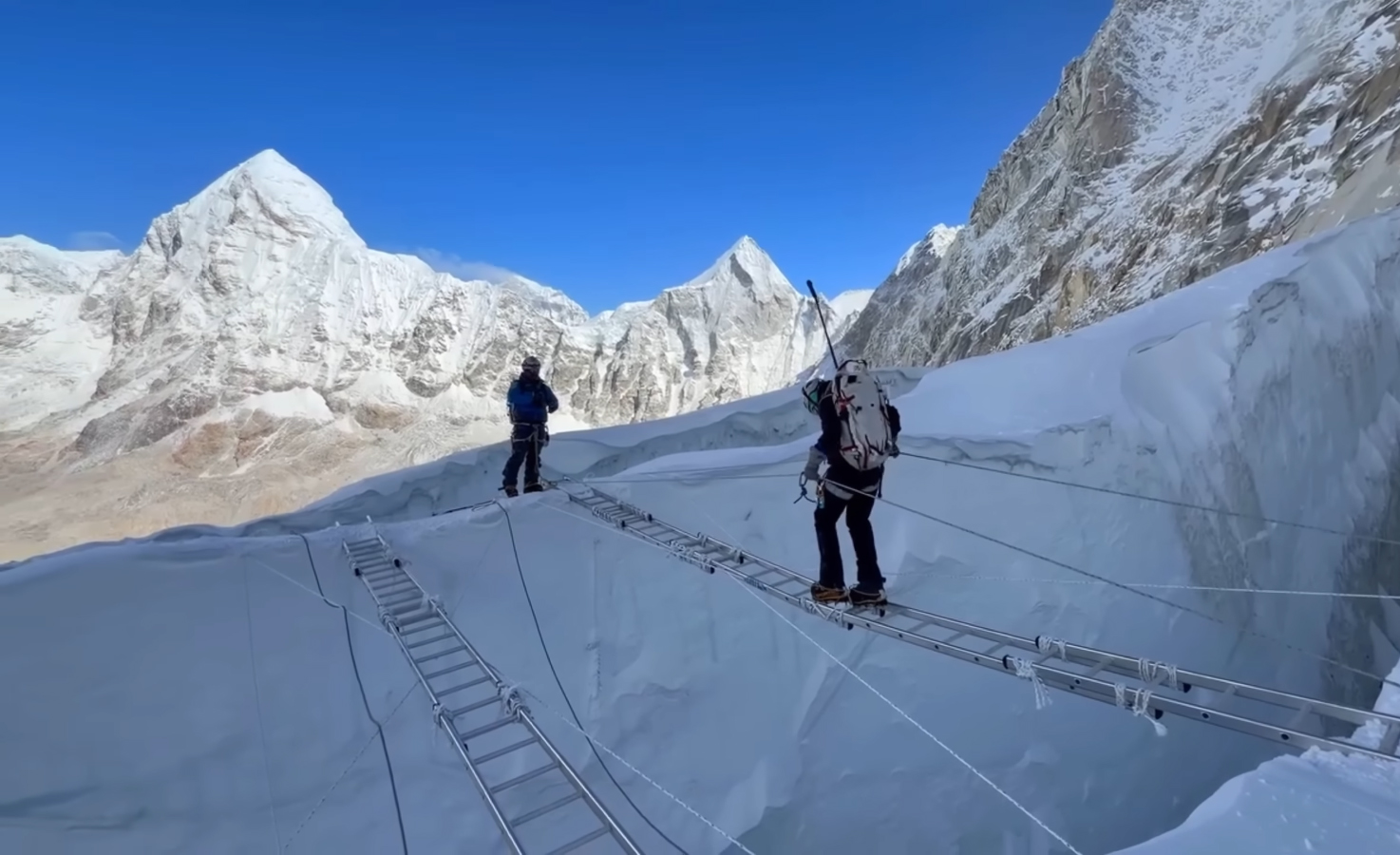
From Base Camp, the team makes initial rotations to Camp 1 (6,065m), crossing the challenging Khumbu Icefall using fixed ladders and ropes under the guidance of experienced Sherpa climbers. After short stays at higher camps, climbers return to Base Camp for recovery and further acclimatization.
The expedition then progresses step by step through Camp 2 (6,500m) and Camp 3 (7,470m), located near the base of the Lhotse Face. This section involves steep ice climbing, fixed rope ascent, and exposure to strong winds and thin air. Oxygen support may be used depending on individual needs.
The final high camp, Camp 4 (7,920m), is situated at the South Col, the last stop before the summit. From here, climbers prepare for the final ascent to the top of the world, Mount Everest (8,848.86m). This section is extremely demanding due to severe cold, high winds, and very low oxygen levels.
The summit push is typically completed in a single continuous effort from Camp 4 to the summit and back down, depending on weather and safety conditions. After reaching the summit, climbers descend carefully back through higher camps to Base Camp.
The entire climbing schedule is flexible and fully dependent on weather conditions, wind speed, snow stability, and climber health.
Mount Everest Expedition: Camp Overview (South Route)
Everest Base Camp (5,380m): Main expedition hub on the Khumbu Glacier, used for acclimatization, training and logistics preparation.
Camp 1 (6,065m): Located beyond the Khumbu Icefall with crevasses, ladders and shifting glacier terrain.
Camp 2 (6,500m): Situated in the Western Cwm, a relatively stable area but exposed to intense sunlight and occasional strong winds.
Camp 3 (7,470m): Built on the Lhotse Face, requiring fixed rope climbing on steep icy slopes and technical ascent skills.
Camp 4 (7,920m): Located at the South Col, the final camp before the summit push with extreme weather conditions and limited oxygen.
Trip Duration:
41 Days
Accomodation:
Tented Camp
Meals:
Breakfast, Lunch & Dinner
On Day 60 of your Mount Everest Expedition, you will begin your return journey after completing the high-altitude climbing phase. After breakfast in Gorak Shep (5,190m), you will trek back toward Lobuche (4,910m) following the familiar trail through glacial moraine and rugged Himalayan terrain.
The descent offers a more comfortable pace compared to the summit phase, but the route still requires careful walking due to rocky paths and high-altitude conditions. Along the way, you will enjoy final views of the Everest region, including surrounding peaks and glacier landscapes.
This trekking day helps your body recover gradually while moving to lower elevation. Lobuche provides a peaceful stopover where you can rest after the intense climbing period at higher camps.
Upon arrival, you will settle into a teahouse and relax with your team, reflecting on the successful high-altitude expedition phase.
Trip Duration:
6-7 Hours
Accomodation:
Normal Teahouse
Meals:
Breakfast, Lunch & Dinner
On Day 61 of your Mount Everest Expedition, you will continue your descent from the high Himalayas, trekking from Lobuche (4,910m) toward the beautiful monastery village of Tengboche (3,870m). After breakfast, the trail gradually leads downhill through alpine terrain, passing familiar routes of the Khumbu region.
As you descend, the landscape slowly transforms from rocky high-altitude terrain into greener hills with pine and rhododendron forests. Along the way, you will enjoy stunning views of Ama Dablam, Everest, Lhotse, and Nuptse, offering a final close experience of the Himalayan giants.
Tengboche is one of the most important cultural and spiritual landmarks in the Everest region, known for its famous monastery and peaceful surroundings. It provides a perfect place to rest and reflect after the challenging climbing phase of the expedition.
Upon arrival, you will check into a teahouse and relax in the serene mountain environment.
Trip Duration:
4-5 Hours
Accomodation:
Normal Teahouse
Meals:
Breakfast, Lunch & Dinner
This day of your Mount Everest Expedition begins after breakfast as you continue your descent from Tengboche (3,870m) toward the vibrant Sherpa town of Namche Bazaar (3,440m). The trail initially descends through rhododendron and pine forests, offering refreshing air and beautiful Himalayan scenery.
Along the way, you will cross suspension bridges over the Dudh Koshi River and pass through small traditional villages. As you move lower, the landscape becomes greener and more lively, with increasing signs of local life and culture.
You will also enjoy final close-up views of iconic peaks such as Ama Dablam, Thamserku, and Everest, making this section of the trek both scenic and memorable.
Upon reaching Namche Bazaar, you can relax in comfortable teahouses, explore the town, or simply rest after the long trekking day.
Trip Duration:
5-6 Hours
Accomodation:
Normal Teahouse
Meals:
Breakfast, Lunch & Dinner
Today, on Day 63 of your Mount Everest Expedition, you will begin the final trekking section from Namche Bazaar (3,440m) back to Lukla (2,800m). After breakfast, the trail descends steeply through the beautiful Khumbu Valley, passing familiar forests, suspension bridges, and traditional Sherpa villages.
As you retrace your steps, you will cross the Dudh Koshi River several times and walk through charming settlements such as Monjo and Phakding. The descent feels more comfortable as you lose altitude, and the surrounding landscape becomes greener and more relaxed.
This final trekking day is a great opportunity to reflect on your incredible journey to the world’s highest mountain. The route offers final views of the Himalayan scenery before reaching Lukla.
Upon arrival in Lukla, you will celebrate the successful completion of the trekking phase with your team and prepare for the return flight to Kathmandu.
Trip Duration:
5-6 Hours
Accomodation:
Normal Teahouse
Meals:
Breakfast, Lunch & Dinner
After breakfast, you will take an early morning flight from Lukla (2,800m) back to Kathmandu (1,400m). This scenic mountain flight offers one last breathtaking view of the Himalayas, marking the final chapter of your Mount Everest Expedition.
Upon arrival in Kathmandu, you will be transferred to your hotel where you can relax and enjoy the comfort of the city. This day is ideal for rest, reflection and celebrating the successful completion of your expedition to the world’s highest mountain.
The return to Kathmandu officially marks the end of the trekking and climbing phase of the journey, leaving you with unforgettable memories of the Himalayas, Sherpa culture and an extraordinary high-altitude adventure.
Accomodation:
Hotel in Kathmandu
Meals:
Breakfast & Lunch
This is a free and flexible day in Kathmandu (1,400m), allowing you to rest and recover after completing your high-altitude Mount Everest Expedition. After many days in the Himalayas, this is the perfect opportunity to relax and enjoy the comfort of the city.
You may spend the day exploring UNESCO World Heritage Sites such as, Patan Durbar Square or Bhaktapur Durbar Square, or simply relax at your hotel. It is also a great chance for souvenir shopping, photography, or experiencing local food and culture.
Your guide or team will remain available for any assistance, including airport transfer arrangements or further travel plans. This relaxed day helps you transition smoothly from the mountains back to everyday life.
Accomodation:
Hotel in Kathmandu
Meals:
Breakfast
Today, your Mount Everest Expedition officially comes to an end. After breakfast, our team will transfer you from your hotel to Tribhuvan International Airport, Kathmandu, according to your flight schedule.
This is the final day of your incredible journey in Nepal. You will leave with unforgettable memories of the Himalayas, Sherpa culture, challenging climbs and the achievement of reaching the world’s highest mountain.
Our team will assist you with airport procedures to ensure a smooth and comfortable departure. We hope you had a safe and successful expedition and look forward to welcoming you again for future adventures in Nepal.
Meals:
Breakfast
Packing List for Everest Expedition
Proper preparation is essential for a successful Everest Expedition. Climbers will face extreme cold, strong winds, snow, ice and high-altitude conditions, making the right equipment crucial for safety and comfort. A well-planned packing list helps ensure you are fully prepared for every stage of the journey, from trekking to Everest Base Camp to the final summit push.
Essential Clothing
- Down expedition suit
- Waterproof jacket and pants
- Thermal base layers
- Fleece or insulated jacket
- Down jacket
- Warm trekking shirts
- Insulated gloves and liner gloves
- Warm hat and sun hat
- Neck gaiter or buff
- Wool trekking socks
Footwear
- High-altitude mountaineering boots
- Trekking boots
- Camp shoes or sandals
- Gaiters
- Crampons
Climbing Equipment
- Climbing harness
- Ice axe
- Helmet
- Ascender and descender
- Carabiners and safety slings
- Trekking poles
- Headlamp with spare batteries
Personal Items
- Sunglasses and ski goggles
- Sunscreen and lip balm
- Water bottles and thermos
- Personal first aid kit
- Toiletries and quick-dry towel
- Power bank and charging cables
- Camera and spare batteries
Documents
- Valid passport
- Travel insurance
- Everest climbing permits
- Passport-sized photographs
- Emergency contact details
Having the right gear is one of the most important factors for a safe and successful Everest Expedition. Quality equipment, proper clothing and careful preparation will help you perform confidently in the challenging conditions of the world’s highest mountain.
Everest Expedition FAQs
Best of Nepal Trek is a trusted trekking and tour company in Nepal, offering safe, well-organized, and memorable travel experiences since 2018. We specialize in trekking, cultural tours, Everest Expedition, and Himalayan adventures, delivering professional service backed by strong local expertise.
Our Everest Expedition is carefully planned with a strong focus on safety, proper acclimatization, and high-altitude success. We work with experienced Sherpa guides and professional climbing teams who understand every section of the Everest route, from Base Camp to the summit.
During the journey, our expert guides ensure every step is safe, comfortable, and well-supported. They also share deep insights into Nepal’s culture, history, traditions and mountain lifestyle, making the expedition more meaningful beyond just climbing.
From preparation in Kathmandu to the final summit attempt, we handle logistics, permits, equipment support, and guidance, so climbers can focus fully on the challenge ahead.
Choose Best of Nepal Trek for reliable service, expert local guides and a safe, unforgettable Everest Expedition experience in the heart of the Himalayas.
You can easily obtain a visa on arrival in Nepal at Tribhuvan International Airport, Kathmandu. The process is simple, fast and convenient for most international tourists visiting Nepal.
Before traveling, make sure your passport is valid for at least 6 months from your date of entry. Some nationalities may have different entry requirements, so it is always recommended to check the rules in advance.
On arrival, you will need to complete a visa application form, pay the required visa fee, and receive your visa at the immigration counter. Tourist visas are usually available for 15, 30, or 90 days, depending on your travel plan.
For the most accurate and updated information, please check the official Nepal immigration website: http://www.nepalimmigration.gov.np
When you arrive in Nepal for your Everest Expedition, you will be warmly welcomed by a representative from Best of Nepal Trek at the airport. Our team provides a smooth and hassle-free arrival experience so you can start your journey comfortably.
A professional staff member will be waiting for you at Tribhuvan International Airport, Kathmandu, holding a signboard with your name or company name for easy identification. After meeting you, they will assist with your luggage and transfer you safely to your hotel in a private vehicle.
This airport pickup service is arranged in advance based on your flight details, ensuring there is no confusion or delay upon arrival. Our team also helps with hotel check-in and provides a short briefing about your Everest Expedition program in Nepal.
With this service, your journey begins in a stress-free and organized way, giving you peace of mind from the moment you land in Kathmandu.
The Everest Expedition is more than just a climb to the world’s highest peak; it is a life-changing journey that combines adventure, challenge, and personal achievement in the heart of the Himalayas.
Choosing an Everest Expedition means experiencing world-class mountaineering in one of the most iconic environments on Earth. Climbers are surrounded by breathtaking landscapes, including massive glaciers, deep valleys and towering snow-covered peaks that define the beauty of the Everest region.
Beyond the physical challenge, the expedition also offers rich cultural experiences. The route passes through traditional Sherpa villages where travelers can learn about Himalayan lifestyles, Buddhist traditions, and the warm hospitality of local communities.
An Everest Expedition also provides a powerful test of mental strength and endurance. It pushes climbers beyond their comfort zones, requiring discipline, patience and determination at extreme altitudes.
For those who are prepared, reaching the summit of Mount Everest becomes a once-in-a-lifetime achievement. It is a journey that builds confidence, resilience and unforgettable memories that last forever.
In short, people choose the Everest Expedition not only to reach the top of the world but also to experience adventure, culture and personal transformation in one extraordinary journey.
There are around 17 known climbing routes to reach the summit of Mount Everest, though only a few are commonly used in modern expeditions due to safety, logistics and accessibility.
The two most famous and standard routes are the South Col Route from Nepal and the North Ridge Route from Tibet. The South Col route is the most popular and widely used because it offers better logistical support, established camps and more consistent expedition infrastructure.
The North Ridge route, on the other hand, approaches Everest from the Tibetan side and is known for its colder conditions and stronger winds, but it is still used by some experienced climbers.
While several alternative routes exist, most modern Everest Expeditions follow these two main paths due to their proven success rates and organized support systems.
Mount Everest is considered the ultimate high-altitude climb and is not an easy expedition. Climbers must have strong previous experience and excellent physical conditioning before attempting the summit.
Most expedition operators require climbers to have successfully climbed at least one high-altitude peak of 7,000 meters or above, and prior experience on an 8,000-meter mountain is highly recommended. This ensures you are familiar with extreme altitude, cold weather, and technical climbing conditions.
Mountains are graded based on both technical difficulty and physical demand, so Everest requires a combination of endurance, strength, and advanced mountaineering skills. Climbers should be in excellent physical fitness, with strong stamina for long trekking days and the ability to perform in low-oxygen environments.
Training should include cardiovascular endurance, strength training, long-distance hiking with a backpack, and basic alpine climbing skills such as rope handling, crampon use, and ice axe techniques.
In short, Everest demands serious preparation, prior high-altitude experience, and peak physical fitness to increase safety and summit success.
A traditional Mount Everest Expedition usually takes around 60 to 65 days from start to finish. However, this does not mean climbers are continuously climbing during this time. Most of the journey is spent trekking, acclimatizing and preparing the body for extreme high-altitude conditions.
The expedition begins with travel to Nepal, followed by a trek through the Khumbu region to reach Everest Base Camp. This trekking phase itself takes about 8–10 days and is very important for gradual altitude gain.
Once at Base Camp, climbers spend several weeks rotating between higher camps. These acclimatization climbs help the body adjust to low oxygen levels and reduce the risk of altitude sickness. Climbers move between Camp I, II, III and IV, gradually building endurance and experience on the mountain.
The actual summit push usually happens in a short weather window in May, when conditions are most stable. After reaching the summit, climbers carefully descend back to Base Camp and then return to Lukla.
Climbing Sherpas are essential to a successful Everest Expedition, providing expert safety, guidance, and support throughout the climb. They fix ropes, ladders and anchors in dangerous sections like the Khumbu Icefall, making the route safer for climbers.
Sherpas also carry equipment, manage supplies and assist with oxygen use, weather updates, and emergency support. Their experience and strength are crucial for safe acclimatization and summit success on Mount Everest.
There is no strict rule that forces climbers to join a group for every peak above 8,000 meters in Nepal. However, the Nepal Mountaineering authorities require at least two climbers in a team when issuing a climbing permit.
In practice, climbing Mount Everest solo is not recommended, even if it is technically possible under certain arrangements. Solo expeditions are usually more expensive, logistically difficult, and significantly riskier due to the extreme altitude and unpredictable conditions.
Most climbers choose to join a guided expedition group with professional team leaders, experienced Sherpa guides, and support staff. This not only improves safety but also helps with logistics such as route fixing, oxygen management, weather updates, and emergency response.
Overall, joining a group for the Everest Expedition is considered the safest, most practical and most successful approach for reaching the summit.
No, an Everest Expedition should not be attempted without a professional guide and support team. Climbing Mount Everest is a highly demanding adventure that requires technical mountaineering skills, proper acclimatization, and extensive experience in high-altitude environments.
The route includes dangerous sections such as the Khumbu Icefall, Lhotse Face, and South Col, where climbers face risks from crevasses, avalanches, severe weather, and low oxygen levels. Experienced Sherpa guides help climbers navigate these challenges safely while providing essential support throughout the expedition.
Licensed expedition companies also manage permits, logistics, oxygen supplies, weather updates, and emergency rescue arrangements. Their expertise greatly improves both safety and summit success rates.
For these reasons, joining a professionally organized Everest Expedition with experienced guides and Sherpa support is the safest and most reliable way to climb the highest mountain in the world.
Once you arrive at Kathmandu Airport, it is recommended to purchase a local SIM card. This allows you to stay connected with family and friends while you are in Kathmandu and during the lower-altitude trekking sections of the Everest Expedition.
As you move higher into the Everest region, mobile network coverage becomes limited and unreliable. In some lower villages, the SIM card may work intermittently, but communication is not guaranteed.
At higher elevations, especially during the climbing phase, normal mobile networks usually do not work at all. For reliable communication in these remote and extreme conditions, satellite phones are used by expedition teams and guides.
Satellite phones ensure that climbers can stay in contact with the base camp team and emergency support whenever necessary. This system plays an important role in maintaining safety and coordination throughout the Everest Expedition.
During the Mount Everest Expedition, climbers may face several challenges, especially at high altitudes where oxygen levels are very low. One of the most common issues is related to the cardio-pulmonary system, as the body struggles to adjust to reduced oxygen in the atmosphere.
This condition can lead to breathing difficulties and Acute Mountain Sickness (AMS), which is the most frequent altitude-related problem. Symptoms may include headache, nausea, dizziness, fatigue, and shortness of breath.
In more severe cases, altitude can also affect physical performance, making even simple movements more exhausting. If not managed properly, these conditions can become serious and require immediate descent to lower elevations.
Proper acclimatization, gradual ascent, hydration, and expert guidance are essential to reduce these risks during the Everest Expedition and ensure a safer climbing experience.
Altitude sickness is a condition that can occur when a person travels to high elevations faster than the body can adapt. As altitude increases, the air becomes thinner and contains less oxygen. This means your body receives less oxygen with each breath, making it harder to perform normal physical activities.
When the body does not have enough time to adjust to higher elevations, symptoms of altitude sickness may develop. Common signs include headache, dizziness, fatigue, nausea, shortness of breath and difficulty sleeping. These symptoms can affect trekkers, climbers, and travelers visiting high mountain regions.
Proper acclimatization, staying hydrated, ascending gradually, and taking adequate rest are important ways to reduce the risk of altitude sickness. If symptoms become severe, descending to a lower altitude and seeking medical assistance is essential.
Understanding altitude sickness is especially important for anyone planning high-altitude adventures such as the Everest Expedition, where careful acclimatization plays a key role in safety and success.
Altitude sickness can cause a range of symptoms, and their intensity may vary depending on how quickly a person ascends and how well their body adapts to high altitude conditions.
The most common early signs of acute mountain sickness (AMS) usually appear within the first few hours or within a day after reaching a higher elevation. These mild symptoms often include headache, dizziness, tiredness, loss of appetite, nausea and difficulty sleeping.
As the condition progresses, symptoms may become more noticeable. A person may feel shortness of breath even during rest, increased weakness, and a general feeling of discomfort or uneasiness. In more serious cases, symptoms can worsen quickly and may affect coordination, making movement and balance difficult.
Severe altitude sickness is rare but dangerous. It may involve confusion, severe breathing problems, and fluid buildup in the lungs or brain. In such cases, immediate descent to a lower altitude and medical attention are essential.
Understanding these symptoms is very important for anyone planning high-altitude adventures like the Everest Expedition, where proper acclimatization and awareness can help prevent serious health risks.
Yes, it is highly recommended and essential to purchase travel insurance before joining an Everest Expedition. Climbing Mount Everest involves extreme altitude, cold weather, and remote conditions where emergency situations can happen at any time.
A proper insurance policy should cover high-altitude mountaineering, including emergency helicopter evacuation, medical treatment, hospital expenses, and trip cancellation or interruption. Standard travel insurance is usually not enough, so a specialized high-altitude policy is required.
Travel insurance is also important for protecting you from unexpected issues such as flight delays, lost baggage, or weather-related changes, which are common in the Everest region.
Most trekking and expedition companies, including Best of Nepal Trek, require valid insurance before the trip starts to ensure safety and smooth emergency support if needed.
In short, travel insurance is a must-have safety requirement for a secure and well-prepared Everest Expedition experience.
In case of an emergency during the Everest Expedition, the most important step is to stay calm and act quickly. Panicking can make the situation worse, while clear communication helps ensure fast and effective support.
Immediately inform your guide, Sherpa team, or expedition leader, as they are trained to handle high-altitude emergencies. They will assess the situation and decide the safest course of action, whether it is first aid, descent, or emergency evacuation.
If needed, your guide will also contact the expedition office in Kathmandu to arrange additional support, including helicopter rescue or medical assistance. This is why having proper travel insurance and a professional support team is very important during the Everest Expedition.
Always follow your guide’s instructions carefully, avoid unnecessary movement, and prioritize safety over continuing the climb.
During the Mount Everest Expedition, food is provided at different stages of the journey to ensure proper nutrition and energy in high-altitude conditions.
On the trek to Everest Base Camp, most meals are served in local teahouses. These typically include simple but fresh dishes such as rice, lentils (dal), vegetables, noodles, soups, pasta and basic breakfast items. The food is prepared to support trekking energy needs in a comfortable way.
Once the team reaches Base Camp, a dedicated kitchen is set up by the expedition crew. Professional cooks prepare a variety of nutritious meals, often including both local and international dishes. Despite the high altitude, the kitchen is organized to maintain good hygiene and provide balanced food options for climbers.
At higher camps, food becomes more limited due to extreme conditions. In these areas, packed dried meals, energy-rich snacks, soups and ready-to-eat items are commonly used to save energy and simplify cooking.
To stay healthy and strong, climbers are encouraged to drink 4–6 liters of water daily and avoid alcohol and smoking throughout the expedition. Proper nutrition and hydration play a key role in a safe and successful Everest climb.
Accommodation during the Mount Everest Expedition varies depending on altitude and location. During the trekking phase to Everest Base Camp, climbers stay in comfortable teahouses and lodges. These provide basic rooms, warm meals, and a safe place to rest after daily trekking.
Once the expedition reaches Everest Base Camp, climbers stay in specially prepared expedition tents. The base camp is fully organized with sleeping tents, dining tents, kitchen facilities, and toilet tents to support long-term stay in high-altitude conditions.
At higher camps (Camp I, II, III, and IV), accommodation becomes more basic and functional. Climbers stay in high-altitude tents designed to withstand extreme cold, strong winds, and snow. These tents are shared and focused on rest and survival rather than comfort.
Overall, accommodation during the Everest Expedition becomes simpler as altitude increases, but it is carefully managed to ensure safety, rest and support for climbers throughout the journey.
For a Mount Everest Expedition, it is generally not recommended to rely on rented climbing gear. At such extreme altitudes and harsh weather conditions, your equipment plays a critical role in your safety, comfort, and summit success.
While renting gear may seem like a cheaper option, it is always better to use high-quality, original equipment from trusted adventure brands. Many climbers choose to purchase or rent gear from their home country or reputable outdoor stores where they can ensure proper fit and quality.
During the Everest climb, temperatures can drop dramatically, often reaching -20°C to -40°C at night, so your clothing and equipment must provide maximum insulation and protection. Reliable gear helps you stay warm, dry, and safe in extreme conditions.
In short, investing in good-quality personal gear is highly important for a safe and successful Everest Expedition.
Yes, in a professional and well-organized Everest Expedition, guides, Sherpa guides, and other trekking staff are properly insured. Reputable trekking and expedition companies such as Best of Nepal Trek ensure that all team members are fully covered before joining any expedition.
This insurance usually includes accident coverage, medical treatment, emergency rescue, disability support, and life insurance, especially for high-risk roles like Sherpa guides working in extreme altitude environments. These protections are essential because the Everest region involves serious challenges such as icefalls, avalanches and unpredictable weather.
Insurance for trekking staff is an important part of responsible expedition management. It ensures their safety, supports their families in case of emergencies, and provides financial security during high-risk operations in the Himalayas.
By choosing a licensed and professional company, climbers can be confident that not only clients but also guides and support staff are properly protected throughout the Everest Expedition, making the journey safer, more ethical, and more reliable for everyone involved.
Yes, most professional Guides/Climbing Sherpa Guide on an Everest Expedition speaks English. Reputable trekking and expedition companies, such as Best of Nepal Trek, provide experienced English-speaking guides, Climbing Guide and Sherpa staff to ensure clear communication throughout the journey.
These guides are trained to assist international climbers, explain the route, give safety instructions, and share important information about altitude, weather, and daily plans. Their English is usually simple and easy to understand, making communication smooth even in challenging mountain conditions.
In addition to guiding the climb, they also help you understand Nepalese and Sherpa culture, local traditions, and the Himalayan environment, making the expedition more informative and enjoyable.
If needed, some companies can also provide multilingual support depending on the group requirements.
Overall, having an English-speaking guide ensures safety, confidence and a better overall experience during the Everest Expedition.
Yes, all group departures for the Everest Expedition are guaranteed once your booking is confirmed. After you complete the reservation and receive confirmation from Best of Nepal Trek, your expedition is secured and will proceed as scheduled.
This means your trip will not be canceled due to low group numbers. However, final arrangements may still depend on important factors such as weather conditions, government regulations, and safety considerations in the Everest region.
In rare situations, schedules may be adjusted for operational or safety reasons, but our team always ensures clear communication and alternative solutions for climbers.
With a confirmed booking, you can prepare confidently, knowing that your Everest Expedition departure is fully secured and professionally managed for a smooth and well-organized journey.
The Mount Everest Expedition is expensive because it involves complex logistics, high safety standards and specialized high-altitude support. One of the main costs is the official climbing permit fee issued by the Government of Nepal, which is mandatory for all climbers attempting the summit.
A strong support system is also required, including experienced Sherpa guides, base camp staff, porters and logistics teams, all of whom play a key role in safety and expedition success.
Additional expenses include oxygen systems, climbing equipment, ropes, ladders, tents, communication tools and high-altitude food supplies. Transporting all necessary materials to the remote Everest Base Camp also increases overall costs.
In short, the Everest Expedition is costly because it combines advanced equipment, professional support teams and demanding logistics to ensure a safe and successful climb to the world’s highest peak.
You can support local communities during the Everest Expedition by making responsible and thoughtful travel choices that directly benefit people in the Khumbu region.
Hiring local Sherpa guides, porters, and support staff is one of the best ways to contribute, as it provides employment and helps sustain mountain livelihoods. Choosing a local company like Best of Nepal Trek also ensures that your spending supports the local economy.
Staying in locally owned teahouses and lodges and buying local food and services further helps families in remote villages. Respecting local culture, traditions and religious sites is equally important during the journey.
You should also follow eco-friendly practices such as reducing plastic use and properly managing waste to protect the fragile Himalayan environment.
In short, responsible travel makes your Everest Expedition more meaningful while supporting both people and nature in the Everest region.
Everest Expedition Good To Know
Everest Base Camp, situated at approximately 5,364 meters (17,598 feet), serves as the main operational center for the expedition. During the climbing season, it transforms into a temporary mountain community filled with climbers, guides, Sherpa support teams, medical staff, and expedition organizers from around the world.
Before attempting higher elevations, climbers spend several weeks at Base Camp completing acclimatization rotations, training exercises, and preparations. This period is essential for helping the body adjust to lower oxygen levels and improving the chances of a successful summit attempt.
The Four High Camps of Everest Expedition
To safely reach the summit, climbers establish a series of camps above Base Camp. Each camp plays a vital role in acclimatization and provides a staging point for the next phase of the climb.
Camp I (6,000 m / 19,685 ft): Camp I lies beyond the famous Khumbu Icefall within the broad Western Cwm. Surrounded by towering walls of ice and snow, this camp introduces climbers to the realities of high-altitude mountaineering. The relatively flat terrain offers a temporary resting point before continuing deeper into Everest’s upper slopes.
Camp II (6,400 m / 20,997 ft): Often referred to as Advanced Base Camp, Camp II is located beneath the imposing Lhotse Face. This camp serves as an important operational hub where climbers spend significant time acclimatizing and preparing for higher elevations. Kitchen tents, communication equipment, and support facilities are typically established here to support the expedition team.
Camp III (7,100 m / 23,294 ft): Camp III is positioned on the steep blue-ice slopes of the Lhotse Face. At this altitude, oxygen levels are dramatically lower, making even simple tasks physically demanding. Many climbers begin using supplemental oxygen as they move higher. This camp marks the transition into a far more extreme environment where careful pacing becomes essential.
Camp IV (8,000 m / 26,247 ft): Situated on the South Col, Camp IV is the final camp before the summit push. Located within the “Death Zone,” where oxygen levels are insufficient for long-term survival, climbers typically spend only a short period here before beginning their summit attempt. Every decision made at this stage is crucial for safety and success.
Everest Expedition-The Final Summit Push
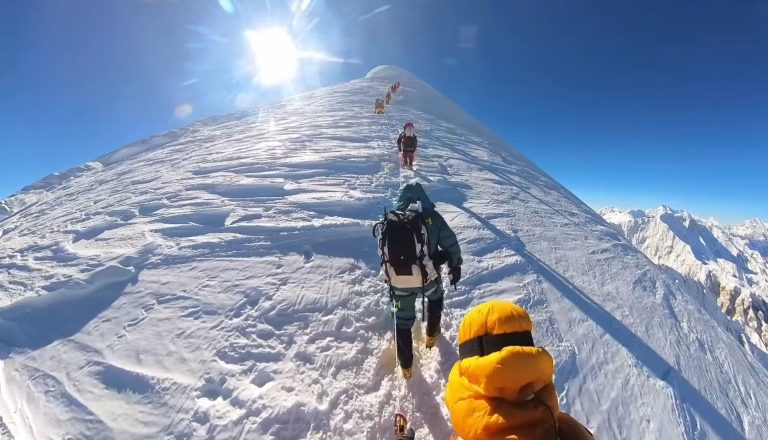
The ascent from Camp IV to the summit is the most demanding stage of the expedition. Climbers depart during the night, navigating steep snow slopes, exposed ridges, and icy terrain under freezing temperatures. The route passes several famous landmarks, including the Balcony, South Summit, and Hillary Step area, before reaching the highest point on Earth.
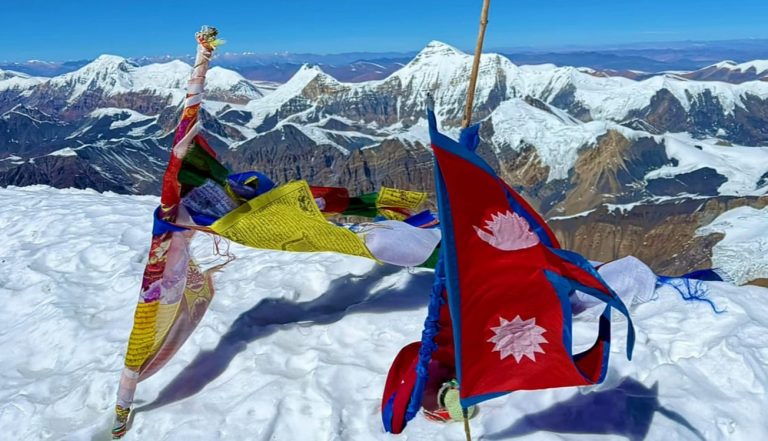
As the first rays of sunlight illuminate the Himalayan horizon, climbers are rewarded with one of the most unforgettable views imaginable. Standing on the summit of Mount Everest provides a powerful sense of achievement that few experiences can match. Surrounded by endless mountain ranges stretching across Nepal, Tibet and beyond, climbers witness a perspective seen by only a small number of people in history.
The Everest Expedition takes place on Mount Everest, the highest mountain in the world, located in the Himalayas on the border between Nepal and Tibet, an autonomous region of China. Most international climbers choose the southern route through Nepal, which is considered the most popular and well-established path to the summit.
The journey begins in Kathmandu, Nepal’s capital city, where climbers complete final preparations, obtain permits, and attend expedition briefings. From Kathmandu, participants take a scenic flight to Lukla, a small mountain town that serves as the gateway to the Everest region. The expedition then follows the famous Everest Base Camp trekking route through the Khumbu Valley.
Along the trail, climbers pass through traditional Sherpa villages such as Phakding, Namche Bazaar, Tengboche, Dingboche and Lobuche. These settlements offer a unique opportunity to experience Sherpa culture, Buddhist traditions and the spectacular scenery of the Himalayas. The route also provides stunning views of iconic peaks including Everest, Lhotse, Nuptse, Ama Dablam and Thamserku.
Everest Base Camp, located at an altitude of approximately 5,364 meters (17,598 feet), serves as the main operational center for the expedition. Climbers spend several weeks here preparing, training and acclimatizing before moving to higher camps on the mountain.
From Base Camp, the climbing route ascends through the Khumbu Icefall, Western Cwm, Lhotse Face, South Col and finally to the summit of Mount Everest at 8,848.86 meters (29,031.7 feet). Throughout the expedition, climbers experience some of the world’s most dramatic mountain landscapes and challenging high-altitude environments.
The Everest Expedition is situated within the world-famous Sagarmatha National Park, a UNESCO World Heritage Site known for its breathtaking mountain scenery, diverse wildlife, glaciers and rich Sherpa cultural heritage. This remarkable location makes the Everest Expedition one of the most sought-after mountaineering adventures on Earth.
Reaching the start point of the Everest Expedition is an exciting journey that combines international travel, a scenic mountain flight and a trek through the heart of the Himalayas. Most climbers begin their adventure in Nepal, the gateway to Mount Everest.
The journey usually starts with an international flight to Kathmandu, the capital city of Nepal. Kathmandu is where climbers complete important preparations such as obtaining permits, meeting guides, checking equipment, and attending expedition briefings. It is also the main hub for logistics and expedition organization.
From Kathmandu, climbers take a short but thrilling mountain flight to Lukla Airport, one of the most famous and adventurous airports in the world. The flight offers breathtaking views of the Himalayan range and marks the true beginning of the Everest journey.
After landing in Lukla, the route continues on foot through the Everest Base Camp trekking trail. The trail passes through beautiful Sherpa villages such as Phakding, Namche Bazaar, Tengboche, Dingboche and Lobuche. This trekking section allows climbers to acclimatize gradually while experiencing local culture and stunning mountain scenery.
Once climbers complete the expedition and return safely from the summit attempt, the descent follows the same route back to Everest Base Camp and then down to Lukla. From Lukla, a return flight brings them back to Kathmandu.
After reaching Kathmandu, climbers usually spend a few days resting, celebrating their achievement, and completing final formalities before flying back to their home countries.
In summary, getting to and from the Everest Expedition involves a combination of international flights, a dramatic mountain flight to Lukla, and a memorable trek through the Khumbu region. The return journey is not just travel—it is a rewarding experience that reflects the full adventure of climbing the world’s highest mountain.
The Everest Expedition takes climbers to the highest point on Earth, reaching the summit of Mount Everest at an elevation of 8,848.86 meters (29,031.7 feet) above sea level. This makes it the tallest mountain in the world and the ultimate destination for high-altitude mountaineers.
The journey does not start at the summit. Instead, the Everest Expedition gradually climbs through a series of altitude zones that help the body adjust to extreme conditions. The adventure begins in Kathmandu and continues to Lukla, followed by a trek through the Khumbu Valley toward Everest Base Camp.
Everest Base Camp itself is located at approximately 5,364 meters (17,598 feet). This is the main staging area where climbers prepare, train and begin acclimatization rotations. From here, the expedition moves higher into the mountain’s climbing route.
Above Base Camp, climbers pass through several high camps:
- Camp I: around 6,000 meters
- Camp II: around 6,400 meters
- Camp III: around 7,100 meters
- Camp IV (South Col): around 8,000 meters
Each stage of the Everest Expedition becomes more challenging as altitude increases and oxygen levels drop significantly. Above 8,000 meters, the region is known as the “death zone,” where the human body cannot survive for long periods without supplemental oxygen.
Despite these extreme heights, modern Everest Expedition teams use advanced equipment, weather forecasting, and experienced Sherpa support to improve safety and success rates. Proper acclimatization and gradual climbing are key factors in reaching the summit.
In simple terms, the Everest Expedition is a journey that starts at normal flying altitude and rises step by step into the highest and harshest environment on Earth. Standing at the top of Mount Everest is the final reward of this incredible climb, offering unmatched views and a true sense of achievement.
The history and culture of the Everest Expedition are as fascinating as the mountain itself. Mount Everest, known as Sagarmatha in Nepal and Chomolungma in Tibet, has long been regarded as a sacred and powerful mountain. For centuries, local communities living in the Himalayas have respected Everest not only for its immense height but also for its spiritual significance.
The Sherpa people, who have lived in the Khumbu region for generations, are at the heart of Everest’s cultural heritage. Their traditions are deeply influenced by Tibetan Buddhism, which can be seen throughout the region in colorful prayer flags, ancient monasteries, chortens, mani walls and sacred shrines. The mountains are considered the home of protective deities, and many Sherpas believe climbers should show respect to nature and local customs during their journey.
The exploration of Everest began in the early twentieth century when foreign expeditions started surveying and attempting to climb the mountain. Several British teams explored Everest during the 1920s and 1930s, facing harsh conditions and limited equipment. One of the most famous early climbers was George Mallory, who disappeared with Andrew Irvine during an attempt in 1924, creating one of mountaineering’s greatest mysteries.
A turning point in Everest history came on May 29, 1953, when Sir Edmund Hillary and Tenzing Norgay Sherpa became the first climbers confirmed to reach the summit. Their success brought worldwide attention to Everest and inspired future generations of mountaineers.
Today, the Sherpa community remains essential to every Everest Expedition, providing expert guidance, route preparation, and high-altitude support. Before each climbing season, many teams participate in a traditional Puja ceremony at Everest Base Camp, where Buddhist monks offer blessings for safety and success.
One of the most memorable parts of the Everest Expedition is not only the mountain itself but also the warm and welcoming people you meet along the way. The journey passes through the heart of the Khumbu region, where traditional Sherpa villages offer a rare glimpse into life in the high Himalayas.
As climbers move deeper into the Everest region, they first encounter villages like Phakding and Monjo, where small teahouses, prayer wheels and suspension bridges mark the beginning of the mountain culture experience. These peaceful settlements sit along the Dudh Koshi River and provide a gentle introduction to the world of high-altitude trekking.
Further up, Namche Bazaar stands out as the most vibrant and important trading center in the Everest region. Often called the “gateway to Everest,” this busy mountain town is filled with bakeries, small shops, gear stores, cafés and lodges. Here, climbers rest, acclimatize and interact closely with local Sherpa families who have lived in these mountains for generations.
Higher still, villages like Tengboche, Dingboche and Lobuche offer quieter surroundings and deeper cultural immersion. Tengboche is especially famous for its monastery, where monks perform daily prayers and blessings for climbers heading toward Everest. Dingboche and Lobuche provide a more rugged environment, where life becomes closely connected to the rhythm of the mountains.
The people you meet along the route are mostly Sherpas, known worldwide for their strength, resilience, and mountaineering expertise. Beyond their climbing skills, they are deeply spiritual and grounded in Buddhist traditions. Their kindness, hospitality and calm attitude in extreme conditions leave a lasting impression on every visitor.
During the expedition, you may also meet yak herders, monks, lodge owners, porters and fellow climbers from around the world.
The Everest Expedition offers not only a mountaineering challenge but also a journey through diverse natural habitats in the Himalayas. The route passes through Sagarmatha National Park, a UNESCO World Heritage Site known for rich biodiversity, unique landscapes, and rare wildlife species.
At lower elevations, between 2,500 and 4,000 meters, trekkers walk through forests of pine, fir, birch, and rhododendron. In spring, rhododendron flowers bloom in red, pink and white, creating beautiful scenery against the snowy peaks. These forests are home to animals such as the Himalayan black bear, barking deer and red panda. Birds like the Himalayan monal, cuckoos, and laughing thrushes are commonly seen.
As the altitude rises above 4,000 meters, the landscape changes into alpine meadows and rocky slopes. Vegetation becomes sparse, with juniper, mosses and hardy grasses surviving in cold conditions. Wildlife here includes Himalayan tahr and musk deer, which are adapted to steep and rugged terrain. The snow leopard also lives in these high areas, though it is very rarely seen.
Near Everest Base Camp and higher zones, the environment becomes extreme, and almost no plants survive except lichens and small alpine species. Yaks play an important role in this region, helping transport goods and supporting Sherpa communities with milk and wool.
From green forests to icy glaciers, the Everest Expedition shows how nature survives in extreme conditions and offers a unique experience of Himalayan wildlife. Overall, this ecosystem makes the Everest region a perfect blend of adventure, natural beauty and wildlife experience for trekkers and climbers from around the world.
The Everest Expedition is widely considered one of the greatest high-altitude adventure experiences in the world. It is not a simple trek or sightseeing tour, but a challenging mountaineering adventure that pushes climbers to their physical and mental limits in the extreme environment of the Himalayas.
Unlike regular travel or holiday trips, the Everest Expedition involves technical climbing, unpredictable weather, and long days of endurance at very high altitudes. Climbers must deal with freezing temperatures, strong winds and low oxygen levels, making it one of the most demanding adventures on Earth.
At the same time, the journey begins with a beautiful trekking experience through the Khumbu region. Before reaching the climbing sections, trekkers pass through scenic valleys, suspension bridges, and traditional Sherpa villages. This part of the expedition offers a cultural adventure, where visitors can experience local hospitality, Buddhist traditions and breathtaking Himalayan landscapes.
As the route continues toward Everest Base Camp and higher camps, the expedition becomes more technical and serious. Proper acclimatization, physical fitness and professional support from experienced Sherpa guides are essential. Climbers also rely on safety equipment such as fixed ropes, crampons, ice axes, and supplemental oxygen to navigate extreme conditions.
In this way, the Everest Expedition is a unique blend of adventure tourism and extreme mountaineering. It starts as a scenic trekking journey and gradually transforms into a serious high-altitude climb toward the highest point on Earth.
So, while it is not a typical tour, the Everest Expedition offers a complete adventure experience—combining nature, culture and challenging climbing into one unforgettable journey in the heart of the Himalayas.
The Everest Expedition is considered one of the most challenging high-altitude climbs in the world, and its safety depends on preparation, experience, weather conditions and proper support systems. While it is not a “safe” activity in the usual sense, modern expedition practices have made it significantly more organized and manageable than in the past.
Today, most Everest Expeditions are led by professional guiding companies that provide experienced Sherpa guides, weather forecasts, fixed rope systems and emergency support. These improvements have greatly increased the success rate and reduced many risks associated with climbing the world’s highest peak.
However, the Everest Expedition still involves serious natural dangers. The biggest challenge is extreme altitude, especially above 8,000 meters, known as the “death zone,” where oxygen levels are too low to sustain the human body for long periods. Climbers must use supplemental oxygen to reduce the risk of altitude sickness.
Other risks include sudden weather changes, strong winds, avalanches, deep crevasses, and the dangerous Khumbu Icefall section. Careful timing, acclimatization and route management are essential to reduce these hazards. Most accidents occur when climbers move too quickly, ignore weather warnings, or push beyond their limits.
Safety on Everest also depends heavily on teamwork. Sherpa climbers play a vital role in fixing ropes, carrying loads, and guiding climbers through technical sections of the mountain. Their experience and local knowledge are key factors in making the expedition safer and more successful.
In recent years, improved communication systems, satellite tracking and better rescue coordination have also helped increase safety standards on Everest. Climbers can now stay connected with base camp teams and receive real-time weather updates during their ascent.
The Everest Expedition is a regulated mountaineering activity, and climbers must obtain several official permits before entering the Everest region and attempting the summit. These permits are required by the Government of Nepal to ensure safety, manage tourism, and protect the fragile Himalayan environment.
The first essential document is the Sagarmatha National Park Entry Permit. Since Everest lies inside this UNESCO World Heritage Site, every visitor must pay an entry fee of around NPR 3,000 (approximately USD 30). This permit is usually issued in Kathmandu or at the park entry point in Monjo.
For those continuing beyond Everest Base Camp toward the summit, a Mountaineering Expedition Permit is mandatory. Issued by the Nepal Department of Tourism, this is the most important permit for the Everest Expedition. The cost varies by season, with the spring season (March–May) being the most expensive at around USD 11,000 per climber for the South Col route. This fee also includes environmental management and expedition regulation costs.
In addition, climbers must pay a garbage deposit fee of approximately USD 4,000. This amount is refundable if the team successfully brings back all waste generated during the expedition, supporting Nepal’s strict “clean mountain” policy.
Another required document is the Khumbu Pasang Lhamu Rural Municipality Permit, often called the local entry permit. This costs around NPR 2,000 (approximately USD 15) and is collected at checkpoints such as Lukla or Monjo. The fee helps support local infrastructure, trail maintenance and community development in the Everest region.
Expedition teams must also work with a government-appointed liaison officer, whose salary, insurance and logistics costs can add an additional USD 3,000 to USD 5,000 to the total budget. This officer ensures that rules and safety regulations are properly followed throughout the expedition.
The best time for the Everest Expedition is during the pre-monsoon (spring) and post-monsoon (autumn) seasons, when weather conditions in the Himalayas are most stable and suitable for high-altitude climbing.
- Spring Season (March to May):Spring is considered the most popular and ideal time for the Everest Expedition. During this period, temperatures are relatively warmer, and the weather is more predictable compared to other seasons. The skies are usually clearer, offering excellent visibility of the Himalayan peaks.
Most successful summit attempts take place in May, when wind speeds are lower and weather windows are more stable. This is also the busiest climbing season, with many international expedition teams on the mountain.
- Autumn Season (September to November):Autumn is another favorable season for the Everest Expedition. After the monsoon rains, the air becomes clean and fresh, providing clear mountain views and stable weather conditions.
Although colder than spring, autumn offers fewer climbers on the route, making the experience slightly quieter and less crowded. However, summit opportunities are more limited compared to spring due to shorter favorable weather windows.
- Seasons to Avoid:The monsoon season (June to August) and winter season (December to February) are generally not recommended for the Everest Expedition. Heavy snowfall, strong winds, and unpredictable storms make climbing extremely dangerous during these months.
In summary, the best time for the Everest Expedition is spring (March–May) for optimal summit success rates, followed by autumn (September–November) for clearer skies and fewer crowds. Choosing the right season is one of the most important factors for a safe and successful climb to the top of the world.
Travel insurance is a must-have requirement for the Everest Expedition. It is not just an optional extra but an essential safety measure for anyone attempting to climb the highest mountain in the world. Because the expedition takes place in extreme altitude and remote conditions, proper insurance ensures climbers are protected against unexpected risks and emergencies.
The Everest Expedition involves challenging terrain, high altitude, and unpredictable weather. In case of accidents, altitude sickness, or sudden health issues, evacuation by helicopter is often the only safe option. These emergency rescues can be extremely expensive, which is why comprehensive insurance is mandatory before joining any expedition.
A suitable Everest Expedition insurance policy should cover high-altitude trekking and mountaineering up to at least 6,000–8,000 meters, including emergency helicopter evacuation, medical treatment, hospital costs and repatriation to the home country. Standard travel insurance plans usually do not cover high-altitude climbing, so special mountaineering insurance is required.
In addition to medical coverage, good insurance should also include trip cancellation, trip interruption, and lost or damaged baggage protection. These features help climbers manage financial risks caused by delays, weather changes, or logistical issues that are common in Himalayan expeditions.
Most professional expedition companies require proof of valid insurance before confirming a booking. This ensures that climbers are financially prepared for emergencies and reduces risk for both the climber and the support team.
In conclusion, travel insurance for the Everest Expedition is a critical part of preparation. It provides safety, financial protection, and peace of mind, allowing climbers to focus on the challenge of reaching the summit with confidence and security.
The Everest Expedition takes place in one of the most extreme weather environments on Earth. Mount Everest has highly unpredictable and rapidly changing climate conditions, which make weather one of the most important factors for a safe and successful summit attempt.
At lower elevations in the Everest region, such as Lukla and Namche Bazaar, the climate is generally cool and temperate during the main trekking seasons. However, as climbers ascend higher, temperatures drop sharply and the weather becomes increasingly harsh and unstable.
Above Base Camp (5,364 meters), conditions become extreme. Temperatures often fall below freezing even during the climbing season, and strong winds are common. As altitude increases, the air becomes thinner and colder, making physical movement more difficult and exhausting.
One of the biggest challenges on Everest is the jet stream winds, which can reach extremely high speeds near the summit. These winds can make climbing impossible during certain periods, forcing teams to wait for short weather windows, usually in May during the spring season.
Snowfall is another major factor that affects the Everest Expedition. Sudden storms can bring heavy snow, increasing avalanche risk and covering fixed climbing routes. Clear weather conditions are essential for summit attempts, and climbers often wait days or even weeks at higher camps for a safe opportunity.
The temperature near the summit can drop to -30°C to -60°C (-22°F to -76°F), depending on wind conditions. Combined with low oxygen levels, this creates one of the harshest environments for human survival on the planet.
Because of these challenges, professional expedition teams rely heavily on weather forecasting systems and expert mountain guides. Careful planning helps climbers choose the safest possible time to push toward the summit.
Packing the right baggage for the Everest Expedition is one of the most important parts of preparation. Since the journey takes place in extreme high-altitude conditions, climbers must carry carefully selected gear that ensures safety, warmth and survival throughout the expedition.
Most climbers divide their baggage into three main categories: personal trekking gear, climbing equipment, and expedition supplies. A large duffel bag is usually used for the main luggage, which is carried by porters or yaks up to Base Camp. A smaller backpack is used during daily trekking and climbing activities for essential items.
Warm clothing is the most critical part of Everest baggage. Climbers need insulated jackets, down suits, thermal layers, gloves, hats and waterproof outer shells to protect against freezing temperatures and strong winds. Proper footwear such as insulated mountaineering boots and crampons-compatible shoes are also essential for safety on ice and snow.
Climbing equipment is another key requirement. This includes items such as crampons, ice axes, harnesses, helmets, carabiners, ropes and ascenders. Most of this technical gear is used during the ascent above Base Camp and is often checked and provided by expedition companies.
In addition to clothing and equipment, climbers must carry personal items such as sunglasses, sunscreen, lip balm, water bottles, energy snacks and basic first aid supplies. High-altitude sun protection is especially important due to strong UV radiation at extreme elevations.
Expedition teams also organize shared supplies like tents, cooking equipment, oxygen systems, and communication devices. These are managed collectively at Base Camp and higher camps to ensure smooth operations and safety support.
Proper baggage planning helps climbers stay comfortable, safe and efficient during the Everest Expedition. Since weight is limited and conditions are extreme, every item must be carefully chosen based on necessity and performance in high-altitude environments.
Obtaining the required permits and paying the official entrance fees are essential steps for joining an Everest Expedition. These legal documents are mandatory for all climbers and play an important role in managing tourism, protecting the fragile Himalayan environment and supporting local communities in the Everest region.
The first requirement is the Sagarmatha National Park Entry Permit. Since Mount Everest lies within Sagarmatha National Park, a UNESCO World Heritage Site, every visitor must obtain this permit before entering the region. The fee for foreign nationals is approximately NPR 3,000 per person and can be issued in Kathmandu or at the park entrance in Monjo.
Another important document is the Khumbu Pasang Lhamu Rural Municipality Permit, commonly known as the local entry permit. This costs around NPR 2,000 per person and helps support infrastructure development, trail maintenance, and community services throughout the Khumbu region.
For climbers aiming for the summit, the most important requirement is the Mount Everest Climbing Permit issued by the Nepal Department of Tourism. The fee varies depending on the season and route. During the peak spring season (March–May), the permit costs approximately USD 11,000 per person for the South Col route from Nepal. In contrast, autumn and winter seasons have lower permit fees, making them a more budget-friendly option for some expeditions.
In addition, expedition teams must pay a rubbish deposit of around USD 4,000 per team, which is refundable if all waste is brought back from the mountain. This policy supports environmental conservation and helps keep Everest clean for future climbers.
Expedition operators also work with government-appointed liaison officers and must follow all official regulations. Climbers are required to submit valid travel insurance, passport details, and expedition documentation. Most of these formalities are handled by professional expedition companies for convenience and compliance.
Reviews
A Memorable Kailash Mansarovar Yatra with Excellent Support
My Kailash Mansarovar Yatra with Best Of Nepal Trek was an unforgettable experience. From the very beginning, everything was well planned and the team made sure our journey was comfortable, safe and enjoyable.
Our guide and the entire staff were friendly, experienced and always ready to help. They took great care of the group, answered all our questions and ensured that every part of the pilgrimage went smoothly.
Visiting the sacred Mount Kailash and Lake Mansarovar was a dream come true. The stunning Himalayan scenery and the peaceful spiritual atmosphere made this journey truly special.
I would like to thank Best Of Nepal Trek for their outstanding hospitality and professional service. I highly recommend them to anyone planning the Kailash Mansarovar Yatra. It was a wonderful experience that I will always remember.
Raada J
,USA
Excellent Kailash Mansarovar Yatra with Best Of Nepal Trek
Everything was well organized from start to finish, and the communication before the trek was smooth and clear. Our guide, Mr. Arjun, was excellent—friendly, knowledgeable and always making sure everyone was safe and comfortable. The entire team at Best Of Nepal Trek was professional, helpful and made us feel welcome throughout the journey.
The Kailash Mansarovar Yatra was a truly unforgettable spiritual experience. From the breathtaking Himalayan landscapes to the peaceful atmosphere around Mount Kailash and Lake Mansarovar, every moment was memorable. I felt well supported throughout the journey, and the team's attention to detail made the pilgrimage comfortable and stress-free.
I highly recommend Best Of Nepal Trek to anyone planning the Kailash Mansarovar Yatra. Thank you to Mr. Arjun and the entire team for making this once-in-a-lifetime journey so special.
Anupam M
,USA

Outstanding Everest Base Camp Trek Experience
Our Everest Base Camp Trek with Best of Nepal Trek was an unforgettable experience from beginning to end. Every detail of the trip was professionally organized and our guide, Shyange Sherpa, was knowledgeable, friendly and always willing to help. His experience and encouragement made the trek enjoyable and safe.
We also enjoyed the Kathmandu city tour, which was a wonderful introduction to Nepal's rich culture and history before the trek. The breathtaking Himalayan scenery and outstanding service made this journey truly special.
We highly recommend Best of Nepal Trek to anyone planning an Everest Base Camp Trek or a Kathmandu city tour in Nepal. Thank you for creating such an incredible and memorable adventure.Gotti M
,Norway
Annapurna Base Camp Trek with Friendly Guide
The Annapurna Base Camp Trek was an unforgettable adventure. Nepal is truly a beautiful country, famous for its warm hospitality, rich culture and unique traditions. The mountain views were absolutely breathtaking throughout the journey. A special thanks to our guide, Suman Tamang, who was friendly, knowledgeable and always ready to help. His support and care made the trek safe, enjoyable and memorable. I highly recommend Best Of Nepal Trek to anyone planning the Annapurna Base Camp Trek in Nepal.
Andrea Stern
,Sweden
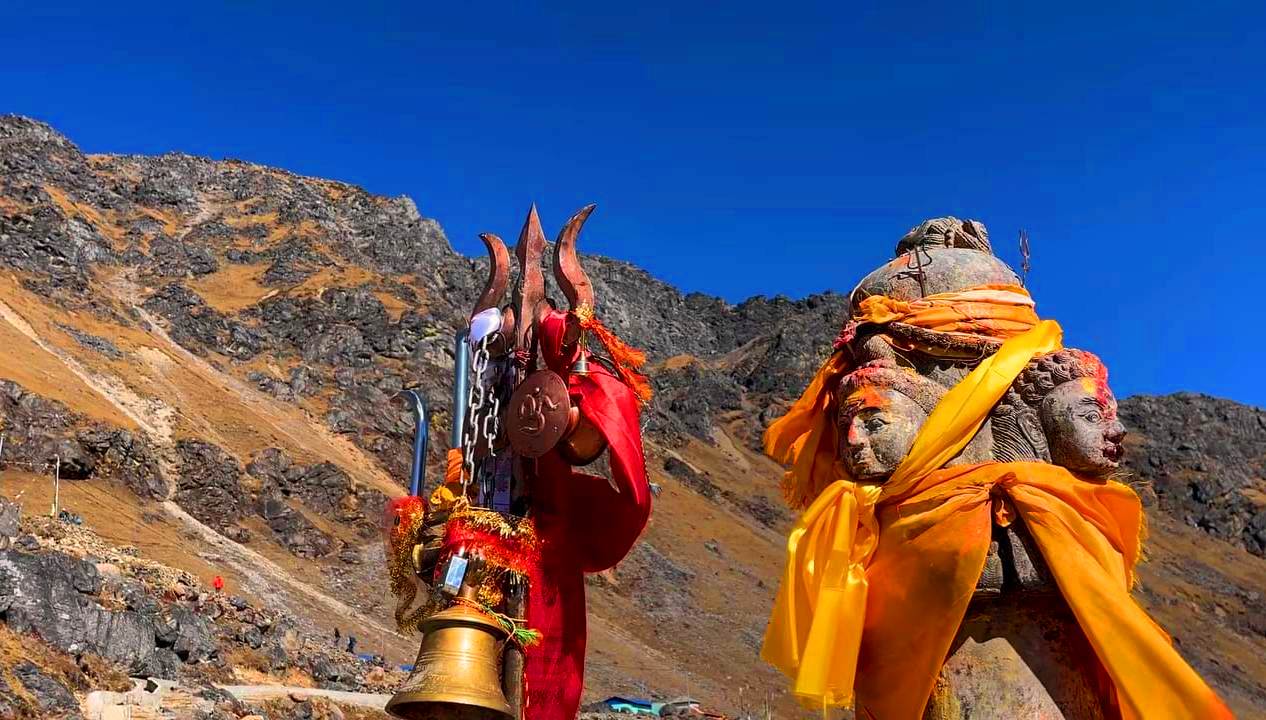
Well-Organized Gosaikunda Trekking with Stunning Himalayan Views
Our Gosaikunda Trekking adventure with Best of Nepal Trek was exceptionally well organized from beginning to end. The guide and porters were friendly, professional and always ready to help. Visiting the sacred Gosaikunda Lake was the highlight of our journey and the breathtaking panoramic mountain views made every step worthwhile. We had a fantastic trip and highly recommend Best of Nepal Trek to anyone planning the Gosaikunda Trek in Nepal.
Anna
,Australia
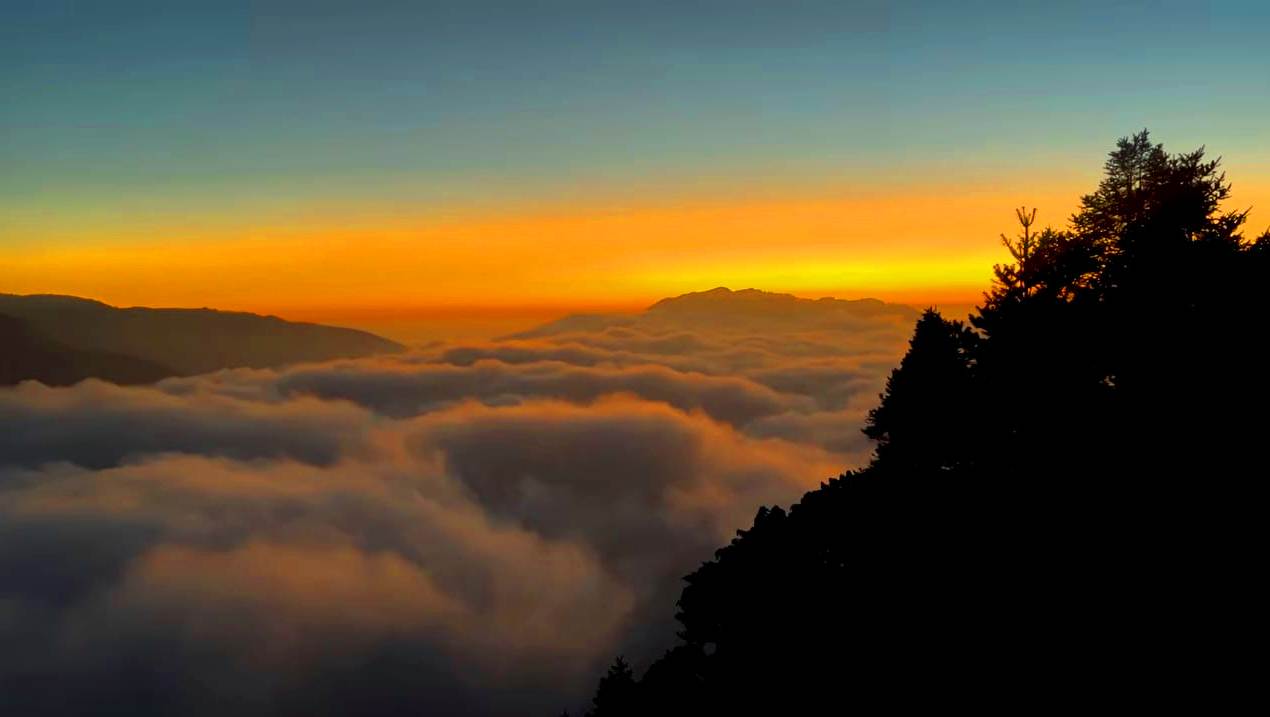
Amazing Gosaikunda Trek Experience
Our Gosaikunda Trek with Best of Nepal Trek was challenging but incredibly rewarding. The stunning Himalayan scenery, peaceful trails and warm hospitality made every moment unforgettable. Our guide, Dipak Sapkota, was knowledgeable, friendly and supportive throughout the trek. Everything was professionally organized, making our adventure safe, enjoyable and truly memorable. We highly recommend Best of Nepal Trek for anyone planning the Gosaikunda Trek in Nepal.
Jennifer,
,Canada
Excellent Kailash Mansarovar Yatra Experience
Our Kailash Mansarovar Yatra with Best of Nepal Trek was exceptionally well organized from start to finish. Communication was smooth and our Guide, Arjun, was friendly, knowledgeable and supportive throughout the journey. We felt safe, well cared for and truly enjoyed this once-in-a-lifetime pilgrimage. I highly recommend Best of Nepal Trek to anyone planning the Kailash Mansarovar Yatra.
Nini
,US
Jungle Safari on Foot in Chitwan
The jungle safari on foot was a really amazing experience. We were lucky to see a mother rhino with her calf, which was truly unforgettable. We also spotted deer and other wildlife along the way.
It was a great adventure in nature and a wonderful way to experience the beauty of the jungle up close.Nina N.
,Australia
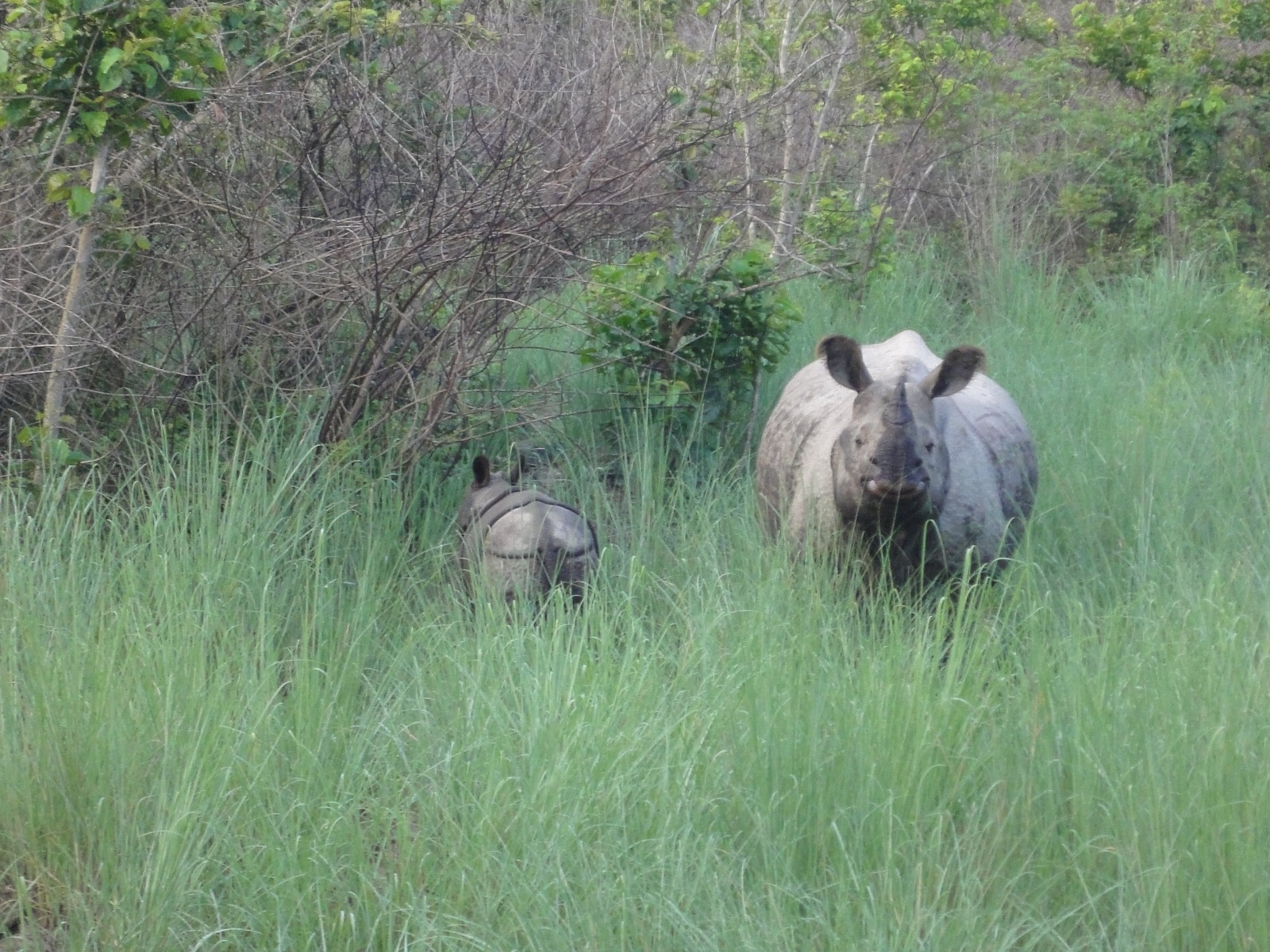
Wonderful Jungle Safari Experience
Our Chitwan Jungle Safari Tour with Best Of Nepal Trek was an unforgettable experience. We enjoyed incredible wildlife sightings, including the famous one-horned rhinoceros and had the opportunity to explore the natural beauty of Chitwan National Park.
The guides were knowledgeable and helpful throughout the tour, while the resort staff provided excellent hospitality. The food was delicious and plentiful, making our stay even more enjoyable. Everything was well organized and we highly recommend this tour to anyone looking for a memorable wildlife adventure in Nepal.janet
,US
Chitwan Jungle Safari Tour with Best Of Nepal Trek
My Chitwan Jungle Safari Tour with Best Of Nepal Trek was a fantastic experience. The wildlife sightings, jungle activities and cultural experiences made the trip both exciting and memorable.
Everything was well organized and the team ensured a comfortable and enjoyable journey throughout the tour. I highly recommend Best Of Nepal Trek to anyone looking to explore the natural beauty and wildlife of Chitwan. Thank you for making this adventure so special.Kristen
,United States