


Himlung Expedition
Destination:
Nepal
Trip Duration:
36 Days
Max Altitude:
7,126 m / 23,379 ft – Himlung Himal Summit
Activities:
Mountain Expedition
Start Point:
Kathmandu
Ending Point:
Kathmandu
Region:
Manaslu
Trip Grade:
Moderate to Challenging
Group Size:
2 to 10 climbers
Accomodation:
Hotels/Teahouse/tents at base and higher camps
Meals:
Breakfast, Lunch and Dinner during the trek/Expedition
Transportation:
Private Vehicle
Permits Required:
Expedition permit, Nar-Phu Trekking permit & TIMS Permit
Best Season:
Spring (March–May) & autumn (September–November)
The Himlung Expedition (7,126 m / 23,379 ft) is one of Nepal’s most rewarding high-altitude climbing adventures, located in the remote Manaslu region near the Tibetan border. Opened to climbers in 1992, Himlung Himal offers a less-crowded 7,000-meter peak experience, making it ideal for those seeking both adventure and tranquility in the Himalayas.
The expedition combines cultural immersion and mountaineering challenge, passing through ancient Tibetan villages, rugged valleys, and expansive glaciers. Trekkers experience the traditional Himalayan lifestyle, Buddhist monasteries, and yak pastures while navigating high-altitude trails surrounded by breathtaking mountain scenery.
The journey begins with a scenic drive from Kathmandu to Koto in the Annapurna region, followed by trekking through the Nar and Phu Valleys 3,200 meters, a culturally rich and remote area of Nepal. The climbing route involves establishing Base Camp and three higher camps, with gradual snow slopes, moderate technical sections, and rope-assisted areas, requiring prior high-altitude experience for safety and success.
Himlung Himal is celebrated for its high summit success rate, offering climbers panoramic views of iconic peaks including Manaslu (8,163 m / 26,781 ft), Annapurna II (7,937 m / 26,040 ft), and Kang Guru (6,981 m / 22,923 ft).The expedition balances adventure, remoteness, and mountaineering thrill, making it suitable for experienced climbers seeking a challenging yet achievable Himalayan ascent.
Overall, the Himlung Expedition provides an unforgettable combination of high-altitude adventure, Himalayan culture, and breathtaking landscapes, delivering an once-in-a-lifetime climbing experience in one of Nepal’s most pristine regions.
Himlung Expedition Highlights
- Impressive 7,126m Summit: Climb the stunning Himlung Himal (7,126 m / 23,379 ft), one of Nepal’s most rewarding 7,000-meter peaks located in the remote Manaslu region near the Tibetan border.
- Scenic and Remote Route: Trek through the hidden Nar and Phu Valley, a culturally rich and less-explored area known for its ancient monasteries, yak pastures, and authentic Himalayan lifestyle.
- High Success Rate: Himlung Himal offers a gradual climbing route with fewer technical challenges, making it a popular choice for mountaineers preparing for higher 8,000m expeditions.
- Breathtaking Himalayan Views: Enjoy panoramic vistas of Manaslu, Annapurna II, Kang Guru, and other snow-covered giants throughout the journey.
- Cultural Encounters: Experience the warm hospitality of the Tibetan-influenced communities and explore centuries-old Buddhist traditions and monasteries along the trail.
- Safe and Supported Climb: Climb under the guidance of experienced Sherpa guides and well-organized logistics ensuring safety, comfort, and acclimatization.
- Perfect Training Peak: Ideal for climbers aiming to gain experience in high-altitude mountaineering before attempting major peaks like Cho Oyu or Manaslu.
Route of Himlung Expedition
The Himlung Expedition route offers an extraordinary blend of adventure, culture, and Himalayan wilderness. The journey starts with a scenic drive from Kathmandu to Koto in the Annapurna region, where the trekking trail begins. From Koto, the route heads through the remote Nar and Phu Valley, an untouched area rich in Tibetan culture, ancient monasteries, and traditional stone villages.
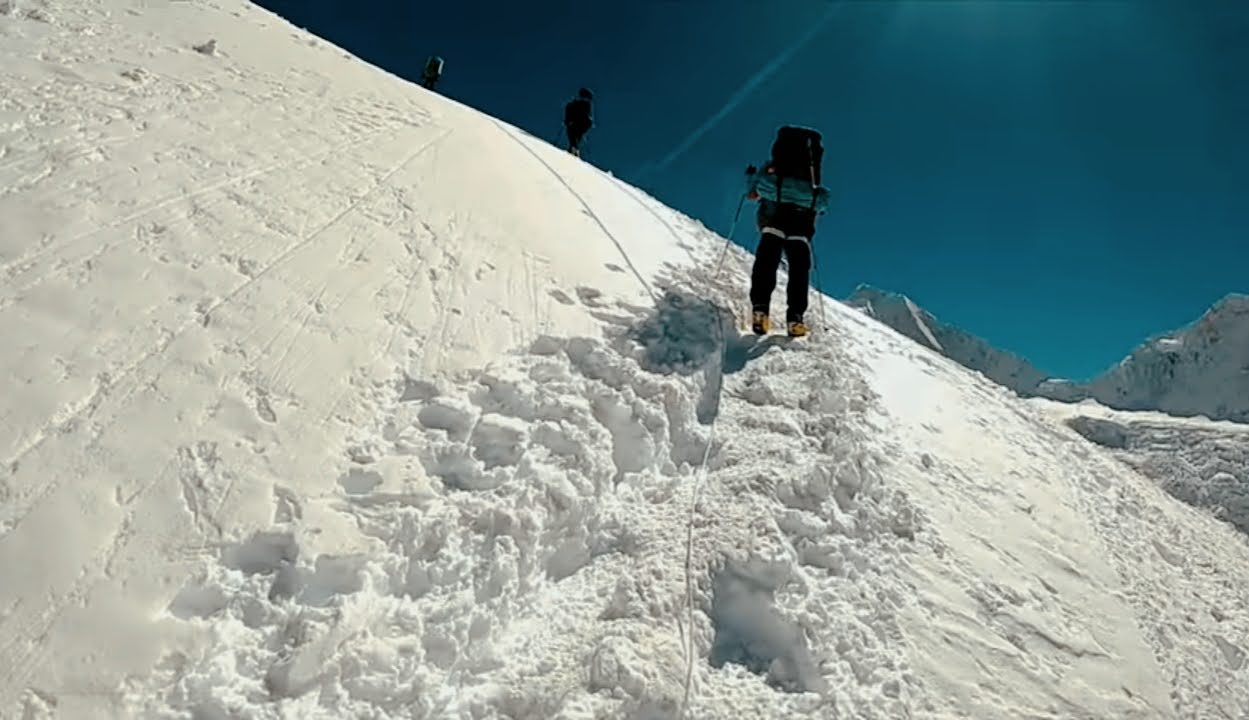
After securing the necessary permits, the trail gradually ascends through Meta and Phu Gaon, leading to the Himlung Base Camp (4,900 m), set on a glacier moraine surrounded by towering peaks. From base camp, climbers establish three higher camps—Camp I, Camp II, and Camp III—before making the final ascent to the Himlung summit (7,126 m / 23,379 ft).
The climb features moderate technical sections and steady snow slopes, making it ideal for climbers seeking a 7,000-meter experience. After a successful summit, the team retraces the same scenic route back through Phu and Koto before returning to Kathmandu, concluding one of Nepal’s most rewarding and remote mountain expeditions.
Include
The Himlung Expedition package is carefully designed to provide a safe, comfortable, and well-organized climbing experience in Nepal’s remote Manaslu region. All essential services, logistics, and support are included to ensure a successful expedition from arrival to departure.
- 4 nights’ accommodation in Kathmandu at a 3-star service hotel/Resort with bed and breakfast service
- Himlung Himal climbing permit and all required special permits for Nar-Phu Valley and the trekking region
- All meals during the trekking and expedition period, prepared by experienced mountain cooks
- Professional crew support, including base camp guide, cook and cook helper
- Necessary porters for carrying expedition and personal equipment
- Round-trip ground transportation from Kathmandu to Besisahar and Dharapani by bus or jeep
- Equipment and daily allowances for the liaison officer and expedition staff
- Comprehensive insurance coverage for all Nepali expedition crew members
- Personal tent (1 tent per climber) for the expedition period
- Expedition camping equipment, including sleeping mats, dining tent, toilet tent, mess tent, store tent, tables, and chairs
- Airport transfers in Kathmandu, including pickup and drop-off between hotel and airport
This inclusive package ensures that climbers can fully focus on the Himlung Himal ascent, while all logistics, safety measures, and comfort needs are expertly managed by the support team.
Exclude
While the Himlung Expedition package covers most essential logistics, certain personal and optional expenses are not included in the cost. Climbers are responsible for arranging the following items and services:
- Personal trekking and climbing equipment, including clothing, boots, and gear
- Personal and medical insurance, which must cover emergency evacuation and high-altitude rescue
- Climbing food, gas, and stove above base camp (to be managed by climbers or their team)
- Lunch and dinner in Kathmandu before and after the expedition
- Helicopter rescue or emergency evacuation in case of illness, injury, or unforeseen circumstances
- Supplemental oxygen, mask, and regulator, if required during the climb
- Personal expenses, such as phone calls, laundry, internet, or tips
- Bar bills and beverages, including soft drinks and alcoholic drinks during the trip
- Refundable garbage deposit of USD 2000 (shared among team members) — this amount will not be refunded if the climbers fail to bring back their waste from the mountain
These exclusions help ensure transparency while giving climbers flexibility to manage their personal preferences and additional requirements during the Himlung Himal Expedition.
Himlung Expedition Itinerary
Arrive at Tribhuvan International Airport in Kathmandu, the bustling capital of Nepal. A representative will transfer you to your hotel. Take the day to rest, recover from your flight, and acclimatize to the city’s altitude. Evening preparations include reviewing your equipment and expedition schedule. Overnight at the hotel in Kathmandu.
Today is dedicated to final expedition preparations. Meet your guides, porters, and expedition crew. Attend a detailed briefing covering the trekking route, high-altitude safety, and mountaineering techniques. Collect and organize permits, climbing gear, and provisions needed for the Himlung Himal expedition.
After breakfast, drive along the scenic Marshyangdi River to Besisahar, the gateway to the Manaslu and Annapurna trekking regions. Enjoy views of terraced farmland, traditional villages, and lush forests along the route. Arrive in Besisahar and check into your hotel. This is the last town with modern facilities before the remote trails begin.
Travel by local jeep to Dharapani, entering the heart of the Annapurna and Manaslu trekking regions. The drive passes through narrow roads, rivers, and terraced fields, offering glimpses of rural Nepalese life. Dharapani marks the start of the trekking route toward the Nar-Phu valley. Overnight at a teahouse lodge.
Begin trekking from Dharapani to Koto, gradually ascending through mixed forests, terraced farmland, and small traditional villages. Along the way, observe the local culture and lifestyle of Himalayan communities, including stone-built houses and prayer flags fluttering across trails. The trail is scenic, with views of surrounding mountains and rivers. Overnight at a teahouse lodge in Koto.
Trek from Koto to Daramsala, following a gradually ascending trail that winds through remote villages, riverside paths, and dense forests. Enjoy the peaceful environment and interact with local villagers along the way. Overnight at a teahouse lodge, resting and acclimatizing.
The trail becomes rugged and scenic, offering breathtaking views of Manaslu, Himlung, and surrounding peaks. This trek introduces climbers to high-altitude conditions and the unique landscapes of the Nar-Phu region. Overnight at a teahouse lodge in Phu Khola, preparing for higher elevations.
Ascend further through the Nar-Phu Valley, a region rich in Tibetan culture and Buddhist monasteries. Observe traditional stone-built houses, prayer flags, and yak pastures. The trek is moderately challenging, helping climbers acclimatize gradually. Overnight at a teahouse lodge in Phugaun.
Reach Himlung Base Camp, the starting point for the summit climb. The base camp is located on a flat glacier moraine surrounded by towering peaks, offering panoramic views and a sense of remoteness. Overnight at the camping site, resting and preparing for the higher camps.
Himlung Himal Expedition – Acclimatization and Climbing Preparation (Day 10–28) – SEO-Friendly Version
The period from Day 10 to Day 28 is a critical phase of the Himlung Himal Expedition, dedicated to acclimatization, high-altitude preparation, and climbing readiness. Proper preparation during these days ensures climbers are physically and mentally equipped for the challenging summit of Himlung Himal (7,126 m / 23,379 ft).
During this period, climbers will:
- Establish Higher Camps (Camp I, II, III): Camps are set progressively higher on the mountain to facilitate gradual acclimatization and provide safe resting points for summit attempts.
- Perform Training Climbs and Rope Practice: Short climbs on nearby slopes and technical sections help climbers familiarize themselves with equipment, rope handling, and mountaineering techniques.
- Acclimatization Hikes: Climbers undertake daily hikes to higher altitudes and return to lower camps to adjust to thin air, reducing the risk of Altitude Sickness (AMS).
- Equipment Checks and Preparation: Each day includes checking climbing gear, tents, ropes, crampons, and ice axes, ensuring all equipment are functional and ready for the summit push.
- Rest and Monitoring: Adequate rest days at base and higher camps allow the body to adapt to high-altitude conditions. Guides closely monitor health, hydration, and energy levels, ensuring safety throughout the expedition.
This phase combines training, rest, and high-altitude exposure, making it essential for summit success. Overnight stays are at camping tents at base and higher camps, offering climbers a safe and comfortable environment while preparing for the ascent.
Proper adherence to this acclimatization schedule maximizes safety, stamina, and overall expedition success; ensuring climbers are ready for the final summit attempt of Himlung Himal.
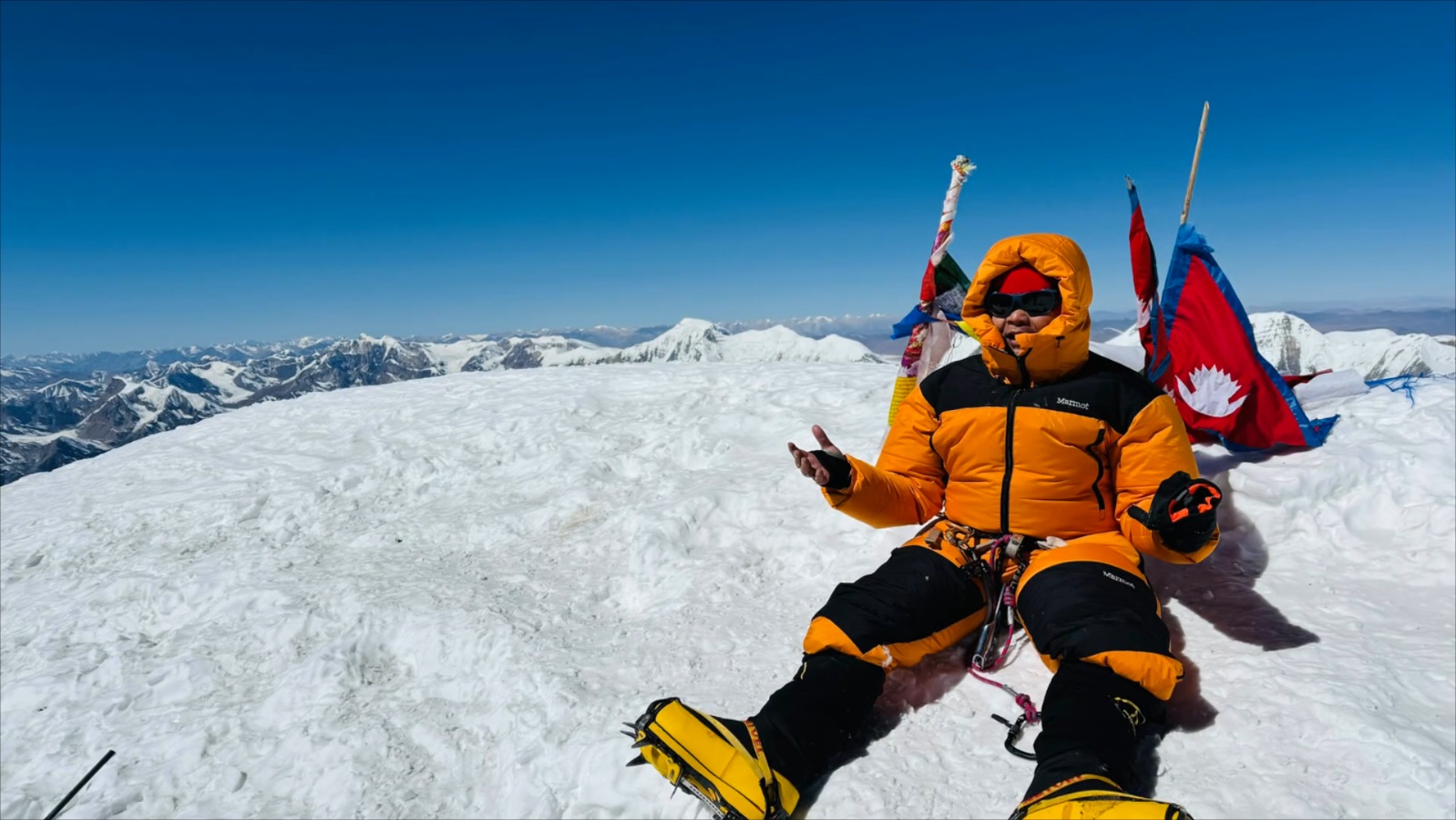
Day 29 is the pinnacle of the Himlung Himal Expedition. Climbers start early from Camp III, navigating snow slopes and moderate technical sections using crampons, ice axes, and ropes. Upon reaching the summit at 7,126 meters (23,379 ft), climbers are rewarded with panoramic views of the surrounding Himalayan peaks. After celebrating the achievement, descend safely back to base camp for rest and recovery. Overnight at camping tents.
Begin the descent from Himlung Base Camp, retracing the trekking route through glacial landscapes, high-altitude ridges, and serene mountain trails. Along the way, enjoy the breathtaking vistas of glaciers and towering peaks. Reach Phugaun, a traditional village in the Nar-Phu Valley, and stay overnight at a teahouse lodge, resting after the physically demanding summit day.
Begin the descent from Phugaun to Daramsala through the scenic Nar-Phu Valley. Along the trail, pass traditional Tibetan-style villages, yak pastures, and ancient Buddhist monasteries, experiencing the rich culture of the Himalayan communities. Enjoy the majestic mountain views and serene landscapes as you trek, making your way to Daramsala for an overnight stay at a teahouse lodge.
Trek further down to Koto, following the same scenic trails through rivers, forests, and terraced farmlands. This portion of the journey provides a chance to reflect on your expedition and enjoy the tranquility of the high Himalayas.
Drive from Koto to Besisahar, leaving the remote Nar-Phu Valley behind. The journey passes through river valleys, terraced farmland, and quaint Nepali villages, offering glimpses of rural Himalayan life. This road trip reconnects travelers with local highways and marks the transition from the high-altitude trekking region to lower, accessible towns.
Return to Kathmandu by road, enjoying the scenic journey through Himalayan foothills and Marshyangdi River valley. Upon arrival, transfer to your hotel and celebrate the successful completion of the expedition.
Take a well-deserved rest day. Explore Kathmandu’s cultural landmarks, local markets, and traditional cuisine. Purchase souvenirs and enjoy the vibrant city before departure.
Transfer to Tribhuvan International Airport for your onward flight. Depart Nepal with unforgettable memories of Himlung Himal, the Nar-Phu Valley, and the majestic Himalayas.
Himlung Himal Expedition Packing List
Proper preparation is essential for a safe and successful Himlung Expedition. Packing the right gear, clothing, and medical supplies ensures comfort, safety, and efficiency during your trek and high-altitude climb. Whether you are a beginner or an experienced mountaineer, this comprehensive packing guide will help you prepare for your adventure.
Important Recommendations before Your Trip
- Familiarize yourself with all equipment before departure.
- Learn about high-altitude medical conditions, including Acute Mountain Sickness (AMS), and understand basic prevention and management.
- Engage in physical training: cardio, strength, and endurance exercises at least 2–3 months prior to the expedition.
- Obtain adequate travel insurance covering high-altitude trekking, medical emergencies, and helicopter evacuation.
- Pack efficiently to minimize weight while ensuring all essential items are included.
Required Travel Documents for Nepal
- Passport: Valid for at least six months from the date of entry.
- Passport photos: Two extra copies for permits and trekking registration.
- International airline tickets and Nepal visa (on arrival or via embassy).
- Cash in USD for visa fees.
- Photocopies of passport, visa, and travel insurance.
- Local currency (Nepalese Rupees) and credit/debit cards.
Essential Trekking & Climbing Gear
Personal Climbing Equipment:
- Lightweight, adjustable harness
- Ice axe suitable for mountaineering
- Properly fitting crampons
- Carabiners (two large locking, four regular)
- Prusik cord and ascenders/Jumar
- Rappel device (Figure 8, ATC, or similar)
- Helmet for protection from rockfall and ice
- Trekking poles for stability on snow and rocky trails
Accessories:
- Sleeping bag (rated to 0°F; -20°F recommended for extreme cold)
- Headlamp with extra batteries
- Padlock for securing gear
- First aid kit
- Large plastic bags for waterproofing
- Daypack (2,500–3,000 cubic inches)
- Water bottles (minimum two 1L bottles)
- Toiletries and small towel
- Raincoat or waterproof poncho
Clothing Guide for High-Altitude Trekking
Head & Face:
- Sun hat or cap, scarf
- Fleece hat or light balaclava
- UV-protective sunglasses
Upper Body:
- Moisture-wicking T-shirts
- Fleece jacket/pullover
- Windproof jacket
- Waterproof breathable shell jacket
- Down jacket or vest for extreme cold
Lower Body:
- Hiking shorts
- Lightweight trekking pants
- Thermal base layers
- Waterproof shell pants
Footwear:
- Warm, moisture-wicking socks
- Waterproof hiking boots with ankle support
- Camp shoes or lightweight sneakers
Personal Hygiene & Medical Supplies
Hygiene Essentials:
- Sunscreen SPF 30+ and lip balm
- After-sun lotion
- Anti-mosquito cream
- Toothbrush and toothpaste
- Hand sanitizer
- Quick-dry synthetic towel
Medical & Emergency Supplies:
- Personal prescription medications
- Blister treatment kit
- Anti-diarrhea medication
- Pain relievers (Aspirin, Ibuprofen)
- Altitude sickness medication (Diamox – consult a doctor)
- Water purification tablets or portable filter/UV sterilizer
- Earplugs for noisy campsites
This Himlung Himal Expedition packing list ensures that climbers are well-prepared for both the trekking and high-altitude climbing segments, maximizing safety, comfort, and enjoyment in the remote Manaslu region.
Himlung Expedition FAQs
Himlung Himal is part of the Nepalese Himalayas, situated in the Manaslu region of north-central Nepal. The mountain lies in the Nar-Phu Valley, a remote area known for its Tibetan culture, pristine landscapes, and high-altitude trekking routes.
The ideal times for the Himlung expedition are:
- Spring (April to early June): Offers stable weather, warmer days, and clear views.
- Autumn (late September to November): Skies are usually clear after the monsoon, providing stunning Himalayan vistas, though nights can be colder.
Himlung Expedition reaches an altitude of 7,126 meters (23,379 ft). It is classified as a non-technical 7,000-meter peak, suitable for climbers with prior trekking and mountaineering experience.
The Himlung Expedition (7,126 m / 23,379 ft) is considered moderate to challenging, suitable for climbers with prior trekking or mountaineering experience. Factors affecting difficulty include:
- High altitude and thin air: Reduced oxygen levels make acclimatization essential.
- Physical endurance: Multi-day trekking and climbing require strength, stamina, and cardiovascular fitness.
- Moderate technical sections: Snow slopes, ice fields, and rope-assisted areas demand basic mountaineering skills.
- Remote location: Limited access to medical facilities increases the need for careful planning.
- Unpredictable weather: Rapid changes in temperature and storms require proper gear and preparation.
With adequate training, acclimatization, and experienced guides, climbers can safely navigate the challenges and enjoy the stunning Himalayan landscapes.
While Himlung Expedition is mostly non-technical, previous trekking and mountaineering experience is highly recommended. Climbers should be familiar with:
- Basic rope techniques and belaying.
- Use of crampons, ice axes, and harnesses.
- High-altitude trekking and acclimatization strategies.
No. Due to the remote location, technical sections, and permit requirements, a professional expedition guide is mandatory for safety and logistical support.
Climbers must obtain:
- Himlung Himal climbing permit.
- Special Nar-Phu trekking permit.
- TIMS (Trekkers’ Information Management System) card.
All permits are arranged before the trek, usually in Kathmandu.
Proper preparation for altitude sickness (AMS) is crucial for a safe Himlung Expedition. Key strategies include:
- Gradual acclimatization: Take rest days at base and higher camps to allow your body to adjust.
- Stay hydrated: Drink plenty of water and avoid alcohol or excessive caffeine.
- Recognize symptoms: Be aware of AMS signs such as headache, nausea, dizziness, or shortness of breath.
- Medication if needed: Carry Diamox (Acetazolamide) or other doctor-prescribed medication for altitude sickness prevention.
Following these measures helps climbers adapt safely to high altitudes and increases the chances of a successful summit.
The Himlung Expedition (7,126 m) requires a good level of physical fitness and endurance. Climbers should prepare at least 2–3 months in advance with targeted training:
- Cardiovascular exercises: Running, cycling, or swimming to improve stamina and lung capacity.
- Strength training: Focus on legs, core, and upper body to handle trekking and climbing demands.
- Endurance hikes: Practice hiking with a loaded backpack to simulate expedition conditions and build long-day stamina.
Proper fitness training ensures climbers can safely navigate high-altitude trails, steep ascents, and challenging terrain while enjoying a successful Himlung Himal adventure.
- Accommodation in Kathmandu and along the trekking route.
- Climbing and trekking permits.
- Food during trekking and climbing periods.
- Professional guide, cook, and porters.
- Camping equipment including tents, dining tents, and mats.
- Local transportation and airport transfers.
- Personal climbing gear and high-altitude equipment.
- Personal insurance covering trekking and climbing.
- Emergency evacuation by helicopter.
- Garbage deposit fees, personal expenses, and drinks in Kathmandu.
On the Himlung Expedition, accommodation varies based on location and altitude:
- Kathmandu: Stay in a comfortable hotel before and after the expedition, providing modern amenities and a relaxing environment.
- Trekking Sections: Climbers sleep in basic teahouses or mountain lodges. These offer simple rooms with shared or limited facilities, giving a cozy place to rest after long trekking days.
- Base Camp and Higher Camps: Accommodation is in shared expedition tents, including sleeping tents, dining tents, and toilet tents. These tents are designed for safety, warmth, and shelter at high altitudes.
This combination of hotels, teahouses, and expedition tents ensures comfort, safety, and practicality while exploring the remote and rugged Himalayan terrain
- Solar chargers and power banks are commonly used in remote areas.
- Electricity may be available at Base Camp or higher camps, but reliability is limited.
- Porters can carry 15–20 kg of personal and expedition gear per person.
- Personal daypacks should include water, snacks, and essential gear.
Yes. Tipping is a customary gesture of appreciation for guides, porters, and cooks:
- Lead Guide: USD 8–10 per day
- Assistant Guide: USD 5–8 per day
- Porters: USD 3–5 per day
- Cook: USD 4–6 per day
With experienced guides, proper acclimatization, and safety measures, the expedition is relatively safe for trained climbers. Proper preparation and awareness of weather and altitude conditions are essential.
Yes. Many climbers combine Himlung Himal with Manaslu or Nar-Phu Valley treks for an extended Himalayan experience
During trekking and at base/high camps, climbers are served high-calorie, nutritious meals to maintain energy levels. Typical meals include:
- Breakfast: Porridge, eggs, bread, and tea/coffee.
- Lunch & Dinner: Rice, lentils, noodles, vegetables, and occasional meat dishes.
- Snacks: Energy bars, chocolate, and dried fruits for trekking.
At teahouses, the food is simple but safe and hygienic, and climbers can request vegetarian or dietary-specific meals.
Climbers should prepare for extreme cold, wind, and snow at high altitudes, along with warmer conditions in lower trekking regions. Essential clothing includes:
- Layered clothing system: base layers, fleece, down jacket, and waterproof shell.
- Gloves, hats, and balaclavas for warmth.
- Hiking boots, crampons, and gaiters.
- Sunglasses with UV protection and high-SPF sunscreen.
- Carry at least 2 liters per day, using refillable bottles or hydration systems.
- Use water purification tablets, filters, or UV sterilizers to ensure safety.
Medical facilities are limited in remote regions like Nar-Phu Valley. Basic first aid is available in teahouses and via guides, but serious emergencies may require evacuation by helicopter. Hence, personal medical insurance covering high-altitude trekking and helicopter rescue is mandatory.
- Guides lead the expedition, monitor health, manage acclimatization schedules, and handle permits.
- Porters carry heavy loads, including tents, food, and climbing equipment.
- Cooks and helpers prepare meals and maintain camps, ensuring climbers’ comfort.
Nepalese authorities require proper disposal of all garbage brought to high camps. Climbers contribute to a mandatory garbage deposit (USD 2,000 shared among team members), refundable only if all waste is returned.
During the Himlung Himal Expedition, communication in remote areas is limited due to sporadic mobile network coverage. Most villages and trekking trails have minimal or no signal, so climbers should not rely on regular phone connectivity.
For emergencies, satellite phones are available through the expedition team, ensuring safety in case of urgent situations. In Kathmandu, Wi-Fi is widely available at hotels, but along the trek, internet access is rare and unreliable.
The Himlung Himal Expedition passes through the Nar-Phu Valley, home to Tibetan Buddhist communities. Travelers will see:
- Ancient monasteries and prayer flags.
- Stone-built villages with traditional Himalayan architecture.
- Interaction with locals practicing herding, agriculture, and Buddhist rituals.
The Himlung Himal Expedition is a 36-day adventure, offering a complete high-altitude climbing experience. The itinerary includes:
- Preparation and permits in Kathmandu: Organizing equipment, permits, and expedition briefing.
- Trekking from Besisahar to Himlung Base Camp: Passing through scenic valleys, villages, and rugged trails.
- Acclimatization and summit preparation (Day 10–28): Establishing higher camps, training climbs, and rest days for safe high-altitude adaptation.
- Summit attempt and descent: Climbing Himlung Himal (7,126 m) and returning through the trekking route back to Kathmandu.
This full-duration expedition ensures climbers are well-acclimatized, prepared, and supported for a successful and safe ascent.
The Himlung Himal Expedition is a 36-day adventure, designed to provide a complete high-altitude climbing experience. The schedule typically includes:
- Preparation and permits in Kathmandu: Organizing equipment, permits, and expedition briefings.
- Trekking from Besisahar to Himlung Base Camp: Passing through scenic valleys, remote villages, and Himalayan trails.
- Acclimatization and summit preparation (Day 10–28): Establishing higher camps, practicing climbing techniques, and resting for safe high-altitude adaptation.
- Summit attempt, descent, and return: Climbing Himlung Himal (7,126 m / 23,379 ft) and retracing the trekking route back to Kathmandu.
The expedition is moderately to highly demanding:
- Climbers walk 4–8 hours daily on rugged, high-altitude terrain.
- Summit day requires long, strenuous climbing with technical sections.
- Proper training and cardiovascular preparation are essential.
Travel insurance is mandatory for the Himlung Himal Expedition to ensure climbers are fully protected throughout this challenging high-altitude journey. A comprehensive insurance plan is essential for safety, covering potential risks and emergencies that may arise during the expedition.
Your insurance should include:
- High-altitude trekking and mountaineering coverage: Protection during all climbing and trekking activities, including base camp and higher camps.
- Emergency helicopter evacuation: Immediate rescue in case of altitude-related illnesses, injuries, or emergencies.
- Medical treatment for high-altitude conditions: Coverage for Acute Mountain Sickness (AMS), frostbite, and other altitude-related complications.
- Having reliable travel insurance for Himlung Himal gives peace of mind and ensures timely support in case of any unforeseen incidents in remote Himalayan regions.
The Himlung Himal Expedition (7,126 m) is not ideal for beginners due to its high altitude and technical sections. Climbers should have prior trekking or mountaineering experience, familiarity with basic climbing gear, and strong physical fitness to handle long days and steep terrain.
While not highly technical, proper training and guidance from professional Sherpas are essential for a safe and successful ascent. With preparation and experience, intermediate climbers can confidently take on this Himalayan challenge.
Safety is a top priority on the Himlung Himal Expedition (7,126 m). Experienced Sherpa guides closely monitor each climber’s health and acclimatization throughout the journey. Camps are set at safe altitudes for gradual adaptation, and daily weather checks help avoid storms or risky conditions. The team also follows strict rescue and emergency protocols, including helicopter evacuation if needed. With expert guidance and careful planning, climbers can enjoy a safe and successful Himlung Himal adventure.
Tipping is a respected tradition in Nepal and an important way to appreciate the hard work of your support team during the Himlung Himal Expedition. While tipping is not mandatory, it is highly encouraged based on service quality. The general guideline is as follows:
- Lead Guide: USD 8–10 per day
- Assistant Guide: USD 5–8 per day
- Cook: USD 4–6 per day
- Porters: USD 3–5 per day
Tipping at the end of the expedition as a group gesture is common and shows gratitude toward the team who help make your Himlung Himal climbing experience safe and successful.
The Himlung Himal Expedition begins with a scenic drive from Kathmandu to Besisahar, the gateway to the Manaslu and Annapurna regions. From Besisahar, climbers continue by local jeep to Dharapani, where the official trekking route starts.
The journey offers stunning views of terraced hills, rivers, and traditional villages, but the roads can be narrow and bumpy, especially in remote areas. Travelers are advised to plan for a full day of travel and remain flexible due to possible road or weather delays.
Avoiding altitude sickness (AMS) is crucial for a safe Himlung Himal Expedition. Key strategies include:
- Gradual ascent and acclimatization: Take slow treks and include rest days at base and higher camps.
- Stay hydrated: Drink plenty of water and avoid alcohol or excessive caffeine.
- Medication if needed: Use Diamox (Acetazolamide) or other prescribed medicines under a doctor’s guidance.
- Listen to your body: Descend immediately if symptoms of AMS appear, such as headache, nausea, or dizziness.
Following these measures helps climbers adapt safely to high altitudes and enjoy a successful ascent.
Himlung Expedition Good To Know
The Himlung Himal region, located in the remote Manaslu area near the Tibetan border, is not only known for its majestic peaks but also for its rich history and vibrant culture. This region has long been influenced by Tibetan traditions, evident in its architecture, monasteries, and daily life of local communities.
The valleys of Nar and Phu, through which the Himlung Expedition passes, are home to ancient stone villages and Buddhist monasteries that have preserved centuries-old traditions. The people here practice Tibetan Buddhism, and their lifestyle reflects a deep connection to both spiritual and natural elements. Prayer flags, mani walls, and small stupas are scattered across the villages, creating a serene and spiritual atmosphere for trekkers and climbers.
Historically, the region served as a trading route between Nepal and Tibet, which influenced the local culture, cuisine, and handicrafts. The residents are predominantly farmers and herders, relying on barley, buckwheat, and yak herding for their livelihood. Visitors to the Himlung Himal region often experience the warm hospitality of the locals, traditional festivals, and cultural ceremonies, which provide a unique insight into the Himalayan way of life.
The combination of remote landscapes, rich history, and Tibetan-influenced culture makes the Himlung Himal region not just a mountaineering destination but also a place of cultural exploration and spiritual enrichment.
The Himlung Expedition is located in the remote Manaslu region of Nepal, near the Nepal-Tibet (China) border. This area lies in the north-central part of Nepal, within the Gorkha District, and is part of the broader Himalayan mountain range.
The expedition route passes through the Nar and Phu Valleys, which are some of the most isolated and culturally rich areas in the region. These valleys are home to ancient Tibetan-influenced villages, monasteries, and traditional stone houses, providing trekkers with both natural beauty and cultural experiences along the way.
The Himlung Expedition passes through some of Nepal’s most remote and culturally rich areas, offering trekkers a unique opportunity to experience the authentic Himalayan lifestyle. The route takes you through the Nar and Phu Valleys, home to small, traditional Tibetan-influenced villages that have preserved their customs for centuries.
In these villages, you’ll encounter stone-built homes with colorful prayer flags fluttering in the wind, small Buddhist monasteries, and mani walls. The residents are predominantly Tibetan Buddhists, whose daily lives revolve around farming, yak herding, and spiritual practices. Visitors can witness traditional festivals, rituals, and local ceremonies, offering insight into the region’s deep cultural heritage.
The local people are known for their warm hospitality, welcoming climbers and trekkers into their homes or tea houses along the trail. Interacting with them provides a window into their unique lifestyle, clothing, and food, including traditional barley and yak-based dishes. These cultural encounters enrich the expedition experience, making the Himlung Expedition climb not only an adventurous journey but also a deep exploration of Himalayan culture and traditions.
The Himlung Himal region, located in the remote Manaslu area of Nepal, is not only famous for its towering peaks but also for its rich biodiversity. Trekkers and climbers encounter a variety of flora and fauna as they ascend through different ecological zones, making the expedition an immersive experience in both nature and adventure.
Flora:
The lower regions of the expedition, particularly in the Nar and Phu Valleys, are dotted with rhododendron forests, pine, fir, and juniper trees. During spring, the rhododendrons bloom in vibrant shades of red, pink, and white, creating spectacular landscapes. As climbers ascend to higher altitudes, vegetation becomes sparse, giving way to alpine shrubs and hardy grasses adapted to extreme cold and low oxygen.
Fauna:
The Himlung Himal region is home to several Himalayan wildlife species. Trekkers may spot snow leopards, Himalayan tahr, blue sheep (bharal), and musk deer in remote areas. Birdwatchers can enjoy sightings of Himalayan monal, snowcock, and various raptors, which thrive in the high-altitude environment. Domesticated animals, especially yaks and mules, are common along the trail and are integral to the livelihoods of local communities.
Exploring the Himlung Himal region offers climbers the unique opportunity to witness pristine Himalayan ecosystems, where both flora and fauna adapt to the rugged terrain and harsh climate. This biodiversity adds another layer of wonder to the already breathtaking adventure of summiting Himlung Expedition (7,126 m).
The Himlung Expedition reaches a height of 7,126 meters (23,379 feet), making it one of Nepal’s remarkable 7,000-meter peaks. Located in the remote Manaslu region near the Nepal-Tibet border, Himlung Himal offers climbers a high-altitude mountaineering experience with moderate technical challenges.
The expedition starts from Himlung Base Camp at 4,900 meters (16,076 feet) and progresses through three higher camps before attempting the summit. This gradual ascent allows climbers to acclimatize properly, which is crucial for safety and a higher success rate.
Summiting Himlung Himal rewards climbers with panoramic views of surrounding peaks, including Manaslu, Annapurna II, and Kang Guru, as well as the pristine Tibetan plateau. Its height and accessibility make it an ideal 7,000-meter peak for climbers preparing for more challenging 8,000-meter expeditions.
Proper acclimatization is crucial for a safe and successful Himlung Expedition. Standing at 7,126 meters (23,379 feet), this high-altitude peak requires climbers to adjust gradually to lower oxygen levels to prevent altitude sickness and ensure peak performance.
The expedition route is carefully designed to allow gradual ascent with strategic rest days. Climbers typically spend a few days at Himlung Base Camp (4,900 m / 16,076 ft) to adapt to the altitude before establishing higher camps. Further acclimatization occurs at Camp I, Camp II, and Camp III, with rest days and short rotation climbs to help the body adjust.
During the climb, guides emphasize hydration, proper nutrition, and controlled pacing, all essential for preventing Acute Mountain Sickness (AMS) and other high-altitude complications. Oxygen is generally not required on Himlung Himal, but climbers are trained to recognize early symptoms of altitude sickness and respond appropriately.
This careful focus on acclimatization increases the summit success rate, making Himlung Himal a preferred peak for climbers preparing for higher 8,000-meter expeditions. Proper acclimatization not only ensures safety but also allows climbers to fully enjoy the breathtaking Himalayan vistas along the ascent.
Yes, the Himlung Expedition is a true adventure trip and one of Nepal’s most thrilling high-altitude experiences. Standing at 7,126 meters (23,379 feet), Himlung Himal offers climbers a combination of challenging mountaineering, remote trekking, and cultural exploration.
The expedition involves trekking through the Nar and Phu Valleys, some of Nepal’s most isolated and scenic regions. Along the way, climbers navigate rugged trails, glacial terrain, and moderate technical slopes, which require both physical endurance and mountaineering skills. This makes the journey more than just a trek—it’s an adventure that tests your stamina, resilience, and adaptability.
In addition to the physical challenge, the Himlung Expedition immerses participants in Himalayan culture, passing through traditional Tibetan-influenced villages, ancient monasteries, and yak pastures. The combination of high-altitude climbing, remote landscapes, and cultural encounters makes it a complete adventure travel experience for those seeking both thrill and enrichment.
Whether you are preparing for higher peaks or looking for a rewarding 7,000-meter climb, the Himlung Expedition offers a unique and unforgettable adventure in the heart of the Himalayas.
The Himlung Himal Expedition is considered a safe and well-supported 7,000-meter climb in Nepal’s remote Manaslu region. With proper acclimatization, gradual ascent, and professional Sherpa guides, climbers can manage high-altitude risks like Acute Mountain Sickness (AMS).
The route features moderate technical sections, making it suitable for climbers with prior trekking or mountaineering experience. Safety is further enhanced by experienced crew, essential climbing equipment, and emergency communication systems.
Individual preparation is key-climbers should maintain good fitness, bring personal medical insurance, and follow guides’ instructions carefully. With these measures, the Himlung Expedition offers a safe, rewarding, and unforgettable high-altitude adventure.
Reaching the Himlung Expedition starts with traveling to Kathmandu, Nepal’s capital, which is well-connected by international flights from major cities worldwide. Upon arrival, climbers typically spend a few days in Kathmandu to prepare for the expedition, arrange permits, and organize equipment.
The journey to the trailhead begins with a scenic drive or jeep ride from Kathmandu to Besisahar, followed by further travel to Dharapani or Koto, depending on the chosen route. From there, trekking begins through the Nar and Phu Valleys, passing remote villages, monasteries, and alpine landscapes en route to Himlung Base Camp (4,900 m / 16,076 ft).
After summiting Himlung Himal (7,126 m / 23,379 ft), climbers descend along the same trekking route back to Koto, Dharapani, and Besisahar. From Besisahar, ground transport returns the team to Kathmandu, concluding the expedition.
- Himlung Expedition Climbing Permit
The main requirement for the expedition is the Himlung Himal climbing permit, issued by the Government of Nepal’s Ministry of Tourism. This permit allows climbers to legally summit the peak and covers the official climbing fees. The cost varies depending on the season, number of climbers, and nationality.
- Special Trekking Permits for Nar-Phu Valley
Since the expedition passes through the restricted Nar and Phu Valleys, climbers must obtain a special restricted area permit. This permit ensures safe passage through the culturally sensitive region and supports local conservation and community development initiatives.
- Annapurna Conservation Area Permit (ACAP)
The Himlung Himal trek passes through sections of the Annapurna Conservation Area, so an ACAP permit is required. This permit helps protect the natural environment, flora, fauna, and cultural heritage of the region.
- TIMS Card (Trekkers’ Information Management System)
A TIMS card is also mandatory for all trekkers in the area. It records the trekker’s details for safety and monitoring purposes, ensuring proper management in case of emergencies.
- Liaison Officer Requirement
For high-altitude expeditions like Himlung Expedition, a government-approved liaison officer may be required. The officer accompanies the team to ensure regulatory compliance and assists with permits, communication, and logistics.
Important Notes:
- Permits must be arranged before arrival at the base camp.
- Costs vary by nationality, season, and expedition size.
- Climbers should carry original copies of all permits throughout the expedition.
Obtaining these permits ensures a safe, legal, and hassle-free Himlung Expedition, allowing climbers to focus fully on the adventure and enjoy the remote Himalayan landscapes and cultural richness of the Manaslu region.
The best time for the Himlung Himal Expedition is during the spring (April to early June) and autumn (late September to November) seasons, when the weather conditions are most favorable for high-altitude climbing.
Spring Season (April to Early June):
Spring is the most popular time to climb Himlung Himal. The weather is generally stable, the days are warmer, and the snow conditions are more predictable. Climbers can enjoy vibrant mountain landscapes, blooming rhododendron forests, and excellent visibility throughout the trek and ascent. This period offers the ideal balance between safety and summit success, making it the best season for expeditions in Nepal.
Autumn Season (Late September to November):
Following the summer monsoon, the autumn season brings crystal-clear skies, spectacular views, and dry weather conditions. Although temperatures can be colder—especially at higher elevations—this season is equally favored for its stable weather and breathtaking Himalayan scenery.
Climbing Himlung Expeditio(7,126 m / 23,379 ft) involves high-altitude trekking and mountaineering, which can put climbers at risk of Altitude Sickness (Acute Mountain Sickness – AMS). Proper preparation, acclimatization, and awareness are key to preventing health issues and ensuring a safe expedition.
- Gradual Ascent and Acclimatization: A slow, step-by-step climb is essential. Spend multiple days at Himlung Base Camp (4,900 m / 16,076 ft) and higher camps to allow your body to adjust to reduced oxygen levels. Follow a “climbs high, sleep low” strategy where possible to improve acclimatization.
- Stay Hydrated: Drink plenty of water throughout the expedition. Dehydration increases susceptibility to AMS, so aim for 3–4 liters daily. Avoid excessive alcohol or caffeine, as they can worsen dehydration.
- Proper Nutrition: Consume light, high-carbohydrate meals to maintain energy levels. Frequent snacks and easily digestible food help your body adapt to the altitude.
- Monitor Symptoms: Be aware of early signs of altitude sickness: headache, nausea, dizziness, and fatigue. If symptoms worsen, descend immediately and seek medical attention.
- Medication: Consult a doctor about preventive medications such as Acetazolamide (Diamox), which can help reduce AMS risk. Always use under medical supervision.
- Rest and Avoid Overexertion: Pace yourself during trekking and climbing. Avoid pushing too hard on the first days and take regular rest breaks.
- Use Oxygen if Necessary: Though usually not required on Himlung Himal, supplemental oxygen can be helpful for sensitive climbers or in emergency situations.
By following these precautions, climbers can significantly reduce the risk of altitude sickness, allowing a safer and more enjoyable Himlung Expedition while fully experiencing the breathtaking Himalayan landscapes.
Proper travel insurance is essential for anyone attempting the Himlung Himal Expedition (7,126 m / 23,379 ft). This high-altitude climb involves trekking through remote areas, extreme weather, and challenging terrain, making comprehensive insurance a critical safety measure.
Why Travel Insurance is Necessary
High-altitude expeditions carry risks such as Acute Mountain Sickness (AMS), injuries, falls, and sudden illnesses. Travel insurance ensures that climbers are financially protected in emergencies, including medical evacuation, hospital treatment, and helicopter rescue from remote locations.
What to Look for in Travel Insurance:
When choosing insurance for the Himlung Himal Expedition, make sure it covers:
- High-altitude trekking and climbing (up to 7,500 meters or higher)
- Emergency evacuation and helicopter rescue
- Medical treatment and hospitalization
- Trip cancellation or delays
- Loss of baggage or personal items
Tips for Insurance Coverage:
- Always read the fine print to confirm coverage limits and exclusions.
- Carry copies of the policy and emergency contact numbers during the trek.
- Inform the insurance provider of any pre-existing medical conditions.
With proper travel insurance, climbers can focus on the adventure, knowing they are protected against unexpected events. It is an essential part of a safe and responsible Himlung Expedition, ensuring peace of mind while exploring one of Nepal’s most remote and breathtaking regions.
The Himlung Himal Expedition, located in the remote Manaslu region of Nepal, experiences high-altitude Himalayan weather, which can be unpredictable and extreme. Understanding the climate is crucial for planning, safety, and ensuring a successful summit attempt.
Temperature Range
- At base camp (4,900 m / 16,076 ft): Daytime temperatures range from 5°C to 15°C, while nights can drop below -5°C.
- At higher camps and summit: Temperatures can fall to -15°C to -25°C, with wind chill making it feel colder. Proper gear is essential.
Precipitation and Monsoon
- The monsoon season (June to August) brings heavy rainfall and snow, making trails slippery and dangerous. Most climbers avoid this period.
- Snowfall at higher altitudes can occur anytime, so climbers must be prepared for sudden changes.
Wind Conditions
- Strong winds are common at higher elevations, particularly above Camp II and Camp III, which can increase the perceived cold and affect climbing conditions.
Key Recommendations
- Monitor local weather forecasts and follow guides’ advice.
- Pack layered clothing, windproof jackets, and thermal gear to adapt to changing conditions.
- Plan summit attempts during calm, clear weather windows to minimize risk.
Understanding the weather and climate conditions of Himlung Himal is essential for safety, proper acclimatization, and ensuring a rewarding high-altitude adventure in one of Nepal’s most remote and scenic regions.
When preparing for the Himlung Himal Expedition, understanding the baggage limits is essential to ensure a smooth and comfortable journey. The expedition passes through remote Himalayan regions with rugged terrain, so careful planning and weight management are crucial.
Porter Baggage Allowance
Climbers are typically supported by local porters who help carry equipment and supplies to base camp and higher camps. The recommended baggage limit per porter is 15–20 kg (33–44 lbs). This includes climbing gear, clothing, personal items, and food required for the expedition.
Tips for Managing Your Baggage
- Pack efficiently: Use lightweight, compact gear to maximize space and reduce strain.
- Separate personal and climbing gear: Ensure essential climbing equipment is easily accessible.
- Distribute weight wisely: Avoid overloading porters; heavier items should be shared among team members.
- Use waterproof bags: Protect your belongings from snow, rain, and humidity during trekking and at higher camps.
Personal Daypack
In addition to porter-carried baggage, climbers should carry a daypack (around 25–35 liters) with essentials for trekking to higher camps, including water, snacks, extra clothing layers, and medical supplies.
By adhering to these baggage limits and packing smartly, climbers can enjoy a safer and more organized Himlung Himal Expedition, minimizing fatigue and ensuring essential gear is readily available throughout the journey.
Staying connected and keeping your devices charged is an important consideration during the Himlung Expedition, given the remote Himalayan location and extended trekking days. While the region is beautiful and isolated, electricity access is limited, so planning ahead is essential.
Charging Options
- Base Camp and Higher Camps: Some expedition teams provide solar panels or generator-powered charging stations at base camp and major camps. Availability depends on your expedition operator and the number of climbers.
- Power Banks: High-capacity power banks (20,000 mAh or more) are highly recommended. They allow you to charge phones, cameras, GPS devices, and headlamps without relying on electricity.
- Solar Chargers: Portable solar chargers are an eco-friendly option and can supplement power during trekking days.
Tips for Managing Electronics
- Bring USB cables and adapters compatible with your devices.
- Charge devices fully before leaving Kathmandu and during rest days at base camp.
- Minimize usage of gadgets at high altitudes to conserve battery and reduce weight.
- Keep devices protected from cold, moisture, and altitude effects, as extreme weather can damage electronics.
Important Notes
- Do not rely solely on electricity at higher camps; it may be unavailable on some days.
- Prioritize essential gadgets for navigation, communication, and emergency use.
With proper preparation, climbers can keep essential electronics powered throughout the expedition, capture stunning Himalayan views, and maintain communication for safety while enjoying the adventure.
Nutrition is a crucial part of any Himlung Expedition, as climbers require high-energy meals to sustain strength, endurance, and acclimatization in the high-altitude environment. While the expedition takes place in remote areas, carefully planned food arrangements ensure climbers are well-fed throughout the journey.
Meals in Kathmandu and Trek Preparation
Before starting the trek, climbers enjoy breakfast, lunch, and dinner in Kathmandu, where a variety of international and Nepali cuisine is available. This is the time to stock up on personal snacks and supplements for the expedition.
Trekking and Base Camp Meals
- Most expeditions provide full-board meals from the trailhead to base camp.
- Meals typically include rice, noodles, lentils, vegetables, and locally sourced meat.
- High-calorie snacks like nuts, chocolate, energy bars, and dried fruits are recommended for trekking days.
Expedition Camps (Higher Camps I–III)
- Food at higher camps is more limited due to altitude and logistics.
- Meals generally consist of instant soups, porridge, pasta, and dehydrated foods that are easy to prepare and digest.
- Hydration is emphasized with boiled water, electrolyte drinks, and tea.
Dietary Considerations
- Climbers can usually request vegetarian, vegan, or special diet options in advance.
- Eating smaller, frequent meals helps with digestibility at high altitudes.
By ensuring proper nutrition throughout the trek and climbing stages, climbers maintain energy levels, stamina, and overall health, making the Himlung Himal Expedition both safer and more enjoyable.
During the Himlung Himal Expedition, accommodation varies depending on the stage of the journey, altitude, and remoteness of the region. While comfort is limited in high-altitude areas, expedition organizers ensure climbers have safe, organized, and functional lodging throughout the trek and climb.
Accommodation in Kathmandu
Before starting the expedition, climbers stay in 3-star hotels or guesthouses in Kathmandu. These accommodations offer bed and breakfast, hot showers, Wi-Fi, and space to organize gear and attend briefing sessions.
Trekking and Base Camp Accommodation
- The route passes through Nar and Phu villages, where trekkers can stay in tea houses or lodges with basic amenities such as bedding, blankets, and simple meals.
- Himlung Base Camp (4,900 m / 16,076 ft) is set up on a flat glacier moraine with tents for sleeping, dining, and storage.
- Shared tents are provided for climbers, while separate tents are arranged for cooks, guides, and porters.
Higher Camps Accommodation (Camp I–III)
- At higher camps, mountaineering tents are used for sleeping, eating, and storing gear.
- Tents are insulated and equipped with mats and sleeping bags suitable for extreme cold and windy conditions.
- Climbers are required to carry personal items in lightweight packs, as space is limited.
Key Recommendations
- Bring a high-quality sleeping bag rated for extreme cold.
- Use a small personal tent or tent liner if preferred for added comfort.
- Keep valuables and electronics in waterproof bags at all times.
Proper accommodation planning ensures climbers remain comfortable, safe, and well-rested, which is essential for both acclimatization and summit success.
Climbing Himlung Himal (7,126 m / 23,379 ft) without a professional guide is strongly discouraged and, in most cases, not allowed by the Nepalese government. The peak lies in the remote Manaslu region, and the expedition involves high-altitude mountaineering, technical climbing sections, and restricted areas.
Why a Guide is Essential
Legal Requirement: A liaison officer or certified guide is required for expeditions in the Manaslu region and other restricted zones like the Nar and Phu Valleys.
Safety: Guides and Sherpa support are trained to manage emergencies, altitude sickness, avalanches, and route navigation.
They ensure climbers follow proper acclimatization schedules to reduce the risk of Acute Mountain Sickness (AMS).
Logistics Support: Guides arrange permits, base camp setup, food, and porters, making the expedition more organized and manageable.
They provide local knowledge on weather patterns, trail conditions, and cultural etiquette.
Higher Success Rate: Expeditions with experienced guides and Sherpa support have higher summit success rates due to proper route selection, risk management, and technical assistance.
While technically possible for highly experienced mountaineers to attempt Himlung Himal independently, Nepalese regulations and safety considerations make a guide mandatory. Hiring a professional guide ensures legal compliance, safety, and a more enjoyable expedition experience.
The Himlung Himal Expedition (7,126 m / 23,379 ft) is a moderate to challenging high-altitude climb, ideal for climbers with prior trekking or mountaineering experience. While mostly non-technical, the expedition involves high-altitude challenges, physical endurance, and moderate climbing sections with snow slopes and ice fields requiring crampons, ice axes, and basic mountaineering skills.
The route passes through remote Nar and Phu Valleys, with limited medical access, and climbers must be prepared for rapid weather changes, cold temperatures, and strong winds. Proper fitness, acclimatization, and professional guide support are essential for safety and summit success.
This expedition offers a rewarding adventure, combining trekking, climbing, and cultural experiences amid the breathtaking Himalayan landscapes of Nepal.
Proper fitness and training are essential for a safe and successful Himlung Expedition (7,126 m / 23,379 ft). Even though it is a non-technical 7,000-meter peak, the combination of high altitude, long trekking days, and moderate climbing sections requires good physical conditioning and stamina.
- Cardiovascular Training
- Engage in cardio exercises like running, cycling, swimming, or brisk hiking 3–5 times per week.
- Focus on endurance training to improve your body’s ability to use oxygen efficiently at high altitudes.
- Long-duration activities (1–2 hours) at a moderate pace help simulate the demands of multi-day trekking.
- Strength Training
- Include exercises for legs, core, and upper body, as climbing and trekking require strength for stability and carrying gear.
- Recommended exercises: squats, lunges, step-ups, planks, and weighted backpack training.
- Hiking Practice
- Train by hiking on steep, uneven terrain with a loaded backpack to mimic expedition conditions.
- Increase elevation gain gradually to build endurance and prepare for altitude challenges.
- Flexibility and Balance
- Stretching exercises and yoga help improve flexibility, balance, and recovery, reducing the risk of injury.
- Focus on hamstrings, calves, lower back, and shoulders, as these areas are heavily used during trekking.
- Acclimatization Preparation
- If possible, do short high-altitude treks before the expedition to experience reduced oxygen levels.
- Learn to recognize early symptoms of Altitude Sickness (AMS) and practice controlled breathing techniques.
- Mental Preparation
- Long days, cold weather, and physical exertion can be mentally challenging.
- Practice mindfulness, visualization, and goal-setting to stay motivated during difficult phases of the climb.
By following this fitness and training tips, climbers increase their stamina, safety, and summit success rate, ensuring the Himlung Himal Expedition is both challenging and rewarding.
The Himlung Expedition (7,126 m / 23,379 ft) is an extraordinary high-altitude adventure in Nepal, combining trekking, mountaineering, and cultural experiences. Along with the thrill of climbing, expeditions offer a chance to experience the hospitality and dedication of Nepalese guides, porters, and support staff. Tipping is a customary practice in Nepal and is highly valued by the expedition team.
Why Tipping Matters
Tipping is a way to show appreciation for the hard work and professionalism of the expedition staff. Climbers rely on guides, porters, and cooks who face extreme weather, challenging terrain, and high-altitude conditions to make the journey safe and enjoyable. A proper tip rewards their effort and dedication.
Recommended Tipping Guidelines
- Lead Guide: USD 8–10 per day
- Assistant Guide: USD 5–8 per day
- Porters: USD 3–5 per day
- Cook: USD 4–6 per day
Tips for Tipping
- Give tips in cash, preferably in Nepalese Rupees or USD, at the end of the expedition.
- Express gratitude personally; a thank-you note or gesture is always appreciated.
- Distribute tips fairly among the team to ensure everyone benefits from your appreciation.
Cultural Significance
Tipping is more than a financial gesture; it represents respect, acknowledgment, and encouragement for the staff. Following this practice supports sustainable livelihoods and strengthens the relationship between climbers and local communities.
By respecting the tipping culture on the Himlung Expedition, climbers contribute to the well-being and motivation of the expedition team, ensuring a smoother and more rewarding Himalayan adventure.
The Himlung Expedition (7,126 m / 23,379 ft) in Nepal offers a thrilling high-altitude adventure. For 2025–2026, the cost ranges from USD 9,000 to USD 12,500 per person, depending on group size, expedition duration, and included services.
This price covers permits, accommodation, expedition crew, local transportation, and meals during trekking and climbing, ensuring a safe and well-supported mountaineering experience.
Reviews
A Memorable Kailash Mansarovar Yatra with Excellent Support
My Kailash Mansarovar Yatra with Best Of Nepal Trek was an unforgettable experience. From the very beginning, everything was well planned and the team made sure our journey was comfortable, safe and enjoyable.
Our guide and the entire staff were friendly, experienced and always ready to help. They took great care of the group, answered all our questions and ensured that every part of the pilgrimage went smoothly.
Visiting the sacred Mount Kailash and Lake Mansarovar was a dream come true. The stunning Himalayan scenery and the peaceful spiritual atmosphere made this journey truly special.
I would like to thank Best Of Nepal Trek for their outstanding hospitality and professional service. I highly recommend them to anyone planning the Kailash Mansarovar Yatra. It was a wonderful experience that I will always remember.
Raada J
,USA

Excellent Kailash Mansarovar Yatra with Best Of Nepal Trek
Everything was well organized from start to finish, and the communication before the trek was smooth and clear. Our guide, Mr. Arjun, was excellent—friendly, knowledgeable and always making sure everyone was safe and comfortable. The entire team at Best Of Nepal Trek was professional, helpful and made us feel welcome throughout the journey.
The Kailash Mansarovar Yatra was a truly unforgettable spiritual experience. From the breathtaking Himalayan landscapes to the peaceful atmosphere around Mount Kailash and Lake Mansarovar, every moment was memorable. I felt well supported throughout the journey, and the team's attention to detail made the pilgrimage comfortable and stress-free.
I highly recommend Best Of Nepal Trek to anyone planning the Kailash Mansarovar Yatra. Thank you to Mr. Arjun and the entire team for making this once-in-a-lifetime journey so special.
Anupam M
,USA

Outstanding Everest Base Camp Trek Experience
Our Everest Base Camp Trek with Best of Nepal Trek was an unforgettable experience from beginning to end. Every detail of the trip was professionally organized and our guide, Shyange Sherpa, was knowledgeable, friendly and always willing to help. His experience and encouragement made the trek enjoyable and safe.
We also enjoyed the Kathmandu city tour, which was a wonderful introduction to Nepal's rich culture and history before the trek. The breathtaking Himalayan scenery and outstanding service made this journey truly special.
We highly recommend Best of Nepal Trek to anyone planning an Everest Base Camp Trek or a Kathmandu city tour in Nepal. Thank you for creating such an incredible and memorable adventure.Gotti M
,Norway
Annapurna Base Camp Trek with Friendly Guide
The Annapurna Base Camp Trek was an unforgettable adventure. Nepal is truly a beautiful country, famous for its warm hospitality, rich culture and unique traditions. The mountain views were absolutely breathtaking throughout the journey. A special thanks to our guide, Suman Tamang, who was friendly, knowledgeable and always ready to help. His support and care made the trek safe, enjoyable and memorable. I highly recommend Best Of Nepal Trek to anyone planning the Annapurna Base Camp Trek in Nepal.
Andrea Stern
,Sweden
Well-Organized Gosaikunda Trekking with Stunning Himalayan Views
Our Gosaikunda Trekking adventure with Best of Nepal Trek was exceptionally well organized from beginning to end. The guide and porters were friendly, professional and always ready to help. Visiting the sacred Gosaikunda Lake was the highlight of our journey and the breathtaking panoramic mountain views made every step worthwhile. We had a fantastic trip and highly recommend Best of Nepal Trek to anyone planning the Gosaikunda Trek in Nepal.
Anna
,Australia
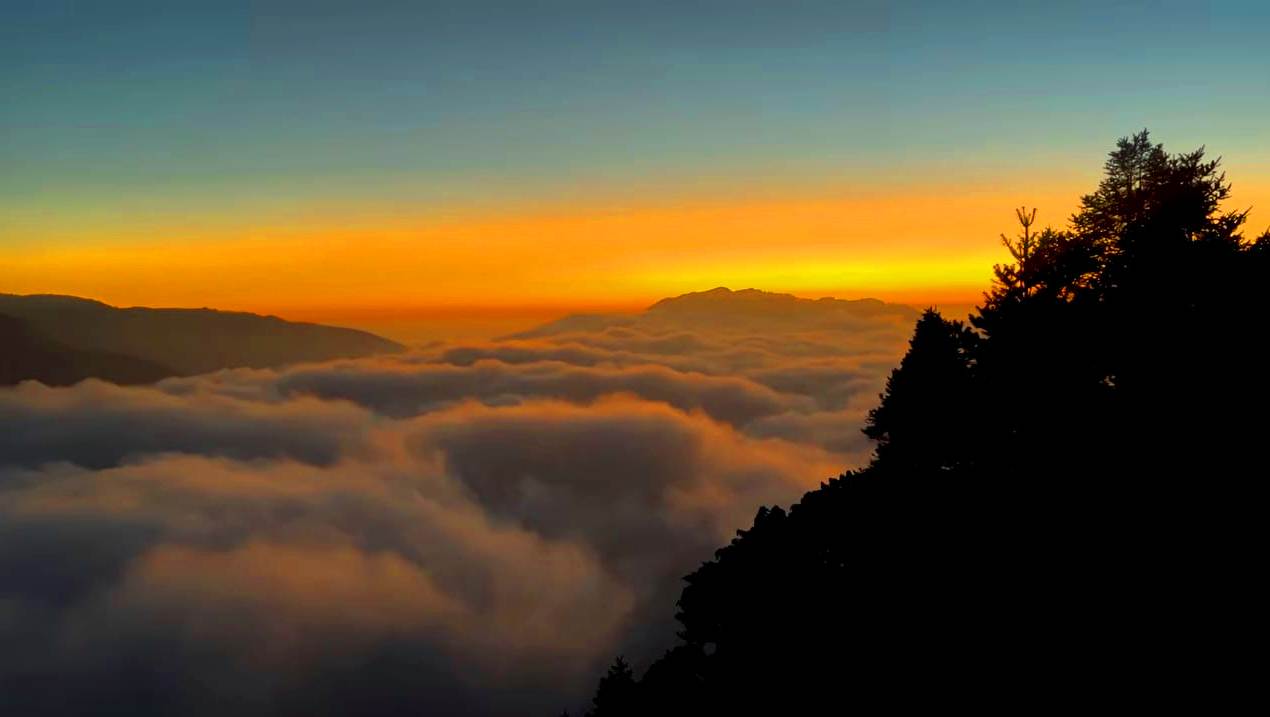
Amazing Gosaikunda Trek Experience
Our Gosaikunda Trek with Best of Nepal Trek was challenging but incredibly rewarding. The stunning Himalayan scenery, peaceful trails and warm hospitality made every moment unforgettable. Our guide, Dipak Sapkota, was knowledgeable, friendly and supportive throughout the trek. Everything was professionally organized, making our adventure safe, enjoyable and truly memorable. We highly recommend Best of Nepal Trek for anyone planning the Gosaikunda Trek in Nepal.
Jennifer,
,Canada
Excellent Kailash Mansarovar Yatra Experience
Our Kailash Mansarovar Yatra with Best of Nepal Trek was exceptionally well organized from start to finish. Communication was smooth and our Guide, Arjun, was friendly, knowledgeable and supportive throughout the journey. We felt safe, well cared for and truly enjoyed this once-in-a-lifetime pilgrimage. I highly recommend Best of Nepal Trek to anyone planning the Kailash Mansarovar Yatra.
Nini
,US
Jungle Safari on Foot in Chitwan
The jungle safari on foot was a really amazing experience. We were lucky to see a mother rhino with her calf, which was truly unforgettable. We also spotted deer and other wildlife along the way.
It was a great adventure in nature and a wonderful way to experience the beauty of the jungle up close.Nina N.
,Australia
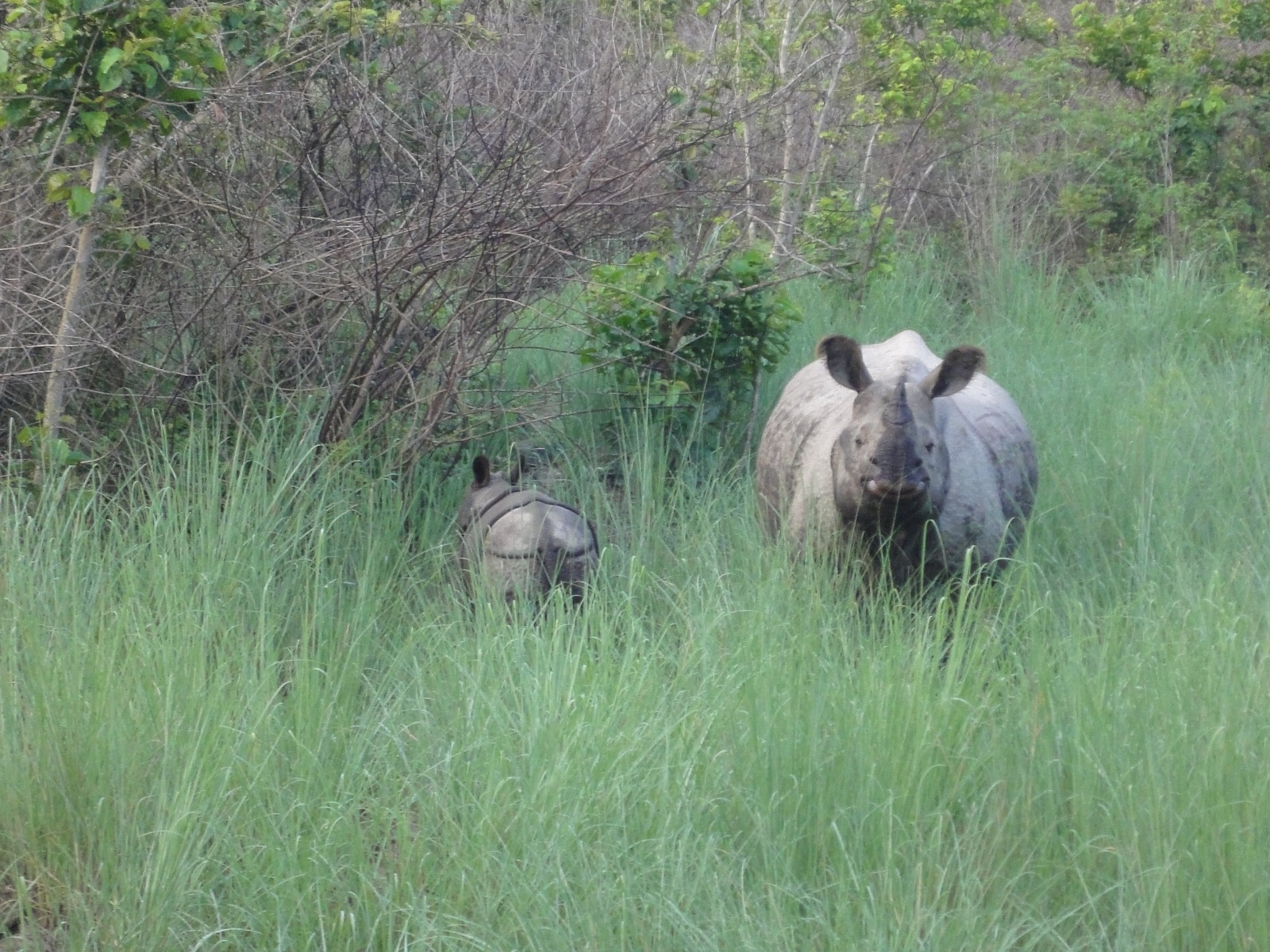
Wonderful Jungle Safari Experience
Our Chitwan Jungle Safari Tour with Best Of Nepal Trek was an unforgettable experience. We enjoyed incredible wildlife sightings, including the famous one-horned rhinoceros and had the opportunity to explore the natural beauty of Chitwan National Park.
The guides were knowledgeable and helpful throughout the tour, while the resort staff provided excellent hospitality. The food was delicious and plentiful, making our stay even more enjoyable. Everything was well organized and we highly recommend this tour to anyone looking for a memorable wildlife adventure in Nepal.janet
,US
Chitwan Jungle Safari Tour with Best Of Nepal Trek
My Chitwan Jungle Safari Tour with Best Of Nepal Trek was a fantastic experience. The wildlife sightings, jungle activities and cultural experiences made the trip both exciting and memorable.
Everything was well organized and the team ensured a comfortable and enjoyable journey throughout the tour. I highly recommend Best Of Nepal Trek to anyone looking to explore the natural beauty and wildlife of Chitwan. Thank you for making this adventure so special.Kristen
,United States