
Everest Three Passes Trek
Important Lukla Flight Information for the Everest Three Passes Trek
Please Note: Your Everest Three Passes Trek begins with a scenic flight to Lukla, the gateway to the Everest region. During the peak trekking seasons (March to May and September to November), most Lukla flights operate from Ramechhap (Manthali) Airport, approximately 4–5 hours’ drive from Kathmandu, due to airport traffic management.
During the off-season, flights generally operate directly from Kathmandu, subject to weather conditions. As mountain weather can change quickly, flight delays or cancellations are possible. We strongly recommend allowing 2–3 extra buffer days in your itinerary and purchasing comprehensive travel insurance for a safe and worry-free trekking experience.
Destination:
Nepal
Trip Duration:
23 Days
Max Altitude:
Kala Patthar (5,550 m)
Activities:
Trekking
Start Point:
Kathmandu
Ending Point:
Kathmandu
Region:
Everest
Trip Grade:
Moderate
Group Size:
2-10
Accomodation:
Hotel/Normal Teahouses
Meals:
Breakfast, Lunch and Dinner during Trek
Transportation:
Private Vehicle/Domestic Flight
Permits Required:
National Park Permit/Rural Municipality Permit
Best Season:
March, April, May and Sept, Oct, Nov
The Everest Three Passes Trek is Nepal’s ultimate high-altitude trekking adventure, offering the most complete and rewarding journey through the breathtaking Everest region. Designed for experienced trekkers seeking a true Himalayan challenge, this spectacular trek combines dramatic mountain landscapes, authentic Sherpa culture, ancient Buddhist monasteries, pristine glacial valleys and three of the highest trekking passes in Nepal.
Unlike the classic Everest Base Camp Trek, this adventurous circuit explores both the famous highlights and the remote hidden valleys of the Khumbu region, making it one of the most challenging, scenic, and unforgettable trekking experiences in the Himalayas. It is the perfect choice for adventure enthusiasts who want to experience the Everest region beyond the traditional trekking routes while discovering its untouched natural beauty and rich Himalayan culture.
The adventure begins with a thrilling 30 to 40-minute mountain flight from Kathmandu (KTM) to Lukla (LUA), the gateway to the Everest region. From Lukla, the trail follows the beautiful Dudh Koshi River, passing through picturesque Sherpa villages including Phakding, Namche Bazaar, Tengboche, Dingboche, Chhukung, Lobuche, Dzongla, Gokyo, Thame and Gorakshep. Throughout the journey, trekkers cross spectacular suspension bridges, walk through lush rhododendron and pine forests, explore dramatic glacial valleys, turquoise alpine lakes, rugged moraines and breathtaking Himalayan landscapes while experiencing the unique traditions and warm hospitality of the Sherpa people.
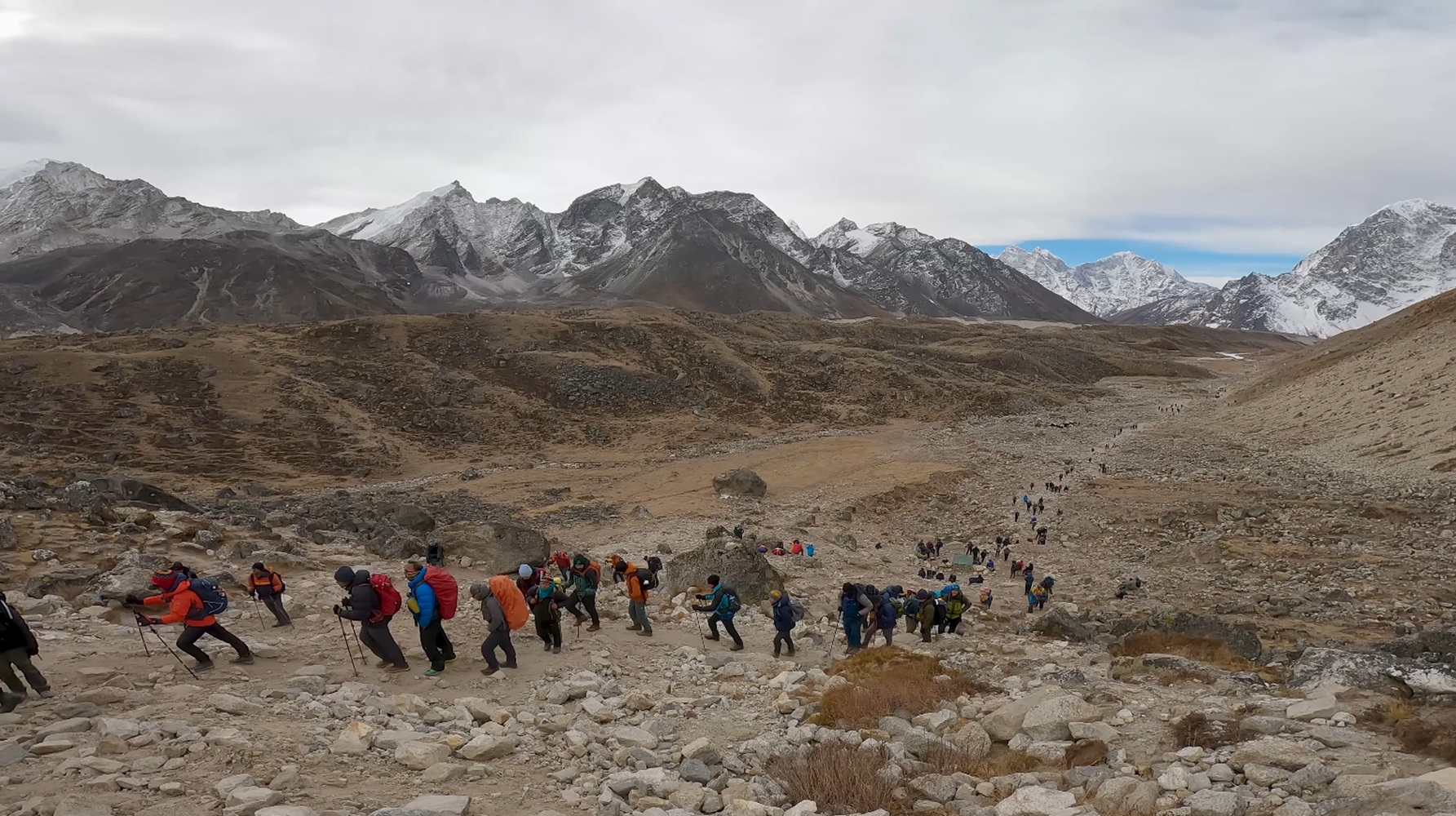
Covering approximately 148 km, the trek usually takes 19 to 23 days, with an average walking distance of 11 to 12 km per day. Depending on the altitude and terrain, trekkers typically hike for 6 to 8 hours each day, allowing sufficient time for proper acclimatization and a safe, enjoyable trekking experience. Colorful prayer flags, ancient mani walls, chortens and centuries-old Buddhist monasteries add a deep spiritual atmosphere to this remarkable Himalayan expedition.
The major highlights of the trek include crossing the legendary Kongma La Pass (5,535 m), Cho La Pass (5,420 m) and Renjo La Pass (5,340 m), each offering breathtaking panoramic views of the Everest Himalayas. Trekkers also stand at the legendary Everest Base Camp (5,364 m), witness a spectacular sunrise from Kala Patthar (5,545 m), explore the crystal-clear Gokyo Lakes and hike to Gokyo Ri (5,357 m), widely regarded as one of the finest viewpoints in the Everest region. Throughout the journey, trekkers enjoy magnificent views of Mount Everest, Lhotse, Nuptse, Makalu, Cho Oyu, Ama Dablam, Pumori, Thamserku and many other snow-capped Himalayan peaks, creating unforgettable memories at every stage of the adventure.
Accommodation throughout the trek is provided in comfortable family-run teahouses, where genuine Sherpa hospitality is complemented by freshly prepared local meals such as Dal Bhat, Tibetan bread, momos, noodles, soups, potatoes, seasonal vegetables, porridge, pancakes, eggs and hot drinks. Although the trek is physically demanding and requires excellent fitness, proper acclimatization, and determination, every step rewards trekkers with spectacular mountain scenery, authentic Himalayan culture and a true sense of adventure.
With world-famous mountain passes, iconic Everest landmarks, peaceful Sherpa villages, pristine alpine lakes, and unforgettable Himalayan panoramas, the Everest Three Passes Trek is widely regarded as one of the finest and most rewarding trekking adventures in Nepal.
Explore our detailed itinerary, trip cost, departure dates and book your Everest Three Passes Trek with Best Of Nepal Trek for the ultimate adventure in the heart of the Everest Himalayas.
Everest Three Passes Trek Highlights
- Conquer Three High-Alpine Passes: Successfully cross the legendary trio—Kongma La (5,535m), Cho La (5,420m), and Renjo La (5,340m). This sustained high pass trek Everest challenge is the core achievement of the journey.
- Stand at Everest Base Camp: Achieve the iconic milestone of standing at the foot of the world’s highest mountain, surrounded by the dramatic landscape of the Khumbu Icefall.
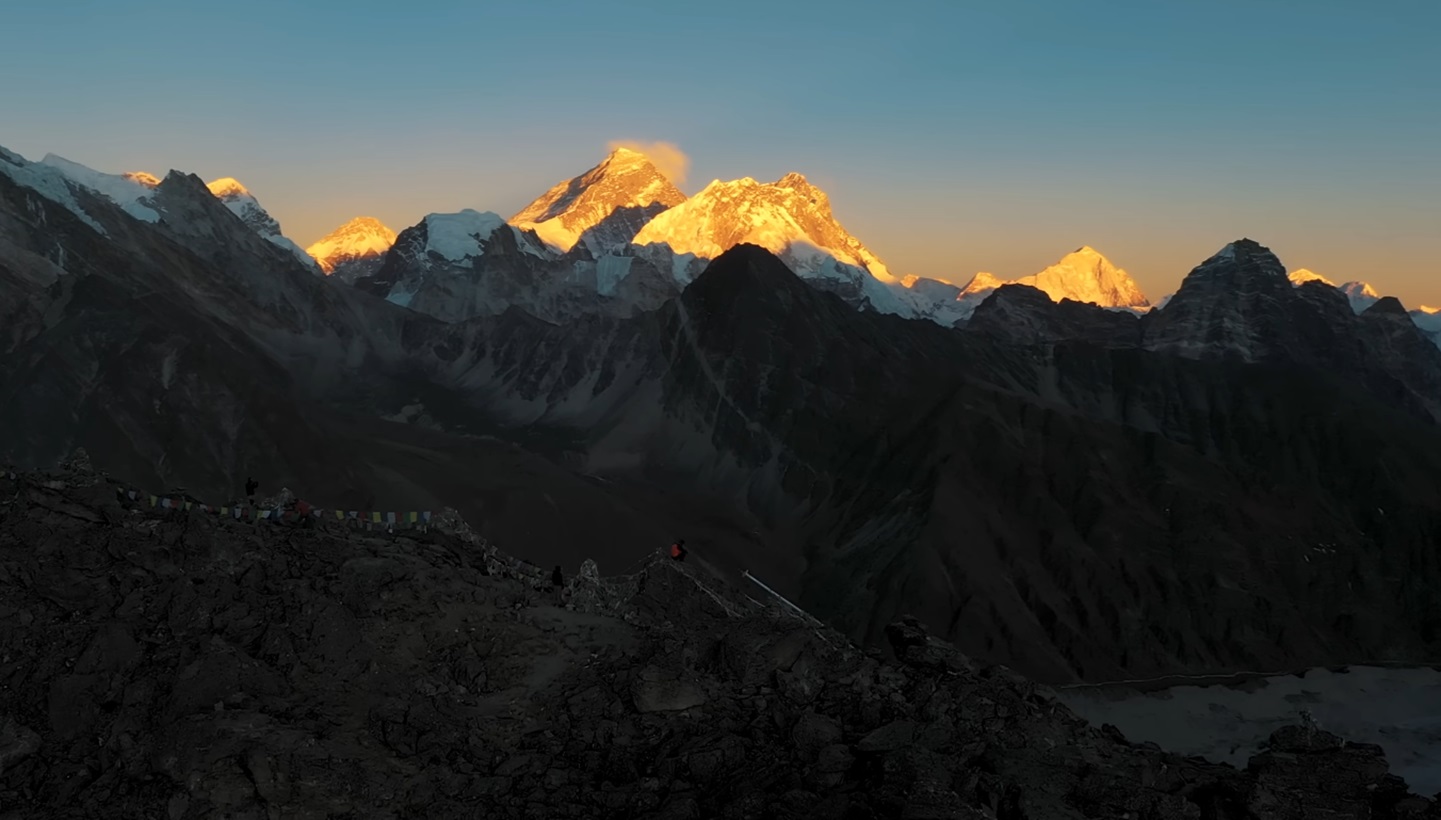
- Summit Kala Patthar for Sunrise: Hike to Kala Patthar (5,545m) at dawn for an unobstructed, close-up view of Mount Everest glowing in the morning sun—the trek's most famous panorama.
- Discover the Gokyo Lakes & Gokyo Ri: Explore the stunning turquoise Gokyo Lakes and climb Gokyo Ri (5,357m) for a 360-degree vista considered by many to be the finest in the Khumbu region.
- Experience Remote Himalayan Valleys: Trek through the untouched Nangpa La Valley and visit authentic Sherpa villages like Marlung and Thame, experiencing culture far from the main trails.
- Complete a Non-Stop Scenic Loop: This is the definitive off the beaten path Everest trek. Its perfect circuit design means you never backtrack, ensuring new, breathtaking scenery every single day.
- Traverse the Khumbu Glacier: Walk alongside the immense Khumbu Glacier, one of the world’s highest, adding a profound sense of scale and adventure to this challenging trek in Nepal with glaciers.
- A Sustained High-Altitude Adventure: Unlike shorter treks, this journey offers a prolonged immersion in the high Himalayas, testing and rewarding endurance with continuous awe-inspiring landscapes and a profound sense of accomplishment.
Route of the Everest Three Passes Trek
The route of the Everest Three Passes Trek is a masterfully designed circuit, creating a complete loop around the Everest massif that avoids all backtracking. This ingenious adventure trek in Nepal provides a continuous journey through the diverse landscapes and cultures of the Khumbu, making it the ultimate high pass trek Everest experience.
Route of the Everest Three Passes Trek
The journey follows a logical and thrilling progression. It begins with the classic approach from Lukla through Namche Bazaar to Everest Base Camp and Kala Patthar, allowing for essential acclimatization. The route then diverges for the supreme challenge: sequentially crossing three major passes. You’ll conquer the remote Kongma La (5,535m), navigate the glaciated Cho La Pass (5,420m) into the Gokyo Valley, and finally summit Renjo La (5,340m) for breathtaking panoramic views.
The descent follows the historic Bhote Kosi Valley trade route, visiting authentic Sherpa villages like Thame before completing the circuit back to Lukla. This perfect off the beaten path Everest trek route guarantees new, unparalleled Himalayan scenery every single day, offering the most comprehensive and rewarding journey in the Everest region.
Trek Packing List: Everest Three Passes Trek
A meticulous packing list is your first critical step toward a safe and successful Everest Three Passes Trek. This challenging trek in Nepal with glaciers demands gear for extreme cold, high winds, and variable conditions across three high passes. Here is the essential equipment checklist.
Clothing (Layering System)
- Base Layers: Moisture-wicking thermal tops and bottoms (synthetic or merino wool).
- Insulation: Mid-layer fleece jacket and a high-quality, hooded down jacket.
- Outer Shell: Waterproof and windproof jacket and pants (Gore-Tex recommended) are non-negotiable.
- Trekking Clothes: Quick-dry trekking pants, shirts, and a pair of shorts for lower altitudes.
- Headwear: Warm beanie, sun hat or buff, and a balaclava for pass crossings.
- Gloves: Insulated waterproof gloves and thinner liner gloves.
- Socks: Multiple pairs of wool/synthetic trekking socks.
Footwear
- Trekking Boots: Sturdy, waterproof, broken-in boots with ankle support.
- Camp Shoes: Lightweight trainers or sandals for tea houses.
- Gaiters: Essential for snow and scree on pass descents.
- Microspikes: Highly recommended for safe traction on the Cho La Pass glacier (season-dependent).
Backpack & Gear
- Backpacks: A 40-50L duffel for the porter (weight limit 15kg) and a 25-35L daypack for you.
- Sleeping Bag: Rated to -15°C to -20°C for high-altitude tea houses.
- Trekking Poles: Adjustable, collapsible poles for stability on steep passes.
- Headlamp: With extra batteries for early morning pass crossings.
- Sunglasses: Category 4 UV protection for glacier travel.
- Water Purification: Bottles/bladder and purification tablets or filter.
Personal & Safety
- First Aid Kit: Include blister care, painkillers, diamox (consult doctor), and personal meds.
- Sun Protection: High-SPF sunscreen and lip balm.
- Documents: Passport, permits, insurance copies, and cash.
- Electronics: Camera, large-capacity power bank, and cords.
Packing correctly ensures you are prepared for the high pass trek Everest challenge, focusing on the experience rather than discomfort. Remember: quality over quantity, and always test gear before departure.
Everest Three Passes Trek Good To Know
The Everest Three Passes Trek winds through the Khumbu region, a land defined by deep Sherpa culture and dramatic history. More than a trail, this is a journey through a living heritage that gives the mountains their profound meaning.
For over 500 years, the Sherpa people have shaped this landscape. Migrating from Tibet, they brought with them a devout Tibetan Buddhist faith that permeates the trail. This is seen in the prayer flags that flutter over high passes, the mani stones carved with sacred mantras, and the serene atmosphere of Tengboche Monastery, the spiritual heart of the Khumbu.
The region’s modern history is intertwined with mountaineering legend. The trails were forged by early 20th-century explorers and immortalized by the 1953 ascent of Everest by Sir Edmund Hillary and Sherpa Tenzing Norgay, a local from Thame village. This legacy transformed the Khumbu, building a sustainable trekking economy upon ancient trade routes.
Today, trekkers walk through timeless Sherpa villages of stone and wood, experiencing legendary hospitality. Respecting this culture is essential—dressing modestly, asking permission for photos, and supporting local tea houses. Understanding this rich tapestry of faith, resilience, and adventure turns the challenging trek into a deeply meaningful pilgrimage through the soul of the Himalayas.
The Everest Three Passes Trek is located in the Khumbu region of northeastern Nepal, within the Sagarmatha National Park, a UNESCO World Heritage Site. This iconic circuit loops around the entire Mount Everest massif, making it the most extensive trekking route in the Everest area.
Geographically, the trek navigates some of the highest inhabited valleys on Earth. It starts and ends at Lukla’s Tenzing-Hillary Airport, the primary gateway to the Khumbu. The route passes through the legendary Sherpa capital of Namche Bazaar and encircles the world’s highest peaks, crossing three major high-altitude passes that form the circuit’s core: Kongma La (5,535m), Cho La (5,420m), and Renjo La (5,340m).
The Everest Three Passes Trek offers an unparalleled journey through the living, breathing heart of Sherpa culture. Beyond the towering peaks, the soul of this adventure trek in Nepal resides in its villages and the resilient, welcoming people who call the world’s highest valleys home.
Your journey begins in the bustling gateway of Lukla, a town shaped by aviation and tourism. You’ll then descend to the riverside hamlet of Phakding. The trail leads to the vibrant Sherpa capital, Namche Bazaar, a thriving hub of trade, culture, and Himalayan hospitality where you’ll acclimatize amidst its cobbled streets and cozy bakeries.
As you venture higher, you’ll pass through ancient agricultural villages like Dingboche and Pangboche, where stone walls mark fields and historic monasteries whisper of centuries-old faith. After crossing the formidable Cho La Pass, you enter the serene Gokyo Valley, home to the remote settlements of Machhermo and Gokyo, where life revolves around the sacred turquoise lakes.
The final leg introduces you to the truly off-the-beaten-path communities of the Nangpa and Bhote Kosi Valleys. In Marlung and the historic village of Thame—birthplace of climbing legends—you’ll experience a traditional way of life largely untouched by modernity.
In every tea house and along every trail, you’ll be greeted with a warm “Tashi Delek” by the Sherpa people. Their profound Buddhist faith is evident in the mani walls and prayer flags that adorn the landscape. Meeting families, sharing a meal, or simply exchanging a smile provides a genuine human connection, transforming this high pass trek Everest into a deeply enriching cultural pilgrimage as much as a physical challenge.
The Everest Three Passes Trek is a journey through dramatically shifting ecological zones, offering a fascinating study in Himalayan biodiversity. From lush forests to glacial deserts, the changing flora and fauna provide a vibrant backdrop to this challenging trek in Nepal.
In the lower valleys near Lukla and Phakding, you’ll walk through subtropical pine and rhododendron forests. These dense woodlands, bursting with red and pink blooms in spring, are home to colorful birdlife like the Impeyan Pheasant (Danphe), Nepal’s national bird, as well as troops of languor monkeys.
As you ascend above Namche Bazaar (3,440m), the forest gives way to alpine shrubs and juniper. This is the domain of the sure-footed Himalayan Tahr and the elusive musk deer. The loud, whistling call of the Himalayan marmot becomes common in the high meadows around Dingboche.
Above 4,500m, near Lobuche and on the approach to the Kongma La and Cho La passes, the landscape transitions to a rocky alpine desert. Here, flora is limited to hardy lichens, mosses, and cushion plants. This stark environment is ruled by birds of prey; watch for the majestic Lammergeier (bearded vulture) and Himalayan griffons soaring on thermal currents. This remarkable ecological journey, from vibrant forests to glacial silence, mirrors the trek’s physical challenge and underscores the fragility of life in the high Khumbu region.
Acclimatization is the non-negotiable foundation for safety and success on the Everest Three Passes Trek. This premier high-altitude trekking adventure reaches extreme elevations above 5,500 meters, where oxygen levels are nearly 50% lower than at sea level. A carefully engineered itinerary follows the essential mountaineering principle: “Climb High, Sleep Low.”
Strategic acclimatization days are built into the schedule at critical junctures. In Namche Bazaar (3,440m) and Dingboche (4,410m), you will take active rest days involving hikes to higher viewpoints like the Everest View Hotel or Nangkartshang Peak, before returning to sleep at a lower altitude. This process significantly enhances your body’s ability to produce red blood cells and utilize oxygen efficiently.
The trek’s unique circuit design itself is a brilliant acclimatization tool. By summiting Kala Patthar (5,545m) and Gokyo Ri (5,357m) before attempting the highest pass, Kongma La (5,535m), your body undergoes progressive adaptation. Experienced guides meticulously monitor the group for symptoms of Acute Mountain Sickness (AMS), enforce a slow, steady pace, and emphasize relentless hydration. Proper acclimatization transforms this challenging trek in Nepal with glaciers from a dangerous undertaking into a triumphant and healthy adventure, ensuring you can safely savor the world’s most magnificent landscapes.
Absolutely, The Everest Three Passes Trek is not just an adventure trip—it is the definitive Himalayan adventure. It transcends standard trekking to become a true high-altitude expedition, designed for experienced adventurers seeking the ultimate challenge.
This journey is the pinnacle of adventure trekking in Nepal due to three defining factors:
- The Triple Pass Challenge:Successively crossing Kongma La (5,535m), Cho La (5,420m), and Renjo La (5,340m) is a sustained mountaineering endeavor. The Cho La Pass involves a glacier traverse, demanding technical care and nerve, far beyond typical hiking.
- Remote & Rugged Isolation: This is the quintessential off the beaten path Everest trek. The circuit ventures into remote valleys like the Nangpa La, far from the crowded main trails, offering true solitude and self-reliance in a raw, untamed landscape.
- Extreme Physical Demand: The cumulative altitude gain, long days (often 7-9 hours), and the sheer duration (19-23 days) at high elevation test endurance, fitness, and mental resilience to their limits.
While classic treks like Everest Base Camp are achievements, the Three Passes circuit is a complete expedition. It integrates the iconic highlights with remote exploration and significant objective hazards, requiring meticulous preparation, expert guidance, and a seasoned adventurer’s spirit. For those who define adventure by pushing boundaries and immersing in raw, high-mountain wilderness, this trek is the ultimate answer.
The Everest Three Passes Trek can be completed safely, but it is not inherently safe. Safety is a managed outcome, not a guaranteed condition. This high pass trek Everest involves significant, inherent risks due to extreme altitude, remote terrain, and variable weather. Success depends entirely on mitigation through preparation, professional support, and responsible decision-making.
Primary risks are managed through a clear framework:
- Altitude Sickness (AMS/HAPE/HACE): This is the greatest danger. Safety is ensured by a meticulously slow itinerary with built-in acclimatization days in Namche Bazaar and Dingboche, the “climb high, sleep low” principle, and constant health monitoring by your guide.
- Falls and Injury: The terrain on the passes—particularly the rocky scrambles and glacier traverse on Cho La Pass—is hazardous. Safety relies on using proper trekking poles, potentially microspikes (in shoulder seasons), following your guide’s exact path, and maintaining focus.
- Weather and Remote Location: Storms can arise quickly, and the route is isolated. Safety is provided by an experienced, licensed guide with wilderness first-aid training, knowledge of emergency protocols, and access to a satellite communication device for evacuations.
- Logistical Failure: Lukla flight cancellations, porter issues, or illness can derail a trip. Safety comes from booking with a reputable agency that manages logistics, includes buffer days, and has a proven support network.
Ultimately, safety on this premier adventure trek in Nepal is a shared responsibility. Your preparation (physical training, gear, travel insurance) combined with a professional operator’s expertise (guides, acclimatization plan, emergency systems) creates the safety margin required to undertake this challenging and rewarding expedition.
Reaching and returning from the Everest Three Passes Trek involves a classic Himalayan travel sequence centered on a flight into the high mountains. All journeys begin and end in Kathmandu, Nepal.
Getting to the Trailhead in Lukla
- International Arrival: Fly into Tribhuvan International Airport (KTM) in Kathmandu. This is your base for permits, briefings, and final preparations.
- Domestic Flight to Lukla: The trek begins with an essential scenic 30-minute flight from Kathmandu to Tenzing-Hillary Airport (LUA) in Lukla. This flight is a dramatic experience, offering the first breathtaking views of the Himalayas.
- Important Seasonal Variation:
- Peak Seasons (Spring & Autumn):Due to air traffic, flights often operate from Ramechhap (Manthali) Airport, a 4-5 hour drive from Kathmandu, followed by a shorter flight to Lukla.
- Off-Peak Seasons:Flights typically operate directly from Kathmandu.
- Critical Consideration:These flights are highly weather-dependent. Delays or cancellations are common. Any reliable trekking package must include at least 2-3 buffer days in Kathmandu at the end of your trek to accommodate this.
Getting Back from Lukla to Kathmandu
The return is the same process in reverse:
- After completing the trek in Lukla, you will take a morning flight back to either Ramechhap (with a connecting drive) or directly to Kathmandu.
- Upon arrival, you will be transferred to your hotel. Your buffer days now serve as insurance against flight delays and a well-earned opportunity to rest or explore Kathmandu before your international departure.
Key Takeaway
Your trekking agency will manage all domestic flights and transfers as part of your package. Your responsibility is to ensure your international flights to/from Kathmandu have flexibility (ideally, changeable return tickets) and to purchase comprehensive travel insurance that covers domestic flight delays and emergency evacuation.
To undertake the Everest Three Passes Trek, you must obtain two mandatory permits. These are checked at official entry points and ensure your trek is legal, while fees contribute to conservation and local community development.
Required Permits:
Sagarmatha National Park Entry Permit
- Purpose: This permit grants you entry into the Sagarmatha National Park, the UNESCO World Heritage Site that encompasses the entire trekking region.
- Cost: NPR 3,000 per person (approximately $25 USD). For SAARC nationals, the fee is NPR 1,500.
- Where to Get It: Can be obtained at the Nepal Tourism Board office in Kathmandu or at the National Park entry counter in Monjo on the trekking route.
Khumbu Pasang Lhamu Rural Municipality Permit
- Purpose: This local permit replaced the TIMS card for the Khumbu region. The fee supports infrastructure and services in the local villages you will visit.
- Cost: NPR 2,000 per person (approximately $17 USD).
- Where to Get It: Available at the Nepal Tourism Board in Kathmandu or at the Lukla or Namche Bazaar checkpoints upon arrival.
Important Notes:
- Passport & Photos: You will need your original passport and several passport-sized photos to process both permits.
- Agency Assistance: When you book your trek with a reputable agency, they will typically handle all permit procurement for you as part of your package. You simply need to provide the necessary documents.
- Checkpoints: Keep these permits, along with your passport, easily accessible in your daypack, as they will be inspected at various checkpoints along the trail.
Total Estimated Permit Cost: $42 USD per person.
By securing these permits, you ensure a smooth journey on this premier adventure trek in Nepal, while directly contributing to the preservation of the Khumbu region and its communities.
Choosing the best time for the Everest Three Passes Trek is essential for safety, visibility, and enjoyment. The optimal windows are the post-monsoon autumn (late September to November) and pre-monsoon spring (March to May), which offer the most stable conditions for crossing the high passes.
Autumn provides the premier trekking experience. Following the monsoon, the skies are exceptionally clear, offering unparalleled mountain visibility of Everest, Lhotse, and Cho Oyu. The weather is stable with dry trails, though nights become sharply cold at high altitude. This popularity means teahouses and flights are busy, requiring advance booking.
Spring is a fantastic alternative. Warmer days and blooming rhododendron forests create vibrant landscapes. While afternoon clouds are more common, clear mornings often reveal stunning vistas. The trade-off is a higher chance of snow on the Kongma La and Cho La passes, requiring extra preparation.
Winter (Dec-Feb) offers extreme cold and solitude, suitable only for very experienced, well-equipped trekkers. The monsoon (June-August) is not recommended due to heavy rain, clouded views, slippery trails, and frequent flight cancellations.
For the ideal balance of safety, comfort, and reliability on this premier adventure trek in Nepal, October and November are highly recommended. Always prepare for rapid mountain weather changes regardless of your chosen season.
The Everest Three Passes Trek is celebrated as the premier Himalayan adventure for one compelling reason: it delivers the most complete and immersive experience in the Khumbu. As the definitive off the beaten path Everest trek, it forms a continuous, non-repeating circuit around the heart of the Everest massif. This unique routing guarantees continuous new scenery, profound solitude, and ever-shifting, unparalleled views of four 8,000-meter titans: Everest, Lhotse, Makalu, and Cho Oyu.
Far surpassing the standard trails, this is a sustained high-altitude challenge. The sequential crossing of Kongma La (5,535m), Cho La (5,420m), and Renjo La (5,340m) demands exceptional endurance, resilience, and expert acclimatization. It integrates the iconic highlights—Everest Base Camp, Kala Patthar, and the Gokyo Lakes—with the remote beauty of the Nangpa and Bhote Koshi Valleys. Designed for seasoned adventurers, this trek is the ultimate choice for those seeking to truly earn the world’s most breathtaking vistas, making it the most rewarding and comprehensive adventure trek in Nepal.
Preventing altitude sickness (Acute Mountain Sickness – AMS) is the single most important factor for a successful and safe Everest Three Passes Trek. This high pass trek Everest ascends above 5,500 meters, where oxygen is scarce. Prevention is a proactive strategy, not a reactive one.
- Gradual Ascent & Acclimatization: This is the golden rule. Your itinerary must include essential acclimatization days in Namche Bazaar (3,440m) and Dingboche (4,410m). Use these days for active hikes to higher elevations, following the “climb high, sleep low” principle to stimulate your body’s adaptation without risking health.
- Strategic Hydration & Diet: Drink 3-4 liters of water daily to combat the dehydrating effects of dry air and exertion. Avoid alcohol and tobacco. Eat a carbohydrate-rich diet to fuel your body efficiently in low-oxygen conditions.
- Pharmacological Aids (Consult a Doctor):Many trekkers use Acetazolamide (Diamox) prophylactically. It can help accelerate acclimatization. Consult a travel doctor before your trip for a prescription and advice.
- Listen to Your Body & Guide: Know the symptoms: headache, nausea, dizziness, loss of appetite, and severe fatigue. Never ignore them. Your guide is trained to monitor the group—communicate any symptoms immediately. The only cure for advancing AMS is immediate descent.
- Trekking Pace & Mindset: Walk slowly (“pole pole” or “slowly slowly”). A steady, conservative pace is more effective than speed. Over-exertion increases risk. Prioritize health over ego or schedule.
This challenging trek in Nepal with glaciers demands respect. By combining a well-paced itinerary, relentless hydration, medical consultation, and vigilant self-awareness, you significantly reduce risk and empower yourself to fully experience this premier adventure trek in Nepal.
This premier Himalayan circuit is a strenuous and demanding expedition designed exclusively for experienced adventurers. It is not a beginner’s trek. Success and safety require a combination of excellent physical fitness, prior high-altitude experience (preferably above 5,000m), and strong mental resilience.
Ideal candidates for this trek possess:
Superior Fitness: The ability to trek 6-8 hours daily for over two weeks, carrying a daypack over steep, rocky, and glaciated terrain. Training should emphasize endurance, leg strength, and cardiovascular health.
Proven Altitude Acclimatization: A history of safe adaptation to high altitudes is crucial to mitigate the risks of AMS (Acute Mountain Sickness) across three passes over 5,300m.
Mental Fortitude: The trek involves inherent risks, variable weather, basic amenities, and the psychological challenge of sustained, remote exertion. A positive, resilient mindset is as important as physical strength.
This trek is perfect for you if: You have completed other major treks (e.g., EBC, Annapurna Circuit) and seek the ultimate, off-the-beaten-path challenge that combines extreme adventure with the Everest region’s most spectacular and secluded vistas.
Consider an alternative route if: You are new to high-altitude trekking, have average fitness, or prefer a less technical itinerary. Excellent alternatives include the classic Everest Base Camp Trek or the EBC with Gokyo Lakes (via Cho La Pass), which offer iconic experiences with a slightly lower barrier to entry.
The baggage allowance for Lukla flights is strictly limited due to the small size and weight constraints of the aircraft operating in the high-altitude Himalayas. Exceeding these limits can result in significant fees or your baggage being left behind.
Standard Allowance (Most Airlines):
- Checked Luggage: 10 kg (22 lbs) per passenger. This is for your main duffel bag, which will be carried by a porter.
- Carry-on/HAND LUGGAGE: 5 kg (11 lbs) per passenger. This is for your daypack, which you will carry daily, containing essentials like water, layers, camera, and documents.
- Total Allowance: Typically 15 kg (33 lbs) combined.
Important Seasonal & Operational Variations:
- Flights from Kathmandu: The standard 10kg + 5kg allowance generally applies.
- Flights from Ramechhap (Manthali): During peak seasons (spring and autumn), when most flights operate from Ramechhap, airlines are often stricter. The checked allowance can be enforced as low as 10kg total, with minimal or no separate cabin allowance. Always confirm with your airline or trekking agency.
Excess Baggage Fees:
Fees are charged per kilogram over the limit and are expensive, typically $5 – $10 USD per extra kg. It is rarely cost-effective to pay these fees. Airlines may also refuse overloaded bags.
Packing Strategy & Tips:
- Weigh Before You Go: Use a portable luggage scale to ensure your duffel bag is at or under 10 kg and your daypack is around 5 kg.
- Wear Your Bulkiest Items: Wear your trekking boots and heavy jacket on flight day to reduce bag weight.
- Leave Non-Essentials in Kathmandu: Your hotel will store luggage you don’t need on the trek.
- Coordinate with Your Trekking Agency: If you have hired a porter, their load will include your duffel. Reputable agencies plan for this within the standard limits.
Key Takeaway: Pack smart and light. The 10kg checked baggage limit is a firm guideline, not a suggestion. Adhering to it ensures a smooth start to your Everest Three Passes Trek and avoids costly delays at the airport.
Securing comprehensive travel insurance is not a recommendation—it is an absolute mandatory requirement for the Everest Three Passes Trek. This is a non-negotiable part of your preparation for this high-altitude and remote adventure trek in Nepal. Standard policies are insufficient; you need specialized coverage that matches the extreme risks.
Your policy must include, as a minimum:
- Emergency Helicopter Evacuation & Medical Repatriation: This is the most critical coverage. In case of severe altitude sickness (HAPE, HACE), injury, or other emergencies in remote areas, an evacuation can cost over $10,000 USD. Your policy must cover the full cost without caps and include authorization for your guide or doctor to initiate the rescue.
- High-Altitude Coverage: The policy must explicitly cover trekking up to 6,000 meters, as the trek reaches over 5,500m. Many standard policies void coverage above 3,000m or 4,000m.
- Trip Cancellation & Interruption: Must cover you if you must cancel due to illness, injury, or family emergency before the trip, or cut it short due to problems on the trail.
- Coverage for Lukla Flight Delays: Must include compensation for extra hotel and food costs due to frequent weather-related cancellations of your Lukla flights.
Before purchasing:
- Read the fine print and exclusions carefully.
- Ensure the insurer has a 24/7 emergency contact number and a proven record of operating in Nepal.
- Carry a printed copy of your policy and the emergency contact details with you on the trek.
- Provide a copy to your trekking agency as part of their safety protocol.
Do not attempt this challenging trek in Nepal with glaciers without verified, robust insurance. It is your single most important safety net.
The weather and climate are the ultimate variables on the Everest Three Passes Trek, defining both its challenge and its reward. This high-altitude adventure takes place in an environment of extreme conditions, where bright sunshine can swiftly turn into a freezing blizzard, especially on the exposed passes. Successful trekking hinges on respecting these patterns and preparing accordingly.
Ideal Trekking Windows
The journey is best undertaken during two seasonal windows. Autumn (late September to November) is the premier season, characterized by stable, dry weather, crystal-clear skies, and breathtaking mountain visibility. Spring (March to May) offers warmer temperatures and vibrant blooms in the lower valleys, though afternoons bring more cloud cover and a higher likelihood of snow on the passes.
These seasons feature significant temperature drops with altitude; you can experience pleasant days of 10-15°C (50-59°F) in the valleys, while nights near the high passes plunge to a freezing -10°C to -20°C (14 to -4°F).
Challenging Off-Seasons
Outside these windows, conditions intensify. Winter (December to February) blankets the region in deep snow and extreme cold, risking blocked passes and limited services. The Monsoon (June to August) brings heavy rain, obscured views, muddy trails, and a significant risk of landslides, making it unsuitable for safe trekking.
Critical Preparedness
Regardless of season, trekkers must be ready for rapid, unpredictable shifts. The high passes—Kongma La, Cho La, and Renjo La—are particularly prone to fierce winds and icy patches. The essential strategy is to pack for all scenarios with a layered system: a moisture-wicking base, insulating mid-layers, a protective down jacket, and a waterproof outer shell.
Partnering with an experienced guide and maintaining a flexible itinerary are your best defenses against the formidable and majestic climate of the Khumbu region.
Staying connected and powering your devices on the Everest Three Passes Trek requires planning due to the remote, off-grid nature of the Khumbu region. While charging is available, it operates under specific constraints that every trekker should understand.
Availability & Sources: Charging is offered exclusively at tea houses and lodges along the route. Power is generated from solar panels or, in some larger villages like Namche Bazaar, hydroelectricity. As you ascend to higher, more remote settlements (e.g., Gokyo, Dzongla), power becomes scarcer and more reliant on solar, making it weather-dependent.
Cost & Method: Charging is not free. You will pay a fee, typically NPR 300-800 (approx. $2-$6 USD) per device per charging session, with prices increasing with altitude. You will usually hand your device and charger to the lodge owner, who will plug it into a central charging station. A universal travel adapter is essential; as outlets are usually European-style two-pin sockets (Type C/E).
Meals on the Everest Three Passes Trek are hearty, carbohydrate-rich, and designed to fuel high-altitude exertion. Dining occurs exclusively at your overnight tea house lodges, which feature a central dining room warmed by a stove. Menus are extensive but become simpler and more expensive with altitude.
Standard Meal Structure:
Breakfast: Options include porridge, Tibetan bread, pancakes, and eggs (fried, scrambled, or omelets). Black tea or coffee is standard.
Lunch/Dinner: The staple is “Dal Bhat”—a nutritious, all-you-can-eat meal of lentil soup, rice, vegetable curry, and sometimes meat (chicken or canned fish). Other common dishes are:
- Noodles: Fried noodles or pasta dishes.
- Potatoes: Roasted, fried, or in the form of “Riki Kur” (potato pancakes).
- Soup: Garlic soup is popular and believed to help with acclimatization.
- Western Dishes: Pizza, pasta, and fried rice are commonly available.
Hygiene & Safety: Stick to well-cooked, boiled, or peeled items. Avoid raw vegetables and untreated water. Dal Bhat is often the safest and most energizing choice.
Snacks & Water: Carry high-energy snacks (nuts, chocolate, bars). Purchase boiled/filtered water or use purification tablets for refills to minimize plastic waste.
Ensuring a safe and adequate supply of drinking water is a critical daily task on the Everest Three Passes Trek. Staying hydrated is essential for acclimatization and health, but you must be strategic to avoid illness and minimize plastic waste in the fragile Khumbu region.
You have three main options for obtaining safe drinking water:
Boiled/Filtered Water from Teahouses: The most common method. Lodges provide boiled or filtered water for a fee (typically NPR 100-300 per liter), with prices rising with altitude. It’s often the most convenient option.
Bottled Water: Available in larger villages like Namche Bazaar, but expensive (NPR 300-500+ per bottle) and highly discouraged due to the massive plastic waste problem in the Himalayas. Most reputable agencies ban bottled water for their groups.
Water Purification (Recommended): The most sustainable, cost-effective, and reliable method. You can treat tap or stream water yourself using:
- Purification Tablets (e.g., Aquatabs): Lightweight and highly effective.
- Portable Water Filter (e.g., SteriPEN, Sawyer Squeeze): Uses UV light or physical filtration.
- Iodine Drops: An effective chemical alternative.
Practical Tips:
- Carry two 1-liter reusable water bottles or a hydration bladder.
- Drink 3-4 liters of water minimum per day to combat dehydration from dry air and exertion.
- Avoid untreated tap water and never drink from streams (risk of contamination).
At higher lodges, confirm that the “filtered” water has indeed been boiled, as freezing temperatures can compromise some filter systems.
By bringing your own purification system, you ensure a constant, safe supply, protect your health, and help preserve the pristine mountain environment on this premier adventure trek in Nepal.
Accommodation on the trek is in traditional tea houses—basic mountain lodges that provide essential shelter and warmth. They are simple, functional, and a central part of the Himalayan trekking experience.
Room Facilities & Standards:
- Rooms: Are spartan, twin-share accommodations with two simple beds, a thin mattress, pillow, and blanket. Private rooms are very rare and not guaranteed. Bring a high-quality sleeping bag (rated to -15°C to -20°C) for warmth and hygiene.
- Bathrooms: Shared outside toilets are the norm, often Asian-style squat toilets. Hot showers are available for an extra fee (NPR 400-800) in most lodges up to Dingboche or Gokyo, but may be unavailable at higher or more remote stops due to frozen pipes.
- Social Hub: The communal dining room is the heart of the tea house, warmed by a stove (often fueled by yak dung). This is where you eat, relax, socialize, and charge devices (for a fee).
In summary, embrace the simplicity. Tea house accommodation is about community and rest, not luxury. Your comfort depends on your own preparation—a good sleeping bag, earplugs and a flexible attitude are key.
Yes, hot showers are available for much of the Everest Three Passes Trek, but with important caveats regarding availability, cost, and reliability that change drastically with altitude.
Availability & Cost:
In villages at lower to medium elevations—such as Phakding, Namche Bazaar, Tengboche, and Dingboche—most teahouses offer hot shower facilities. However, they are not free. You will pay a fee, typically NPR 400 to 800 (approx. $3-$7 USD) per shower. The hot water is usually provided via solar heating or gas geysers.
Limitations at Higher Altitudes & Remote Stops:
As you ascend above 4,500 meters to villages like Lobuche, Gorak Shep, Dzongla, Dragnak, and Gokyo, the availability of hot showers becomes unreliable or non-existent. At these heights, freezing temperatures can cause pipes to ice up, and fuel (gas or kerosene) for heating water becomes very scarce and expensive. You must be prepared to go several days without a conventional hot shower, especially during the sequence of crossing the three high passes.
Practical Advice & Alternatives:
- Shower Strategically: Take advantage of showers in Namche Bazaar and Dingboche, the last reliable outposts.
- Use Biodegradable Wipes: Pack biodegradable wet wipes or a small towel and soap for a “bird bath” in your room. This is the most common daily hygiene method at high camps.
- Bucket Wash: Some lodges may offer a bucket of warm water for a wash at a lower cost than a shower.
- Pack Quick-Dry Towels: A small, packable quick-dry towel is essential.
In summary, while you can enjoy hot showers in the lower valleys, you should not depend on them throughout the entire trek. Embracing simpler hygiene methods is part of the remote adventure trek in Nepal experience. Plan and pack accordingly to stay clean and comfortable.
Attached private bathrooms are a rare luxury on the Everest Three Passes Trek and should not be expected as the norm. Accommodation is in traditional teahouses, where facilities are basic and shared. Understanding what to expect is key to managing comfort and hygiene on this remote adventure trek in Nepal.
The Standard: Shared Bathrooms
The vast majority of rooms, even in larger villages, feature shared bathroom facilities located in a separate building or a common hallway. These are typically Asian-style squat toilets (a porcelain fixture in the floor). A bucket of water and a scoop are used for flushing. Western-style seated toilets are uncommon but can occasionally be found in Namche Bazaar or newer lodges. Toilet paper is usually not provided; you must carry your own and dispose of it in a separate waste bin, not in the toilet, to avoid blockages.
Attached bathrooms are extremely rare and unreliable.
Lower Elevations (Lukla to Namche Bazaar): A few lodges may offer rooms with attached bathrooms for a significant price premium. These are often the first to book up in peak season.
Higher Elevations & Remote Stops (Dingboche and above): Attached bathrooms are virtually non-existent. Plumbing freezes and the priority is basic shelter. In villages like Dzongla, Dragnak and Gorak Shep, the toilet will be an outside shared latrine.
Key Considerations & Tips:
- Carry Essentials: Always have your own toilet paper, hand sanitizer, and a headlamp for nighttime visits.
- Embrace the Simplicity: The trek is about the mountain experience, not luxury. Shared facilities are part of the journey and a chance to connect with fellow trekkers.
- Hygiene: Use biodegradable wet wipes for personal cleaning and bring a quick-dry towel.
- Water Source: Do not expect a shower or running sink in your room. Washing facilities are communal.
Finding good vegetarian and vegan food on the Everest Three Passes Trek is straightforward for vegetarians and manageable for vegans with clear communication. The traditional Nepali diet is heavily plant-based, and teahouses are accustomed to catering to dietary preferences, though options become simpler at higher altitudes.
For Vegetarians:
You will have an extensive and satisfying selection. The absolute staple is Dal Bhat (lentil soup with rice, vegetable curry, and pickles), which is nutritious, unlimited, and naturally vegetarian. Other common options include:
- Vegetable fried noodles or pasta (chowmein).
- Vegetable momos (dumplings).
- Potatoes (fried, boiled, or as riki kur – potato pancakes).
- Tibetan bread with vegetable curry.
- Pancakes, porridge, and eggs for breakfast.
For Vegans:
The main challenge is avoiding hidden dairy and eggs. While Dal Bhat is often vegan, you must specifically request no ghee (clarified butter) or yogurt side (curd). Other vegan-friendly dishes include:
- Garlic soup or other vegetable soups (confirm no cream).
- Vegan pasta or noodles with tomato sauce.
- Stir-fried vegetables with rice (tarkari).
- Lentil soup (dal) with rice or Tibetan bread.
For the Everest Three Passes Trek, the need to pre-book teahouses depends heavily on the season and whether you are trekking independently or with a guide/agency.
If You Are Trekking with a Guide/Agency:
No, you do not need to book them yourself. All reputable agencies include teahouse booking as a core part of their service. Your guide will manage all overnight reservations along the route as part of your package. This is a major advantage, ensuring you have a confirmed place to sleep each night.
If You Are Trekking Independently (Without a Guide):
Yes, pre-booking is highly recommended, especially during peak seasons (October-November and April-May). While you can often find a room without booking in the off-season, during peak times popular stops like Namche Bazaar, Dingboche, Lobuche and Gokyo can fill completely. The risk of arriving exhausted to find no available lodging is real. For key acclimatization stops and villages just before the high passes, securing a booking in advance is a wise safety and comfort measure.
Key Considerations:
Peak Season Demand: During busy periods, teahouses prioritize large guided groups who have block bookings. Independent trekkers can be left without options.
Remote Stops: In very remote locations (e.g., Dzongla, Dragnag), options are limited to 1-2 lodges, making pre-booking essential.
Booking Method: Direct contact with teahouses is difficult. Some have phone numbers or Facebook pages, but the most reliable method for independents is often to use a local Kathmandu-based trekking agency to arrange a “teahouse-only” booking service for a small fee.
Verdict: For peace of mind and logistical simplicity, booking through an agency is strongly advised. For independent trekkers, pre-booking is a critical step to avoid significant hardship on this challenging and remote trek.
Legally, yes, but for safety and success, it is strongly advised against. While independent trekking is permitted in the Khumbu, the Everest Three Passes Trek presents unique dangers that make a professional guide not just a convenience, but a critical safety asset.
The primary risks of going without a guide are substantial:
- Navigation & Terrain: The route over Kongma La, Cho La, and Renjo La is often unmarked, especially in poor weather. The Cho La Pass glacier traverse requires technical assessment to avoid hidden crevasses.
- Altitude Sickness Management: This is the greatest threat. A guide is trained to recognize early symptoms of AMS and can enforce the life-saving decision to descend—a judgment call that is difficult to make for you when impaired.
- Emergency Response: In a remote medical emergency or injury, a guide can coordinate a helicopter evacuation using local networks and communication devices you likely lack.
For seasoned mountaineers with extensive high-altitude and glacier experience, self-guidance is a calculated risk. For the vast majority of trekkers, however, attempting this challenging trek in Nepal with glaciers without expert support is an unnecessary gamble.
A licensed guide provides indispensable navigation, safety oversight, and cultural insight, transforming a hazardous undertaking into a managed adventure. The investment is a small price for security on this premier high pass trek Everest.
Staying connected on the Everest Three Passes Trek is possible, but you must adjust your expectations. Internet and Wi-Fi are available in a pay-per-use model, with service quality and reliability decreasing dramatically with altitude and remoteness.
Availability & Quality:
- Lower Valleys (Lukla to Namche Bazaar): Reliable Wi-Fi is available for purchase at most tea houses. Speeds are slow but sufficient for messaging and email.
- Higher Valleys & Remote Areas (Dingboche, Gokyo, Dzongla): Service becomes sporadic. Connection depends on satellite-based systems or weak cell data extensions. Signals are often lost entirely, especially in bad weather or on the actual pass crossings. Assume you will be offline for multiple days at a time.
Cost & Access:
Wi-Fi is not free. You will purchase access cards or login codes from your tea house, typically costing NPR 300-800 ($2-$6 USD) for a set amount of data or time (e.g., 100 MB or 1 hour). Coverage is usually limited to the lodge’s dining area.
Practical Recommendations:
- Manage Expectations: Treat connectivity as a bonus, not a guarantee. Inform family of potential communication blackouts.
- Local SIM Card (Ncell): For better coverage in lower areas, consider a local Ncell SIM in Kathmandu. Note that its signal disappears above Tengboche/Pangboche.
- Offline Preparation: Download offline maps, translation apps, books, and entertainment before you leave Kathmandu.
- Prioritize Essentials: Use precious connection time for crucial messages, not streaming or large uploads.
Final Verdict: While basic internet and Wi-Fi exists, this trek is an opportunity to embrace digital disconnection. Plan your essential communications accordingly and enjoy the unparalleled immersion in the remote Khumbu region. For urgent needs, your guide’s satellite phone remains the only reliable link to the outside world from the high passes.
Conquering the Everest Three Passes Trek demands superior physical fitness and strategic preparation. This is not a casual hike but a sustained high-altitude expedition requiring endurance, strength, and resilience. A dedicated 3-6 month training plan is essential to safely enjoy this premier adventure trek in Nepal.
Your training must mimic the trek’s specific demands: long days with a pack, steep ascents/descents on uneven terrain, and thin air. Focus on three pillars:
- Cardiovascular Endurance: Build a strong aerobic base with 4-5 weekly sessions of running, cycling, or inclined treadmill walking for 60+ minutes. This conditions your heart and lungs for low-oxygen environments.
- Leg & Core Strength: Incorporate squats, lunges, and step-ups 2-3 times weekly to power uphill climbs and protect knees on descents. A strong core is vital for balance with a loaded pack.
- Hiking-Specific Conditioning: The most critical step. Progress to full-day hikes (6+ hours) on hilly terrain with your loaded trekking daypack. This trains the specific muscles and joints you’ll use and tests your gear, especially your broken-in boots.
Key Principles: Start training early, increase intensity gradually to avoid injury, and prioritize downhill training to prepare your knees. Mental toughness is as important as physical strength. Consult a doctor before beginning any intense regimen.
Remember, fitness doesn’t prevent altitude sickness, but it provides the stamina needed for proper acclimatization and ensures you can fully embrace the challenge and beauty of this high pass trek Everest.
Tipping in Nepal, especially on treks, is a customary and deeply appreciated practice that recognizes the hard work of your support team. It is not mandatory, but it is a standard and expected part of the trekking economy. Guides and porters often rely on tips to supplement their basic wages.
General Guidelines for Trekking Staff:
- Guide: $15 – $20 per day (from the group)
- Assistant Guide: $10 – $15 per day (from the group)
- Porter: $8 – $10 per day (from the group)
How to Tip:
Tips are given as a lump sum at the end of the trek, ideally in Nepali Rupees (NPR) for their convenience. It’s best presented in an envelope during a final group thank-you ceremony. Always tip directly to the individual or in the presence of the entire team to ensure fair distribution.
The Everest Three Passes Trek is a significant investment in a world-class adventure. For the standard 19-23 day itinerary with a reputable local operator, the all-inclusive group tour cost for 2025-2026 typically ranges from $2,200 to $3,500 USD per person. This wide range is influenced by several key factors:
Group Size: Smaller private groups cost more per person than larger, fixed-departure groups.
Service Level: Budget operators offer basic teahouse rooms, while higher-cost packages may include upgraded lodges, more comprehensive meals, and superior guide-to-client ratios.
Inclusions: The most critical factor. A transparent price should include domestic flights, all permits, guide/porter services, meals on the trek and accommodation.
Reviews
A Memorable Kailash Mansarovar Yatra with Excellent Support
My Kailash Mansarovar Yatra with Best Of Nepal Trek was an unforgettable experience. From the very beginning, everything was well planned and the team made sure our journey was comfortable, safe and enjoyable.
Our guide and the entire staff were friendly, experienced and always ready to help. They took great care of the group, answered all our questions and ensured that every part of the pilgrimage went smoothly.
Visiting the sacred Mount Kailash and Lake Mansarovar was a dream come true. The stunning Himalayan scenery and the peaceful spiritual atmosphere made this journey truly special.
I would like to thank Best Of Nepal Trek for their outstanding hospitality and professional service. I highly recommend them to anyone planning the Kailash Mansarovar Yatra. It was a wonderful experience that I will always remember.
Raada J
,USA
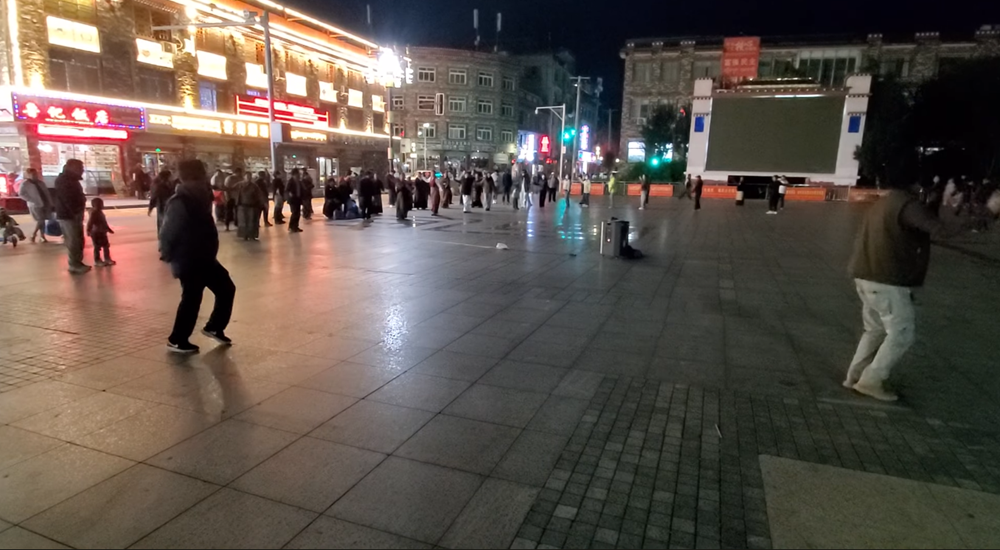
Excellent Kailash Mansarovar Yatra with Best Of Nepal Trek
Everything was well organized from start to finish, and the communication before the trek was smooth and clear. Our guide, Mr. Arjun, was excellent—friendly, knowledgeable and always making sure everyone was safe and comfortable. The entire team at Best Of Nepal Trek was professional, helpful and made us feel welcome throughout the journey.
The Kailash Mansarovar Yatra was a truly unforgettable spiritual experience. From the breathtaking Himalayan landscapes to the peaceful atmosphere around Mount Kailash and Lake Mansarovar, every moment was memorable. I felt well supported throughout the journey, and the team's attention to detail made the pilgrimage comfortable and stress-free.
I highly recommend Best Of Nepal Trek to anyone planning the Kailash Mansarovar Yatra. Thank you to Mr. Arjun and the entire team for making this once-in-a-lifetime journey so special.
Anupam M
,USA

Outstanding Everest Base Camp Trek Experience
Our Everest Base Camp Trek with Best of Nepal Trek was an unforgettable experience from beginning to end. Every detail of the trip was professionally organized and our guide, Shyange Sherpa, was knowledgeable, friendly and always willing to help. His experience and encouragement made the trek enjoyable and safe.
We also enjoyed the Kathmandu city tour, which was a wonderful introduction to Nepal's rich culture and history before the trek. The breathtaking Himalayan scenery and outstanding service made this journey truly special.
We highly recommend Best of Nepal Trek to anyone planning an Everest Base Camp Trek or a Kathmandu city tour in Nepal. Thank you for creating such an incredible and memorable adventure.Gotti M
,Norway
Annapurna Base Camp Trek with Friendly Guide
The Annapurna Base Camp Trek was an unforgettable adventure. Nepal is truly a beautiful country, famous for its warm hospitality, rich culture and unique traditions. The mountain views were absolutely breathtaking throughout the journey. A special thanks to our guide, Suman Tamang, who was friendly, knowledgeable and always ready to help. His support and care made the trek safe, enjoyable and memorable. I highly recommend Best Of Nepal Trek to anyone planning the Annapurna Base Camp Trek in Nepal.
Andrea Stern
,Sweden
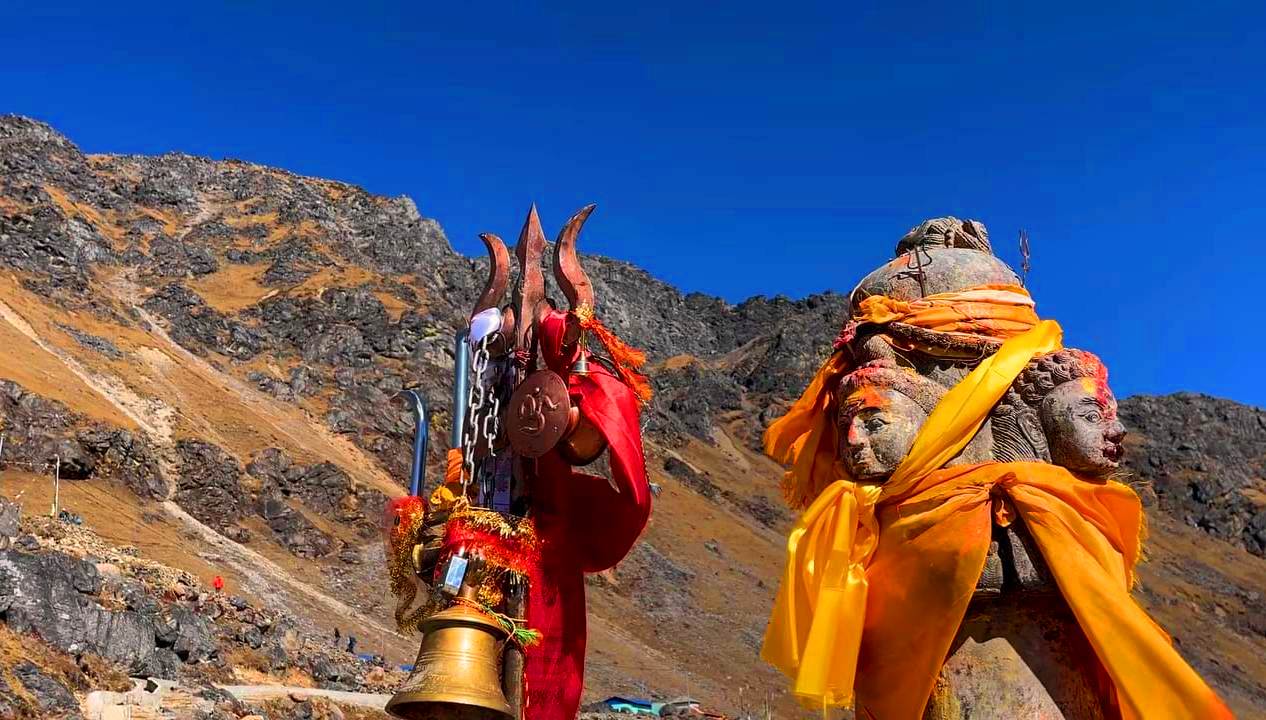
Well-Organized Gosaikunda Trekking with Stunning Himalayan Views
Our Gosaikunda Trekking adventure with Best of Nepal Trek was exceptionally well organized from beginning to end. The guide and porters were friendly, professional and always ready to help. Visiting the sacred Gosaikunda Lake was the highlight of our journey and the breathtaking panoramic mountain views made every step worthwhile. We had a fantastic trip and highly recommend Best of Nepal Trek to anyone planning the Gosaikunda Trek in Nepal.
Anna
,Australia
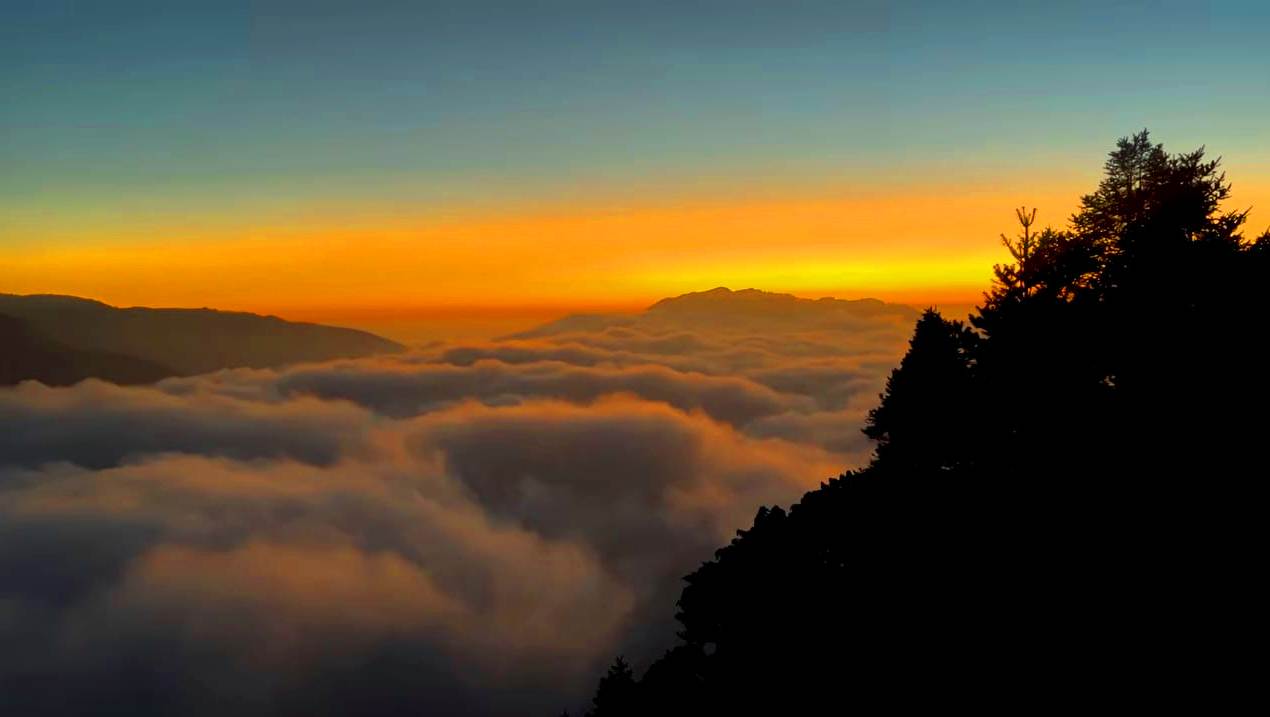
Amazing Gosaikunda Trek Experience
Our Gosaikunda Trek with Best of Nepal Trek was challenging but incredibly rewarding. The stunning Himalayan scenery, peaceful trails and warm hospitality made every moment unforgettable. Our guide, Dipak Sapkota, was knowledgeable, friendly and supportive throughout the trek. Everything was professionally organized, making our adventure safe, enjoyable and truly memorable. We highly recommend Best of Nepal Trek for anyone planning the Gosaikunda Trek in Nepal.
Jennifer,
,Canada
Excellent Kailash Mansarovar Yatra Experience
Our Kailash Mansarovar Yatra with Best of Nepal Trek was exceptionally well organized from start to finish. Communication was smooth and our Guide, Arjun, was friendly, knowledgeable and supportive throughout the journey. We felt safe, well cared for and truly enjoyed this once-in-a-lifetime pilgrimage. I highly recommend Best of Nepal Trek to anyone planning the Kailash Mansarovar Yatra.
Nini
,US
Jungle Safari on Foot in Chitwan
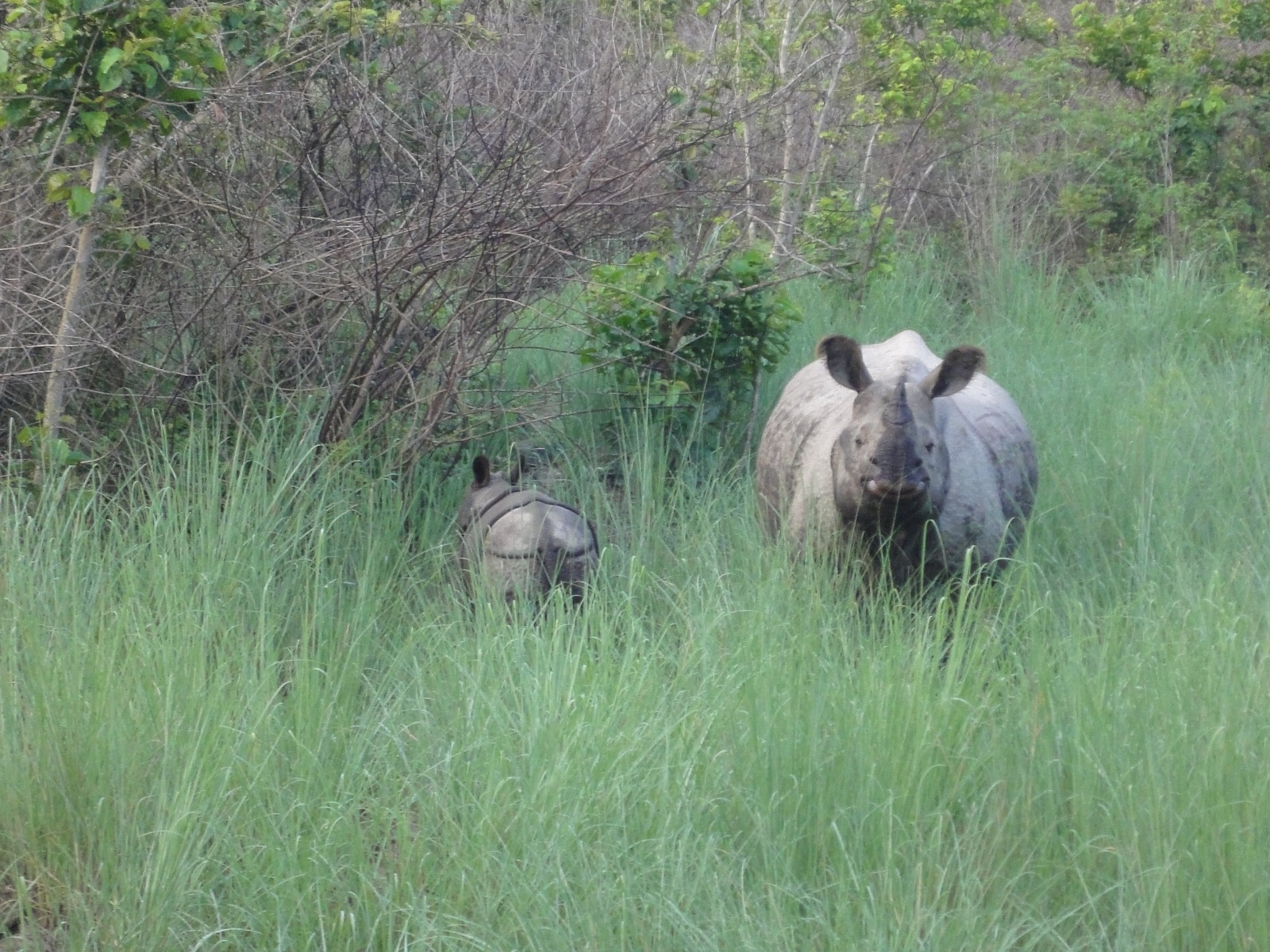
The jungle safari on foot was a really amazing experience. We were lucky to see a mother rhino with her calf, which was truly unforgettable. We also spotted deer and other wildlife along the way.
It was a great adventure in nature and a wonderful way to experience the beauty of the jungle up close.Nina N.
,Australia
Wonderful Jungle Safari Experience
Our Chitwan Jungle Safari Tour with Best Of Nepal Trek was an unforgettable experience. We enjoyed incredible wildlife sightings, including the famous one-horned rhinoceros and had the opportunity to explore the natural beauty of Chitwan National Park.
The guides were knowledgeable and helpful throughout the tour, while the resort staff provided excellent hospitality. The food was delicious and plentiful, making our stay even more enjoyable. Everything was well organized and we highly recommend this tour to anyone looking for a memorable wildlife adventure in Nepal.janet
,US
Chitwan Jungle Safari Tour with Best Of Nepal Trek
My Chitwan Jungle Safari Tour with Best Of Nepal Trek was a fantastic experience. The wildlife sightings, jungle activities and cultural experiences made the trip both exciting and memorable.
Everything was well organized and the team ensured a comfortable and enjoyable journey throughout the tour. I highly recommend Best Of Nepal Trek to anyone looking to explore the natural beauty and wildlife of Chitwan. Thank you for making this adventure so special.Kristen
,United States