Sikles Village Trek
Destination:
Nepal
Trip Duration:
9 Days
Max Altitude:
Parche Viewpoint (2,500m
Activities:
Trekking
Start Point:
Kathmandu
Ending Point:
Kathmandu
Region:
Annapurna
Trip Grade:
Moderate
Group Size:
1-15
Accomodation:
Hotel/Teahouses/Homestay
Meals:
Breakfast, Lunch and Dinner during Trek
Transportation:
Private Vehicle/Tourist Bus
Permits Required:
Annapurna Conservation Area (ACAP) Permit
Best Season:
March, April, May and Sept, Oct, Nov
The Sikles Village Trek is one of the best short trekking adventures in Nepal for travelers looking to explore a less-crowded trail. Located in the beautiful Annapurna region, this trek combines breathtaking mountain scenery, authentic Gurung culture, lush forests and warm local hospitality. It is an ideal choice for nature lovers, photographers, families and anyone seeking a peaceful trekking experience away from the busy routes.
The trek begins from Pokhara, with a scenic drive of around 2 to 3 hours through the picturesque Madi Valley to Ghachok, the starting point of the trek. Sikles Village is located about 33–42 km north of Pokhara in Madi Rural Municipality, Kaski District and approximately 220–230 km west of Kathmandu.
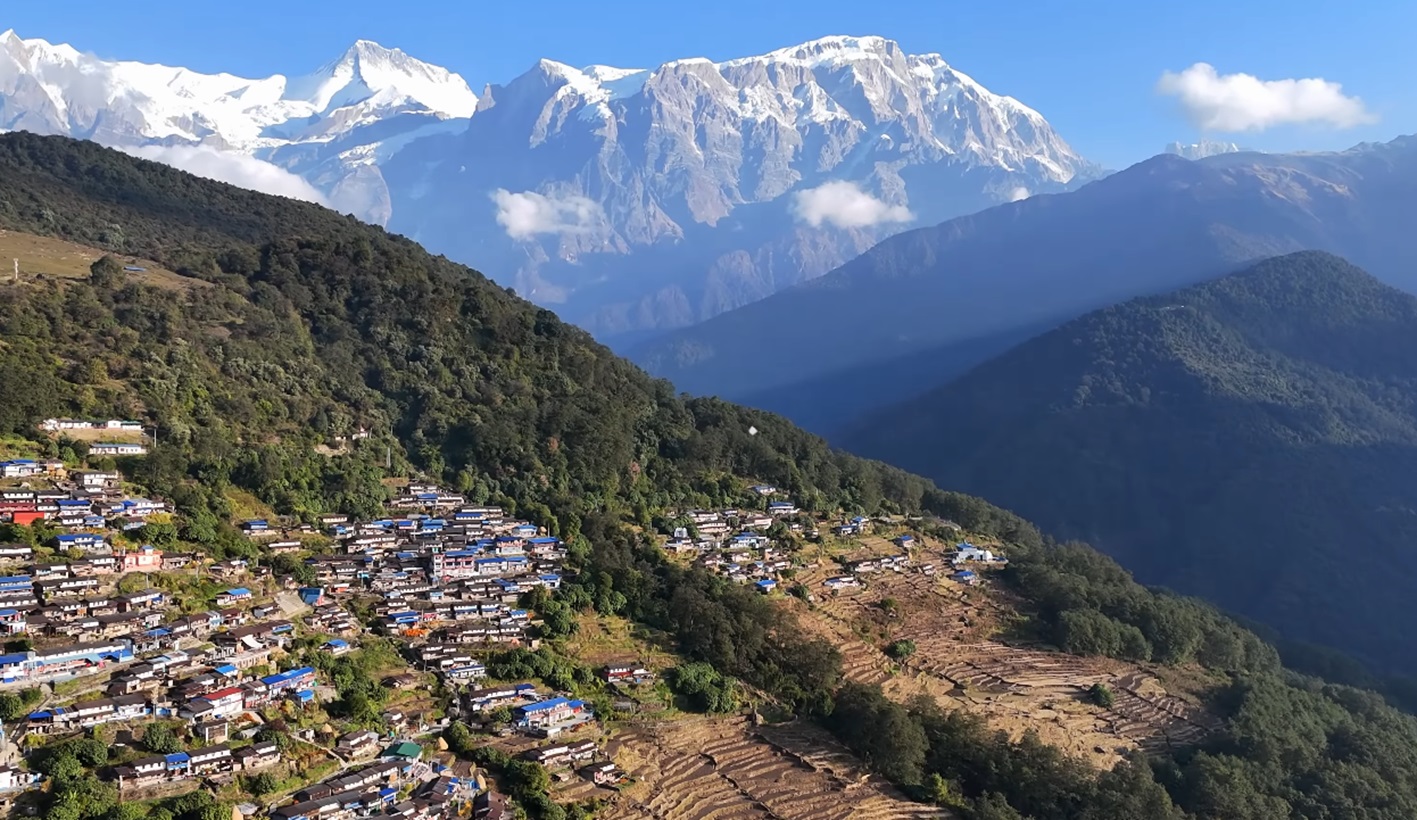
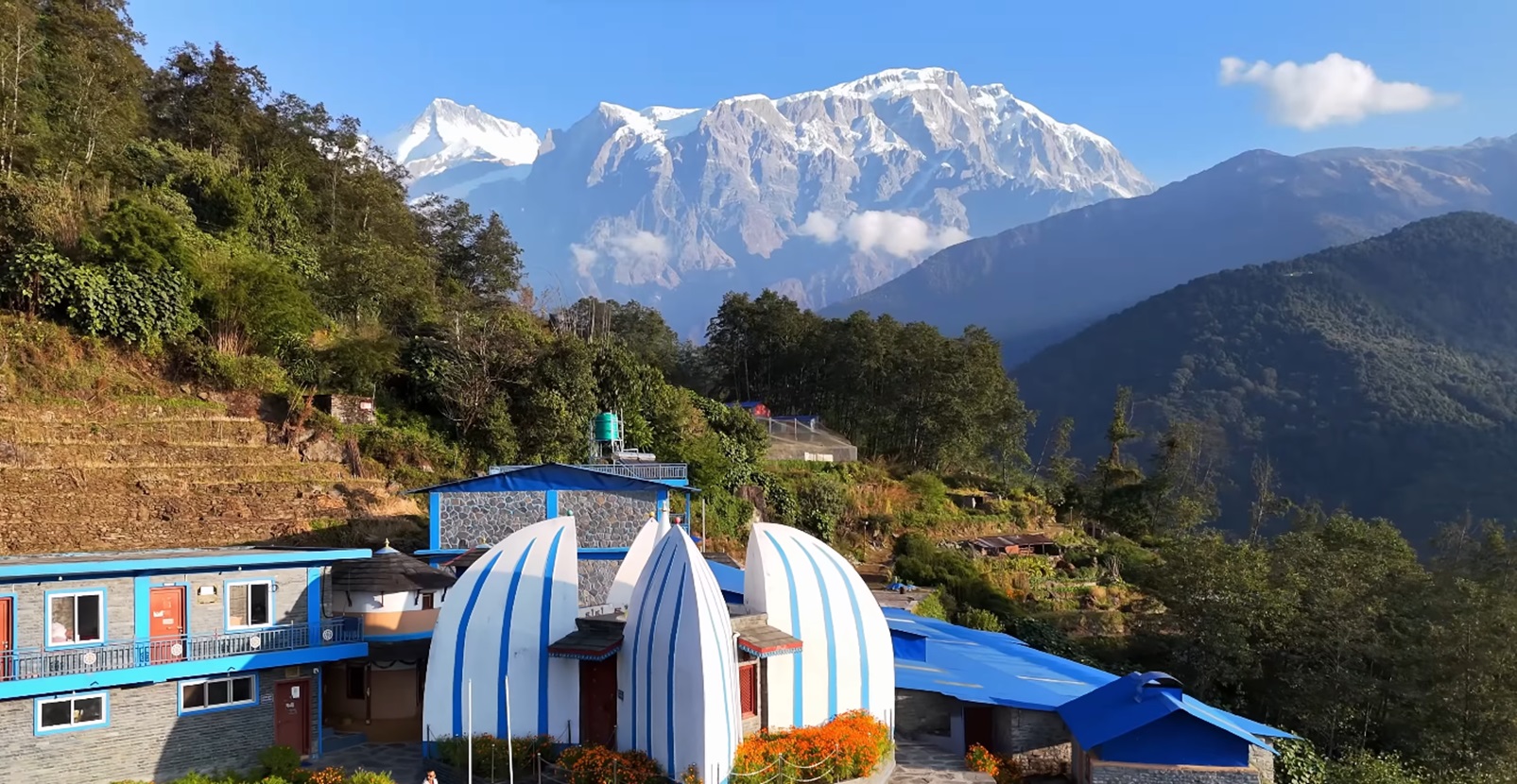
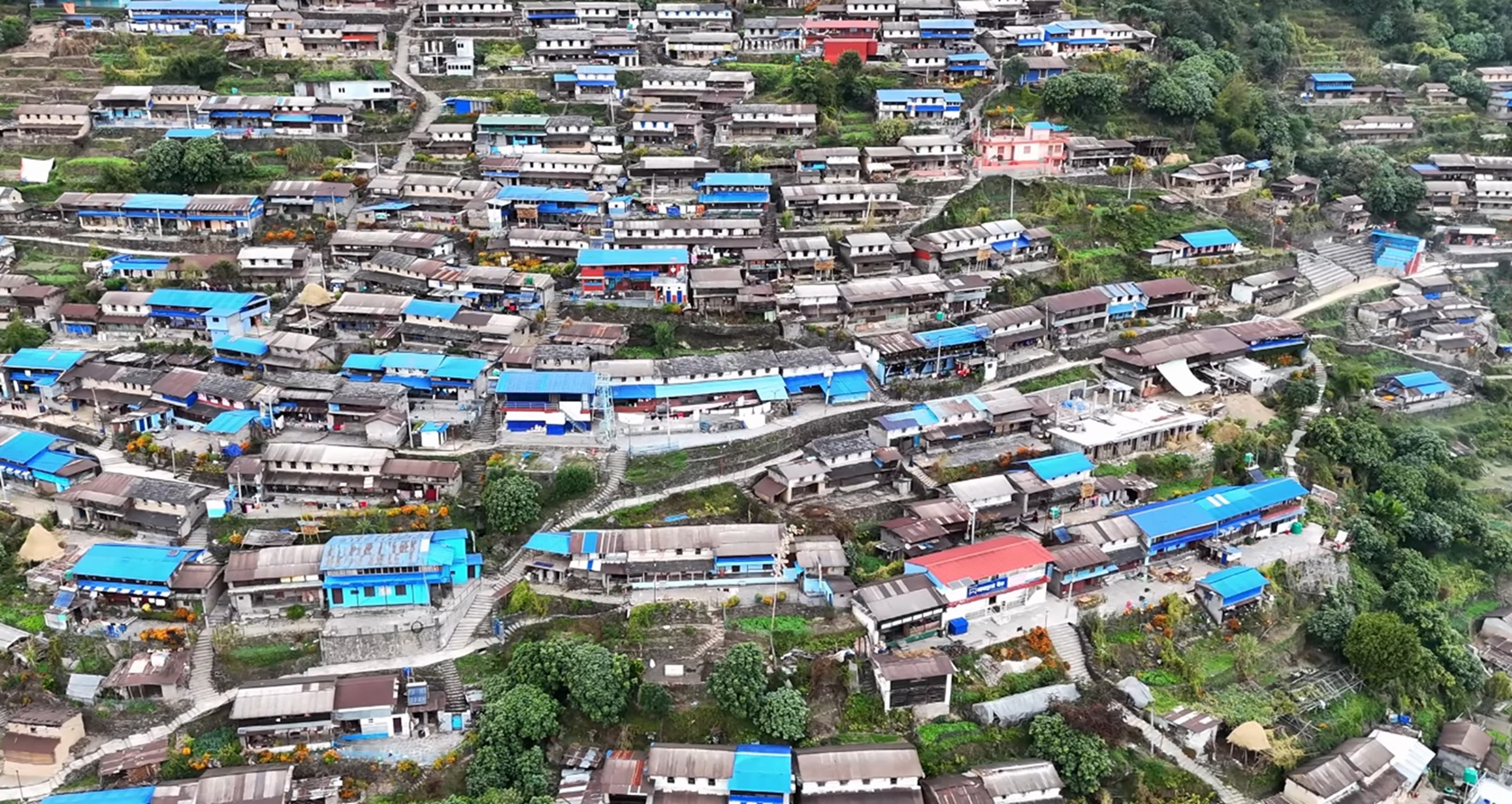
One of the major highlights of this trek is Sikles Village (1,980 m), one of the oldest and largest traditional Gurung settlements in Nepal. The village is well known for its rich cultural heritage, eco-tourism initiatives and the bravery of its legendary Gurkha soldiers. Visitors can stroll through traditional stone houses with slate roofs, visit the local eco-museum, explore the Peace Monument and experience the genuine hospitality of local families through comfortable homestays.
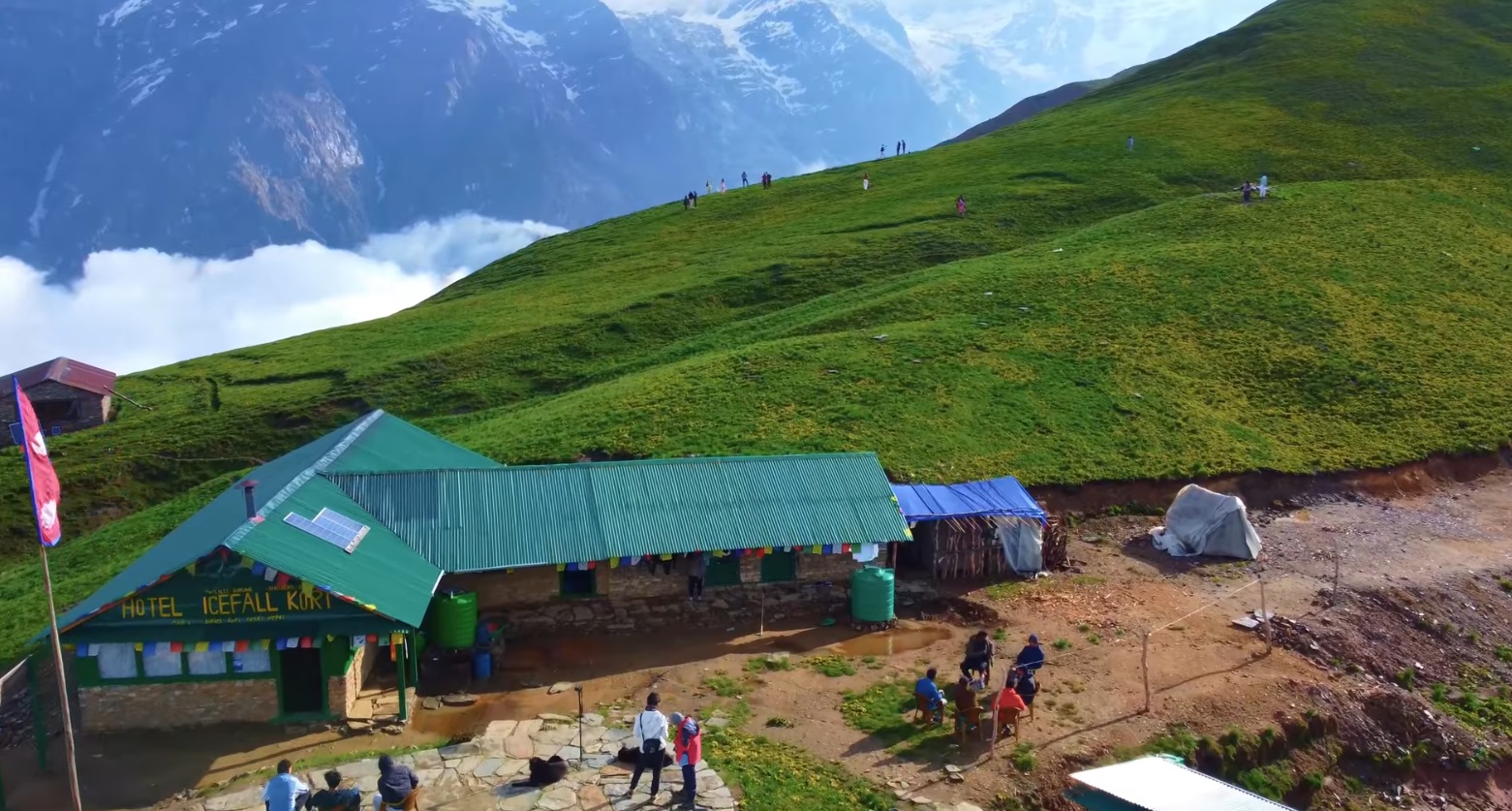
The journey continues towards the stunning Kori Danda (3,800 m), located about 11 km from Sikles Village. This beautiful hilltop offers spectacular panoramic views of the Annapurna and Lamjung Himalayan ranges without the large crowds found on more popular trekking routes. The trail climbs through terraced farmland, dense oak and rhododendron forests, alpine meadows and peaceful mountain landscapes, making every step enjoyable.
The Sikles Trek usually takes 5 to 6 days, depending on your itinerary and walking pace. Although the trek includes a total elevation gain of approximately 2,500 meters, it is considered a moderate trek suitable for beginners with a reasonable level of fitness as well as experienced trekkers seeking a relaxing Himalayan adventure.
Along the route, you’ll pass charming villages such as Tangting, interact with the friendly Gurung and Magar communities and witness their traditional lifestyle, customs, festivals, and local cuisine. The combination of cultural experiences, scenic landscapes and peaceful trails makes this trek one of the hidden gems of the Annapurna region.
If you are looking for a short, quiet and rewarding trekking experience in Nepal, the Sikles Trek is the perfect choice. Enjoy unspoiled natural beauty, discover authentic mountain culture, hike through beautiful forests and admire the magnificent views of the Annapurna Himalayas while staying in welcoming local homestays.
Explore the beauty of Sikles Village, experience authentic Himalayan culture and create unforgettable memories on this hidden treasure of the Annapurna region. Check the detailed itinerary, trip cost and book your Sikles Easy Mountain Trekking today!
Sikles Village Trek Highlights
- Authentic Gurung Cultural Immersion: Experience the traditional lifestyle of the Gurung community in Sikles, one of Nepal’s largest and best-preserved Gurung villages. Stay in community-run homestays, share meals with local families, and witness daily life on a less-commercialized trail.
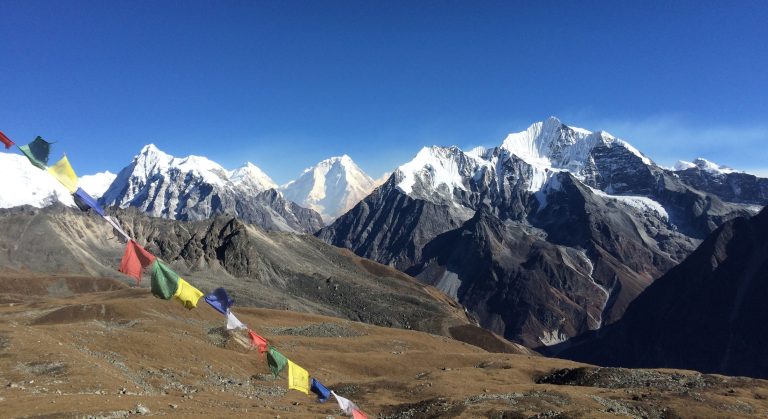
- Stunning Annapurna Panorama without the Crowds: Enjoy uninterrupted, close-up views of the majestic Annapurna range—including Annapurna II, Annapurna IV, and Lamjung Himal—from pristine village viewpoints. This trek offers iconic Himalayan scenery on quieter, less-traveled paths.
- Gentle & Family-Friendly Trekking Route: Perfect for first-time trekkers and adventurous families, this moderate route features manageable daily ascents (max 2,500m) and a gentle pace, focusing on cultural discovery over strenuous climbing.
- Unique Community Homestay Experience: Sleep in traditional stone houses and support sustainable tourism directly. Your stay provides income to local families and offers a genuine, warm insight into Gurung hospitality and customs.
- Scenic Diversity: Forests, Terraces & Rivers: Trek through vibrant rhododendron forests (spectacular in spring), intricate terraced farmland, and alongside river valleys like the Madi Khola, enjoying ever-changing landscapes each day.
- Easy Accessibility from Pokhara: Begin your trek just a short drive from Pokhara, Nepal’s adventure hub. This makes the Sikles Trek a perfect shorter itinerary (5-8 days) that maximizes time on the trail versus in transit.
- Vibrant Village Exploration in Tangting & Sikles: Explore not one but two charming villages. Tangting offers its own unique character and breathtaking sunset mountain views, doubling the cultural encounter on a single trek.
- Optional Adventure to Kapuche Glacial Lake: Extend your exploration with a challenging day hike to Kapuche Lake, one of Nepal’s lowest-altitude glacial lakes. This stunning turquoise lake adds an adventurous highlight for energetic trekkers.
Include
The Sikles Village Trek package includes all the essential services required for a safe, comfortable and memorable trekking experience in the Annapurna region of Nepal. From transportation and accommodation to trekking permits, experienced local guides and support staff, every detail is carefully arranged to ensure a smooth and hassle-free journey. Our package allows you to enjoy the spectacular Himalayan scenery, rich Gurung culture and warm local hospitality with complete peace of mind.
Package Includes:
- All Meals on the Trek: Enjoy hearty, local cuisine with 5 Breakfasts, 5 Lunches, and 4 Dinners during your trekking days to keep you energized.
- Accommodation: A comfortable mix of city and mountain lodging: 2 nights in Kathmandu, 2 nights in Pokhara in budget tourist-standard hotels, and 4 nights in authentic local teahouses/Home stay with shared facilities during the trek.
- All Transportation: Arrival and departure transfers in Kathmandu by private tourist vehicle, comfortable Tourist Bus travel between Kathmandu and Pokhara, and private vehicle transfers to and from the trek's start and end points.
- Expert Local Support: An experienced, English-speaking guide and a porter (typically 1 porter for 2 trekkers) to lead the way and carry your main duffel bag.
- Required Permits & Fees: All necessary trekking permits, including the Annapurna Conservation Area Permit (ACAP) and all government taxes.
Exclude
While the Sikles Village Trek package covers most of the essential trekking services, some personal expenses and optional costs are not included. We recommend carrying some extra cash to cover these additional expenses during your trek.
Package Excludes:
- Travel Insurance (Mandatory): Comprehensive travel insurance is compulsory. Your policy must cover emergency helicopter evacuation, medical expenses, and trekking up to 3,000m. Proof is required before the trek.
- International Flights: Airfare to and from Nepal (Tribhuvan International Airport in Kathmandu).
- Nepal Entry Visa: Visa fees obtained upon arrival in Kathmandu.
- Meals in Cities: Lunches and dinners in Kathmandu and Pokhara.
- Personal Expenses: All beverages (bottled water, soda, alcohol), snacks, hot showers, Wi-Fi charges, battery charging fees, and tips for your guide and porter.
- Additional Costs: Any extra nights or services not mentioned in the itinerary, costs arising from unforeseen events (e.g., flight delays, weather disruptions) and personal trekking gear.
We recommend carrying some extra cash for personal expenses during the Sikles Village Trek, as personal items, drinks, snacks, Wi-Fi, hot showers and tips are not included in the package.
Sikles Village Trek Itinerary
Upon arrival at Tribhuvan International Airport, you’ll be warmly welcomed by our representative and transferred to your hotel. Take the rest of the day to relax or explore the lively streets of Thamel.
Trip Duration:
30 m Drive
Accomodation:
Standard Hotel
Detailed Description: Embark on a memorable 6-7 hour scenic drive from Kathmandu to Pokhara, a journey renowned for its breathtaking landscapes. Travel along the Prithvi Highway, winding alongside the rushing Trishuli River and passing terraced farms, vibrant roadside markets, and traditional hillside villages.
The drive itself is a highlight, offering a window into Nepal’s rural life. On clear days, look north for distant Himalayan glimpses. A popular lunch stop in the riverside town of Malekhu offers a chance to try fresh local fish.
Arrive in Pokhara—Nepal’s stunning lakeside city. The relaxed atmosphere is a welcome contrast to Kathmandu’s bustle. After hotel check-in, the remainder of the day is yours to unwind. Enjoy a leisurely stroll along the shores of Phewa Lake, visit the World Peace Pagoda (optional boat ride + hike), or explore the local markets to pick up any last-minute trekking supplies.
This evening, your guide will conduct a final briefing, ensuring you are fully prepared for the adventure ahead. Overnight in your Pokhara hotel, resting well before the trek begins.
Trip Duration:
Drive 6-7 hour
Accomodation:
Standard Hotel
Meals:
Breakfast
Detailed Description: Your adventure truly begins today. After an early breakfast, a short, scenic 1-hour drive (approx. 25 km) takes you north from Pokhara’s lakeside to the trek’s official starting point, typically near Bijayapur Khola or Hyangja.
Here, you’ll meet your porter team, adjust your packs, and take your first steps on the trail. The path leads you through a vibrant landscape of lush, terraced farmland and small, traditional villages. This initial ascent is steady and manageable, offering a perfect gentle introduction to Himalayan trekking.
As you climb, the views begin to open up. After approximately 4-5 hours, you’ll arrive at the serene ridge-top settlement of Kalikasthan (also known locally as Yanjakot). This peaceful village offers your first rewarding glimpse of the distant Annapurna and Lamjung Himalayan ranges. Settle into your basic but welcoming teahouse, enjoy the warm hospitality, and savor the quiet mountain atmosphere. This evening provides a perfect introduction to the rhythm of trekking life. Overnight in Kalikasthan.
Trip Duration:
4-5 hours
Accomodation:
Normal Teahouse/Homestay
Meals:
Breakfast, Lunch & Dinner
Detailed Description: Today’s trek deepens your immersion into the natural and cultural beauty of the Annapurna foothills. The trail winds through beautiful, shaded forests of oak and vibrant rhododendron (spectacular if trekking in spring). As you ascend, the forest clears intermittently, rewarding you with your first spectacular, unobstructed glimpses of the snow-capped Annapurna massif and the sharp peak of Lamjung Himal.
The path involves a descent to cross a refreshing river before the final, invigorating climb to your destination: Tangting. This authentic Gurung village is a maze of closely packed stone houses with slate roofs, clinging to the steep hillside. Upon arrival, explore the narrow lanes, observe daily life, and visit the local monastery. The sunset view from the village ridge, with the Himalayas glowing in the evening light, is truly exceptional and not to be missed. You’ll spend the night in a community homestay or teahouse, enjoying genuine Gurung hospitality.
Trip Duration:
4-5 hours.
Accomodation:
Normal Teahouse/Homestay
Meals:
Breakfast, Lunch & Dinner
Today’s trek is a true highlight, offering a relatively short and incredibly scenic walk along the contour of the hillside. The trail provides continuous, breathtaking panoramic views of the entire Annapurna range laid out before you. With every step, the perspective on peaks like Annapurna II and Lamjung Himal shifts beautifully.
After a pleasant 3-4 hour walk, you’ll arrive at the crown jewel of the trek: Sikles. This is one of the largest, most iconic, and well-preserved Gurung villages in Nepal, renowned as a pioneering model for community-based tourism. You will be warmly welcomed into a traditional Gurung homestay, your home for the next two nights.
The afternoon is yours to explore. Wander the clean, stone-paved streets lined with slate-roofed houses, visit the local Buddhist monastery (Gompa), and observe traditional daily life. The sense of community and timeless culture is palpable. The unobstructed, panoramic vista of Annapurna II (7,937m), Annapurna IV, and Lamjung Himal from the village is simply unforgettable and offers phenomenal photography opportunities throughout the day.
Trip Duration:
3-4 hours.
Accomodation:
Traditional Gurung homestay.
Meals:
Breakfast, Lunch & Dinner
This is a vital and flexible day designed for active acclimatization and deeper cultural immersion. With no scheduled travel, you can choose your own adventure based on your energy and interests. Sikles serves as the perfect hub for exploration.
You’re Options for the Day:
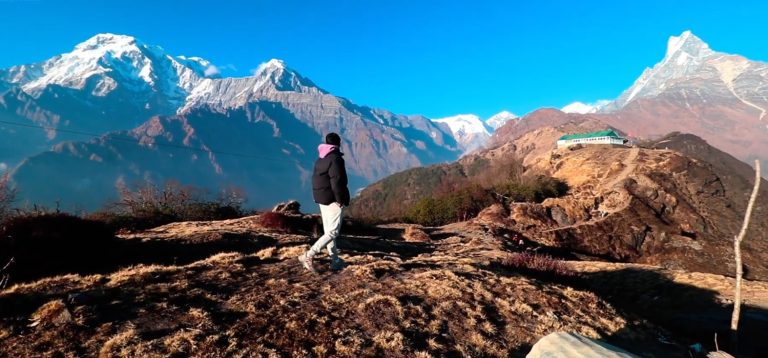
- Hike to Parche Viewpoint (2,500m):The most popular choice. Embark on a steady 2-3 hour climb through forests to this spectacular viewpoint. Your effort is rewarded with even more dramatic, close-up panoramas of the Annapurna range and a breathtaking bird’s-eye view of Sikles village nestled in the landscape below. Return to Sikles by lunchtime.
- Full-Day Trek to Kapuche Lake (2,546m):For the more adventurous, this is a challenging but unforgettable 6-8 hour round-trip journey. Kapuche is a stunning, turquoise glacial lake, remarkable for being one of the lowest-altitude lakes of its kind in Nepal. This option requires an early start, good stamina, and proper footwear, as the trail is steeper and rougher.
- Village Immersion & Relaxation:Opt for a leisurely day absorbing Gurung culture. You can participate in a traditional cooking demonstration, observe hand-loom weaving, visit the school, or simply find a quiet spot to journal and soak in the majestic views. In the evening, your homestay family may arrange a casual cultural performance of Gurung song and dance upon request.
Overnight again in your Sikles homestay, sharing stories of the day’s discoveries.
Accomodation:
Traditional Gurung homestay.
Meals:
Breakfast, Lunch & Dinner
Savor a final hearty breakfast in your Sikles homestay, bidding farewell to the village and your hosts. Today’s journey involves a steady 3-4 hour descent through the same beautiful terraced fields and forests you ascended days before, offering a familiar yet different perspective as you make your way down to the road head at Bhurjung Khola or Syang.
Here, a private vehicle will be waiting. The scenic 2-3 hour drive back to Pokhara marks your transition from the remote mountain trails to the comforts of the city. Upon arrival in Pokhara, check into your hotel and enjoy the unparalleled luxury of a hot shower.
The remainder of the day is yours to celebrate your accomplishment. Take a well-deserved relaxing stroll along Phewa Lake, enjoy a cold drink at a lakeside café, share stories with your trekking team over a farewell dinner, or simply rest. Reflect on the incredible cultural immersion and mountain vistas of the past week.
Trip Duration:
3-4 hours
Accomodation:
Standard Hotel
Meals:
Breakfast & Lunch
Your unforgettable Sikles Trek concludes with a journey back to the capital. After a final breakfast in Pokhara, you will travel back to Kathmandu. We offer two excellent travel options to suit your preference for scenery, comfort, and time.
Option 1: Scenic Drive by Tourist Coach (Standard Inclusions)
Embark on a comfortable, air-conditioned tourist coach for a 6-7 hour scenic drive along the famous Prithvi Highway. This overland journey is a fantastic opportunity to enjoy a last look at Nepal’s diverse landscapes—winding river valleys, lush terraced hillsides, and vibrant roadside towns. A lunch stop is included en route. You will arrive in Kathmandu by mid-to-late afternoon.
Option 2: Spectacular Mountain Flight (Highly Recommended Upgrade)
For an unforgettable finale and to maximize your time, opt for a breathtaking 25-minute domestic flight (available at an additional cost). On a clear day, this flight offers jaw-dropping, up-close aerial views of the majestic Annapurna, Manaslu, and Langtang Himalayan ranges. This epic perspective is often cited as a trip highlight, providing a unique and majestic end to your Himalayan adventure.
Upon arrival in Kathmandu, you will be transferred to your hotel in the bustling Thamel district. Enjoy some well-earned free time for last-minute souvenir shopping in Thamel’s vibrant markets, where you can find handicrafts, pashmina shawls, and other local treasures.
Trip Duration:
6-7 Hours
Accomodation:
Standard Hotel
Meals:
Breakfast
Your Nepal adventure comes to a close. After breakfast at your hotel, enjoy some final moments of relaxation or make any last-minute purchases. At the designated time, you will be transferred to Tribhuvan International Airport (KTM) for your international departure flight, typically three hours before your scheduled departure.
We wish you a safe journey home, carrying with you lasting memories of the stunning Annapurna vistas, the rich Gurung culture of Sikles village, and the warm hospitality of Nepal.
Trip Duration:
30 m Drive
Meals:
Breakfast
Sikles Village Trek: Complete Trekking Equipment List
Packing correctly is crucial for comfort and safety on your Sikles Village Trek. This list is tailored for the trek’s moderate conditions, cultural homestays, and variable mountain weather. Prioritize quality, layering, and weight.
Footwear: You’re Most Critical Gear
- Trekking Boots: Well-broken-in, waterproof, ankle-supporting boots. Do not bring new boots.
- Camp Shoes: Lightweight sandals or down booties for evenings at teahouses.
- Trekking Socks: 3-4 pairs of merino wool or synthetic blend socks.
Clothing: Layering System (Moisture-Wicking, Warm, Waterproof)
- Base Layers (Top & Bottom): 1-2 sets of synthetic or merino wool.
- Mid Layers: 1-2 fleece jackets or pullovers. A lightweight insulated/down jacket for cool mornings and evenings.
- Outer Shell: A waterproof and windproof jacket (Gore-Tex or equivalent). Waterproof over-trousers/pants.
- Trekking Pants: 2 pairs of quick-dry, convertible pants are ideal.
- Tops: 2-3 quick-dry t-shirts or long-sleeve shirts.
- Headwear: Warm beanie/hat, sun hat or cap, and a buff or neck gaiter.
- Hand wear: Lightweight liner gloves and warmer insulated gloves.
Backpack & Luggage
- Main Duffel Bag:A 60-80L duffel for porters to carry (weight limit is typically 10-15kg). Ensure it has a sturdy lock.
- Daypack:A 20-30L backpack for you to carry daily essentials (water, layers, camera, snacks).
- Waterproof Covers:Rain covers for both your duffel and daypack.
Trekking & Safety Gear
- Trekking Poles: Highly recommended for ascents and descents (collapsible).
- Headlamp: With extra batteries (essential for early mornings and power outages).
- Sunglasses: UV-protection sunglasses. Consider glacier glasses for high light reflection.
- Water Bottles/System: Two 1-liter reusable water bottles or a 2-liter hydration bladder plus a purification method (tablets/filter).
- First Aid Kit: Personal medications, blister plasters (Compeed), antiseptic, diarrhea tablets, painkillers.
Health & Hygiene: Sikles Village Trek
- Sun Protection: High-SPF sunscreen (50+) and lip balm with SPF.
- Hand Sanitizer & Wet Wipes: Crucial where washing facilities are basic.
- Quick-Dry Towel: Small, packable microfiber towel.
- Toiletries: Toothbrush, biodegradable soap, etc. (keep it minimal).
- Toilet Paper: Carry a roll in a zip-lock bag; disposal bins are rare.
Documents & Electronics
- Documents: Passport, passport copies, extra passport photos, insurance documents, permit copies, emergency contact info.
- Money: Sufficient Nepali Rupees in small denominations (for tips, snacks, water). Keep in a waterproof pouch.
- Power Bank: Minimum 10,000mAh (20,000mAh recommended) for charging phones/cameras. Charging is limited and paid.
- Camera & Accessories: With extra memory cards and batteries.
- Adapters: Nepal uses Type C/D/M plugs (230V). A universal adapter is useful.
Optional But Recommended
- Sleeping Bag: A good 3-season bag (comfort rating around -5°C to 0°C) is recommended for warmth and hygiene, even though blankets are provided.
- Sleeping Bag Liner: Silk or cotton for extra warmth and cleanliness.
- Ear Plugs & Eye Mask: For light sleepers in shared teahouses.
- Entertainment: Paperback, cards, journal.
- Snacks: Energy bars, nuts, chocolate from Pokhara to supplement teahouse food.
Cultural & Practical Considerations
- Modest Clothing: For village visits, avoid very short shorts or sleeveless tops out of respect.
- Gifts: Small, useful gifts for homestay families (e.g., school supplies for children, kitchen tools) are a kind gesture, not required.
- Packing Cubes/Dry Bags: To organize gear and keep everything dry.
Pro Packing Tip: Use the layering system for clothing. Pack your daypack as if you won’t see your duffel bag until evening (carry all essentials: water, layers, rain gear, snacks, first aid). Test your gear, especially boots, before the trek. Finally, pack light—you’ll appreciate it on the trail.
Sikles Village Trek FAQs
The Sikles Trek is rated moderate. It involves 4-6 hours of daily walking on well-defined trails with steady ascents and descents. Its maximum altitude is only about 2,500m, making it an excellent choice for first-time trekkers, families, and those seeking a gentler Himalayan experience.
The standard trek duration is 5 to 8 days, depending on the specific itinerary and side trips (like Kapuche Lake). This includes travel days to and from Pokhara.
While not legally mandatory, a guide is highly recommended. A local guide ensures safe navigation, facilitates deep cultural interaction in Gurung villages, handles logistics, and provides emergency support, greatly enhancing the experience and safety.
You need the Annapurna Conservation Area Permit (ACAP), which costs approximately USD $25. Your trekking agency will typically obtain this for you. A TIMS card is generally not required for this route, but always verify the latest regulations.
The best seasons are Spring (March to May) for rhododendron blooms and Autumn (late September to November) for clear mountain views. Winter (December-February) is cold but possible, while Monsoon (June-August) is wet and challenging.
You will stay in a mix of basic teahouses and authentic Gurung homestays. Rooms are simple, usually with twin beds and shared toilet facilities. Homestays are the highlight, offering a genuine cultural immersion.
The risk is very low. The highest sleeping point is Sikles at 2,000m, with optional day hikes reaching 2,500m. The gradual ascent and built-in acclimatization day make it one of the safest treks in Nepal regarding altitude.
Do not drink untreated water. You can purchase boiled or filtered water at teahouses (for a fee) or use your own water purification method (tablets/filter). Carrying a reusable bottle is essential.
Connectivity is very limited and unreliable. You may find intermittent mobile data (Ncell/Ntc) in some village areas, but Wi-Fi is rare and slow. Prepare to be offline and download essentials beforehand.
Sikles is renowned for its authentic cultural focus over commercial trekking. It offers deep immersion in Gurung community life through homestays, with fewer crowds and spectacular mountain views from a lower, more comfortable altitude.
Essentials include: sturdy hiking boots, layered clothing (thermal, fleece, waterproof jacket), a warm sleeping bag, sun protection, a headlamp, a reusable water bottle, a power bank, and personal toiletries. A detailed packing list is recommended.
Yes, it is mandatory. Your policy must cover emergency helicopter evacuation and medical expenses for trekking up to at least 3,000m. Always carry proof of your insurance.
Sikles Village Trek Good To Know
Reaching the scenic and cultural trailhead of the Sikles Village Trek is straightforward, with Pokhara serving as the essential gateway. Here is a complete breakdown of the travel logistics.
Step 1: Arrive in Nepal and Get to Pokhara
- Your international flight will land at Tribhuvan International Airport (KTM) in Kathmandu. From Kathmandu, you must travel to Pokhara, the starting city for the trek. You have two main options:
- By Flight (Recommended for Efficiency): A 25-minute domestic flight offers stunning mountain views on a clear day. It’s the fastest but most weather-dependent option. Book in advance during peak seasons (Spring & Autumn).
- By Tourist Bus (Recommended for Budget & Scenery): A 6-7 hour scenic drive by comfortable tourist coach along the Prithvi Highway. It’s cost-effective and a great way to see Nepal’s countryside.
Step 2: Travel from Pokhara to the Trek Start Point
From your hotel in Pokhara, you will take a private vehicle or local jeep for a 1.5 to 2-hour drive north to the official trailhead. Common starting villages are:
- Bijayapur Khola
- Hyangja
- Syang (if following a slightly different route)
Sikles is the perfect choice for trekkers seeking an authentic cultural encounter and breathtaking mountain scenery, far from the crowded main trails. It offers a unique blend that is increasingly rare in the Annapurna region.
Here’s why you should choose Sikles for your next adventure:
For Authentic Culture: Immerse yourself in the daily life of the Gurung community. This isn’t a cultural show; it’s a chance to live it through community-run homestays, traditional meals, and genuine interaction.
For Tranquility & Escape: Experience the peace of the Nepali hills on a trail with significantly fewer trekkers than the classic routes to ABC or Poon Hill. Find solitude and connection.
For Unspoiled Mountain Views: Enjoy stunning, panoramic views of the Annapurna II, IV, and Lamjung Himal ranges from pristine village viewpoints, without the crowds.
For a Gentler Adventure: With a moderate difficulty level and a maximum altitude of around 2,500m, it’s an achievable and rewarding trek ideal for first-timers, families, and those preferring a slower pace.
For Sustainable Travel: Your visit directly supports community-based tourism. Staying in village homestays ensures you’re spending benefits local families and helps preserve traditional culture.
In short, visit Sikles if you want more than just a hike. Choose it for a meaningful journey into the heart of Himalayan culture, paired with majestic landscapes and the warm hospitality of the Gurung people. It’s the authentic Nepal you’ve been imagining.
The Sikles Village Trek is situated in the heart of Nepal’s famed Annapurna region, within the Kaski District of Gandaki Province. This accessible and culturally rich trek begins just north of the city of Pokhara, Nepal’s premier lakeside tourist hub.
The journey starts with a short 1-2 hour drive from Pokhara to the trailhead. The destination, Sikles Village itself, is perched on a steep mountainside at an altitude of approximately 2,000 meters (6,560 feet), high above the Modi Khola Valley. Its strategic location provides unparalleled panoramic views directly facing the majestic peaks of Annapurna II (7,937m), Annapurna IV, and Lamjung Himal.
This mid-hill positioning is a key advantage. Trekkers enjoy breathtaking high-mountain scenery and authentic Gurung cultural immersion without the challenges of extremely high altitude. Its proximity to Pokhara makes it a logistically straightforward and perfect shorter trek (typically 5-8 days), ideal for those with limited time or seeking a gentler Himalayan experience away from the busier trails of the Annapurna Sanctuary. In essence, Sikles offers a spectacular and sustainable cultural encounter in the very foothills of the world’s most iconic mountains.
The best time for the Sikles Village Trek is during the pre-monsoon (Spring) and post-monsoon (Autumn) seasons. These periods offer stable weather, clear skies, and comfortable temperatures, creating ideal trekking conditions to fully enjoy the cultural and scenic highlights.
Top Seasons
- Spring (March to May):This is considered one of the absolute best times. The hillsides come alive with vibrant rhododendron blooms, temperatures are pleasant, and the mountain views are exceptionally clear. Days are warm, with nights still cool at higher elevations.
- Autumn (Late September to November):The most popular and reliable season. Following the monsoon, the air is crystal clear, providing stunning panoramic views of the Annapurna range. The weather is stable, dry, and sunny, with cool, crisp days.
Other Seasons & Considerations
Monsoon (June to August): Trekking is challenging due to heavy rainfall, leeches, slippery trails, and persistent cloud cover that obscures mountain views. However, the landscape is intensely green and lush.
- Winter (December to February):Possible for trekking, but be prepared for cold temperatures, especially at night. Days can be sunny and clear, but snow may block higher passes or trails like the route to Kapuche Lake. It’s very quiet and peaceful.
Verdict: For the optimal combination of clear Himalayan vistas, comfortable trekking, and vibrant nature, plan your Sikles trek for March-May or late September-November. These windows ensure you experience the trek’s full cultural and scenic potential with minimal weather disruptions.
To trek to Sikles, you need only one mandatory permit, as the route lies within a protected conservation area. Obtaining it is straightforward, especially if you book through a registered agency.
- Annapurna Conservation Area Permit (ACAP)
- Purpose: This is the mandatory permit for entering the Annapurna Conservation Area, which covers the entire Sikles trekking route. The fee contributes directly to conservation projects and sustainable tourism in the region.
- Cost: NPR 3,000 per person (approximately USD $25) for non-SAARC foreign nationals.
- Where to Get It: The permit can be issued at the Annapurna Conservation Area Project (ACAP) offices in either Kathmandu or Pokhara. Most reputable trekking agencies will obtain this on your behalf when you provide your passport details and two passport-sized photos.
- Trekkers’ Information Management System (TIMS) Card
- Status:Officially, a TIMS Card is not required for the Sikles Village Trek as of recent regulations. However, some checkpoints or older sources may still list it. It is highly advisable to confirm the latest requirements with your trekking agency or the Nepal Tourism Board before departure.
- If Required:If requested, your agency will handle its issuance. The cost is approximately USD $20.
Pro Tip: The simplest way to handle permits is to book your trek with a licensed local trekking agency. They will manage all paperwork, ensure you have the correct documents, and often include the permit costs in your package price, saving you time and hassle. Always carry multiple passport copies and passport-sized photos for the permit process.
The Sikles Village Trek is a journey into the living heritage of the Gurung people, an indigenous community with a profound history woven into the Himalayan landscape. Originally migrating from Tibet over a millennium ago, the Gurungs established fortified hill settlements like Sikles, thriving on trans-Himalayan trade, pastoralism, and their renowned martial tradition, which led to iconic service in Gurkha regiments.
Walking through Sikles is a cultural immersion. The village architecture of stone houses with slate roofs and clustered layouts speaks to a deeply communal society. Gurung culture is a unique fusion of Tibetan Buddhism and ancient animistic shamanism, overseen by both lamas and dhāmī (healer-shamans). This rich spirituality animates vibrant festivals like Lhosar.
Today, Sikles is a celebrated model for community-based tourism. Your visit directly supports sustainable cultural preservation. Staying in a family homestay, you’ll witness daily rhythms of weaving and farming, and may experience traditional Sorathi dances. This trek offers more than mountain views; it’s a meaningful connection with the resilient heart of Nepal’s hill culture, where ancient traditions are actively lived and shared.
The Sikles Village Trek offers a rich natural tapestry as it winds through the protected Annapurna Conservation Area Project (ACAP). The trail’s varied elevation creates distinct ecological zones, making the trek a rewarding experience for nature lovers.
Flora: A Walk through Blooming Forests
The lower slopes are covered in subtropical broadleaf forests. As you ascend, the landscape transforms into magnificent temperate oak and rhododendron forests. The trek is particularly famous for its vibrant rhododendron blooms in spring (March-April), when the hillsides erupt in shades of red, pink, and white. Higher up, you’ll pass through stands of Himalayan pine, hemlock, and fir, with lush undergrowth of ferns, mosses, and wildflowers.
Fauna: Glimpses of Himalayan Wildlife
While wildlife sightings require patience and luck, the region is a habitat for several species. Commonly spotted mammals include the Himalayan langur (grey langur), muntjac (barking deer), and various squirrels. The dense forests are also home to more elusive animals like the Himalayan black bear, leopard, and the endangered Assamese macaque. Birdwatchers can delight in spotting colorful species such as the Himalayan monal (Danphe, Nepal’s national bird), kalij pheasants, red-billed blue magpies, and numerous woodpeckers and warblers.
A Note on Responsible Trekking:
The area’s biodiversity is protected. Trekkers are urged to stay on marked trails, avoid disturbing wildlife, and follow the principles of Leave No Trace to help preserve this fragile ecosystem for future generations. Your visit, by contributing to the ACAP permit fee, directly supports these conservation efforts.
The weather on the Sikles Village Trek varies significantly with the seasons, influencing trail conditions, visibility, and the overall experience. Situated at a moderate altitude (1,200m – 2,500m), the climate is generally temperate, but preparation is key.
Best Seasons (Stable and Clear)
Spring (March to May): The optimal time for many. Days are warm (15°C to 25°C / 59°F to 77°F) with brilliant sunshine, while nights are cool. This season is famous for vibrant rhododendron blooms covering the hillsides. Mountain views are excellent, with minimal rain.
Autumn (Late September to November): The most popular season. Post-monsoon skies are crystal clear, offering unobstructed panoramic views of the Himalayas. Days are pleasantly cool to warm (10°C to 22°C / 50°F to 72°F), with cold, crisp nights. Weather is extremely stable and dry.
Challenging Seasons (Require More Preparation)
Monsoon (June to August): Characterized by heavy rainfall, making trails slippery and leeches prevalent. Clouds and fog often obscure mountain views. However, the landscape is intensely lush and green. Trekking is possible with full rain gear and resilience.
Winter (December to February): Days can be sunny and clear (5°C to 15°C / 41°F to 59°F), but temperatures drop sharply below freezing at night. Snow may dust the higher trails and villages. It’s a peaceful time for trekking but requires serious cold-weather gear.
Microclimates & Quick Changes:
Mountain weather is notoriously unpredictable. It’s common to experience sun, cloud, and wind all in one day. The trek’s route crosses valleys and ridges, creating microclimates—layered clothing is essential regardless of the season.
Fortunately, the risk of Acute Mountain Sickness (AMS) on the Sikles Village Trek is very low due to its moderate altitude, with the highest sleeping point at just 2,000m in Sikles and optional day hikes reaching a maximum of ~2,500m. However, sensible precautions are still essential for comfort and safety.
Key Prevention Strategies:
- Stay Hydrated: Drink 3-4 liters of water daily. Proper hydration is your single most effective tool for acclimatization. Avoid alcohol and caffeine, as they contribute to dehydration.
- Use the “Climb High, Sleep Low” Principle: The acclimatization day in Sikles is perfect for this. Hike up to Parche Viewpoint (2,500m) during the day, then descend back to sleep at Sikles (2,000m). This helps your body adapt without stress.
- Maintain a Slow, Steady Pace: Walk slowly from the very first day. There is no rush. Let your body set the rhythm.
- Listen to Your Body & Know the Symptoms: Be aware of early signs: headache, loss of appetite, nausea, dizziness, or unusual fatigue. Inform your guide immediately if you experience any symptoms—do not try to “tough it out.”
- Eat a Carbohydrate-Rich Diet: Even if your appetite decreases, try to eat regularly. Foods like pasta, rice, and potatoes provide sustained energy that aids acclimatization.
What Makes Sikles Particularly Safe
- Low Maximum Altitude:The trek does not enter the high-altitude zone (above 3,000m) where AMS is common.
- Built-in Rest Day:The schedule includes a mandatory exploration day in Sikles, which is an active rest day crucial for acclimatization.
- Easy Descent Option:If symptoms (very unlikely) were to occur, you can descend to a lower altitude rapidly, as the road head is only a few hours’ walk away.
Yes, the Sikles Village Trek is absolutely an adventure trip, but it redefines the term to focus on cultural immersion and accessible exploration rather than extreme physical challenge.
It is an adventure in the truest sense: a journey into the less-traveled corners of the Annapurna region, where the primary rewards are authentic encounters and stunning natural beauty.
Here’s what makes it an adventurous experience:
- Adventure of Discovery: It’s an adventure in cultural exploration. Living in a traditional Gurung homestay, sharing meals with a local family, and learning about ancient customs is a profound and adventurous departure from ordinary tourism.
- Scenic Adventure: The trek presents a constantly changing landscape—from lush rhododendron forests and terraced farms to high ridges with panoramic Himalayan views of Annapurna II and Lamjung Himal. Each turn offers a new vista.
- Off-the-Beaten-Path Adventure: You walk quieter, village-to-village trails far from the crowded tea-house circuits. This sense of remoteness and tranquility is a cherished adventure in itself.
- Gentle Physical Adventure: With daily hikes of 4-6 hours and a maximum altitude of around 2,500 meters, it’s a moderate physical adventure. It’s achievable for most people with a reasonable fitness level, making the Himalayan adventure dream accessible to more travelers, including adventurous families.
In summary: If your definition of adventure includes immersing yourself in a new culture, hiking through beautiful and remote landscapes, and stepping out of your comfort zone without requiring technical climbing skills or enduring extreme altitudes, then the Sikles Village Trek is a perfect and rewarding adventure trip. It’s the adventure of connection and discovery.
The Sikles Village Trek is considered a very safe trekking route for travelers of average fitness who take standard precautions. Its safety profile is one of its major advantages, especially for families and first-time trekkers in Nepal.
Key Factors Contributing to its Safety
- Moderate Altitude: With a maximum elevation of around 2,500 meters (8,200 ft) at Parche Viewpoint, the risk of Acute Mountain Sickness (AMS) is very low compared to high-altitude treks. The itinerary includes a built-in acclimatization day.
- Well-Established Trail: The route follows well-defined, centuries-old village paths. While some sections are steep, the trails are not exposed or technically challenging.
- Proximity to Help: The trek is within the Annapurna Conservation Area, and villages like Sikles and Tangting are permanent settlements with communication options. The road head is never more than a day’s walk away.
- Community Presence: As a community-based tourism model, you are trekking within a lived-in cultural landscape. Locals are familiar with trekkers and are generally very helpful.
Primary Considerations & How to Mitigate Risk:
General Trekking Safety: The main risks are common to all hiking: slips, twists, or weather changes. Mitigation: Use proper trekking shoes/poles, pack layers (including rain gear), follow your guide, and have travel insurance that covers trekking and helicopter evacuation.
Health & Hygiene: Stick to cooked food, drink purified or boiled water, and carry a basic personal first-aid kit. Mitigation: Use a reliable trekking agency that enforces strict hygiene in teahouses/homestays.
Cultural Respect: Safety also means respectful interaction. The Gurung community is welcoming, but it’s important to follow local customs. Mitigation: Dress modestly, ask permission before taking portraits, and follow your guide’s cultural advice.
Acclimatization on the Sikles Village Trek is straightforward and manageable due to its moderate altitude profile, making it an excellent choice for first-time trekkers and families. The trek’s design and relatively low maximum elevation minimize the risk of Acute Mountain Sickness (AMS).
Why Acclimatization is still important:
While the highest point on the standard route is only around 2,500 meters (8,200 feet) at Parche Viewpoint or Kapuche Lake, your body still needs time to adjust to reduced oxygen levels. Proper acclimatization ensures comfort, safety, and enjoyment.
Key Acclimatization Features of the Trek:
- Gradual Ascent: The itinerary is designed with a slow, steady climb. You gain roughly 300-500 meters per day, which is well within safe recommendations.
- Built-in Acclimatization Day: The full day spent exploring Sikles Village (2,000m) is crucial. The principle of “climb high, sleep low” is easily applied here—you can hike to Parche Viewpoint (2,500m) and return to sleep at the lower village altitude, effectively conditioning your body.
- Hydration: This is your most important tool. Drink 3-4 liters of water daily to aid the acclimatization process.
- Listen to Your Body: Headache, nausea, dizziness, or unusual fatigue can be early signs of mild AMS. Inform your guide immediately if you experience these.
Simple Acclimatization Tips for Sikles:
- Maintain a slow, steady pace from day one.
- Avoid alcohol and tobacco, as they dehydrate you and hinder acclimatization.
- Eat a balanced diet, even if your appetite decreases slightly at altitude.
- Use the rest day actively with a short hike rather than staying sedentary.
Conclusion: The Sikles Trek’s itinerary is inherently acclimatization-friendly. By following the gradual schedule, staying hydrated, and using the exploration day wisely, most trekkers adjust seamlessly, allowing them to fully focus on the stunning culture and scenery.
Securing comprehensive travel insurance is mandatory and non-negotiable for the Sikles Village Trek. Even on this moderate-altitude trek, you are in a remote region where medical facilities are basic, and evacuation can be complex and expensive. The right policy is your most critical safety net.
Mandatory Coverage Requirements:
Your insurance policy must include the following key provisions:
Emergency Helicopter Evacuation & Rescue: This is the most critical coverage. In case of a serious injury, illness, or Altitude Sickness complication, evacuation by helicopter is the only viable option. Ensure your policy covers the full cost (can exceed USD $5,000-$10,000).
High-Altitude Trekking Coverage: Confirm the policy explicitly covers trekking up to 2,500-3,000 meters (the maximum elevation on side hikes like Kapuche Lake). Some standard policies exclude “mountaineering” or altitudes above 2,000m.
Medical Expenses Coverage: Must include hospitalization and treatment in Nepal and medical repatriation to your home country if needed.
Trip Cancellation & Interruption: Protects your investment if you must cancel due to illness, family emergency, or other covered reasons before or during the trek.
Strongly Recommended Additional Coverage:
- Lost, Stolen, or Delayed Baggage: For your personal gear and belongings.
- Trip Delay: For unexpected delays due to weather or other disruptions.
How to Choose the Right Policy:
- Read the Fine Print:Carefully review the policy wording for exclusions related to adventure activities, altitude limits, and pre-existing conditions.
- Declare the Activity:When purchasing, specify that you will be trekking in Nepal up to 3,000m.
Pro Tip: Use comparison sites to find specialist insurers familiar with adventure travel (e.g., World Nomads, SafetyWing, or similar providers in your country). Do not embark on the trek without verified, adequate insurance. Your trekking agency will likely request proof before you start.
Charging electronic devices on the Sikles Village Trek is possible but requires planning and patience due to the remote, off-grid nature of the villages. Access to electricity is limited and solar-dependent.
Availability & Power Sources
- Primary Source:Most teahouses and homestays in villages like Kalikasthan, Tangting, and Sikles use solar power systems. This means charging is weather-dependent and often available only during sunnier parts of the day.
- Charging Stations:In the main village of Sikles, there may be a small community solar charging station where you can pay to charge devices. However, this is not guaranteed and can be busy.
- Power in Rooms:Do not expect power outlets in your bedroom. Charging is typically done in a common dining area.
Costs & Logistics
- Charging Fees:Be prepared to pay a fee, usually NPR 200-500 (approx. $2-$5) per device per full charge. Prices are higher than in more developed trekking areas due to the cost of maintaining solar systems.
- Limited Supply:Power is a precious resource. Outlets are few, and charging is often offered on a first-come, first-served basis. It is common for teahouses to unplug chargers once your device is full to allow others to use the outlet.
The Sikles Village Trek offers simple, hearty, and predominantly traditional Nepali meals prepared with local ingredients. As a community-based trek focused on homestays, the food is an integral part of the authentic cultural experience. Expect home-cooked comfort food designed to replenish your energy.
Staple Meal: Dal Bhat
The undisputed king of trekking meals is Dal Bhat Tarkari – a nutritious and unlimited platter of steamed rice (bhat), lentil soup (dal), vegetable curry (tarkari), and often a small portion of pickles (achar) or spinach (saag). It’s available for lunch and dinner and is highly recommended for sustained energy.
Typical Meal Breakdown:
- Breakfast:Options include porridge (oatmeal or tsampa), Tibetan bread (fried or plain), pancakes, chapati, and eggs (fried, scrambled, or as an omelet). Tea (black, milk, or ginger) and coffee are standard.
Lunch & Dinner:
- Dal Bhat: The best-value, most filling choice.
- Noodles: Simple fried noodles or instant ramen-style soups.
- Potatoes: Boiled, fried, or as chips (common and filling).
- Soup: Lentil or vegetable soups are good starters.
Important Considerations:
- Limited Menu & Variety:Menus are very basic. Do not expect the wide variety found on busier routes like the Annapurna Circuit. Stock and variety depend on what is locally grown and carried up by porters.
- Vegetarian & Vegan-Friendly:The diet is naturally heavy on carbs and vegetables. Vegetarian needs are easily met (dal bhat is vegan if no ghee is used). Strict vegans should clearly communicate to avoid dairy (ghee, yogurt) and consider bringing supplemental snacks.
- Snacks:Bring high-energy snacks from Pokhara (e.g., chocolate, nuts, energy bars, dried fruits) to eat between meals. These are scarce and expensive on the trail.
Access to safe drinking water is a top priority on the Sikles Village Trek. You cannot drink untreated tap or stream water due to the risk of waterborne bacteria. Fortunately, there are several reliable and responsible methods to stay hydrated.
Your Main Options
Buying Boiled or Filtered Water: The most convenient option at teahouses and homestays. You can purchase boiled water (often served in a thermos) or filtered water by the liter. Expect to pay NPR 100-300 per liter. This directly supports the local community.
Using Water Purification: The most economical and eco-friendly method. Carry a reusable water bottle (or two) and treat water yourself.
Purification Tablets (e.g., Aquatabs): Lightweight, effective, and easy to use. They require 30 minutes to work and can leave a slight taste.
Portable Water Filter/Purifier: A fast and reliable solution (e.g., SteriPEN, Sawyer filter). Removes bacteria and protozoa instantly.
Iodine Drops: A classic, lightweight option, but not suitable for long-term use or for pregnant individuals.
Buying Bottled Water: Not recommended. Bottles are expensive (NPR 200+), create plastic waste, and are difficult to dispose of properly in remote areas. This is the least sustainable choice.
Practical Tips for Hydration:
- Carry Capacity:Have at least 2 reusable water bottles or a 2-3 liter hydration bladder.
- Plan Refills:Fill up at every teahouse stop. Ask your guide about water points along the trail.
- Monitor Intake:Aim to drink 3-4 liters per day to stay properly hydrated and aid acclimatization.
Health & Environmental Responsibility:
Never drink from streams, taps, or unprotected springs. Treat all water before drinking. By using purification methods or buying boiled water, you protect your health and minimize plastic pollution, supporting the Annapurna Conservation Area’s sustainability goals.
Internet and Wi-Fi access on the Sikles Village Trek is extremely limited, unreliable, and should not be relied upon. This trek is a true cultural immersion experience in remote villages, where connectivity is sparse. Planning for minimal to no internet is essential.
What to Expect:
- Availability: You may find very basic Wi-Fi in some teahouses or homestays in the main villages of Sikles or Tangting. This is often provided via a slow satellite or mobile data connection and is usually available only in common areas.
- Reliability & Speed: Connections are unstable and very slow. They are often insufficient for browsing, social media, or streaming. Sending a simple text message or email may take several attempts.
- Cost: Wi-Fi is rarely free. Expect to pay a fee (NPR 200-500) for access, often for a limited time or data usage.
Mobile Network Coverage:
- Nepali SIM Cards:The most reliable option for occasional connectivity. Ncell and Ntc networks provide sporadic 2G/3G signals in some village areas and on certain ridge lines. Coverage is highly patchy and disappears completely in forests and valleys.
- Best Practice:Purchase a local SIM with data pack in Kathmandu or Pokhara before your trek. Inform your provider you will be trekking. Use your phone in Airplane Mode, only turning on the mobile data periodically at high points or in villages to check for a signal and send critical messages.
Tipping in Nepal, especially on treks, is a customary and appreciated practice that directly supports the local team ensuring your journey is safe and enjoyable. While not legally mandatory, it is a significant part of a trekker’s ethical engagement and a meaningful way to thank your crew for their hard work and hospitality.
Why Tipping Matters on the Sikles Trek
The Sikles Trek relies heavily on local guides and porters from the surrounding communities. Their service goes beyond logistics—they are cultural ambassadors, caregivers, and vital supporters. A tip is a direct and personal way to acknowledge their effort and contribute fairly to the local economy.
Standard Tipping Guidelines
Tips are typically given as a group sum at the end of the trek. The following are daily rate guidelines per person, which can be adjusted, based on the trek duration, group size, and overall service quality.
- Guides:Typically USD 10-15 per day per guide, depending on the quality of service and trek duration.
- Porters:Usually USD 8–10 per day per porter.
- Teahouse Staff:Small tips (USD 1–2) for good service are appreciated but optional.
Reviews
A Memorable Kailash Mansarovar Yatra with Excellent Support
My Kailash Mansarovar Yatra with Best Of Nepal Trek was an unforgettable experience. From the very beginning, everything was well planned and the team made sure our journey was comfortable, safe and enjoyable.
Our guide and the entire staff were friendly, experienced and always ready to help. They took great care of the group, answered all our questions and ensured that every part of the pilgrimage went smoothly.
Visiting the sacred Mount Kailash and Lake Mansarovar was a dream come true. The stunning Himalayan scenery and the peaceful spiritual atmosphere made this journey truly special.
I would like to thank Best Of Nepal Trek for their outstanding hospitality and professional service. I highly recommend them to anyone planning the Kailash Mansarovar Yatra. It was a wonderful experience that I will always remember.
Raada J
,USA
Excellent Kailash Mansarovar Yatra with Best Of Nepal Trek
Everything was well organized from start to finish, and the communication before the trek was smooth and clear. Our guide, Mr. Arjun, was excellent—friendly, knowledgeable and always making sure everyone was safe and comfortable. The entire team at Best Of Nepal Trek was professional, helpful and made us feel welcome throughout the journey.
The Kailash Mansarovar Yatra was a truly unforgettable spiritual experience. From the breathtaking Himalayan landscapes to the peaceful atmosphere around Mount Kailash and Lake Mansarovar, every moment was memorable. I felt well supported throughout the journey, and the team's attention to detail made the pilgrimage comfortable and stress-free.
I highly recommend Best Of Nepal Trek to anyone planning the Kailash Mansarovar Yatra. Thank you to Mr. Arjun and the entire team for making this once-in-a-lifetime journey so special.
Anupam M
,USA

Outstanding Everest Base Camp Trek Experience
Our Everest Base Camp Trek with Best of Nepal Trek was an unforgettable experience from beginning to end. Every detail of the trip was professionally organized and our guide, Shyange Sherpa, was knowledgeable, friendly and always willing to help. His experience and encouragement made the trek enjoyable and safe.
We also enjoyed the Kathmandu city tour, which was a wonderful introduction to Nepal's rich culture and history before the trek. The breathtaking Himalayan scenery and outstanding service made this journey truly special.
We highly recommend Best of Nepal Trek to anyone planning an Everest Base Camp Trek or a Kathmandu city tour in Nepal. Thank you for creating such an incredible and memorable adventure.Gotti M
,Norway
Annapurna Base Camp Trek with Friendly Guide
The Annapurna Base Camp Trek was an unforgettable adventure. Nepal is truly a beautiful country, famous for its warm hospitality, rich culture and unique traditions. The mountain views were absolutely breathtaking throughout the journey. A special thanks to our guide, Suman Tamang, who was friendly, knowledgeable and always ready to help. His support and care made the trek safe, enjoyable and memorable. I highly recommend Best Of Nepal Trek to anyone planning the Annapurna Base Camp Trek in Nepal.
Andrea Stern
,Sweden
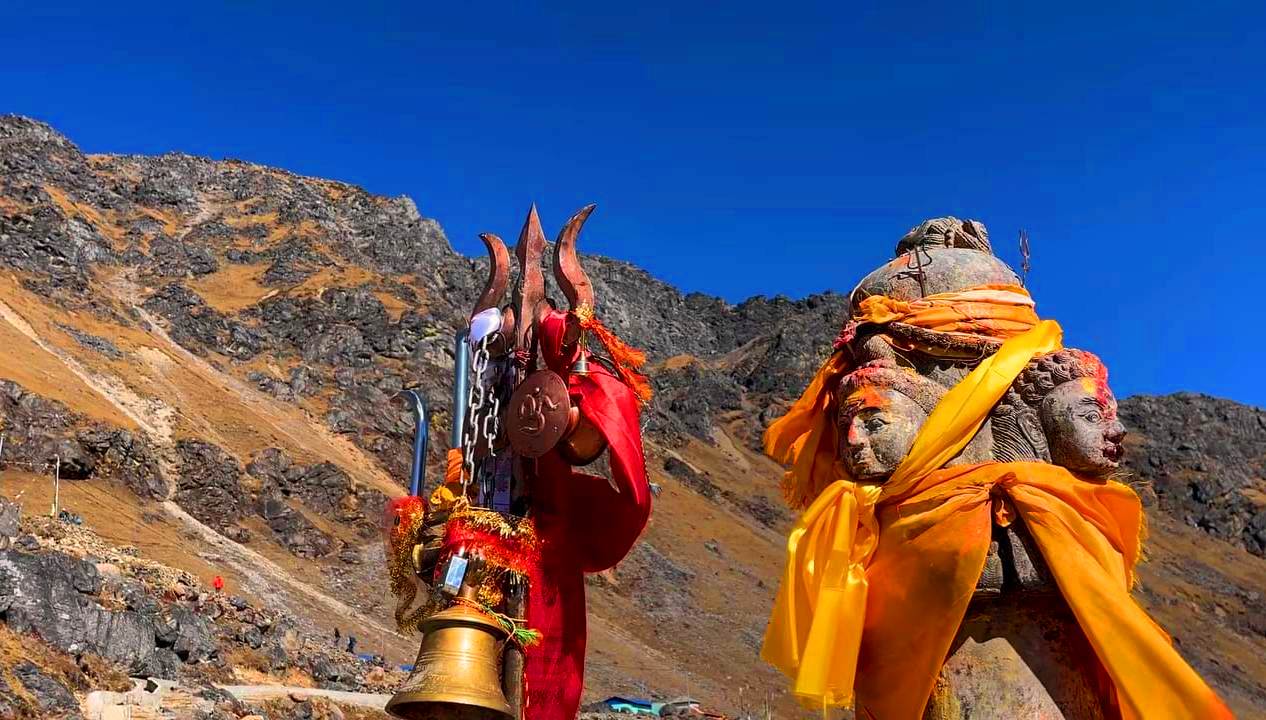
Well-Organized Gosaikunda Trekking with Stunning Himalayan Views
Our Gosaikunda Trekking adventure with Best of Nepal Trek was exceptionally well organized from beginning to end. The guide and porters were friendly, professional and always ready to help. Visiting the sacred Gosaikunda Lake was the highlight of our journey and the breathtaking panoramic mountain views made every step worthwhile. We had a fantastic trip and highly recommend Best of Nepal Trek to anyone planning the Gosaikunda Trek in Nepal.
Anna
,Australia
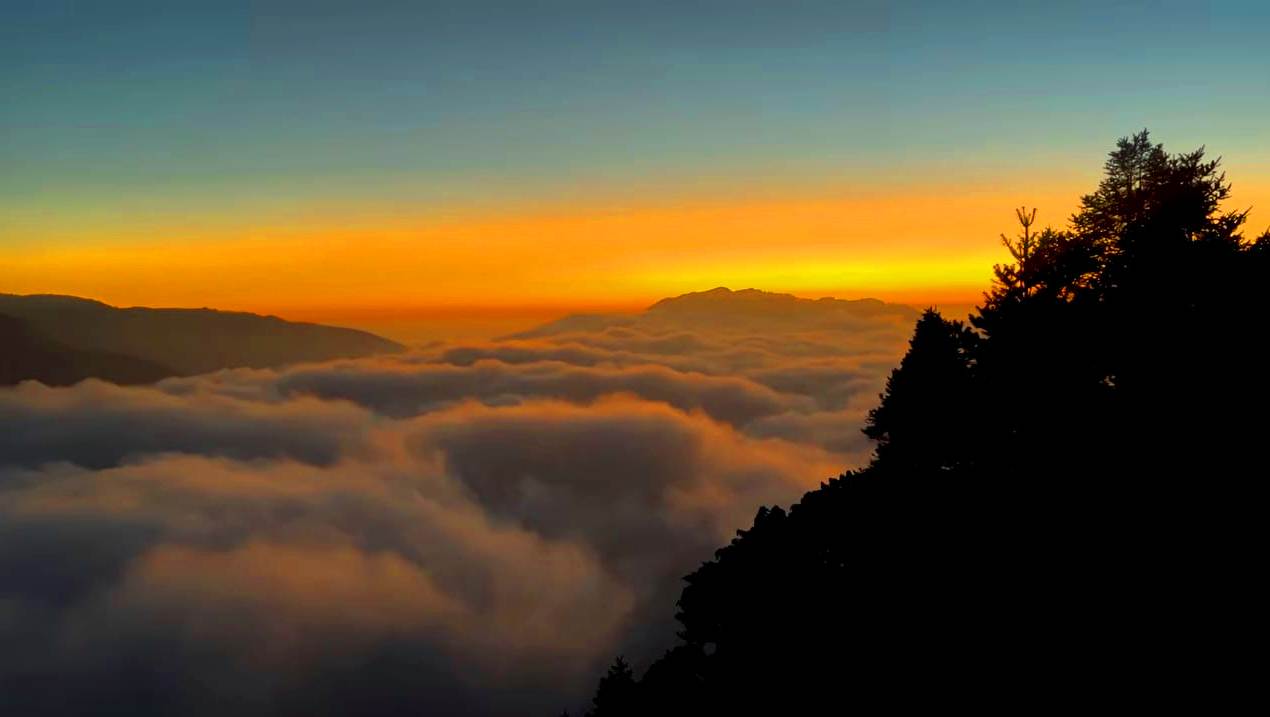
Amazing Gosaikunda Trek Experience
Our Gosaikunda Trek with Best of Nepal Trek was challenging but incredibly rewarding. The stunning Himalayan scenery, peaceful trails and warm hospitality made every moment unforgettable. Our guide, Dipak Sapkota, was knowledgeable, friendly and supportive throughout the trek. Everything was professionally organized, making our adventure safe, enjoyable and truly memorable. We highly recommend Best of Nepal Trek for anyone planning the Gosaikunda Trek in Nepal.
Jennifer,
,Canada
Excellent Kailash Mansarovar Yatra Experience
Our Kailash Mansarovar Yatra with Best of Nepal Trek was exceptionally well organized from start to finish. Communication was smooth and our Guide, Arjun, was friendly, knowledgeable and supportive throughout the journey. We felt safe, well cared for and truly enjoyed this once-in-a-lifetime pilgrimage. I highly recommend Best of Nepal Trek to anyone planning the Kailash Mansarovar Yatra.
Nini
,US
Jungle Safari on Foot in Chitwan
The jungle safari on foot was a really amazing experience. We were lucky to see a mother rhino with her calf, which was truly unforgettable. We also spotted deer and other wildlife along the way.
It was a great adventure in nature and a wonderful way to experience the beauty of the jungle up close.Nina N.
,Australia
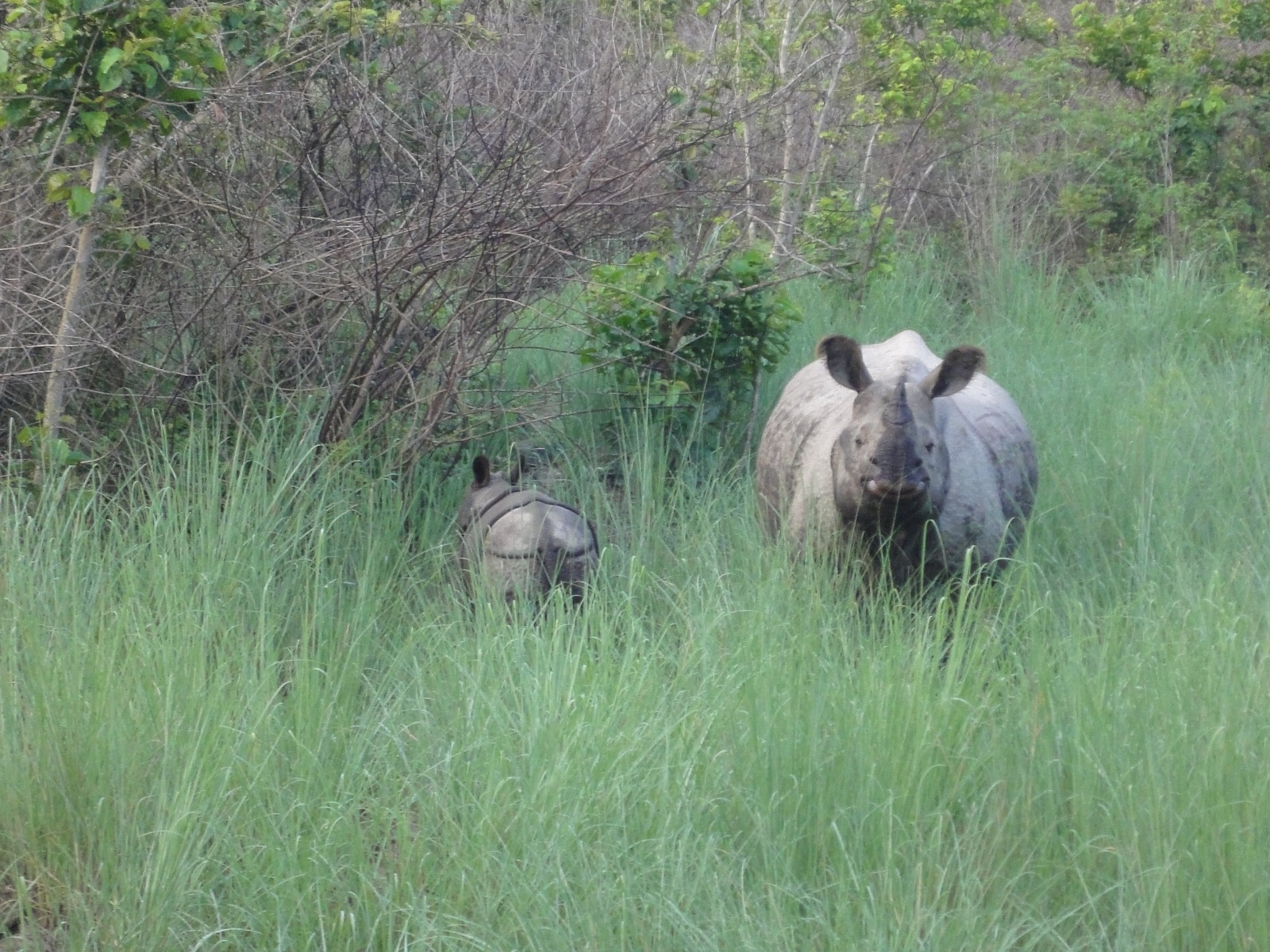
Wonderful Jungle Safari Experience
Our Chitwan Jungle Safari Tour with Best Of Nepal Trek was an unforgettable experience. We enjoyed incredible wildlife sightings, including the famous one-horned rhinoceros and had the opportunity to explore the natural beauty of Chitwan National Park.
The guides were knowledgeable and helpful throughout the tour, while the resort staff provided excellent hospitality. The food was delicious and plentiful, making our stay even more enjoyable. Everything was well organized and we highly recommend this tour to anyone looking for a memorable wildlife adventure in Nepal.janet
,US
Chitwan Jungle Safari Tour with Best Of Nepal Trek
My Chitwan Jungle Safari Tour with Best Of Nepal Trek was a fantastic experience. The wildlife sightings, jungle activities and cultural experiences made the trip both exciting and memorable.
Everything was well organized and the team ensured a comfortable and enjoyable journey throughout the tour. I highly recommend Best Of Nepal Trek to anyone looking to explore the natural beauty and wildlife of Chitwan. Thank you for making this adventure so special.Kristen
,United States