
Mardi Himal Trek
Destination:
Nepal
Trip Duration:
12 Days
Max Altitude:
Mardi Himal Base Camp (4,500 M)
Activities:
Trekking
Start Point:
Kathmandu
Ending Point:
Kathmandu
Region:
Annapurna
Trip Grade:
Moderate
Group Size:
1-10 Pax
Accomodation:
Hotel/Cozy local teahouses
Meals:
Breakfast, Lunch and Dinner during trekking
Transportation:
Luxury Tourist Bus
Permits Required:
Annapurna Conservation Area Permit (ACAP)
Best Season:
Spring (Mar-May) & Autumn (Sep-Nov)
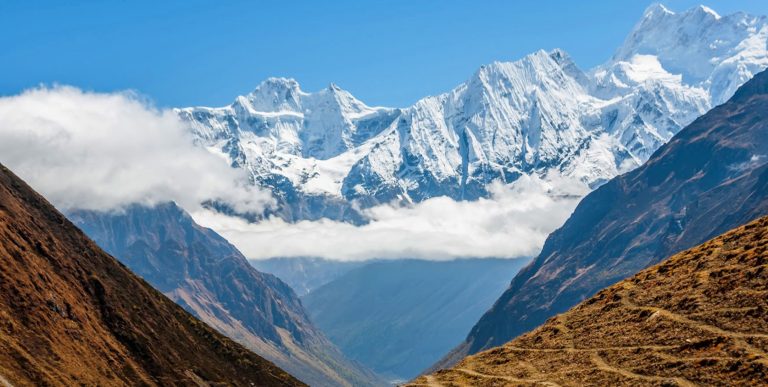
The Mardi Himal Trek is one of the best short trekking adventures in Nepal, offering an unforgettable journey through the peaceful Annapurna region. Perfect for travelers looking to experience spectacular Himalayan scenery without the crowds of the Annapurna Base Camp trail, this beautiful trek combines breathtaking mountain views, lush rhododendron forests, authentic Gurung culture, charming villages and genuine Himalayan hospitality. Suitable for beginners, families, photographers, nature lovers and experienced trekkers, the Mardi Himal Trek Nepal offers the perfect balance of adventure, culture and natural beauty.
Located inside the Annapurna Conservation Area, the trek reaches Mardi Himal Base Camp (4,500 m / 14,764 ft), while the famous Upper Viewpoint (4,200 m / 13,780 ft) rewards trekkers with one of the finest panoramic views in the Annapurna Himalayas. The adventure begins with a scenic drive from Pokhara to Kande or Phedi before following peaceful trails through Australian Camp, Forest Camp, Low Camp, Badal Danda and High Camp. As you walk through dense rhododendron and oak forests, alpine meadows and open mountain ridges, the scenery changes every day, making each stage of the trek unique and memorable.
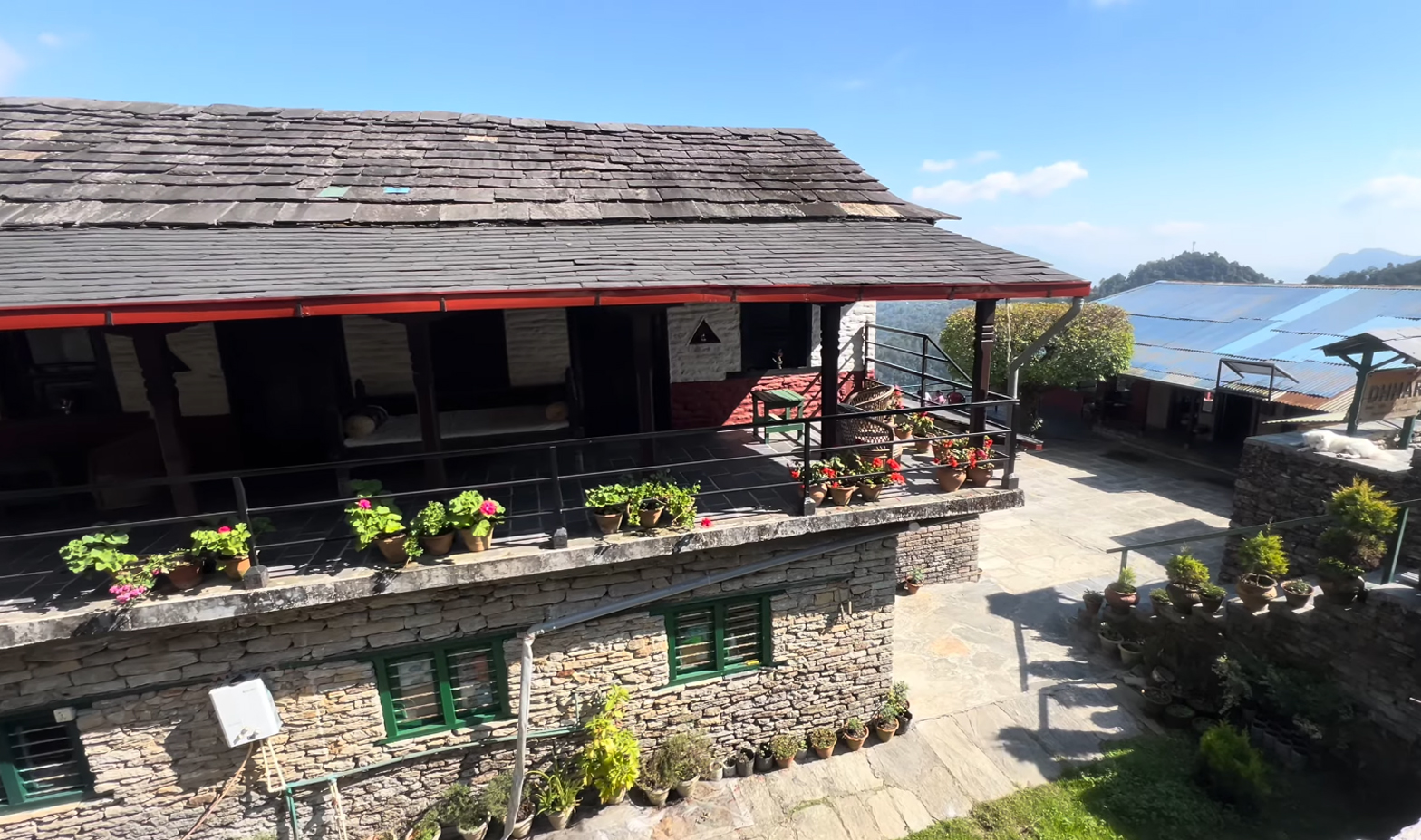
Beyond its stunning mountain landscapes, the Mardi Himal Trek offers a wonderful opportunity to experience the everyday life of the local people. Along the trail, you will pass traditional Gurung villages, family homes, small schools, terraced farmlands and friendly mountain communities. Meeting local students, talking with villagers and learning about their customs, traditions and way of life make the journey even more meaningful. The peaceful forests, beautiful greenery, stone houses and scenic uphill and downhill trails create an authentic Himalayan experience that goes far beyond the mountains.
With Best Of Nepal Trek, your journey is led by experienced and knowledgeable local guides who are passionate about sharing their homeland. Every day, they provide useful information about the trail, surrounding mountains, local culture, wildlife and village life, helping you better understand the region you are exploring. Each evening, your guide explains the next day’s walking distance, elevation, trail conditions and highlights, allowing you to trek with confidence and proper preparation. Throughout the journey, our guides and staff create a warm, friendly atmosphere where every guest feels like part of one family, making your trekking experience both comfortable and unforgettable.
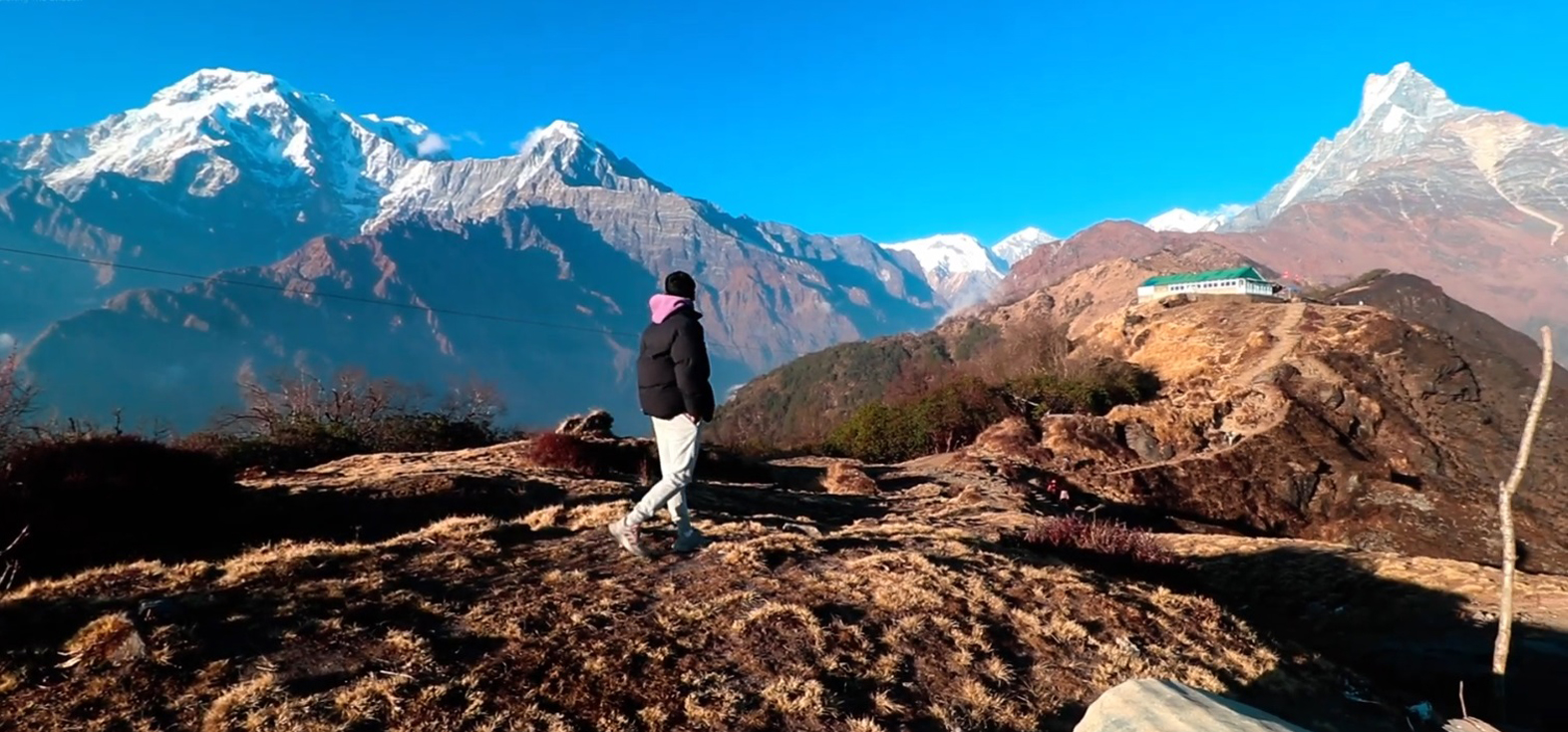
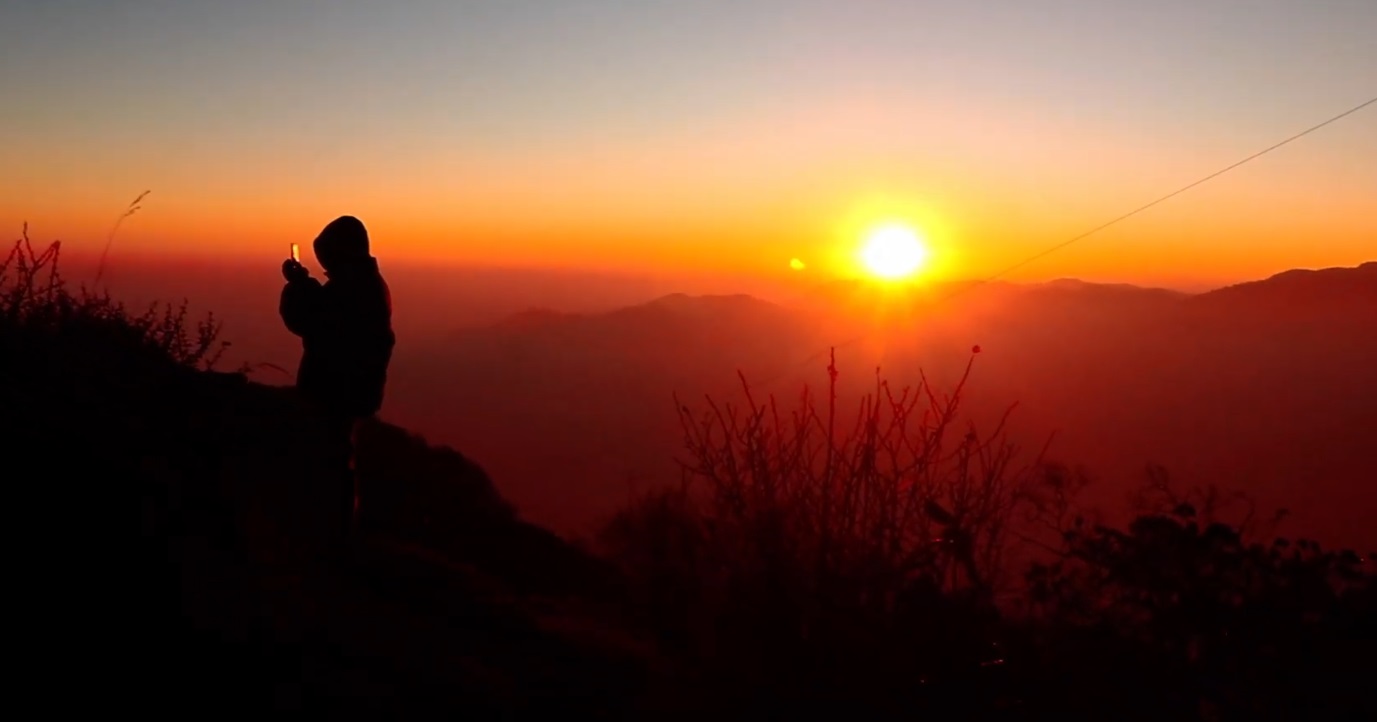
The highlight of the trek is the early morning hike to the Upper Viewpoint or Mardi Himal Base Camp, where the first rays of sunlight illuminate the magnificent peaks of Machhapuchhre (Fishtail), Annapurna South, Hiunchuli, Mardi Himal, Annapurna I, Gangapurna and Annapurna III. Watching the sunrise over these snow-covered mountains is an unforgettable experience and one of the finest moments of the trek. Thanks to its peaceful environment, spectacular scenery and fewer crowds, the Mardi Himal Trek Package is an excellent alternative to Nepal’s busier trekking routes.
Accommodation is provided in comfortable family-run teahouses, where you can enjoy genuine Himalayan hospitality and freshly prepared meals such as Dal Bhat, momos, noodles, soups, fried rice, potatoes, seasonal vegetables and traditional Nepali tea. Tourism, farming and livestock are the main sources of income for many local families and choosing this trek helps support their communities while preserving the region’s unique culture and traditions. Combining breathtaking Himalayan views, authentic cultural experiences, comfortable teahouse accommodation and expert local guidance, the Mardi Trek is one of Nepal’s most rewarding short trekking adventures.
Explore our detailed itinerary, trip cost, departure dates and Mardi Himal Trek Package, and book your adventure with Best Of Nepal Trek for an unforgettable journey into the heart of the beautiful Annapurna region.
Mardi Himal Trek Highlights
- Breathtaking, Up-Close Mountain Vistas: The undisputed pinnacle is the awe-inspiring view from Mardi Himal Base Camp (4,500m). Stand face-to-face with the iconic, fishtail summit of Machhapuchhre (Mt. Fishtail) and enjoy panoramic views of the entire Annapurna Sanctuary, including Annapurna South, Hiunchuli and Gangapurna.
- A Perfect Short & Rewarding Itinerary: Ideal for those with limited time, it's widely considered one of Nepal's best short treks, typically completed in 7-9 days. It delivers a complete Himalayan experience—from lush forests to high alpine zones—without the longer commitment of other major treks.
- Serene, Off-the-Beaten-Path Experience: As a less crowded alternative to the classic Annapurna trails, it offers tranquility and a sense of discovery. The trail gets off the beaten path, allowing for a more personal and immersive connection with nature.
- Stunning Seasonal Landscapes: Hike through enchanting rhododendron forests that explode with red and pink blossoms in spring. The path transitions through evergreen alpine meadows and offers diverse landscapes that change with every hour of ascent.
- Authentic Cultural Encounters: Visit traditional and beautiful Gurung villages like Siding and Lumle. Experience genuine Nepali hospitality by staying in family-run teahouses or homestays, adding a rich cultural layer to the physical journey.
- Accessible & Manageable Challenge: Considered a moderate trek, it's suitable for everyone with a good general fitness level. The trek involves daily hikes of 4 to 6 hours on well-defined trails, making it an achievable and exciting adventure trek for dedicated beginners and seasoned hikers alike.
- Logistically Easy & Budget-Friendly: Starting with a short drive from Pokhara, access is simple. It is a famously budget-friendly hike, with affordable lodging and meals along the route. Experienced, knowledgeable guides are readily available to ensure the safest, most enjoyable trip.
Route of the Mardi Himal Trek
The classic Mardi Himal Trek route forms a scenic loop, beginning and ending in the beautiful city of Pokhara. The adventure starts with a drive from Pokhara to Kande, the trailhead. From here, the path ascends steadily through lush forests to Forest Camp (Deurali), then continues to Low Camp, where the first stunning mountain vistas begin to unfold.
The journey pushes higher to High Camp (3,580m), the strategic launch point for the ultimate goal. An early morning ascent from here leads you to the breathtaking Mardi Himal Base Camp (4,500m), rewarding your efforts with unparalleled, close-up views of the Annapurna massif and Machhapuchhre.
For the descent, the trail follows a different path down through the traditional Gurung village of Siding, eventually concluding at Lumre. This return leg completes a beautiful circuit, offering fresh perspectives and a deeper cultural experience before the final drive back to Pokhara.
Include
The Mardi Himal Trek package in Nepal includes all essential services for a comfortable, safe and memorable Himalayan trekking experience. From accommodation and transportation to trekking permits and professional local trekking staff, every detail is carefully arranged to ensure a hassle-free adventure in the beautiful Annapurna region.
Package Includes:
- All ground transportation (Kathmandu to Pokhara, Pokhara to Kande & Lumre to Pokhara, Pokhara to Kathmandu).
- All accommodation during the trek (teahouses/lodges).
- Standard meals during the trek (Breakfast, Lunch, Dinner).
- An experienced, government-licensed trekking guide and porter.
- All necessary permits (Annapurna Conservation Area Permit - ACAP, TIMS).
- Staff insurance, salary, and equipment.
Exclude
While the Mardi Himal Trek package covers most major trekking expenses, some personal and optional costs are not included.
Package Excludes:
- International flights and Nepal Visa fee.
- Hotel accommodation in Kathmandu or Pokhara (before/after trek).
- Travel and medical insurance (mandatory).
- Personal expenses (snacks, hot showers, Wi-Fi, battery charging).
- Tips for your guide and porter.
We recommend carrying some extra cash for personal expenses during the Mardi Himal Trek in Nepal, as beverages, snacks, charging facilities, hot showers, Wi-Fi and other additional services at the teahouses are generally not included in the trekking package.
Mardi Himal Trek Itinerary
Arrive at Tribhuvan International Airport, where our representative will welcome you and transfer you to your hotel. After check-in, relax or explore the lively streets of Thamel. In the evening, attend a short trek briefing.
Trip Duration:
30 m Drive
Accomodation:
Standard Hotel
Begin your journey with a scenic drive through the picturesque Trishuli River valley, offering glimpses of rural Nepalese life and distant mountain views. Arrive in Pokhara, where the serene Phewa Lake reflects the stunning Annapurna range. Spend the evening exploring the vibrant lakeside area, preparing for your trek ahead.
Trip Duration:
6-7 hours
Accomodation:
Standard Hotel
Meals:
Breakfast
Begin your Mardi Himal Trek with a scenic 1.5-hour drive from Pokhara to Kande, where your Himalayan adventure truly starts. The trail climbs steadily through enchanting rhododendron forests, leading to Australian Camp—your first breathtaking viewpoint offering panoramic vistas of the Annapurna and Dhaulagiri ranges. This unforgettable introduction to Himalayan trekking rewards your efforts with stunning mountain scenery perfect for photography.
After soaking in the views, continue through Pothana village before reaching Pitam Deurali, a scenic ridge-top destination where you’ll experience authentic teahouse hospitality amidst spectacular mountain views, perfectly concluding your first day on the trail.
Trip Duration:
Drive: 1.5 hours | Trek: 5-6 hours
Accomodation:
local teahouses
Meals:
Breakfast, Lunch & Dinner
Immerse yourself in the magic of the Mardi Himal trek on a day of serene hiking. After waking up to crisp mountain air, you’ll embark on a gradual ascent deeper into the heart of the Himalayas. The well-shaded trail weaves through dense, mossy forests of rhododendron and oak, creating a truly enchanted atmosphere. This leg of the journey is a nature lover’s paradise, offering rich biodiversity and excellent bird-watching opportunities.
You’ll pass through small, traditional Gurung settlements, providing a glimpse into local mountain life. The day’s trek culminates at the aptly named Forest Camp (also known as Kokar), a peaceful clearing where simple yet comfortable tea houses await, offering a perfect rustic retreat after your walk among the trees.
Trip Duration:
5-6 hours
Accomodation:
Local Teahouse
Meals:
Breakfast, Lunch & Dinner
Witness a dramatic transformation in the landscape as you ascend from Forest Camp to Low Camp. Today’s trek marks your arrival into the high Himalayas, as the dense, mossy forests gradually give way to open, alpine meadows and stunted rhododendron bushes. The true reward is the ever-evolving, spectacular view of the iconic Machhapuchhre (Fishtail Mountain), which dominates the horizon with its breathtaking, razor-sharp peak.
This is a crucial acclimatization day; the steady 5-6 hour pace is designed to allow your body to safely adjust to the higher elevation. You’ll arrive at Low Camp with ample time to rest, hydrate, and soak in the unforgettable sunset views from your teahouse, perfectly positioned for mountain gazing.
Trip Duration:
5-6 hours
Accomodation:
Local Teahouse
Meals:
Breakfast, Lunch & Dinner
Prepare for one of the most spectacular days on the Mardi Himal Trek. Today’s shorter, 3-4 hour journey is a visual feast, taking you along dramatic ridges with uninterrupted 360-degree views of the Annapurna range. As you climb, the panoramas become more breathtaking with every step, showcasing peaks like Machhapuchhre (Fishtail) and Annapurna South in all their glory.
This shorter day is strategically designed for acclimatization, allowing your body to adapt to the higher altitude. Use the afternoon at High Camp to rest, hydrate, and soak in what are arguably the best mountain vistas of the entire trek, mentally and physically preparing for your early summit push to Mardi Himal Base Camp tomorrow.
Trip Duration:
3-4 hours
Accomodation:
Local Teahouse
Meals:
Breakfast, Lunch & Dinner
Today is the pinnacle of your adventure—the summit pushes to Mardi Himal Base Camp. You’ll begin in the pre-dawn darkness, armed with headlamps, to conquer the final ascent as the sun begins to paint the sky. The climb is challenging, traversing rocky moraine, but the reward is unparalleled.
Standing at 4,500 meters, you’ll be surrounded by a breathtaking, 360-degree panorama of the entire Annapurna range, with the majestic Machhapuchhre (Fishtail) feeling close enough to touch. After celebrating this monumental achievement and capturing unforgettable photos, you will begin a careful and steady descent, retracing your steps back to the comfort and safety of High Camp, filled with a profound sense of accomplishment.
Trip Duration:
6-7 hours
Accomodation:
Local Teahouse
Meals:
Breakfast, Lunch & Dinner
After the heights of your summit achievement, today’s journey is a peaceful descent back into the embrace of the forest. The trail retraces your upward path, but offers entirely new perspectives of the Himalayan landscape as you lose elevation. While the downhill walking is noticeably easier on your lungs, the descent does require careful footing—trekking poles will be your best friends here.
The dramatic alpine scenery gradually softens as you descend through rhododendron forests back to the familiar, oxygen-rich environment of Forest Camp. The relaxed pace allows you to fully appreciate your incredible accomplishment while enjoying the tranquil, mossy atmosphere of the woods, where you’ll spend a well-earned night of rest in a much warmer climate.
Trip Duration:
5-6 hours
Accomodation:
Local Teahouse
Meals:
Breakfast, Lunch & Dinner
Today’s journey offers a beautiful change of pace as you leave the main trail and take an alternative route down to the traditional Gurung village of Landruk. This scenic descent guides you through ever-changing vegetation patterns, from dense rhododendron woods to terraced farmland, providing fresh perspectives and stunning valley views.
The true highlight is the cultural immersion—arriving in Landruk allows you to experience authentic Himalayan village life firsthand. Observe traditional stone houses, interact with local communities, and learn about the rich Gurung heritage. This peaceful village setting, with its dramatic mountain backdrop, provides the perfect cultural conclusion to your trekking adventure before your return to Pokhara.
Trip Duration:
5-6 hours
Accomodation:
Local Teahouse
Meals:
Breakfast, Lunch & Dinner
Your final trekking day begins with a scenic descent through terraced fields to the thunderous Modi Khola River, where you’ll cross a dramatic long suspension bridge—a final adventure moment. One last ascent brings you to the road head at Siwai, where your trek officially concludes. Here, a private vehicle awaits for the picturesque 1.5-hour drive back to Pokhara.
The return to comfortable accommodations marks a triumphant moment—take that first hot shower, feel the comfort of a real bed, and celebrate your incredible Himalayan achievement with a well-deserved farewell dinner by the serene Phewa Lake, reflecting on the unforgettable memories made on the trail.
Trip Duration:
Trek: 3-4 hours | Drive: 1.5 hours
Accomodation:
Standard Hotel
Meals:
Breakfast & Lunch
Enjoy a leisurely final breakfast in Pokhara, savoring last moments of the serene lakeside atmosphere. Then, embark on the scenic 6-7 hour drive back to Kathmandu, retracing your route along the Trisuli River with a new perspective on the landscapes you first passed over a week ago. Upon arrival in the vibrant capital, the day is yours to unwind and reflect.
This is your perfect chance for last-minute souvenir shopping in Thamel, a final visit to a historic durbar square, or simply enjoying a celebratory dinner, reminiscing about the incredible memories and achievements of your completed Mardi Himal Trek.
Trip Duration:
6-7 hours
Accomodation:
Standard Hotel
Meals:
Breakfast
According to your flight schedule, our team will transfer you to Tribhuvan International Airport for your onward journey. We wish you a safe flight and hope to welcome you back to Nepal again.
Trip Duration:
30 m Drive
Meals:
Breakfast
Packing List for the Mardi Himal Trek
Packing correctly is key to a comfortable and safe trek. This list covers the essentials for the variable conditions you’ll encounter on the Mardi Himal Trek.
Mardi Himal Trek: Clothing (Layering is Essential)
- Base Layers: Moisture-wicking thermal tops and bottoms.
- Insulating Layer: A warm fleece or down jacket for cold mornings and evenings.
- Outer Layer: A waterproof and windproof jacket (hard shell).
- Trekking Pants: Convertible or lightweight pants. Avoid denim.
- Tops: Quick-dry t-shirts and a long-sleeved shirt for sun protection.
- Headwear: A warm beanie, a sun hat or cap, and a buff or neck gaiter.
- Gloves: A pair of lightweight and/or insulated gloves.
Footwear
- Trekking Boots: Well-broken-in, waterproof, and ankle-supporting.
- Camp Shoes: Lightweight sandals or sneakers for teahouse evenings.
- Socks: Several pairs of moisture-wicking trekking socks.
Essential Gear
- Backpack: A 35-45 liter daypack for you. A larger duffel (if using a porter).
- Sleeping Bag: Rated to at least -10°C (14°F) for high camp.
- Trekking Poles: Highly recommended for steep ascents and descents.
- Headlamp: With extra batteries.
- Water Bottle/Hydration: Two 1-liter bottles or a hydration bladder.
- Sunglasses: UV protection for high-altitude glare.
Health & Personal Items
- Personal First-Aid Kit: Include blister plasters, pain relievers, and any personal medication.
- Sunscreen & Lip Balm: High SPF.
- Water Purification: Tablets or a filter.
- Quick-Dry Towel: A small, packable towel.
- Toiletries: Biodegradable soap, toothbrush, etc. (Keep it minimal).
Important Extras
- Documents: Passport, insurance documents, cash (NPR).
- Power Bank: For charging electronics, as teahouse charging costs extra.
- Snacks: Energy bars, nuts, or chocolate for trail energy.
Pro Tip: Use packing cubes or dry bags to organize your gear and keep everything dry. Pack light, as you will be carrying it yourself or a porter’s weight limit is typically 18 kg.
Mardi Himal Trek FAQs
The Mardi Himal Trek stands out as a relatively new and less crowded alternative to popular routes like Annapurna Base Camp. While sharing the same spectacular mountain views, it offers a more intimate experience with nature, passing through pristine rhododendron forests and traditional Gurung villages.
The trek provides unparalleled close-up views of Machhapuchhre (Fishtail Mountain) and takes you to the base of Mardi Himal itself, which at 5,587 meters forms the southernmost peak of the Annapurna massif.
Mardi Himal is more challenging than Poon Hill but generally easier than Annapurna Base Camp. While Poon Hill involves shorter daily hikes and lower altitudes, Mardi Himal offers higher elevation gains and longer trekking days. Compared to Annapurna Base Camp, Mardi Himal has fewer steep sections and a shorter overall duration, making it an excellent middle-ground option.
The experience is more remote and wilderness-focused than Poon Hill, with better mountain views at closer range than many sections of the ABC trek.
The complete trek covers approximately 40-50 kilometers round trip, depending on your specific route choice. The elevation profile starts at 1,770 meters in Kande and gradually ascends through Forest Camp (2,550m), Low Camp (3,100m), and High Camp (3,580m) before reaching the high point at Mardi Himal Base Camp (4,500m). The careful grading of ascents allows for proper acclimatization, with no single day involving more than 800 meters of elevation gain.
You need two permits: the Annapurna Conservation Area Permit (ACAP) costs NPR 3,000 (approximately $30 USD), and the TIMS Card costs NPR 2,000 (approximately $20 USD) for individual trekkers. These can be obtained from the Nepal Tourism Board offices in Kathmandu or Pokhara.
You’ll need two passport-sized photos and your passport. The process typically takes about an hour if you go early in the morning. Most trekking agencies include these in their packages and handle the paperwork for you.
No special restrictions apply to Mardi Himal Base Camp itself, as it’s considered a trekking peak base camp rather than a climbing destination. However, if you plan to continue beyond the base camp toward the summit, you would need a climbing permit from the Nepal Mountaineering Association. For the standard trek to the base camp, only the regular ACAP and TIMS permits are required.
You should be capable of hiking 4-6 hours daily for consecutive days with a 5-8 kg daypack. Ideal training includes cardiovascular exercises like running, cycling, or swimming 3-4 times weekly for 45-60 minutes.
Incorporate hill training with weighted packs, focusing on building leg strength through squats, lunges, and step-ups. If possible, practice hiking on uneven terrain to simulate trail conditions. Good core strength helps with balance on rocky sections.
The altitude challenge is substantial but manageable with proper pacing. The itinerary includes natural acclimatization through the “climb high, sleep low” principle. Key acclimatization points include an overnight at Low Camp (3,100m) before ascending to High Camp, and spending limited time at the highest point (Base Camp) before descending.
The gradual ascent profile, with no more than 500-600 meters elevation gain between sleeping points, significantly reduces altitude risks.
Spring (March-May) offers spectacular rhododendron blooms, warmer temperatures, and lively forests but may have occasional afternoon clouds. Autumn (September-November) provides crystal-clear mountain views, stable weather, and excellent photography conditions but is more crowded.
Winter (December-February) offers solitude and crisp views but very cold conditions, while monsoon (June-August) features lush landscapes but challenging trekking conditions with leeches and poor visibility.
At High Camp (3,580m) and Base Camp (4,500m), temperatures vary significantly by season. In autumn, nighttime temperatures range from -5°C to -10°C. During spring, nights are slightly warmer at -2°C to -8°C. Winter brings the coldest conditions, with temperatures dropping to -10°C to -15°C at night.
Daytime temperatures are generally pleasant, ranging from 5°C to 15°C depending on sunlight and weather conditions.
Accommodation progresses from relatively comfortable teahouses at lower elevations to basic lodgings at higher camps. At Forest Camp and Low Camp, you’ll find twin-share rooms with basic beds and blankets. High Camp offers more basic accommodation, sometimes dormitory-style during peak season.
Bathroom facilities transition from western toilets at lower camps to Asian-style squat toilets at higher elevations. All bathrooms are shared, and toilet paper is typically not provided.
Charging availability decreases with altitude. Lower camps (below 3,000m) usually have charging outlets available for NPR 200-500 per hour. At High Camp, power is limited and often solar-dependent.
We strongly recommend carrying a high-capacity power bank (20,000 mAh or more) capable of charging your devices 3-4 times. Some trekkers bring portable solar panels, though their effectiveness depends on weather conditions.
Early symptoms include persistent headache, loss of appetite, nausea, fatigue, and dizziness. More serious signs involve difficulty breathing, confusion, and loss of coordination. Our guides are trained to monitor these symptoms and conduct regular health checks.
The emergency protocol includes immediate descent, administration of oxygen if available, and coordination of helicopter evacuation if necessary. All guides carry pulse oximeters to monitor blood oxygen levels.
Guides carry comprehensive first aid kits including wound dressings, antiseptics, pain relievers, anti-inflammatory medication, blister treatment supplies, and altitude sickness medication (acetazolamide).
They also have emergency oxygen systems and pulse oximeters. However, trekkers should bring their personal medications and any specific medical supplies they might need.
A standard package includes permits, guide services, teahouse accommodation, three meals daily, and transportation to/from Pokhara. Additional costs typically include: drinks beyond water/tea, hot showers, battery charging, Wi-Fi access, tips for guides and porters (budget $40-60 total), personal snacks, and any extra nights in Pokhara. Travel insurance and international flights are always excluded.
Carry approximately NPR 7,000-10,000 ($70-100 USD) for additional expenses beyond your package. This covers snacks, drinks, charging, Wi-Fi, and hot showers. There are no ATMs beyond Pokhara, so bring sufficient cash for the entire trek. Keep money in small denominations as teahouses may not have change for large bills.
Respect local customs by dressing modestly, particularly when visiting villages and monasteries. Ask permission before photographing people. Remove shoes before entering homes or religious sites. Avoid public displays of affection. Be respectful of religious artifacts and don’t point your feet at people or religious objects. Learning basic Nepali greetings (Namaste) is appreciated.
Carry out all non-biodegradable waste. Use water purification instead of buying bottled water. Stay on established trails to prevent erosion. Use toilet facilities where available; where not, dig cat holes 200 feet from water sources.
Respect wildlife by observing from a distance. Choose teahouses that practice environmentally friendly methods like solar power and proper waste management.
Often-forgotten crucial items include: high-quality sunglasses with UV protection, lip balm with SPF, quick-dry towels, sleeping bag liners for extra warmth, waterproof bags for electronics, a headlamp with extra batteries, and a reusable water bottle with purification tablets. Many also underestimate the importance of quality trekking poles and break-in period for boots.
Available for rent in Pokhara: sleeping bags, down jackets, trekking poles, and duffel bags. However, quality varies, so serious trekkers often prefer bringing their own. Essential items to bring include: well-broken-in hiking boots, moisture-wicking clothing layers, personal medications, quality socks, and any specialized gear you’re particular about.
Mardi Himal Trek Good To Know
The Mardi Himal trek offers more than mountain scenery—it’s a journey through the living cultural heritage of Nepal’s Gurung and Magar communities, whose ancestors have inhabited these slopes for centuries. This region reveals a fascinating tapestry of traditions that have remained authentic despite its growing popularity among trekkers.
The Gurung Legacy: The Gurung people, known for their proud Gurkha warrior heritage, have maintained their unique cultural identity through generations. Their distinctive stone houses with slate roofs dot the landscape, while ancient trails connecting villages tell stories of traditional trade and migration.
The Gurung community is particularly renowned for their rich oral traditions, including folk songs and stories passed down through generations, often accompanied by the harmonious sounds of traditional instruments like the madal (drum) and sarangi (string instrument).
Cultural Practices and Daily Life: As you trek through villages like Landruk and Ghandruk, you’ll witness a way of life centered around subsistence farming and animal husbandry. The rhythmic sounds of cowbells echo through valleys as livestock graze on steep terraces.
Women in vibrant traditional costumes—the Gurung’s ghale and gunyu cholo—can be seen weaving intricate textiles or working in fields of maize, millet, and potatoes. The region’s cultural calendar is marked by colorful festivals like Dashain and Tihar, where ancient rituals blend with joyful celebrations.
Spiritual Harmony: The Mardi Himal region showcases a beautiful syncretism of Hindu and Buddhist practices. Stone mani walls carved with Tibetan Buddhist prayers stand alongside Hindu shrines, reflecting the spiritual harmony that characterizes daily life.
The region’s spiritual landscape includes sacred sites where locals perform puja (worship) and ancient trees adorned with prayer flags that flutter in the mountain wind, carrying blessings across the valleys.
Modern trekkers become part of this living history when staying in family-run teahouses, where hospitality is deeply ingrained in the culture. The warm reception of “Namaste” and shared meals of dal bhat (lentils and rice) create genuine cultural exchanges. Many teahouse owners proudly display family heirlooms and photos of ancestors who served in Gurkha regiments, offering personal insights into their heritage.
This rich cultural backdrop transforms the Mardi Himal trek from a physical journey into an immersive experience, where every step connects you with centuries-old traditions and the warm-hearted people who maintain them against the spectacular backdrop of the Himalayas.
Nestled in the heart of the Annapurna Conservation Area, the Mardi Himal Trek is strategically positioned in central Nepal’s Gandaki Province. This spectacular journey unfolds just east of the more frequented Annapurna Base Camp trail, offering a quieter alternative while delivering equally breathtaking Himalayan vistas.
Geographical Location:
- Region: Annapurna Sanctuary, Kaski District
- Nearest City: Pokhara (approximately 30km northwest)
- Mountain Range: Annapurna Massif
- Coordinates: 28°30’N, 83°58’E
Accessibility and Starting Point: The adventure begins with a scenic 1.5-hour drive from Pokhara to Kande, the primary trailhead. Pokhara itself serves as the perfect gateway city, situated at 827 meters elevation and easily accessible by a 25-minute flight or 6-7 hour drive from Kathmandu.
Topographical Significance: Mardi Himal (5,587 meters) forms the southernmost peak of the Annapurna massif, often described as the “trekker’s mountain” due to its accessible base camp and stunning proximity to Machhapuchhre (Fishtail Mountain). The trek’s unique positioning allows for:
- Unobstructed views of Annapurna South, Hiunchuli, and Machhapuchhre
- A perfect balance of forest trails and high-altitude landscapes
- Proximity to traditional Gurung villages
- Relatively low tourist traffic compared to neighboring routes
Why This Location Matters:
The trek’s strategic placement makes it ideal for those seeking an authentic Himalayan experience without extreme altitudes or lengthy durations. Its position within the Annapurna Conservation Area ensures protected landscapes and rich biodiversity, while its accessibility from Pokhara makes it perfect for travelers with limited time.
This carefully situated route offers what many consider the perfect Himalayan trifecta: spectacular mountain scenery, rich cultural encounters, and manageable physical challenges—all within easy reach of Nepal’s adventure capital, Pokhara.
The Mardi Himal Trek offers an authentic cultural immersion through encounters with the warm and welcoming Gurung communities that have called these mountains home for generations. As you journey through this spectacular landscape, you’ll discover villages where traditional lifestyles continue to thrive amidst the Himalayan grandeur.
Gurung Hospitality and Lifestyle: The Gurung people, renowned for their rich cultural heritage and legendary Gurkha warrior history, extend exceptional hospitality to trekkers. In villages like Siding, Landruk, and Ghandruk, you’ll witness daily life unfolding much as it has for centuries. Women in colorful traditional dress work in fields of maize and millet, while men tend to livestock on steep terraced hillsides. The rhythmic sounds of prayer wheels and the sight of ancient mani walls create a spiritual atmosphere that permeates village life.
Teahouse Culture and Personal Connections: Your accommodation in family-run teahouses provides the perfect opportunity for genuine cultural exchange. These establishments often represent generations of hospitality, where hosts welcome trekkers as honored guests rather than mere customers. You might be invited to share a cup of sweet milk tea while listening to stories of village history, or even witness traditional Gurung dances and music during evening gatherings.
Traditional Practices and Sustainable Living:
The villages along the trail showcase sustainable living practices refined over centuries. You’ll observe:
- Traditional stone houses with intricate wood carvings
- Ancient farming techniques on steep terraces
- Local artisans practicing traditional crafts
- Community-based conservation efforts
- Organic farming methods passed through generations
Beyond the main villages, you’ll encounter shepherds grazing their flocks on high pastures and farmers working fields against the stunning backdrop of the Annapurna range. The genuine smiles and cheerful “Namaste” greetings from local people create memorable moments of connection that many trekkers cherish long after their journey ends.
This rich cultural tapestry transforms the Mardi Himal Trek from a simple mountain hike into a profound cultural experience, where every interaction with the local communities deepens your understanding of Himalayan life and creates lasting memories of Nepal’s incredible human heritage.
The Mardi Himal Trek unfolds as a spectacular journey through ever-changing ecosystems, offering nature enthusiasts a remarkable display of Himalayan biodiversity. From lush temperate forests to high-altitude alpine zones, the trail reveals Nepal’s incredible natural wealth at every elevation.
Flora: A Botanical Wonderland
The trek begins in vibrant mixed forests where towering rhododendrons create a spectacular spring spectacle. Between March and April, these forests transform into a kaleidoscope of red, pink, and white blooms, earning the region its reputation as one of Nepal’s premier rhododendron trek destinations. The middle elevations feature:
- Dense oak and pine forests with moss-covered ancient trees
- Himalayan blue pine stands filling the air with their distinctive fragrance
- Old-growth rhododendron forests some exceeding 30 feet in height
- Colorful primroses, orchids, and wild strawberries dotting the forest floor
As you ascend above 3,000 meters, the landscape transitions to alpine scrub featuring:
- Juniper bushes and dwarf rhododendrons
- Hardy alpine flowers including edelweiss and various saxifrages
- Lichen-covered boulders and ancient moraines
Fauna: Wildlife Encounters
While wildlife sightings require patience and luck, the region supports diverse animal species:
- Himalayan Tahr – often spotted grazing on steep cliffs
- Danphe (Himalayan Monal) – Nepal’s colorful national bird
- Yellow-throated martens and Himalayan weasels
- Rhesus macaques in lower forest areas
- Red pandas – extremely elusive but present in bamboo forests
- Various pheasants including kalij and blood pheasants
Birdwatcher’s Paradise:
The forests come alive with over 200 bird species, including:
- Warblers, flycatchers, and thrushes in lower forests
- Eagles and vultures soaring above high ridges
- Colorful sunbirds and woodpeckers in mid-elevation zones
Proper acclimatization is the most critical factor for both safety and enjoyment on the Mardi Himal Trek. While the itinerary appears compact, it incorporates essential physiological adaptation strategies that allow your body to adjust gradually to increasing altitudes.
The Acclimatization Strategy: Our carefully designed itinerary follows the golden rule of high-altitude trekking: “climb high, sleep low.” This approach involves ascending to higher elevations during the day, then descending to sleep at lower altitudes, maximizing your body’s ability to adapt while minimizing health risks.
Key Acclimatization Points:
- Forest Camp (2,550m): Your first significant altitude gain, allowing initial adaptation
- Low Camp (3,100m): A crucial staging point with a full night’s rest before higher ascent
- High Camp (3,580m): Features a strategic overnight stay before the summit push
Absolutely. The Mardi Himal Trek is a genuine adventure, perfectly balancing physical challenge, raw natural beauty, and cultural discovery. It’s far more than a scenic walk; it’s an immersion into the heart of the Himalayas.
This journey takes you off the main tourist trail, onto paths that weave through remote rhododendron forests and along high ridges where the only sounds are your footsteps and the mountain wind. The physical challenge of the ascent, the exposure to high-altitude environments, and the unpredictable mountain weather all contribute to an authentic adventure experience.
You’ll spend nights in basic teahouses, share stories with local Gurung families, and push your limits to reach the breathtaking viewpoint at Mardi Himal Base Camp. It’s an adventure for the spirit as much as for the body.
The Mardi Himal Trek is considered very safe for well-prepared trekkers, but like any high-altitude adventure, it requires respect and proper planning. The primary risks are manageable with the right approach.
Key Safety Considerations:
Altitude: The trek’s rapid ascent is its main challenge. We mitigate this risk with a carefully designed itinerary that includes acclimatization days and follows the “climb high, sleep low” principle. Our guides are trained to recognize early symptoms of altitude sickness.
Weather: Mountain weather can change rapidly. We monitor forecasts, carry essential safety gear, and maintain flexible itineraries to ensure we don’t push into dangerous conditions.
Trail Conditions: The trail is well-defined but involves steep, rocky sections. Using trekking poles and wearing sturdy, broken-in boots are essential for stability and safety.
Your Safety is Our Priority: The single most important factor for a safe trek is going with a reputable operator and an experienced guide. A good guide is your navigator, your cultural interpreter, and your first line of safety—ensuring you take the right pace, choose the best teahouses, and make smart decisions in response to the mountain environment.How to Get There and Back
The gateway is Pokhara. From there, you take a 1.5-hour drive to the trailhead at Kande. The trek ends at Siding or Lumre, from where you’ll drive back to Pokhara.
All trekkers embarking on the Mardi Himal adventure require two essential permits. These documents help maintain conservation efforts and ensure trekker safety in the Annapurna region.
Required Permits:
- Annapurna Conservation Area Permit (ACAP)
- Cost: NPR 3,000 (approximately $30 USD) for foreigners
- Purpose: Supports conservation and sustainable tourism
- Issued at: Nepal Tourism Board offices in Kathmandu or Pokhara
Trekker’s Information Management System (TIMS) Card
- Cost: NPR 2,000 (approximately $20 USD) for individual trekkers
- Purpose: Registration and safety tracking system
- Issued at: Official TIMS counter in Kathmandu or Pokhara
Important Notes:
- Your trekking agency will typically handle all permit arrangements
- Keep permits accessible as they may be checked at various points
- Carry multiple passport-sized photos for permit processing
- Permits are non-transferable and must match your passport details
This comprehensive guide details the optimal seasons for undertaking the Mardi Himal Trek in Nepal’s Annapurna region. The content provides trekkers with essential information to plan their Himalayan adventure during the most favorable conditions.
Key Sections Covered:
Prime Trekking Seasons:
- Autumn (September-November):Features stable weather, clear skies, and excellent mountain visibility
- Spring (March-May):Offers pleasant temperatures and spectacular rhododendron blooms
Seasonal Comparisons:
- Detailed analysis of weather patterns, trail conditions, and scenic highlights
- Advantages and considerations for each major season
- Temperature ranges and visibility expectations
Alternative Trekking Windows:
- Winter conditions and challenges (December-February)
- Monsoon season limitations (June-August)
Practical Planning Information:
- Booking recommendations and advance preparation tips
- Seasonal photography opportunities
- Crowd levels and trail conditions
Essential Takeaways:
- Autumn provides the most reliable trekking conditions
- Spring delivers optimal natural beauty and floral displays
- Seasonal considerations for different types of trekkers
- Safety and comfort recommendations
This guide serves as an essential planning resource for anyone considering the Mardi Himal Trek, helping travelers choose the ideal season based on their preferences for weather, scenery, and overall trekking experience.
How to Avoid Altitude Sickness
- Ascend Slowly: Follow a gradual itinerary.
- Stay Hydrated: Drink 3-4 liters of water daily.
- Listen to Your Body: Headache or nausea are warning signs.
- Climb High, Sleep Low: The itinerary is designed for this.
Why Travel Insurance is Mandatory:
While the Mardi Himal Trek is considered a moderate Himalayan adventure, comprehensive travel insurance is absolutely essential—not optional. Reaching elevations of 4,500 meters presents genuine risks that require proper financial and medical protection.
From altitude sickness to unexpected trail injuries, having adequate coverage ensures you can focus on the breathtaking landscapes rather than potential emergencies.
Critical Coverage Requirements:
- Emergency Medical Evacuation
- Helicopter rescue coverage up to 5,000 meters
- Emergency transport to qualified medical facilities in Kathmandu
- Remote area extraction capabilities
- 24/7 emergency assistance services
Understanding Mountain Weather Patterns
The Mardi Himal Trek presents dramatically changing weather conditions across its altitude spectrum, from subtropical lowlands to high-altitude alpine zones. Understanding these patterns is crucial for proper preparation and safety.
Seasonal Weather Breakdown
Spring (March-May):
- Day Temperatures: 15-20°C at lower elevations, 5-10°C at higher camps
- Night Temperatures: 0-5°C at lower elevations, -5 to -10°C at High Camp
- Conditions: Generally stable mornings with possible afternoon clouds
- Special Features: Rhododendron blooms, clear mountain views early in season
Autumn (September-November)
- Day Temperatures: 10-18°C at lower elevations, 5-12°C at higher camps
- Night Temperatures: 5-10°C at lower elevations, -5 to -10°C at High Camp
- Conditions: Most stable weather, clear skies, excellent visibility
- Special Features: Prime trekking conditions, festival season
Winter (December-February)
- Day Temperatures: 5-12°C at lower elevations, -5 to 5°C at higher camps
- Night Temperatures: -5 to 5°C at lower elevations, -10 to -15°C at High Camp
- Conditions: Cold but clear, potential snow at higher elevations
- Special Features: Fewer crowds, snow-covered landscapes
Monsoon (June-August)
- Day Temperatures: 20-25°C at lower elevations, 10-15°C at higher camps
- Night Temperatures: 15-20°C at lower elevations, 5-10°C at Higher Camp
- Conditions: Frequent rainfall, high humidity, limited visibility
- Special Features: Lush vegetation, fewer trekkers
A porter can carry your main duffel bag (max 18 kg). You only need to carry a daypack with water, snacks, and layers.
Power Availability on the Trail
Understanding charging facilities is crucial for staying connected and capturing memories during your Mardi Himal adventure. Here’s what you need to know about keeping your devices powered.
Charging Facilities at Teahouses:
- Lower Elevations (Pitam Deurali, Forest Camp): Reliable charging, faster service
- Mid Elevations (Low Camp): Basic charging available
- Higher Elevations (High Camp): Limited or no charging, solar-powered options
- Charging Costs: NPR 200-500 per hour per device
- Power Hours: Typically evening hours only (6-9 PM)
Teahouse Dining Experience
The Mardi Himal Trek offers a delightful culinary journey through traditional teahouses that serve nourishing meals to fuel your adventure. These family-run establishments provide a perfect blend of local flavors and familiar western dishes, ensuring every trekker finds satisfying options.
Nepali Staples & Local Cuisine
- Dal Bhat – The Trekker’s Fuel
- Traditional lentil soup served with steamed rice
- Typically includes vegetable curry (tarkari) and pickles
- Unlimited refills – “Dal Bhat power, 24 hour!”
- Perfect balanced nutrition for sustained energy
Other Local Specialties:
- Thukpa: Hearty noodle soup with vegetables/meat
- Momo: Steamed or fried dumplings with various fillings
- Chowmein: Stir-fried noodles with fresh vegetables
- Garlic Soup: Popular remedy for altitude symptoms
Western & International Options
Breakfast Favorites:
- Porridge with honey or fruits
- Pancakes or French toast
- Scrambled eggs with toast
- Muesli with hot milk
Lunch & Dinner Choices:
- Pasta with tomato or cheese sauce
- Pizza and sandwiches
- Fried rice with vegetables
- Baked beans with toast
- Vegetable curry with chapati
- Beverages & Hydration
Safe Drinking Options:
- Boiled water (provided at teahouses)
- Herbal teas (ginger, mint, lemon)
- Black tea with milk
- Hot lemon drinks
- Hot chocolate and coffee
Important Note: Always use purified or boiled water. Avoid bottled water to reduce plastic waste in the mountains.
Experience the authentic charm of Himalayan hospitality through traditional teahouse stays along the Mardi Himal trail. These family-run lodges provide comfortable resting places while offering genuine cultural immersion in mountain communities.
Room Types and Facilities
Standard Room Features:
- Twin-share rooms with basic wooden beds
- Firm mattresses with provided pillows
- Warm blankets (supplement with your sleeping bag)
- Simple bedside table or shelf
- Clothing hooks or storage space
Room Variations by Elevation:
- Lower Elevations (Pitam Deurali, Landruk): Better facilities, sometimes with attached bathrooms
- Mid-Elevations (Forest Camp, Low Camp): Basic but comfortable twin rooms
- Higher Elevations (High Camp): More basic accommodation, often dorm-style in peak season
Essential Amenities
Included in Your Stay:
- Basic bedding (blankets and pillows)
- Common dining area with heating
- Charging facilities (usually for a small fee)
- Hot shower options (extra cost)
- Toilet facilities
What to Bring:
- Four-season sleeping bag
- Sleeping bag liner for extra warmth/cleanliness
- Quick-dry towel
- Headlamp for nighttime navigation
- Ear plugs for light sleepers
Bathroom Facilities
Shared Toilets:
- Usually Asian-style squat toilets
- Western toilets available at lower elevations
- Toilet paper not always provided (carry your own)
- Hand washing facilities basic or limited
Hot Shower Options:
- Available at most teahouses for NPR 300-500
- Often solar-powered, better in afternoon
- Bucket showers at higher elevations
- Quick showers recommended to conserve hot water
Dining and Common Areas
Social Hubs:
- Warm, heated dining rooms
- Communal tables for meals and socializing
- Charging stations for electronics
- Library or game corners in some teahouses
- Perfect for sharing stories with fellow trekkers
Peak Season (Oct-Nov, Mar-Apr):
- Teahouses can be busy
- Advance booking recommended
- Possible room sharing with other trekkers
- Vibrant atmosphere
Yes, independent trekking is possible for experienced adventurers, but requires careful planning. You’ll need to secure permits (ACAP and TIMS), navigate potentially confusing trails, and handle all logistics yourself. However, hiring a local guide significantly enhances the journey. They provide crucial safety monitoring for altitude sickness, handle transportation and teahouse bookings, and offer valuable cultural insights that enrich your experience.
While going guide-free offers independence, the moderate investment in professional guidance ensures greater safety, reduces stress, and supports local communities—often making it the wiser choice for most trekkers.
The Mardi Himal Trek is graded as moderate, making it accessible to fit beginners while still providing a substantial challenge. The trail demands 4-6 hours of daily hiking across varied terrain, from steep stone staircases and rugged root-crossed paths to exposed ridges. While no technical climbing is involved, the constant ascents and descents, combined with altitude gains up to 4,500m, require good cardiovascular fitness and leg strength.
Trekkers should prepare with regular cardio and hill training to ensure they can comfortably manage the journey and fully enjoy the breathtaking Himalayan scenery. Proper preparation transforms this beautiful trek from a physical test into an immensely rewarding adventure.
Planning your connectivity for the Mardi Himal Trek? Here’s what to expect and how to prepare for communication during your Himalayan adventure.
Teahouse Wi-Fi: Wi-Fi is limited and often unreliable. Lower elevation teahouses (like Forest Camp) may offer paid access, but connections are slow and frequently drop. At higher camps (High Camp and Base Camp), there is typically no Wi-Fi available.
Mobile Data: For better connectivity, purchase a local NTC or Ncell SIM card in Pokhara before your trek. Coverage is generally available in lower valleys but becomes increasingly spotty as you ascend, disappearing completely at higher elevations.
Digital Detox Opportunity: This trek presents a perfect chance to disconnect and immerse yourself in nature. Download offline maps, entertainment, and important documents beforehand, and inform family members about potential communication gaps.
Pro Tips:
- Carry a high-capacity power bank for charging devices
- Use airplane mode to conserve battery
- Consider a satellite messenger for emergency communication
- Embrace the opportunity to fully experience your surroundings without digital distractions
While limited connectivity might seem challenging, many trekkers find their digital detox enhances their overall experience, allowing deeper connection with Nepal’s stunning natural beauty and rich cultural encounters.
Prepare your body for the Mardi Himal Trek with this targeted training plan. Start preparing at least 2-3 months before your trek for optimal results.
Cardiovascular Training: Build your endurance through running, cycling, or swimming 3-4 times weekly. Aim for 45-60 minute sessions to develop the stamina needed for 4-6 hours of daily hiking.
Leg Strength Development: Focus on squats, lunges, and step-ups to build the muscle strength required for steep ascents and descents. Include calf raises to prepare for rocky terrain.
Practical Hiking Preparation: Schedule full-day hikes with a loaded backpack (10-15 kg) on hilly terrain. This simulates actual trekking conditions while testing your gear and building trail stamina.
Additional Training Elements:
- Core strength exercises for balance on uneven trails
- Running, cycling, or swimming 3-4 times weekly
- Flexibility training to prevent injuries
- Altitude simulation hikes if possible
Plan your Himalayan adventure with our transparent Mardi Himal Trek pricing for 2025-2026. Experience this breathtaking journey through Nepal’s Annapurna region for $590 – $1200 USD per person on our classic 7-9 day itinerary.
Budget-conscious trekkers can opt for our $590-750 package covering essentials, while those seeking premium comfort will find our $950-1200 option ideal with upgraded services.
Price variations account for group size, seasonal demand, and accommodation preferences. All packages include necessary permits, experienced guides, Porter and Pokhara transportation. Remember to budget separately for travel insurance and personal expenses.
Early bookings receive priority pricing – secure your spot for an unforgettable journey through rhododendron forests to stunning Mardi Himal Base Camp vistas!
Reviews

Mardi Himal Trek
The Mardi Himal Trek was a fantastic journey through beautiful forests and jungle trails during the first two to three days, followed by a trek to the viewpoint for stunning sunset views over the Himalayas.
Our guide Ganesh Rai, was friendly, helpful and professional throughout the journey, making the trek safe, comfortable and truly memorable.
Misha Ayaz
,UK