
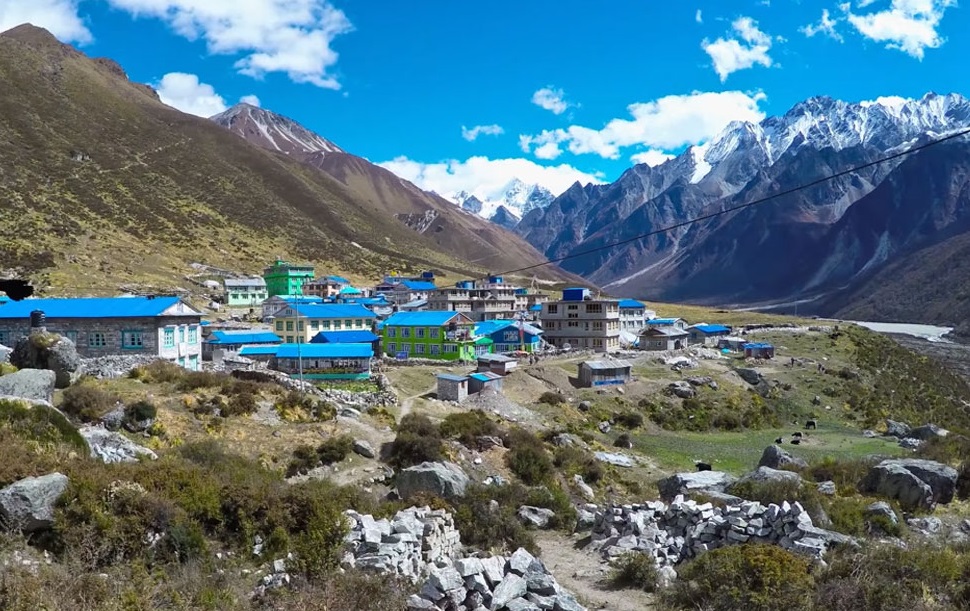
Langtang Valley Trek
Destination:
Nepal
Trip Duration:
8 Days
Max Altitude:
Tserko Ri (4,984 m)
Activities:
Trekking
Start Point:
Kathmandu
Ending Point:
Kathmandu
Region:
Langtang
Trip Grade:
Moderate
Group Size:
1-10 Pax
Accomodation:
Hotel/Cozy local teahouses
Meals:
Breakfast, Lunch and Dinner during trekking
Transportation:
Local Transportation
Permits Required:
National Park Permit
Best Season:
March, April, May and Sept, Oct, Nov
The Langtang Valley Trek is one of Nepal’s most scenic and accessible trekking routes, offering trekkers the chance to explore stunning Himalayan views, vibrant Tamang culture, and peaceful trails, far from the crowded paths of Everest and Annapurna. Situated just 7-8 hours from Kathmandu, the Langtang region is an ideal destination for those looking to experience the beauty and serenity of the Himalayas within a short timeframe.
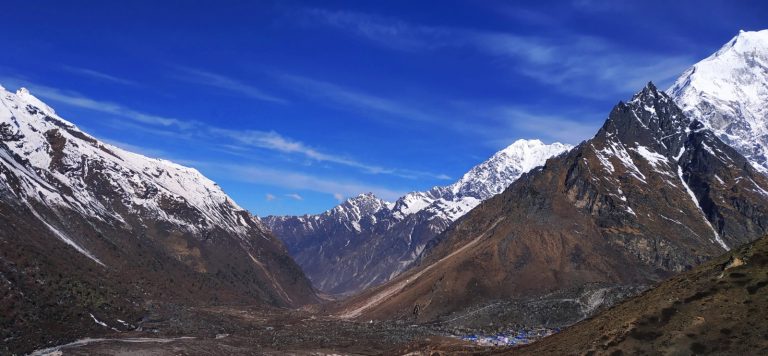
Throughout the trek, trekkers are treated to breathtaking views of Langtang Lirung, Dorje Lakpa and other majestic peaks, along with lush forests, alpine meadows, and picturesque villages. The region is also home to diverse wildlife, including the elusive red panda and Himalayan tahr, as well as a rich variety of flora. The trek offers a great opportunity to immerse yourself in the local culture, with visits to traditional Tamang villages and Buddhist monasteries.
The trek’s highlight is the Kyanjin Gompa, a Tibetan Buddhist monastery offering spectacular views of the surrounding mountains. For those seeking a higher vantage point, Tserko Ri offers an optional day hike with panoramic views of the Langtang range. Whether you’re an experienced trekker or a first-timer, the Langtang Valley Trek promises an unforgettable adventure, combining nature, spirituality, and adventure in one remarkable journey.
Langtang Valley Trek Highlights
- Enjoy stunning views of Langtang Lirung, Dorje Lakpa, and Ganesh Himal
- Explore the beautiful “Valley of Glaciers” inside Langtang National Park
- Experience rich Tamang and Tibetan culture in traditional mountain villages
- Visit the sacred Kyanjin Gompa Monastery and hike to Tserko Ri (4,984 m) for panoramic mountain views
- Spot rare wildlife like red pandas and colorful Himalayan birds
- Trek through blooming rhododendron forests and scenic alpine meadows
- Stay in welcoming local teahouses offering authentic Nepali hospitality
- A short, peaceful and easily accessible trek close to Kathmandu
Route of the Langtang Valley Trek:
The Langtang Valley Trek route is one of Nepal’s most scenic and culturally enriching trails, located just north of Kathmandu near the Tibetan border. The journey begins with a beautiful drive from Kathmandu to Syabrubesi (1,470 m), the gateway to the Langtang region. From here, the trail follows the Langtang River, passing through lush rhododendron and oak forests, charming Tamang villages, and high alpine meadows within Langtang National Park.
As trekkers ascend toward Langtang Village (3,430 m) and Kyanjin Gompa (3,870 m), the scenery opens up to breathtaking views of Langtang Lirung, Dorje Lakpa, and surrounding peaks. Kyanjin Gompa serves as the spiritual and scenic heart of the trek, offering optional hikes to Tserko Ri (4,984 m) for stunning sunrise panoramas over the Himalayas.
Combining natural beauty, wildlife diversity, and warm local culture, the Langtang Valley Trek provides a perfect Himalayan adventure for both beginners and experienced trekkers seeking a peaceful route close to Kathmandu.
Include
- Airport Transfers: Complimentary pick-up and drop-off services between Tribhuvan International Airport and your hote
- Accommodation in Kathmandu: Two nights at a comfortable boutique hotel with daily breakfast included
- Meals during the Trek: Full board service — breakfast, lunch, and dinner provided throughout the trekking journey
- Licensed Trekking Guide: Professional, government-certified mountain guide from Kathmandu for the entire trek
- Teahouse Accommodation: Standard teahouse or lodge accommodation during the Langtang Valley Trek
- Permits: All necessary trekking permits, including the Langtang National Park Entry Permit and the TIMS Card (Trekkers’ Information Management System)
- Transportation: Kathmandu to Syabrubesi and return by local bus or private jeep/Hotel to bus park and bus park to hotel transfers by private car
- First Aid Kit: Basic medical supplies and a first aid kit carried by the guide for emergency use
Exclude
- International airfare to and from Nepal
- Nepal entry visa fees (available on arrival at Kathmandu airport)
- Lunch and dinner in Kathmandu before and after the trek
- Personal trekking equipment and gear (can be rented or purchased in Kathmandu)
- Travel and medical insurance covering high-altitude trekking
- Beverages such as soft drinks, bottled water, and alcoholic drinks
- Snacks and personal expenses including laundry, phone calls, and internet
- Tips and gratuities for guides, porters, and drivers.
- Extra nights in Kathmandu or during the trek due to flight delays, weather, or personal reasons
- Emergency evacuation costs (if required)
Langtang Valley Trek Itinerary
Your adventure begins as you arrive at Tribhuvan International Airport. You’ll be transferred to your hotel. Use the day to recover from your journey, explore the vibrant streets of Thamel and complete any last-minute gear shopping. A pre-trek briefing in the evening will ensure you’re fully prepared.
Accomodation:
3 Star Hotel
Begin your Langtang Valley adventure with a scenic 6-7 hour drive from Kathmandu to Dhunche (1,960m). This journey is an experience in itself, traversing winding mountain roads alongside the Trishuli River. Enjoy breathtaking views of terraced fields, waterfalls, and distant Himalayan peaks.
Upon arrival, you’ll be greeted by the crisp mountain air in Dhunche, the main administrative town of the Rasuwa district and a vibrant Tamang community hub. This town, with its strong Tibetan-Buddhist culture and warm hospitality, serves as the perfect gateway to the Langtang region.
Trip Duration:
6-7 Hours
Accomodation:
Normal Teahouse
Meals:
Lunch & Dinner
The trail from Dhunche to Thulo Syabru is a scenic 5-6 hour walk that introduces the classic rhythm of a Himalayan trek. The path starts on a road before turning onto a quiet footpath, climbing steadily through peaceful forests of pine and fragrant rhododendron. The destination, Thulo Syabru, is a charming Tamang village perched on a steep ridge.
Known for its traditional stone houses, active apple orchards, and strong Buddhist culture, the village offers an authentic glimpse into mountain life. The day’s effort is rewarded with stunning panoramic views of the surrounding valleys and a first true sense of the Langtang landscape. Spend the night in a local teahouse lodge.
Trip Duration:
5-6 Hours
Accomodation:
Normal Teahouse
Meals:
Breakfast, Lunch & Dinner
The trek from Thulo Syabru to Lama Hotel is a dynamic 6-7 hour journey featuring significant elevation change. The trail descends steeply through lush forest to the Langtang River, crossing a classic Himalayan suspension bridge at Pairo Besi. From here, the path ascends steadily alongside the powerful river, winding through dense, enchanting forests of oak and bamboo.
This immersive stretch of the Langtang Valley trek is characterized by the constant sound of rushing water and rich greenery. Your destination is the peaceful settlement of Lama Hotel, a well-known stop on the trail consisting of a cluster of lodges nestled in the woods, offering a cozy retreat after a day of varied terrain.
Trip Duration:
6-7 Hours
Accomodation:
Normal Teahouse
Meals:
Breakfast, Lunch & Dinner
Today’s trek from Lama Hotel to Langtang Village is a rewarding 6-7 hour climb that marks your entry into the high alpine landscape of the Langtang Valley. Ascending through thinning rhododendron forest, you’ll reach the significant landmark of Ghoda Tabela (3,000m), where the valley dramatically opens to reveal your first breathtaking, unobstructed views of the majestic Langtang Lirung (7,227m).
The trail continues past grazing yaks and ancient mani stone walls, leading into the historic and resilient Langtang Village. Rebuilt with profound spirit, this cultural heart of the valley offers a powerful sense of place amidst its towering Himalayan backdrop. Spend the night in a local teahouse.
Trip Duration:
6-7 Hours
Accomodation:
Normal Teahouse
Meals:
Breakfast, Lunch & Dinner
This shorter 3-4 hour trek from Langtang to Kyanjin Gompa serves as a perfect high-altitude acclimatization day. The trail offers a gentle climb through open yak grazing pastures with ever-expanding, incredible views of the surrounding snow-capped peaks. Your destination, Kyanjin Gompa, is a significant spiritual and scenic highlight of the Langtang Valley trek.
Here, you can visit the famous Yak Cheese Factory and the ancient Kyanjin Gompa monastery, immersing yourself in the unique culture of the high Himalayas. Use the afternoon to rest or explore the dramatic glacial moraines with the stunning Langtang Lirung as your backdrop.
Trip Duration:
3-4 Hours
Accomodation:
Normal Teahouse
Meals:
Breakfast, Lunch & Dinner
The climb to Tserko Ri (4,984m) is the ultimate challenge and highlight of the Langang Valley trek. This demanding 6-7 hour high-altitude hike begins early, following a steep, rocky trail from Kyanjin Gompa. The strenuous ascent is rewarded with one of Nepal’s most breathtaking 360-degree panoramic views.
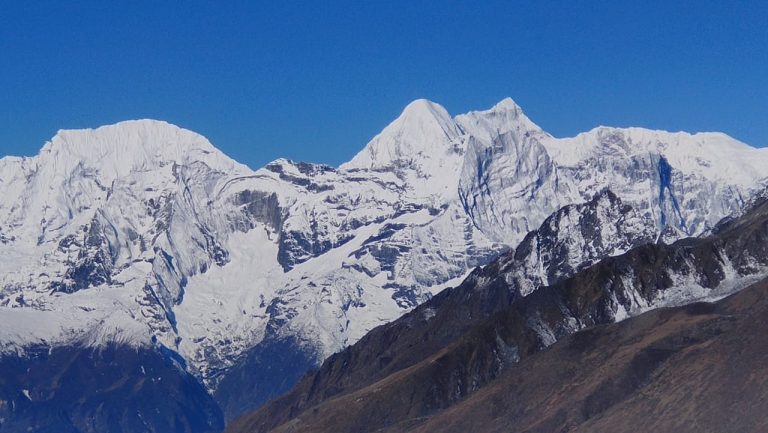
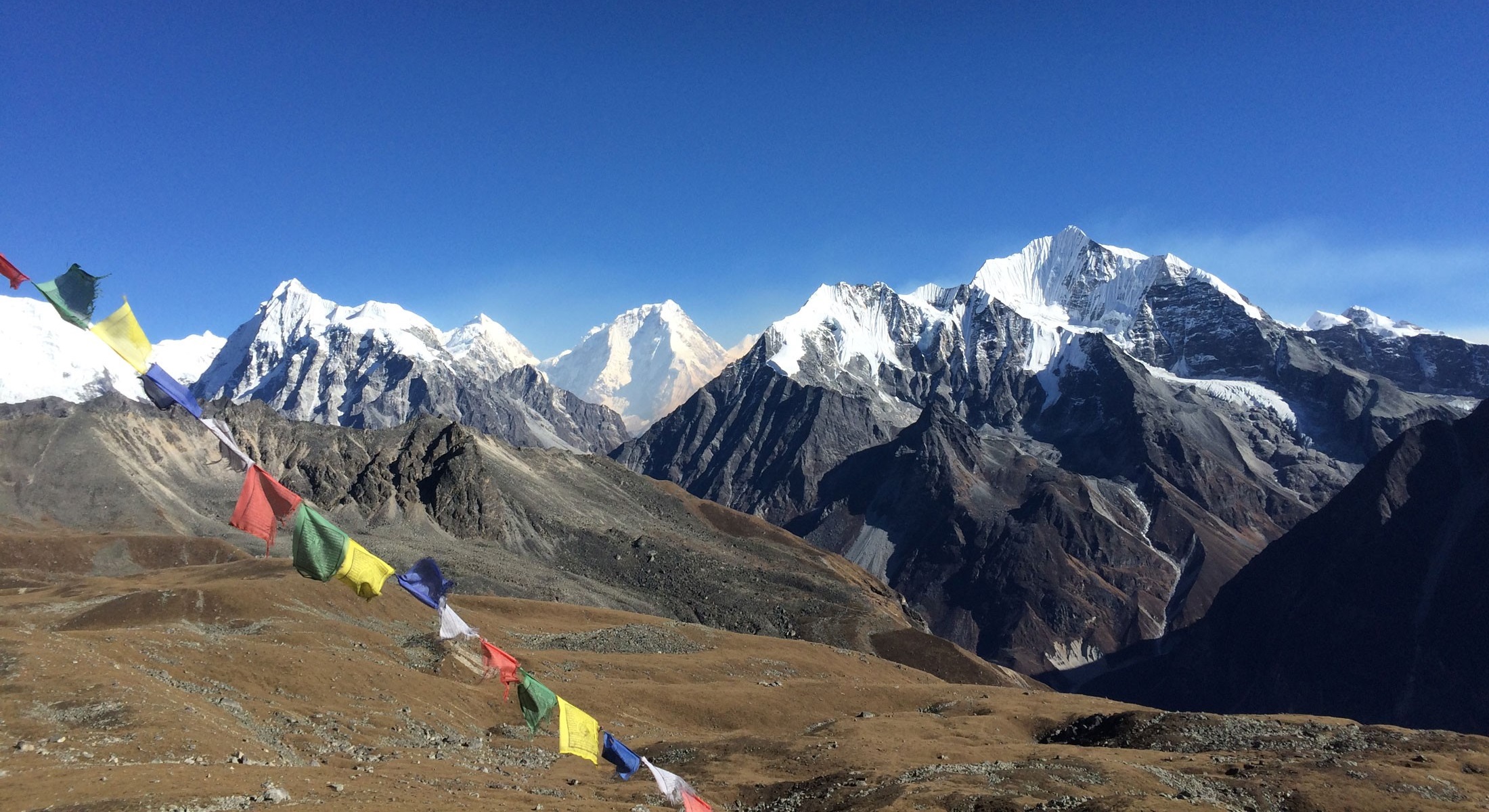
From the summit, the entire Langtang Himalayan range surrounds you, with unobstructed vistas of Langtang Lirung (7,227m), Yala Peak, Dorje Lakpa, and Gang Chenpo. After savoring this unparalleled alpine panorama, descend to Kyanjin Gompa for a well-earned rest. Kyanjin Ri (4,773m) is a popular, slightly less strenuous alternative with similarly outstanding summit views.
Trip Duration:
6-7 Hours
Accomodation:
Normal Teahouse
Meals:
Breakfast, Lunch & Dinner
Today’s 5-6 hour trek from Kyanjin Gompa to Lama Hotel marks the beginning of your journey back down the Langtang Valley. Retracing the trail offers a new perspective on the breathtaking landscapes you ascended through. The descent is steady and rewarding, passing back through the familiar high alpine pastures of Ghoda Tabela and the resilient Langtang Village.
As you lose elevation, the lush, dense forests of oak, bamboo, and rhododendron welcome you back, culminating at the peaceful riverside settlement of Lama Hotel. This day provides a reflective and scenic close to your time in the high Himalayas.
Trip Duration:
5-6 Hours
Accomodation:
Normal Teahouse
Meals:
Breakfast, Lunch & Dinner
The final 5-6 hour trek from Lama Hotel to Syabrubesi (1,460m) completes your Langtang circuit with a steady descent alongside the powerful Langtang River. The trail winds down through lush, subtropical forests—a beautiful and reflective conclusion to your mountain journey.
Arriving back in Syabrubesi, the road-head town where your adventure began, offers a profound sense of accomplishment. Here, you can celebrate the successful completion of your Langtang Valley trek with your guide and porter team, sharing stories and memories of the incredible landscapes and cultural encounters from the past days.
Trip Duration:
5-6 Hours
Accomodation:
Normal Teahouse
Meals:
Breakfast, Lunch & Dinner
Complete your Langtang Valley trekking adventure with a final 6-7 hour drive from Syabrubesi to Kathmandu. This scenic return journey follows the Trishuli River downhill, offering beautiful views of terraced farmland and traditional villages—a relaxing contrast to the high mountains. Arriving back in Kathmandu, you’ll check into a comfortable 3-Star hotel, where a hot shower awaits.
The evening is free for a well-deserved celebration dinner, some last-minute souvenir shopping in Thamel, or simply relaxing and reflecting on your incredible Himalayan journey. This day provides a smooth transition from the tranquility of the mountains to the vibrant energy of Nepal’s capital.
Trip Duration:
6-7 Hours
Accomodation:
3 Star Hotel
Meals:
Breakfast & Lunch
Your Langtang Valley trek concludes today. You’ll be transferred to the airport for your departure flight, carrying unforgettable memories of the Himalayas.
Meals:
Breakfast
Packing List for the Langtang Valley Trek:
Planning your Langtang Valley Trek? Packing smart ensures comfort, safety, and an enjoyable journey through Nepal’s diverse Himalayan terrain. Below is a compact and essential checklist covering everything from clothing to important documents.
Clothing Essentials:
- Moisture-wicking base layers (2–3 t-shirts, thermal tops/bottoms)
- Fleece or down jacket for warmth
- Waterproof/windproof shell jacket and pants
- Lightweight trekking pants and shorts
- Warm hat, gloves, buff, and sun cap
- Quick-dry underwear and sleepwear
Footwear
- Sturdy, waterproof trekking boots (well broken-in)
- 2–3 pairs of hiking socks + 1 warm pair
- Camp shoes or sandals
Trekking Gear:
30–40L backpack + 20–25L daypack with rain cover
Sleeping bag (-10°C to -15°C)
Trekking poles, headlamp, water bottles, and purification tablets
Sunglasses, quick-dry towel, and thermos flask
Toiletries & Hygiene:
- Toothbrush, biodegradable soap/shampoo
- Sunscreen, lip balm, wet wipes, sanitizer, and tissue
- Menstrual hygiene products (for women)
First Aid & Medicine:
- Diamox (consult doctor), painkillers, band-aids, antiseptic, rehydration salts
- Personal medications
Documents & Miscellaneous:
- TIMS card, Langtang National Park permit, insurance, cash (no ATMs after Syabrubesi)
- Power bank, camera, universal adapter, snacks, and ziplock bags
Langtang Valley Trek FAQs
The Langtang Valley Trek is a scenic Himalayan trekking route in Langtang National Park, just north of Kathmandu. It offers stunning mountain views, rich Tamang culture, and alpine landscapes, making it a popular moderate-level trek in Nepal.
The Langtang Valley Trek is moderately difficult. It involves daily walking of 5–7 hours and reaches altitudes up to 4,984 meters at Tserko Ri. It’s suitable for trekkers with a reasonable level of fitness and no technical climbing experience.
The trek typically takes 7 to 10 days, depending on the route and acclimatization days. Most itineraries start from Syabrubesi and include stops at Lama Hotel, Langtang Village, Kyanjin Gompa and Tserko Ri.
The best seasons for Langtang Valley Trek are spring (March to May) and autumn (September to November). These months offer clear mountain views, stable weather, and blooming rhododendrons in spring.
Yes, you need two permits:
- Langtang National Park Entry Permit – NPR 3,000 (foreigners), NPR 1,500 (SAARC)
- TIMS Card (Trekkers’ Information Management System) – NPR 2,000
Langtang Valley Trek Good To Know
The Langtang Valley, located north of Kathmandu near the Tibetan border, is not only famous for its stunning natural beauty but also for its rich cultural heritage. The region is predominantly inhabited by the Tamang people, an ethnic group with Tibetan roots, who have lived in these Himalayan villages for centuries. Their unique traditions, language, and Buddhist practices have shaped the cultural identity of Langtang.
Historically, Langtang was part of the trade route between Nepal and Tibet, where locals exchanged grains, salt, and livestock. The villages still reflect this heritage through their traditional stone houses, mani walls, and prayer flags, which are integral to daily life. Kyanjin Gompa, an ancient monastery at the heart of the valley, serves as both a spiritual center and a cultural hub for festivals, rituals, and local gatherings.
The 2015 earthquake impacted much of the Langtang region, but the resilient communities rebuilt their homes and monasteries, preserving their traditions while welcoming trekkers from around the world. Visitors can experience authentic Himalayan culture through local cuisine, handicrafts, and interactions with the warm and hospitable Tamang families.
The Langtang region’s history and culture offer trekkers a rare opportunity to witness a blend of spiritual heritage, traditional lifestyles, and Himalayan resilience amidst some of the most breathtaking mountain landscapes in Nepal.
The Langtang Valley Trek is located in central Nepal, just north of Kathmandu, near the border with Tibet (China). The trek lies within Langtang National Park, one of Nepal’s most scenic and accessible Himalayan regions.
The trail starts from Syabrubesi (1,470 m), a small town about 6–7 hours’ drive from Kathmandu, and winds through lush forests, traditional Tamang villages, and high alpine meadows before reaching Kyanjin Gompa (3,870 m). The trek offers stunning views of Langtang Lirung (7,227 m), Dorje Lakpa, and surrounding peaks, making it a popular choice for trekkers seeking a moderate Himalayan adventure close to the capital city
The Langtang Valley Trek is as much a cultural journey as it is a Himalayan adventure. Along the trail, trekkers encounter a series of charming Tamang villages, each offering a glimpse into traditional Himalayan life. The Tamang people, who form the majority of the region’s population, are of Tibetan descent and are known for their warm hospitality, vibrant festivals, and unique customs.
Villages such as Syabrubesi, Lama Hotel, Langtang Village, and Kyanjin Gompa showcase the blend of spiritual and rural life in the high Himalayas. You’ll see stone houses with slate roofs, prayer wheels, mani walls, and colorful prayer flags along the trail. Daily life revolves around farming, yak herding, and handicrafts, with locals often producing yak cheese, wool products, and traditional pottery.
Visitors have the opportunity to interact with local families, taste authentic Tamang cuisine, and learn about Buddhist traditions practiced in monasteries along the trek. These cultural encounters enrich the trekking experience, making Langtang Valley not just a natural wonder, but a vibrant tapestry of history, tradition, and Himalayan community life.
The Langtang Valley Trek is not only famous for its breathtaking Himalayan landscapes but also for its rich biodiversity. Nestled within Langtang National Park, the trek passes through diverse ecological zones ranging from lush subtropical forests to high-altitude alpine meadows.
Flora:
Trekkers can enjoy a wide variety of plant life along the trail. The lower regions are covered with rhododendron, oak, pine, and bamboo forests, which bloom vibrantly in spring. As you ascend, the vegetation transitions to alpine meadows, mosses, and hardy shrubs, creating picturesque landscapes against the backdrop of snow-capped peaks. Spring (March–May) is especially colorful, with rhododendron blossoms painting the valley in shades of red and pink.
Fauna:
Langtang National Park is home to a variety of Himalayan wildlife. Trekkers may spot red pandas, Himalayan black bears, musk deer, and langurs in the forests. Birdwatchers will delight in over 250 bird species, including pheasants, Himalayan monals, and various eagles. Yaks and their herders are a common sight in higher elevations, adding to the authentic mountain atmosphere.
The combination of rich flora, diverse wildlife, and stunning mountain scenery makes the Langtang Valley Trek a rewarding experience for nature enthusiasts and photographers alike
The Langtang Valley Trek in central Nepal is a moderately challenging trek with elevations ranging from Syabrubesi at 1,470 meters to the highest viewpoint, Tserko Ri at 4,984 meters. Along the route, trekkers pass through several scenic and culturally significant stops, including Lama Hotel (2,470 m), Langtang Village (3,430 m), and Kyanjin Gompa (3,870 m).
The trek’s gradual ascent allows for comfortable acclimatization, giving trekkers the chance to enjoy breathtaking Himalayan scenery at each stage. From lush forests and traditional Tamang villages to alpine meadows and panoramic mountain views, every step offers a unique experience.
With its moderate altitude and well-structured trail, the Langtang Valley Trek is suitable for both beginners and experienced trekkers seeking a high-altitude adventure close to Kathmandu, offering a perfect blend of natural beauty, culture, and Himalayan exploration.
Proper acclimatization is essential for a safe and enjoyable Langtang Valley Trek, as the trail gradually rises from Syabrubesi (1,470 m) to Tserko Ri (4,984 m). The trek is designed with gradual altitude gain, giving trekkers enough time to adapt to thinner air and reduce the risk of altitude sickness.
Days at Langtang Village (3,430 m) and Kyanjin Gompa (3,870 m) provide opportunities for short side hikes, which help the body adjust to higher elevations. Trekkers are advised to follow the “climb high, sleep low” principle, stay well-hydrated, eat nutritious meals, and rest adequately each night.
Having a government-licensed guide along the trek is also important, as they can monitor your health, advise on proper acclimatization practices, and respond to any altitude-related issues. By pacing yourself and respecting acclimatization guidelines, you can safely enjoy the spectacular landscapes of the Langtang Valley.
Yes, the Langtang Valley Trek is a true adventure trip in the heart of the Himalayas. Combining moderate trekking, high-altitude hiking, and cultural exploration, it offers stunning mountain views, alpine meadows, and traditional Tamang villages.
The trek includes crossing suspension bridges, walking through dense forests, and ascending to high viewpoints like Tserko Ri (4,984 m), providing both physical challenge and adventure. With opportunities to experience local culture, wildlife, and Himalayan landscapes, the Langtang Valley Trek is ideal for those seeking a memorable Himalayan adventure close to Kathmandu, suitable for both beginners and experienced trekkers.
The Langtang Valley Trek is considered moderately safe for trekkers, thanks to its well-established trails, friendly local communities, and proximity to Kathmandu. The gradual altitude gain helps reduce the risk of altitude sickness, and most trekkers can complete the route without major health issues.
Safety is further enhanced by government-licensed guides, who monitor your health, navigate the trails, and provide first aid if necessary. Standard teahouse accommodations and access to basic medical supplies along the route add to overall safety.
To ensure a smooth trek, travelers are advised to follow acclimatization guidelines, stay hydrated, dress appropriately for changing weather, and carry personal travel insurance covering high-altitude trekking. By taking these precautions, the Langtang Valley Trek is a safe and enjoyable Himalayan adventure.
The Langtang Valley Trek begins in Syabrubesi, a small town about 6–7 hours’ drive north of Kathmandu. Most trekkers start with a scenic drive from Kathmandu through winding mountain roads, terraced fields, and traditional villages, which allows you to enjoy your first glimpses of the Himalayas.
To reach Syabrubesi:
- By Bus:Comfortable buses leave early morning from Kathmandu and take around 6–7 hours.
- By Private Jeep or Car:A faster, more flexible option for groups or families.
Returning from the Trek:
After completing the trek, you descend back to Syabrubesi and return to Kathmandu by the same bus, jeep, or private car. Transportation between your Kathmandu hotel and bus park is usually included in most trekking packages.
This convenient road access makes the Langtang Valley Trek one of the most accessible high-altitude Himalayan treks near Kathmandu.
Trekking in the Langtang Valley requires two main permits to enter and hike within Langtang National Park:
- Trekkers’ Information Management System (TIMS) Card – This card is mandatory for all trekkers in Nepal. It helps track hikers for safety and is issued by the Nepal Tourism Board.
- Langtang National Park Permit – Required to enter the national park and its surrounding areas. This permit helps protect the region’s natural environment and wildlife.
Both permits can be obtained in Kathmandu before starting the trek. Your trekking agency or guide usually assists with the application process. Trekkers should carry original permits and photocopies during the trek, as they may be checked at entry points or along the trail.
Having these permits ensures your trek is legal, safe, and supportive of conservation efforts in the Langtang region.
The Langtang Valley Trek can be enjoyed year-round, but the best times to visit are during spring and autumn when the weather is at its most favorable. Here’s a breakdown of each season:
Spring (March to May): Spring is one of the most popular seasons for the Langtang Valley Trek. Expect clear skies, mild temperatures, and lush landscapes as the rhododendrons along the trail bloom in vibrant colors. The days are warm, while the nights are chilly, offering a perfect balance for trekking.
Autumn (September to November): Autumn is another fantastic season for trekking in the Langtang region. The weather is stable, and the mountain views are at their clearest. It’s also the time for festivals, adding an extra cultural charm to your journey. Autumn trekking offers the best visibility and is ideal for capturing the stunning panoramas of Langtang Lirung and surrounding peaks.
Winter (December to February): Although trekking is possible during winter, it’s essential to be well-prepared with the right gear. Temperatures can drop significantly, especially at higher altitudes. However, fewer crowds and the chance to see snow-covered landscapes can make it a peaceful and unique experience.
Altitude sickness can affect trekkers when ascending to higher elevations, such as Kyanjin Gompa (3,870 m) or Tserko Ri (4,984 m), but careful planning can minimize risks.
Tips to Prevent Altitude Sickness:
- Gradual Ascent: Follow a slow trekking pace to allow your body to adjust to higher altitudes. Avoid rapid climbs.
- Acclimatization Days: Spend extra time at key stops like Langtang Village and Kyanjin Gompa for proper acclimatization.
- Stay Hydrated: Drink plenty of water and avoid alcohol or caffeine, which can dehydrate you.
- Eat Light, Nutritious Meals: Foods rich in carbohydrates help maintain energy levels.
- Listen to Your Body: Rest if you feel unwell, and do not push through severe symptoms.
- Consult a Doctor: Consider medications like Diamox if recommended by a healthcare professional.
Following these precautions ensures a safe, enjoyable, and healthy trekking experience in the Langtang Valley.
When planning your Langtang Valley Trek, having comprehensive travel insurance is essential for safety, peace of mind, and a smooth trekking experience. Trekking in the Himalayas involves moderate to high-altitude hiking, unpredictable weather, and remote areas, which can present unexpected challenges.
Why Travel Insurance is Important:
- Medical Emergencies: Accidents, altitude sickness, or injuries can occur during trekking. Travel insurance covers hospital treatment, medications, and doctor consultations.
- Evacuation Costs: In case of serious altitude sickness or injury, emergency evacuation by helicopter or ambulance can be extremely expensive. Insurance ensures you are financially protected.
- Trip Cancellation or Interruption: Unforeseen events like flight delays, natural disasters, or personal emergencies may require changes to your plans. Travel insurance covers non-refundable expenses.
- Lost or Damaged Gear: Coverage often includes lost luggage, trekking gear, or personal items.
What to Look for in Trekking Insurance:
- High-altitude trekking coverage (up to at least 5,000 m)
- Emergency medical and evacuation support
- Trip cancellation and baggage protection
- 24/7 assistance service
Even experienced trekkers are advised to secure travel insurance before heading to the Langtang Valley, ensuring a safe, worry-free Himalayan adventure.
The Langtang Valley Trek experiences a varied Himalayan climate due to its range of altitudes from Syabrubesi (1,470 m) to Tserko Ri (4,984 m). Understanding the weather is essential for planning and ensuring a comfortable trek.
Seasons and Conditions:
- Spring (March to May): One of the best times to trek. Temperatures are moderate, rhododendrons bloom, and skies are mostly clear, offering spectacular mountain views.
- Summer/Monsoon (June to August): Heavy rainfall makes trails slippery and increases landslide risk. Forests are lush, but trekking can be challenging.
- Autumn (September to November): Another peak trekking season. Clear skies, stable weather, and moderate temperatures make it ideal for photography and hiking.
- Winter (December to February): Cold, with possible snowfall at higher elevations. Lower trails are still accessible, but nights are freezing.
Temperature Range:
- Lower elevations (Syabrubesi): 10°C – 25°C
- Mid elevations (Langtang Village/Kyanjin Gompa): 0°C – 15°C
- High elevations (Tserko Ri): -10°C – 5°C
Trekkers should pack layered clothing, waterproof gear, and warm accessories to handle rapidly changing Himalayan weather, ensuring a safe and enjoyable journey through the Langtang Valley.
Packing the right baggage is essential for a comfortable and enjoyable Langtang Valley Trek. Since the trek involves walking through rugged terrain and high-altitude trails, lightweight and well-organized luggage is recommended.
Backpack & Daypack:
- Main Backpack (50–60L): Use this to store clothing, sleeping bag, and personal items. If you hire a porter, this is the bag they will carry for you.
- Daypack (20–25L): Ideal for daily use on the trail. Carry essentials such as water, snacks, camera, extra layers, and rain gear. This ensures you have what you need during each day’s trek without overloading yourself.
Staying connected and keeping your gadgets charged is important during the Langtang Valley Trek. Most teahouses and lodges along the trail provide charging facilities, but they may be limited and sometimes require a small fee (usually 200–500 NPR per device).
Tips for Charging Devices:
- Bring a Portable Power Bank: A high-capacity power bank (10,000 mAh or more) ensures your phone, camera, and other devices stay powered between charging stops.
- Universal Travel Adapter: Some teahouses may have different plug types, so a compact travel adapter is useful.
- Solar Chargers: Lightweight solar panels can be handy for longer treks or remote areas without electricity.
- Limit Usage: Turn off unnecessary apps and use power-saving modes to extend battery life.
By planning ahead and carrying backup power options, you can capture memories, navigate with GPS, and stay connected throughout your trek in the Langtang Valley.
During the Langtang Valley Trek, trekkers can enjoy a variety of meals at teahouses and lodges along the route. Most teahouses serve Nepali, Tibetan, and continental dishes, ensuring options for both local flavor and international tastes.
Popular Food Options:
- Dal Bhat (Rice and Lentils): A traditional Nepali meal providing energy for long trekking days.
- Momos (Dumplings): Steamed or fried Tibetan-style dumplings filled with vegetables, chicken, or buffalo.
- Noodles & Soups: Light and warm options, ideal for cold days at higher altitudes.
- Snacks & Energy Foods: Instant noodles, energy bars, chocolate, and nuts are widely available.
Tips for Eating on the Trek:
- Drink plenty of water and herbal teas to stay hydrated.
- Carry personal snacks for long trekking stretches.
- Be mindful of food hygiene; choose freshly cooked meals and hot beverages.
With these options, trekkers can enjoy nutritious, warming meals that fuel the journey while experiencing authentic Himalayan cuisine along the Langtang Valley Trail.
Technically, it is possible to trek the Langtang Valley without a guide, as the trail is well-marked and accessible from Syabrubesi. However, hiring a government-licensed guide is highly recommended for safety, local insight, and hassle-free trekking.
A guide can help with:
Navigation and trail safety
- Permit management (TIMS and Langtang National Park permits)
- Acclimatization advice and altitude sickness monitoring
- Cultural interactions and local language translation
For first-time trekkers or those unfamiliar with Nepal’s mountain trails, a guide ensures a safer, more enjoyable, and informative trek, making the Langtang Valley experience both memorable and worry-free.
The Langtang Valley Trek is classified as a moderate trek, making it ideal for both beginners with basic fitness and experienced trekkers seeking a Himalayan adventure near Kathmandu. The trail starts at Syabrubesi (1,470 m) and gradually climbs to Tserko Ri (4,984 m), allowing trekkers to acclimatize comfortably along the way.
Why It’s Considered Moderate
- Altitude: Moderate high-altitude trekking with manageable elevation gains.
- Trail Conditions: Well-marked paths through forests, villages, and alpine meadows, with occasional rocky or steep sections.
- Daily Trek Duration: Typically 4–6 hours of walking per day, making it accessible for most fitness levels.
- Facilities: Teahouses along the route provide rest, meals, and basic amenities, reducing the physical strain of carrying heavy supplies.
With proper preparation, fitness, and pacing, the Langtang Valley Trek offers a safe, scenic, and culturally rich Himalayan experience for all types of trekkers.
Staying connected on the Langtang Valley Trek is possible, but options are limited due to the remote Himalayan terrain. Most teahouses and lodges along the trail offer Wi-Fi services, but connectivity can be slow, intermittent, and may require a small fee (usually 200–500 NPR per device).
Tips for Internet Access:
- Purchase a Nepali SIM Card: Local networks like Ncell and Nepal Telecom provide mobile data coverage along major trekking routes, though signal may be weak in high-altitude or forested areas.
- Portable Hotspot or Router: Some teahouses provide Wi-Fi hotspots for a fee; carrying a portable router can be useful.
- Offline Tools: Download maps, trekking apps, and entertainment for offline use, as internet may not be reliable in remote regions.
- Charging Devices: Carry a power bank or use teahouse charging points to ensure your devices stay powered.
While the Langtang Valley Trek offers a disconnect-from-the-world experience, basic internet access is available at key stops, allowing you to stay in touch with family and share your trekking memories.
Proper fitness preparation is key to enjoying the Langtang Valley Trek, as it involves moderate trekking, high-altitude hiking, and uneven terrain. Even though it’s suitable for beginners, a good fitness level improves endurance, safety, and overall trekking experience.
Fitness Tips:
- Cardiovascular Training: Engage in running, cycling, swimming, or brisk walking 3–5 times a week to improve stamina.
- Leg Strength Exercises: Squats, lunges, step-ups, and stair climbing strengthen legs for long daily treks.
- Core and Balance Training: Planks, sit-ups, and yoga improve stability and posture while carrying a backpack.
- Hiking Practice: Do shorter hikes with a weighted backpack to simulate trekking conditions.
- Flexibility & Stretching: Stretch daily to prevent injuries and reduce muscle soreness.
- Acclimatization Awareness: If possible, try hikes at higher altitudes to help your body adjust gradually.
By preparing your cardio, strength, and endurance, you’ll trek comfortably, enjoy the spectacular Himalayan landscapes, and minimize fatigue or altitude-related challenges on the Langtang Valley Trail.
Tipping is not mandatory in Nepal, but it is widely appreciated—especially in the tourism and hospitality sector. Trekkers are encouraged to tip guides, porters, and drivers as a gesture of gratitude for their hard work and support throughout the journey. In restaurants, cafés, and hotels, a small tip is often expected if service charges are not included in the bill.
For trekking and tour staff, tips are usually given at the end of the trip and are often pooled together for fairness. While the amount depends on service quality and trek duration, offering a reasonable tip helps support local workers and shows respect for Nepal’s service culture.
Stunning Views of Langtang Himal: The Langtang Valley Trek provides an unforgettable view of the Langtang Lirung (7,227 meters), Dorje Lakpa (6,966 meters), Yala Peak (5,520 meters), and several other snow-capped peaks. The trail is a photographer’s paradise, offering awe-inspiring views at every turn.
Cultural Richness: The trek offers a chance to experience the Tamang and Sherpa cultures. Visitors can explore traditional Tamang villages, Buddhist monasteries, and local homestays. The peaceful vibe of Kyanjin Gompa and the Tserko Ri summit adds to the serene spiritual atmosphere.
Wildlife and Flora: Langtang National Park is home to a variety of wildlife, including red pandas, snow leopards, and Himalayan tahr. The forests are thick with rhododendron, bamboo, and pine trees, and the alpine meadows are a sight to behold, especially in spring when wildflowers bloom.
Less Crowded: Compared to more famous treks like the Everest Base Camp or Annapurna Circuit, the Langtang Valley Trek is less crowded, offering a more intimate and peaceful trekking experience.
The Langtang Valley Trek offers a unique Himalayan experience, combining breathtaking mountain views, rich cultural encounters, and a variety of natural landscapes. Here’s what you can expect:
Stunning Mountain Views:
Expect magnificent panoramas of Langtang Lirung (7,234m), Ganesh Himal, and Dorje Lakpa. Sunrise views from Tserko Ri (4,984m) are especially awe-inspiring, and you may even catch a glimpse of Shishapangma (8,013m), one of Tibet’s highest peaks.
A Moderate yet Rewarding Adventure:
The trek is moderate in difficulty, making it suitable for beginners with decent fitness levels. Expect daily treks ranging from 5 to 7 hours, walking through varied terrain, from lush forests to alpine meadows, and gaining altitude gradually to help acclimatize.
Authentic Tamang Culture:
Along the trek, you’ll pass through traditional Tamang villages such as Lama Hotel, Langtang Village, and Kyanjin Gompa. These villages offer an authentic cultural experience, with Buddhist monasteries, prayer flags, and the warm hospitality of the local Tamang people.
Natural Beauty and Wildlife:
Walk through rhododendron forests and alpine meadows. The trek passes through Langtang National Park, home to wildlife like red pandas, Himalayan monals, and over 250 species of birds.
Comfortable Teahouses and Local Cuisine:
Stay in cozy teahouses along the route, where you can enjoy traditional Nepali meals like dal bhat, Tibetan bread, momos, and yak cheese, all while surrounded by stunning mountain vistas.
Experience the tranquility, spirituality, and raw Himalayan beauty of the Langtang Valley Trek. Whether you’re a solo traveler, couple, or group, this trek promises memories for a lifetime.
The Langtang Valley Trek in 2025–2026 is a budget-friendly Himalayan adventure, with typical costs ranging from USD 500 to USD 900 per person. The exact price depends on factors such as group size, trek duration, accommodation type, and inclusions like guides, porters, and meals.
This cost usually covers teahouse accommodations along the trail, full-board meals, Langtang National Park and TIMS permits, transportation from Kathmandu to Syabrubesi, and the services of a licensed trekking guide. Optional expenses may include hot showers, Wi-Fi, personal snacks, or tips for guides and porters.
The Langtang Valley Trek provides an accessible and scenic Himalayan experience, with breathtaking views of Langtang Lirung, Tserko Ri, and alpine landscapes, as well as opportunities to explore traditional Tamang villages and local culture. With careful planning, trekkers can enjoy this adventure within the USD 500–900 range, making it an excellent choice for both first-time and experienced trekkers.
Reviews
A Memorable Kailash Mansarovar Yatra with Excellent Support
My Kailash Mansarovar Yatra with Best Of Nepal Trek was an unforgettable experience. From the very beginning, everything was well planned and the team made sure our journey was comfortable, safe and enjoyable.
Our guide and the entire staff were friendly, experienced and always ready to help. They took great care of the group, answered all our questions and ensured that every part of the pilgrimage went smoothly.
Visiting the sacred Mount Kailash and Lake Mansarovar was a dream come true. The stunning Himalayan scenery and the peaceful spiritual atmosphere made this journey truly special.
I would like to thank Best Of Nepal Trek for their outstanding hospitality and professional service. I highly recommend them to anyone planning the Kailash Mansarovar Yatra. It was a wonderful experience that I will always remember.
Raada J
,USA
Excellent Kailash Mansarovar Yatra with Best Of Nepal Trek
Everything was well organized from start to finish, and the communication before the trek was smooth and clear. Our guide, Mr. Arjun, was excellent—friendly, knowledgeable and always making sure everyone was safe and comfortable. The entire team at Best Of Nepal Trek was professional, helpful and made us feel welcome throughout the journey.
The Kailash Mansarovar Yatra was a truly unforgettable spiritual experience. From the breathtaking Himalayan landscapes to the peaceful atmosphere around Mount Kailash and Lake Mansarovar, every moment was memorable. I felt well supported throughout the journey, and the team's attention to detail made the pilgrimage comfortable and stress-free.
I highly recommend Best Of Nepal Trek to anyone planning the Kailash Mansarovar Yatra. Thank you to Mr. Arjun and the entire team for making this once-in-a-lifetime journey so special.
Anupam M
,USA

Outstanding Everest Base Camp Trek Experience
Our Everest Base Camp Trek with Best of Nepal Trek was an unforgettable experience from beginning to end. Every detail of the trip was professionally organized and our guide, Shyange Sherpa, was knowledgeable, friendly and always willing to help. His experience and encouragement made the trek enjoyable and safe.
We also enjoyed the Kathmandu city tour, which was a wonderful introduction to Nepal's rich culture and history before the trek. The breathtaking Himalayan scenery and outstanding service made this journey truly special.
We highly recommend Best of Nepal Trek to anyone planning an Everest Base Camp Trek or a Kathmandu city tour in Nepal. Thank you for creating such an incredible and memorable adventure.Gotti M
,Norway
Annapurna Base Camp Trek with Friendly Guide
The Annapurna Base Camp Trek was an unforgettable adventure. Nepal is truly a beautiful country, famous for its warm hospitality, rich culture and unique traditions. The mountain views were absolutely breathtaking throughout the journey. A special thanks to our guide, Suman Tamang, who was friendly, knowledgeable and always ready to help. His support and care made the trek safe, enjoyable and memorable. I highly recommend Best Of Nepal Trek to anyone planning the Annapurna Base Camp Trek in Nepal.
Andrea Stern
,Sweden
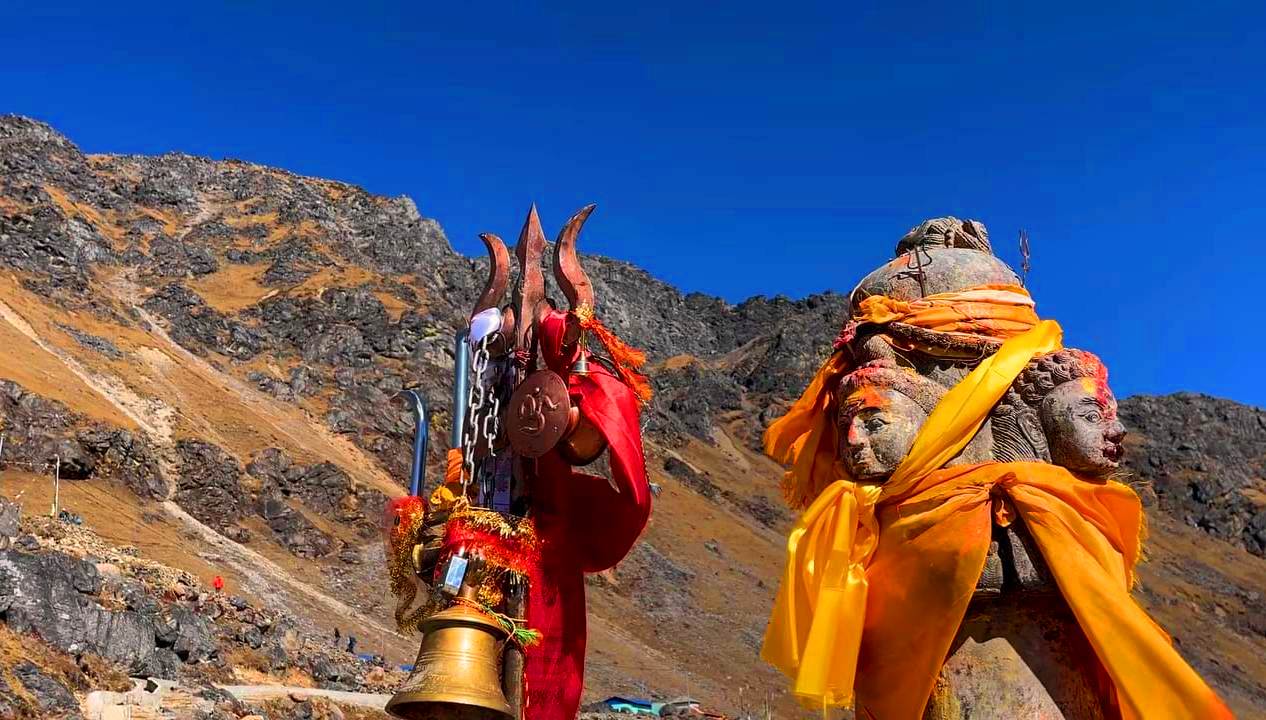
Well-Organized Gosaikunda Trekking with Stunning Himalayan Views
Our Gosaikunda Trekking adventure with Best of Nepal Trek was exceptionally well organized from beginning to end. The guide and porters were friendly, professional and always ready to help. Visiting the sacred Gosaikunda Lake was the highlight of our journey and the breathtaking panoramic mountain views made every step worthwhile. We had a fantastic trip and highly recommend Best of Nepal Trek to anyone planning the Gosaikunda Trek in Nepal.
Anna
,Australia
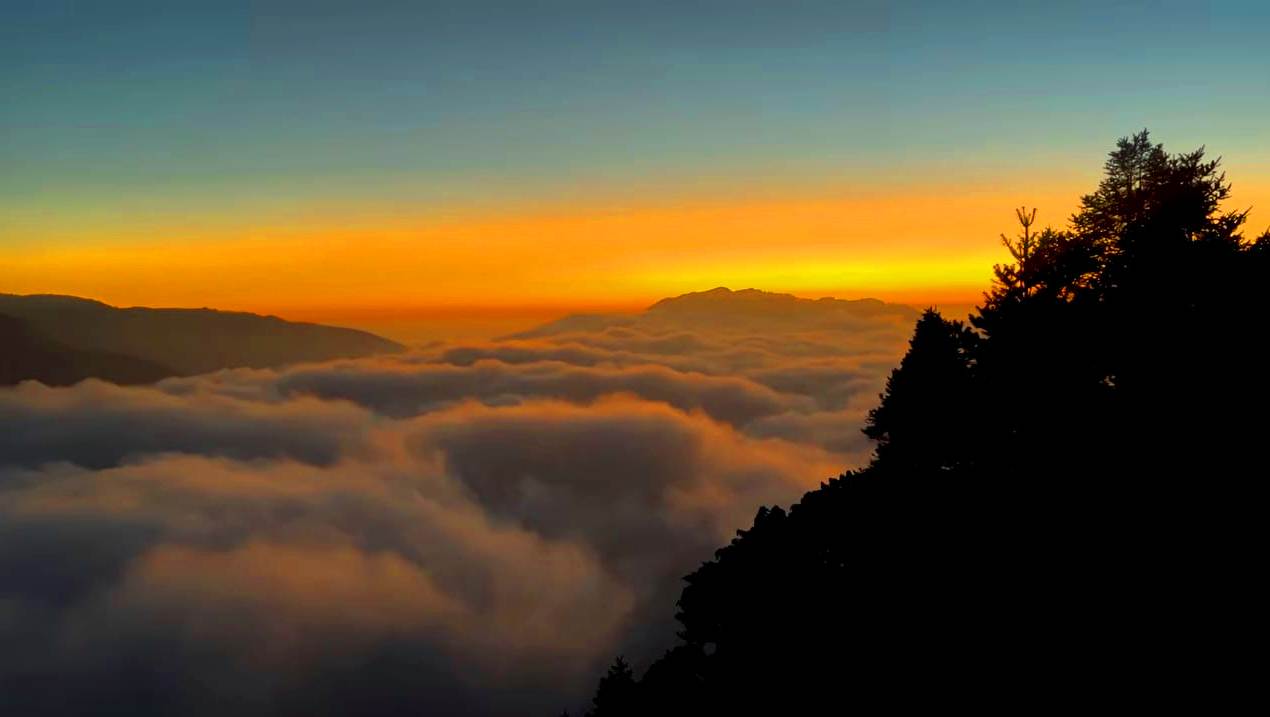
Amazing Gosaikunda Trek Experience
Our Gosaikunda Trek with Best of Nepal Trek was challenging but incredibly rewarding. The stunning Himalayan scenery, peaceful trails and warm hospitality made every moment unforgettable. Our guide, Dipak Sapkota, was knowledgeable, friendly and supportive throughout the trek. Everything was professionally organized, making our adventure safe, enjoyable and truly memorable. We highly recommend Best of Nepal Trek for anyone planning the Gosaikunda Trek in Nepal.
Jennifer,
,Canada
Excellent Kailash Mansarovar Yatra Experience
Our Kailash Mansarovar Yatra with Best of Nepal Trek was exceptionally well organized from start to finish. Communication was smooth and our Guide, Arjun, was friendly, knowledgeable and supportive throughout the journey. We felt safe, well cared for and truly enjoyed this once-in-a-lifetime pilgrimage. I highly recommend Best of Nepal Trek to anyone planning the Kailash Mansarovar Yatra.
Nini
,US
Jungle Safari on Foot in Chitwan
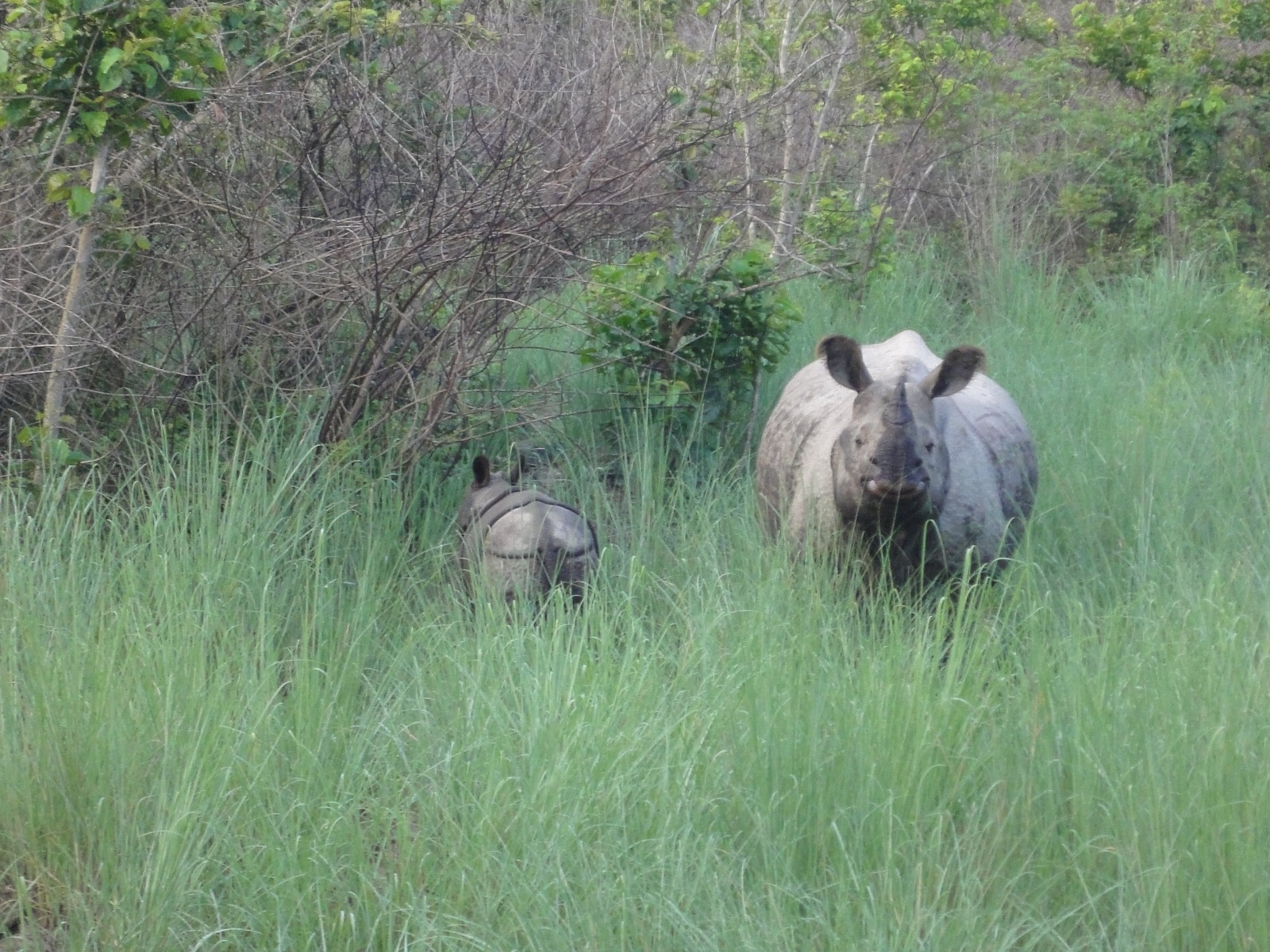
The jungle safari on foot was a really amazing experience. We were lucky to see a mother rhino with her calf, which was truly unforgettable. We also spotted deer and other wildlife along the way.
It was a great adventure in nature and a wonderful way to experience the beauty of the jungle up close.Nina N.
,Australia
Wonderful Jungle Safari Experience
Our Chitwan Jungle Safari Tour with Best Of Nepal Trek was an unforgettable experience. We enjoyed incredible wildlife sightings, including the famous one-horned rhinoceros and had the opportunity to explore the natural beauty of Chitwan National Park.
The guides were knowledgeable and helpful throughout the tour, while the resort staff provided excellent hospitality. The food was delicious and plentiful, making our stay even more enjoyable. Everything was well organized and we highly recommend this tour to anyone looking for a memorable wildlife adventure in Nepal.janet
,US
Chitwan Jungle Safari Tour with Best Of Nepal Trek
My Chitwan Jungle Safari Tour with Best Of Nepal Trek was a fantastic experience. The wildlife sightings, jungle activities and cultural experiences made the trip both exciting and memorable.
Everything was well organized and the team ensured a comfortable and enjoyable journey throughout the tour. I highly recommend Best Of Nepal Trek to anyone looking to explore the natural beauty and wildlife of Chitwan. Thank you for making this adventure so special.Kristen
,United States