
Yala Peak Climbing
Destination:
Yala Peak
Trip Duration:
12 to 15 Days
Max Altitude:
5,732 meters (18,806 feet)
Activities:
Peak Climbing
Start Point:
Kathmandu
Ending Point:
Kathmandu
Region:
Langtang Region
Trip Grade:
Moderate / Non-Technical Climb
Group Size:
1–12 people (Private or Group Join Available)
Accomodation:
Hotel/Teahouses & tented camp
Meals:
Breakfast, Lunch and Dinner during trekking
Transportation:
Local bus from Kathmandu to Syabrubesi and back
Permits Required:
National Park Entry Permit & TIMS Card
Best Season:
March, April, May and Sept, Oct, Nov
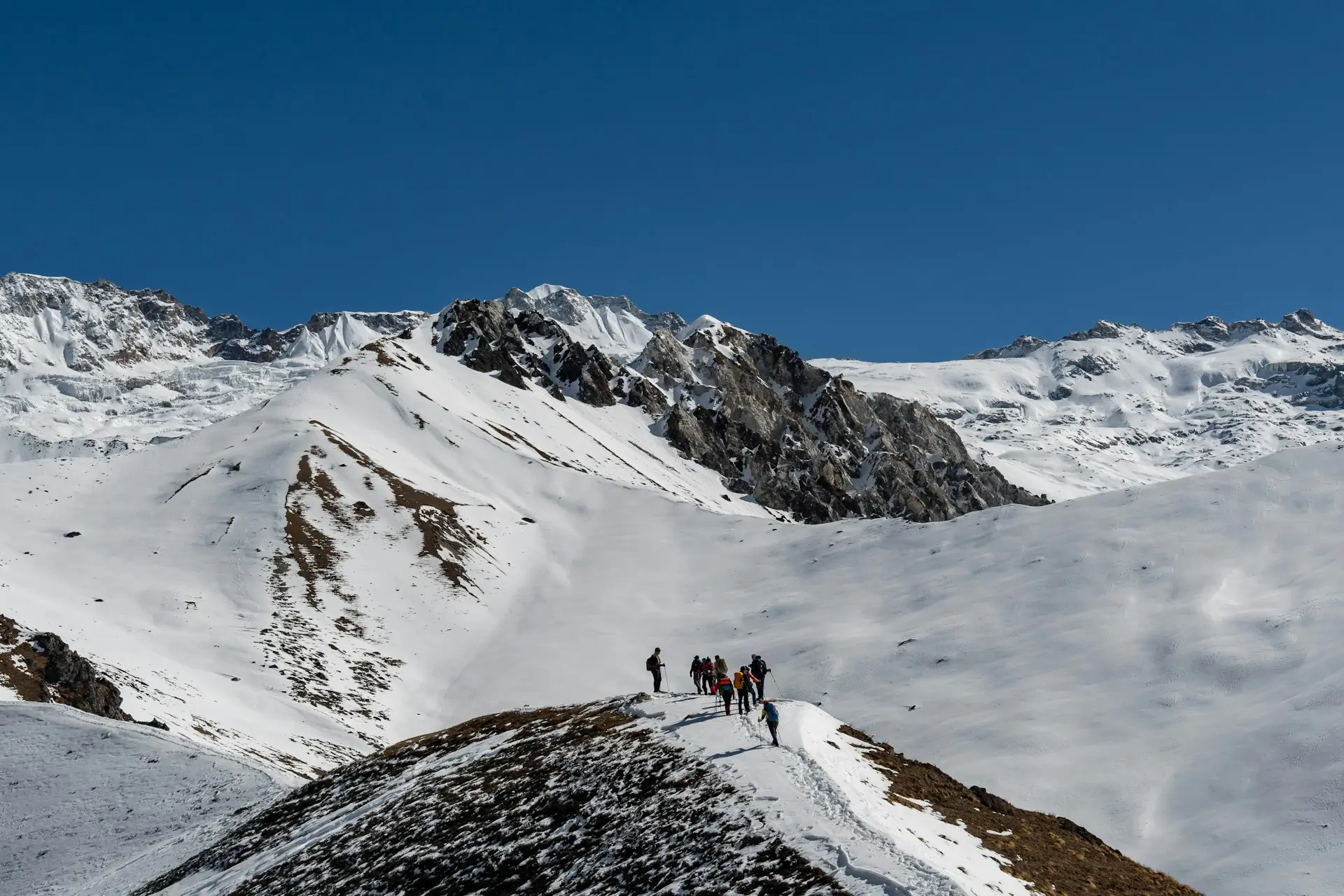
Yala Peak Climbing is a stunning and beginner-friendly mountaineering adventure located in the breathtaking Langtang region of Nepal. Standing tall at 5,732 meters (18,806 ft), Yala Peak offers an incredible opportunity to experience Himalayan climbing without the need for advanced technical skills. This adventure blends scenic trekking trails, cultural exploration, and a rewarding summit experience, making it one of the best short climbing expeditions near Kathmandu.
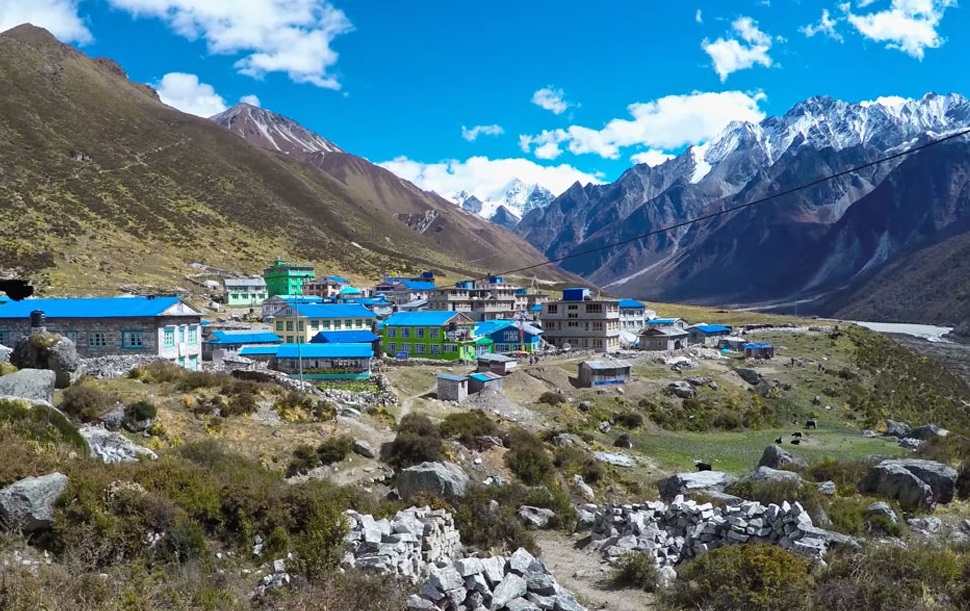
The journey starts with a scenic drive from Kathmandu to Syabrubesi, the entry point to the Langtang Valley. As the trek progresses, you’ll pass through charming villages such as Lama Hotel, Langtang Village, and Kyanjin Gompa, each offering a glimpse into the traditional Tamang and Sherpa culture. The trail winds through the pristine Langtang National Park, where trekkers can enjoy lush rhododendron forests, cascading waterfalls, and occasional sightings of wildlife like the red panda and Himalayan tahr.
The highlight of the expedition is reaching the summit of Yala Peak, which rewards climbers with spectacular panoramic views of Langtang Lirung, Dorje Lakpa, Naya Kanga, Gangchempo, and the magnificent Shishapangma (8,013m) in Tibet. The climb is considered non-technical, making it ideal for first-time climbers or those seeking to gain basic mountaineering experience in Nepal.
With proper acclimatization at Kyanjin Gompa, climbers ascend toward Yala Peak Base Camp before attempting the final summit push. The feeling of standing on the summit, surrounded by the Himalayan giants, is an unforgettable achievement for every adventurer.
Whether you are a beginner or an experienced trekker looking for a short Himalayan climb, Yala Peak Climbing offers a perfect blend of nature, culture, and adventure in one of Nepal’s most scenic mountain regions.
Yala Peak Climbing Highlights
- Summit One of Nepal’s Easiest Trekking Peaks: Yala Peak is an ideal choice for beginner climbers seeking their first Himalayan summit. The climb is non-technical yet offers a thrilling high-altitude experience with stunning mountain scenery.
- Scenic Trek through Langtang National Park: The journey passes through the beautiful Langtang National Park, known for its diverse landscapes, alpine meadows, and lush rhododendron forests. You may also encounter wildlife such as Himalayan tahr, red pandas, and various bird species.
- Cultural Encounters with Tamang and Sherpa Communities:The trek provides an authentic cultural experience as you visit traditional Tamang and Sherpa villages. Interacting with locals allows you to learn about their Buddhist traditions, mountain lifestyle, and warm hospitality.
- Breathtaking Himalayan Panorama: From the summit of Yala Peak, climbers are rewarded with magnificent views of Langtang Lirung, Dorje Lakpa, Ganchenpo, Naya Kanga, and the world’s 14th highest mountain, Shishapangma (8,013m), located in Tibet.
- Perfect Peak for Beginners and Adventure Seekers: Yala Peak is a great introduction to mountaineering, suitable for both novice and experienced climbers. With proper acclimatization and guidance, anyone with good fitness can achieve the summit.
- Short and Accessible Climbing Route: The route to Yala Peak is easily accessible from Kathmandu via Syabrubesi, making it one of the most convenient trekking peaks in Nepal.
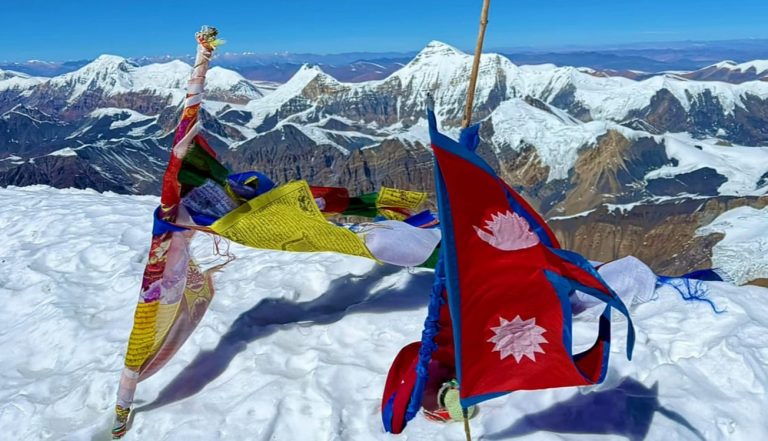
- Rich Natural and Cultural Diversity: The trek offers a blend of natural beauty, Buddhist monasteries, prayer flags, and yak pastures that reflect the spiritual essence of the Himalayas.
- Unforgettable Himalayan Experience: Combining scenic trekking, cultural exploration, and peak climbing, Yala Peak delivers a complete Himalayan adventure in a short and rewarding journey.
Route of Yala Peak Climbing:
The Yala Peak Climbing route takes you through one of Nepal’s most scenic and culturally rich regions — the Langtang Valley. This well-planned route combines breathtaking mountain scenery, traditional Tamang and Sherpa villages, and an exciting Himalayan summit experience. Starting from Kathmandu, the journey follows a gradual ascent through the stunning landscapes of Langtang National Park, leading to the base of Yala Peak (5,732m).
The adventure begins with a scenic drive from Kathmandu to Syabrubesi (1,460m), the gateway to the Langtang region. From here, the trekking trail winds through lush forests filled with rhododendron, oak, and pine trees, offering chances to spot Himalayan wildlife. The route passes through Lama Hotel, a peaceful stop along the Langtang River, before continuing toward Langtang Village, a traditional settlement surrounded by majestic peaks and cultural beauty.
After exploring Langtang Village, trekkers move toward Kyanjin Gompa (3,870m) — a sacred Buddhist monastery and the last major settlement before the climb. This picturesque village offers awe-inspiring views of Langtang Lirung, Dorje Lakpa, and Naya Kanga and serves as an important acclimatization point. Trekkers usually spend an extra day here to adapt to the altitude and visit nearby viewpoints like Tserko Ri for panoramic mountain vistas.
From Kyanjin Gompa, the trail leads to Yala Peak Base Camp (4,800m), where climbers prepare for the final summit push. The ascent to the peak is non-technical but requires basic mountaineering gear such as crampons, ropes, and ice axes. Upon reaching the summit of Yala Peak, you are rewarded with 360° Himalayan views, including the towering Shishapangma (8,013m) in Tibet — a truly unforgettable sight.
After a successful climb, the route descends back through Kyanjin Gompa, Langtang Village, and Lama Hotel before returning to Syabrubesi and finally driving back to Kathmandu.
This Yala Peak Climbing route offers a perfect combination of adventure, culture, and natural beauty — making it an ideal choice for trekkers seeking a short yet rewarding Himalayan expedition close to Kathmandu.
Include
- All Airport Transfers: Pick-up and drop-off services for your arrival and departure in Kathmandu.
- Accommodation and Meals: Comfortable accommodation throughout the trek and climb. Daily breakfast, lunch and dinner are included during the trekking and climbing period.
- Private Transportation: Round-trip private vehicle service between Kathmandu and Syabrubesi, the starting point of the trek.
- Baggage Allowance: Up to 10 kg of personal baggage allowance during trekking
- Kathmandu Accommodation: 2 nights hotel stay in Kathmandu before and after the trek with breakfast included.
- Experienced Sherpa Guide: Professional English-speaking, government-licensed Sherpa climbing guide for safety and guidance.
- Porter Service: Porter support to carry trekking and climbing equipment as per group size.
- Permits and Documentation: All required trekking and climbing permits, including Langtang National Park Entry and TIMS Card.
- Taxes and Fees: All government taxes, entrance fees, equipment fees, and other official charges.
- First Aid Kit: Basic medical supplies for emergency use during the trek.
- Trip Completion Certificate: A personalized Yala Peak Climbing Certificate to commemorate your successful adventure
Exclude
- International Airfare: Flights to and from Kathmandu, Nepal are not included in the package.
- Nepal Visa Fees: The Nepal entry visa can be obtained upon arrival at Tribhuvan International Airport (cost varies by duration).
- Personal Travel Insurance: Comprehensive travel and high-altitude insurance covering emergency evacuation and medical expenses is mandatory but not included.
- Personal Expenses: Extra costs such as laundry, phone calls, Wi-Fi, snacks, hot showers, and battery charging during the trek.
- Alcoholic & Soft Beverages: Tea, coffee, bottled drinks, alcohol, and other personal beverages are at your own expense.
- Climbing Gear: Personal trekking and climbing equipment such as boots, down jackets, sleeping bags, crampons, ice axes, harnesses, and gloves (available for rent in Kathmandu).
- Meals in Kathmandu: Lunch and dinner during your stay in Kathmandu are not included, allowing you to explore local restaurants.
- Tips for Crew Members: Gratuities for guides, porters, and drivers are not included but are highly appreciated as a gesture of good service.
- Extra Nights or Delays: Any additional accommodation, meals, or transportation due to flight delays, bad weather, or itinerary changes.
- Optional Activities: Any extra tours or activities not mentioned in the official Yala Peak Climbing itinerary.
Yala Peak Climbing Itinerary
Upon arrival at Tribhuvan International Airport, you will be warmly welcomed by our representative and transferred to your hotel in Kathmandu. After check-in, take time to relax or explore nearby areas such as Thamel or Lazimpat, the city’s main tourist and shopping hubs. In the evening, attend a briefing about the Yala Peak Climb, including itinerary details, safety instructions and equipment preparation, ensuring you are fully ready for the adventure ahead.
After breakfast, begin your scenic drive north from Kathmandu to Syabrubesi, the gateway to the Langtang Valley. The journey takes around 7–8 hours, passing through terraced fields, green hills and small settlements along the Trishuli River. Enjoy views of the Ganesh Himal and Langtang ranges en route.
Begin your Langtang Valley trek from Syabrubesi, following the Langtang Khola River through lush forests filled with rhododendron and oak trees. Cross several suspension bridges and enjoy scenic river views along the way. The trail gradually ascends, leading to Lama Hotel, a tranquil teahouse nestled in the heart of the Langtang Valley.
This stop provides a perfect opportunity to rest, enjoy the natural surroundings and prepare for the trek to higher altitudes.
Continue your trek uphill from Lama Hotel through dense forests and picturesque waterfalls, making your way to Ghora Tabela, where the landscape opens to meadows and yak pastures. As you approach Langtang Village, be rewarded with stunning views of Langtang Lirung (7,227m) and other snow-capped Himalayan peaks.
The trail offers a mix of natural beauty and cultural experiences, making for a memorable trekking day in the heart of the Langtang Valley.
Today, enjoy a short and scenic trek from Langtang Village to Kyanjin Gompa, the spiritual center of the Langtang Valley. The trail passes mani walls, colorful prayer flags, and yak grazing fields, offering an authentic Himalayan experience. Upon arrival, visit the Kyanjin Monastery and the local cheese factory, where you can see traditional cheese-making practices.
Take in stunning panoramic views of Langtang Lirung, Dorje Lakpa and enjoy the peaceful surroundings of this picturesque Himalayan village.
Spend the day at Kyanjin Gompa to acclimatize and prepare your body for higher altitudes. Use this time for short hikes to nearby peaks such as Kyanjin Ri (4,773m) or Tserko Ri (4,984m), offering breathtaking panoramic views of the Langtang Himalayan range. This rest day is essential for altitude adjustment, ensuring you are well-prepared and energized for the Yala Peak summit climb in the coming days.
Enjoy the peaceful surroundings, interact with locals and capture the stunning Himalayan landscapes.
After breakfast, start your trek from Kyanjin Gompa to Yala Peak Base Camp. The trail crosses rugged rocky terrain, offering spectacular views of towering peaks such as Ganchenpo, Naya Kanga, and Shishapangma. Arrive at the Base Camp, set in a wide open valley surrounded by glaciers and high Himalayan peaks, providing a perfect setting to prepare for the summit attempt the next day.
Enjoy the serene environment and rest at camp, taking in the dramatic mountain scenery.
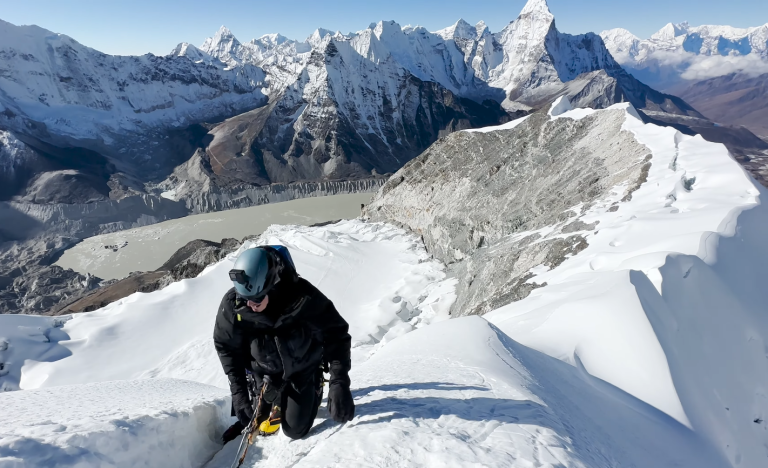
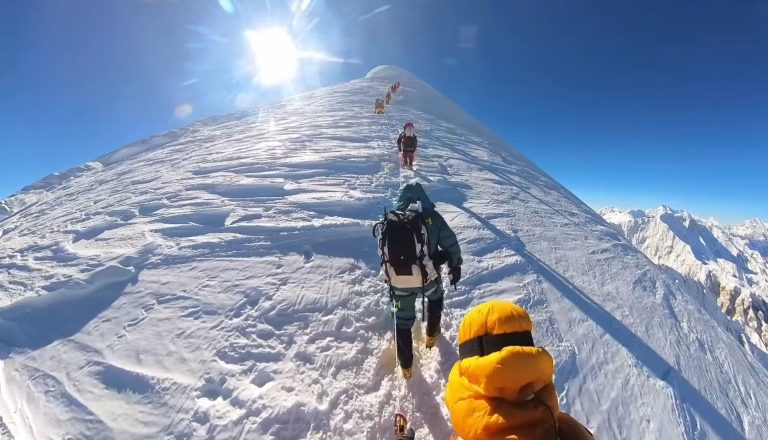
Wake up early for your Yala Peak summit push. The climb starts on rocky terrain, gradually transitioning to snow and ice as you ascend toward the summit. After 4–6 hours of steady climbing, reach the top of Yala Peak (5,732m) and marvel at the breathtaking panoramic views of Langtang Lirung, Dorje Lakpa, Shishapangma and Gangchempo.
After celebrating this incredible achievement, begin a careful descent back to Kyanjin Gompa, where you can rest and reflect on the success of your Yala Peak expedition.
This day is reserved as a rest or buffer day at Kyanjin Gompa, allowing your body to recover or accommodate any delays due to weather. Use this opportunity to explore nearby viewpoints, enjoy a short acclimatization hike, or interact with local Tamang and Sherpa communities. You can also simply relax and take in the serene Himalayan surroundings, capturing stunning mountain views and photographing the majestic peaks.
This day ensures you are well-rested and prepared for the Yala Peak summit climb the following day.
Begin your descent from Kyanjin Gompa, retracing your steps along the Langtang River through dense pine and rhododendron forests. Pass the charming Langtang Village and the scenic settlement of Ghora Tabela, enjoying the changing landscapes as you move to lower altitudes. The trail offers stunning views of snow-capped peaks and peaceful valleys.
Upon reaching Lama Hotel, relax with a warm meal and a comfortable rest after a rewarding day’s trek in the Langtang Valley region.
On the final day of your Yala Peak Climb, descend from Lama Hotel through lush rhododendron and oak forests, passing traditional Tamang villages and the scenic Langtang Khola River. The trail is mostly downhill, offering a relaxed and pleasant walk compared to previous trekking days.
Arrive at Syabrubesi (1,550m) in the afternoon, where you can rest, enjoy a warm shower, and have lunch. This marks the successful completion of your Yala Peak adventure, providing a sense of achievement and unforgettable Himalayan memories.
Afterward, prepare for the drive back to Kathmandu, reflecting on the stunning landscapes, cultural encounters, and thrilling summit experience.
On the final day of your Yala Peak adventure; start with a hearty breakfast at Syabrubesi before embarking on the scenic drive back to Kathmandu. Enjoy views of terraced fields, rivers, and lush valleys along the route, taking in the serene beauty of the Nepali countryside one last time.
Upon arrival in Kathmandu, transfer to your hotel for check-in and relaxation. In the evening, gather for a farewell dinner with your trekking team, celebrating the successful summit of Yala Peak and the unforgettable Himalayan experiences you’ve shared throughout the journey.
Equipment List – Yala Peak Climbing:
Climbing Yala Peak (5,732m) requires careful preparation with the right clothing, gear, and personal items to ensure safety, comfort, and success. Here’s a complete equipment guide for your Yala Peak expedition:
Clothing:
- Insulated down jacket (lightweight and warm)
- Waterproof and windproof shell jacket and pants
- Fleece or soft-shell jacket
- Thermal base layers (top and bottom)
- Trekking pants and shorts
- Moisture-wicking t-shirts
- Gloves: inner thermal and outer waterproof
- Warm hat/beanie and balaclava
- Sun hat or cap for daytime trekking
- Trekking socks and extra pairs
Footwear:
- Sturdy trekking boots (waterproof, insulated, with ankle support)
- Camp shoes or sandals for lodges
- Gaiters (optional, for snow or muddy trails)
- Climbing Gear (agency-provided or personal)
- Climbing harness
- Crampons for ice and snow
- Ice axe
- Helmet
- Carabiners and safety gear
- Climbing rope (usually provided by the trekking agency)
Trekking Gear:
- Daypack (25–35 liters)
- Trekking poles
- Headlamp with extra batteries
- Sleeping bag (rated -15°C or lower)
- Water bottles or hydration system (2–3 liters)
- Water purification tablets or filter
- Sunglasses with UV protection
- Sunscreen and lip balm (high SPF)
Personal Items:
- Personal medications and basic first aid kit
- Toiletries (biodegradable soap, toothbrush, toothpaste, toilet paper)
- Quick-dry towel
- Camera or smartphone
- Chargers and power banks
- Snacks or energy bars
Optional Items:
- Satellite phone or GPS device
- Hand warmers
- Lightweight binoculars
- Notebook and pen
Tips for Yala Peak Climbing:
- Layer your clothing for warmth, comfort, and flexibility at high altitudes.
- Break in boots and clothing before the trek to avoid blisters and discomfort.
- Confirm climbing gear with your trekking agency—some items may be provided.
This comprehensive equipment list ensures that climbers are fully prepared for Yala Peak, enhancing safety, performance, and enjoyment while trekking and climbing in the Langtang region.
Yala Peak Climbing Good To Know
The Langtang region, home to Yala Peak, is a culturally rich and historically significant area in Nepal, nestled in the heart of the Himalayas. Langtang has long been inhabited by the Tamang and Sherpa communities, whose traditions and lifestyles are deeply connected to the mountains, forests, and rivers of the region. The valley is often called the “Valley of Glaciers” due to its stunning glacial landscapes and pristine natural beauty.
Historically, Langtang served as a trading route between Nepal and Tibet. The region flourished with cultural exchanges, which influenced local architecture, language, and Buddhist practices. Kyanjin Gompa, an important monastery near Yala Peak, stands as a symbol of the valley’s spiritual heritage and offers insight into Tibetan Buddhist traditions. Monks at the monastery continue to preserve ancient religious texts, rituals, and meditation practices.
The Tamang people, the largest ethnic group in the region, are known for their vibrant culture, unique attire, and warm hospitality. Festivals, prayer flags, mani stones, and stupas are common sights along the trekking route, reflecting their spiritual devotion. Sherpas, who later settled in parts of the Langtang region, bring expertise in mountaineering and high-altitude life, contributing to the area’s reputation as a prime trekking and climbing destination.
In addition to its cultural richness, the Langtang region suffered during the 2015 Nepal earthquake, which damaged several villages. Since then, reconstruction has preserved much of the traditional architecture, while also introducing modern facilities to support trekking and climbing tourism.
Trekking and climbing in this region not only offers panoramic views of peaks like Langtang Lirung, Dorje Lakpa, and Yala Peak but also provides an authentic experience of Himalayan life, blending history, culture, and spirituality in a serene mountain setting.
Yala Peak is located in the Langtang region of Nepal, a part of the central Himalayan range. It lies north of Kathmandu, approximately 140 kilometers (87 miles) from the capital city. The peak is situated near the Nepal-Tibet border, offering spectacular views of both Nepalese and Tibetan mountains.
The trekking route to Yala Peak typically starts from Syabrubesi, the gateway to the Langtang Valley. From there, trekkers pass through Lama Hotel, Langtang Village, and Kyanjin Gompa before reaching Yala Peak Base Camp. This area is part of Langtang National Park, known for its rich biodiversity, alpine landscapes, glaciers, and traditional Tamang and Sherpa villages.
The Yala Peak Trek offers a unique opportunity to experience the rich culture and warm hospitality of the Tamang and Sherpa communities living in the Langtang region. Along the trek, you’ll pass through several traditional villages, each offering insights into the local lifestyle, architecture, and spiritual practices.
- Lama Hotel:
A small settlement located along the Langtang River, Lama Hotel is the first major stop for trekkers entering Langtang Valley. Here, you’ll find traditional teahouses and friendly local families who often offer homemade meals and tea. It’s a great place to acclimatize and enjoy the valley’s peaceful atmosphere.
- Langtang Village:
Nestled at around 3,430 meters, Langtang Village is one of the most picturesque villages in the valley. The village is primarily inhabited by the Tamang community, known for their Buddhist traditions, colorful prayer flags, mani walls, and stupas. Trekkers can learn about their unique culture, traditional crafts, and mountain farming practices.
- Kyanjin Gompa:
The spiritual heart of the Langtang region, Kyanjin Gompa is a small village centered around a Buddhist monastery. Sherpa and Tamang families live here, supporting the monastery and guiding trekkers. The village is also famous for locally made cheeses, yak herding, and mountaineering support services. Spending time here allows trekkers to witness daily Himalayan life while enjoying stunning mountain views.
- Yala Peak Base Camp Vicinity:
While the base camp itself is temporary, the surrounding area is home to yak herders and small seasonal shelters. Here, trekkers may interact with local guides and porters, who provide essential support during the summit climb. These encounters highlight the traditional high-altitude lifestyle and resilience of Himalayan communities.
Cultural Experience:
- Friendly interactions with Tamang and Sherpa villagers.
- Observing traditional architecture and mountain farming practices.
- Visiting monasteries, stupas, and mani walls along the trail.
- Learning about local festivals, rituals, and spiritual customs.
Trekking through these villages not only enriches your Yala Peak adventure but also offers an authentic glimpse into Himalayan culture, traditions, and everyday life.
trekkers a rich encounter with Himalayan biodiversity. From lush forests at lower elevations to alpine meadows near the base camp, the region is home to a variety of unique flora and fauna that thrive in this high-altitude environment.
Flora:
- Lower Altitudes (1,500–3,000m): Dense forests of rhododendron, oak, pine, and maple trees create a vibrant landscape. In spring, rhododendrons bloom in bright reds, pinks, and whites, making the trail exceptionally picturesque.
- Mid-Altitudes (3,000–4,500m): The forest gradually transitions into alpine meadows, dotted with juniper shrubs, mosses, lichens, and wildflowers. These areas are also home to medicinal plants traditionally used by local communities.
- High Altitudes (4,500–5,732m): Near Yala Peak Base Camp, vegetation is sparse, with hardy grasses and low-lying alpine plants adapted to cold and rocky terrain.
Fauna:
- The region shelters Himalayan wildlife, including red pandas, Himalayan tahr, musk deer, and occasionally snow leopards in higher, remote areas.
- Birdwatchers can spot species such as Himalayan monals, snow pigeons, and blood pheasants, especially in forested and alpine zones.
- Small mammals like marmots and Himalayan field mice are common along the trekking trail.
Ecological Significance
Langtang National Park is a protected area, helping conserve the delicate Himalayan ecosystem. Trekkers are encouraged to follow responsible trekking practices, such as avoiding littering, respecting wildlife, and staying on designated trails, to preserve this natural habitat.
Trekking through this diverse landscape allows adventurers to experience Nepal’s rich natural heritage alongside cultural immersion, making the Yala Peak Climbing Trek a complete Himalayan adventure.
Yala Peak stands at an impressive 5,732 meters (18,806 feet) above sea level, making it one of the most accessible trekking peaks in Nepal for beginners and adventure enthusiasts. Located in the Langtang region, this non-technical peak offers climbers the opportunity to experience a Himalayan summit without requiring advanced mountaineering skills.
Despite its moderate difficulty, the altitude requires proper acclimatization to prevent altitude sickness and ensure a safe climb. From the summit, trekkers are rewarded with panoramic views of Langtang Lirung, Dorje Lakpa, Naya Kanga, Gangchempo, and even Shishapangma (8,013m) in Tibet.
Reaching 5,732 meters on Yala Peak provides a unique high-altitude adventure, combining scenic trekking, cultural encounters with Tamang and Sherpa communities, and the thrill of standing on a Himalayan summit — all within a manageable itinerary for both beginners and experienced climbers.
Proper acclimatization is essential for a safe and successful Yala Peak Climbing experience, as the summit reaches 5,732 meters (18,806 ft) above sea level. Even though Yala Peak is considered a non-technical trekking peak, high-altitude conditions can affect climbers who are not properly adapted.
The trek begins at lower elevations, gradually ascending through Syabrubesi, Lama Hotel, Langtang Village, and finally reaching Kyanjin Gompa. Spending extra days at strategic points, such as Kyanjin Gompa, allows your body to adjust to the thinner air.
Trekkers can also undertake short acclimatization hikes, like climbing Tserko Ri, which helps improve oxygen efficiency while providing spectacular panoramic views of Langtang Lirung, Dorje Lakpa, and Shishapangma.
During the climb to Yala Peak Base Camp and the summit, climbers are advised to follow the principle of “climb high, sleep low,” maintain proper hydration, and avoid overexertion. Guides and Sherpas closely monitor the team for signs of acute mountain sickness (AMS) and recommend rest days if needed.
Following a structured acclimatization schedule not only increases the chances of a successful summit but also enhances safety, comfort, and overall enjoyment of the Yala Peak Climbing Trek. This careful preparation ensures climbers can fully appreciate the unique combination of Himalayan scenery, cultural experiences, and adventure.
Yes, Yala Peak Climbing is undeniably an adventure trip, offering a perfect mix of trekking, mountaineering, and Himalayan exploration. Located in the Langtang region of Nepal, this peak rises to 5,732 meters (18,806 ft), providing both beginner and experienced climbers an exciting high-altitude challenge without requiring advanced technical skills.
The adventure begins with a scenic drive from Kathmandu to Syabrubesi, followed by trekking through Langtang National Park, which is rich in wildlife, rhododendron forests, glaciers, and alpine meadows.
Along the way, trekkers experience the unique culture of Tamang and Sherpa communities, visit traditional villages like Langtang Village and Kyanjin Gompa, and witness centuries-old Buddhist monasteries.
The climb itself adds the thrill of high-altitude mountaineering. Although Yala Peak is non-technical, reaching the summit requires physical stamina, proper acclimatization, and determination, which are hallmarks of any adventure trip.
From the summit, climbers are rewarded with panoramic views of Langtang Lirung, Dorje Lakpa, Gangchempo, Naya Kanga, and Shishapangma (8,013m) in Tibet, making every step of the adventure unforgettable.
Whether you’re a trekking enthusiast seeking your first Himalayan climb or an adventurer aiming for spectacular mountain views, Yala Peak Climbing offers a complete adventure experience in Nepal, combining nature, culture and the exhilaration of reaching a Himalayan summit.
Yala Peak Climbing is considered one of the safest trekking peaks in Nepal, making it an ideal choice for beginners and adventure enthusiasts seeking a high-altitude Himalayan experience. Standing at 5,732 meters (18,806 ft) in the Langtang region, the peak is non-technical, meaning climbers do not require advanced mountaineering skills or specialized training to reach the summit.
Safety on Yala Peak is ensured through several key measures. Trekkers are guided by experienced, government-licensed Sherpa guides, who provide step-by-step support throughout the climb. Proper acclimatization at points like Kyanjin Gompa and Yala Peak Base Camp minimizes the risk of altitude sickness; while the “climb high, sleep low” principle helps climbers adjust to thinner air.
The trek passes through well-established teahouses and villages, offering secure overnight accommodation, hot meals, and access to basic medical supplies. Additionally, the route is closely monitored, and first aid kits are always carried by guides for emergencies.
While Yala Peak is safe, climbers should maintain physical fitness, follow guide instructions, and carry adequate high-altitude gear. By respecting the altitude and environmental conditions, Yala Peak Climbing becomes a highly rewarding and safe adventure, combining breathtaking Himalayan views with cultural experiences in Tamang and Sherpa villages.
Getting to Yala Peak involves a combination of road travel and trekking, making the journey as scenic and adventurous as the climb itself. The peak is located in the Langtang region of Nepal, approximately 140 kilometers north of Kathmandu, and is accessible via Syabrubesi, the gateway to Langtang Valley.
Getting There:
- Drive from Kathmandu to Syabrubesi: The trek begins with a 6–7 hour drive from Kathmandu to Syabrubesi. Travelers can choose between private tourist vehicles or local buses. The drive passes through picturesque landscapes, terraced farmlands, and rivers, offering a preview of the natural beauty awaiting trekkers.
- Trekking to Base Villages: From Syabrubesi, the trail winds through Lama Hotel, Langtang Village, and Kyanjin Gompa. Along the way, trekkers enjoy lush rhododendron forests, alpine meadows, and cultural encounters with Tamang and Sherpa communities. The trek to Yala Peak Base Camp usually takes several days, allowing for proper acclimatization.
- Returning Back: After summiting Yala Peak, climbers descend to Kyanjin Gompa and then retrace the trekking route back to Syabrubesi. From there, travelers take a road transfer back to Kathmandu. The return journey is just as scenic, offering final views of the Langtang Valley, glaciers, and surrounding Himalayan peaks.
Tips for Travel:
- Hiring a private vehicle is faster and more comfortable, while local buses offer a budget-friendly option.
- Ensure proper altitude acclimatization during the trek to avoid health issues.
- Early morning departures from Kathmandu are recommended to avoid traffic and enjoy clear mountain views along the route.
Following this route ensures a smooth and memorable journey to and from Yala Peak, making the climb not just a high-altitude adventure but also a scenic Himalayan experience.
Climbing Yala Peak in Nepal requires proper permits to ensure safety, legality, and conservation of the Langtang region. As it lies within Langtang National Park, all trekkers and climbers must obtain the necessary permits before starting the adventure.
- Langtang National Park Entry Permit
Every visitor to the Langtang Valley must secure a Langtang National Park Entry Permit. This permit helps protect the park’s flora, fauna, and cultural heritage, including the Tamang and Sherpa communities living in the region. Fees are collected at the park entrance, and visitors must carry the permit throughout the trek.
- TIMS (Trekkers’ Information Management System) Card
All independent trekkers and climbing groups are required to obtain a TIMS Card. Managed by the Nepal Tourism Board; this permit tracks trekking activity in remote areas and ensures safety and accountability. TIMS cards are issued at Kathmandu or Pokhara, or via licensed trekking agencies.
- Climbing Permit for Yala Peak
Since Yala Peak is classified as a trekking peak by the Nepal Mountaineering Association (NMA), climbers need an official trekking peak climbing permit. This permit is mandatory for legal ascent and is issued by the NMA through licensed trekking and expedition operators. The permit fee typically varies based on nationality and the season of the climb.
Obtaining the proper permits not only makes Yala Peak Climbing legal and safe but also contributes to the preservation of Langtang’s natural beauty and cultural heritage, ensuring a responsible and unforgettable Himalayan adventure.
The best time to climb Yala Peak is during the spring (March to May) and autumn (September to November) seasons. These periods offer clear skies, stable weather, and stunning mountain views, making the climb safer and more enjoyable for trekkers and climbers.
Spring Season (March–May)
Spring is one of the most popular times for Yala Peak Climbing. During this season, the rhododendron forests bloom, covering the Langtang Valley with vibrant shades of red, pink, and white. The weather is generally mild, days are longer, and temperatures are suitable for trekking at both lower and higher altitudes. Wildlife is more active, and the cultural villages along the trail appear lively with local festivals and traditions.
Autumn Season (September–November)
Autumn is another ideal season for climbing Yala Peak. The monsoon rains have cleared the skies, leaving crisp, clear mountain views. Temperatures are comfortable, and the trails are dry, making trekking safer and easier. This season also provides excellent conditions for photography, with panoramic views of Langtang Lirung, Dorje Lakpa, and Shishapangma at the summit.
Other Seasons
- Winter (December–February): Cold temperatures, snow, and shorter daylight hours make the climb more challenging, though it is possible for experienced climbers prepared for winter conditions.
- Monsoon (June–August): Heavy rains, slippery trails, and cloud cover make climbing Yala Peak difficult and potentially unsafe. It is generally not recommended during this period.
By choosing spring or autumn, climbers maximize safety, enjoy ideal trekking conditions, and witness the spectacular natural beauty and cultural richness of the Langtang region.
Climbing Yala Peak (5,732m / 18,806 ft) in the Langtang region exposes trekkers to high-altitude conditions, making altitude sickness a potential risk. However, with proper preparation and precautions, climbers can minimize the chances of acute mountain sickness (AMS) and enjoy a safe, memorable adventure.
- Gradual Acclimatization
- Follow a “climb high, sleep low” approach.
- Spend extra days at Kyanjin Gompa or other acclimatization points to help your body adjust to thinner air.
- Short hikes to nearby peaks like Tserko Ri aid in building altitude tolerance.
- Stay Hydrated
- Drink at least 3–4 liters of water daily.
- Avoid excessive alcohol or caffeinated drinks, which can dehydrate the body.
- Maintain a Slow Trekking Pace
- Avoid rushing to the summit; keep a steady and comfortable pace.
- Listen to your body — rest whenever needed and avoid overexertion.
- Proper Nutrition
- Eat light, high-carbohydrate meals to maintain energy levels.
- Frequent small meals are better than heavy meals at high altitude.
- Medication and First Aid
- Consult your doctor about preventive medicine like Diamox (Acetazolamide) if you are prone to altitude sickness.
- Carry a first aid kit with essentials for treating mild symptoms.
- Recognize Symptoms Early
- Common symptoms include headaches, nausea, dizziness, and fatigue.
- If symptoms worsen, descend immediately and seek medical help.
By following these precautions, trekkers can significantly reduce the risk of altitude sickness during Yala Peak Climbing, ensuring a safe ascent and a rewarding experience with panoramic Himalayan views, cultural encounters, and the thrill of standing on a non-technical Himalayan summit.
When planning a Yala Peak Climbing expedition, having comprehensive travel insurance is essential for safety and peace of mind. Standing at 5,732 meters (18,806 ft) in the Langtang region of Nepal, Yala Peak is considered a non-technical trekking peak. However, high-altitude conditions, unpredictable weather, and the remote Himalayan terrain make travel insurance a must for every climber.
Why Travel Insurance is Important
- Medical Emergencies: Altitude sickness, injuries, or sudden illness can occur during high-altitude trekking. Travel insurance ensures access to medical treatment and evacuation if necessary.
- Emergency Evacuation: Helicopter rescue services are available in the Langtang region but can be extremely costly. Insurance covers emergency air or ground evacuation in case of severe altitude sickness, accidents, or other emergencies.
- Trip Cancellation or Delay: Weather conditions or unforeseen circumstances may delay or cancel parts of your trek. Travel insurance can reimburse non-refundable expenses for flights, accommodation, or trekking permits.
- Loss or Theft of Gear: Yala Peak climbing requires expensive trekking and climbing equipment. Insurance covers loss or damage to personal belongings, including cameras, laptops, and gear.
Recommended Coverage
For Yala Peak, ensure your travel insurance includes:
- High-altitude trekking coverage (up to at least 6,000 meters).
- Emergency medical and evacuation coverage.
- Trip cancellation or interruption coverage.
- Loss or theft of personal items and climbing gear.
Tips for Choosing Insurance
- Purchase insurance before arriving in Nepal.
- Check that the policy explicitly covers trekking and climbing in high-altitude areas.
- Carry a copy of the insurance policy and emergency contact numbers during the trek.
Having proper travel insurance allows climbers to focus entirely on the adventure, enjoy the breathtaking Himalayan scenery, and safely summit Yala Peak with confidence, knowing that unexpected emergencies are covered
Understanding the weather and climate is essential for a safe and successful Yala Peak Climbing expedition. Located in the Langtang region of Nepal, Yala Peak rises to 5,732 meters (18,806 ft), where conditions can change rapidly. Proper planning according to the season and climate ensures climbers can enjoy stunning Himalayan views while minimizing risks.
- Seasonal Weather Overview
Spring (March to May):
- Spring is one of the best seasons for Yala Peak Climbing.
- Days are warm and sunny with temperatures ranging from 10°C to 20°C at lower elevations.
- Nights are cooler, especially above 3,000 meters.
- The rhododendron forests bloom, creating vibrant trails, and skies are usually clear, offering spectacular mountain views.
Autumn (September to November):
- Autumn is another ideal climbing season with stable weather, clear skies, and dry trails.
- Daytime temperatures range from 12°C to 22°C in lower valleys.
- Cold nights at higher altitudes require warm clothing, especially above 4,000 meters.
- This season offers excellent conditions for photography and summit views, including Langtang Lirung, Dorje Lakpa, and Shishapangma.
Winter (December to February):
- Winter brings cold temperatures, snow, and icy trails.
- Daytime temperatures in the valley can drop to 0°C, while summit temperatures may fall below -15°C to -20°C.
- The climb is more challenging and suitable only for experienced climbers with proper winter gear.
Monsoon (June to August):
- Heavy rainfall and landslides make trekking and climbing unsafe during monsoon.
- Trails become slippery, rivers swell, and cloud cover may obstruct mountain views.
- This season is generally not recommended for Yala Peak Climbing.
- Climate Characteristics
- The Langtang region has a temperate climate at lower elevations and alpine conditions at higher altitudes.
- Wind speed increases at higher camps, especially near Yala Peak Base Camp and the summit.
- UV radiation is stronger at high altitudes, making sun protection essential.
- Tips for Weather Preparation
- Check daily weather forecasts before heading to high camps.
- Carry layered clothing suitable for sudden temperature changes.
- Pack waterproof jackets and sturdy trekking boots for wet or snowy conditions.
- Always follow your guide’s advice if weather deteriorates.
By understanding Yala Peak’s weather and climate, trekkers can plan their trip during optimal seasons, stay safe at high altitudes, and fully enjoy the breathtaking Himalayan landscapes, glaciers, and panoramic views that make this climb unforgettable.
Proper baggage planning is essential for a comfortable and safe Yala Peak Climbing expedition. Since the trek passes through Langtang Valley and climbs to 5,732 meters (18,806 ft), carrying the right gear while keeping your load manageable is crucial.
- Luggage Allowance
- Most trekking packages include a porter service with a 10–12 kg baggage allowance per person.
- Personal backpacks should be 20–30 liters for daily essentials during trekking days, while larger duffel bags are carried by porters to the lodges or base camp.
- Essentials to Carry in Your Backpack
- Clothing: Layered clothing suitable for high-altitude conditions, including thermal wear, down jackets, fleece, trekking pants, and waterproof jackets.
- Accessories: Gloves, hats, sunglasses with UV protection, and gaiters for snow or rain.
- Personal Items: Sunscreen, lip balm, toiletries, water bottles, snacks, and a first aid kit.
- Trekking Gear: Trekking poles, headlamp, reusable water bottles, and crampons or ice axes if provided by your operator.
- Luggage for Kathmandu Stay
- Carry a separate bag for 2–3 nights in Kathmandu, including casual clothing and essentials for sightseeing before or after the trek.
- Important Tips
- Keep your backpack light and well-balanced to reduce fatigue.
- Avoid carrying valuables in porters’ bags; keep passports, money, electronics, and medications in your personal daypack.
- Label all bags clearly to prevent loss during transfers.
Proper baggage management ensures a comfortable trekking experience and allows climbers to focus on the scenic landscapes, cultural encounters, and summit adventure of Yala Peak without unnecessary strain or stress.
Staying connected and keeping your gadgets powered is an important consideration during the Yala Peak Climbing Trek. Although the trek takes you through remote areas in the Langtang region, there are practical options for charging phones, cameras, GPS devices, and other electronics along the route.
- Charging in Teahouses and Lodges
Most teahouses and lodges in villages like Lama Hotel, Langtang Village, and Kyanjin Gompa offer electricity for charging devices, usually for a small fee. Outlets typically support 110–220V with standard Nepalese plugs, so it’s advisable to carry a universal travel adapter.
- Charging at Base Camp
At Yala Peak Base Camp, electricity is limited and often generated via solar panels or small generators. Charging here may be slower and less reliable, so it’s best to fully charge devices in the villages before heading to the base camp.
- Portable Power Solutions
- Power banks are highly recommended for keeping phones and cameras charged during long trekking days.
- Solar chargers can be useful for extended treks or in case of power outages.
- Tips for Gadget Management
- Keep gadgets in protective, waterproof cases to avoid damage from cold, dust, or moisture.
- Conserve battery life by turning off unnecessary features like Wi-Fi, Bluetooth, and GPS when not needed.
- Carry extra memory cards and backup storage for photos and videos.
By planning ahead and using available charging facilities wisely, climbers can stay connected, capture the breathtaking Himalayan scenery, and document their Yala Peak adventure without worrying about running out of battery.
While trekking and climbing Yala Peak in the Langtang region of Nepal, food plays a key role in maintaining energy and stamina at high altitudes. Fortunately, the trek passes through well-established villages and teahouses, offering a variety of meal options suitable for all dietary preferences.
- Local Nepali Cuisine
- Dal Bhat: The staple dish in Nepal, consisting of rice, lentil soup, vegetables, and sometimes meat, providing high energy and nutrients for trekkers.
- Momos: Popular Nepali dumplings, either steamed or fried, often filled with vegetables, chicken, or yak meat.
- Thukpa: Tibetan-style noodle soup, perfect for warming up after a long day of trekking.
- Western and International Options
- Most teahouses, especially in Langtang Village and Kyanjin Gompa, offer pasta, noodles, eggs, and sandwiches for trekkers preferring familiar flavors.
- Snacks such as biscuits, chocolate, and energy bars are also available for quick energy boosts during trekking.
- Drinks and Hydration
- Tea, coffee, hot chocolate, and lemon honey tea are widely available in lodges to help you stay warm.
- Bottled water is sold, but many trekkers use water purification tablets or filters to refill bottles from natural streams.
- Yak butter tea is a traditional Tibetan drink available in some villages, offering a unique cultural experience.
- Tips for Food on Yala Peak Trek
- Eat frequent, light meals to maintain energy levels at high altitude.
- Carry snacks and energy bars for long trekking days when teahouses may be spaced far apart.
- Avoid heavy, greasy foods at high elevations, as they can cause discomfort or fatigue.
- Respect local food culture and try authentic Tamang and Sherpa dishes, which are nutritious and hearty.
The food options during Yala Peak Climbing not only fuel your journey but also offer a cultural experience, allowing trekkers to enjoy traditional Himalayan meals while soaking in the breathtaking scenery of the Langtang Valley and surrounding mountains.
During the Yala Peak Climbing Trek, accommodation is primarily available in teahouses and lodges along the trekking route in the Langtang region. These lodges offer basic yet comfortable facilities, allowing climbers to rest and recharge before continuing their ascent toward the summit of 5,732 meters (18,806 ft).
- Teahouses in Lower Villages
- Villages like Syabrubesi and Lama Hotel have simple teahouses providing bedrooms with blankets, shared bathrooms, and hot showers in some places.
- These accommodations are ideal for the first few nights of the trek, offering a cozy environment and local hospitality.
- Lodges in Higher Villages
- In villages such as Langtang Village and Kyanjin Gompa, lodges are slightly more equipped, offering comfortable rooms, dining facilities, and common areas with stunning mountain views.
- Kyanjin Gompa serves as the base for Yala Peak, where climbers stay for acclimatization and summit preparation.
- High-Altitude Camps
- At Yala Peak Base Camp, accommodation is basic and limited to shared tents or lodges, with minimal facilities.
- Electricity is often limited, and heating may be provided through small stoves, so warm sleeping bags and clothing is essential.
- Booking and Tips
- Most lodges operate on a first-come, first-served basis, so booking through a reliable trekking agency is recommended for peace of mind.
- Carry cash in Nepalese Rupees, as ATMs are not available along the trail.
- Respect local customs and follow environmental guidelines, such as avoiding plastic waste and keeping rooms tidy.
The accommodation during Yala Peak Climbing provides trekkers with a safe and comfortable base while offering opportunities to experience the local culture of Tamang and Sherpa communities. Combined with the breathtaking Himalayan scenery, these lodges make the trek a memorable and rewarding adventure.
Technically, it is possible to climb Yala Peak without a guide, but it is highly not recommended, especially for first-time climbers or those unfamiliar with high-altitude trekking. Yala Peak, located in the Langtang region of Nepal, stands at 5,732 meters (18,806 ft). While it is considered a non-technical trekking peak, the high altitude, unpredictable weather, and remote Himalayan terrain present challenges that make having a guide essential for safety and success.
Reasons to Hire a Guide
- Safety at High Altitude: Guides are trained to recognize and manage altitude sickness, sudden weather changes, and emergencies, which are common at elevations above 5,000 meters.
- Navigation and Local Knowledge: Even though trails are marked, a guide ensures you stay on the safest route, especially in areas with glaciers, snowfields, or landslide-prone paths. They also provide insights into local culture, villages, and customs.
- Permit Management: A guide can help arrange all necessary permits, including the Langtang National Park Entry Permit, TIMS card, and Yala Peak climbing permit, saving you time and hassle.
- Equipment and Support: Guides often coordinate with porters, manage high-altitude gear, and provide essential support during the climb, ensuring a smoother and more enjoyable experience.
Who Might Climb Without a Guide?
Experienced climbers with prior high-altitude trekking experience, mountaineering skills, and knowledge of the Langtang region may attempt Yala Peak independently. Even then, hiring a local guide is strongly recommended as a safety measure.
Yala Peak, located in the Langtang region of Nepal, is considered one of the easiest trekking peaks in the Himalayas, making it suitable for both beginners and experienced climbers. Standing at 5,732 meters (18,806 ft), the climb offers a rewarding high-altitude adventure without requiring advanced technical mountaineering skills.
- Trekking and Climbing Challenge
- The trek to Yala Peak Base Camp involves moderate hiking trails, passing through forests, rivers, glaciers, and high-altitude villages.
- The summit climb requires basic mountaineering skills, such as using crampons and ice axes on snow or glacier sections.
- Although non-technical, the altitude makes the climb physically demanding, requiring good cardiovascular fitness and stamina.
- Duration and Effort
- The typical Yala Peak Climbing Trek takes 8–12 days, depending on acclimatization schedules and pace.
- Daily trekking ranges from 4–7 hours, with steep ascents near the base camp and summit, which can be tiring for those not used to high altitudes.
- Altitude Considerations
- At 5,732 meters, climbers face thinner air and lower oxygen levels, which can cause altitude sickness if not properly acclimatized.
- Proper rest days, hydration, and acclimatization hikes are essential to make the climb safer and more comfortable.
- Who Can Attempt Yala Peak
- Beginners with basic fitness and trekking experience can attempt the climb with a licensed Sherpa guide.
- Experienced trekkers and mountaineers will find the peak a moderate adventure, offering breathtaking views of the Langtang Himalayas, Dorje Lakpa, and Shishapangma without technical challenges.
Overall, the Yala Peak Climbing difficulty is moderate, balancing physical effort with accessibility. Its non-technical nature, combined with stunning Himalayan scenery and cultural experiences in Tamang and Sherpa villages, makes it an ideal choice for adventurous beginners and trekking enthusiasts seeking a high-altitude Himalayan experience.
Staying connected during the Yala Peak Climbing Trek in the Langtang region of Nepal is possible, but options are limited compared to urban areas. Trekkers should plan accordingly, as internet and Wi-Fi availability varies depending on location and altitude.
- Internet in Villages
- In villages like Syabrubesi, Lama Hotel, and Langtang Village, many teahouses and lodges provide Wi-Fi services, usually for a small fee.
- The connection is generally slow and intermittent, so it is best suited for checking emails, messaging, or basic browsing rather than streaming or heavy downloads.
- Wi-Fi at Kyanjin Gompa and Base Camp
- Kyanjin Gompa, the base for Yala Peak, offers Wi-Fi in some lodges, though the service may be limited and expensive.
- At Yala Peak Base Camp, internet access is minimal to non-existent. Climbers should rely on offline maps, GPS, and pre-downloaded content during summit attempts.
- Mobile Network Coverage
- Mobile network coverage is available in lower villages and along main trekking trails, with providers like Ncell and Nepal Telecom offering intermittent 2G/3G signals.
- At higher altitudes and base camp, network signals are weak or absent, so it’s essential to inform family or guides in advance of any communication limitations.
- Tips for Staying Connected
- Carry a portable power bank to keep phones and gadgets charged.
- Download offline maps, trekking apps, and emergency contacts before starting the trek.
- Use Wi-Fi in villages to update family and friends, then rely on offline tools during high-altitude days.
While internet and Wi-Fi availability on Yala Peak is limited, careful planning allows trekkers to stay connected when needed while fully enjoying the remote Himalayan adventure, scenic landscapes, and cultural experiences along the Langtang Valley route.
Proper fitness preparation is crucial for a safe and successful Yala Peak Climbing expedition in the Langtang region of Nepal. At 5,732 meters (18,806 ft), Yala Peak is a non-technical trekking peak, yet the high altitude, steep trails, and long trekking days require strong physical endurance, stamina, and mental resilience.
- Cardiovascular Training
Engage in cardio exercises such as running, cycling, swimming, or brisk walking at least 3–4 times a week. Focus on endurance training to prepare your heart and lungs for prolonged high-altitude trekking, ensuring your body can handle continuous uphill climbs and thin air.
- Strength Training
Strengthen your legs, core, and back muscles with exercises like squats, lunges, step-ups, and planks. Strong muscles help manage steep ascents and descents, support carrying a trekking backpack, and reduce fatigue during long trekking days.
- Hiking Practice
Practice long-distance hikes with a loaded backpack to simulate actual trekking conditions. Gradually increase altitude and distance to help your body adapt to long trekking hours and variable terrain.
- Flexibility and Balance
Incorporate stretching exercises, yoga, or Pilates to improve flexibility, maintain balance on uneven trails, and prevent injuries during the climb.
- Acclimatization Preparation
Train for high-altitude conditions by doing hikes at higher elevations if possible. Learn to recognize early symptoms of altitude sickness and practice controlled breathing techniques to support better oxygen use at high altitudes.
- Nutrition and Hydration
Maintain a balanced diet rich in carbohydrates and proteins to build energy reserves. Stay well-hydrated during training and on trek days to prevent fatigue and help your body acclimatize effectively.
- Mental Preparation
High-altitude trekking requires mental resilience. Practice mindfulness, meditation, or visualization techniques to stay calm, focused, and motivated during challenging sections of the climb.
Reviews
A Memorable Kailash Mansarovar Yatra with Excellent Support
My Kailash Mansarovar Yatra with Best Of Nepal Trek was an unforgettable experience. From the very beginning, everything was well planned and the team made sure our journey was comfortable, safe and enjoyable.
Our guide and the entire staff were friendly, experienced and always ready to help. They took great care of the group, answered all our questions and ensured that every part of the pilgrimage went smoothly.
Visiting the sacred Mount Kailash and Lake Mansarovar was a dream come true. The stunning Himalayan scenery and the peaceful spiritual atmosphere made this journey truly special.
I would like to thank Best Of Nepal Trek for their outstanding hospitality and professional service. I highly recommend them to anyone planning the Kailash Mansarovar Yatra. It was a wonderful experience that I will always remember.
Raada J
,USA
Excellent Kailash Mansarovar Yatra with Best Of Nepal Trek
Everything was well organized from start to finish, and the communication before the trek was smooth and clear. Our guide, Mr. Arjun, was excellent—friendly, knowledgeable and always making sure everyone was safe and comfortable. The entire team at Best Of Nepal Trek was professional, helpful and made us feel welcome throughout the journey.
The Kailash Mansarovar Yatra was a truly unforgettable spiritual experience. From the breathtaking Himalayan landscapes to the peaceful atmosphere around Mount Kailash and Lake Mansarovar, every moment was memorable. I felt well supported throughout the journey, and the team's attention to detail made the pilgrimage comfortable and stress-free.
I highly recommend Best Of Nepal Trek to anyone planning the Kailash Mansarovar Yatra. Thank you to Mr. Arjun and the entire team for making this once-in-a-lifetime journey so special.
Anupam M
,USA

Outstanding Everest Base Camp Trek Experience
Our Everest Base Camp Trek with Best of Nepal Trek was an unforgettable experience from beginning to end. Every detail of the trip was professionally organized and our guide, Shyange Sherpa, was knowledgeable, friendly and always willing to help. His experience and encouragement made the trek enjoyable and safe.
We also enjoyed the Kathmandu city tour, which was a wonderful introduction to Nepal's rich culture and history before the trek. The breathtaking Himalayan scenery and outstanding service made this journey truly special.
We highly recommend Best of Nepal Trek to anyone planning an Everest Base Camp Trek or a Kathmandu city tour in Nepal. Thank you for creating such an incredible and memorable adventure.Gotti M
,Norway
Annapurna Base Camp Trek with Friendly Guide
The Annapurna Base Camp Trek was an unforgettable adventure. Nepal is truly a beautiful country, famous for its warm hospitality, rich culture and unique traditions. The mountain views were absolutely breathtaking throughout the journey. A special thanks to our guide, Suman Tamang, who was friendly, knowledgeable and always ready to help. His support and care made the trek safe, enjoyable and memorable. I highly recommend Best Of Nepal Trek to anyone planning the Annapurna Base Camp Trek in Nepal.
Andrea Stern
,Sweden
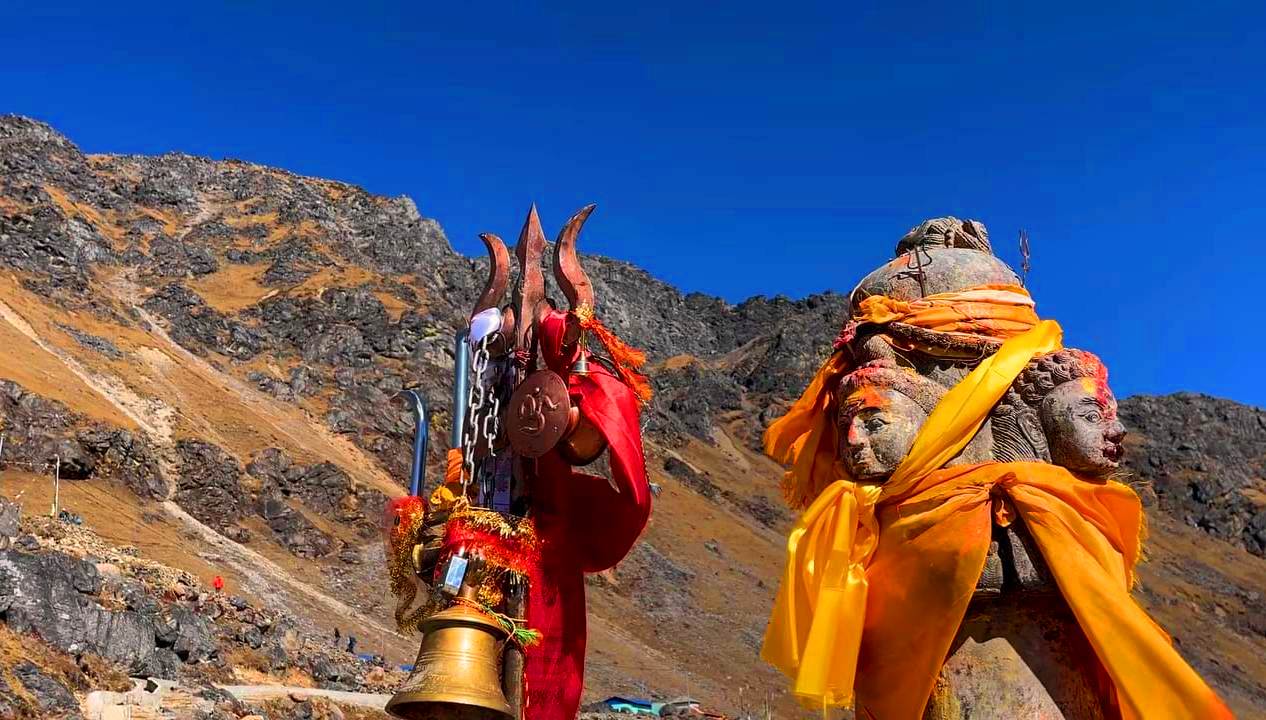
Well-Organized Gosaikunda Trekking with Stunning Himalayan Views
Our Gosaikunda Trekking adventure with Best of Nepal Trek was exceptionally well organized from beginning to end. The guide and porters were friendly, professional and always ready to help. Visiting the sacred Gosaikunda Lake was the highlight of our journey and the breathtaking panoramic mountain views made every step worthwhile. We had a fantastic trip and highly recommend Best of Nepal Trek to anyone planning the Gosaikunda Trek in Nepal.
Anna
,Australia
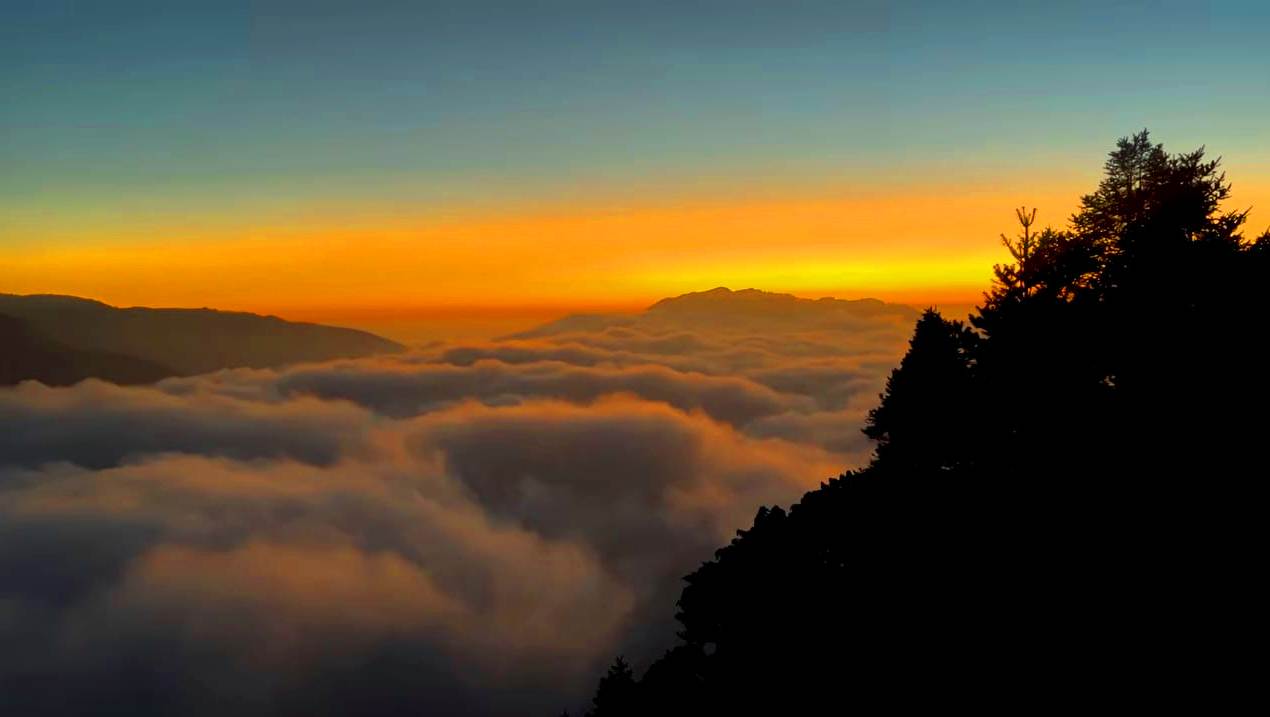
Amazing Gosaikunda Trek Experience
Our Gosaikunda Trek with Best of Nepal Trek was challenging but incredibly rewarding. The stunning Himalayan scenery, peaceful trails and warm hospitality made every moment unforgettable. Our guide, Dipak Sapkota, was knowledgeable, friendly and supportive throughout the trek. Everything was professionally organized, making our adventure safe, enjoyable and truly memorable. We highly recommend Best of Nepal Trek for anyone planning the Gosaikunda Trek in Nepal.
Jennifer,
,Canada
Excellent Kailash Mansarovar Yatra Experience
Our Kailash Mansarovar Yatra with Best of Nepal Trek was exceptionally well organized from start to finish. Communication was smooth and our Guide, Arjun, was friendly, knowledgeable and supportive throughout the journey. We felt safe, well cared for and truly enjoyed this once-in-a-lifetime pilgrimage. I highly recommend Best of Nepal Trek to anyone planning the Kailash Mansarovar Yatra.
Nini
,US
Jungle Safari on Foot in Chitwan
The jungle safari on foot was a really amazing experience. We were lucky to see a mother rhino with her calf, which was truly unforgettable. We also spotted deer and other wildlife along the way.
It was a great adventure in nature and a wonderful way to experience the beauty of the jungle up close.Nina N.
,Australia
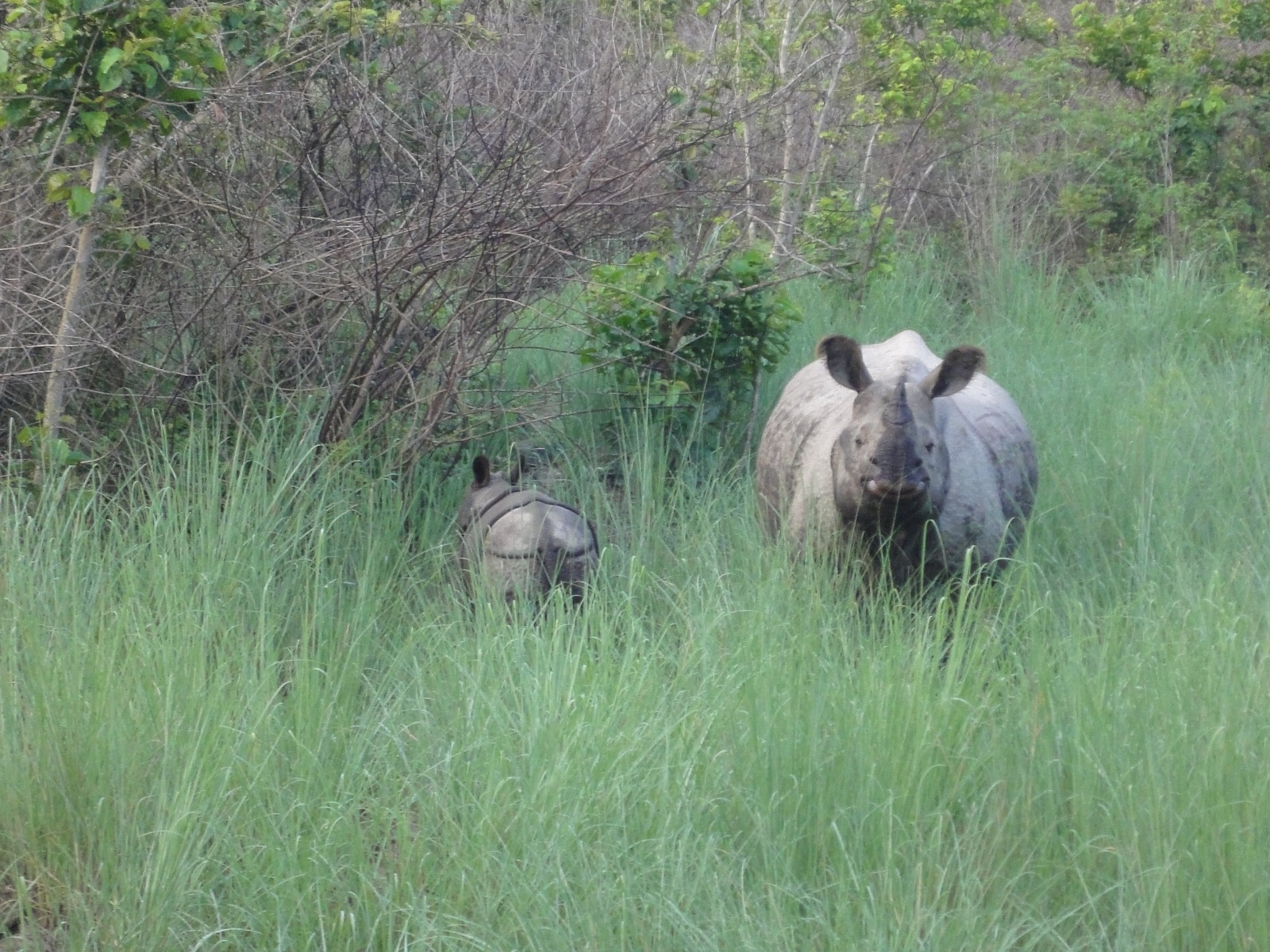
Wonderful Jungle Safari Experience
Our Chitwan Jungle Safari Tour with Best Of Nepal Trek was an unforgettable experience. We enjoyed incredible wildlife sightings, including the famous one-horned rhinoceros and had the opportunity to explore the natural beauty of Chitwan National Park.
The guides were knowledgeable and helpful throughout the tour, while the resort staff provided excellent hospitality. The food was delicious and plentiful, making our stay even more enjoyable. Everything was well organized and we highly recommend this tour to anyone looking for a memorable wildlife adventure in Nepal.janet
,US
Chitwan Jungle Safari Tour with Best Of Nepal Trek
My Chitwan Jungle Safari Tour with Best Of Nepal Trek was a fantastic experience. The wildlife sightings, jungle activities and cultural experiences made the trip both exciting and memorable.
Everything was well organized and the team ensured a comfortable and enjoyable journey throughout the tour. I highly recommend Best Of Nepal Trek to anyone looking to explore the natural beauty and wildlife of Chitwan. Thank you for making this adventure so special.Kristen
,United States