Island Peak Climbing
Island Peak Climbing – Essential Lukla Flight Information
Lukla flights play an essential role in the Island Peak Climbing, and their operation varies by season. During peak trekking months (March, April, May, September, October and November), most flights depart from Ramechhap/Manthali Airport, about 5–6 hours from Kathmandu. In the off-peak months, flights typically operate directly from Kathmandu Airport.
Because Himalayan weather can be unpredictable, delays and cancellations are common. To avoid disruptions to your international travel, adding 1–2 buffer days to your Island Peak Climbing, itinerary is highly recommended for a smooth and flexible journey.
Destination:
Nepal
Trip Duration:
18 Days
Max Altitude:
Island Peak (Imja Tse 6,189m)
Activities:
Peak Climbing
Start Point:
Kathmandu
Ending Point:
Kathmandu
Region:
Everest
Trip Grade:
Moderate
Group Size:
1-10 Pax
Accomodation:
Hotel/Normal Teahouses
Meals:
Breakfast, Lunch and Dinner during trekking
Permits Required:
National Park Permit
Best Season:
March, April, May and Sept, Oct, Nov
Island Peak Climbing (Imja Tse 6,189m) is one of Nepal’s most popular trekking peak adventures, offering a perfect blend of high-altitude trekking and introductory mountaineering. Situated in the stunning Chhukung Valley of the Everest region, this impressive peak stands surrounded by Himalayan giants such as Lhotse, Ama Dablam, Makalu and Baruntse—creating an unforgettable climbing experience for adventurers.
This expedition is ideal for beginners looking to attempt their first Himalayan summit, as well as experienced trekkers seeking a rewarding challenge. The journey follows the classic Everest trekking route before approaching Island Peak Base Camp, giving climbers plenty of time for acclimatization and cultural exploration.
Your adventure begins with a scenic flight to Lukla, followed by an exhilarating trek through the Khumbu Valley. Along the way, you pass through iconic Sherpa villages like Phakding, Namche Bazaar, Tengboche, and Dingboche. This section of the journey offers beautiful forest trails, historic monasteries, and panoramic views of Everest and Ama Dablam.
From Dingboche, the route continues to Chhukung, the final village before Island Peak Base Camp. Before the summit push, climbers participate in a hands-on training session where professional Sherpa guides teach essential mountaineering skills, including how to use an ice axe, harness, crampons, fixed ropes, and safety equipment.
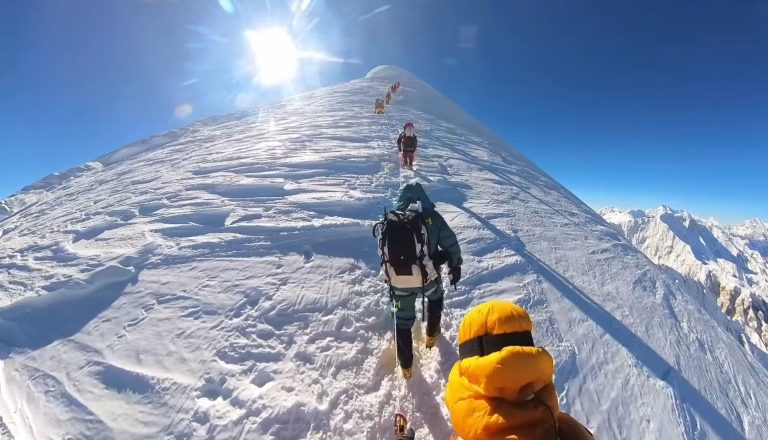
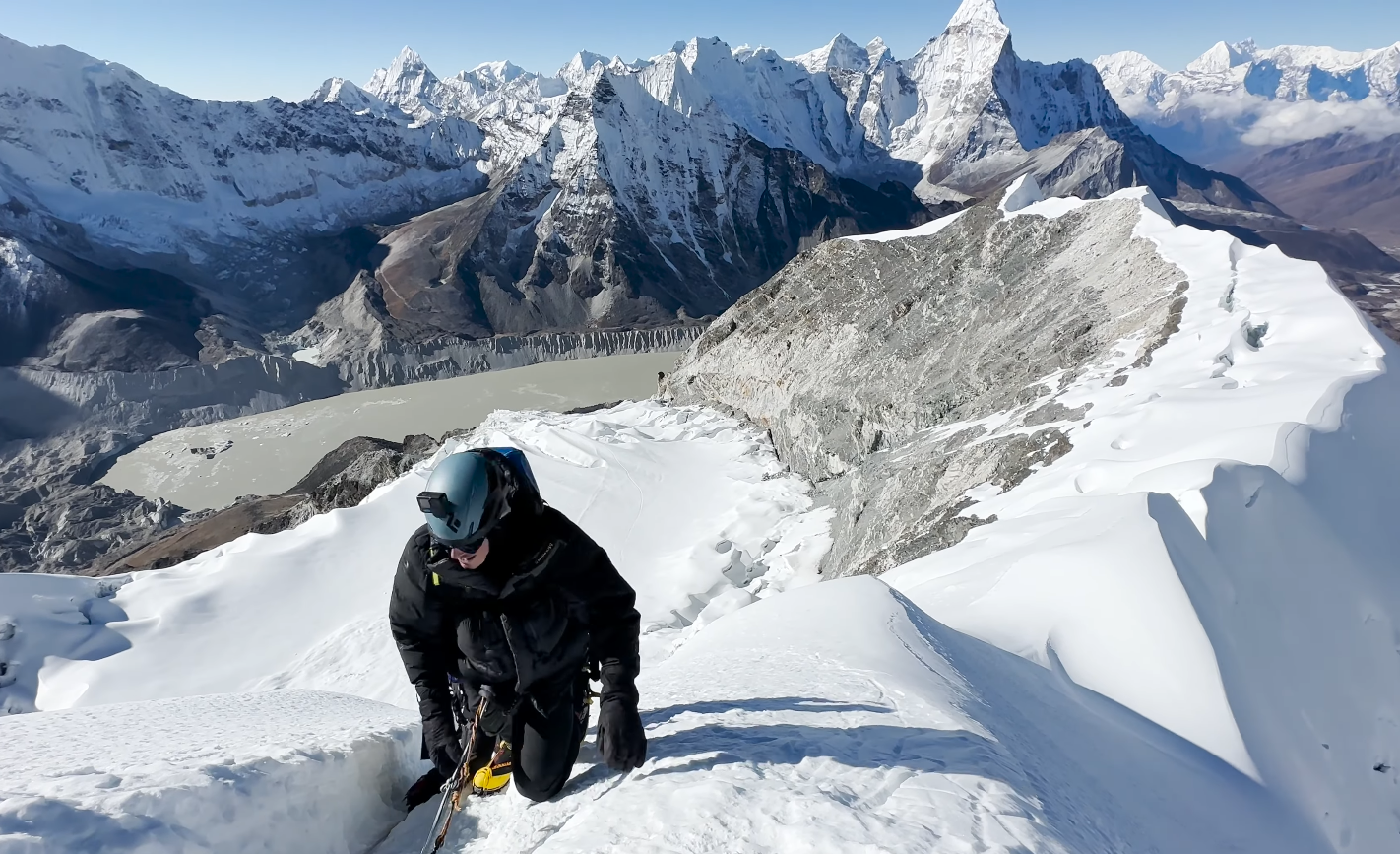
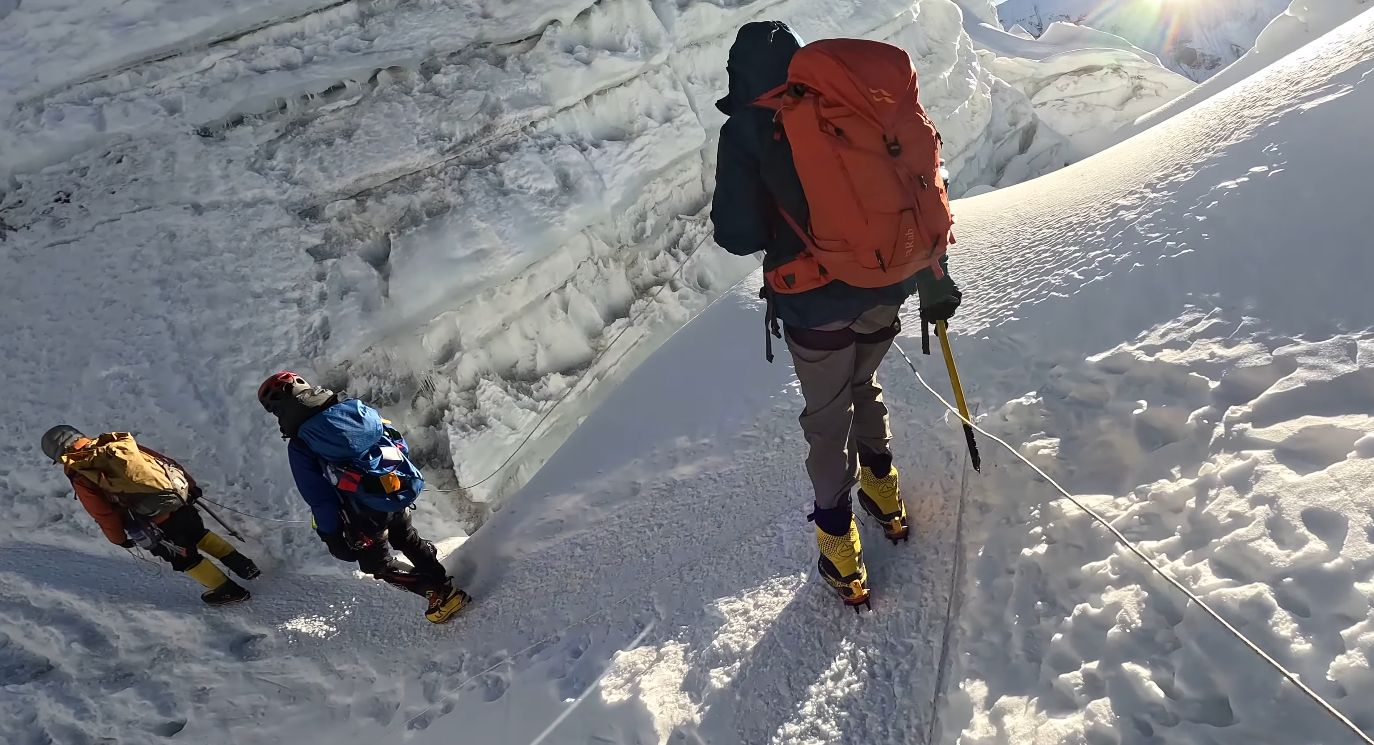
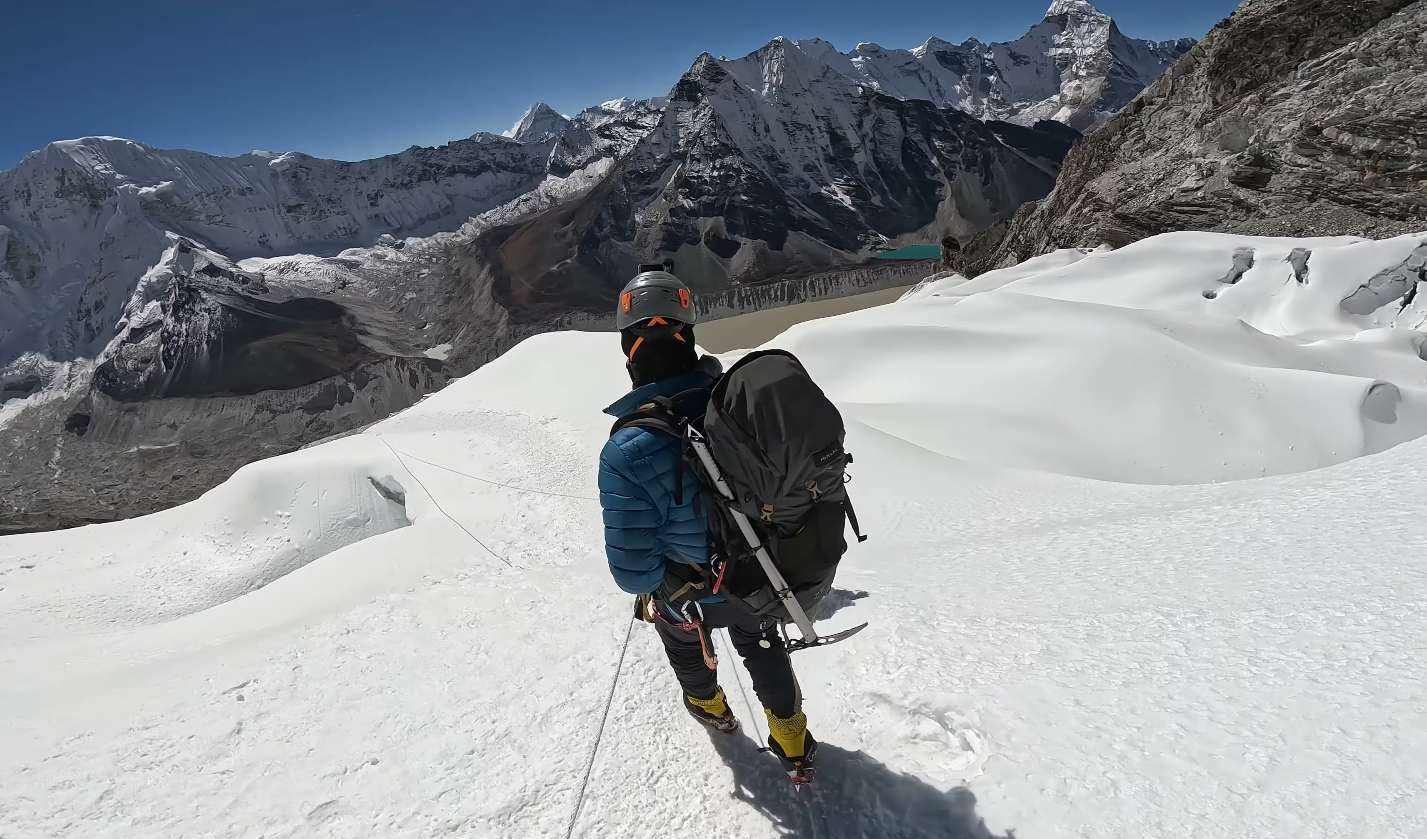
Summit day is the highlight of the expedition. The climb includes crossing glaciers, ascending steep snow sections, and navigating fixed ropes to reach the summit ridge. From the top of Island Peak, climbers are rewarded with breathtaking 360-degree views of Lhotse, Nuptse, Makalu, Baruntse and the dramatic Imja Valley below. The sense of achievement paired with the magnificent scenery makes the experience truly extraordinary.
Island Peak Climbing is considered a challenging yet achievable climb, making it one of the best introductions to Himalayan mountaineering. With proper acclimatization, expert Sherpa support, and strong determination, this adventure offers an unforgettable journey into the world of high-altitude climbing in Nepal.
Island Peak Climbing Highlights
- Summit one of Nepal’s most popular trekking peaks at 6,189 meters (20,305 ft) — a thrilling experience for both beginner and experienced climbers
- Trek through the legendary Everest region, passing scenic Sherpa villages, suspension bridges, and ancient monasteries
- Enjoy spectacular views of iconic Himalayan peaks, including Mount Everest, Lhotse, Nuptse, Ama Dablam, Makalu and Baruntse
- Explore the Sagarmatha National Park, a UNESCO World Heritage Site rich in flora, fauna, and cultural heritage.
- Gain practical mountaineering experience, including rope handling, crampon use, and ice axe techniques during pre-climb training
- Experience the warm hospitality and traditions of the Sherpa people, known for their courage and kindness
- Spend acclimatization days in Namche Bazaar and Dingboche, enjoying short hikes and breathtaking panoramas
- Camp at the Island Peak Base Camp, surrounded by towering glaciers and snow-capped mountains
- A perfect introduction to Himalayan mountaineering, combining high-altitude trekking with a rewarding summit climb
- Witness unforgettable sunrises and sunsets over the Everest range, making it one of the most scenic adventures in Nepal
Climbing Route of Island Peak Climbing
The standard Island Peak climbing route begins with a scenic flight from Kathmandu to Lukla (2,840m), followed by a classic trek through the Everest Base Camp trail. Climbers typically pass through Phakding, Namche Bazaar, Tengboche, Dingboche, and finally reach Chhukung, where they rest and acclimatize.
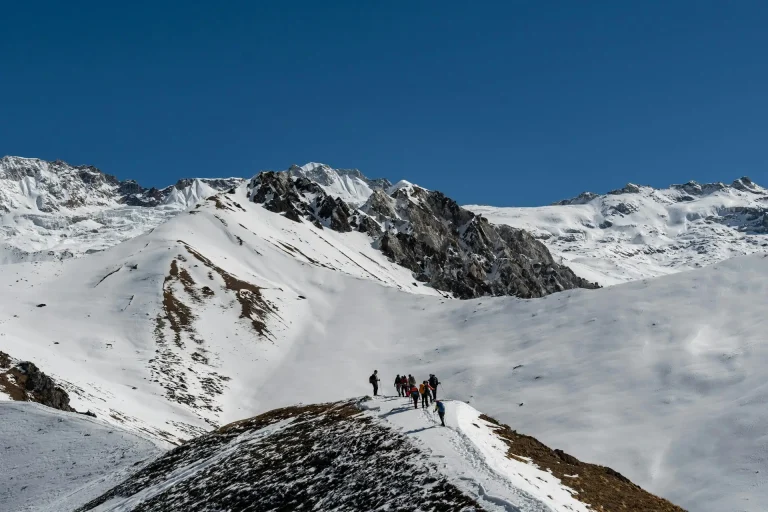
From Chhukung, the route leads to Island Peak Base Camp (5,100m) and then to High Camp (5,600m). The final summit push begins early in the morning, navigating across glaciers, snowfields, and a final steep headwall with the aid of fixed ropes and crampons.
Include
- Round-trip domestic flights between Kathmandu and Lukla
- Certified English-speaking trekking and climbing guide with high-altitude experience
- Porters and full camping crew, including a professional cook and expert climbing Sherpa
- All required permits: Island Peak Climbing Permit, Sagarmatha National Park Entry Permit, and Khumbu Rural Municipality Fee
- Accommodation throughout the journey: comfortable teahouses during the trek and tented camps at Base Camp/High Camp
- All meals during the trek and climbing period (breakfast, lunch and dinner)
- Group climbing equipment, including tents, mattresses, ropes, ice axes and safety gear
- Comprehensive insurance coverage for guides, porters and support staff
- Hotel accommodation in Kathmandu before and after the trek
Exclude
- Personal trekking and climbing gear, which can be rented in Kathmandu
- Alpine boots, crampons, harness and other technical equipment (available for rent if needed)
- Personal travel insurance with mandatory emergency evacuation coverage
- Personal expenses, including Wi-Fi, battery charging, hot showers, drinks, and snacks
- Tips for guides, porters, and support staff, which are customary in Nepal
Island Peak Climbing Itinerary
Your Island Peak Climbing adventure begins with your arrival in Kathmandu, the vibrant capital of Nepal. Upon landing at Tribhuvan International Airport, our team will warmly welcome you and provide a comfortable transfer to your hotel. After some time to rest, you will attend a detailed pre-trek briefing conducted by your guide. This session includes a full discussion of the itinerary, safety guidelines, and a thorough gear check to ensure you have all the necessary equipment for the trek and climb. The evening is free to relax or explore the lively streets of Thamel.
Trip Duration:
30 minutes
Accomodation:
3-Star Hotel/Resort
Start your adventure with a thrilling early-morning flight to Lukla, the gateway to the Everest region. This short yet scenic journey offers your first breathtaking views of the Himalayan peaks. After landing at the Lukla airstrip, you’ll meet the trekking crew and begin your trek toward Phakding. The trail follows a gentle, descending path along the banks of the Dudh Koshi River, passing traditional Sherpa villages, prayer wheels, and mani walls. The day’s walk is easy and enjoyable, helping you ease into the journey.
Trip Duration:
3–4 hours
Accomodation:
Standard teahouse
Meals:
Breakfast, Lunch, and Dinner
Today’s trail leads you deeper into the Khumbu region as you follow the Dudh Koshi River and cross several iconic suspension bridges draped with colorful prayer flags. The route gradually climbs through dense pine forests and charming villages before reaching the entrance of Sagarmatha National Park. After a steady uphill ascent, you’ll arrive at Namche Bazaar, the vibrant Sherpa capital known for its markets, bakeries, and panoramic mountain views. This rewarding day marks one of the most scenic and memorable sections of the journey.
Trip Duration:
5–6 hours
Accomodation:
Standard teahouse
Meals:
Breakfast, Lunch and Dinner
Today is dedicated to proper acclimatization, an essential part of preparing for higher altitudes. After breakfast, take a short acclimatization hike to the Everest View Hotel, one of the world’s highest luxury hotels, offering breathtaking vistas of Everest, Ama Dablam, Lhotse, and other Himalayan peaks. Alternatively, you can trek to Khumjung Village, a traditional Sherpa settlement known for its cultural sites and peaceful mountain surroundings. These gentle hikes help your body adjust while giving you time to explore the rich Sherpa heritage of the region. Return to Namche for a relaxing evening.
Accomodation:
Standard teahouse
Meals:
Breakfast, Lunch and Dinner
Leaving Namche Bazaar, the trail offers spectacular views of Everest, Lhotse, and Ama Dablam as it winds along a scenic hillside. After a gentle walk, you’ll descend to the Dudh Koshi River and then begin a steady uphill climb through rhododendron and pine forests toward Tengboche. This peaceful village is home to the renowned Tengboche Monastery, the spiritual center of the Khumbu region. From here, you’ll enjoy breathtaking panoramic views of Ama Dablam, Everest, and the surrounding Himalayan range. The serene atmosphere and mountain backdrop make Tengboche one of the most beautiful spots on the trek.
Trip Duration:
5–6 hours
Accomodation:
Standard teahouse
Meals:
Breakfast, Lunch and Dinner
Today’s trek takes you through the stunning Imja Valley, with views of majestic peaks like Ama Dablam and Lhotse along the way. You’ll pass the traditional Sherpa village of Pangboche, famous for its ancient monastery and rich cultural heritage. The trail gradually ascends through open landscapes, offering spectacular vistas of glaciers and snow-capped mountains before reaching Dingboche, a high-altitude village nestled in the heart of the Khumbu region. This charming village provides the perfect setting to rest and prepare for higher elevations ahead.
Trip Duration:
5–6 hours
Accomodation:
Standard teahouse
Meals:
Breakfast, Lunch, and Dinner
Today is dedicated to acclimatization, allowing your body to adjust to higher altitudes before the Island Peak climb. You can take a short trek to Nangkartshang Peak or Chhukung Ri, both offering moderate hikes with rewarding panoramic views of towering peaks like Makalu, Lhotse, and Ama Dablam. These gentle climbs help prevent altitude sickness while giving you the chance to enjoy some of the most breathtaking scenery in the Everest region. Return to Dingboche in the afternoon for rest and preparation for the next stage of the trek.
Accomodation:
Standard teahouse
Meals:
Breakfast, Lunch, and Dinner
Today, you embark on a short but scenic trek to Chhukung, the final village before Island Peak Base Camp. The trail gradually ascends through rocky terrain and offers stunning views of Ama Dablam, Lhotse, and the surrounding Himalayan peaks. Chhukung is a picturesque Sherpa settlement, providing a perfect place to rest, acclimatize and prepare for the technical climb ahead. Enjoy the peaceful alpine atmosphere and panoramic vistas as you settle in for the evening.
Trip Duration:
3–4 hours
Accomodation:
Standard teahouse
Meals:
Breakfast, Lunch and Dinner
Today is dedicated to essential climbing preparation and training at Chhukung. Under the guidance of your professional Sherpa instructor, you’ll practice key mountaineering skills, including rope handling, ice axe techniques, crampon use and safe movement on snow and ice. This training ensures you are fully prepared and confident for the upcoming Island Peak Climbing summit. The afternoon is free to rest, review your gear, and acclimatize further in this stunning high-altitude environment.
Accomodation:
Standard teahouse
Meals:
Breakfast, Lunch and Dinner
Today, you trek from Chhukung to Island Peak Base Camp, gradually ascending along the Imja Glacier amid stunning Himalayan scenery. The trail offers dramatic views of towering peaks including Ama Dablam, Lhotse, and Island Peak itself. Upon arrival at Base Camp, the team sets up tents and prepares for the summit climb, allowing time to rest, enjoy the breathtaking surroundings, and acclimatize at high altitude.
Trip Duration:
3–4 hours
Accomodation:
Tented camp at Base Camp
Meals:
Breakfast, Lunch and Dinner
Today is an optional move to High Camp, situated at 5,600 meters, designed for climbers seeking a shorter Island Peak Climbing summit day and improved acclimatization. The trek to High Camp is a gradual ascent with stunning views of Island Peak, Lhotse, and Ama Dablam. Spending the night here allows your body to adjust to the high altitude, increasing your chances of a successful and safe summit the following day. Climbers can relax, review climbing techniques, and prepare mentally for the summit push.
Trip Duration:
3–4 hours (if moving to High Camp)
Accomodation:
Tented camp at High Camp
Meals:
Breakfast, Lunch and Dinner
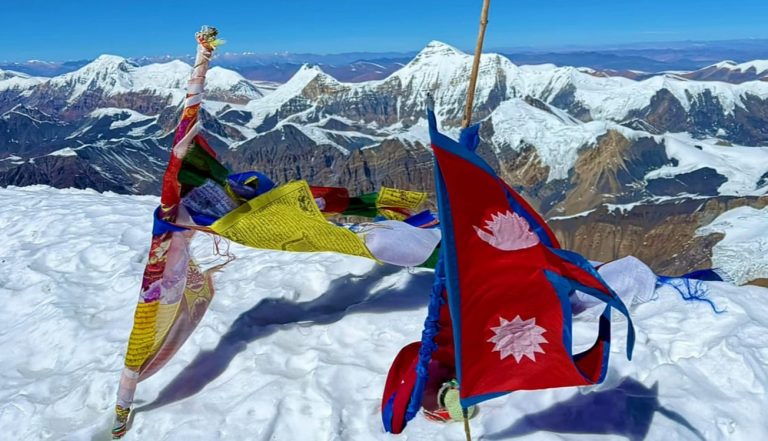
Summit day begins early, around 2–3 AM, under the guidance of your expert Sherpa team. The climb involves crossing glaciers, navigating snow slopes, and using fixed ropes to ascend the challenging ice headwall. Reaching the summit of Island Peak (6,189m) rewards you with a breathtaking 360-degree panorama of Lhotse, Ama Dablam, Makalu, and surrounding Himalayan giants. After celebrating this incredible achievement, you carefully descend back to Chhukung, where a warm meal and rest await. This long but exhilarating day is the pinnacle of your Island Peak adventure.
Trip Duration:
10–12 hours
Accomodation:
Normal teahouse in Chhukung
Meals:
Breakfast, Lunch and Dinner
This is an extra reserve day to accommodate any unforeseen delays or to provide additional time for a successful summit attempt. Climbers can rest, acclimatize further, or enjoy the alpine surroundings of Chhukung while preparing for the descent.
Accomodation:
Standard teahouse in Chhukung
Meals:
Breakfast, Lunch, and Dinner
Begin your descent through familiar trails, retracing your route along the Khumbu Valley. The walk passes through pine forests, Sherpa villages, and suspension bridges, offering spectacular mountain views along the way. Arrive at Pangboche, a picturesque village home to one of the region’s oldest monasteries.
Trip Duration:
5–6 hours
Accomodation:
Standard teahouse
Meals:
Breakfast, Lunch and Dinner
Continue descending through the Khumbu region to Namche Bazaar, the vibrant Sherpa hub. This is a chance to enjoy a comfortable stay, explore the local markets, and celebrate the successful summit of Island Peak with your trekking team.
Trip Duration:
5–6 hours
Accomodation:
Standard teahouse
Meals:
Breakfast, Lunch and Dinner
Today, retrace your steps along the Dudh Koshi Valley as you descend to Lukla. Enjoy the final views of the Khumbu peaks and the charming Sherpa villages before reaching the airstrip for your return flight.
Trip Duration:
6–7 hours
Accomodation:
Standard teahouse in Lukla
Meals:
Breakfast, Lunch and Dinner
Take a scenic morning flight from Lukla back to Kathmandu. Upon arrival, transfer to your hotel. The afternoon is free for rest, shopping, or sightseeing in the bustling capital.
Accomodation:
Hotel in Kathmandu
Meals:
Breakfast
After breakfast, transfer to Tribhuvan International Airport for your onward flight home or continue your travels in Nepal. Conclude your unforgettable Island Peak Climbing adventure with lifelong memories of the Himalayas.
Meals:
Breakfast
Packing List for Island Peak Climbing
Preparing the right gear is essential for a comfortable and successful Island Peak Climbing adventure. The weather and altitude in the Everest region can be challenging, so having reliable clothing and equipment ensures both safety and efficiency. Below is a complete Island Peak Packing List to help you get ready for the expedition:
Essential Clothing:
- Layered clothing system (base layer, insulating mid-layer, waterproof outer layer)
- Down jacket for high-altitude cold
- Trekking pants and thermal leggings
- Warm gloves, hat, and balaclava
- Wool or synthetic socks and gaiters
Footwear:
- Durable trekking boots for lower trails
- Double mountaineering boots for summit days
- Crampons compatible with mountaineering boots
Climbing Gear
- Climbing harness, helmet, and ice axe
- Carabiners and ascenders
- Climbing rope (usually provided by the expedition operator)
Other Essentials
- Sleeping bag (-20°C rating for cold nights at base camp)
- Trekking poles for balance and support
- Headlamp with extra batteries
- Backpack (30–40L for daily use, 60–70L for main luggage)
- Sunglasses, sunscreen, and lip balm for UV protection
- Water bottles or hydration bladder with purification tablets
This comprehensive Island Peak climbing packing list helps you stay warm, safe, and well-prepared for both trekking and technical climbing sections in Nepal’s Everest region.
Island Peak Climbing FAQs
Island Peak (Imja Tse) is a 6,189-meter (20,305 ft) trekking peak located in the Everest region of Nepal. It’s one of the most popular climbing peaks in the Himalayas, offering both adventure and stunning views without extreme technical difficulty.
Island Peak is considered a moderate to challenging trekking peak. While it does not require advanced mountaineering skills, climbers should be comfortable with basic rope techniques, glacier travel, and using equipment like crampons, ice axe, and harness. Pre-climb training is highly recommended.
While previous high-altitude trekking experience is strongly recommended, technical climbing experience is not mandatory. However, you must be physically fit and mentally prepared. A training course and gear practice are usually provided before the summit push.
The best time to climb Island Peak is in the spring (March to May) and autumn (September to November). These seasons offer clear skies, stable weather, and excellent summit conditions.
Yes. You will need:
- Island Peak Climbing Permit
- Sagarmatha National Park Entry Permit
- Khumbu Rural Municipality Permit
Your trekking company usually arranges all necessary permits.
Most Island Peak itineraries range from 16 to 20 days, depending on acclimatization days, trekking pace, and route (some include Everest Base Camp).
You’ll need both trekking and climbing gear, including:
- Trekking boots & clothing
- Ice axe, crampons, harness
- Helmet, climbing boots (can be rented in Kathmandu)
- Sleeping bag and headlamp
- A complete packing list is provided by your guide or agency.
Yes. Travel insurance is mandatory. Your policy must include emergency evacuation, medical coverage, and helicopter rescue in high-altitude regions.
What is the accommodation like during the trek:
- Teahouses/lodges are available up to Chhukung
- Camping is used at Island Peak Base Camp and/or High Camp
- Meals are provided throughout, with a focus on nutritious, energy-rich food.
Yes, climbing gear can be rented in Kathmandu, including boots, ice axes, helmets and more. This reduces the need to carry heavy equipment from home.
Yes. Island Peak involves high-altitude trekking and climbing. Proper acclimatization, hydration, and pacing are essential. An extra acclimatization day is typically included in the itinerary.
The Island Peak climbing cost ranges from USD 2,200 to USD 2,800, depending on services, group size, and itinerary. It includes flights, permits, guides, accommodation, meals, and climbing gear.
Most trekking companies offer fixed group departures during the main seasons, as well as customized private trips on request.
Island Peak Climbing Good To Know
The Island Peak Climbing region, locally known as Imja Tse, lies in Nepal’s stunning Khumbu Valley, the homeland of the legendary Sherpa community. First climbed in 1953 by a British expedition that included members of the first successful Everest summit team, Island Peak was named for its appearance—an island of rock and ice rising from a sea of glaciers.
The region’s culture is deeply influenced by Tibetan Buddhism, visible in the colorful prayer flags, monasteries, chortens, and mani walls scattered along the trail. Villages like Namche Bazaar, Tengboche, and Pangboche offer authentic glimpses into Sherpa life, traditions, and spirituality. The Tengboche Monastery, one of the most sacred Buddhist sites, hosts the vibrant Mani Rimdu Festival, celebrating peace and compassion.
Beyond the climb, Island Peak offers an opportunity to connect with local people, explore ancient Himalayan traditions, and experience the unique harmony between adventure, nature, and culture that defines Nepal’s mountain heritage.
Island Peak, locally known as Imja Tse, is located in the Everest region of eastern Nepal, within the boundaries of Sagarmatha National Park, a UNESCO World Heritage Site. It lies near the Chhukung Valley, between Mount Lhotse and Ama Dablam, offering breathtaking Himalayan views. Standing at an elevation of 6,189 meters (20,305 feet), Island Peak serves as one of Nepal’s most popular trekking peaks and a perfect introduction to Himalayan climbing.
The peak can be reached via a scenic flight from Kathmandu to Lukla, followed by a multi-day trek through Namche Bazaar, Tengboche, Dingboche, and Chhukung. Surrounded by glaciers and towering peaks, Island Peak is admired for its accessibility, stunning landscapes, and the cultural richness of the Sherpa communities living along the trail.
The Island Peak Expedition passes through some of the most authentic Sherpa villages in Nepal’s Khumbu region, offering trekkers a unique cultural experience alongside breathtaking Himalayan scenery. Villages like Phakding, Namche Bazaar, Tengboche, Dingboche, and Chhukung showcase traditional Sherpa architecture, prayer flags, mani walls, and Buddhist monasteries.
Namche Bazaar, the Sherpa capital, is a bustling hub with markets, cafes, and teahouses where locals sell handicrafts and trekking supplies. Tengboche is famous for its sacred monastery, where monks perform daily rituals and traditional festivals like Mani Rimdu, giving visitors a glimpse into local spiritual life.
In smaller villages such as Dingboche and Chhukung, life revolves around farming, yak herding, and mountaineering support. Sherpas are known for their warm hospitality, resilience, and deep-rooted Buddhist beliefs, making every encounter enriching for trekkers.
Interacting with local people allows climbers to learn about Sherpa culture, customs, and traditions, making the Island Peak Climbing not just a mountaineering adventure but also a journey into the heart of Nepal’s Himalayan heritage.
The Island Peak Expedition takes you through the breathtaking Everest region (Khumbu Valley), where diverse flora and fauna thrive despite the high-altitude environment. The trek passes through several ecological zones, ranging from subtropical forests at lower altitudes to alpine meadows and rocky landscapes near base camp.
Flora:
In lower regions such as Phakding and Namche Bazaar, the trail is lined with rhododendron, pine, fir, and juniper trees, which bloom vibrantly in spring. As trekkers ascend to higher altitudes, vegetation becomes sparse, giving way to alpine shrubs, mosses, lichens, and hardy grasses that can withstand cold and wind. These plants not only provide stunning seasonal colors but also play a crucial role in maintaining the fragile mountain ecosystem.
Fauna:
The region is home to a variety of wildlife, including Himalayan tahr, musk deer, red panda, snow leopard (rare), Himalayan monal (national bird of Nepal), and pheasants. Birdwatchers can also spot Himalayan griffon vultures, crows, and Himalayan snowcock. Trekking through Sagarmatha National Park offers opportunities to observe these animals in their natural habitat while respecting conservation rules.
The rich flora and fauna add another layer of wonder to the Island Peak Expedition, combining adventure with an unforgettable ecological and natural experience in the heart of the Himalayas.
Island Peak Climbing, locally called Imja Tse, is one of Nepal’s most popular trekking peaks, standing at an elevation of 6,189 meters (20,305 feet) above sea level. Located in the Everest region (Khumbu Valley) within Sagarmatha National Park, it is an ideal peak for both beginner and experienced climbers seeking high-altitude mountaineering experience.
Despite being classified as a trekking peak, the summit of Island Peak offers a challenging adventure, including glacier crossings, fixed rope sections, and steep ice walls. From the top, climbers are rewarded with panoramic Himalayan views, including Mount Everest, Lhotse, Nuptse, Ama Dablam, and Makalu, making it a breathtaking experience.
Island Peak’s height provides a perfect balance of adventure and accessibility, allowing climbers to experience high-altitude challenges while acclimatizing for potential higher Himalayan expeditions. Its elevation and surrounding scenery make it a must-visit peak in Nepal’s Everest region.
Proper acclimatization is essential for a safe and successful Island Peak climb, as the summit reaches 6,189 meters (20,305 ft). Ascending too quickly at high altitudes can lead to altitude sickness, which may cause headaches, nausea, dizziness, or more serious complications.
The expedition is designed with strategic rest and acclimatization days. Trekkers typically spend extra days in Namche Bazaar and Dingboche, where short hikes to nearby peaks, such as Chhukung Ri or Nangkartshang Peak, help the body adjust to thinner air while offering panoramic views of surrounding mountains.
During the summit push from Island Peak Base Camp (5,100m), climbers follow the “climb high, sleep low” principle, ascending slowly and returning to lower elevations to rest. This approach promotes red blood cell production, improving oxygen delivery and endurance at high altitudes.
Following a careful acclimatization schedule ensures climbers can maximize safety, energy, and performance, making the Island Peak Expedition both rewarding and enjoyable.
Yes, the Island Peak Expedition is one of Nepal’s most thrilling adventure trips. Combining high-altitude trekking with technical climbing, it offers a unique mix of physical challenge, natural beauty, and cultural immersion. Climbers trek through the Khumbu Valley, cross suspension bridges, navigate glaciers, and ascend steep ice walls to reach the summit at 6,189 meters (20,305 ft).
The expedition provides adventure seekers with panoramic views of Everest, Lhotse, Ama Dablam, and other Himalayan giants, while also exposing them to the vibrant Sherpa culture, monasteries, and remote mountain villages. With proper training and acclimatization, Island Peak is accessible to both novice climbers seeking a first high-altitude challenge and experienced mountaineers looking for a rewarding Himalayan adventure.
In short, Island Peak offers a perfect blend of adventure, natural beauty, and cultural exploration, making it a must-do for thrill-seekers visiting Nepal.
Island Peak Climbing is considered one of Nepal’s safer high-altitude trekking peaks, making it ideal for climbers seeking a first Himalayan mountaineering experience. While it involves glacier travel, steep ice walls, and fixed ropes, the climb is manageable with proper preparation, acclimatization, and guidance from experienced Sherpa guides.
Safety depends on several factors:
- Acclimatization: Adequate rest days in Namche Bazaar, Dingboche, and Chhukung help prevent altitude sickness.
- Guides and Equipment: Certified climbing guides provide expertise, and most expeditions supply helmets, harnesses, crampons, and ice axes.
- Weather Conditions: The best climbing seasons—spring (March–May) and autumn (September–November)—offer stable weather and safer conditions.
- Physical Fitness: Moderate trekking experience and good fitness levels reduce risk and ensure confidence on the summit push.
With proper preparation, respect for the mountain, and professional support, Island Peak Climbing is both challenging and safe, allowing adventurers to enjoy one of the most rewarding experiences in the Everest region.
The Island Peak Expedition is located in the Everest region (Khumbu Valley) of Nepal, and reaching it involves a combination of air travel and trekking.
Getting There:
- Most climbers start in Kathmandu, Nepal’s capital, which is accessible via international flights.
- From Kathmandu, take a domestic flight to Lukla Airport (2,840m), the gateway to the Everest region. This scenic 35–40 minute flight offers spectacular Himalayan views.
- From Lukla, trekking begins along the Dudh Koshi River, passing villages such as Phakding, Namche Bazaar, Tengboche, Dingboche, and Chhukung, before reaching Island Peak Base Camp. Trekkers walk 3–7 hours per day, depending on altitude and terrain.
Returning:
- After the summit, trekkers descend via the same route, retracing steps through Chhukung, Dingboche, Tengboche, Namche Bazaar, and Phakding.
- The trek concludes with a flight back from Lukla to Kathmandu, where travelers can rest or continue exploring Nepal.
Tips for Travel:
- Book Kathmandu–Lukla flights in advance, as they fill up quickly during peak trekking seasons.
- Allow extra days for potential weather delays, which are common in the Everest region.
- Light packing and porter support make the trek easier and safer.
This combination of air travel and trekking ensures a smooth and scenic journey to one of Nepal’s most iconic peaks.
Climbing Island Peak (Imja Tse) requires several official permits, ensuring safety, conservation, and legal compliance within Nepal’s Everest region.
Island Peak Climbing Permit
- Issued by the Nepal Ministry of Tourism, this permit is mandatory for all climbers attempting the summit. Fees vary depending on the season and nationality.
Sagarmatha National Park Entry Permit
- Since Island Peak lies within Sagarmatha National Park, a park entry permit is required. This permit contributes to park conservation and wildlife protection.
Khumbu Pasang Lhamu Rural Municipality Permit
- This local permit is required for trekking and climbing in the Khumbu region, ensuring local communities benefit from tourism.
Choosing the best season to climb Island Peak (6,189m) is essential for a successful and safe expedition. Island Peak is subject to seasonal weather patterns. The ideal climbing windows are during the pre-monsoon (spring) and post-monsoon (autumn) seasons when the weather is most stable, skies are clear, and the mountain conditions are optimal.
Spring Season (March to May)
Spring is widely regarded as the best time to climb Island Peak. The weather is warmer, the skies are mostly clear, and the trails are in great condition. As the snow begins to melt, glacier travel becomes more manageable.
Pros:
- Stable weather for summit attempts
- Stunning views of Everest and surrounding peaks
- Blooming rhododendron forests add beauty to the lower trails
- Longer daylight hours for trekking
Autumn Season (September to November)
Autumn is the second-best season for Island Peak climbing. After the monsoon clears the dust and humidity, the mountains appear incredibly crisp and beautiful.
Pros:
- Cool, dry, and stable conditions
- Excellent visibility
- Ideal for photography and summit views
- Fewer weather-related delays
Off-Seasons (Winter & Monsoon)
Winter (Dec–Feb): Extremely cold and harsh winds; suitable only for experienced climbers.
Monsoon (June–August): Heavy rain, slippery trails, cloud cover, and high risk of landslides; not recommended.
In summary, the best time to climb Island Peak is from March to May and September to November for the most comfortable conditions and the highest chances of summit success.
Altitude sickness is a common risk when climbing Island Peak (6,189m / 20,305 ft) due to thinner air at high elevations. Proper preparation and awareness are key to a safe and successful summit.
Tips to Prevent Altitude Sickness:
Acclimatize Gradually: Spend extra days in Namche Bazaar, Dingboche, and Chhukung, taking short hikes to help your body adjust.
- Climb High, Sleep Low: Ascend to higher points during the day, then return to lower altitudes to sleep.
- Stay Hydrated: Drink plenty of water, and avoid alcohol or excessive caffeine.
- Eat Light and Nutritious Meals: Focus on carbohydrates to maintain energy and aid acclimatization.
- Listen to Your Body: Headaches, nausea, or dizziness are warning signs. Do not ignore them.
- Medication: Consult a doctor about medications like Diamox for prevention if needed.
- Move Slowly: Avoid rushing; a steady pace reduces strain on your body.
Following these strategies ensures climbers can minimize the risk of altitude sickness, enjoy the trek safely, and increase the chances of a successful summit on Island Peak.
Climbing Island Peak (6,189m / 20,305 ft) is an exhilarating adventure, but it comes with inherent risks due to high altitude, unpredictable weather, and technical climbing sections. Comprehensive travel insurance is therefore mandatory for all participants before starting the expedition. Having the right insurance ensures both your safety and financial protection in case of emergencies.
What Your Insurance Should Cover
- To be fully prepared for Island Peak, your travel insurance must include:
- Emergency helicopter evacuation from high-altitude locations (up to 6,500 meters)
- Medical treatment and hospitalization for injuries or illnesses
- High-altitude sickness and related complications
- Trip cancellation, delays, or interruption
- Repatriation costs in the event of serious medical issues
High-Altitude Considerations
Standard travel insurance often does not cover mountaineering above 6,000 meters, so confirm with your provider that your policy specifically includes high-altitude trekking and climbing.
Documentation & Verification
Before starting your trek, your expedition operator will request a copy of your insurance certificate, which must remain valid for the entire duration of the Island Peak climbing adventure. This ensures you are protected from the beginning of your journey in Kathmandu to the summit and back.
Tips for a Safe Expedition
- Always carry a digital and physical copy of your insurance certificate.
- Verify whether your policy covers evacuation by helicopter, which is crucial in emergencies.
- Discuss optional coverage for equipment loss or personal belongings, as high-altitude treks can be unpredictable.
Proper travel insurance is essential for a safe and worry-free Island Peak climb, allowing you to focus on enjoying the adventure and the stunning Himalayan landscapes.
Understanding the weather and climate conditions is crucial for a safe and successful Island Peak (6,189m / 20,305 ft) expedition. Located in the Everest region of Nepal, Island Peak experiences high-altitude weather patterns, seasonal variations, and sudden shifts in temperature. Above 5,000 meters, conditions can change rapidly, so climbers must be prepared for extreme cold, wind, and snow.
Spring (March to May)
Spring is one of the best seasons for Island Peak climbing, with stable weather and manageable temperatures.
- Daytime Temperature (3,000–5,000m): 10°C to 15°C
- Night/Summit Temperature: -10°C to -20°C
- Conditions: Clear skies, low winds, dry trails
- Visibility: Excellent for panoramic mountain views
Autumn (September to November)
Autumn offers cool temperatures and crystal-clear skies, ideal for climbers seeking stable weather and spectacular photography.
- Daytime Temperature: 5°C to 12°C
- Night/Summit Temperature: -15°C to -25°C
- Conditions: Dry, stable weather with minimal cloud cover
- Visibility: Outstanding for summit views
Winter (December to February)
Winter brings extreme cold, snow, and high winds, making climbing highly technical and suitable only for experienced mountaineers.
- Daytime Temperature: 0°C to 5°C
- Night/Summit Temperature: -20°C to -30°C
- Conditions: Snowy, icy, harsh wind chills
Suitability: Only for skilled climbers with winter mountaineering experience
Monsoon (June to August)
Monsoon season is not recommended due to heavy rainfall, muddy trails, and increased risks.
- Temperature: 10°C to 18°C
- Conditions: Wet, foggy, poor visibility
- Risks: Slippery routes, cloud-covered peaks, potential landslides, and leeches at lower elevations
Tip for Climbers: Always check the latest weather forecasts before ascending, carry appropriate clothing and gear for all conditions, and be ready to adjust plans for safety.
Proper baggage planning is crucial for a safe and comfortable Island Peak Expedition (6,189m / 20,305 ft). Trekkers must balance carrying essential gear with keeping loads light for challenging high-altitude terrain.
Luggage Guidelines
- Main Duffel or Backpack (60–70L): Used for storing bulky items such as sleeping bags, extra clothing, climbing gear, and personal belongings.
- Daypack (30–40L): Carried daily during trekking for essentials like water, snacks, camera, headlamp, and extra layers.
- Weight Limits: Most expedition operators recommend main baggage under 15–20 kg, as porters carry the rest. Daypacks should be 6–8 kg maximum.
Packing Tips
- Waterproof Bags: Protect gear from snow and rain.
- Organize with Packing Cubes: Separate clothing, climbing gear, and personal items.
- Essential Documents: Carry passports, permits, travel insurance, and itinerary in your daypack.
- High-Altitude Gear: Ensure crampons, ice axes, harnesses, and helmets are easily accessible for summit days.
By packing strategically and light, climbers can move efficiently on trails, reduce fatigue, and focus on enjoying the spectacular Himalayan scenery during the Island Peak climb.
Staying connected and keeping your phones, cameras, and electronic gadgets charged is important during the Island Peak Expedition (6,189m / 20,305 ft), but high-altitude trekking presents unique challenges. Electricity is limited in the Khumbu region, and power outages or voltage fluctuations are common, especially in remote villages and base camps.
Charging Options:
- Teahouses and Lodges: Many offer charging services for a small fee (usually 300–500 NPR per device). Availability may vary depending on location and weather conditions.
- Solar Chargers and Power Banks: Highly recommended for remote areas or summit days where electricity is unavailable. High-capacity power banks (20,000 mAh or more) can keep devices running for multiple days.
- Adapters and Voltage: Nepal uses Type C, D, and M plugs, with a standard voltage of 230V and frequency of 50Hz. Bring a universal adapter compatible with your gadgets.
Tips for Efficient Charging:
- Charge devices whenever possible in lower-altitude villages before heading to high camps.
- Switch devices to airplane mode to conserve battery.
- Consider energy-efficient devices and limit streaming or heavy usage during the trek.
Proper planning ensures your phones, cameras, GPS devices, and headlamps remain functional, allowing you to capture memories and maintain communication throughout the Island Peak climb.
During the Island Peak Climbing expedition, trekkers can expect a combination of teahouse accommodations and camping experiences, depending on the section of the route.
Accommodation
- Teahouses/Lodges:On the trekking trail from Lukla to Chhukung, you will stay in traditional teahouses. These are simple, clean lodges run by local families, offering twin-sharing rooms with shared bathrooms. Rooms come with basic bedding and blankets, but we recommend bringing a four-season sleeping bag for extra warmth.
- Camping:At Island Peak Base Camp and/or High Camp, accommodation shifts to tented camping. All camping gear is provided by the trekking agency, including mountain tents, kitchen tent, dining tent, and sleeping mattresses. Experienced kitchen staff set up and manage the campsite to ensure your comfort and safety.
Meals
Teahouse Meals: During the trek, you’ll be served three freshly prepared meals daily- breakfast, lunch, and dinner. Menu options typically include:
Dal Bhat (rice, lentils, vegetables) Noodles, pasta, soups, and fried rice Eggs, pancakes, toast, and porridge for breakfast
Camping Meals: At higher elevations, our expedition cook prepares nutritious, energy-rich meals to support your climbing needs. Hot drinks like tea, coffee, and soup are provided throughout the day.
All meals are designed to support high-altitude performance, keeping you well-fed and hydrated throughout the journey.
While it is technically possible to attempt Island Peak (6,189m / 20,305 ft) without a guide, it is strongly not recommended for safety, legal, and logistical reasons. Island Peak Climbing is classified as a trekking peak, but it involves glacier travel, steep ice walls, fixed ropes, and high-altitude conditions that require proper technical skills.
Why a Guide is Essential
- Safety: Experienced Sherpa guides ensure climbers navigate crevasses, ice walls, and unstable terrain safely.
- Permit Requirements: Climbing permits often require registered guides for high-altitude peaks in Sagarmatha National Park.
- Technical Expertise: Guides provide instruction on rope techniques, crampon use, ice axe handling, and emergency procedures.
- Local Knowledge: Guides know the best weather windows, safe routes, and acclimatization schedules, reducing risks of altitude sickness or accidents.
- Logistics Support: Guides handle campsite arrangements, cooking, and communication, allowing climbers to focus on the climb.
In short, Island Peak climbing without a guide is risky and not recommended. Hiring a professional guide maximizes safety, improves your chances of a successful summit, and enhances the overall trekking and mountaineering experience.
Island Peak (Imja Tse) is one of Nepal’s most popular trekking peaks, offering a perfect introduction to Himalayan mountaineering. Rising to 6,189 meters (20,305 ft) in the heart of the Everest region, Island Peak is the ideal challenge for trekkers looking to push beyond high-altitude hiking into basic climbing.
Top Reasons to Choose Island Peak Climbing:
Achievable Himalayan Summit: Island Peak is considered a moderate peak, making it perfect for fit trekkers and beginners with basic climbing training. It’s a great stepping stone to higher, more technical expeditions.
Stunning Mountain Views: From the summit, you’ll enjoy 360-degree panoramic views of iconic peaks like Lhotse, Nuptse, Ama Dablam, Makalu, and even Mount Everest.
Combines Trekking and Climbing: This expedition blends Everest Base Camp-style trekking with glacier travel, rope work, and summit attempts, giving you the best of both worlds.
Adventure with Safety: With experienced guides, acclimatization days, and the right gear, the Island Peak climb offers an exciting yet safe high-altitude experience.
Cultural Immersion: Travel through Sherpa villages, ancient monasteries, and the vibrant town of Namche Bazaar, gaining insight into local Himalayan life.
Island Peak (6,189m / 20,305 ft) is considered a moderately difficult trekking peak in Nepal, suitable for climbers with good physical fitness, high-altitude trekking experience, and basic mountaineering skills. While popular among beginners aiming for their first Himalayan summit, it presents technical challenges that require preparation and focus.
Key Challenges:
- Altitude & Acclimatization: Proper acclimatization along the Everest Base Camp trail is essential to prevent altitude sickness.
- Glacier Travel: Climbers navigate glaciers using crampons, ice axes, and rope techniques, carefully crossing crevasses.
- Headwall Section: The final steep ice/snow wall (45–50°) to the summit requires rope skills and mental toughness.
- Summit Push: Early morning climbs (2–3 AM) avoid strong winds and unstable snow.
Who Can Climb?
- Trekkers with prior high-altitude experience above 4,000m
- Physically fit individuals with endurance training
- Climbers willing to learn basic technical gear usage
With professional guides, proper gear, and preparation, Island Peak offers a rewarding and achievable Himalayan adventure for both beginners and intermediate climbers.
Staying connected during the Island Peak Expedition (6,189m / 20,305 ft) is possible, but internet access is limited and varies depending on location and altitude. Most villages and teahouses along the Everest region trekking route offer basic Wi-Fi, usually for a small fee (300–500 NPR per hour).
Internet Access by Location:
- Lower Villages (Phakding, Namche Bazaar): Reliable Wi-Fi at many lodges and cafes; mobile network coverage is generally good.
- Higher Villages (Tengboche, Dingboche, Chhukung): Wi-Fi availability is sporadic, slower, and can be affected by weather.
- Base Camp & High Camp: Internet is generally unavailable; satellite phones or personal Wi-Fi devices are recommended for emergency communication.
Tips for Connectivity:
- Bring a local SIM card (Ncell or Nepal Telecom) for mobile data coverage in villages.
- Download offline maps and guides before starting the trek.
- Use Wi-Fi primarily in lower villages and plan digital detox periods during high-altitude days.
While internet access is limited at higher altitudes, lower villages along the trek provide opportunities to stay connected, share your experience, and check in with family before heading to base and high camps.
Preparing your body and mind before attempting Island Peak Climbing (6,189m / 20,305 ft) is essential for a safe, enjoyable, and successful climb. Even though Island Peak is classified as a trekking peak, it requires high-altitude endurance, strength, and stamina for glacier travel, steep ascents, and summit pushes.
Physical Fitness Tips:
- Cardiovascular Training: Activities like running, cycling, swimming, or hiking with a weighted backpack improve heart and lung capacity, which is crucial for high-altitude trekking.
- Strength Training: Focus on legs, core, and upper body to handle long trekking days, heavy backpacks, and climbing equipment. Exercises like squats, lunges, planks, and push-ups are highly effective.
- Endurance Hikes: Practice multi-hour hikes on uneven terrain or stairs to simulate trekking conditions. Gradually increase distance and altitude if possible.
- Flexibility & Balance: Yoga, stretching, and balance exercises help reduce the risk of injuries on rocky trails and slippery glaciers.
Mental Preparation:
- Prepare for long, challenging days and early summit starts.
- Practice stress management and focus techniques, as high-altitude climbs demand mental resilience.
Additional Tips:
- Start training at least 2–3 months before the expedition.
- Simulate trekking with your backpack to condition muscles for real trek conditions.
- Maintain hydration, balanced diet, and rest to optimize fitness gains.
Proper preparation ensures you can trek efficiently, prevent injuries, manage altitude challenges, and maximize your chances of successfully summiting Island Peak.
The cost of Island Peak Climbing (6,189m / 20,305 ft) in 2025–2026 generally ranges from USD 2,300 to USD 3,200 per person. Prices vary depending on group size, itinerary length, and the type of services chosen.
This cost reflects a comprehensive Himalayan climbing experience, covering essential logistics, permits, domestic flights, accommodation, meals, and professional guidance throughout the expedition.
Factors that can affect the final price include seasonal demand, additional rest days, and personal gear requirements. Budgeting carefully ensures climbers are prepared for a safe, well-organized, and unforgettable adventure while summiting one of Nepal’s most iconic trekking peaks.
Reviews

Unforgettable Summit – Island Peak Climbing
Best Of Nepal Trek made our Island Peak climbing experience truly wonderful. The company coordinated everything flawlessly with our trekking guide, ensuring a smooth and stress-free journey from start to finish.
A heartfelt thank you to our guide, Lakpa D. Sherpa. His expertise, calm nature and deep knowledge of the mountains gave us complete confidence every step of the way. He was always encouraging, attentive and made sure we were well-prepared for the summit.
If you want a company that works seamlessly with their guides to deliver an amazing Himalayan adventure, choose Best Of Nepal Trek.
Jaqueline Rodriguez
,UK