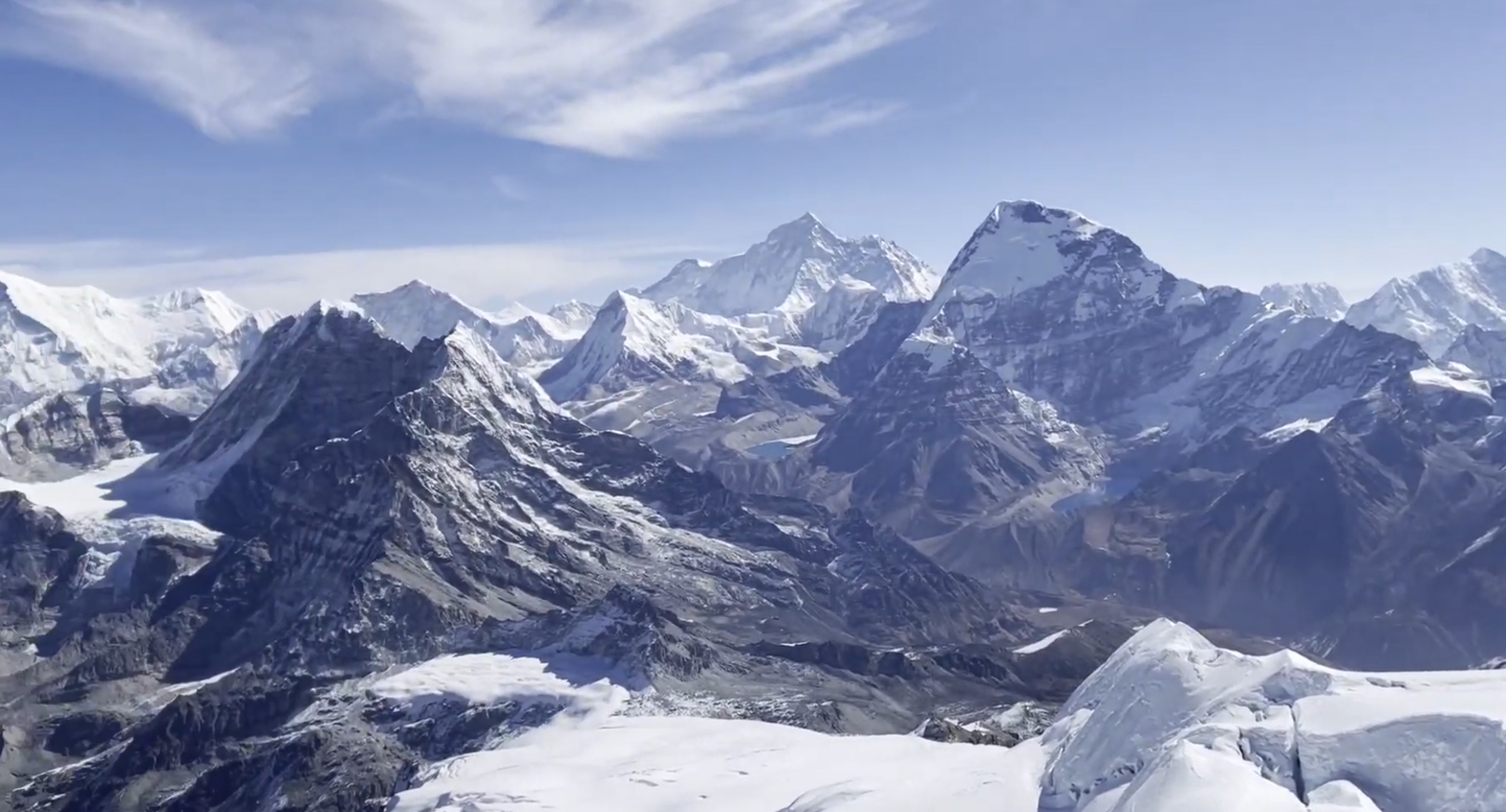
Mera Peak Climbing
Mera Peak Climbing – Lukla Flight Information
Flying to Lukla is an essential part of the Mera Peak Climbing adventure. Flight schedules change depending on the trekking season. During peak months (March, April, May, September, October, and November), most flights depart from Ramechhap/Manthali Airport, about 5–6 hours from Kathmandu. In the off-peak months, flights usually operate directly from Kathmandu Airport.
Himalayan weather can be unpredictable, and flight delays or cancellations are common. To avoid issues with your international travel, it is recommended to add 1–2 extra days to your Mera Peak Climbing itinerary. This buffer allows flexibility and ensures a smooth, stress-free journey to Lukla and a successful start to your trek.
Destination:
Nepal
Trip Duration:
16 Days
Max Altitude:
Mera Peak (6,476m)
Activities:
Peak Climbing
Start Point:
Kathmandu
Ending Point:
Kathmandu
Region:
Everest
Trip Grade:
Moderate
Group Size:
2-10
Accomodation:
Hotel/Normal Teahouses/Tent
Meals:
Breakfast, Lunch and Dinner during Trek
Transportation:
Private vehicle/Domestic Flight
Permits Required:
Peak Climbing Permit/National Park Permit
Best Season:
March, April, May and Sept, Oct, Nov
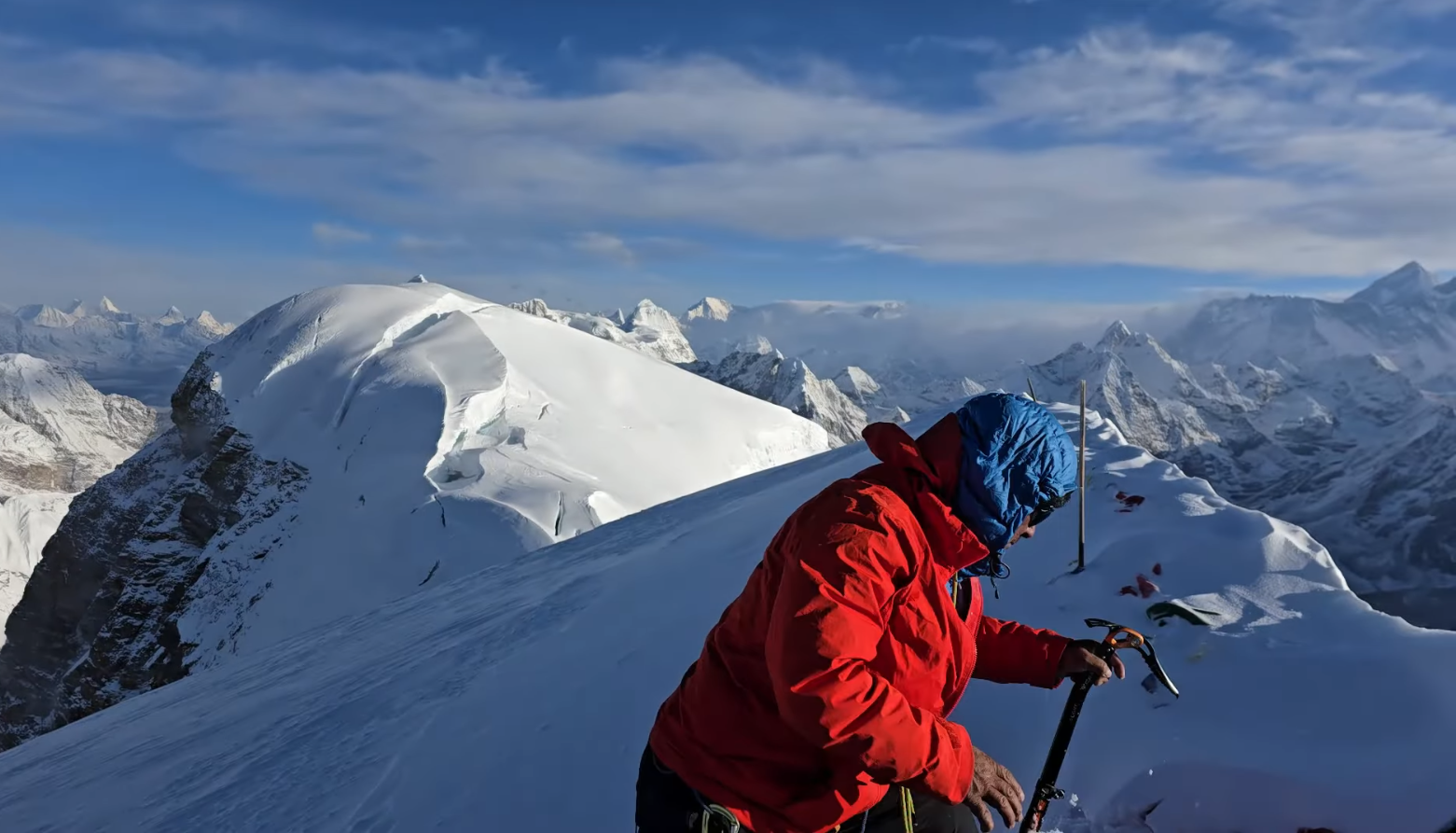
Mera Peak Climbing is a remarkable journey to the summit of Mera Peak (6,476 meters) — the highest trekking peak in Nepal. Located in the Makalu Barun National Park, this climb is ideal for trekkers looking to take their first steps into the world of Himalayan mountaineering. Although Mera Peak is a high-altitude climb, it is considered non-technical, making it suitable for those with basic mountaineering experience.
The adventure starts with a scenic flight from Kathmandu to Lukla, followed by a trek through the quiet and stunning Hinku Valley. Along the way, you’ll walk through Sherpa villages, beautiful forests, and open alpine landscapes. Important acclimatization stops include Chutanga, Thuli Kharka, and Khare, preparing your body for the climb.
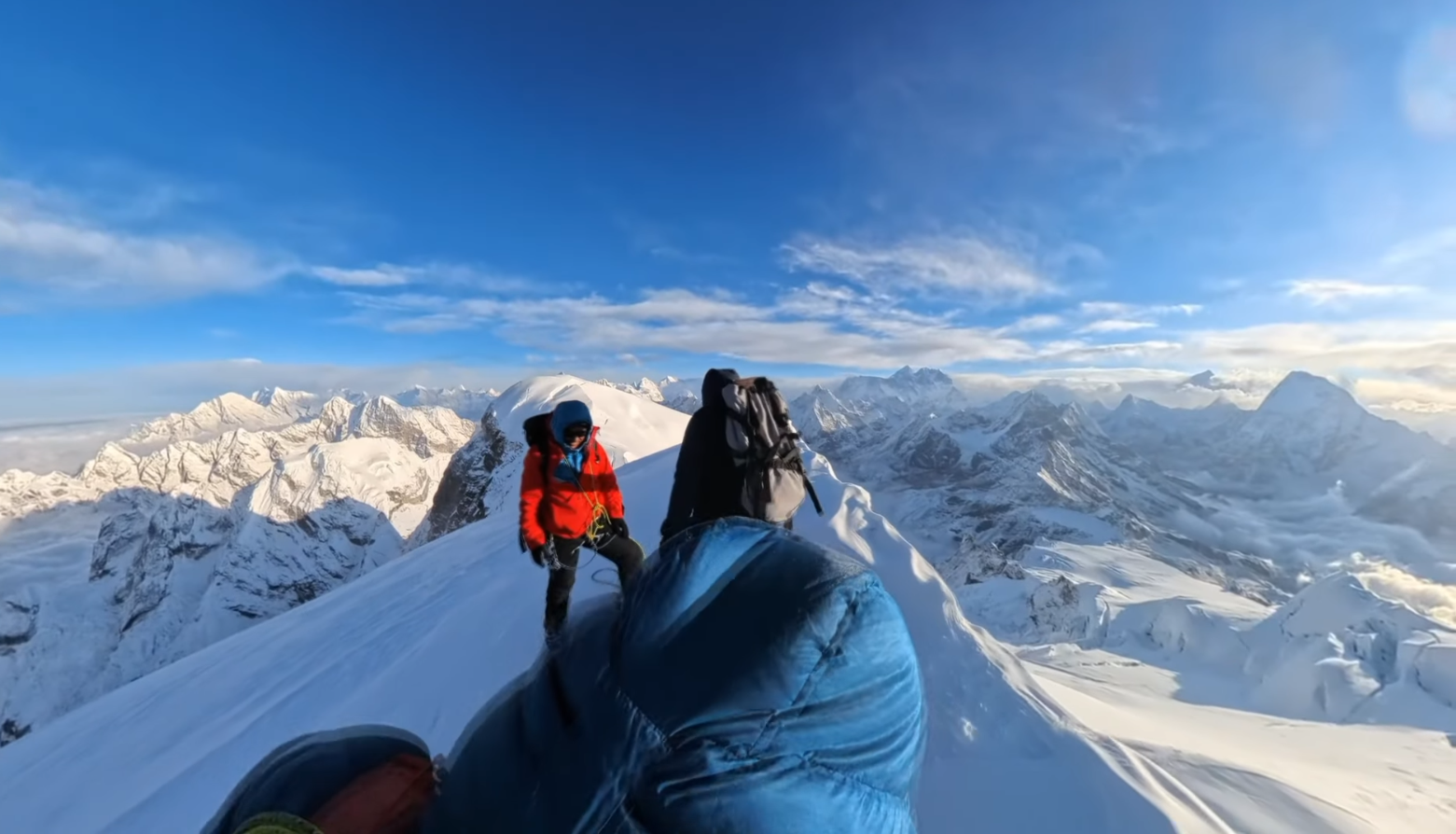
Mera Peak has three summits — Mera South (6,065m), Mera Central (6,461m), and Mera North (6,476m). Most climbers aim for Mera North, the highest point. From the summit, enjoy breathtaking panoramic views of five of the world’s tallest mountains — Mount Everest (8,848m), Lhotse (8,516m), Makalu (8,485m), Cho Oyu (8,188m), and even the distant Kanchenjunga (8,586m).
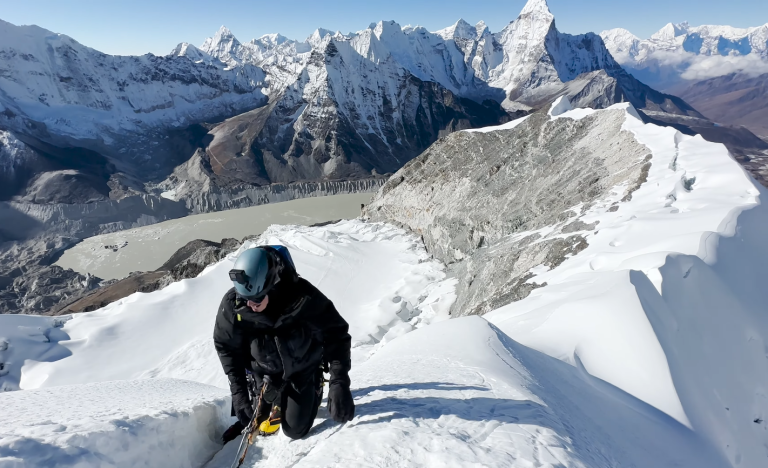
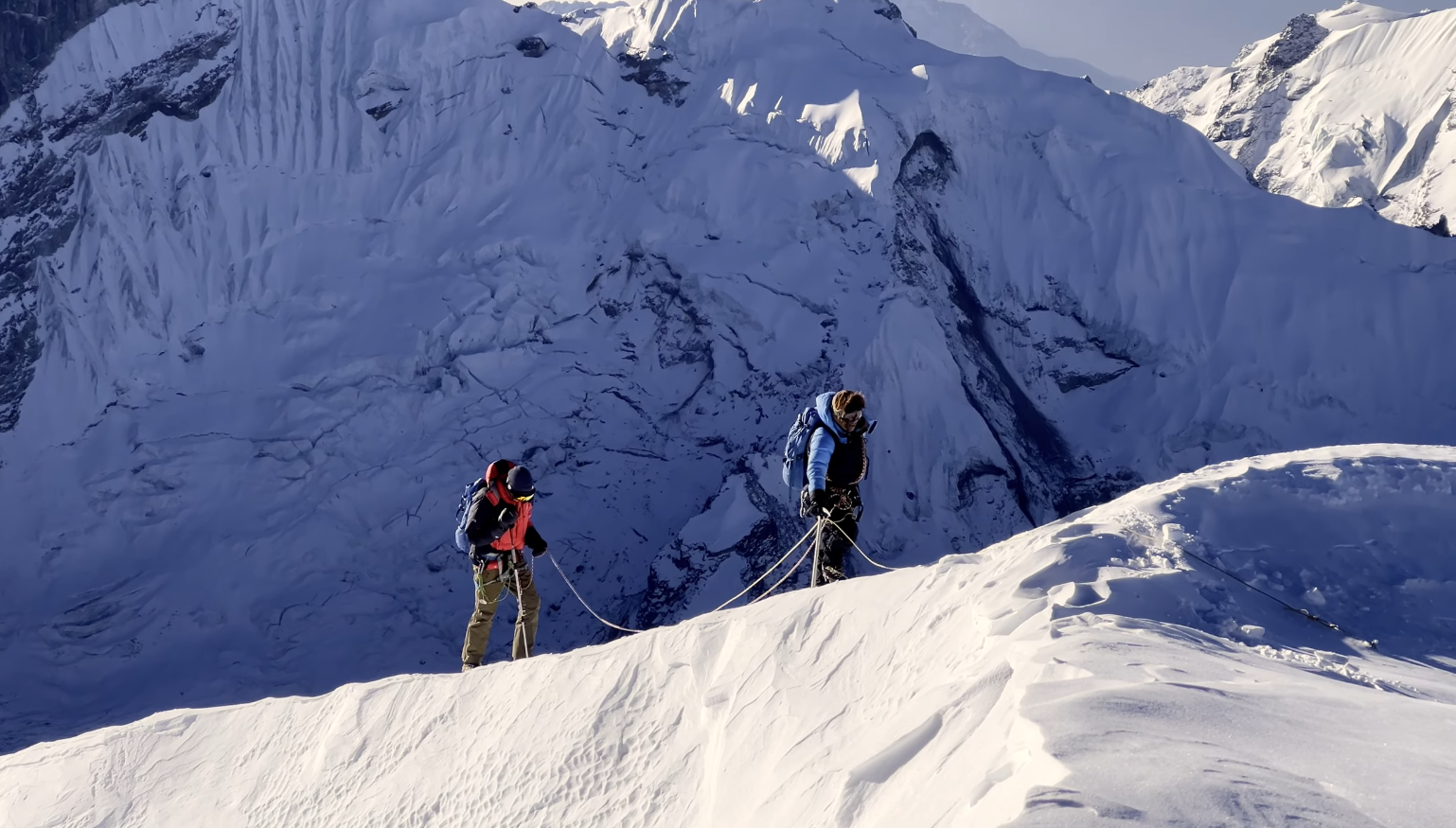
The final climb involves walking across glaciers and snowfields, but with the support of professional guides and the right equipment, it’s achievable for physically fit adventurers. Summit day is long but incredibly rewarding, with sunrise views that will stay with you forever.
Mera Peak Climbing is perfect for trekkers seeking high-altitude challenge, stunning Himalayan scenery, and a true sense of achievement. With the right preparation, acclimatization, and expert guidance, this climb is one of Nepal’s most fulfilling mountain experiences.
Mera Peak Climbing Highlights
- Summit the Highest Trekking Peak in Nepal (6,476m) – Conquer Mera Peak, the highest trekking peak in Nepal, offering an unforgettable Himalayan mountaineering experience.
- Breathtaking Panoramic Views from the Summit – Enjoy 360° views of Everest, Lhotse, Makalu, Cho Oyu, and Kanchenjunga—the five highest mountains in the world.
- Challenging Yet Achievable Peak for Beginners – Ideal for fit trekkers with basic mountaineering skills; no technical climbing experience required.
- Adventurous Trek Through Remote Hinku Valley – Explore unspoiled trails, traditional villages, alpine forests, and glacial rivers in the lesser-traveled Hinku Valley.
- Fully Guided Climb with Expert Sherpa Support – Climb with experienced Sherpa guides ensuring safety, success, and cultural connection.
- Incredible Photography Opportunities – Capture stunning landscapes, ice walls, glaciers, and high Himalayan ridges.
- Cultural Insight and Local Interaction – Experience Sherpa lifestyle, Buddhist culture, and local hospitality in mountain villages like Khare and Thagnak.
- High-Altitude Adventure with Acclimatization Days – Carefully designed itinerary with acclimatization stops to ensure safe ascent and higher summit success rates.
- Camping and Teahouse Combination – A blend of cozy teahouses and tented camps for a complete Himalayan trekking and climbing experience.
Mera Peak Climbing Route
The Mera Peak Climbing Route offers an exhilarating journey through some of Nepal’s most scenic and remote landscapes. Starting from Lukla, the route heads through lush forests, traditional Sherpa villages, and stunning valleys. Trekking through Chutanga and Thuli Kharka, you’ll enjoy breathtaking views of Nuptse, Makalu, and Everest.
The route then ascends to Khare, the main base camp for Mera Peak, where you’ll prepare for the summit. After a rest and acclimatization day, the route continues through Mera La Pass and sets up camp at High Camp (5,800m). The final summit push takes climbers to the top of Mera Peak Climbing (6,476m), where panoramic views of the Himalayas await, including Everest, Lhotse, Makalu, Cho Oyu and Kanchanjanga.
The entire climb is carefully paced with acclimatization days, ensuring a safe and successful ascent to the summit.
Include
The Mera Peak Climbing package in Nepal includes a comprehensive range of services designed to ensure safety, comfort, and a successful summit experience. Our team provides complete logistical support from your arrival in Nepal until the successful completion of the Mera Peak expedition.
Package Includes:
- All airport and hotel transfers for international and domestic flights
- Round-trip flight between Kathmandu and Lukla
- 3 nights hotel accommodation in Kathmandu with breakfast
- Professional licensed climbing and trekking guide and porter service for 16 days
- 15 Nights accommodation in mountain teahouses during the trek
- Makalu Barun National Park entry permit and Mera Peak climbing permit
- Experienced climbing guide from Base Camp to Base Camp
- Tented accommodation at Base Camp and High Camp with full board meals/Packed lunch on summit day
- All meals during the trek and climb (breakfast, lunch, and dinner) with tea, coffee, and boiled water
- Group climbing equipment such as ropes, tents and kitchen gear
- Insurance, wages, and ground transport for support staff
Exclude
The following services, fees and personal expenses are not included in the Mera Peak Climbing package in Nepal. Climbers are advised to review these exclusions carefully and make the necessary financial and logistical arrangements before the expedition begins. Proper preparation for these additional costs will help ensure a smooth, safe and well-organized Mera Peak Climbing experience.
Package Excludes:
- International airfare (arrival and departure flights)
- Nepal entry visa fees
- Travel insurance (mandatory for high-altitude climbing)
- Meals in Kathmandu other than breakfast
- Personal trekking and climbing gear
- Extra hotel nights in Kathmandu due to early arrival, late departure, or unforeseen delays
- Alcoholic beverages, soft drinks and bottled water during the trek
- Hot showers, Wi-Fi and battery charging fees in teahouses
- Optional tours or activities not mentioned in the itinerary
- Tips for guides, porters and climbing staff
This clear breakdown helps ensure transparency and allows you to prepare properly for your Mera Peak Climbing in Nepal.
Mera Peak Climbing Itinerary
Arrive in Kathmandu, Nepal’s vibrant capital city. Upon arrival, you’ll be transferred to your hotel. Take some time to rest, explore the nearby markets, and prepare for your Himalayan adventure.
Accomodation:
3-Star Hotel/Resort
After breakfast, attend a detailed trek and climbing briefing led by your guide. Your permits and climbing gear will be checked to ensure everything is ready for the expedition. Later, enjoy a guided sightseeing tour of Kathmandu Valley, exploring iconic UNESCO World Heritage Sites such as Pashupatinath Temple, Boudhanath Stupa, and Swayambhunath (Monkey Temple).
These sacred sites offer insight into Nepal’s rich cultural and spiritual heritage. Return to your hotel in the evening for last-minute preparations before your mountain journey begins.
Trip Duration:
4-5 Hours
Accomodation:
3-Star Hotel/Resort
Meals:
Breakfast
Start your adventure with a scenic mountain flight from Kathmandu to Lukla, one of the most thrilling air routes in the world. Upon landing, meet your porters and begin your trek toward Chutanga, passing through beautiful rhododendron and pine forests. The trail offers a gentle introduction to the Khumbu region’s landscapes and culture. Chutanga, a peaceful settlement surrounded by green hills, provides the perfect place for your first night of acclimatization before heading to higher altitudes.
Trip Duration:
3-4 Hours
Accomodation:
Normal Teahouse
Meals:
Breakfast, Lunch & Dinner
After breakfast, begin a challenging yet rewarding ascent toward Zatrwa La Pass (4,600m). The trail climbs steadily through lush rhododendron and juniper forests before opening up to rocky alpine terrain. As you reach the top of the Zatrwa La Pass, enjoy the first panoramic views of the Himalayan giants, including Kusum Kanguru, Karyolung, and Numbur Himal.
Take some time to rest and capture photos before descending gradually to Thuli Kharka (4,300m), a beautiful alpine meadow surrounded by rugged peaks. This area is ideal for acclimatization and relaxation after a demanding trekking day.
Accomodation:
Normal Teahouse
Meals:
Breakfast, Lunch & Dinner
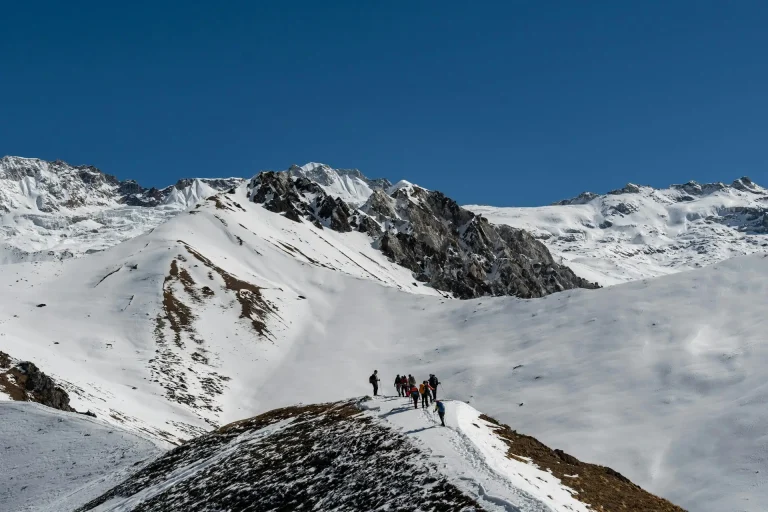
After breakfast, begin your descent through dense rhododendron and juniper forests, following the scenic trail along the Hinku Valley. The path offers refreshing mountain air, peaceful forest sounds, and glimpses of Himalayan wildlife. As you move deeper into the valley, you’ll start seeing the impressive south face of Mera Peak and nearby glaciers shimmering in the sunlight.
The trail gradually leads to Kothe (3,600m), a charming settlement nestled beside the Hinku River, where you’ll rest for the night. Enjoy a warm meal at a local teahouse and relax while admiring the tranquil mountain surroundings.
Trip Duration:
5-6 Hours
Accomodation:
Normal Teahouse
Meals:
Breakfast, Lunch & Dinner
Today’s trail follows the Hinku River upstream through beautiful alpine terrain. As you ascend gradually, you’ll pass yak pastures and enjoy breathtaking views of Mera Glacier and surrounding peaks such as Kusum Kanguru and Charpate Himal. The route offers excellent opportunities to acclimatize while walking beside glacial streams and rocky moraines. By afternoon, reach Thaknak, a small yak herder’s summer settlement nestled beneath towering cliffs, where you’ll rest overnight in a cozy teahouse.
Accomodation:
Normal Teahouse
Meals:
Breakfast, Lunch & Dinner
Today’s journey follows a gradual ascent alongside the Dig Glacier, offering panoramic views of Charpate Himal and the surrounding snowy peaks. The trail winds through glacial moraines and alpine pastures as you approach Khare, the base camp area for Mera Peak climbing.
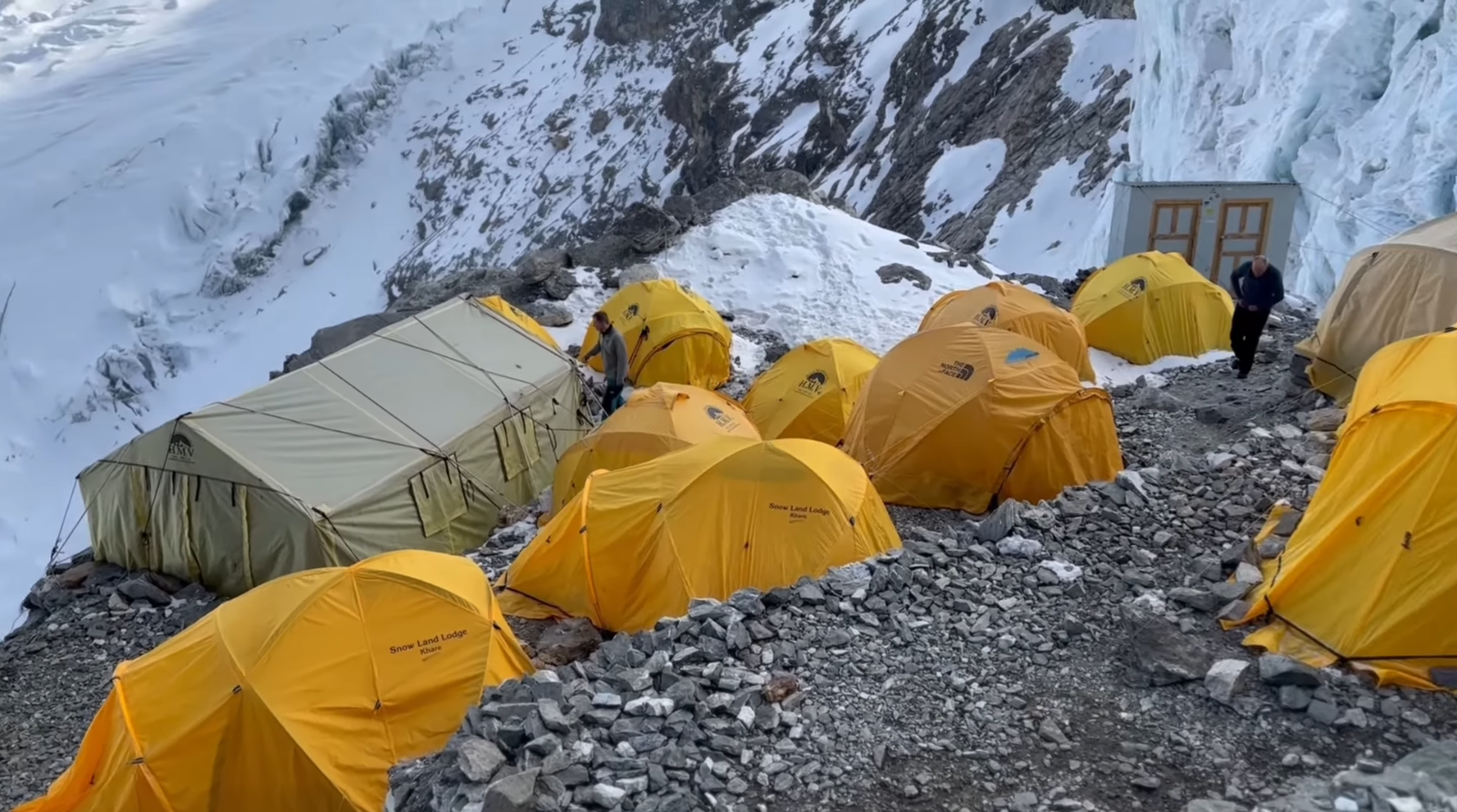
Khare provides stunning views of Mera Peak’s north face and serves as the main hub for acclimatization, gear checks, and final climb preparation. Overnight stay at a teahouse in Khare with magnificent mountain scenery.
Accomodation:
Normal Teahouse
Meals:
Breakfast, Lunch & Dinner
Take a full day to acclimatize at Khare, adjusting to the high altitude in preparation for the summit attempt. Your experienced climbing guide will conduct pre-climb training, covering essential techniques such as using ice axes, crampons, ropes, and harnesses. This day also allows you to explore the surrounding area, enjoy stunning views of Mera Peak and nearby glaciers, and ensure that all gear and equipment are ready. Proper acclimatization and training increase your chances of a safe and successful summit.
Accomodation:
Normal Teahouse
Meals:
Breakfast, Lunch & Dinner
Begin your ascent toward Mera High Camp, crossing the challenging Mera La Pass (5,415m). The trail offers spectacular panoramic views of Everest, Makalu, Lhotse, and surrounding Himalayan peaks. After crossing the pass, continue along a rocky ridge to reach Mera High Camp (5,780m), your base for the summit attempt.
Settle into your tented accommodation, enjoy a warm meal, and rest under the starry Himalayan sky. This high-altitude location provides an incredible vantage point for photography and preparation for the early morning summit push.
Meals:
Breakfast, Lunch & Dinner
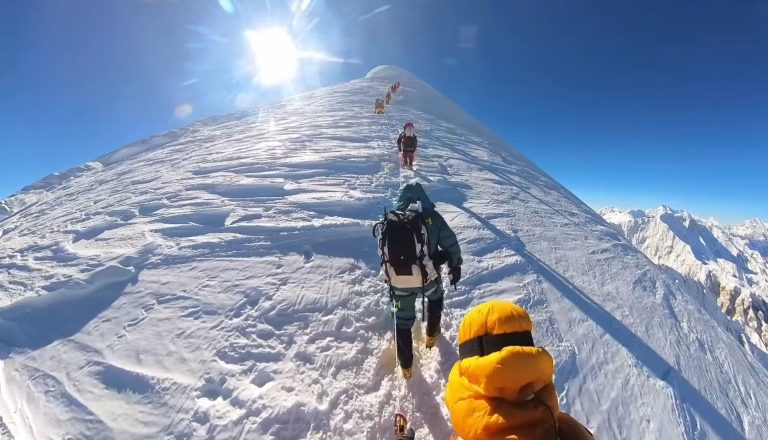
Rise early for the summit push of Mera Peak, standing at 6,476 meters (21,247 ft), the highest trekking peak in Nepal. Equipped with ropes, crampons, and ice axes, ascend steadily to the top while your guides ensure safety and proper pacing. At the summit, witness breathtaking sunrise views of five 8,000-meter giants: Everest, Lhotse, Cho Oyu, Makalu and Kanchenjunga. After celebrating your achievement and capturing memorable photos, descend carefully back to Khare, where a warm meal and overnight rest await.
Meals:
Breakfast, Lunch & Dinner
This day is reserved for unforeseen delays, bad weather, or extra acclimatization. If not needed for the summit attempt, you can enjoy a relaxed day in Khare, exploring the surrounding alpine landscape, glaciers, and moraines. The calm environment provides an opportunity to rest, take photographs, and soak in the panoramic views of Mera Peak and nearby Himalayan giants before beginning the descent. Overnight stay is in a cozy teahouse at Khare.
Meals:
Breakfast, Lunch & Dinner
Begin your descent along the Hinku Valley, retracing the scenic trail back through alpine pastures and glacial moraines. As you descend to lower altitudes, enjoy warmer temperatures and lush landscapes, providing a welcome relief after high-altitude trekking. The route continues past yak pastures and small villages, offering glimpses of local Sherpa culture along the way. Arrive at Kothe (3,600m) in the afternoon, where you’ll spend the night in a comfortable teahouse, reflecting on the incredible summit experience and mountain scenery.
Accomodation:
Normal Teahouse
Meals:
Breakfast, Lunch & Dinner
Today, continue your descent along forested trails and mountain ridges, retracing the scenic route through the Hinku Valley. Enjoy the serene alpine environment and the fresh mountain air as you make your way back to Thuli Kharka (4,300m). Along the trail, take in stunning sunset views of Mera Peak and surrounding glaciers, creating perfect photo opportunities. Overnight stay is at a comfortable teahouse, where you can relax and reflect on your remarkable trekking and climbing experiences.
Accomodation:
Normal Teahouse
Meals:
Breakfast, Lunch & Dinner
On your final trekking day, cross Zatrwa La Pass once again, taking in breathtaking panoramic views of the surrounding Himalayas. Gradually descend through alpine meadows and forested trails, returning to Lukla (2,840m), the gateway to the Khumbu region. This marks the conclusion of your Mera Peak expedition, offering a perfect opportunity to celebrate with your trekking team and reflect on the incredible journey, stunning landscapes, and memorable high-altitude experiences. Overnight stay in a comfortable teahouse in Lukla
Accomodation:
Normal Teahouse
Meals:
Breakfast, Lunch & Dinner
Start the day with an early morning flight from Lukla to Kathmandu, offering spectacular aerial views of the Himalayas and the Khumbu region. Upon arrival in Kathmandu, transfer to your hotel for check-in and rest. The afternoon is free to relax, explore the city, or shop for souvenirs such as traditional handicrafts, trekking gear, and local artifacts. Enjoy your final evening in the vibrant capital, reflecting on the memories and achievements from your Mera Peak climbing expedition.
Accomodation:
3-Star Hotel/Resort
Meals:
Breakfast & Lunch
After breakfast at your hotel, a representative will transfer you to Tribhuvan International Airport for your onward flight. As you leave Nepal, cherish the unforgettable memories of your Mera Peak climbing expedition, including panoramic Himalayan views, high-altitude trekking experiences, and cultural encounters in the Khumbu region. This marks the conclusion of your 16-day Himalayan adventure, leaving you with stories, photos and lifelong experiences from one of Nepal’s most rewarding trekking peaks.
Meals:
Breakfast
Mera Peak Climbing Packing List
Climbing Mera Peak (6,476m) requires careful preparation to ensure safety, comfort and success. Here’s a comprehensive packing guide for your Himalayan adventure:
- Clothing
- Insulated down jacket – lightweight and warm
- Waterproof and windproof shell jacket and pants
- Fleece or soft-shell jacket
- Thermal base layers – top and bottom
- Trekking pants and shorts
- Moisture-wicking t-shirts
- Gloves: inner thermal and outer waterproof gloves
- Warm hat/beanie and balaclava
- Sun hat or cap for daytime trekking
- Socks: thermal and trekking socks
- Gaiters for snow and mud protection
- Footwear
- Mountaineering boots – insulated and crampon-compatible
- Trekking shoes – lightweight for lower altitudes
- Camp shoes – sandals or sneakers for teahouses
- Climbing Equipment
- Crampons compatible with your boots
- Ice axe
- Climbing harness
- Helmet
- Carabiners, ascenders, and belay devices
- Trekking poles – adjustable and sturdy
- Accessories
- Backpack: 40–50L for trekking, 25–30L daypack for summit day
- Sleeping bag: rated for -15°C to -20°C
- Sunglasses – UV protection
- Headlamp with extra batteries
- Water bottles / hydration system
- Trekking permits and personal documents
- Health & Safety
- Personal first aid kit
- Altitude sickness medication (consult doctor)
- Sunscreen and lip balm – SPF 50+
- Hand sanitizer and wet wipes
- Water purification tablets or filter
- Miscellaneous
- Camera / GoPro
- Chargers and power banks
- Snacks / energy bars
- Notebook and pen
- Plastic bags – for waterproofing and trash
Mera Peak Climbing FAQs
Best of Nepal Trek is a trusted and experienced trekking company specializing in Himalayan adventures, including Mera Peak Climbing (6,476m). Our professional team provides expert guidance, carefully planned itineraries, quality services and a strong commitment to safety throughout the journey.
We offer experienced climbing guides, proper acclimatization schedules, comfortable accommodation and full logistical support to ensure a safe and successful summit experience. Our local knowledge, personalized service and dedication to responsible tourism help climbers enjoy the beauty of the Himalayas with confidence.
Whether you are an experienced trekker or attempting your first Himalayan peak, Best of Nepal Trek is committed to making your Mera Peak Climbing adventure in Nepal safe, memorable and rewarding.
Most travelers joining Mera Peak Climbing in Nepal can obtain a visa on arrival at Tribhuvan International Airport in Kathmandu. The process is simple and convenient for tourists visiting Nepal for trekking and mountaineering adventures.
Before traveling, ensure your passport is valid for at least six months beyond your intended departure date. Upon arrival, complete the visa application form, pay the required visa fee and receive your visa at the immigration counter.
Nepal offers tourist visas for 15, 30 and 90 days, allowing flexibility depending on the length of your trip. Visa fees can be paid in major foreign currencies or by other accepted payment methods at the airport.
For the latest visa regulations, fees and entry requirements, we recommend checking the official Nepal Immigration website before your departure.
Obtaining a visa on arrival makes it easy for international travelers to begin their Mera Peak Climbing adventure in Nepal without complicated pre-travel procedures.
Upon your arrival at Tribhuvan International Airport in Kathmandu, a representative from Best of Nepal Trek will warmly welcome you and assist with your airport transfer.
Our staff will be waiting outside the arrival terminal holding a signboard with your name or the company name for easy identification. After meeting our representative, you will be transferred comfortably to your hotel in Kathmandu by a private tourist vehicle.
This airport pick-up service is included in your Mera Peak Climbing package, ensuring a smooth, safe and hassle-free start to your Himalayan adventure in Nepal.
Mera Peak Climbing (6,476m) is one of the best trekking peak adventures in Nepal, offering spectacular views of Everest, Lhotse, Makalu, Cho Oyu and Kanchenjunga. As Nepal’s highest trekking peak, it provides an exciting Himalayan climbing experience with less technical difficulty than major mountaineering expeditions.
The climb combines stunning mountain scenery, authentic Sherpa culture, and a rewarding summit experience, making it an excellent choice for trekkers seeking their first Himalayan peak adventure.
Mera Peak in Nepal stands at a height of 6,476 meters (21,247 feet), making it the highest trekking peak in the country. It is located in the Everest region and offers spectacular views of Everest, Lhotse, Makalu, Cho Oyu and Kanchenjunga.
Mera Peak Climbing in Nepal is considered a moderate trekking peak, not a highly technical climb. It is suitable for fit trekkers with basic trekking experience and a strong willingness to challenge themselves at high altitude.
The main difficulty comes from the high elevation of 6,476 meters, which requires proper acclimatization and good physical fitness. Climbers may face cold temperatures, long trekking days, and thin air near the summit.
However, with a well-planned itinerary, experienced guides, and basic mountaineering training, most climbers successfully reach the summit. Overall, Mera Peak is challenging but achievable for motivated beginners and adventure seekers.
You don’t need prior technical climbing experience to climb Mera Peak, as it is a non-technical trekking peak. However, previous trekking experience at high altitudes (above 4,000 meters) is highly recommended.
Familiarity with basic mountaineering equipment such as crampons, harnesses, and ice axes can be helpful, especially for the glacier sections. With proper training, acclimatization, and the guidance of experienced climbing staff, Mera Peak is achievable for fit and motivated adventurers.
To climb Mera Peak (6,476m) in Nepal, trekkers need several official permits issued by the Government of Nepal. These permits are mandatory and help regulate climbing activities, protect the environment, and ensure safety in the Everest region.
Required Permits
- Mera Peak Climbing Permit (NMA Permit) – Issued by the Nepal Mountaineering Association (main climbing permit)
- Makalu Barun National Park Entry Permit – Required for entering the protected national park area
- Khumbu Pasang Lhamu Rural Municipality Permit (Local Area Permit) – Required for trekking in the Everest region routes
All permits are usually arranged by your trekking agency in Kathmandu, making the process simple and hassle-free for climbers. You only need to provide your passport copy, photos, and necessary details before the expedition begins.
With these permits, you can legally and safely enjoy your Mera Peak Climbing adventure in Nepal.
The best time to climb Mera Peak is during the spring (March to May) and autumn (September to November) seasons. These months offer clear skies, stable weather, and moderate temperatures, making climbing safer and more enjoyable. During these periods, you can experience stunning mountain views, vibrant rhododendron forests, and optimal trekking conditions.
While winter and monsoon seasons are possible, they come with harsh weather, heavy snowfall, or rain, which can make the climb more challenging and less predictable. For the safest and most rewarding Mera Peak climbing experience, plan your expedition in spring or autumn.
The standard Mera Peak climbing itinerary typically takes 15 to 20 days. This duration includes time for proper acclimatization, trekking to base and high camps, and the summit push. The extra days allow your body to adjust to the high altitude, reducing the risk of altitude sickness and increasing your chances of a successful and safe climb.
The exact length may vary based on your fitness level, group pace, weather conditions, and specific itinerary. Our experienced guides plan the schedule carefully to balance acclimatization with a rewarding climbing experience.
Yes, meals and accommodation are included in most Mera Peak climbing packages. During the trekking portion, you will stay in traditional teahouses or mountain lodges, which offer basic yet comfortable rooms and hearty meals. At higher elevations—such as Mera Peak Base Camp and High Camp—you’ll stay in tented camps, fully supported by a trained team who handles cooking and logistics.
All meals, including breakfast, lunch, and dinner, are freshly prepared and designed to keep you energized throughout your expedition. Whether you’re staying in teahouses or tents, your comfort and nourishment are well taken care of, making your Mera Peak climbing experience safe and enjoyable.
Yes, travel insurance is mandatory for Mera Peak climbing. Your policy must include high-altitude trekking and mountaineering coverage (up to 6,500 meters), as well as emergency helicopter evacuation, medical treatment, and repatriation.
Due to the remote and high-altitude nature of the Mera Peak region, having reliable insurance is essential for your safety and peace of mind. Most trekking agencies will ask for proof of your insurance before the expedition begins. Make sure your policy is valid for Nepal and covers all necessary climbing and rescue services.
Successful Mera Peak climbing starts with solid preparation. Begin training 8–12 weeks before departure (longer if possible) and focus on cardiovascular endurance, leg strength, and hiking stamina at altitude.
Recommended Mera Peak Training Plan:
- Cardio (3–4x/week): Running, stair climbing, cycling, or uphill treadmill sessions (45–90 min) to build lung capacity.
- Pack Hikes (weekly): Long outdoor hikes carrying a gradually heavier backpack (start 6–8 kg; build toward 12–15 kg). Include back-to-back hiking days to simulate the trek.
- Strength Training (2–3x/week): Squats, lunges, step-ups, deadlifts, and core work to support climbing with crampons and uneven terrain.
- Altitude & Hill Repeats: If possible, train at higher elevations or use stair machines / incline hikes to prepare for long ascents.
- Technical Practice: Familiarize yourself with crampons, trekking poles, and use of an ice axe before the trip (we provide pre-climb training in Khare).
- Mobility & Recovery: Stretching, foam rolling, and balance drills reduce injury risk on the trail.
Good nutrition, hydration habits, and a medical check are also recommended before attempting this 6,476m Himalayan peak.
Yes, acclimatization is absolutely essential for a safe and successful Mera Peak trek. Since Mera Peak reaches 6,476 meters (21,247 feet), gaining altitude too quickly without allowing your body to adjust can lead to acute mountain sickness (AMS) or other altitude-related issues.
That’s why most Mera Peak climbing itineraries are carefully designed with built-in rest and acclimatization days—especially in key locations like Khare (5,045m). These rest days help your body adapt gradually to the thinning air and improve your chances of a successful summit.
Proper acclimatization includes:
- Ascending slowly and steadily
- Drinking plenty of water
- Eating well and getting enough rest
- Avoiding alcohol and smoking
- Recognizing early symptoms of AMS
Taking time to acclimatize not only improves safety but also enhances your overall trekking experience in the Himalayas.
For a safe and successful Mera Peak climbing adventure, you’ll need both standard trekking equipment and specialized mountaineering gear. Essential items include:
- Mountaineering boots (compatible with crampons)
- Crampons and ice axe
- Climbing harness and helmet
- Down jacket and warm layers
- Four-season sleeping bag
- Headlamp with extra batteries
- Gloves, thermal socks, and sunglasses
- Backpack and duffel bag
Many of these items, especially technical gear like crampons, ice axe, harness, and boots, can be rented in Kathmandu, making it easier for international trekkers to prepare.
Always ensure your gear is high quality, weather-resistant, and tested before the climb. Proper equipment significantly improves comfort, safety, and performance on the mountain.
Mera Peak climbing involves several risks due to its high altitude and remote Himalayan environment. The main risks include:
- Altitude sickness (AMS) – caused by ascending too quickly without proper acclimatization.
- Extreme cold – temperatures at higher elevations can drop well below freezing, especially at night.
- Sudden weather changes – snowstorms, high winds, or poor visibility can make climbing conditions more dangerous.
- Slippery ice and glaciers – requiring proper use of gear like crampons and ice axes.
However, with proper acclimatization, experienced guides, and the right climbing equipment, these risks can be effectively minimized. Most reputable trekking agencies build in safety measures and emergency protocols, including helicopter evacuation insurance.
Being physically prepared and following your guide’s instructions are key to enjoying a safe and successful Mera Peak expedition.
Yes, Mera Peak is suitable for fit beginners who have prior high-altitude trekking experience and basic training in the use of climbing gear. While Mera Peak is the highest trekking peak in Nepal at 6,476 meters (21,247 feet), it is considered a non-technical climb, meaning it doesn’t require advanced mountaineering skills.
- However, climbers should be:
- Physically fit with good endurance
- Comfortable hiking long distances at altitude
- Familiar with basic gear like crampons, harnesses, and ice axes
With proper acclimatization, physical preparation, and the support of experienced climbing guides and porters, beginners can safely and successfully summit Mera Peak. Many first-time climbers use this expedition as a stepping stone into the world of Himalayan mountaineering.
The summit of Mera Peak (6,476 meters / 21,247 feet) offers one of the most breathtaking panoramic views in the entire Himalayas. On a clear day, climbers are rewarded with a stunning 360-degree view of five of the world’s six highest mountains:
- Mount Everest (8,848.86m)
- Lhotse (8,516m)
- Makalu (8,485m)
- Cho Oyu (8,188m)
- Kanchenjunga (8,586m) – visible in the distance
These majestic peaks, along with many other snow-capped mountains of the Khumbu and Makalu-Barun regions, create a once-in-a-lifetime Himalayan vista. Reaching the summit of Mera Peak not only marks a major personal achievement but also rewards climbers with some of the most iconic views in Nepal.
Yes, most Mera Peak climbing packages include professional climbing guides, assistant guides, and porters to ensure a safe and well-supported adventure. These team members are essential for a successful and enjoyable Mera Peak expedition.
- Licensed climbing guides lead the trek, manage high-altitude safety, and assist with rope work on glacier sections.
- Assistant guides provide support to trekkers and help monitor health and acclimatization.
- Porters carry your main luggage (typically 1 porter for every 2 trekkers), so you can hike with just a daypack.
All reputable trekking companies also cover the wages, meals, insurance, and accommodation for the guides and porters.
Traveling with an experienced and trained team enhances your safety, comfort, and overall success rate on Mera Peak. Their knowledge of the route, culture, and weather conditions makes the journey more rewarding.
Yes, Mera Peak climbing is considered a safe adventure when undertaken with a professional trekking company that prioritizes your safety. Key factors that contribute to a safe climb include:
- Experienced and certified guides who monitor your health and acclimatization closely.
- Use of proper mountaineering gear such as crampons, ice axes, helmets, and ropes.
- Careful altitude acclimatization schedules to reduce the risk of altitude sickness.
- Availability of emergency medical equipment and protocols, including evacuation plans if needed.
- Regular health checks during the trek to identify early signs of altitude-related issues.
By choosing a reputable operator and following their advice, climbers can enjoy the challenge of Mera Peak with confidence in their safety.
Temperatures on Mera Peak, especially at High Camp (around 5,800 meters) and the summit (6,476 meters), can drop significantly, often falling below -20°C (-4°F) during early mornings and at night. The cold becomes more intense due to strong winds and the high-altitude exposure, making proper clothing and gear essential for a safe and comfortable climb.
Yes, most trekking agencies offer customizable Mera Peak climbing itineraries tailored to your fitness level, previous experience, and available time. Whether you want a shorter or longer trek, extra rest days for acclimatization, or additional sightseeing options, a personalized itinerary can be arranged to suit your needs.
Customizing your trip ensures a comfortable pace, better acclimatization, and a more enjoyable overall experience on this challenging yet rewarding Himalayan adventure.
Mobile network coverage is generally available in the lower regions of the trek, such as Lukla and Namche Bazaar, but it becomes unreliable or unavailable at higher altitudes near High Camp and the summit. Some teahouses along the route may offer satellite phone services or Wi-Fi access for a fee, allowing limited communication with the outside world.
We recommend informing family and friends about limited connectivity during your expedition and carrying a satellite phone or other communication devices if constant contact is necessary.
The group size for Mera Peak Climbing in Nepal usually depends on the trekking company and the type of departure you choose. Most organized expeditions run in small groups of 2 to 12 climbers to ensure safety, better support and a more personalized experience.
Small group sizes allow guides to provide closer attention to each climber, especially during high-altitude sections and the summit push. It also helps maintain a comfortable pace, better acclimatization and improved teamwork throughout the expedition.
Private departures are also available for individuals, couples, or friends who prefer a fully customized Mera Peak climbing experience in Nepal with flexible scheduling and personal guidance.
Mera Peak Climbing in Nepal does not require advanced mountaineering experience, but a good level of physical fitness and basic trekking experience is highly recommended.
Climbers should be able to walk 5–7 hours a day on hilly and high-altitude terrain while carrying a light daypack. Prior experience in multi-day trekking is helpful but not compulsory.
Before the summit attempt, guides usually provide basic mountaineering training, including how to use equipment such as crampons, harnesses, ice axe, and ropes. This makes the climb suitable for motivated beginners with a strong willingness to learn.
Good preparation through regular cardio exercise, hiking, and endurance training will greatly improve your chances of successfully completing the Mera Peak expedition in Nepal.
Altitude sickness (Acute Mountain Sickness – AMS) can occur during high-altitude trekking like Mera Peak Climbing in Nepal when the body does not adjust properly to lower oxygen levels.
Common symptoms include:
- Headache
- Nausea or vomiting
- Dizziness or light-headedness
- Loss of appetite
- Fatigue or weakness
- Difficulty sleeping
- Shortness of breath (even at rest)
Serious symptoms (seek immediate help):
- Severe headache that does not improve
- Confusion or difficulty walking
- Persistent vomiting
- Fluid buildup in lungs or brain
If symptoms appear, the best treatment is rest, hydration, and descending to a lower altitude immediately if conditions worsen.
Proper acclimatization and a gradual ascent make Mera Peak Climbing much safer and help prevent altitude sickness effectively.
Altitude sickness (Acute Mountain Sickness – AMS) is a condition that occurs when your body cannot quickly adjust to the reduced oxygen levels at high elevations. It commonly affects trekkers who ascend too fast in high-altitude regions like the Himalayas.
As you climb higher, the air becomes thinner and oxygen levels decrease. This can cause symptoms such as headache, dizziness, nausea, and fatigue.
Altitude sickness is important to take seriously during treks like Mera Peak Climbing in Nepal, and it can usually be prevented by proper acclimatization, slow ascent and staying well-hydrated.
Yes, you can easily rent climbing gear for Mera Peak Climbing in Nepal, especially in Kathmandu. This is a very common option for trekkers who want to travel light without buying expensive equipment.
Basic trekking and climbing gear such as down jackets, sleeping bags, trekking poles, crampons, ice axes, harnesses, and helmets can be rented from reputable trekking shops.
Renting gear is cost-effective and convenient, and most equipment provided is suitable for high-altitude conditions. Your Mera Peak climbing guide in Nepal will also help ensure that all rented gear fits properly and is safe to use before the expedition begins.
Yes, departures for Mera Peak Climbing in Nepal are generally guaranteed once your booking is confirmed, especially during the main trekking seasons (spring and autumn).
However, departures may depend on factors such as group size, weather conditions, and permit approvals. In most cases, reputable trekking companies ensure that trips operate as scheduled or offer alternative dates if needed.
With a confirmed booking, you can expect a well-organized and reliable Mera Peak expedition experience in Nepal with full support from your trekking team.
You can support local communities during the Mera Peak Climbing in Nepal by making responsible and ethical travel choices that directly benefit remote Himalayan villages and their people.
Choose local guides, porters, and trekking companies so your spending supports local employment and mountain families. Stay in locally owned teahouses along the trekking route, which helps generate income for rural communities in the Everest region.
Buy local food, handmade products, and basic services whenever possible to support small businesses in the mountains. Respect local traditions, culture, monasteries and religious sites throughout your journey.
By traveling responsibly, you help preserve the natural environment and cultural heritage of the region while making your Mera Peak expedition in Nepal more sustainable and meaningful.
Mera Peak Climbing Good To Know
The journey to Mera Peak traverses a landscape steeped in rich Himalayan history and vibrant living culture, offering much more than a climbing challenge. This is the ancestral home of the Sherpa and Rai communities, whose traditions, resilience, and Buddhist faith have shaped the region for centuries.
Historical Context & Mountaineering Legacy
While Mera Peak Climbing itself saw its first recorded ascent in 1953 by a British expedition, the valleys leading to it have long been traveled by traders and herders. The area falls within the Makalu-Barun National Park, a region historically connected to the Solu-Khumbu district. The climb represents a more recent chapter in Nepal’s mountaineering history, opened to trekkers as a “trekking peak” to make high-altitude experiences more accessible while supporting local economies.
Living Culture & Traditions
The trail winds through authentic villages where daily life reflects a deep connection to the land. You will encounter Buddhist mani walls, prayer wheels, and colorful prayer flags marking the spiritual landscape. The local economy traditionally revolved around farming, yak herding, and trade with Tibet, and now sustainably incorporates tourism. The teahouse lodges are run by local families, providing a genuine window into Sherpa and Rai hospitality, cuisine and community.
Cultural Etiquette for Trekkers
Respecting local customs is paramount. Always walk clockwise around stupas and mani walls. Seek permission before photographing people, dress modestly, and use your right hand for giving and receiving. A simple greeting of “Namaste” shows respect. This mindful engagement transforms your climb into a meaningful cultural exchange, honoring the heritage of the people who call this majestic region home.
Soaring to 6,476 meters (21,247 feet), Mera Peak Climbing is officially recognized as the highest trekking peak in Nepal. More than just a statistic, it represents the most accessible pathway to a genuine Himalayan summit, offering climbers a non-technical snow climb that culminates in one of the most breathtaking panoramic views on Earth. From its summit, the vistas encompass five 8,000-meter giants: Everest, Lhotse, Cho Oyu, Makalu, and Kanchenjunga.
Location & Region: Mera Peak Climbing is nestled in the remote Hinku Valley, part of the formidable Mahalangur Himalaya range. Administratively, it lies within the Makalu-Barun National Park and Conservation Area in the Sankhuwasabha district. This places it in a secluded corridor east of the classic Everest trekking routes, offering a sense of untouched wilderness.
The Journey Overview: The adventure begins with a legendary scenic flight from Kathmandu to Lukla, one of the world’s most thrilling airstrips. From Lukla, the trail diverges from the busy Everest path, heading east into the less-trodden Hinku Valley. This approach trek is a highlight in itself, traversing pristine landscapes of blooming rhododendron forests, crossing high passes like the Zatra La, and passing traditional Sherpa villages where culture remains deeply authentic. The valley gradually reveals a stunning glacial system, leading to the peak’s base at Khare.
Why it’s Unique: Mera Peak Climbing is uniquely positioned as a perfect “introductory” Himalayan climb. Its primary challenge is altitude and endurance, not technical rock or ice climbing prowess. This makes it an ideal objective for fit trekkers looking to step into the world of mountaineering, or for seasoned climbers seeking an unforgettable high-altitude trek with a spectacular summit payoff. The combination of a culturally rich approach, lower traffic, and a straightforward climb to an exceptional viewpoint defines the quintessential Mera Peak experience.
Mera Peak Climbing consistently ranks as one of the world’s most sought-after climbing adventures, attracting a diverse range of enthusiasts from first-time mountaineers to seasoned altitude seekers. Its global popularity stems from a unique formula that blends achievable challenge with unparalleled Himalayan rewards.
The Allure of Accessibility and Altitude
As the highest trekking peak in Nepal at 6,476 meters, Mera Peak offers a legitimate summit experience above the 6,000-meter threshold without the extreme technical demands of an expedition peak. The standard route is classified as a non-technical snow climb, meaning fit trekkers with basic ice axe and crampon training can successfully reach the top under expert guidance. This accessibility opens the world of high-altitude mountaineering to a broader audience, serving as a perfect introductory Himalayan summit and a foundational training peak for aspiring climbers targeting higher 8,000-meter giants.
Unmatched Scenic and Wilderness Appeal
Beyond the climb itself, the journey delivers extraordinary value. The summit provides a breathtaking 360-degree panorama featuring five of the world’s fourteen 8,000-meter peaks: Everest, Lhotse, Makalu, Cho Oyu and Kanchenjunga—a view unmatched by any other trekking peak. The approach through the remote Hinku Valley offers a peaceful, crowd-free alternative to busier trails, immersing climbers in pristine landscapes of ancient forests, glacial systems, and authentic Sherpa culture.
Ultimately, Mera Peak’s popularity is built on its ability to deliver a profound and complete Himalayan experience: a true summit victory, world-class vistas, and a sense of remote adventure, all within a feasible and incredibly rewarding framework. It stands as a premier destination for turning high-altitude aspirations into reality.
The trail to Mera Peak Climbing offers a profound cultural journey through the heart of the Hinku Valley, where traditional lifestyles and warm hospitality define the experience far more than the remote teahouses and rugged trails. This region is primarily home to the Sherpa and Rai communities, whose rich heritage shapes every step of the approach.
A Tapestry of Traditional Life
Unlike the busier Everest trails, the Hinku Valley villages retain an authentic, undisturbed character. In lower settlements like Khari Khola and Paiya, you’ll witness a blend of subsistence farming and trekking tourism. As you ascend, villages such as Tashing Ongma and Tagnag reveal a way of life adapted to the high mountains, centered around yak herding, potato farming, and trade. The final settlement, Khare (5,045m), is a seasonal herders’ outpost that transforms into a bustling climbing base camp, showcasing the locals’ incredible adaptability.
Cultural Immersion and Etiquette
The people are the soul of the journey. Staying in family-run teahouses provides a genuine connection, offering insight into daily life, cuisine, and community spirit. Cultural markers abound, from Buddhist prayer flags and mani walls to small monasteries. Respectful engagement is key: greet locals with a friendly “Namaste,” ask permission before taking photographs, and walk clockwise around religious structures. Supporting the local economy by purchasing tea and crafts directly helps sustain these communities.
This interaction with the resilient and welcoming people of the Himalayas transforms the climb from a physical challenge into a deeply human and memorable cultural exchange.
The trek to Mera Peak Climbing is a journey through one of Nepal’s most significant biodiversity hotspots, the Makalu-Barun National Park and Conservation Area. This protected region showcases a dramatic transition in ecosystems, from lush mid-altitude forests to stark alpine and glacial environments, each hosting unique and often rare species.
Flora: A Vertical Garden
The trail ascends through distinct botanical zones. The lower valleys (up to 3,000m) are draped in dense subtropical and temperate forests of rhododendron (Nepal’s national flower), magnolia, oak, and pine. During spring, the rhododendron blooms create a spectacular tapestry of red, pink, and white. Above 4,000m, the landscape gives way to subalpine conifers and, eventually, to the alpine scrub of juniper and dwarf rhododendron. The high pastures near Khare are home to hardy grasses, mosses, and lichens, specially adapted to the harsh, windy environment.
Fauna: Rare and Resilient Wildlife
While elusive, the region hosts an impressive array of fauna. It is a sanctuary for Himalayan thar, musk deer, and the endangered red panda. The skies are patrolled by majestic birds of prey like the Himalayan griffon vulture and the golden eagle. Trekkers often spot Himalayan monals (the colorful national bird of Nepal), snow pigeons, and various species of pheasants. Higher up, the elusive snow leopard is the apex predator, though sightings are exceptionally rare.
Conservation and Responsible Trekking
The area’s ecological value is immense. As a visitor, practicing Leave No Trace principles is crucial: staying on trails, disposing of waste properly, and respecting the fragile habitat. This commitment helps ensure the preservation of this remarkable natural heritage for future generations of both wildlife and adventurers.
Absolutely. Climbing Mera Peak is the definition of a true high-altitude adventure trip. It transcends a standard trek by offering a remote, self-sufficient expedition into the heart of the Himalayas, culminating in a legitimate summit above 6,000 meters.
This journey is an adventure in its purest form due to several key elements:
- Remote Exploration: The route traverses the secluded Hinku Valley, far from the crowded Everest Base Camp trail, offering a sense of untouched wilderness.
- Objective-Based Mission: The climb has a clear, challenging goal: to stand on the summit. This requires careful planning, teamwork, and perseverance.
- Engagement with the Elements: You contend directly with mountain weather, altitude, and glacier travel, relying on skill and guidance.
- Cultural Immersion: The trip involves staying in traditional villages and interacting with local Sherpa communities, adding a rich human dimension.
While it is a supported and guided adventure—making it accessible to determined trekkers—it retains all the hallmarks of an expedition: unpredictable conditions, physical and mental demands, and an incredible reward. Therefore, Mera Peak is not just a trek; it is a complete and rewarding adventure climbing experience that offers a profound sense of accomplishment.
Mera Peak climbing is considered a safe and achievable objective when undertaken with proper preparation, a reputable operator, and a strong emphasis on acclimatization. Safety hinges on several non-negotiable factors.
The presence of an experienced, licensed guide is the foremost safety measure. Guides manage route-finding on the glacier, provide essential pre-climb training, and continuously monitor limbers for altitude sickness (AMS). A well-paced itinerary with built-in acclimatization days is the most critical element for safety, as AMS is the primary risk on any high-altitude climb.
Your personal physical fitness and realistic preparation form the foundation of a safe climb, reducing fatigue-related risks. Furthermore, using proper technical equipment (crampons, harness, ice axe) and relying on your guide’s decisions regarding rapidly changing weather are essential. Finally, securing mandatory specialized insurance covering high-altitude rescue is a non-negotiable safety net.
While no high-altitude climb is without risk, a disciplined, well-guided expedition to Mera Peak systematically manages these hazards, making it a safe and rewarding adventure for prepared climbers.
Reaching Mera Peak Climbing is an integral part of the adventure, involving scenic flights and a trek into a remote Himalayan valley. Understanding the standard route and key logistics is essential for planning a smooth expedition.
The Standard Route to Mera Peak
Your journey follows a classic two-stage approach:
- Scenic Flight to Lukla: All expeditions begin with a dramatic 30-minute flight from Kathmandu to Tenzing-Hillary Airport in Lukla (2,860m). During peak spring and autumn seasons, these flights often operate from Ramechhap (Manthali) Airport to avoid Kathmandu air traffic, requiring a 4-5 hour early morning drive from Kathmandu.
- Trek to Base Camp: From Lukla, the trail leads east into the secluded Hinku Valley. The trek to the base camp settlement of Khare (5,045m) is a 5-7 day journey through forests and over passes like the Zatra La, with overnight stops in villages such as Tashing Ongma and Tagnag for critical acclimatization.
The Return Journey from the Summit
The descent follows a similar path but at a faster pace:
Descent to Lukla: After summiting, you will descend to Khare and then continue trekking 2-3 days back down the Hinku Valley to Lukla.
Flight Back to Kathmandu: You will catch a return flight from Lukla. Crucially, always include 2-3 buffer days in Kathmandu before any international flight, as Lukla weather frequently causes delays or cancellations.
In summary, access to Mera Peak is a round-trip via Lukla, framing a spectacular 12-14 day trekking circuit. Success depends on a flexible schedule, weather-aware planning, and the logistical support of an experienced, licensed operator.
Altitude sickness (AMS) is the primary health risk on Mera Peak, but it is largely preventable with a disciplined and informed approach. Success hinges on a slow, strategic ascent that allows your body to acclimatize.
Mera Peak Climbing Key Prevention Strategies:
- Climb High, Sleep Low: Follow an itinerary with built-in acclimatization days that include short hikes to higher elevations before descending to sleep.
- Hydrate Relentlessly: Drink 4-5 liters of water daily. Dehydration mimics and worsens AMS symptoms.
- Maintain Calorie Intake: Eat consistently, even without appetite. Prioritize carbohydrates for energy.
- Ascend Gradually: Never rush. A reputable guide will enforce a safe daily altitude gain.
- Know the Symptoms: Recognize early signs—persistent headache, nausea, dizziness, fatigue. Communicate any symptoms to your guide immediately.
- Follow Your Guide: Their experience is your best defense. If they recommend resting, descending, or stopping, heed their advice without question.
There is no reliable medication to prevent AMS; gradual acclimatization is the only proven method. By choosing a responsible operator with a conservative itinerary and listening to your body, you significantly increase your safety and chances of a successful summit.
Selecting the optimal season is fundamental to your Mera Peak experience, directly impacting safety, success, and enjoyment. The Himalayas present two primary climbing windows, each with distinct advantages.
Spring (March to May): The Premier Season
This is the most popular and recommended time for climbing Mera Peak. The weather stabilizes, with warming temperatures and increasingly clear skies offering exceptional visibility for the iconic Himalayan panorama.
The stable conditions and consolidated snowpack on the glacier create ideal climbing terrain. While trails are busiest during this period, the atmosphere is vibrant, and summit success rates are typically highest.
Autumn (September to November): An Excellent Alternative
Following the monsoon, autumn provides crystal-clear air and stunning mountain views. The weather is stable and dry, though nights become sharply cold, especially at higher altitudes.
Trails are less crowded compared to spring, and the landscapes remain lush. This season is a superb choice for climbers who prioritize pristine visibility and can handle colder temperatures.
Winter (December to February) & Summer/Monsoon (June to August)
Winter offers profound solitude but presents significant challenges with extreme cold, deep snow, and shorter days—suitable only for very experienced, well-equipped teams. The summer monsoon season is strongly discouraged due to heavy rain, cloud cover, slippery trails, landslide risks, and frequent flight delays.
Final Recommendation:
For most climbers, especially first-time summit seekers, spring (late March through May) provides the optimal balance of conditions. Autumn (October and November) is a perfect second choice for those seeking clearer skies and cooler trekking. Always include weather contingency days in your itinerary.
Planning to climb Mera Peak (6,476 m)—the highest trekking peak in Nepal—requires more than physical preparation and technical skills. Understanding and securing the correct Mera Peak climbing permits is one of the most important steps to ensure a smooth, legal, and safe expedition. Nepal’s permit system plays a vital role in protecting high-altitude environments, supporting local communities, and maintaining trekking trails across the Himalayas.
This complete 2025 guide outlines all permits required for Mera Peak Climbing, including their purpose, updated costs, and how they contribute to sustainable mountain tourism. Climbers must obtain two protected area permits (Makalu Barun National Park and Khumbu Pasang Lhamu Rural Municipality) along with the official Mera Peak climbing permit issued by the Nepal Mountaineering Association (NMA).
Each permit directly supports conservation, safety, and local development—from funding park protection to facilitating rescue operations in remote Himalayan regions. Whether you’re trekking in spring, autumn, winter, or summer, this guide provides clear insights into total permit fees and seasonal price variations so you can plan your Mera Peak adventure with confidence.
Planning your budget for Mera Peak Climbing requires understanding the seasonal permit structure. The total official permit cost is not fixed; it varies significantly depending on your chosen climbing season, as set by the Nepal Mountaineering Association (NMA).
2025 Permit Cost Estimates (Per Person):
Spring (Mar–May): ~$290–300 USD
- NMA Climbing Permit: $250
- Makalu Barun National Park Fee: ~$23 (NPR 3,000)
- Khumbu Pasang Lhamu Rural Municipality Permit: ~$15 (NPR 2,000)
Autumn (Sep–Nov): ~$165–170 USD
- NMA Climbing Permit: $125
- National Park Fee: ~$23
- Rural Municipality Permit: ~$15
Winter/Summer (Dec–Feb & Jun–Aug): ~$110–115 USD
- NMA Climbing Permit: $70
- National Park Fee: ~$23
- Rural Municipality Permit: ~$15
Important Financial Notes:
All fees are set in Nepali Rupees (NPR). The USD estimates are based on standard exchange rates; final amounts may fluctuate slightly. These costs are separate from your overall expedition package and are typically processed and paid upfront by your registered trekking agency in Kathmandu.
Mera Peak Climbing is celebrated as Nepal’s highest and most accessible trekking peak, offering a genuine summit experience above 6,000 meters. While non-technical, it is a serious high-altitude expedition requiring specific fitness, preparation, and respect for the mountain environment.
Ideal Candidate Profile:
This climb is perfectly suited for strong, experienced trekkers seeking their first Himalayan summit and for aspiring mountaineers using it as a training peak for higher 7,000m or 8,000m objectives. No prior technical climbing skill is needed, but you must be prepared for long days, extreme cold, and travelling on a glacier using basic equipment like crampons.
Mandatory Safety & Logistics:
Safety hinges on three non-negotiable pillars:
- Guided Expedition: Climbing with a licensed Nepali guide/agency is legally required. Their expertise in acclimatization, glacier navigation, and risk management is invaluable.
- Altitude Acclimatization: Acute Mountain Sickness (AMS) is the primary risk. A carefully paced itinerary with built-in rest days is essential. You must be committed to turning back if symptoms arise.
- Specialized Insurance: Comprehensive insurance covering emergency high-altitude rescue up to 7,000 meters is mandatory. Standard travel policies are not sufficient.
Essential Physical Fitness Requirements:
Success demands excellent endurance, not technical prowess. You should be a confident, conditioned trekker capable of 6-8 hours of physical activity for consecutive days.
- Training Focus: Commit to a dedicated 6-8 week pre-expedition regimen emphasizing cardiovascular endurance (running, cycling), leg strength (hiking with a weighted pack, stair climbing), and core stability.
- Summit Day: Prepare for a 10-12 hour summit push at extreme altitude, where mental resilience is as important as physical strength.
In summary, Mera Peak Climbing is achievable for well-prepared individuals who train diligently, choose a reputable operator, and prioritize a safe, acclimatized ascent.
Accommodation on a Mera Peak expedition transitions from village tea houses to full expedition camping, a shift that is part of the authentic Himalayan adventure. Knowing what to expect ensures you are well-prepared for comfort and safety at every stage.
Tea House Lodging (Up to Khare – 5,045m)
From Lukla to the base camp village of Khare, you will stay in traditional tea houses. These family-run lodges provide basic, clean shelter and warm hospitality. Rooms are simple, typically with twin wooden beds, a mattress, pillow, and blanket.
The heart of the tea house is the communal dining hall, heated by a stove, where climbers eat, socialize, and relax. While facilities are basic (shared toilets are standard), they offer a vital place for rest and cultural connection. It is highly recommended to bring a high-quality sleeping bag for extra warmth and hygiene.
Expedition Tented Camping (Mera High Camp & Above)
Above Khare, all accommodation shifts to organized tented camps. Your agency will provide all camping equipment, including sturdy dome tents, sleeping mats, and a dedicated kitchen/dining tent. At Mera High Camp (5,780m), this is a fully supported expedition-style setup.
The camp crew handles all logistics, from pitching tents to preparing hot meals, allowing you to focus on acclimatization and the summit push. This is a true mountaineering experience, offering remote comfort under the stars.
Key Takeaway: The blend of cozy tea houses and professional high-altitude camping ensures a secure, immersive journey. Packing essentials like a four-season sleeping bag, a sleeping bag liner, and earplugs will greatly enhance your comfort throughout the varied accommodations on the climb to Mera Peak.
For independent trekkers, pre-booking is not typical and can be logistically challenging due to limited communication in remote areas. However, when you book a guided expedition through a reputable agency, all your accommodations are arranged in advance as part of your package.
This guarantees a confirmed place for your group each night, which is crucial during peak seasons (spring and autumn) when teahouses can reach capacity. This pre-arrangement removes significant stress, ensures your itinerary is adhered to, and allows you to focus solely on the trek.
Single rooms are available at some teahouses, but they are not guaranteed. They are more commonly found at lower elevations (e.g., Lukla to Tashing Ongma) and become exceedingly rare or non-existent at higher villages like Tagnag and Khare. During peak trekking seasons, room availability of any kind is limited, and teahouse owners prioritize accommodating full groups.
If a single room is important to you, it must be requested well in advance through your trekking agency, and it will typically involve an additional supplementary cost. Be prepared for the possibility of sharing a room, especially on the upper sections of the trail.
Dining on the Mera Peak expedition is a vital part of the experience, providing necessary calories and a warm, social hub. Meals are served in the communal dining halls of tea houses and, at higher altitudes, in a dedicated mess tent. These spaces, often heated by a central stove, are where climbers refuel, share stories, and plan the next day’s journey.
Food Options & Typical Meals:
The menu is designed to provide high-carbohydrate, energizing food suitable for trekking. Staples include the legendary Dal Bhat (lentil soup, rice, and vegetable curry)—a nutritious, all-you-can-eat staple. Other common and reliable options are pasta, noodles, fried rice, soups, Tibetan bread, pancakes, and potato dishes. Breakfast typically features porridge, eggs, and toast.
Important Considerations:
Variety decreases and prices increase with altitude as all supplies are carried by porters. It is crucial to stay hydrated by drinking plenty of purified water, tea, or herbal drinks. Bringing personal high-energy snacks (nuts, chocolate, energy bars) is highly recommended for extra fuel during long trekking days and the summit push. A balanced diet from the available options, combined with ample hydration, is key to maintaining strength for the climb.
No, it is not safe to drink untreated water directly from taps, streams, or rivers on the Mera Peak trek. Due to the risk of bacterial, viral, or parasitic contamination, all water must be purified before consumption to prevent illness that could severely impact your health and summit chances at high altitude.
Mera Peak Climbing Safe Drinking Water Solutions:
To stay safely hydrated, use one or more of these reliable methods:
- Purification Tablets: Lightweight, effective, and the most common method (e.g., Aquatabs).
- Filter or Purifier Bottle: A reusable bottle with a built-in filter (e.g., Grayl, Lifestraw) provides immediate safe water.
- UV Sterilizer Pen: Devices like a Steripen quickly treat clear water with UV light.
- Boiled Water: Teahouses sell boiled drinking water (often referred to as “hot water”), which is safe after cooling. Prices increase with altitude.
Practical Hydration Tips:
- Always Treat Water: Even clear, cold mountain streams can contain harmful microorganisms.
- Carry a Reusable Bottle: A 1-liter insulated bottle is ideal. Use it to collect boiled water from teahouses or to hold water you’ve purified yourself.
- Avoid Single-Use Plastic: Minimize waste by not purchasing numerous plastic water bottles. Responsible trekking supports local environmental efforts.
- Hydration is Key: Drink 4–5 liters of treated water daily to aid acclimatization and performance.
In short, with simple and accessible purification methods, you can ensure safe, ample hydration throughout your climb—a fundamental pillar of your health and success on the mountain.
Sanitation facilities along the Mera Peak route transition from basic to very basic as you ascend, requiring trekkers to adjust expectations and prioritize personal hygiene.
Lower Altitude Teahouses (Lukla to Khare): Accommodations up to the base camp village of Khare (5,045m) offer shared outdoor toilets. These are typically either Asian-style squat toilets or simple western-style seats. They are basic, often without heating, and may lack consistent running water. A bucket of water and scoop are commonly provided for flushing. Toilet paper is usually not supplied, so carrying your own is essential, alongside a sealable bag for used paper, as plumbing systems are fragile.
High-Altitude Tented Camps (Mera High Camp): Above Khare, at Mera High Camp (5,780m) and during the summit push, all facilities are expedition-style. Your team will set up designated toilet tents. These use a portable toilet system—essentially a seat over a removable container. The system is maintained by the camp staff, but privacy is limited and conditions are very basic, with no washing facilities. Hand sanitizer is crucial.
Key Hygiene Practices:
- Always carry toilet paper, hand sanitizer, and a headlamp for nighttime visits.
- Do not flush toilet paper in teahouse toilets; use the provided waste bin.
- Maintain cleanliness and use the provided sand/ash to cover waste in camp latrines, following the crew’s instructions to protect the environment.
Embracing this aspect of remote travel with preparation and a respectful attitude is part of the full expedition experience.
Keeping your electronic devices charged on the Mera Peak trek requires planning, as access to electricity becomes increasingly limited with altitude. A reliable power strategy is essential for communication, navigation, and capturing memories.
Charging Availability: From Tea Houses to Tented Camps
In the lower villages up to Khare (5,045m), tea houses offer charging facilities, usually for a fee (approximately $2-$5 per device per charge). Power typically comes from solar systems or limited hydroelectricity, and outlets are often only available in communal dining areas. Above Khare, at High Camp and on the mountain, there is no grid power. All charging must be done via personal portable power banks or solar panels.
Recommended Power Solutions & Tips
- High-Capacity Power Bank: Carry a 20,000mAh to 30,000mAh power bank as your primary source. This can provide 4-7 full phone charges.
- Solar Charger: A compact, foldable solar panel is an excellent supplement for recharging your power bank during trekking hours in sunny weather.
- Power Management: Conserve battery aggressively. Use Airplane Mode, lower screen brightness, and pre-download offline maps and entertainment. Carry a multi-port USB charger and the correct plug adapters (Types C, D, or M for Nepal).
- Spare Batteries: For cameras or headlamps, bring insulated spare batteries, as cold drains charge rapidly.
By prioritizing a large power bank, supplementing with solar, and practicing diligent power conservation, you can ensure your essential gadgets remain operational throughout your high-altitude adventure.
Internet and Wi-Fi access on the Mera Peak climb is available but becomes progressively limited, slow, and unreliable as you gain altitude. Expect a digital detox, with connectivity being a paid luxury rather than a guaranteed service.
Availability by Location:
- Lower Villages (Lukla to Tagnag): Most tea houses offer paid Wi-Fi via cards or codes (approx. $3-$5 per hour). Cellular data (3G) from Nepal Telecom (NTC) is generally more reliable than Wi-Fi in these areas.
- Khare (Base Camp at 5,045m): Intermittent paid Wi-Fi may be available, but signal strength is very weak. A local NTC SIM card might pick up a faint data signal outdoors.
- High Camp & Above (5,780m+): There is no Wi-Fi or cellular signal. Satellite phones, carried by guide teams for emergencies, are the only communication link.
Practical Recommendations:
- Get a Local SIM: Purchase an NTC SIM card in Kathmandu for the most reliable data coverage. NCell coverage disappears early on the trek.
- Manage Expectations: Even when available, bandwidth is minimal—sufficient only for messaging apps (WhatsApp, Telegram). Do not plan on streaming, uploading large files, or video calls.
- Pre-Download Essentials: Download offline maps, entertainment, and e-books before leaving Kathmandu.
- Inform Contacts: Advise family of significant communication blackouts during the 4-5 day summit push period.
Ultimately, treat any connectivity as a bonus. This limited access encourages immersion in the stunning surroundings and camaraderie of the expedition, making the return to connectivity in Lukla a marked re-entry to the modern world.
Mera Peak Climbing is accurately described as a moderate to challenging high-altitude trekking peak. Its primary difficulty stems from extreme altitude and endurance, not technical climbing complexity. This makes it an achievable and excellent first Himalayan summit for well-prepared individuals.
Key Challenges Explained:
The climb presents four core challenges that define its difficulty:
- High Altitude (6,476m): The single greatest factor. Acclimatization is non-negotiable, and the risk of Acute Mountain Sickness (AMS) is real and serious for all climbers.
- Long & Demanding Summit Day: A pre-dawn start leads to a continuous 10-12 hour effort. The final summit slope is steep, requiring climbers to use fixed ropes, a jumar (ascender), crampons, and ice axe under guide supervision.
- Extreme Cold & Conditions: Temperatures at High Camp and above can plunge below -20°C. Icy winds and variable snow conditions test preparation and gear.
- Glacier Travel: The route crosses the Mera La glacier. While non-technical, this requires competent use of basic mountaineering equipment (crampons, harness, rope) to safely navigate.
Who Is This Climb For?
Mera Peak is ideal for strong, experienced trekkers with excellent cardiovascular fitness who are new to mountaineering. It is also a perfect training peak for those aiming for 7,000m or 8,000m expeditions. Success depends less on technical skill and more on thorough training, careful acclimatization, and reliance on an experienced guide service.
Final Verdict: With professional support and dedicated physical and mental preparation, Mera Peak is a highly achievable and profoundly rewarding objective. The difficulty is significant but surmountable, offering a true expedition experience at high altitude.
The weather on Mera Peak Climbing is characterized by its extreme altitude, unpredictability, and seasonal extremes. Understanding these patterns is crucial for planning a safe and successful climb, as conditions directly impact safety, comfort, and summit success.
Seasonal Climate Overview:
- Spring (Mar-May): The premier climbing season. Days are milder with stable, clear skies, though nights remain cold. This period offers the most reliable weather window.
- Autumn (Sep-Nov): The second-best season. Post-monsoon air provides crystal-clear visibility. Days are sunny but shorter, with significantly colder nights, especially at higher elevations.
- Winter (Dec-Feb): Harsh and challenging. Temperatures at High Camp can plummet below -20°C, with deep snow and potential storm cycles. Suitable only for experienced, well-equipped teams.
- Monsoon (Jun-Aug): Not recommended. The region experiences heavy rainfall, cloudy skies, slippery trails, and high risk of flight cancellations.
Key Atmospheric Challenges:
The primary challenges stem from high altitude and rapid changeability. Temperatures drop drastically with elevation gain, and strong winds are common on exposed ridges and the summit. Weather can shift from clear to white-out conditions within hours, making flexibility and conservative decision-making essential.
Preparation and Safety Implications:
Your strategy must account for these conditions. This includes:
- Packing a comprehensive layered clothing system for sub-zero temperatures.
- Choosing a reputable guide service with the experience to interpret weather signs and adjust plans accordingly.
- Building significant buffer days into your itinerary for unexpected storms.
- Mentally preparing for potential schedule changes due to weather holds or delays.
In essence, while seasonal trends provide a guide, climbers must be prepared for the full spectrum of mountain weather—from intense sun to blizzard conditions—prioritizing safety over summit schedules at all times.
Successfully summiting Mera Peak requires a proactive and respectful approach to the mountain’s unpredictable weather. Climbers and guiding teams implement a multi-layered strategy to manage risks and maximize safety in this high-altitude environment.
- Expert Monitoring & Itinerary Flexibility
Guiding teams rely on daily weather forecasts and, crucially, on-the-ground observations from experienced Sherpa guides. Itineraries are deliberately flexible, with built-in acclimatization and contingency days. Guides will delay a summit push, alter a camping location, or order a descent if conditions deteriorate, prioritizing safety over schedule.
- Comprehensive Personal Gear Preparation
Climbers must arrive with a complete extreme cold-weather layering system. This is non-negotiable and includes a moisture-wicking base layer, insulated mid-layer (fleece/down), and a waterproof/windproof hardshell jacket and pants. Critical items also include insulated mountaineering boots, a -20°C sleeping bag, and high-quality gloves/mittens. Being properly equipped is your first line of defense.
- Strategic Summit Window Planning
The summit push is meticulously planned for the most stable period, typically beginning in the pre-dawn hours when temperatures are coldest and snow bridges are solid. Teams aim for a short weather window of clear skies and lower winds. Constant assessment occurs; turning back due to white-out conditions, high winds, or excessive snowfall is a standard and respected safety procedure.
- Safety-First Group Protocols
A successful Mera Peak expedition relies on a unified, safety-first culture. Under the lead guide’s authority, the team maintains constant communication and a managed pace to prevent exhaustion and cold-related injuries. Every member learns to recognize early signs of altitude sickness, frostbite, and deteriorating weather.
The guide’s safety decisions are final—whether to delay, reroute, or descend—and are respected without question. This disciplined, collective responsibility ensures that unpredictable mountain conditions are managed proactively, keeping the team safe through cooperation and shared vigilance.
A successful and safe Mera Peak expedition is built on three non-negotiable pillars: expert guidance, structured acclimatization, and comprehensive preparation. Respecting these principles is what separates a rewarding summit from a dangerous situation.
The Necessity of a Licensed Guide
Climbing with a licensed guide from a registered Nepali company is mandatory per Nepal Mountaineering Association (NMA) regulations. This is a critical safety rule, not a suggestion. Your guide provides essential glacier travel training, monitors your health for signs of altitude sickness, makes real-time decisions based on weather and conditions, and manages all high-altitude logistics. They are your most vital safety asset.
Acclimatization: Your Physiological Shield
Altitude sickness (AMS) is the foremost risk. A proper itinerary with built-in acclimatization days following the “climb high, sleep low” philosophy is essential. You must communicate any symptoms (headache, nausea, dizziness, fatigue) to your guide immediately. A reputable operator’s schedule is designed for safe altitude gain; deviating from it jeopardizes your health.
The Critical Role of Hydration & Nutrition
At high altitude, maintaining intense hydration (4-5 liters daily) and consistent nutrition is a non-negotiable safety practice. Despite a diminishing appetite, regularly fueling your body with calories and fluids is essential to maintain energy, support acclimatization, and reduce the risk of altitude sickness throughout the expedition.
Medical facilities along the Mera Peak climbing route are extremely limited and basic. Understanding this reality and preparing accordingly is a critical component of your safety planning. Beyond Lukla, there are no hospitals, pharmacies, or advanced medical care available.
Available Medical Resources on the Trail:
- Lukla: Has a small health post and pharmacy for basic first aid and common medications.
- Lower Villages (e.g., Paiya, Kothe): May have rudimentary health posts, but they are not equipped for emergencies and may often be unstaffed.
- Khare (Base Camp) & above: There are no medical facilities. Any serious health issue becomes a mountain rescue scenario.
Primary Risks and Emergency Protocol:
The main health threats are Acute Mountain Sickness (AMS), injuries from falls, and infections. Your primary safety system is your guide and trekking agency. Guides are trained in wilderness first aid and can administer basic treatment, administer oxygen, and coordinate evacuations.
Mandatory Preparedness for Climbers:
- Personal First-Aid Kit: Carry a comprehensive kit including blister care, antiseptics, painkillers, antibiotics (if prescribed), and diamox for AMS (consult a doctor).
- Travel Insurance: Non-negotiable. Your policy must explicitly cover emergency helicopter evacuation from 6,500+ meters and hospitalization. Carry your policy details and emergency contact numbers.
- Communication: Guides carry satellite phones or radios to call for rescue. The standard emergency procedure is helicopter evacuation to Kathmandu.
- Pre-existing Conditions: Disclose any medical conditions to your agency and guide. Carry an ample supply of all personal medications.
Climbers must be self-reliant for minor health issues and entirely dependent on their guide and insurer for emergencies. Thorough preparation—including a personal medical kit, verified insurance and physical fitness—is your best defense. Choose an operator with a proven safety and evacuation record for this remote expedition.
Securing specialized travel insurance is not merely a recommendation for climbing Mera Peak—it is a mandatory requirement for any responsible expedition. Standard travel or trekking policies are completely inadequate and will be void at high altitude. This mandatory coverage is your critical financial and logistical safety net in one of the world’s most remote environments.
Why Specialized High-Altitude Insurance is Obligatory
The primary risks on Mera Peak—severe altitude sickness (AMS), injury, or unpredictable weather—can necessitate an emergency helicopter evacuation from as high as 6,500 meters. Such rescues are complex and can cost upwards of $10,000 USD. Your insurance must explicitly cover these high-altitude evacuations. Furthermore, it must include trekking and mountaineering up to at least 7,000 meters, comprehensive medical expenses, trip cancellation/interruption, and repatriation.
Key Coverage Requirements & Verification
Before departing, you must provide proof of insurance to your trekking agency. Verify your policy explicitly includes:
- Emergency Evacuation & Rescue: Covering helicopter rescue from 7,000 meters.
- Medical Coverage: Including hospitalization and treatment for altitude-related illnesses.
- Activity Coverage: Clearly stating “trekking and mountaineering” up to 6,476+ meters.
- Trip Protections: For cancellations due to injury, family emergency or significant flight delays.
Climbing without this verified, high-altitude-specific insurance is irresponsible and puts entire teams at risk. It is an essential investment that ensures, in an emergency, you can focus solely on receiving care while professionals handle the complex and costly logistics of your safety.
Flight disruptions to Lukla are a common consideration when trekking in the Everest region, primarily due to rapidly changing mountain weather. Understanding the contingency plans ensures your adventure begins smoothly, even with unforeseen delays.
Typical Scenarios and Solutions
When poor visibility or adverse conditions affect flights, delays typically last from a few hours to 1-2 days. If you are in Kathmandu, your trekking agency will assist with rebooking the next available flight. If you are in Lukla awaiting your return flight, you may experience a similar wait. A reliable contingency plan is essential; many itineraries wisely include buffer days for this reason.
Helicopter as an Alternative
A viable, though premium, alternative is a shared or private helicopter transfer. Helicopters can often fly in marginal weather conditions that ground fixed-wing aircraft. This option involves an additional cost but can save precious itinerary days and is a remarkable experience. Availability is subject to weather and demand.
The Critical Role of Your Trekking Agency
This is where partnering with a reputable, established trekking company proves invaluable. A professional agency proactively manages schedule changes, facilitates rebookings, explores all alternative travel options (including helicopters), and provides real-time support and accommodation assistance during waits. Their logistical expertise is your greatest asset in minimizing disruption and stress, allowing you to focus on your upcoming adventure with confidence.
Yes, strict baggage weight limits are enforced on all flights to Lukla due to the aircraft’s small size and challenging high-altitude takeoff and landing conditions. Adhering to these limits is crucial for safety, smooth check-in, and avoiding significant excess baggage fees.
Standard Allowance:
The typical allowance is 15 kg (33 lbs) per passenger, broken down as:
- Checked Luggage:10 kg (22 lbs) for your main duffel bag, which will be carried by a porter.
- Carry-on/Daypack:5 kg (11 lbs) for essentials you need during the flight and on the trail (e.g., camera, water, jacket, documents).
Important Considerations & Tips:
- Weighing is Strict: Bags are weighed together at check-in. The combined weight of your checked duffel and carry-on must not exceed 15 kg.
- Excess Baggage Fees: Charges for overweight luggage are high, often $2-$5 USD per extra kilogram, payable immediately at the airport.
- Seasonal Logistics: During peak seasons (spring/autumn), flights often operate from Ramechhap Airport instead of Kathmandu. The same weight limits apply, but the earlier check-in and potential for longer waits make efficient packing even more important.
- Packing Strategy: To stay within limits, pack only essential trekking and climbing gear. Utilize gear rental options in Kathmandu for bulky items like sleeping bags and down jackets. Wear your heaviest hiking boots and clothing on the flight.
Key Takeaway: Packing light and smart is a critical part of your trip preparation. Confirm the exact allowance with your airline or trekking agency beforehand, as limits can occasionally vary by carrier. By planning your luggage carefully, you ensure a hassle-free start to your Himalayan adventure.
No, you cannot. Climbing Mera Peak without a licensed guide is strictly prohibited by regulations set by the Nepal Mountaineering Association (NMA) and the Government of Nepal.
A registered guide is legally mandatory for two primary reasons:
- Safety & Regulation: The route involves glacier travel with hidden crevasses, rapidly changing weather, and high-altitude risks. Guides provide essential training, health monitoring, and emergency decision-making.
- Permit Enforcement: The required climbing permit will only be issued through a licensed trekking company, which must assign a certified guide to the expedition.
Independent or “free” climbing is not permitted. For a legal, safe, and successful climb, you must book with a registered agency that provides a professional guide. This rule ensures climber safety, supports local employment, and helps preserve the mountain environment.
Managing your finances on the Mera Peak trek requires careful planning due to the complete absence of banking infrastructure on the trail. There are no ATMs after Lukla. All transactions in the Hinku Valley must be made in cash using Nepali Rupees (NPR).
Essential Cash Planning:
You must withdraw all the cash you will need for the entire trek in Kathmandu before your flight to Lukla. Plan for expenses beyond your pre-paid package, including:
- Snacks, chocolate, and bottled drinks
- Paid Wi-Fi and charging at teahouses
- Hot showers (available in lower villages)
- Souvenirs or additional meals
- Tips for your guide and porter team
- Contingency funds for unexpected costs
Recommended Cash Amount & Safety:
A sensible budget for personal expenses is $300 – $500 USD (converted to NPR), depending on your spending habits. For safety, divide this cash:
Frequently Used Cash: Keep smaller notes (NPR 100, 500) for daily purchases in an easily accessible place.
- Main Reserve & Tips: Store the bulk of your cash and tip money separately in a secure, waterproof location in your duffel bag.
- Practical Tips: Use ATMs in Kathmandu or Thamel to withdraw rupees. Carry some smaller USD bills as a pure emergency backup.
- Inform your bank of your travel to Nepal to avoid card blocks.
- Do not rely on card payments anywhere on the trek; cash is king.
By securing all necessary NPR in Kathmandu and managing it wisely, you can ensure a smooth journey without financial stress in the remote Himalayas.
Tipping is a customary and appreciated way to show gratitude to your guide and porter team for their hard work and dedication on your Mera Peak expedition. While not mandatory, it is a significant part of their income and reflects your satisfaction with their service.
Recommended Tipping Guidelines
A common and fair approach is based on a daily rate per person, which is simpler than a percentage of your trip cost. The following are widely accepted ranges for a standard 16-21 day expedition:
- Lead Climbing Guide: $10 – $15 per day from the entire group.
- Assistant Guide(s): $8 – $10 per day from the group.
- Porter: $8 – $10 per day from the group.
How to Structure and Present Tips
- Collect as a Group: It’s best for all climbers to contribute to a collective tip pool, which is then distributed. This ensures fairness and avoids individual discrepancies.
- Consider Service Quality: Adjust within the range based on the team’s expertise, safety management, and overall service. Exceptional service warrants the higher end.
- Give Directly and Personally: Present tips in an envelope at the end of the trek, ideally at a final group gathering in Lukla or Kathmandu. A heartfelt thank-you note is a valued addition.
- Factor in Group Size: Smaller private groups often tip at the higher end per person, as the cost is shared among fewer climbers.
Key Principle
Tipping is a personal gesture of thanks for a service-driven partnership. Clear communication with your trekking agency beforehand can also provide specific expectations. Ultimately, your generous acknowledgment helps support the skilled professionals who make your Himalayan summit possible.
Planning your Mera Peak expedition requires a clear understanding of the investment involved. For the 2025–2026 seasons, a full-package climb generally ranges from $2,200 to over $4,500 USD, with the final cost depending on your chosen service level, group size, and season.
Package Tiers & What They Include
- Budget Group Package ($2,200 – $2,700): Covers essentials: all permits, Lukla flights, guide/porters, meals, teahouse lodging, and shared tents/group gear above Khare. Ideal for cost-conscious climbers joining a fixed group.
- Standard Quality Package ($2,800 – $3,500): The most common choice. Adds better hotels in Kathmandu, improved meal variety, a more experienced lead guide, and often a better support ratio for enhanced safety and comfort.
- Premium Package ($3,600 – $4,500+): Offers luxury touches: top hotels, potential helicopter returns, and private rooms where possible, dedicated personal climbing sherpas, and high-end personal gear rental.
Crucial Inclusions & Exclusions
A reputable package always includes: permits, domestic flights, all trek accommodation/meals, certified guides/porters with insurance, and group climbing gear.
Standard exclusions are: International airfare, Nepal visa, personal travel/medical insurance, gear rental, beverages, tips ($250-$350), and extra Kathmandu nights.
Key Factors Affecting Your Total Cost
Costs are influenced by group size (private trips cost more), season (spring is peak pricing), and the agency’s reputation for safety and ethical operations. Adding helicopter transfers significantly increases the price.
Final Planning Advice
Scrutinize quotes carefully—the cheapest option can compromise safety or hide costs. Investing in a well-reviewed operator is your best guarantee for a secure and successful climb. For a standard, well-supported climb in the prime seasons, plan a total budget of $3,000 – $4,000 USD, excluding international flights.
Climbing Mera Peak is a dream expedition. Choosing the right partner transforms it from a challenging trek into a safe, seamless, and unforgettable achievement. At Best of Trek Nepal, we are your dedicated experts, committed to making your summit dream a reality.
You’re Advantage with Us:
- Expert Sherpa Guides: Climb with confidence led by our certified, local Sherpa guides. Their invaluable mountain knowledge and summit experience are your key to safety and success.
- Safety-First Expedition: Your well-being is paramount. We operate with a strict safety protocol, including medical oxygen, comprehensive first-aid, and satellite communication on every climb.
- All-Inclusive, Transparent Value: Enjoy a hassle-free journey. Our packages are all-inclusive with no hidden costs, covering permits, flights, accommodation, and meals so you can focus purely on the climb.
- Proven Summit Success: Our carefully designed itineraries feature strategic acclimatization and essential pre-climb training, significantly increasing your chance of a successful summit.
- Genuine Local Impact: As a locally-owned company, we ensure your adventure benefits the mountain communities we call home, practicing sustainable and responsible tourism.
Choose the Partner Dedicated to Your Success.
With Best of Trek Nepal, you’re not just a client—you’re a member of our climbing family. Let us guide you to the top of Mera Peak for a truly life-changing Himalayan experience.
Reviews
A Trustworthy Team That Truly Cares
My Mera Peak climbing adventure was absolutely incredible. Best Of Nepal is a company you can rely on—professional, honest and completely focused on climber safety and satisfaction.
I was treated with great care from beginning to end. A special mention goes to my guide, Migmar Dorje Sherpa. He was experienced, attentive and always put my well-being first. Thanks to him, I felt safe, supported and confident throughout the journey.
If you're looking for a memorable and well-organized Himalayan experience, Best Of Nepal is the way to go.
Emmily B.,
,Canada