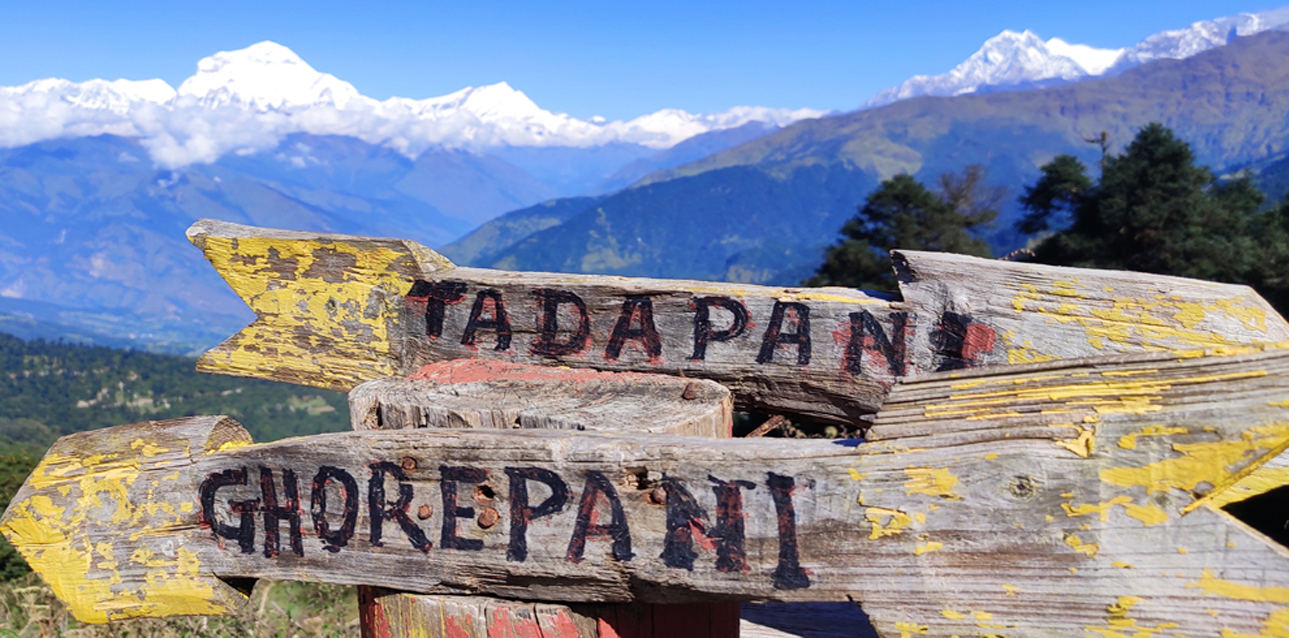
Ghorepani Poon Hill Trek
Destination:
Nepal
Trip Duration:
9 Days
Max Altitude:
Poon Hill (3,210 m)
Activities:
Trekking
Start Point:
Kathmandu
Ending Point:
Kathmandu
Region:
Annapurna
Trip Grade:
Moderate
Group Size:
1-10 Pax
Accomodation:
Hotel/Cozy local teahouses
Meals:
Breakfast, Lunch and Dinner during trekking
Transportation:
Luxury Tourist Bus
Permits Required:
Annapurna Conservation Area Permit (ACAP)
Best Season:
March, April, May and Sept, Oct, Nov
The Ghorepani Poon Hill Trek is one of Nepal’s most popular and scenic short trekking adventures, offering an unforgettable journey through the beautiful Annapurna region. Perfect for travelers seeking spectacular Himalayan views without a long or strenuous trek, this easy to moderate adventure combines breathtaking mountain scenery, charming Gurung and Magar villages, colorful rhododendron forests, and warm local hospitality. Suitable for beginners, families, photographers, nature lovers and trekkers with limited time, the Ghorepani Poon Hill Trek provides the perfect balance of natural beauty, culture and adventure.
Located in the heart of the Annapurna Conservation Area, the journey begins with a scenic drive from Kathmandu to Pokhara by tourist bus or private vehicle (approximately 6–8 hours), or a short 25–30-minute domestic flight. From Pokhara, a 1 to 1.5-hour drive takes you to Nayapul, the gateway to the trek. The trail then passes through picturesque villages including Tikhedhunga, Ulleri, Ghorepani, Tadapani and Ghandruk, where lush forests, terraced farmlands, cascading waterfalls, stone staircases and breathtaking Himalayan landscapes create a truly memorable trekking experience. Along the way, trekkers experience the rich traditions and warm hospitality of the Gurung and Magar communities while enjoying peaceful mountain trails surrounded by nature.
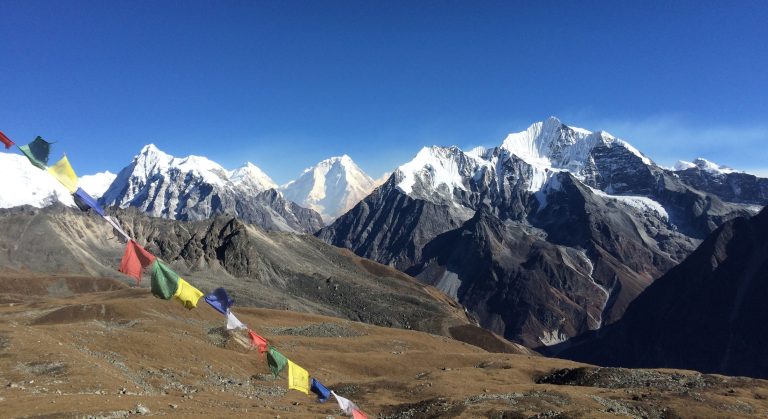
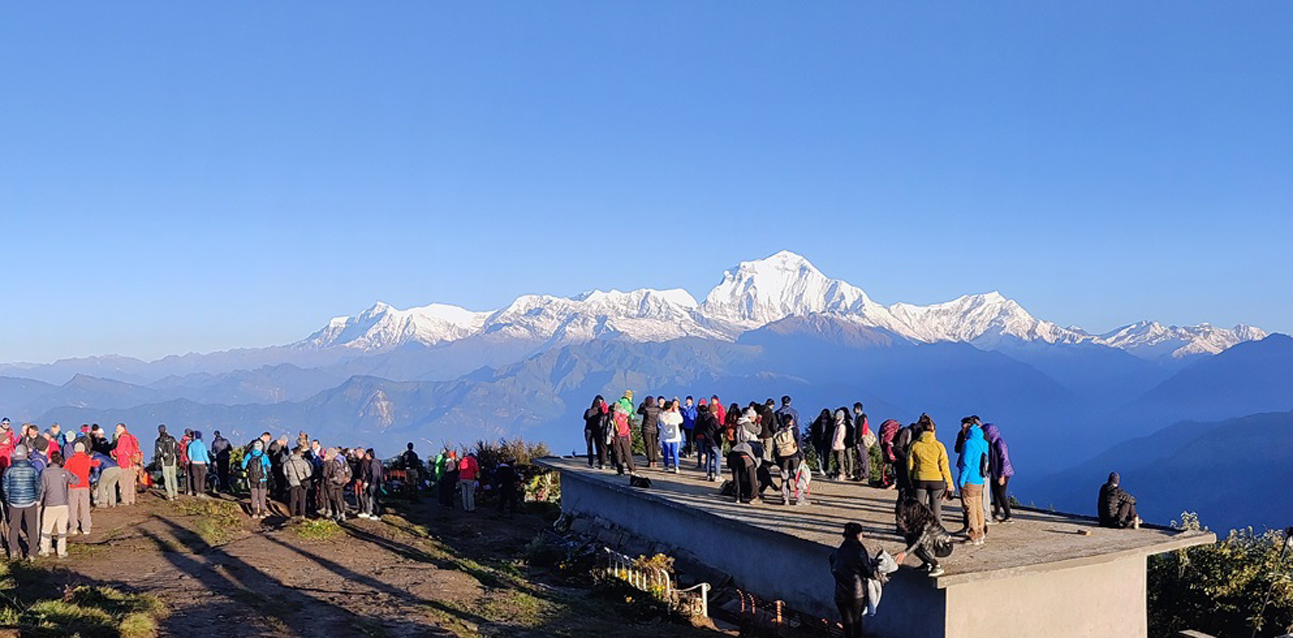
The highlight of the trek is the early morning hike to Poon Hill (3,210 m), one of Nepal’s most famous viewpoints. As the first rays of sunlight illuminate the Himalayas, trekkers are rewarded with spectacular panoramic sunrise views of Annapurna South, Machhapuchhre (Fishtail), Dhaulagiri, Hiunchuli, Nilgiri and many other snow-capped peaks. During the spring season (March to May), the trail becomes even more beautiful as vibrant rhododendron forests bloom across the hillsides, creating a colorful landscape against the majestic Himalayan backdrop.
Accommodation throughout the trek is provided in comfortable family-run teahouses, where trekkers enjoy genuine Himalayan hospitality and freshly prepared local meals such as Dal Bhat, noodles, momos, soups, potatoes, seasonal vegetables, Tibetan bread, pancakes, eggs and hot drinks. With well-maintained trails, comfortable accommodation, magnificent mountain views, and authentic cultural experiences, the Ghorepani Poon Hill Trek is one of Nepal’s finest short Himalayan adventures.
Explore our detailed itinerary, trip cost, departure dates and book your Ghorepani Poon Hill Trek with Best Of Nepal Trek for an unforgettable journey in the Annapurna region.
Ghorepani Poon Hill Trek Highlights
- Stunning Sunrise from Poon Hill (3,210m): Witness one of Nepal’s most breathtaking sunrises over the Annapurna and Dhaulagiri Himalayan ranges, with panoramic views of peaks like Annapurna South, Hiunchuli, Machapuchare (Fishtail), and Dhaulagiri I.
- Ideal Short Trek in the Annapurna Region: Perfect for beginners and families, this trek offers 4–5 days of moderate hiking, blending cultural experiences and natural beauty.
- Rhododendron Forests and Diverse Flora: Trek through lush rhododendron forests, especially vibrant during the spring season (March to May) when the flowers are in full bloom.
- Panoramic Mountain Views: Enjoy sweeping Himalayan vistas from multiple points along the trail, including Tadapani and Ghorepani village.
- Stay in Traditional Gurung & Magar Villages: Experience warm hospitality in mountain villages like Ulleri, Ghorepani, and Ghandruk, known for their rich culture and traditional stone houses.
- Perfect for Photography and Nature Lovers: The trek is a photographer’s dream, offering dramatic landscapes, sunrise shots and authentic cultural encounters.
- Easy Access from Pokhara: Start and end the trek from Pokhara, making it an accessible and flexible choice for travelers with limited time.
Route of the Ghorepani Poon Hill Trek
The Ghorepani Poon Hill Trek begins with a drive from Pokhara to Nayapul (1–2 hours), the official trailhead. From here, the trek follows scenic villages and terraced farmlands, gradually ascending toward Tikhedhunga and then climbing steep stone steps to Ulleri. The trail continues through dense rhododendron and oak forests, eventually leading to Ghorepani (2,750 m), a popular rest stop.
From Ghorepani, an early morning hike to Poon Hill (3,210 m) rewards trekkers with panoramic sunrise views of the Annapurna and Dhaulagiri ranges. The route then descends toward Tadapani (2,710 m) through lush forests, offering chances to spot local wildlife and birds.
The journey continues to the traditional Ghandruk village, famous for its Gurung culture and Himalayan views, before gradually descending back toward Nayapul. Finally, a short drive returns you to Pokhara, completing the loop.
Include
The Ghorepani Poon Hill Trek package in Nepal includes all essential services for a comfortable, safe and memorable Himalayan trekking experience. From accommodation and transportation to permits and professional trekking staff, everything is carefully organized for a hassle-free adventure in the Annapurna region.
Package Includes:
- Airport transfers by private tourist vehicle for arrival and departure in Kathmandu
- Comfortable twin-sharing/double rooms at standard 3-star hotels in Kathmandu and Pokhara with daily breakfast
- Twin-sharing teahouse/lodge accommodation during the trek
- Daily breakfast, lunch, and dinner during the trek
- Government-licensed English-speaking trekking guide
- Porter service (one porter for every two trekkers), including insurance, meals, accommodation and wages
- Annapurna Conservation Area Permit (ACAP) and TIMS Card
- Luxury tourist bus transportation between Kathmandu and Pokhara
- Private vehicle transfer from Pokhara to Nayapul and return
- Complimentary duffel bag, trekking map and trip completion certificate
- All government taxes, paperwork and official service charges
Exclude
While the Ghorepani Poon Hill Trek package covers most major trekking expenses, some personal and optional costs are not included.
Package Excludes:
- Meals in Cities: Lunch and dinner in Kathmandu and Pokhara are not included.
- Beverages: All types of drinks, including bottled water, boiled water, tea, coffee, soft drinks and alcoholic beverages.
- Travel Insurance: Comprehensive travel insurance with high-altitude emergency evacuation coverage (mandatory for all trekkers).
- Tips and Gratuities: Tips for trekking staff (guide and porter) and drivers.
- Nepal Visa: Nepal entry visa fees payable upon arrival at Tribhuvan International Airport in Kathmandu.
- Personal Trekking Gear: Expenses for renting or purchasing personal trekking equipment such as sleeping bags, down jackets, trekking poles, boots and other gear.
We recommend carrying some extra cash for personal expenses during the Ghorepani Poon Hill Trek in Nepal, as additional services and drinks are not included in the trekking package.
Ghorepani Poon Hill Trek Itinerary

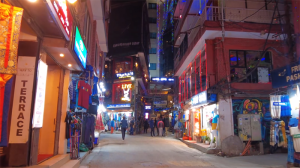
Welcome to Nepal! Upon your arrival at Tribhuvan International Airport, our representative will warmly greet you and transfer you to your hotel in Kathmandu by private vehicle.
After check-in, you can relax and recover from your international journey or take a short walk around Thamel, the lively tourist area known for restaurants, cafés, trekking shops and local markets.
In the evening, you will join a short briefing about the Ghorepani Poon Hill Trek, where your guide will explain the itinerary, safety guidelines, weather conditions and final preparations for the trek.
Accomodation:
3-Star Hotel/Resort
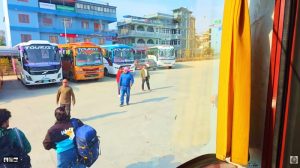
After breakfast, begin a scenic drive from Kathmandu to Pokhara, one of Nepal’s most beautiful lakeside cities. The journey follows winding highways alongside rivers, terraced hills and traditional villages, offering a great introduction to Nepal’s countryside.
Along the way, enjoy views of the Trishuli River, green valleys and rural settlements that reflect everyday life in the hills of Nepal.
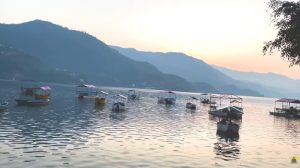
Upon arrival in Pokhara, check into your lakeside hotel and take time to relax after the journey. In the evening, you may explore the peaceful Lakeside area, known for its cafés, restaurants and views of Phewa Lake.
Trip Duration:
Drive 6–7 hours
Accomodation:
3-Star Hotel/Resort
Meals:
Breakfast
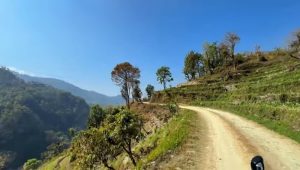
Early in the morning breakfast in Pokhara, drive approximately 1.5 hours to Nayapul (1,035 m) by private vehicle. This marks the starting point of your Ghorepani Poon Hill Trek in Nepal.
From Nayapul, begin your trekking journey by crossing a suspension bridge over the Modi Khola River, an important river system in the Annapurna region that supports local villages and farming communities.
The trail gradually climbs through terraced rice fields, small rural settlements, and traditional stone houses. Along the way, you will experience authentic village life, friendly locals and the peaceful beauty of Nepal’s mid-hill landscapes.
After a steady and enjoyable walk, arrive at Tikhedhunga (1,540 m), a quiet mountain village where you will spend your first night in the Himalayas.
Trek Highlights:
- Scenic drive from Pokhara to Nayapul
- Start of the trekking journey
- Suspension bridge over Modi Khola River
- Traditional villages and terraced farmlands
- First overnight stay in the mountains
Trip Duration:
4 - 5 Hours
Accomodation:
Local tea house
Meals:
Breakfast, Lunch & Dinner
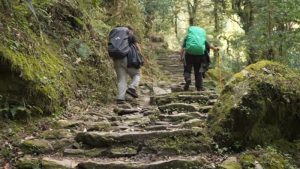
After breakfast, begin a steady ascent from Tikhedhunga by crossing a suspension bridge and climbing the famous stone staircase trail toward Ulleri (2,050 m). This section includes a long uphill climb, but it is rewarding with beautiful views and a glimpse of rural mountain life along the way.
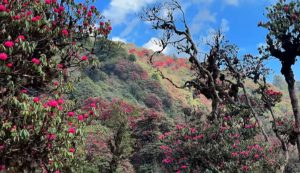
From Ulleri, continue trekking through dense rhododendron and oak forests, offering a refreshing natural environment, especially vibrant during the spring season. The trail is peaceful and rich in natural beauty, with chances to observe birds and local wildlife.
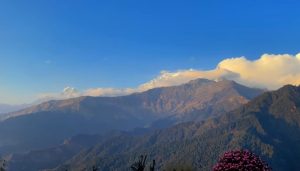
As the elevation increases, enjoy stunning Himalayan views of Annapurna South, Hiunchuli and Dhaulagiri ranges appearing in the distance.
By late afternoon, arrive at Ghorepani (2,750 m), a charming Gurung village surrounded by forested hills and panoramic mountain scenery. This is a key stop before the early morning hike to Poon Hill.
Trek Highlights:
- Steep ascent to Ulleri via stone steps
- Beautiful rhododendron and oak forests
- First clear views of Annapurna and Dhaulagiri ranges
- Traditional Gurung village experience
- Overnight stay in Ghorepani
Trip Duration:
6 - 7 Hours Trek
Accomodation:
Local tea house
Meals:
Breakfast, Lunch & Dinner


Today Early in the morning, begin a short hike to Poon Hill (3,210 m), one of the most famous viewpoints in the Annapurna region. The climb takes about one hour and offers an unforgettable sunrise experience over the Himalayas.
From the top, enjoy a breathtaking panoramic view of Annapurna, Dhaulagiri, Machhapuchhre (Fishtail), and surrounding peaks glowing in golden morning light. This is one of the most iconic highlights of the entire trek.
After sunrise, descend back to Ghorepani for breakfast and continue the trek toward Tadapani (2,710 m). The trail passes through beautiful rhododendron forests, mossy woodlands and peaceful mountain paths, offering a refreshing walking experience.
Along the way, enjoy changing Himalayan views and a peaceful natural environment, with possible sightings of birds and wildlife.
By late afternoon, arrive at Tadapani, a quiet forest village surrounded by mountains, perfect for relaxation and overnight stay.
Trek Highlights:
- Sunrise hike to Poon Hill viewpoint
- 360° Himalayan mountain panorama
- Views of Annapurna and Dhaulagiri ranges
- Rhododendron forest trekking trail
- Peaceful forest village experience at Tadapani
Trip Duration:
4 to 5 Hours Trek
Accomodation:
Local tea house
Meals:
Breakfast, Lunch & Dinner
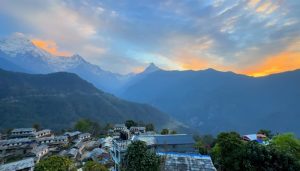

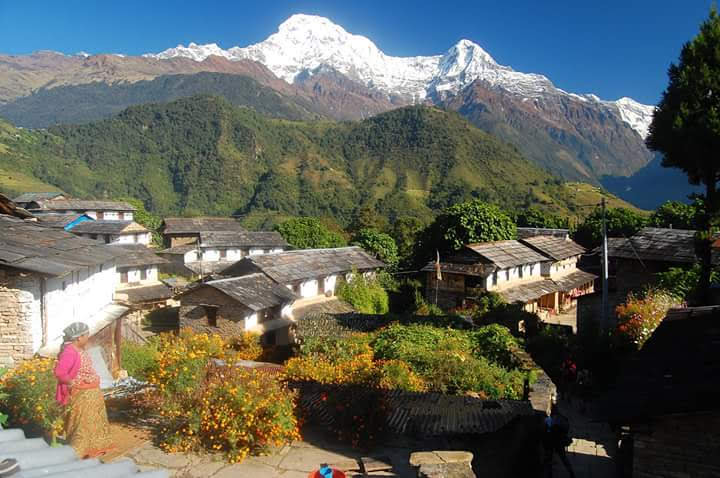
After breakfast, begin a scenic descent through dense rhododendron and oak forests toward Ghandruk, one of the most beautiful and culturally rich Gurung villages in the Annapurna region. The village is known for its traditional stone houses, mountain views, and warm local hospitality.
Take a short break in Ghandruk to explore the village, enjoy panoramic views of Annapurna South, Hiunchuli and Machhapuchhre (Fishtail) and experience the local Gurung culture.
Continue the trek by crossing a river and gradually ascending toward Landruk, passing terraced farmlands, forest trails, and small rural settlements along the way. The trail offers a peaceful mix of natural beauty and traditional Himalayan lifestyle.
From Landruk, follow a gentle uphill trail to reach Tolka (1,700 m), a quiet hillside village surrounded by green hills and forest landscapes. This peaceful setting is ideal for relaxation after a rewarding day of trekking.
Trek Highlights:
- Descent through beautiful forest trails
- Visit to traditional Gurung village Ghandruk
- Stunning views of Annapurna range
- Terraced fields and rural mountain life
- Peaceful overnight stay in Tolka
Trip Duration:
5 - 6 Hours Trek
Accomodation:
Local tea house
Meals:
Breakfast, Lunch & Dinner

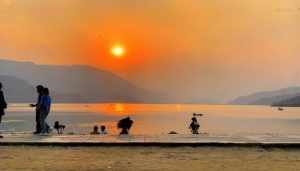
In the morning, begin your final day of trekking through beautiful rhododendron forests, peaceful mountain paths, and traditional village trails. The route gradually ascends toward Pitam Deurali, offering scenic hillside views and a refreshing walking experience in the Annapurna region.
From Pitam Deurali, continue with a gentle climb to Australian Camp, a popular viewpoint known for its breathtaking panoramic views of the Annapurna and Dhaulagiri mountain ranges. This is a perfect spot to enjoy your final moments in the Himalayas and capture memorable photographs.
After spending some time at the viewpoint, descend through forest trails to Kande, where your vehicle will be waiting.
From Kande, enjoy a short and scenic drive back to Pokhara, marking the successful completion of your Ghorepani Poon Hill Trek in Nepal. In the evening, relax by Phewa Lake and celebrate your trekking achievement.
Trek Highlights:
- Scenic forest trail through rhododendron zone
- Visit to Australian Camp viewpoint
- Panoramic Himalayan mountain views
- Final descent to Kande
- Scenic drive back to Pokhara
Trip Duration:
3 - 4 Hours Trek
Accomodation:
3-Star Hotel/Resort
Meals:
Breakfast & Lunch
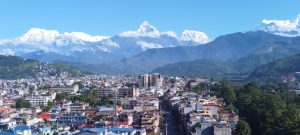

After breakfast, begin your scenic drive back to Kathmandu, retracing the beautiful highway through Nepal’s mid-hill region. The journey offers views of terraced fields, green hills, riverside valleys and traditional roadside villages along the way.
Enjoy the peaceful countryside landscapes as you travel back toward the capital city, taking in the final glimpses of Nepal’s natural beauty.
Upon arrival in Kathmandu, check in to your hotel and relax after the long journey. In the evening, you can explore the local markets, enjoy shopping in Thamel, or simply unwind at your hotel.
Trip Duration:
Drive 6–7 hours
Accomodation:
3-Star Hotel/Resort
Meals:
Breakfast
Your wonderful Ghorepani Poon Hill Trek in Nepal comes to an end today. After breakfast, our representative will transfer you to Tribhuvan International Airport in a comfortable private vehicle for your final departure.
As you leave Nepal, take with you beautiful memories of the Himalayas, traditional villages and warm hospitality. We wish you a safe journey home and hope to welcome you again for more trekking adventures in Nepal.
Meals:
Breakfast
Packing List for Ghorepani Poon Hill Trek
Packing smart is key to enjoying the stunning Ghorepani Poon Hill Trek in the Annapurna region. Here’s the ultimate list of what to pack, ensuring you’re prepared for changing weather, varying altitudes and trail conditions.
Essential Trekking Gear:
- Comfortable trekking backpack (30–40L with rain cover)
- Duffel bag (if using porters)
- Daypack for personal use
- Sleeping bag (rated for -5°C to -15°C)
- Trekking poles (collapsible and lightweight)
- Headlamp with extra batteries
- Water bottles or hydration bladder (minimum 2L)
- Water purification tablets or filter
Clothing for Ghorepani Poon Hill Trek
- Base Layer (Moisture-Wicking)
- 2–3 thermal tops (quick-drying)
- 2 thermal bottoms
Mid Layer
- 1–2 fleece jackets or warm sweaters
- Insulated down jacket (lightweight and packable)
Outer Layer
- Waterproof/windproof jacket and pants (Gore-Tex or similar)
Trekking Wear:
- 2–3 quick-dry trekking shirts (long & short sleeve)
- 2–3 pairs of trekking trousers
- 1 pair of trekking shorts (optional, for lower altitudes)
Innerwear and Accessories
- 4–5 pairs of moisture-wicking socks
- 3–4 sets of underwear
- 1 pair of thermal gloves
- 1 pair of windproof gloves
- Warm hat or beanie
- Sun hat or cap with brim
- Buff or scarf for dust/wind protection
Footwear
- Sturdy, broken-in trekking boots (ankle support recommended)
- Lightweight camp shoes or sandals (for evenings)
- Gaiters (optional during monsoon or snow season)
Personal Hygiene & Toiletries
- Quick-dry towel
- Toothbrush, toothpaste, biodegradable soap
- Sunscreen (SPF 30+) and lip balm with SPF
- Hand sanitizer and wet wipes
- Toilet paper (and plastic bag for waste)
- Small personal first aid kit (with blister care, band-aids, painkillers, etc.)
- Feminine hygiene products (if applicable)
Electronics & Miscellaneous
- Power bank (10,000mAh or more)
- Universal adapter
- Extra camera batteries or memory cards
- Lightweight camera or smartphone for photography
- Trekking map or guidebook
- Notebook and pen (optional)
Documents & Money
- Passport (valid and with Nepal visa)
- Trekking permits (ACAP and TIMS – usually arranged by trekking company)
- Travel insurance certificate
- Copies of all important documents
- Cash in Nepalese rupees (ATMs are rare on the trail)
Ghorepani Poon Hill Trek FAQs
Best Of Nepal Trek is a trusted trekking company offering safe, well-organized and unforgettable Himalayan adventures since 2018. With experienced local guides, personalized service and carefully designed trekking packages, we ensure a smooth and enjoyable journey in the Ghorepani Poon Hill Trek in Nepal.
Our team focuses on safety, authentic cultural experiences, and responsible trekking practices, helping trekkers explore the Himalayas with confidence and comfort. From short treks to challenging high-altitude adventures, we are committed to delivering professional service and memorable trekking experiences in Nepal.
Most travelers joining the Ghorepani Poon Hill Trek in Nepal can easily obtain a visa on arrival at Tribhuvan International Airport in Kathmandu. The process is simple and convenient for tourists coming for trekking and travel in Nepal.
Before traveling, make sure your passport is valid for at least 6 months beyond your arrival date. Some travelers may not be allowed entry if passport validity is shorter.
On arrival, you can complete the visa application form, pay the required visa fee, and receive your visa directly at the immigration counter. Nepal offers tourist visas for 15, 30, or 90 days, depending on your travel plans.
Important Information:
- Visa on arrival available at Kathmandu Airport
- Passport must be valid for 6+ months
- Visa duration: 15, 30, or 90 days
- Payment required at immigration counter
For the latest visa rules and updates, always check the official immigration website: http://www.nepalimmigration.gov.np Department of Immigration Nepal
Our friendly staff will warmly welcome you upon your arrival at Tribhuvan International Airport in Kathmandu. A company representative will be waiting outside the airport terminal holding a signboard with your name for easy identification.
After meeting our team, you will be comfortably transferred to your hotel in Kathmandu by a private tourist vehicle, ensuring a smooth, safe and hassle-free start to your Ghorepani Poon Hill Trek in Nepal.
The Ghorepani Poon Hill Trek in Nepal is one of the best short and easy treks in the Annapurna region, perfect for beginners and families.
It offers a stunning sunrise view from Poon Hill (3,210 m) with panoramic sights of Annapurna, Dhaulagiri, and Machhapuchhre (Fishtail). The trail also passes through beautiful rhododendron forests and traditional Gurung villages, giving a rich cultural experience.
Key Reasons:
- Easy and short Himalayan trek
- Breathtaking sunrise from Poon Hill
- Stunning mountain views
- Beautiful forests and villages
- Perfect for beginners and family travelers
The Ghorepani Poon Hill Trek is a perfect choice for a quick, scenic and unforgettable Himalayan adventure in Nepal.
The Ghorepani Poon Hill Trek in Nepal usually takes 4 to 6 days depending on the itinerary, walking pace, and starting/ending points such as Kathmandu or Pokhara.
This short trek is designed for travelers who want to experience the Himalayas in a limited time while enjoying beautiful mountain views, forests, and traditional villages in the Annapurna region.
For the Ghorepani Poon Hill Trek in Nepal, it is recommended to carry an additional budget of approximately USD 20–25 per person per day for personal expenses during the trek.
This extra budget is usually enough for:
- Drinking water and hot drinks
- Snacks and personal items
- Wi-Fi, hot showers and battery charging
- Soft drinks and small purchases
Since ATM facilities are limited in the trekking region, it is best to withdraw enough cash in Kathmandu or Pokhara before starting the trek.
During the Ghorepani Poon Hill Trek in Nepal, the walking pace is generally slow, steady and comfortable to ensure an enjoyable trekking experience for everyone.
On average, trekkers walk about 3–4 km per hour on easier sections, with daily trekking time usually ranging between 4–6 hours, depending on the trail and itinerary.
Trekking Pace Includes:
- Regular rest and photo breaks
- Time to enjoy mountain views and villages
- Comfortable walking speed for all trekkers
- Safe and enjoyable uphill and downhill trekking
The Ghorepani Poon Hill Trek is not a race — it is a relaxing Himalayan journey designed to enjoy nature, culture and spectacular mountain scenery.
No, special acclimatization days are generally not required during the Ghorepani Poon Hill Trek in Nepal because the trek reaches a relatively moderate altitude of Poon Hill (3,210 m).
Most trekkers can comfortably complete the trek without altitude-related problems, making it an excellent choice for beginners and family travelers.
Although acclimatization is usually not necessary, walking at a steady pace, staying hydrated, and taking regular breaks will help ensure a comfortable and enjoyable trekking experience.
During the Ghorepani Poon Hill Trek in Nepal, trekkers stay in comfortable local teahouses and mountain lodges along the trekking route.
Most teahouses provide simple but cozy twin-sharing rooms with basic facilities such as beds, blankets, and shared bathrooms. In lower villages, some lodges may also offer private rooms and attached bathrooms.
Teahouse Facilities:
- Comfortable twin-sharing rooms
- Warm dining hall and local meals
- Shared bathrooms and hot showers (extra cost)
- Wi-Fi and charging facilities in some villages
The teahouses on the Ghorepani Poon Hill Trek offer a friendly atmosphere and a great opportunity to experience local hospitality and mountain culture in the Annapurna region.
Yes, private rooms are available in many teahouses during the Ghorepani Poon Hill Trek in Nepal, especially in popular villages such as Ghorepani, Ghandruk and Tadapani.
However, availability may vary depending on the trekking season and the number of travelers. During peak trekking months, private rooms can fill quickly, so early booking is recommended.
Important Information
- Private rooms available in many teahouses
- More common in lower and popular villages
- Shared bathrooms are common in mountain lodges
- Extra charges may apply for private accommodation
If you prefer extra comfort and privacy during the Ghorepani Poon Hill Trek, it is best to request private rooms in advance whenever possible.
The Ghorepani Poon Hill Trek in Nepal is considered an easy to moderate trek and does not require advanced trekking experience or technical climbing skills. Anyone with a normal level of fitness and good health can usually complete the trek comfortably.
Trekkers should be prepared to walk for 4–6 hours per day on uphill and downhill mountain trails, including stone staircases and forest paths.
Recommended Fitness Level:
- Basic physical fitness and stamina
- Comfortable walking on uneven trails
- Ability to walk several hours daily
- Suitable for beginners and family travelers
Light exercise, short hikes, or regular walking before the trek can help improve endurance and make the Ghorepani Poon Hill Trek more enjoyable.
Altitude sickness is uncommon on the Ghorepani Poon Hill Trek in Nepal because the trek reaches a moderate altitude of 3,210 m. However, some trekkers may still experience mild symptoms at higher elevations.
Common Signs of Mild Altitude Sickness:
- Headache
- Dizziness
- Tiredness or weakness
- Shortness of breath
- Loss of appetite
- Difficulty sleeping
Walking slowly, drinking enough water, resting properly, and avoiding alcohol can help reduce the risk of altitude sickness during the Ghorepani Poon Hill Trek. If symptoms become severe, it is important to descend to a lower altitude and inform your guide immediately.
The most commonly used medication for preventing mild altitude sickness during trekking in Nepal is Acetazolamide (Diamox).
This medicine helps the body adjust more easily to higher altitudes by improving breathing and oxygen intake.
Important Information:
- Usually taken before or during ascent
- Helps reduce headache, dizziness, and fatigue
- Should only be used under medical advice
Medication can help, but the best protection against altitude sickness is:
- Slow and steady walking
- Proper hydration
- Enough rest and acclimatization
Always consult a doctor before taking any altitude medication during the Ghorepani Poon Hill Trek in Nepal.
Yes, travel insurance is highly recommended for the Ghorepani Poon Hill Trek in Nepal. Although this is considered a moderate and relatively safe trek, unexpected situations such as illness, injury, weather delays, or emergency evacuation can still occur in mountain areas.
A good travel insurance policy should include:
- Emergency medical treatment
- Helicopter evacuation coverage
- Trekking activity coverage
- Trip cancellation or delay protection
- Loss or damage of personal belongings
Before traveling to Nepal, carefully check that your insurance policy covers trekking activities and mountain travel in the Annapurna region.
In case of an emergency during the Ghorepani Poon Hill Trek in Nepal, the most important step is to stay calm and immediately inform your trekking guide.
Our guides are trained to handle situations such as altitude sickness, injury, or sudden illness and will take quick action to ensure your safety.
What to Do in an Emergency:
- Inform your guide or trekking staff immediately
- Follow the guide’s instructions carefully
- Stop trekking and rest if you feel unwell
- If needed, descend to a lower altitude
- Contact emergency support through our trekking company
Having travel insurance with emergency evacuation coverage is strongly recommended for a safe and worry-free trekking experience in the Annapurna region.
It is not recommended to drink untreated tap water during the Ghorepani Poon Hill Trek in Nepal, as water sources along the trail may not always be safe or properly filtered.
Safe Drinking Water Options:
- Boiled water available in teahouses (safest option)
- Filtered water in some lodges
- Water purification tablets or portable filters
- Bottled water (available but more expensive in higher areas)
Eco-Friendly Tip: To help reduce plastic waste in the Himalayas, it is best to carry a reusable water bottle with a purification system instead of buying bottled water.
For a safe trekking experience, always choose boiled or purified water during the Ghorepani Poon Hill Trek.
On the Ghorepani Poonhill Trek, most teahouses offer basic bathroom facilities. In traditional villages like Tikhedhunga, Ulleri, and Tadapani, Indian-style squat toilets are common.
In more popular stops such as Ghorepani and Ghandruk, many lodges provide Western-style flush toilets. Trekkers should bring their own toilet paper and sanitizer, as these are not usually available.
Yes, you can easily rent sleeping bags and down jackets in Kathmanduor Pokhara for the Ghorepani Poon Hill Trek in Nepal. This is a very common and budget-friendly option for trekkers who prefer to travel light without carrying heavy gear from home.
A good-quality sleeping bag (around -10°C rating) usually costs about USD 1–2 per day, while a down jacket costs around USD 2 per day.
Although the trek is not extremely high altitude, mornings and nights can be cold, so renting warm gear is highly recommended for a comfortable trekking experience in the Annapurna region.
During the Ghorepani Poon Hill Trek in Nepal, your main luggage is carried by a professional porter in a duffel bag, allowing you to trek comfortably with only a light daypack for daily essentials.
A standard duffel bag is usually provided by the company and is used to pack your clothing, sleeping bag and other personal items for the journey.
Porter Baggage System:
- One porter usually carries luggage for 2 trekkers
- Maximum weight limit is around 20 kg total (about 10 kg per person)
- Main bags are transported from teahouse to teahouse each day
- Trekkers carry only a small daypack for water, snacks and essentials
Pack light and carry only necessary items to stay within the weight limit. Proper packing helps ensure a smooth and comfortable trekking experience throughout the Ghorepani Poon Hill Trek.
Yes, all our guides and porters are fully insured for trekking operations in Nepal, including the Ghorepani Poon Hill Trek. This insurance covers trekking guides, assistant guides, porters, cooks, Sherpa Guide and drivers involved in the trekking service.
Their insurance provides important protection while working in remote Himalayan regions, covering accidents, injuries, and emergency situations that may occur during the trek.
Insurance Coverage Includes:
- Trekking guides and assistant guides
- Porters and support staff
- Sherpa staff and drivers
- Emergency accident and injury coverage
Insurance ensures safety, responsibility and proper support for trekking staff, making the Ghorepani Poon Hill Trek in Nepal more secure, ethical and well-organized for both clients and crew.
Yes, your trekking guide on the Ghorepani Poon Hill Trek in Nepal will speak English. Our guides are professionally trained and experienced in communicating with international trekkers, making it easy to understand daily plans, safety instructions, and route information throughout the journey.
Yes, you can safely store your extra luggage in Kathmandu before starting the Ghorepani Poon Hill Trek in Nepal. Most hotels in Kathmandu provide secure luggage storage facilities and our trekking company also offers safe storage options for travelers.
This allows you to trek comfortably with only essential items in your backpack, while your remaining luggage is securely kept in Kathmandu until you return from the mountains.
Luggage storage in Kathmandu is safe, convenient, and commonly used by trekkers doing the Ghorepani Poon Hill Trek, helping you travel light and comfortably.
Yes, departures for the Ghorepani Poon Hill Trek in Nepal are guaranteed once your booking is confirmed. We operate both fixed group departures and private trekking options to ensure a smooth and well-organized experience.
Even solo travelers or small groups can join the trek, as it will still operate with full support from experienced guides and porters.
Key Points:
- Guaranteed departure after booking confirmation
- Fixed group and private trek options available
- Trips operate even for solo travelers
- Full guide and porter support provided
Once confirmed, your Ghorepani Poon Hill Trek is fully secured, ensuring a safe, reliable, and hassle-free Himalayan adventure in Nepal.
Yes, the Ghorepani Poon Hill Trek in Nepal can be done in both winter and monsoon seasons, but conditions vary depending on the weather.
Winter Season (December–February): The trek is still possible in winter. The trails are usually clear, but mornings and nights can be very cold, especially in higher areas like Ghorepani and Poon Hill. Warm clothing is essential.
Monsoon Season (June–August): Trekking is possible but less ideal. Heavy rain can make trails slippery and leeches are common in forest areas. Mountain views are often blocked by clouds.
Best Time to Trek
The best seasons for the Ghorepani Poon Hill Trek are:
- Spring (March–May) and Autumn (September–November)
These months offer clear skies, stable weather, and the best mountain views.
For the safest and most enjoyable experience, spring and autumn are highly recommended for the Ghorepani Poon Hill Trek in Nepal.
If your Ghorepani Poon Hill Trek in Nepal is delayed or finishes earlier than planned due to weather conditions, health issues, transportation delays, or personal reasons, you may need to stay extra nights in Pokhara or Kathmandu.
In such situations, our team will assist you in arranging hotel accommodation and provide necessary support to ensure a comfortable and stress-free stay. However, the cost of additional hotel nights, meals, and related personal expenses is generally not included in the trek package and must be covered by the trekker.
Ghorepani Poon Hill Trek Good To Know
The Ghorepani Poon Hill region is not only known for its Himalayan panoramas but also for its rich cultural heritage and traditional history. The villages along the trail, such as Ghorepani, Ghandruk, and Tadapani, are home to the Gurung and Magar communities, two of Nepal’s most prominent ethnic groups. These communities have a long history of farming, animal husbandry, and serving in the British and Indian Gurkha regiments, which has shaped their unique cultural identity.
Cultural Highlights:
- Traditional Villages: Ghandruk is famous for its stone-paved lanes, slate-roofed houses, and vibrant Gurung Museum.
- Hospitality: Locals are warm and welcoming, offering trekkers insights into their daily lives, customs, and traditions.
- Festivals: Major Hindu and Buddhist festivals, such as Dashain, Tihar, and Lhosar, are celebrated with music, dance, and rituals.
- Architecture: Teahouses and traditional homes blend stone and woodwork, reflecting the region’s rustic charm.
- Folk Music & Dance: Cultural performances in villages often showcase traditional Gurung and Magar dances, passed down through generations.
The name “Ghorepani” itself translates to “horse water,” as the village was once a popular stop for traders traveling with horses. Today, it has evolved into a trekking hub while retaining its cultural authenticity.
Ghorepani Poon Hill is located in the Annapurna region of central Nepal, within the Myagdi District of Gandaki Province. The area lies inside the Annapurna Conservation Area, approximately 270 kilometers west of Kathmandu and 40 kilometers north of Pokhara.
Poon Hill itself stands at an altitude of 3,210 meters (10,531 feet) and is one of the most popular viewpoints in Nepal. It offers stunning panoramic views of the Annapurna and Dhaulagiri mountain ranges, including peaks like Annapurna South, Machapuchare (Fishtail), and Dhaulagiri I.
Trekkers usually reach Ghorepani village—located at around 2,874 meters—via a multi-day hike that begins from Nayapul, Tikhedhunga, or Ulleri, accessible by road from Pokhara. The Ghorepani Poon Hill Trek is considered one of the best short treks in Nepal, ideal for beginner trekkers and families.
The Ghorepani Poon Hill Trek is as much a cultural journey as it is a scenic one, offering insight into the lives of Nepal’s hill communities. Along the route, trekkers pass through charming villages like Tikhedhunga and Ulleri, where terraced fields of rice, maize, and millet showcase the region’s traditional farming lifestyle. The long stone staircases of Ulleri are famous, but equally memorable is the warm hospitality of the villagers.
At Ghorepani, once a key stop for horse traders, you’ll meet the Magar community, known for their traditions, dances, and proud Gurkha heritage. Moving ahead, Tadapani offers a peaceful forest setting, while Ghandruk, one of Nepal’s largest Gurung villages, invites visitors to explore its stone-paved streets, traditional homes, and cultural museum.
Meeting Magar and Gurung people along the trek enriches the journey, adding cultural depth to the breathtaking Himalayan landscapes
The Ghorepani Poon Hill Trek is not only famous for its mountain views but also for its rich biodiversity. The trail passes through lush forests, terraced fields, and alpine landscapes, creating habitats for a wide variety of flora and fauna.
The lower sections are covered with subtropical forests of oak, bamboo, and alder, while higher altitudes showcase vibrant rhododendron forests, which bloom spectacularly in spring (March–April). These colorful blossoms turn the trail into a natural garden, making this trek one of Nepal’s most beautiful short routes.
Wildlife is equally fascinating. Trekkers may spot playful langur monkeys, Himalayan tahrs, and barking deer in the forested areas. Bird enthusiasts will enjoy sightings of colorful species such as Danphe (the Himalayan Monal, Nepal’s national bird), woodpeckers, and pheasants.
The combination of diverse plants, wildlife, and birdlife enhances the trek, making it a paradise for nature lovers as well as mountain enthusiasts.
Poon Hill stands at an altitude of 3,210 meters (10,531 feet) above sea level, making it one of the most accessible yet rewarding viewpoints in the Annapurna region. The nearby village of Ghorepani, where trekkers usually spend the night before the sunrise hike, sits at around 2,874 meters (9,429 feet).
Despite its moderate elevation compared to other trekking peaks in Nepal, Poon Hill offers breathtaking 360-degree panoramic views of some of the tallest mountains in the world, including Annapurna South (7,219 m), Dhaulagiri (8,167 m), Machhapuchhre (6,993 m), and Hiunchuli (6,441 m).
Its altitude is high enough to provide stunning Himalayan scenery but low enough that most trekkers can enjoy the hike without facing serious altitude-related issues.
The Ghorepani Poon Hill Trek is considered a short and moderate trek, reaching a maximum height of 3,210 meters (10,531 ft) at Poon Hill. Since the altitude is below 3,500 meters, the risk of serious altitude sickness is very low compared to higher treks like Everest Base Camp or Annapurna Circuit.
Most trekkers can complete the route without dedicated acclimatization days. The gradual ascent, with overnight stops in villages such as Tikhedhunga, Ghorepani, Tadapani, and Ghandruk, allows your body to adjust naturally to higher elevations. Staying hydrated, trekking at a steady pace, and getting proper rest are usually sufficient to stay comfortable.
That said, trekkers should still be aware of mild altitude effects, such as shortness of breath or fatigue, especially when climbing the famous Ulleri stone steps or hiking up to Poon Hill for sunrise.
Overall, the trek is designed to minimize altitude issues, making it a safe and enjoyable adventure for trekkers of all experience levels.
Yes, the Ghorepani Poon Hill Trek is considered a moderate adventure trip in Nepal. While it does not involve technical climbing or extreme altitudes, the trek offers plenty of adventure through steep stone staircases, forested trails, and hilly terrains. Trekkers experience early morning hikes, such as the sunrise climb to Poon Hill (3,210 m), which provides breathtaking panoramic views of the Annapurna, Dhaulagiri and Machhapuchhre ranges.
The trek also includes exploring remote villages, interacting with local Gurung and Magar communities, and walking through rhododendron and oak forests, which adds cultural and natural adventure to the journey.
Overall, the Ghorepani trek combines scenic mountain landscapes, moderate physical challenge, and cultural immersion, making it an ideal short adventure for beginners, families, and experienced trekkers looking for a rewarding Himalayan experience.
The Ghorepani Poon Hill Trek is considered one of Nepal’s safest trekking routes, making it ideal for beginners, families, and moderately experienced trekkers. The maximum altitude of Poon Hill (3,210 m) is relatively low, which minimizes the risk of serious altitude sickness.
Factors contributing to safety:
- Well-established trails: The route is clearly marked and frequented by trekkers year-round.
- Accessible villages: Overnight stops in villages like Ghorepani, Tadapani, and Ghandruk ensure teahouse accommodations, meals, and medical access.
- Moderate difficulty: Gradual ascents reduce strain on the body compared to higher-altitude treks.
- Local support: Guides and porters are available to assist with navigation, emergencies, and carrying loads.
Precautions to stay safe:
- Trek at a steady pace and stay hydrated.
- Wear proper trekking footwear and clothing.
- Carry basic first-aid supplies and travel insurance.
While the trek is generally safe, weather changes, slippery trails, and fatigue can pose minor risks. With proper preparation and awareness, trekkers can enjoy a secure and unforgettable Himalayan experience.
Reaching the Ghorepani Poon Hill Trek involves a combination of road travel and trekking, usually starting from Kathmandu or Pokhara.
Ghorepani Poon Hill Trek From Kathmandu:
- By Road: Tourist buses or private vehicles take about 6–7 hours to reach Pokhara through the scenic Prithvi Highway.
- By Air: A short domestic flight (25–30 minutes) connects Kathmandu to Pokhara, offering aerial views of the Himalayas.
From Pokhara to the Trailhead:
- Drive approximately 1.5–2 hours to Nayapul or Hile, the official starting points of the trek. Local taxis, jeeps, or buses are available for this short transfer.
Returning:
- The trek concludes at Nayapul, from where you can drive back to Pokhara.
- From Pokhara, return to Kathmandu either by bus (6–7 hours) or domestic flight (25–30 minutes).
Tips:
- Early morning flights are recommended for clear views.
- Road travel may be longer during monsoon due to road conditions.
- Booking buses or flights in advance ensures smooth connections.
This combination of road and trekking access makes the Ghorepani Poon Hill Trek easily reachable while offering stunning scenic experiences along the way.
Trekking in the Ghorepani Poon Hill region requires a couple of official permits to ensure environmental protection and safety. These permits are easy to obtain and are usually arranged by trekking agencies or can be purchased independently.
- Annapurna Conservation Area Permit (ACAP):
- Required for all trekkers entering the Annapurna Conservation Area, which covers the Ghorepani Poon Hill trail.
- The permit fee is approximately USD 30–35 per person for foreign trekkers.
- It helps fund conservation and sustainable tourism in the region.
- Trekkers’ Information Management System (TIMS) Card:
- Mandatory for all foreign trekkers in Nepal.
- The TIMS card costs around USD 20 if trekking independently.
- It is used for tracking trekkers and ensuring safety.
Tips:
- Permits can be obtained in Pokhara or Kathmandu.
- Keep a copy of your permits with you at all times during the trek.
- Trekking agencies usually arrange these permits in advance for convenience.
Having the ACAP and TIMS permits ensures a smooth and legal trekking experience while contributing to the conservation of Nepal’s beautiful Annapurna region.
Planning to trek the famous Ghorepani Poon Hill Trail? Choosing the right season is key to enjoying clear mountain views and comfortable hiking conditions. The best time to trek Ghorepani Poon Hill is during the autumn (September to November) and spring (March to May) seasons.
In autumn, the skies are crystal clear, the weather is stable, and the panoramic views of Annapurna and Dhaulagiri ranges are at their finest. Meanwhile, spring brings colorful rhododendron blooms, pleasant temperatures, and great visibility of the snow-capped peaks, making the trail especially photogenic.
While winter (December to February) offers quiet trails and dramatic landscapes, it can be cold and snowy at higher elevations. The monsoon season (June to August) is generally not recommended due to rain, leeches, and poor visibility.
Whether you’re a beginner or experienced trekker, choosing the best trekking season for Ghorepani Poon Hill ensures a safe, enjoyable, and rewarding experience in Nepal’s Annapurna region.
Although the Ghorepani Poon Hill Trek reaches a moderate altitude of 3,210 meters (10,531 ft), some trekkers may still experience mild altitude sickness. Following these precautions helps ensure a safe and enjoyable trek:
- Ascend Gradually:
- Take your time when climbing steep sections, especially Ulleri stone steps and the hike to Poon Hill.
- Avoid rapid altitude gain; overnight stops at Ghorepani allow your body to adjust.
- Stay Hydrated:
- Drink at least 2–3 liters of water daily to maintain proper hydration.
- Avoid excessive alcohol or caffeinated drinks at higher altitudes.
- Eat Light and Nutritious Meals:
- Consume easily digestible foods and include carbohydrates to maintain energy levels.
- Listen to Your Body:
- Take rest breaks when feeling fatigued or dizzy.
- Mild symptoms like headache or nausea can be managed with rest and hydration; severe symptoms require descending immediately.
- Consider Medication:
- Some trekkers use acetazolamide (Diamox) under medical guidance to prevent altitude sickness.
By following these tips, trekkers can minimize the risk of altitude-related issues while fully enjoying the sunrise views at Poon Hill and the scenic Annapurna landscapes.
Travel insurance is strongly recommended for anyone planning the Ghorepani Poon Hill Trek. Although the trek is short and graded as moderately difficult, it still takes you above 3,000 meters, where risks such as altitude sickness, unforeseen injuries, and sudden weather changes may occur. Reliable travel insurance ensures you are protected in case of medical emergencies, helicopter evacuation, trip cancellations, baggage loss, or other unexpected situations.
When choosing insurance, make sure it includes:
- High-altitude trekking coverage (up to at least 3,500 meters)
- Emergency helicopter evacuation
- Medical and hospital expenses
- Trip cancellation or interruption
- Loss or damage of baggage and personal items
Having the right insurance gives you peace of mind, allowing you to enjoy the beauty of Poon Hill and the Annapurna region with confidence and safety.
The Ghorepani Poon Hill Trek experiences a moderate Himalayan climate due to its altitude range of 1,070 m to 3,210 m, making it suitable for trekking almost year-round. However, weather conditions vary depending on the season, so planning your trek accordingly is important.
Spring (March–May):
- Temperatures range from 10°C to 20°C at lower altitudes.
- Rhododendron forests bloom spectacularly, creating vibrant, colorful landscapes.
- Days are generally warm, with cooler nights at higher altitudes.
Autumn (September–November):
- Clear skies offer the best panoramic views of Annapurna, Dhaulagiri, and Machhapuchhre.
- Temperatures vary between 8°C and 18°C, with cool mornings and evenings.
- Ideal trekking conditions with minimal rainfall.
Winter (December–February):
- Cold temperatures, especially at higher altitudes (-2°C to 10°C).
- Snowfall is possible on the trail, adding beauty but increasing difficulty.
Monsoon (June–August):
- Heavy rainfall can make trails slippery and muddy.
- Cloud cover often obscures mountain views.
Trekkers should pack layered clothing, rain protection, and warm gear to stay comfortable. Understanding the weather helps plan a safe, enjoyable trek with optimal Himalayan vistas.
Packing smart is key to a comfortable and stress-free Ghorepani Poon Hill Trek. The trek involves walking on steep trails, forested paths, and stone staircases, so traveling light while carrying essentials is highly recommended.
Backpack:
- A 30–40 liter backpack is ideal for personal items, water, snacks, and extra clothing.
- Use a small daypack for daily essentials while leaving larger luggage at your lodge or with a porter.
Porters and Luggage Transport:
- Many trekkers hire porters to carry 15–20 kg of luggage, enabling them to trek comfortably with just a light daypack. Porters are experienced with the trails and help make steep climbs, such as the Ulleri stone steps, much easier.
- For additional convenience, hotels in Kathmandu or Pokhara provide secure storage for extra baggage before and after the trek. This allows trekkers to carry only the essentials needed for the journey, ensuring a stress-free and enjoyable trekking experience.
Packing Tips:
- Organize clothing, toiletries, and valuables in dry bags or waterproof pouches.
- Avoid overpacking, as heavy loads make steep sections like the Ulleri stairs more challenging.
- Carry only daily necessities such as water, snacks, camera, and a first-aid kit.
By packing efficiently, you can trek comfortably, enjoy the Himalayan vistas, and immerse yourself in local culture without unnecessary strain.
During the Ghorepani Poon Hill Trek, electricity is available at most teahouses and lodges, making it possible to charge your phone, camera, power bank, and other small electronic devices. However, charging facilities are limited and often powered by solar energy, especially at higher elevations. Because of this, teahouses usually charge a small fee—typically NPR 100–200 per device.
To stay powered throughout the trek, consider carrying:
- A high-capacity power bank (10,000–20,000 mAh)
- Extra batteries for cameras
- Lightweight solar chargers (optional)
- Charging cables and adapters compatible with Nepali outlets (Type C & Type D)
Planning ahead ensures you won’t miss capturing the stunning sunrise from Poon Hill or other memorable moments along the trail.
Food on the Ghorepani Poon Hill Trek is freshly prepared at local tea houses, providing hygienic, warm, and energizing meals throughout the journey. Although the menu is simple, it offers a good mix of Nepali, Tibetan, and basic Western dishes suitable for trekkers. Meals are designed to keep your energy levels high as you hike through the scenic Annapurna region.
Common Meals on the Trek
Breakfast:
- Pancakes
- Porridge
- Eggs (boiled, fried, or omelet)
- Toast with jam or honey
- Tibetan bread
- Tea or coffee
Lunch & Dinner:
- Dal Bhat (traditional Nepali set with rice, lentil soup, vegetables, and pickle — unlimited refills)
- Noodles or noodle soup
- Fried rice
- Mo:mo (dumplings)
- Pasta, spaghetti, or macaroni
- Potato dishes (rosti, fried potatoes, hash browns)
Drinks:
- Tea (black, milk, masala)
- Coffee
- Hot lemon or ginger tea
- Boiled water (safe drinking option)
- Bottled water (available at an additional cost)
Tea houses ensure meals are cooked fresh and served hot, making your trekking experience both comfortable and enjoyable.
Accommodation along the Ghorepani Poon Hill Trek is primarily in teahouses and lodges, offering a comfortable and authentic trekking experience. These lodges provide basic but cozy rooms with beds, blankets, and shared bathrooms, perfect for resting after a day on the trails.
Key Highlights:
- Ghorepani and Tadapani: Popular stops with multiple teahouses offering meals, hot showers (sometimes for a small fee), and stunning mountain views.
- Ghandruk: A larger village with more options for overnight stays, cultural experiences, and scenic vistas of Annapurna and Machhapuchhre.
- Lower Villages (Tikhedhunga, Ulleri, Tolka): Smaller lodges provide clean rooms and basic amenities, ensuring trekkers have a place to relax along the trail.
Tips for Accommodation:
- Rooms are often shared and simple, so booking in advance during peak seasons is recommended.
- Hot showers may be limited or paid separately; carrying a light towel and toiletries is advised.
- Staying in teahouses supports the local economy and offers a chance to experience Nepali hospitality and culture.
Overall, the trek offers a balance of comfort, local flavor, and breathtaking Himalayan views through its well-established accommodation options.
Yes, it is possible to trek Ghorepani Poon Hill independently without a guide, as the trail is well-marked and frequently traveled by trekkers. Many villages, including Ghorepani, Tadapani, and Ghandruk, have teahouses and lodges, making navigation relatively easy.
However, hiring a guide has several advantages:
- Guides provide local knowledge of culture, flora, and fauna, enhancing your trekking experience.
- They assist in navigation, safety, and emergencies, especially during unpredictable weather.
- Hiring a guide supports the local economy and ensures responsible tourism.
Tips for Independent Trekkers:
- Carry updated maps or GPS devices.
- Inform someone of your trekking itinerary.
- Be prepared for basic communication challenges, as English may be limited in some villages.
While trekking independently is feasible for experienced trekkers, having a guide is recommended for first-time visitors or those seeking cultural insights and extra safety.
The Poon Hill Trek is considered a moderate and beginner-friendly trek in Nepal. With a maximum altitude of 3,210 meters, it poses minimal risk of altitude sickness and requires no technical skills. The trail includes stone steps and gradual ascents, making it suitable for people with average fitness levels.
Trekkers typically walk 4–6 hours per day through forests and villages. While some uphill sections can be challenging, the short duration (4–5 days) and well-developed route make it manageable.
The Ghorepani Poon Hill Trek is an ideal choice for beginners looking to experience the Himalayas. This short, moderate trek takes about 4 to 5 days and reaches a maximum altitude of 3,210 meters at Poon Hill, offering stunning panoramic views of Annapurna and Dhaulagiri peaks. The well-marked trails, comfortable teahouses, and moderate altitude make it accessible even for those new to trekking.
No technical climbing skills are required, and the route includes plenty of rest stops. Perfect for first-time trekkers and families, Ghorepani Poon Hill promises a memorable introduction to Nepal’s mountain beauty.
During the Ghorepani Poon Hill Trek, basic network and trekking services are available, though limited in remote areas.
Mobile Network:
- NTC (Nepal Telecom) and NCELL offer mobile coverage in many parts of the trek.
- Signal may be weak or unavailable in deep forest or higher elevations like Poon Hill.
- Better coverage is found in villages like Ghorepani, Ulleri, and Ghandruk.
Wi-Fi and Internet:
- Most tea houses offer paid Wi-Fi, especially in Ghorepani and Ghandruk.
- Speeds are slow and may be affected by weather.
- Buying a local SIM card (NTC recommended) with a data plan is helpful.
Charging & Electricity:
- Charging facilities are available at tea houses, often for a small fee.
- Bring a power bank or solar charger for convenience.
- Electricity is mostly solar-powered in remote areas, so it may be limited during cloudy days.
Water & Essentials:
- Bottled water, boiled water, and purification tablets are available.
- Basic first aid and medicine are sold in some villages.
- Toilets are usually squat-style (Indian toilet), and hot showers may cost extra.
The Ghorepani Poon Hill Trek is considered a short and moderate trek, making it suitable for beginners, families, and casual hikers. Most trekkers do not require intensive training to complete this trek comfortably.
Basic Tips for Fitness Preparation:
- Light Cardio: Engage in walking, jogging, or cycling a few times a week to build stamina.
- Leg Strength: Simple exercises like squats and lunges help with uphill climbs, especially on stone stair sections like Ulleri.
- Practice Hiking: If possible, take day hikes with a light backpack to get used to trekking conditions.
- Pace Yourself: The trek’s gradual ascent allows your body to adjust naturally, minimizing the risk of fatigue.
Since the maximum altitude is 3,210 m (Poon Hill), altitude sickness is rare, and the trek is generally safe for people of all fitness levels. Good general fitness and a steady pace are sufficient to enjoy the breathtaking Himalayan scenery and local culture along the route
Tipping is an important part of Nepal’s trekking and tourism culture, though it is not mandatory. On treks like the Ghorepani Poon Hill Trek, tips are a way to show appreciation for the hard work of guides, porters, and staff who ensure a safe and comfortable journey.
Guidelines for Tipping on Trek:
- Guides: Typically USD 5–10 per day per guide, depending on the quality of service and trek duration.
- Porters: Usually USD 3–5 per day per porter.
- Teahouse Staff: Small tips (USD 1–2) for good service are appreciated but optional.
Tips for Trekkers:
- Carry small denominations of USD or NPR for convenience.
- Consider the length and difficulty of the trek when deciding the amount.
- Tipping is a personal choice but greatly valued by local staff as part of their income.
Following local tipping customs helps promote responsible tourism and supports the livelihoods of the people who make your trekking experience enjoyable and memorable
The Ghorepani Poon Hill Trek is one of Nepal’s most popular short treks, offering breathtaking Himalayan panoramas, rich cultural experiences, and a moderate trekking challenge suitable for beginners and experienced trekkers alike.
For 2025–2026, the typical cost of the trek ranges from USD 650 to 1,200 per person, depending on the level of services, accommodations, and inclusions selected. Higher-end packages usually include private transportation, luxury lodges, experienced guides, and additional amenities, while standard packages cover essential trekking arrangements such as tea house accommodations, meals, permits, and trekking staff.
This trek provides excellent value for a short Himalayan adventure, combining scenic landscapes, cultural insights, and a well-organized trekking experience.
Reviews

Ghorepani Poon Hill Trek – 5 Days from Pokhara
We were fortunate with excellent weather throughout the trek, and the views of the surrounding Himalayan Mountains were absolutely stunning. Our guide, Arjun, was very attentive, caring and ensured we were always comfortable and well looked after during the journey.
Mitchel Noergaard,
,Belgium
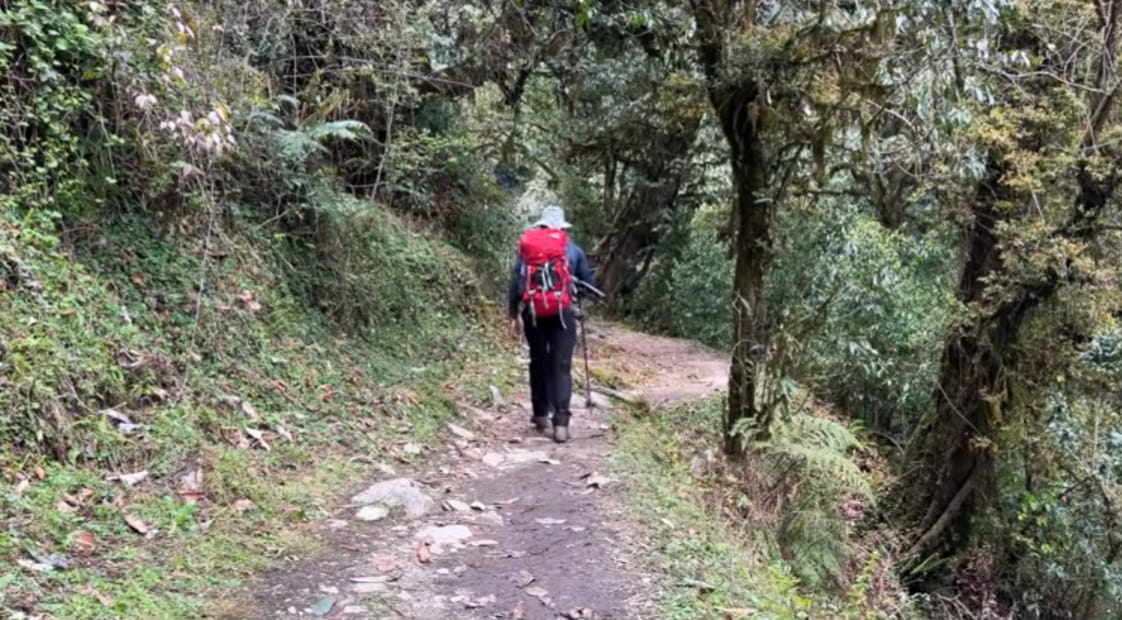
Excellent Trekking Experience
We had a wonderful trekking experience with Best of Nepal Trek. The entire journey was well organized from start to finish, with clear communication and smooth arrangements. The team was very professional, friendly, and always ready to support us whenever needed. Our guide and porter were excellent throughout the trek, making the experience safe, comfortable and truly memorable. We highly recommend Best of Nepal Trek for anyone planning a Himalayan adventure in Nepal.
Johanna,
,USA
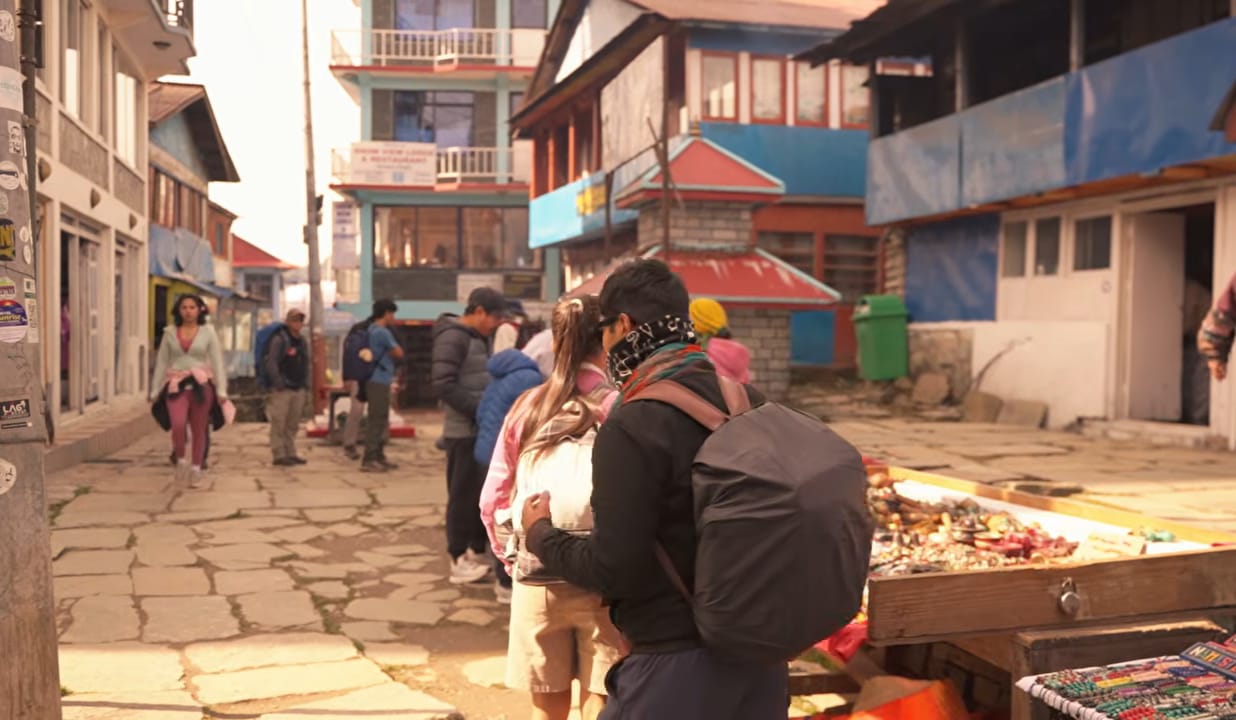
Ghorepani Poon Hill Trek – A Great Experience
We had a fantastic trekking experience in Nepal with Best of Nepal Trek. The communication was excellent and everything was well organized from start to finish. A special thanks to our guide, Bijaya and our porter for their friendly support, professionalism and local knowledge throughout the trek. We highly recommend Best of Nepal Trek for a safe, enjoyable and memorable Himalayan adventure.
Aleksandra Beck
,Denmark
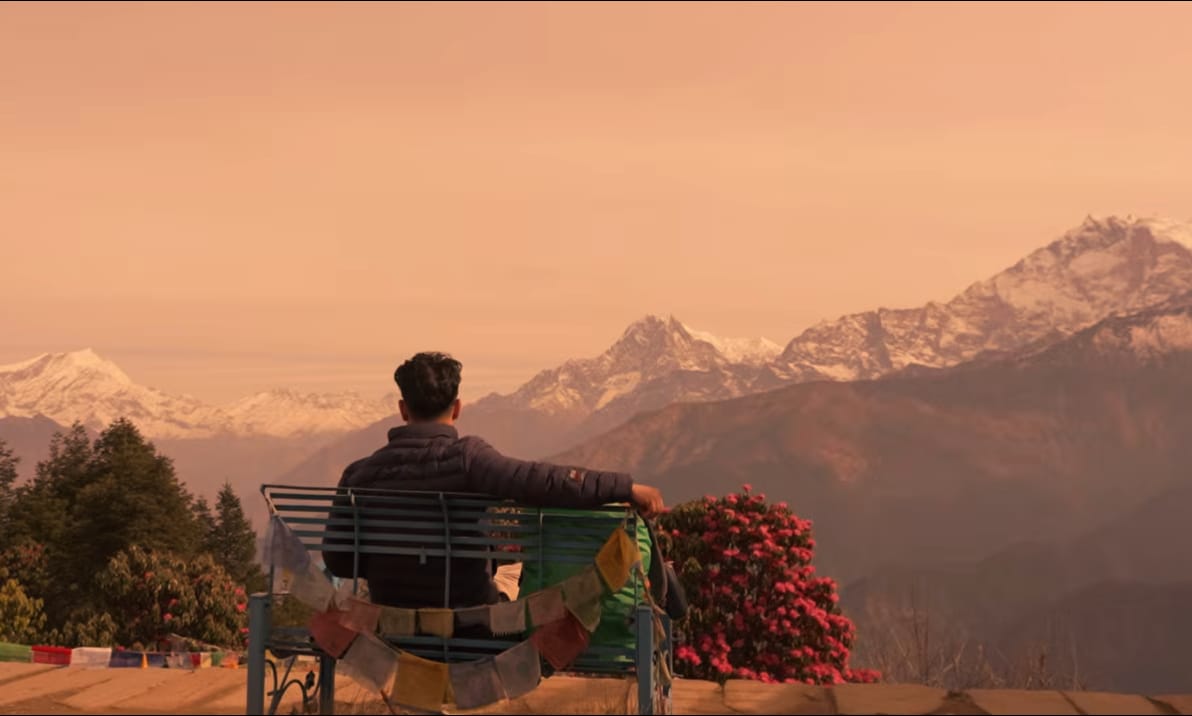
Amazing Ghorepani Poon Hill Trek Experience
We had an amazing trekking experience on the Ghorepani Poon Hill Trek. The mountain views, beautiful landscapes and local villages made the journey truly memorable. The entire team was very friendly, professional, and always ready to help whenever needed. A special thanks to our guide, Mr. Ramesh and our porter, Saroj, for their excellent support, kindness and dedication throughout the trek. Their knowledge and encouragement made the experience even more enjoyable. We also appreciate the office team's clear communication and great organization. Highly recommended for anyone planning a trek in Nepal.
Henrik Turid
,UK
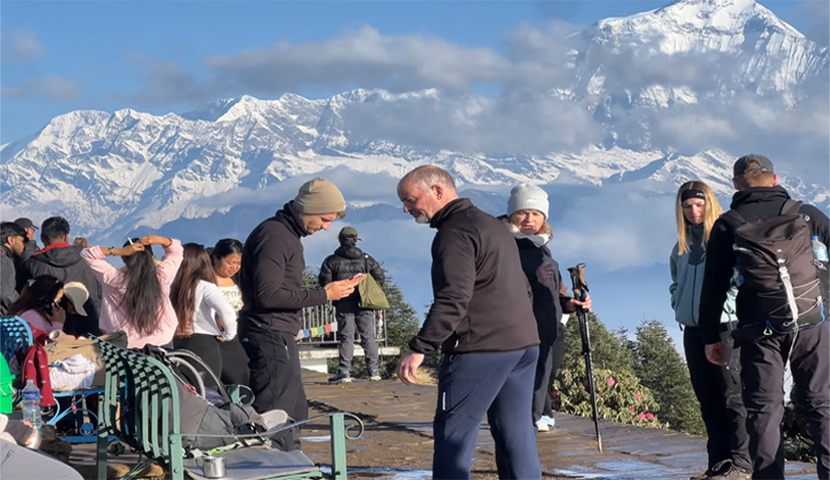
Ghorepani Poon Hill Trek
I had a wonderful experience on the Ghorepani Poon Hill Trek with Best Of Nepal Trek. The journey was full of beautiful mountain views, peaceful villages and unforgettable sunrise moments from Poon Hill.
A special thanks to our guide, Mr. Ram, for his friendly support, guidance and care throughout the trek. He made our trip safe, comfortable and enjoyable. Highly recommended for anyone planning a trek in Nepal!Gunner T. Mikkelsen
,Norway