Discover Nepal’s Temples, Festivals and Traditions
Introduction: More Than Mountains
When you think of Nepal, the majestic Himalayas likely come to mind. But beyond the soaring peaks lies a deeper treasure: a living cultural landscape where ancient temples touch the sky, festivals set the streets ablaze with color, and traditions breathe in everyday life. Nepal isn’t just a destination for trekkers—it’s a sanctuary for the soul, where spirituality is woven into the very fabric of existence. This guide invites you to discover the sacred temples, vibrant festivals, and timeless traditions that form the true heartbeat of Nepal.
The Architectural Psalms: Nepal’s Sacred Temples
Nepal’s temples are not just places of worship; they are stories carved in wood and stone, standing as testaments to centuries of devotion and artistry.
Kathmandu Valley: The Epicenter of Newari Craftsmanship
A UNESCO World Heritage Site in its own right, the Kathmandu Valley is an open-air museum of intricate architecture and spiritual energy.
-
Pashupatinath Temple, Kathmandu: Nepal’s most sacred Hindu site, dedicated to Lord Shiva. Located on the banks of the Bagmati River, this sprawling temple complex is a profound place to witness the cycle of life and death through open-air cremations. The serene yet intense atmosphere offers a deep glimpse into Hindu rituals.
-
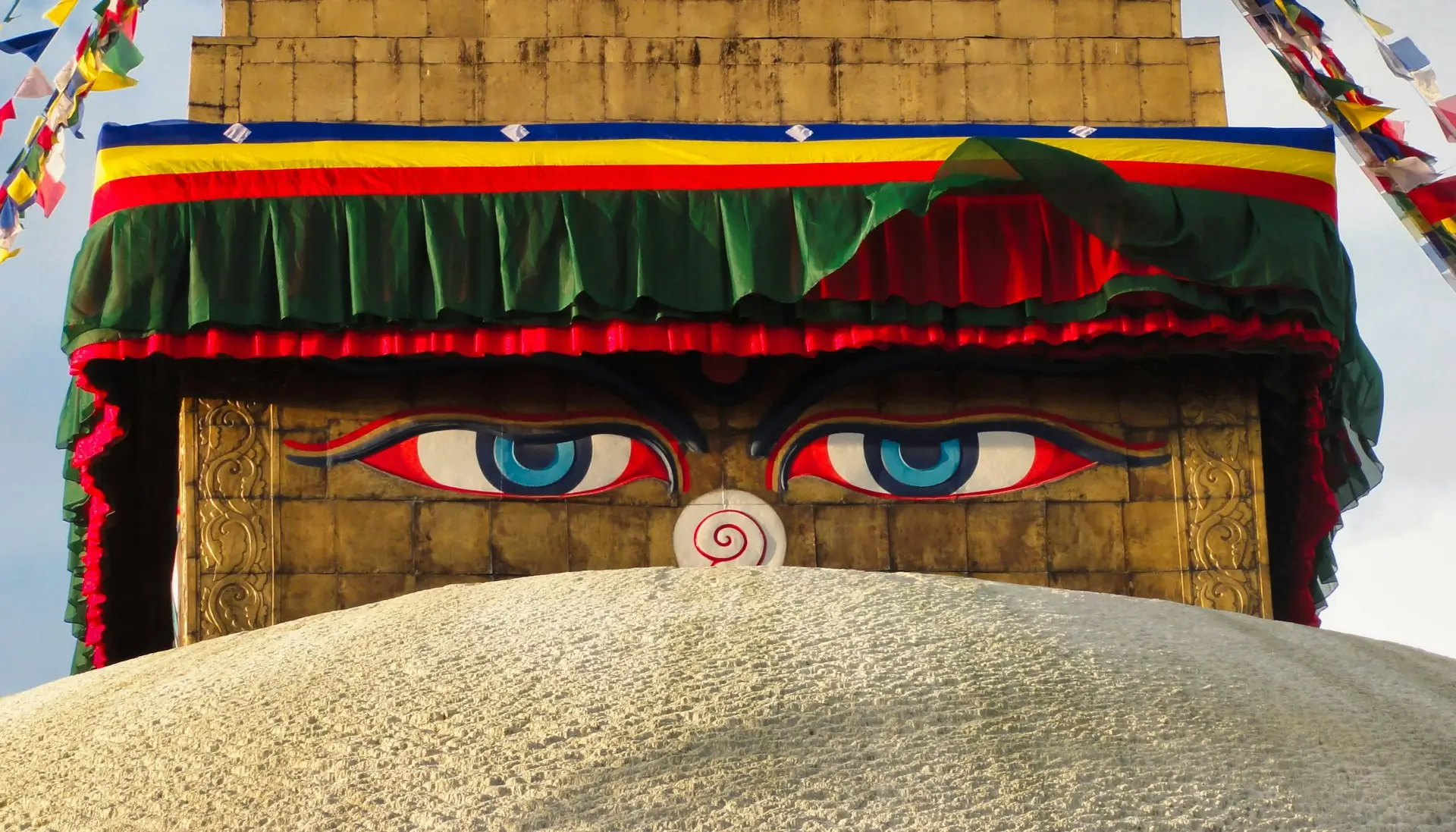
Swayambhunath Stupa (The Monkey Temple): Perched atop a hill, this ancient stupa is one of the world’s oldest Buddhist shrines. Its iconic, all-seeing Buddha eyes gaze over the valley. The climb up its eastern steps, surrounded by playful monkeys, is a pilgrimage in itself, culminating in panoramic views and the calming spin of prayer wheels.
-
Boudhanath Stupa, Kathmandu: The center of Tibetan Buddhism in Nepal. This colossal mandala is circled day and night by pilgrims and monks murmuring mantras. The air, scented with butter lamps and incense, thickens during prayer times, creating an unforgettable sensory experience.
-
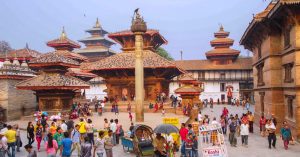
Patan Durbar Square: A masterpiece of Newari architecture. The former royal square is a dense cluster of palaces, courtyards, and temples like the Krishna Mandir—a stunning stone shrine adorned with intricate carvings from the Hindu epics.
Beyond the Valley: Pilgrimage Sites of Power & Peace
-
Muktinath Temple, Mustang: A unique and powerful site sacred to both Hindus and Buddhists at 3,800 meters. For Hindus, it is a place to achieve moksha (liberation) by bathing under its 108 water spouts. For Buddhists, it is home to the “eternal flame,” a natural phenomenon where fire burns alongside water.
-
Janaki Mandir, Janakpur: A dazzling marble palace in Nepal’s southern plains, built in ornate Mughal-Rajput style. Dedicated to Goddess Sita, it marks her birthplace and is a major pilgrimage site, especially during the festival of Vivaha Panchami, which re-enacts her wedding to Lord Rama.
The Calendar of Joy: Nepal’s Vibrant Festivals
Nepal’s lunar calendar ensures the country is in a near-constant state of celebration. Here are the festivals that paint the nation with joy.
Dashain: The Grand Festival of Victory
When: September or October
The most important Hindu festival in Nepal, Dashain is a 15-day celebration of the victory of Goddess Durga over the demon Mahishasura. It’s a time for family reunions, where elders place a mixture of yogurt, rice, and vermillion (tika) on the foreheads of the young, offering blessings. The skies fill with kites, and communities come together in a profound celebration of good over evil.
Tihar: The Festival of Lights
When: October or November, following Dashain
Also known as Deepawali, Tihar transforms Nepal into a twinkling wonderland. Over five days, homes are adorned with oil lamps (diyas) and marigold garlands to worship not just the goddess of wealth, Laxmi, but also the animals that coexist with humans: crows, dogs, cows, and finally, the sacred bond between brothers and sisters on Bhai Tika.
Holi: The Festival of Colors
When: March
A euphoric celebration of the arrival of spring. Social norms dissolve as people take to the streets to playfully smear colored powder (gulal) and water on each other. It’s a joyous, chaotic, and incredibly fun expression of community and the triumph of good, centered around the legend of Prahlad and Holika.
Indra Jatra: Kathmandu’s Living Heritage Festival
When: September
This eight-day festival in Kathmandu honors Indra, the king of heaven. The old city comes alive with the masked dances of deities like Lakhe, the procession of the Living Goddess Kumari in a towering chariot, and the display of sacred relics. It’s a direct, vibrant link to the valley’s ancient Newari traditions.
The Living Threads: Nepal’s Enduring Traditions
The true culture of Nepal is found in the daily practices and skilled hands of its people.
The Living Goddess: Kumari
A unique tradition where a young pre-pubescent girl from the Shakya clan is carefully selected and worshipped as the human embodiment of the divine female energy, Taleju. She resides in the Kumari Ghar in Kathmandu Durbar Square and makes public appearances during festivals, a deeply revered and mystical aspect of Newari culture.
Sacred Craftsmanship
Nepal’s artisanal heritage is a form of devotion.
-
Thangka Painting: Intricate Buddhist scroll paintings depicting deities and mandalas, created with natural pigments on cotton or silk.
-
Metalwork: The Valley is famed for its lost-wax casting of exquisite statues and the crafting of singing bowls, whose vibrations are used in meditation.
-
Pottery in Bhaktapur: In the city of Bhaktapur, potters still use traditional wooden wheels in the open square, creating everyday items just as their ancestors did.
A Tapestry of Faiths
One of Nepal’s most beautiful traditions is the seamless syncretism of Hinduism and Buddhism. It’s common to find Hindu shrines within Buddhist stupa complexes and vice versa. This mutual respect and integration over millennia is a powerful lesson in religious harmony.
Your Cultural Travel Guide: Tips for an Authentic Experience
-
Plan Around a Festival: To see Nepal at its most vibrant, time your visit with Dashain, Tihar, or Holi. Book accommodations well in advance.
-
Hire a Local Cultural Guide: A knowledgeable guide can unlock the hidden meanings behind temple carvings, rituals, and festival customs, transforming your sightseeing into understanding.
-
Participate Respectfully: Always ask permission before taking photos of people, especially during private rituals. Dress modestly when entering temples (cover shoulders and knees) and remember to remove your shoes.
-
Support Artisan Communities: Visit the workshop districts in Patan (for metalwork, thangka painting) and Bhaktapur (for pottery). Purchasing directly from artisans helps preserve these ancient crafts.
-
Learn a Few Phrases: A simple “Namaste” (with palms pressed together) goes a long way. It means, “The divine in me honors the divine in you.”
Conclusion: Find Your Place in the Tapestry
Discovering Nepal’s temples, festivals and traditions is an invitation to connect with a culture that has honored the sacred, celebrated life, and preserved its heritage against the backdrop of the world’s highest peaks. It’s a journey that engages all your senses and leaves an imprint on your heart. Come to Nepal not just to see its mountains, but to feel its soul.