Weather in Nepal
Weather in Nepal: Your Essential Guide to Seasons & Smart Trekking
Nepal’s unparalleled altitude range—from the steamy 60-meter jungles of the Terai to the 8,848-meter peak of Everest—creates one of the planet’s most dramatic and vertically stacked climate systems. For travelers, this means experiencing multiple ecological zones within a single journey, where weather directly dictates the feasibility, safety, and enjoyment of every adventure. Understanding this intricate climate tapestry is the crucial first step in planning an unforgettable and secure Himalayan experience.
This vertical variation divides Nepal into three broad climatic regions: the subtropical lowlands, the temperate middle hills, and the alpine high Himalayas. Each zone has its own rules. Consequently, the country experiences four distinct seasons, each offering a different face to explorers. The clear, stable windows of spring (March-May) and autumn (October-November) are prime for trekking, while winter brings cold serenity and the monsoon delivers lush, rain-soaked landscapes.
Smart preparation is non-negotiable. Mountain weather is notoriously volatile, and a sunny start can swiftly become a high-altitude storm. Packing a layered clothing system and sturdy, waterproof boots is essential safety protocol, not just a comfort tip. By aligning your trip with the right season, respecting altitude, and preparing for all conditions, you transform Nepal’s formidable weather into the powerful, beautiful backdrop of an epic journey.
Decoding Nepal’s Climate: A Tale of Altitude
Nepal’s weather is a story written by altitude. The country stacks three distinct climatic zones vertically:
- The Tropical Terai Lowlands (below 1,000m): Hot, humid summers and mild winters. Home to Chitwan and Bardia national parks.
- The Temperate Middle Hills (1,000m – 3,500m): Includes Kathmandu and Pokhara. Features warm summers, cool winters, and pronounced seasonal shifts.
- The Alpine Himalayas (above 3,500m): Cold, thin air. Winters are severe, and even summer nights can drop below freezing. This is trekking country.
Across these zones, four main seasons rotate, each painting the landscape in a different light and opening unique possibilities for travelers.
Weather in Nepal-Regional Weather & Travel Windows
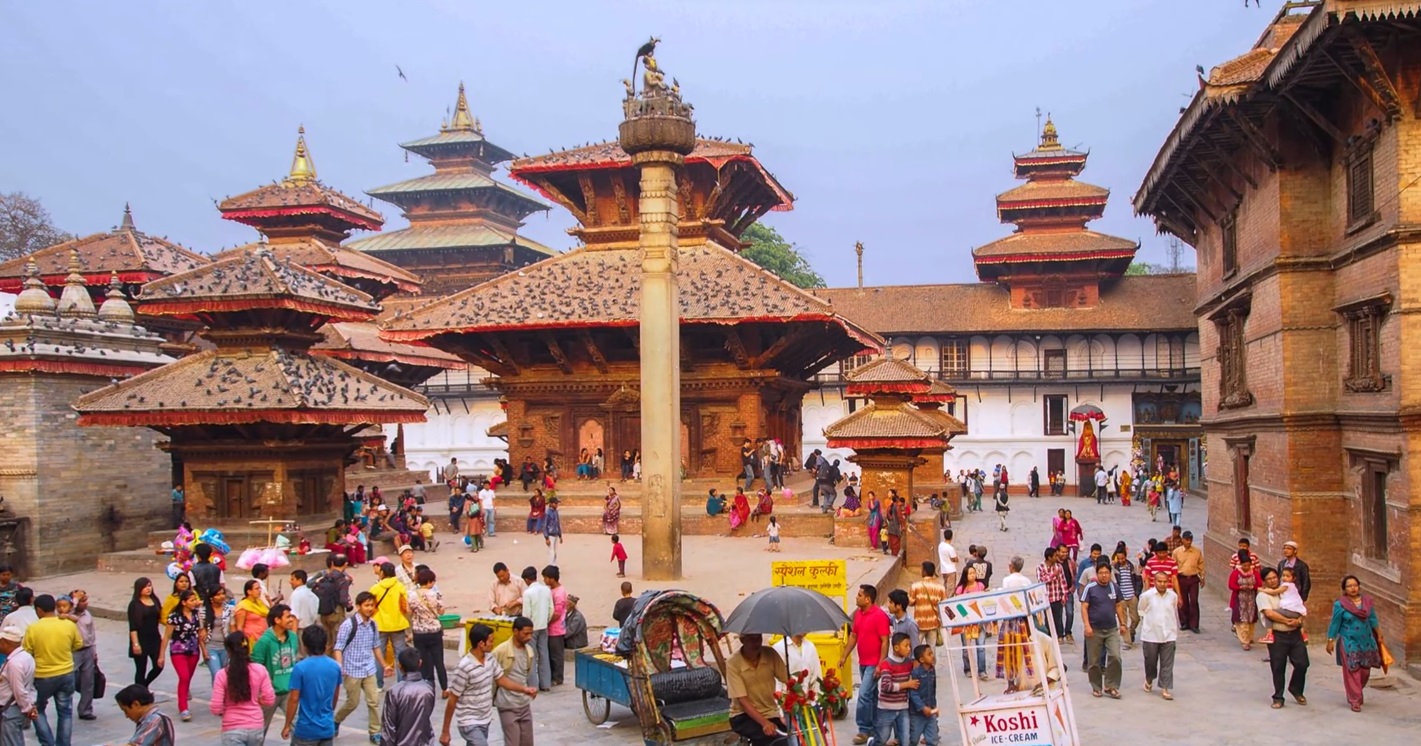
Kathmandu Valley Weather Guide (Altitude: 1,400 meters)
Nestled in a bowl-shaped valley, Kathmandu experiences a subtropical highland climate with four distinct seasons. The unique topography can trap atmospheric particles, leading to noticeable haze, especially in the dry months.
- Spring (March to May): This is a fantastic time to visit. Days are warm and sunny, with average highs ranging from 22°C to 28°C. Evenings remain pleasantly cool. This season offers clear skies for sightseeing and vibrant cultural festivals like Holi.
- Summer/Monsoon (June to September): Characterized by heat, humidity, and afternoon thunderstorms. Temperatures can reach 30°C, with high humidity. Heavy but often brief rainfall transforms the surrounding hills into a lush green landscape, though clouds may obscure mountain views.
- Autumn (October to November): Universally considered the best season to visit Kathmandu. The air is fresh, skies are crystal clear, and the temperatures are ideal—warm, sunny days and cool, crisp nights. This is the peak season for tourism and major festivals like Dashain and Tihar.
- Winter (December to February): Days are pleasant and sunny with daytime temperatures around 19°C, making exploration comfortable. However, mornings and evenings can be chilly, with temperatures occasionally dropping near freezing. Dense morning fog is common.
Smart Travel Tip: During the dry seasons (winter and spring), air quality in the valley can decline due to dust and pollution. Those with respiratory sensitivities may benefit from carrying a mask. Layered clothing is recommended year-round to adapt to changing daily temperatures.
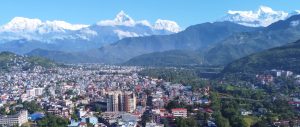
Set beside the serene Phewa Lake with the majestic Annapurna range as a backdrop, Pokhara’s climate is warmer and more humid than Kathmandu’s. Its weather directly impacts the legendary mountain vistas.
- Spring (March to May): Ideal for adventure and views. Rising temperatures bring lush flora, including blooming rhododendrons. The skies are generally clear, offering spectacular sunrise views over the Himalayas from viewpoints like Sarangkot. Perfect for paragliding, hiking, and boating.
- Summer/Monsoon (June to September): The lush green season with frequent, sometimes persistent rainfall. While the lake and waterfalls are at their most powerful, the Himalayan panorama is often hidden by clouds. Trekking routes can be slippery and leech-prone.
- Autumn (October to November): The prime season for panoramic mountain views. Post-monsoon air is exceptionally clear, providing uninterrupted vistas of the Annapurna and Dhaulagiri ranges. The weather is stable, with warm days and cool nights, excellent for all outdoor activities.
- Winter (December to February): Days are mild and perfectly pleasant for lakeside strolls and café hopping. Nights are cooler. While sunrise views are still possible, occasional morning haze can soften the mountain scenery.
Smart Travel Tip: For the iconic Pokhara sunrise view over the Himalayas, prioritize visits in the post-monsoon autumn or spring months. Early morning trips to Sarangkot or the World Peace Pagoda during these seasons offer the highest chance of a clear, breathtaking spectacle.
Chitwan National Park Weather Guide (Altitude: 150 meters)-Weather in Nepal
Located in the subtropical Terai lowlands, Chitwan experiences a true tropical climate—distinctly hotter and more humid than the hill regions, with a dramatic seasonal shift that affects wildlife viewing.
- Spring (March to May): Temperatures begin to climb sharply, often reaching above 35°C. The forest is drier, and wildlife is more concentrated around remaining water sources, potentially making animal sightings easier. Mornings and late afternoons are the best times for safari activities.
- Summer/Monsoon (June to September): Hot, incredibly humid, and wet. This is the low season for tourism. Heavy rains can cause flooding, and the jungle vegetation becomes extremely dense, making wildlife spotting more challenging. Mosquito populations are high, and some lodges may close.
- Autumn (October to November): Arguably the best time for a safari. The heat and humidity recede, conditions are comfortable, and the post-monsoon landscape is lush. Reduced vegetation and animals gathering at waterholes improve visibility for spotting rhinos, deer, and birds.
- Winter (December to February): Days are sunny and pleasantly warm, ideal for jeep and canoe safaris. Mornings and nights, however, can be surprisingly cold and foggy, requiring warm layers. The fog typically burns off by mid-morning to reveal beautiful days.
Smart Travel Tip: Don’t be fooled by Chitwan’s “lowland” reputation. Winter mornings on elephant-back or in open jeeps can be very cold. Pack a warm jacket, hat, and gloves alongside your lighter safari clothing. Fog can also delay morning activities, so a flexible schedule is advisable.
Seasonal Insights for Trekkers & Travelers
Choosing the right season is the most critical decision for your Nepal adventure. Your experience—from trail conditions to mountain visibility—is defined by the time of year you visit. Here is your essential guide to Nepal’s trekking seasons.
Spring (March–May) & Autumn (September–November): The Prime Trekking Windows
These back-to-back seasons offer the best weather for trekking in Nepal. You can expect stable conditions, dry trails, and the clearest skies for panoramic Himalayan views. This is the ideal time for classic teahouse treks like the Everest Base Camp and Annapurna Circuit routes.
Important Note: Always be prepared for volatility. Mountain weather can change in minutes. A sunny morning at lower elevations can become a severe snowstorm at high passes above 4,000 meters. Packing for all scenarios is non-negotiable.
Monsoon (June–August): The Season of Lush Solitude
The summer monsoon brings daily rainfall, creating slippery trails, swollen rivers, and humid conditions. While mainstream trekking is challenging, this is the perfect time to visit Nepal’s rain-shadow regions. Areas like Upper Mustang and Dolpo remain dry, offering unique desert-like landscapes and trails free of crowds. You trade sweeping mountain vistas for emerald-green valleys and incredible solitude.
Winter (December–February): The Crisp, Cold Challenge
Winter transforms the high Himalayas into a silent, frozen world. Days are often sunny and clear, but temperatures plummet far below freezing at night. This season is recommended only for experienced, well-equipped trekkers on specific winter routes. For most visitors, winter is better suited for lower-elevation hikes, wildlife safaris in Chitwan National Park, and cultural sightseeing in the quieter valleys.
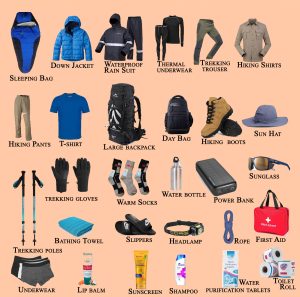
Underestimating your gear is the most common—and riskiest—mistake you can make for a Himalayan trek. The right equipment functions as your essential safety system, protecting you from volatile weather and challenging terrain. Comfort is a welcome benefit, but survival is the priority.
Footwear: Your Most Critical Investment
- Sturdy, Waterproof Hiking Boots: This is non-negotiable. Running shoes offer zero insulation, ankle support, or protection against snow, freezing mud, and rocky trails. Inadequate footwear risks frostbite, injury, and can abruptly end your journey.
- The Layered Clothing System: Your Adaptable Defense
Mountain weather shifts hourly. Layers allow you to adapt instantly. - Base Layer: Moisture-wicking fabric (synthetic or merino wool) to keep sweat away from your skin.
- Insulating Mid-Layer: A fleece or down jacket for retaining vital body heat.
- Weatherproof Outer Shell: A waterproof and windproof jacket and pants to shield against rain, snow, and biting wind.
Other Essential Gear:
- Backpack: A comfortable, fitted pack (40-60 liters for teahouse treks).
- Sleeping Bag: Rated to at least -10°C for high-altitude treks, even if using teahouse blankets.
- Accessories: Thermal gloves, warm hat, UV-protection sunglasses, headlamp, high-SPF sunscreen, and a reusable water bottle with purification.
Weather in Nepal: Your Seasonal Trekking Planning Guide
Choosing the right season is the first step to a successful trek. Use this guide to align your goals with the ideal conditions.
| Season | Typical Conditions | Ideal For | Key Consideration |
| Spring | Warm days, clear mornings, blooming trails | All trekking, photography, cultural tours | Afternoon cloud build-up; book teahouses and flights early. |
| Autumn | Stable, dry weather, excellent visibility | High-altitude treks, mountain views, festivals | Peak tourist season; secure permits and flights months in advance. |
| Winter | Sunny days, freezing nights, snow at altitude | Lower-elevation hikes, wildlife safaris, cultural visits | Prepare for extreme cold; many high passes are closed. |
| Monsoon | Heavy rainfall, high humidity, lush landscapes | Rain-shadow area treks (Upper Mustang), cultural tours | Challenging trails in most regions; expect leeches, fog, and travel delays. |
Travel with Respect & Preparedness
Nepal’s majestic climate demands respect. By strategically choosing your season, packing for all eventualities, and heeding local guidance, you transform weather from a potential obstacle into the powerful, defining backdrop of an extraordinary journey.
Invest in reliable gear, prioritize proper acclimatization, and always err on the side of caution in the mountains. With thoughtful preparation, you secure the freedom to fully immerse yourself in the breathtaking beauty and profound culture that make Nepal a timeless destination for adventurers worldwide.