Explore Nepal’s Mountains, Parks and Wildlife
Introduction: Where Wilderness Meets Majesty
Nepal is a symphony of extremes. From the world’s highest peaks piercing the clouds to steamy lowland jungles teeming with life, this compact nation offers an unrivaled portfolio of natural wonders. It’s a land where your journey can traverse multiple ecosystems in a single day, from alpine meadows to subtropical forests. This guide is your gateway to exploring the iconic mountains, protected national parks, and incredible wildlife that make Nepal a bucket-list destination for every nature lover and adventurer.
The Crown Jewels: Nepal’s Iconic Mountain Ranges
Nepal is synonymous with the Himalayas, home to eight of the world’s fourteen 8,000-meter peaks. But its mountains offer more than just altitude—they offer soul-stirring adventures.
The Everest Region (Sagarmatha National Park)
-
The Draw: Trek to the base of the world’s highest mountain, Mt. Everest (8,848m). The experience is about the journey through the homeland of the legendary Sherpa people, past ancient monasteries, and into a landscape of glacial valleys and towering giants like Lhotse and Ama Dablam.
-
Key Experience: The Everest Base Camp (EBC) Trek. A classic two-week journey that culminates at the foot of the Khumbu Icefall. For panoramic views without the long trek, the Everest Panorama Trek or a scenic mountain flight offer breathtaking alternatives.
The Annapurna Region
-
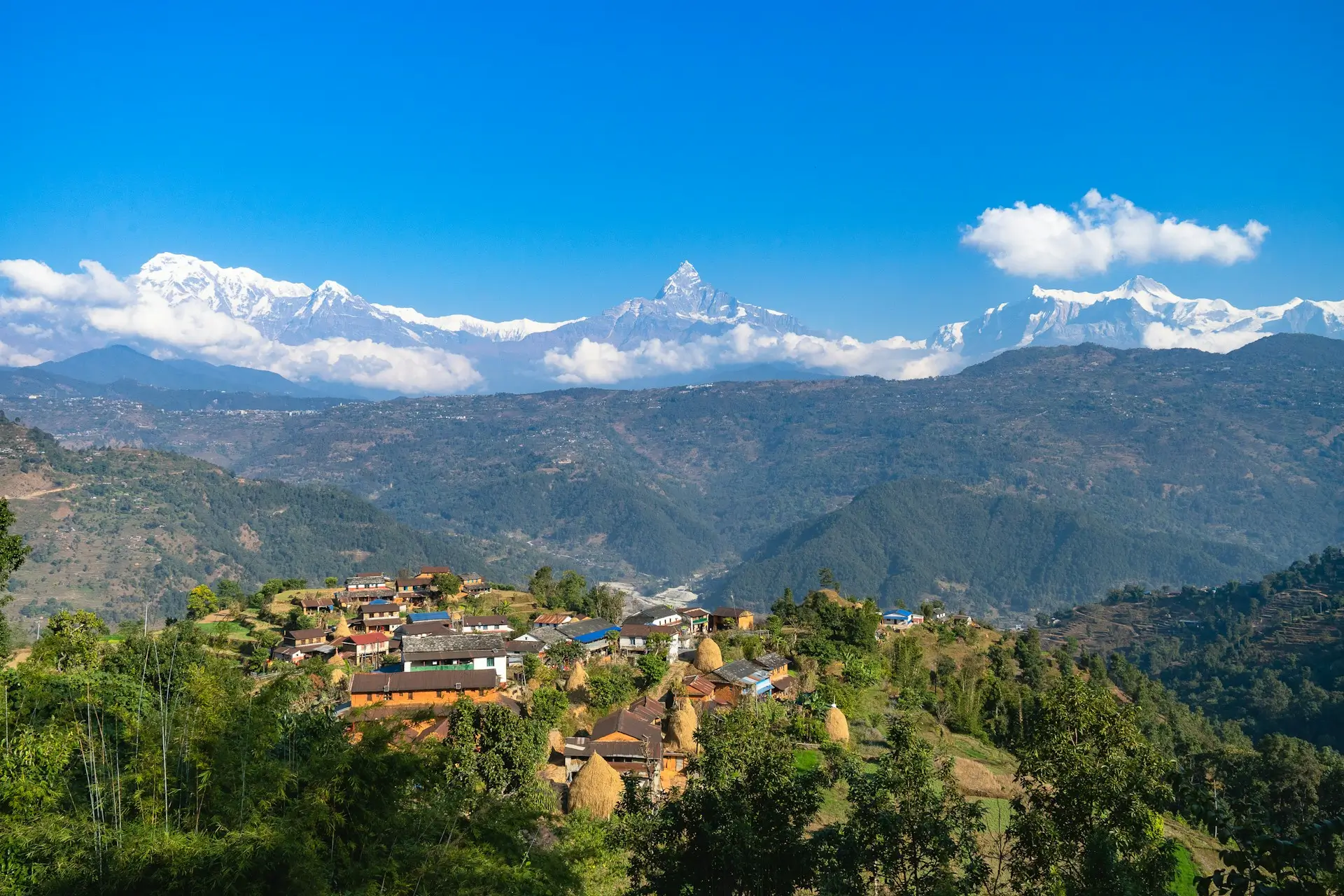
The Draw: Incredible diversity. This massive range offers everything from easy village walks to one of the world’s greatest treks, all with stunning views of Annapurna I (8,091m), Machhapuchhre (Fishtail), and Dhaulagiri.
-
Key Experiences:
-
Annapurna Circuit: A legendary trek circumnavigating the massif, crossing the dramatic Thorong La Pass (5,416m).
-
Annapurna Base Camp (ABC) Trek: A journey into the heart of the mountains, surrounded by a natural amphitheater of peaks.
-
Shorter Treks: The Ghorepani Poon Hill Trek provides iconic sunrise views in just 4-5 days, perfect for those with limited time.
-
Off-the-Beaten-Path Treasures
-
Langtang Valley: Closer to Kathmandu, this “Valley of Glaciers” offers a beautiful blend of Tamang culture, yak pastures, and dramatic mountain scenery, with a shorter trekking itinerary.
-
Upper Mustang: A high-altitude desert kingdom with a Tibetan flavor, often called a “geological wonderland.” Access requires a special permit, preserving its unique, arid landscapes and ancient cave monasteries.
Nepal’s Wild Heart: National Parks & Wildlife Sanctuaries
Beyond the mountains, Nepal’s protected areas safeguard an astonishing array of biodiversity, from Bengal tigers to one-horned rhinos.
Chitwan National Park (Terai Lowlands)
-
The Ecosystem: A UNESCO World Heritage Site, this is a vast area of grasslands (phul), riverine forests, and oxbow lakes.
-
Wildlife Encounters: This is the best place to spot the Asian One-Horned Rhinoceros and the elusive Bengal Tiger. You’ll also see gharial crocodiles, elephants (wild and domesticated), and over 500 species of birds.
-
How to Explore: Jeep safaris, guided jungle walks, elephant-back safaris (choose ethically operated programs), and canoe rides on the Rapti River.
Bardia National Park (Western Terai)
-
The Experience: More remote and wild than Chitwan, Bardia offers a higher chance of spotting a tiger in solitude. Its wilderness is less traversed, providing a more pristine jungle experience.
-
Key Activities: Similar safari options to Chitwan, with a stronger focus on walking safaris led by expert naturalists for true immersion in the jungle sounds and signs.
Sagarmatha & Langtang National Parks (Himalayan Region)
-
High-Altitude Wildlife: These mountain parks protect species adapted to the cold, thin air. Keep an eye out for the elusive snow leopard, red panda, Himalayan tahr (a goat-like ungulate), and colorful Impeyan pheasants (Danphe, Nepal’s national bird).
Koshi Tappu Wildlife Reserve (Eastern Plains)
-
A Birder’s Paradise: Primarily a wetland reserve on the Sapta Koshi River, this is one of Asia’s best locations for birdwatching, with hundreds of resident and migratory species, including waterfowl, raptors, and the endangered wild water buffalo.
Iconic Wildlife of Nepal: What to Spot
-
The Bengal Tiger: The apex predator of the Terai. Spotting one is a rare and thrilling privilege, with Bardia National Park currently offering the best odds.
-
Asian One-Horned Rhinoceros: Nepal’s conservation success story. Populations have rebounded dramatically, and seeing these prehistoric-looking giants in the grasslands of Chitwan is almost guaranteed.
-
Snow Leopard: The “Ghost of the Mountains.” Spotting one in the high Himalayas of regions like Upper Dolpo or Shey-Phoksundo National Park requires patience, luck, and often a specialized wildlife-focused expedition.
-
Red Panda: An adorable and endangered arboreal mammal found in the temperate bamboo forests of eastern Nepal, like in the hills around Ilam or Langtang.
-
Himalayan Monal (Danphe): Nepal’s spectacular national bird, a colorful pheasant found in alpine and sub-alpine regions.
Planning Your Adventure: Mountains vs. Jungle
Best Time to Go:
-
For Trekking (Mountains): October-November (Autumn) and March-May (Spring) offer stable weather and clear skies.
-
For Wildlife Viewing (Jungle): October-April. The post-monsoon and winter months offer pleasant temperatures, better visibility through thinner vegetation, and animals congregating around water sources. Avoid the intense heat and monsoon rains of May-September.
Combining Experiences:
A classic Nepal itinerary beautifully combines mountain and jungle. Example: Kathmandu (culture) → Pokhara & Annapurna short trek (mountains) → Chitwan National Park (wildlife). This offers a complete and diverse experience of the country’s landscapes.
Responsible Exploration Guidelines:
-
Leave No Trace: Carry out all waste, especially on trekking routes. Use refillable water bottles with purification.
-
Respect Wildlife: Maintain a safe distance. Never feed animals or disrupt their natural behavior for a photo.
-
Support Local: Hire local guides and porters. Their knowledge enriches your experience and your spending supports community livelihoods.
-
Choose Ethical Operators: For wildlife activities, select operators committed to animal welfare and conservation.
Conclusion: Answer the Call of the Wild and the High
Nepal’s mountains don’t just call to climbers; they call to anyone who seeks awe. Its jungles don’t just shelter wildlife; they pulse with ancient, wild energy. To explore Nepal is to engage in a profound dialogue with nature in its most raw and magnificent forms. Whether you’re standing breathless before Everest, locking eyes with a rhino in tall grass, or hearing the haunting call of a hornbill in a silent forest, Nepal delivers moments that redefine adventure. Start planning your journey to where the earth touches the sky and wildlife rules the land.