

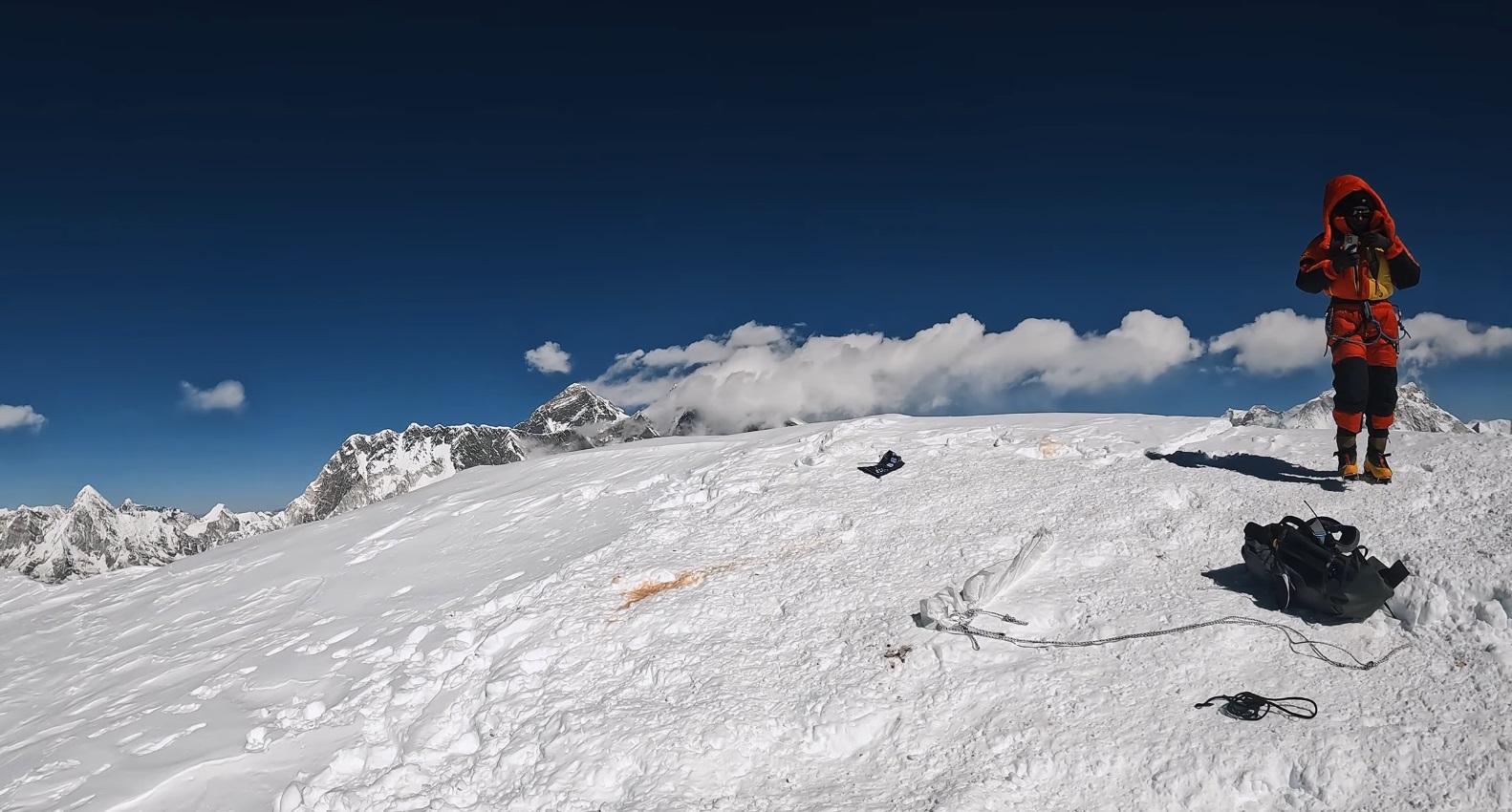
Ama Dablam Expedition
Ama Dablam Expedition – Essential Lukla Flight Information
Lukla flights play an essential role in the Ama Dablam Expedition, and their operation varies by season. During peak trekking months (March, April, May, September, October and November), most flights depart from Ramechhap/Manthali Airport, about 5–6 hours from Kathmandu. In the off-peak months, flights typically operate directly from Kathmandu Airport.
Because Himalayan weather can be unpredictable, delays and cancellations are common. To avoid disruptions to your international travel, adding 1–2 buffer days to your Ama Dablam Expedition, itinerary is highly recommended for a smooth and flexible journey.
Destination:
Nepal
Trip Duration:
31 Days
Max Altitude:
Ama Dablam Summit 6,812m,
Activities:
Expedition
Start Point:
Kathmandu
Ending Point:
Kathmandu
Region:
Everest
Group Size:
2-10
Accomodation:
Hotel/Normal Teahouses/Tent
Meals:
Breakfast, Lunch and Dinner during Trek
Transportation:
Private Vehicle/Domestic Flight
Permits Required:
Expedition Permit/National Park Permit
Best Season:
March, April, May and Sept, Oct, Nov
The Ama Dablam Expedition (6,812m) is one of Nepal’s most iconic and visually stunning climbs, attracting mountaineers from around the world. Located in the Everest region of Koshi Province, this majestic peak rises elegantly above the Sherpa villages of Tengboche and Pangboche, offering one of the most recognizable silhouettes in the Himalayas. Known as the “Matterhorn of the Himalayas,” Ama Dablam is admired for its steep ridges, hanging glaciers, and flawless symmetry.
The name Ama Dablam translates to “Mother’s Necklace” in the Sherpa language, symbolizing protection and grace. Its long ridges resemble a mother’s outstretched arms, while the hanging glacier represents the traditional pendant (dablam) worn by Sherpa women. Beyond its beauty, Ama Dablam offers a world-class mountaineering challenge, combining technical rock, ice, and snow climbing.
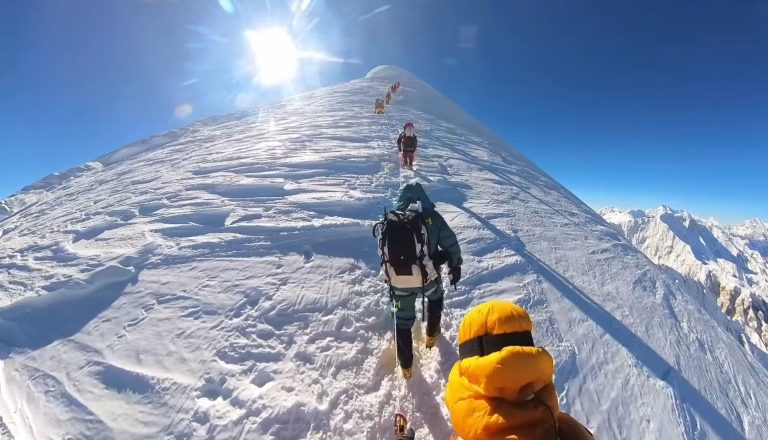
The standard Southwest Ridge Route is the most popular path to the summit, requiring excellent physical fitness, mountaineering experience, and confidence on fixed ropes. Climbers typically establish three high camps above the base camp, ensuring proper acclimatization and safety. Throughout the journey, you’ll be rewarded with panoramic views of Mount Everest, Lhotse, Makalu, and Cho Oyu—a breathtaking panorama unique to the Khumbu region.
The best seasons for the Ama Dablam climb are spring (April–May) and autumn (October–November) when the weather is stable and visibility is clear. With expert Sherpa support, proper preparation, and strong determination, summiting Ama Dablam becomes an unforgettable achievement—one that embodies the spirit, strength, and beauty of the Nepalese Himalayas.
Ama Dablam Expedition Highlights
- Climb one of Nepal’s most beautiful peaks (6,812m): Experience the thrill of summiting Ama Dablam, a striking pyramid-shaped peak often called the Matterhorn of the Himalayas.
- Breathtaking Himalayan views: Enjoy panoramic vistas of Everest, Lhotse, Makalu, Cho Oyu, and Nuptse from high camps and the summit.
- Technical climbing adventure: Challenge yourself on the famous Southwest Ridge Route, featuring a perfect mix of ice, rock, and snow climbing.
- Rich Sherpa culture and hospitality: Explore traditional Sherpa villages like Tengboche and Pangboche, visit ancient monasteries, and experience the warm spirit of the Khumbu region.
- Expert Sherpa guidance and full support: Climb safely with experienced IFMGA/UIAGM-certified guides and a highly skilled Sherpa team ensuring proper acclimatization, equipment setup, and safety.
- Scenic trek to Base Camp: Walk through the legendary Everest Base Camp trail, crossing suspension bridges, rhododendron forests, and glacial valleys.
- Personal achievement of a lifetime: Reaching the summit of Ama Dablam is not only a technical accomplishment but also a deeply rewarding Himalayan experience that blends adventure, culture, and natural beauty.
Route of Ama Dablam Expedition
The Ama Dablam Expedition route follows a scenic and progressive journey through the Everest region of Nepal, blending cultural immersion with technical climbing challenges. The adventure begins with a short scenic flight from Kathmandu to Lukla (2,840m), the gateway to the Khumbu Valley. From Lukla, the trekking route passes through charming Sherpa villages such as Phakding, Namche Bazaar, Tengboche, and Pangboche, allowing climbers to acclimatize gradually while enjoying stunning views of Everest and surrounding peaks.
After reaching Ama Dablam Base Camp (4,600m) near Pangboche, climbers prepare for the ascent via the Southwest Ridge Route—the classic and most popular climbing path. The route features a mix of rock, ice, and snow with sections that require the use of fixed ropes, ascenders, and careful coordination.
Include
What’s Included in the Ama Dablam Expedition Package:
Our Ama Dablam Expedition package offers a complete service plan designed for comfort, safety, and success. From your arrival in Nepal to your return home, every detail is professionally managed by our experienced team.
- Airport Transfers: All arrival and departure transfers for both domestic and international flights, including private vehicle assistance.
- Hotel Accommodation in Kathmandu: Four nights at a comfortable 3-star hotel with breakfast, before and after the expedition.
- Domestic Flights: Round-trip Kathmandu–Lukla–Kathmandu flight tickets for all team members, Sherpa staff, and liaison officers, including 40 kg domestic cargo allowance.
- Transportation & Logistics: Safe transport of expedition gear, food supplies, and equipment to and from Base Camp.
- Permits & Fees: Includes the Ama Dablam Expedition permit, Sagarmatha National Park entry permit, and local municipality fees.
- Trekking Services: Full-board meals (breakfast, lunch, dinner) and lodge accommodation during the trek to Base Camp and return.
- Base Camp Facilities: Individual sleeping tent and mattress, along with dining, kitchen, storage, and toilet tents equipped with necessary furniture and utensils.
- Meals & Fresh Supplies: Hygienically prepared meals and fresh ingredients at Base Camp; high-altitude food and fuel provided above Base Camp (Camp I and Camp II).
- Support Team: One personal Sherpa climbing guide per climber, experienced cook and kitchen staff, and a government liaison officer.
- Equipment & Utilities: Solar or generator power at Base Camp for lighting and device charging; satellite phone available (usage charges apply).
- Insurance & Allowances: All staff insured with wages, equipment, and allowances covered.
- Administrative Support: All agency service charges, official taxes, and expedition coordination included.
Our all-inclusive service ensures that climbers can fully focus on the Ama Dablam summit experience, with comfort, safety, and expert support at every stage.
Exclude
What’s Not Included in the Ama Dablam Expedition Package:
While our Ama Dablam Expedition package covers nearly all essential logistics, a few personal and external costs are not included in the package price. Participants are advised to plan for the following expenses:
- International Flights: Airfare to and from Kathmandu, Nepal, from your home country.
- Nepal Entry Visa: The Nepal tourist visa fee, which can be obtained on arrival at Tribhuvan International Airport or through a Nepalese embassy/consulate.
- Meals in Kathmandu: Lunches and dinners during your hotel stay in Kathmandu are not included in the package.
- Extended Stay: Additional hotel nights in Kathmandu beyond the four nights provided before and after the expedition.
- Personal Climbing Gear: Individual mountaineering equipment and clothing required above Base Camp (boots, harness, ice axe, crampons, etc.).
- Personal Insurance: Comprehensive travel, medical, evacuation, and accident insurance for each climber (mandatory).
- Communication Permits: Applicable customs fees and permit charges for the use of satellite phones, filming, or other communication devices.
- Personal Expenses: Costs of laundry, beverages, internet, postage, and telephone calls, or any other items of a personal nature.
- Tips and Bonuses: Gratuities and summit bonuses for Sherpa guides, porters, and support staff.
- Refundable Deposit: Garbage deposit fee, refundable upon compliance with environmental regulations at the end of the expedition.
Our goal is to provide a transparent and reliable service, ensuring you understand all costs involved in the Ama Dablam climbing expedition. Proper preparation and budgeting help make your Himalayan experience safe, enjoyable and stress-free.
Ama Dablam Expedition Itinerary
Arrive in Kathmandu, Nepal’s vibrant capital. Our team will transfer you to your hotel for check-in and a briefing about the expedition.
Trip Duration:
30 minutes
Accomodation:
3-Star hotel/Resort
Spend the day exploring the rich cultural and historical heritage of the Kathmandu Valley. Visit iconic sites such as Pashupatinath Temple, a sacred Hindu shrine; Boudhanath Stupa, one of the largest Buddhist stupas in the world; and Patan Durbar Square, a UNESCO World Heritage site known for its traditional architecture and temples.
In addition to sightseeing, complete your trekking preparations by obtaining necessary permits, checking and organizing climbing gear, and reviewing expedition logistics. This day ensures you are fully ready for the Ama Dablam trek and climb, while also experiencing the unique culture of Nepal.
Trip Duration:
4 Hours
Accomodation:
3-Star hotel/Resort
Meals:
Breakfast
Start the adventure with a scenic morning flight from Kathmandu to Lukla, the gateway to the Everest region. Upon arrival, meet your trekking team and begin the trek through lush pine and rhododendron forests, crossing several suspension bridges over the Dudh Koshi River.
Enjoy your first glimpse of the surrounding Himalayan peaks along the trail as you make your way to Phakding (2,600m). Overnight stay at a comfortable tea house or lodge, preparing for the gradual ascent ahead.
Trip Duration:
3-4 Hours
Accomodation:
Normal Teahouse
Meals:
Breakfast, Lunch & Dinner
Today, the trek ascends through lush rhododendron and pine forests, following the scenic trail along the Dudh Koshi River. Cross charming suspension bridges and enjoy spectacular views of snow-capped peaks in the distance.
Arrive at Namche Bazaar (3,440m), the vibrant Sherpa trading hub of the Khumbu region. Take time to explore local markets, tea houses, and traditional Sherpa culture while your body begins to acclimatize to the higher altitude. Namche Bazaar is also home to cultural landmarks like the Sherpa Culture Museum and offers panoramic views of Everest, Thamserku, and Kongde Ri.
Trip Duration:
5-6 Hours
Accomodation:
Normal Teahouse
Meals:
Breakfast, Lunch & Dinner
Spend the day acclimatizing at Namche Bazaar, the gateway to the Everest region. Take a rest day or embark on an optional hike to the Everest View Hotel or surrounding viewpoints to enjoy breathtaking panoramas of Mount Everest, Lhotse, and Ama Dablam.
Explore the vibrant local markets, traditional Sherpa villages, and nearby monasteries, gaining insight into the rich culture and heritage of the Khumbu region. This day allows your body to adapt to higher altitude, which is essential for a safe and successful trek to Ama Dablam Base Camp.
Accomodation:
Normal Teahouse
Meals:
Breakfast, Lunch & Dinner
Today’s trek takes you higher into the Khumbu region, leaving behind Namche Bazaar and following trails that pass through traditional Sherpa villages and picturesque landscapes. Enjoy panoramic views of towering Himalayan peaks, including Thamserku, Kangtega, and Ama Dablam, as you ascend gradually to Dole (4,040m).
Along the way, traverse ridges, river valleys, and alpine terrain, observing the unique flora and fauna of the region. This trek not only aids altitude acclimatization but also immerses you in the local Sherpa culture and way of life.
Trip Duration:
5-6 Hours
Accomodation:
Normal Teahouse
Meals:
Breakfast, Lunch & Dinner
Continue your trek higher into the Khumbu region, gradually ascending through alpine terrain with sparse vegetation and open landscapes. The trail offers breathtaking mountain vistas, including views of Ama Dablam, Thamserku, and Kangtega, making this section both challenging and visually rewarding.
Along the way, pass small Sherpa settlements and stone mani walls, providing insight into the region’s spiritual and cultural heritage. The gradual ascent allows for continued altitude acclimatization, preparing your body for higher camps and the approach to Ama Dablam Base Camp.
Trip Duration:
4-5 Hours
Accomodation:
Normal Teahouse
Meals:
Breakfast, Lunch & Dinner
Today’s trek takes you to the pristine Gokyo Valley, renowned for its stunning turquoise glacial lakes and panoramic Himalayan scenery. The trail passes through high-altitude terrain, with views of Cho Oyu, Everest, Lhotse, and Makalu along the way.
Gokyo is a peaceful settlement and an ideal spot for acclimatization, offering a unique blend of natural beauty and Sherpa culture. The surrounding lakes, including Gokyo Lake, are considered sacred and provide a perfect setting for photography and reflection.
Trip Duration:
5-6 Hours
Accomodation:
Normal Teahouse
Meals:
Breakfast, Lunch & Dinner
Spend the day exploring the Gokyo Valley, one of the most picturesque areas in the Everest region. Take an optional hike to Gokyo Ri, a prominent peak offering panoramic views of Mount Everest, Cho Oyu, Lhotse, and Makalu—a photographer’s paradise.
Discover the turquoise Gokyo Lakes and surrounding glaciers, appreciating the serene beauty and high-altitude ecosystem of this sacred area. This day allows for further acclimatization while enjoying some of the most spectacular Himalayan scenery on the Ama Dablam expedition route.
Accomodation:
Normal Teahouse
Meals:
Breakfast, Lunch & Dinner
Continue your trek through high-altitude terrain, leaving the turquoise lakes of Gokyo behind. The trail meanders past glacial streams and rugged landscapes, offering spectacular views of Cho Oyu, Everest, and other surrounding peaks.
Arrive at Thagnak (4,700m), a tranquil settlement that serves as a perfect stop for rest and acclimatization. The serene environment and scenic surroundings make it an ideal location to prepare for the challenging sections ahead, including the ascent toward Ama Dablam Base Camp.
Trip Duration:
6-7 Hours
Accomodation:
Normal Teahouse
Meals:
Breakfast, Lunch & Dinner
Today’s trek is one of the most thrilling highlights of the expedition as you cross the challenging Cho La Pass (5,368m). The ascent to the pass involves high-altitude trekking on rocky and glaciated terrain, offering spectacular views of Everest, Lhotse, Cho Oyu, and surrounding peaks.
After reaching the summit of Cho La Pass, enjoy a rewarding panoramic view of the Khumbu region before descending carefully to Dzongla (4,700m). This section tests your endurance and acclimatization while providing some of the most breathtaking Himalayan scenery on the Ama Dablam route.
Trip Duration:
6-7 Hours
Accomodation:
Normal Teahouse
Meals:
Breakfast, Lunch & Dinner
Begin the descent from Dzongla, trekking through alpine meadows, rocky trails, and glacial valleys. Along the way, admire the colorful Buddhist prayer flags fluttering in the high-altitude wind, adding a spiritual and cultural touch to the journey.
Arrive at Dingboche (4,389m), a picturesque Sherpa village surrounded by stunning peaks like Ama Dablam and Island Peak. This stop provides an excellent opportunity for acclimatization and rest, preparing your body for the upcoming trek to Ama Dablam Base Camp.
Trip Duration:
4-5 Hours
Accomodation:
Normal Teahouse
Meals:
Breakfast, Lunch & Dinner
Today, trek from Dingboche to Ama Dablam Base Camp, the launching point for your climb of this iconic Himalayan peak. The trail gradually ascends through rocky terrain and moraine fields, offering spectacular views of Ama Dablam’s towering southwest ridge.
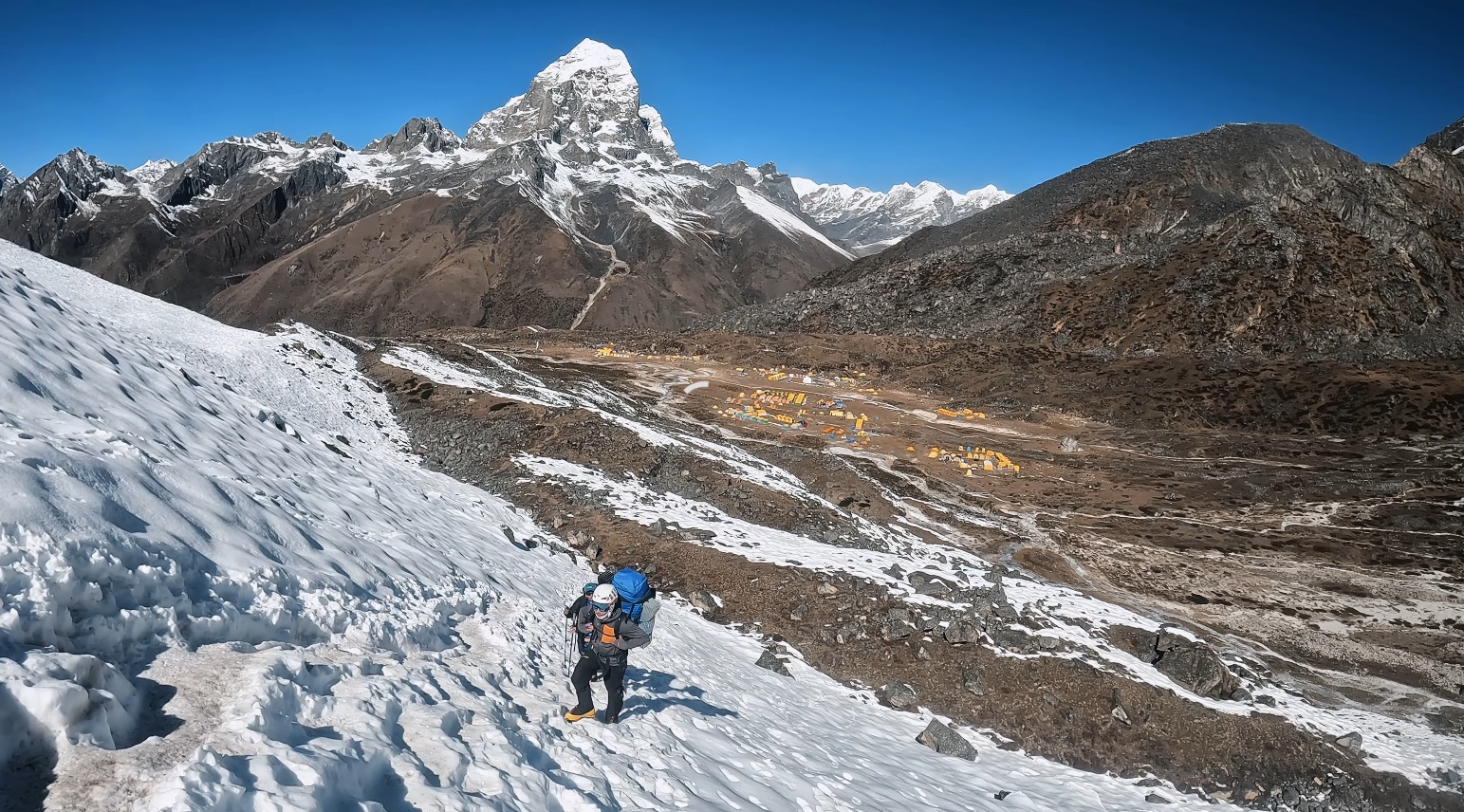
Upon arrival at Base Camp (4,560m), set up your tented camp, organize climbing gear, and receive guidance from your Sherpa support team. This day is essential for preparing equipment, acclimatizing further, and familiarizing yourself with Base Camp facilities. Overnight at tented camp.
Trip Duration:
6 Hours
Accomodation:
Tent Camp
Meals:
Breakfast, Lunch & Dinner
Spend the day acclimatizing at Ama Dablam Base Camp while preparing for the climb ahead. Under the guidance of your experienced Sherpa team, participate in pre-climb training on fixed ropes, basic mountaineering techniques, and safety procedures.
This day allows climbers to adjust to high altitude, practice essential climbing skills, and ensure all gear is properly organized. Enjoy the stunning views of Ama Dablam and surrounding peaks, and take time to rest and hydrate for the upcoming summit push.
Overnight at a tented Base Camp fully prepared for the climbing phase of the expedition.
Accomodation:
Tent Camp
Meals:
Breakfast, Lunch & Dinner
This phase is the core of the Ama Dablam Expedition, focusing on summit attempts via the famous Southwest Ridge Route. Over these days, climbers gradually ascend to higher camps while carefully managing altitude, weather, and physical exertion.
- Camp I (Approx. 5,700m): The first high camp above Base Camp, reached after ascending steep rock and snow sections. Here, climbers adjust to higher altitude and practice rope techniques for the more technical sections ahead.
- Camp II (Approx. 5,900m): Located on exposed snow slopes, this camp allows climbers to rest and acclimatize before pushing higher. The terrain involves steep ice and mixed climbing, requiring careful navigation and expert Sherpa support.
- Camp III (Approx. 6,300m): The final camp before the summit. Climbers prepare for the summit push, dealing with challenging ice, snow, and rock ridges. Strong focus on safety, pacing, and acclimatization is critical at this altitude.
Summit Attempt (6,812m / 22,349 ft)
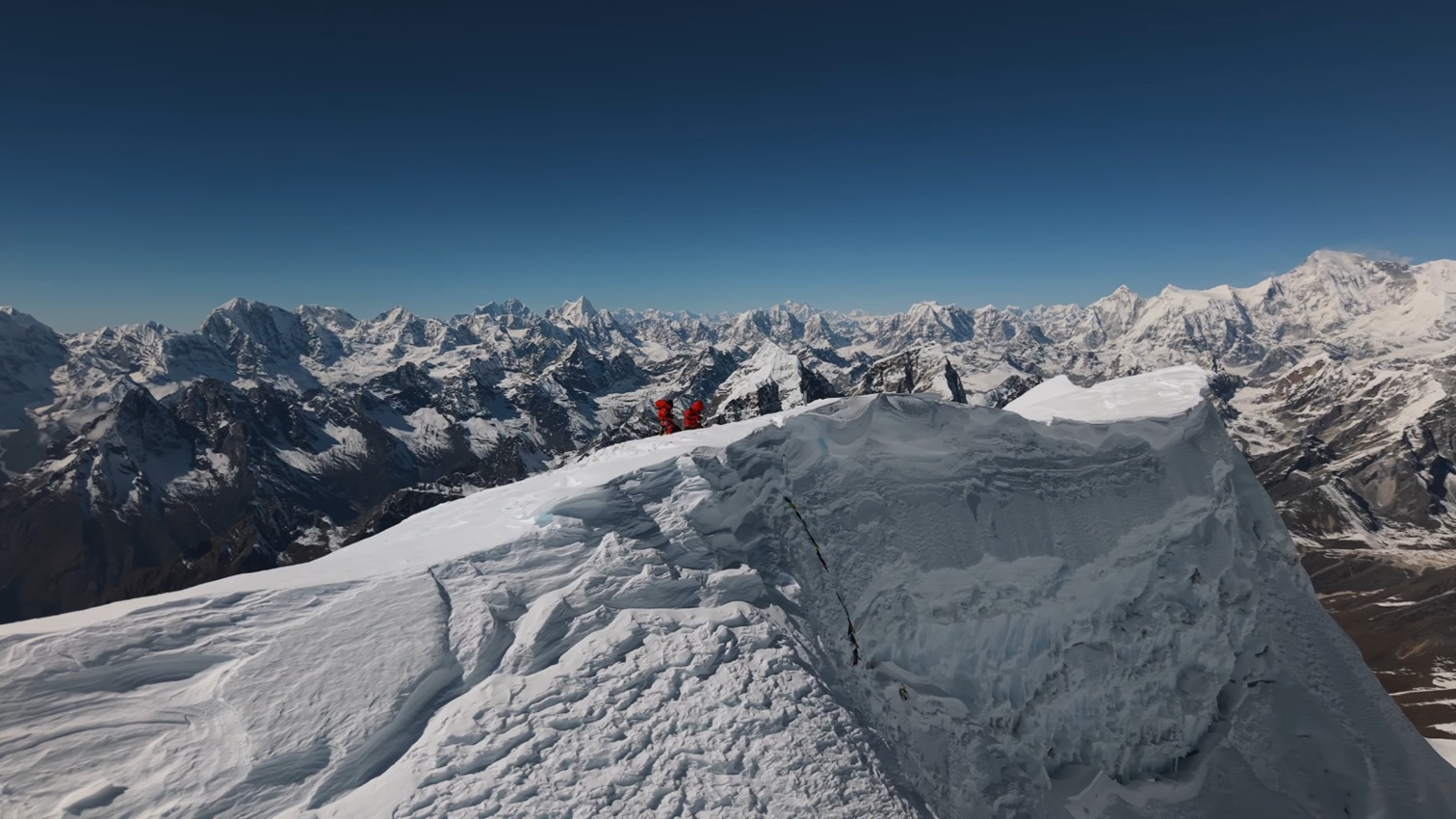
Climbers make the final ascent to the Ama Dablam summit, navigating technical rock and ice sections under expert guidance. Reaching the summit rewards climbers with panoramic views of Everest, Lhotse, Nuptse, Makalu, and the surrounding Khumbu peaks, making it one of the most iconic climbs in Nepal.
After summiting, climbers descend carefully to Base Camp, where rest and recovery are essential. Over these days, climbers may make multiple rotations between camps depending on weather, acclimatization, and summit strategy.
Overnight stays are at tented Base Camp, ensuring climbers have shelter, meals, and support throughout the technical climb.
This climbing period combines high-altitude endurance, technical mountaineering, and breathtaking Himalayan scenery, making the Ama Dablam Expedition a truly world-class adventure.
Accomodation:
Tent Camp
Meals:
Breakfast, Lunch & Dinner
Begin the descent from Ama Dablam Base Camp, retracing your steps through the breathtaking Khumbu Valley. The trail offers panoramic views of Ama Dablam, Everest, Lhotse, and surrounding peaks, making the descent equally scenic as the ascent.
Pass through charming Sherpa villages, mani walls, and prayer flags, immersing yourself again in the rich culture and spiritual heritage of the region. Arrive at Tengboche (3,860m), famous for its historic monastery and stunning backdrop of Himalayan giants.
Trip Duration:
5-6 Hours
Accomodation:
Normal Teahouse
Meals:
Breakfast, Lunch & Dinner
Continue your descent through the Khumbu Valley, passing charming Sherpa villages, monasteries, and dense pine and rhododendron forests. Enjoy stunning views of Ama Dablam, Thamserku, and Kangtega as you make your way back to Namche Bazaar (3,440m).
Take time to explore the vibrant market town, reconnect with the local culture, and celebrate the progress of your expedition. Namche Bazaar offers comfortable tea houses and lodges, providing a perfect stop to rest and rejuvenate before continuing the journey to Lukla.
Trip Duration:
7-8 Hours
Accomodation:
Normal Teahouse
Meals:
Breakfast, Lunch & Dinner
Today marks the final day of trekking in the high-altitude region, as you descend from Namche Bazaar through Sherpa villages, forests, and scenic valleys. Enjoy your last views of the majestic Himalayan peaks, reflecting on the incredible journey and accomplishments of the expedition.
Arrive in Lukla (2,800m), the gateway to the Everest region, and celebrate the completion of the challenging high-altitude trekking section. Overnight stay at a tea house or lodge in Lukla, preparing for the flight back to Kathmandu the next day.
Trip Duration:
5-6 Hours
Accomodation:
Normal Teahouse
Meals:
Breakfast, Lunch & Dinner
Take a scenic morning flight from Lukla to Kathmandu, enjoying aerial views of the Himalayan peaks, glaciers, and valleys one last time. Upon arrival, transfer to your hotel and settle in for some well-deserved rest.
Enjoy free time to relax, explore local markets, or visit nearby cultural sites in Kathmandu. This day offers the perfect opportunity to reflect on your Ama Dablam Expedition achievements and prepare for your onward journey.
Trip Duration:
45 M
Accomodation:
3-Star hotel/Resort
Meals:
Breakfast & Lunch
Spend a leisure day in Kathmandu to relax and enjoy the city’s vibrant culture after the challenging Ama Dablam Expedition. Explore historic sites, bustling local markets, and artisan shops, or participate in optional cultural activities such as visiting Patan Durbar Square, Bhaktapur Durbar Square, or Swayambhunath Stupa.
In the evening, enjoy a traditional Nepali dinner, savoring authentic local flavors and reflecting on your amazing Himalayan journey. This day also provides ample time to pack, organize souvenirs and unwind celebrating the achievements and memories from the Khumbu region and Ama Dablam Expedition.
Accomodation:
3-Star Hotel/Resort
Meals:
Breakfast
After breakfast, you will be transferred to Tribhuvan International Airport in Kathmandu for your onward flight. This marks the conclusion of your Ama Dablam Expedition (6,812m), leaving you with unforgettable memories of towering Himalayan peaks, rich Sherpa culture, and high-altitude adventure.
Take time to reflect on your incredible journey through the Khumbu region, from challenging treks to the technical summit climb. Carry home stories, experiences, and photographs that will be cherished for a lifetime.
Meals:
Breakfast
Ama Dablam Expedition Packing List
Proper gear is essential for a safe and successful Ama Dablam Expedition (6,812m). The climb involves trekking, high-altitude camps, and technical climbing, so all participants must be well-prepared.
Clothing
- Insulated down jacket (warm and lightweight)
- Waterproof and windproof shell jacket and pants
- Fleece or soft-shell jacket
- Thermal base layers (top and bottom)
- Trekking pants and shorts
- Moisture-wicking t-shirts
- Gloves: inner thermal and outer waterproof
- Warm hat/beanie and balaclava
- Sun hat or cap for daytime trekking
- High-altitude climbing boots
- Lightweight trekking shoes or sneakers
- Gaiters for snow protection
Climbing Equipment
- Climbing harness
- Helmet
- Ice axe
- Crampons compatible with your boots
- Carabiners, ascenders, and slings
- Climbing rope (if not provided by expedition)
Camping & Sleeping Gear
- Sleeping bag rated for -20°C or lower
- Sleeping bag liner
- Lightweight trekking backpack (40–50L)
- Daypack (20–30L)
- Water bottles or hydration system
- Trekking poles
Personal Items
- Sunglasses with UV protection
- Sunscreen (SPF 50+) and lip balm
- Headlamp with extra batteries
- Personal first-aid kit and medications
- Toiletries and quick-dry towel
- Snacks, energy bars, and electrolyte tablets
- Camera or smartphone for photos
Optional but Recommended
- Satellite phone or personal communication device
- Small travel pillow
- Personal trekking stove (if preferred)
- Notebook and pen
All technical climbing equipment above Base Camp will need to meet expedition standards. Your Sherpa guide can advise on specific gear requirements, ensuring safety on steep ice and rock sections.
Being well-prepared with the right equipment not only improves safety but also enhances your Ama Dablam climbing experience, allowing you to focus on the breathtaking scenery and summit achievement.
Ama Dablam Expedition FAQs
The Ama Dablam Expedition is widely regarded as one of the most technical and challenging climbs in the Nepal Himalayas. Located in the Khumbu region, the route involves demanding mixed terrain of rock, ice, and snow, combined with long sections of exposed ridge climbing. Most of the route is protected with fixed ropes, requiring climbers to be highly proficient in jumaring, rappelling (abseiling), and rope management.
The section between Camp I and Camp III features steep, near-vertical ice walls and technical rock pitches. Climbers must be prepared for multiple days of sustained climbing at high altitude in extreme and unpredictable mountain conditions.
The Ama Dablam Expedition is generally considered more technically challenging than the Mount Everest Expedition, even though Ama Dablam is significantly lower in altitude. The climb features steep and exposed rock and ice sections that require advanced mountaineering skills, strong rope techniques, and confidence on fixed lines.
In comparison, the standard route on Mount Everest is less technical but far more demanding due to extreme altitude, longer duration and prolonged exposure above 8,000 meters. Ama Dablam is usually completed in a shorter timeframe, making it a popular choice for experienced climbers who prefer technical difficulty over extreme altitude challenges.
The Ama Dablam Expedition is one of Nepal’s most technically demanding peaks. On the Southwest Ridge, about 60% to 70% of climbers successfully reach the summit. Most failed attempts result from insufficient preparation, poor acclimatization, or limited technical experience.
With proper training, guided Sherpa support, and a structured itinerary from Best of Nepal Trek, climbers can significantly improve their chances of success.
Despite its stunning appearance, Ama Dablam is a demanding high-altitude climb that requires respect and careful preparation. Unlike 8,000-meter peaks such as Everest, climbers on Ama Dablam do not typically use supplemental oxygen.
Success on this 6,812-meter mountain depends on gradual acclimatization, strong physical fitness, and technical climbing skills. With proper pacing, staged high camps, and guidance from experienced Sherpas, climbers can safely summit Ama Dablam relying entirely on their natural adaptation to altitude.
A typical Ama Dablam Expedition with Best of Nepal Trek takes about 25 to 30 days, including international travel, trekking from Lukla to Base Camp, proper acclimatization, setting up high camps, and the summit push.
Following a structured itinerary ensures climbers safely adjust to high altitude while having enough time to tackle the mountain’s technical rock and ice sections.
To participate in an Ama Dablam Expedition, climbers must meet strict experience and fitness requirements. These include:
- Successful ascents of at least one or more 6,000-meter peaks
- Proven ability in technical rock, ice, and snow climbing
- Hands-on experience with crampons, ice axes, harnesses, ascenders, and fixed ropes
- Excellent cardiovascular endurance, strength, and altitude acclimatization
Ama Dablam is not a beginner-friendly peak and is best suited for experienced mountaineers aiming to advance their Himalayan climbing careers.
Yes, most Ama Dablam expeditions are led by IFMGA-certified international mountain guides or highly experienced Nepali climbing guides. In addition, skilled Sherpa climbers play a critical role by fixing ropes, carrying loads, managing high camps, and assisting climbers on summit day. Their expertise significantly enhances safety, efficiency, and success rates on this technical peak.
Ama Dablam expeditions are usually conducted in small groups, with a minimum of 2 climbers and a maximum of 8 climbers per team. Smaller group sizes ensure personalized attention from Sherpa guides, better safety management, and efficient movement on narrow ridges and technical sections. Best of Nepal Trek organizes teams to maintain this balance, providing an optimal combination of support, camaraderie, and safety during the climb.
Summit day is the most exciting and challenging part of the Ama Dablam Expedition. Climbers start early, aiming to reach the 6,812-meter summit and return to high camp in a single day. From Camp 2, the round-trip usually takes 12+ hours, or about 10 hours if an intermediate Camp 2.9 is used.
The route is entirely ice and snow, offering a pure alpine climbing experience. Success depends on careful pacing, proper acclimatization, and Sherpa guidance to navigate steep slopes safely.
With Best of Nepal Trek, climbers receive full support, including route management, high camp logistics, and safety oversight, ensuring a memorable and successful summit push in the breathtaking Himalayas.
Climbers are provided with nutritious, high-calorie meals throughout the expedition to support energy demands and acclimatization. During the trekking and base camp phases, meals include a mix of Nepali, Asian, and Western cuisine such as rice, lentils, pasta, vegetables, eggs, soups, and meat dishes.
At higher camps, food is simplified to easy-to-digest, calorie-dense meals, including soups, noodles, dehydrated meals, porridge, energy snacks and hot drinks to maintain hydration and strength at altitude.
Accommodation during the Ama Dablam Expedition is arranged according to altitude and location:
- Trekking Phase: Comfortable local teahouses with basic amenities
- Ama Dablam Base Camp: Fully serviced tented camp with sleeping tents, dining tents, and kitchen facilities
- High Camps (Camp I, II, and III): Lightweight expedition tents shared by climbers
All accommodation arrangements are designed to provide maximum safety, warmth and recovery in high-altitude environments.
During the trekking approach to the Ama Dablam Expedition, climbers stay in traditional Sherpa tea houses, offering a warm cultural atmosphere and a glimpse into Himalayan village life. The lodges we select are clean, well-maintained, and comfortable, with the best facilities available in each village. Standard trips usually include shared rooms—typically twin or sometimes triple occupancy—but private rooms can be arranged for an extra cost.
During the expedition itself, climbers share tents with one or two others. If you prefer a personal tent at Base Camp or high camps, this can be arranged in advance to provide privacy, comfort, and convenience throughout your climb.
The approach to Ama Dablam Base Camp follows the classic Everest region trekking route. Climbers typically take a scenic flight from Kathmandu to Lukla, then trek through Phakding, Namche Bazaar, Tengboche and Pangboche.
This route offers excellent acclimatization opportunities while allowing climbers to experience Sherpa culture, monasteries, and breathtaking Himalayan scenery before reaching base camp.
Ama Dablam expeditions are usually conducted in small groups of 4 to 8 climbers. Smaller group sizes ensure:
- Better safety management on technical terrain
- More personalized guiding and support
- Efficient movement on narrow ridges and fixed-rope sections
This group size is ideal for maintaining flexibility and minimizing risk on exposed sections of the mountain.
Yes, Best of Nepal Trek encourages climbers to team up with friends or fellow adventurers. Whether it’s a close friend you’ve shared past expeditions with, someone you met on other trekking trips, or a climbing partner looking for a new challenge, bringing a companion can make the Ama Dablam Expedition even more rewarding.
Teaming up enhances safety, motivation, and camaraderie on the mountain. Sharing this once-in-a-lifetime high-altitude experience with someone you trust makes the climb more enjoyable, memorable and fulfilling in the breathtaking Himalayas.
Yes, Best of Nepal Trek can arrange a private Ama Dablam Expedition for you and your group. Private expeditions are ideal for climbers seeking a more personalized experience, with dedicated Sherpa support, logistics, and flexible scheduling. Trips must be planned within the suitable climbing season, and additional costs apply due to the customized planning and resources required.
For tailored guidance, team management, and a fully private high-altitude adventure, contact Best of Nepal Trek directly to discuss your group size, itinerary, and any special requirements for your Ama Dablam climb.
Yes, comprehensive mountaineering insurance is mandatory for all Ama Dablam climbers. Your insurance policy must cover:
- High-altitude helicopter evacuation
- Emergency medical treatment
- Search and rescue operations above 6,000 meters
Climbers are required to provide proof of valid insurance before the expedition begins.
Communication during the expedition is maintained through multiple systems, including:
- Satellite phones at Ama Dablam Base Camp
- Walkie-talkies between climbing camps
- Limited mobile phone and internet access in lower villages such as Namche Bazaar
These communication tools ensure coordination between teams, access to weather forecasts, and quick response in emergencies.
Weather conditions on Ama Dablam can be highly unpredictable, even during the main climbing seasons. The best times to climb are spring (April–May) and autumn (October–November), when the weather is relatively stable with clear skies.
However, climbers should still expect strong winds, sub-zero temperatures, snowfall, and sudden weather changes, particularly above Camp I. Proper gear, flexibility in schedule, and weather monitoring are essential for a safe ascent.
The Ama Dablam Expedition requires full technical mountaineering gear to safely handle rock, ice, snow, fixed ropes, and extreme high-altitude weather. Essential equipment includes high-altitude mountaineering boots, crampons, ice axes, harness, helmet, ascenders (jumars), carabiners, and personal safety gear.
Climbers must also bring down clothing, waterproof layers, a high-altitude sleeping bag, backpack, headlamp, and personal essentials. Best of Nepal Trek provides a detailed, season-specific gear checklist, along with gear inspection and rental guidance in Kathmandu to ensure climbers are fully prepared.
Ama Dablam Expedition Good To Know
The Ama Dablam region, located in the Khumbu Valley of Nepal, is renowned not only for its breathtaking mountains but also for its rich Sherpa heritage and Himalayan culture. The name “Ama Dablam” translates to “Mother’s Necklace”, symbolizing the protective embrace of a mother, with the hanging glacier resembling a traditional Sherpa pendant worn by women.
This region has a long history of Himalayan exploration and mountaineering. Ama Dablam was first climbed in 1961, and since then, it has become a legendary peak for technical climbers worldwide. The area served as a traditional route for traders and explorers connecting Nepal with Tibet, fostering a blend of Buddhist spirituality, local folklore, and Sherpa traditions.
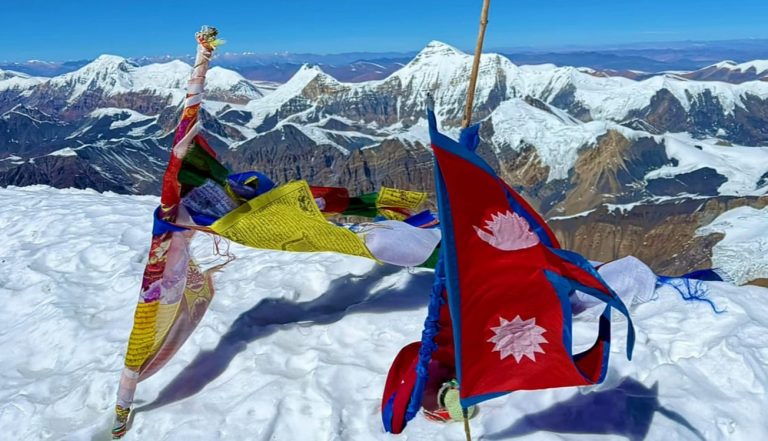
The Khumbu Valley is dotted with ancient monasteries, prayer flags, and stone mani walls, reflecting the deep-rooted Buddhist beliefs and rituals of the local communities. Sherpa villages, such as Namche Bazaar and Tengboche, maintain their traditional lifestyles, celebrating festivals, performing spiritual rituals, and welcoming trekkers with warm hospitality.
Visitors to the Ama Dablam region not only experience stunning Himalayan vistas but also immerse themselves in a living cultural landscape where history, spirituality, and mountaineering legacy intersect, offering a unique and enriching adventure in Nepal.
The Ama Dablam Expedition is located in the Khumbu region of Eastern Nepal, part of the Sagarmatha National Park, a UNESCO World Heritage Site. This area lies in the Solukhumbu District of Koshi Province, north of Kathmandu, and is famous for its stunning Himalayan peaks, including Mount Everest, Lhotse, and Nuptse.
Ama Dablam itself rises to 6,812 meters (22,349 ft) and is considered one of the most iconic and beautiful mountains in the Himalayas, often referred to as the “Matterhorn of the Himalayas”. The expedition route typically begins with a flight from Kathmandu to Lukla (2,800m), followed by trekking through Sherpa villages, rhododendron forests, glacial valleys, and high-altitude passes, eventually reaching Ama Dablam Base Camp (4,560m) before the technical climb.
The region is not only a mountaineering destination but also a cultural heartland of the Sherpa people, offering trekkers and climbers breathtaking scenery, spiritual landmarks, and a glimpse into traditional Himalayan life.
The Ama Dablam Expedition takes you through the heart of the Khumbu region, where you’ll encounter traditional Sherpa villages and communities renowned for their hospitality and rich culture. Trekkers pass through villages such as Namche Bazaar, Tengboche, Dingboche, Machhermo, and Gokyo, each offering a unique glimpse into daily Sherpa life, architecture, and traditions.
The Sherpa people, famous for their mountaineering expertise, have lived in these high-altitude areas for centuries. They practice Buddhism, evident from monasteries, prayer flags, and stone mani walls along the trail. During the expedition, you may see farmers tending yak herds, artisans crafting traditional items, and locals performing daily rituals.
These interactions provide a cultural immersion, allowing climbers to experience authentic Himalayan lifestyle, taste local cuisine, and learn about the spiritual significance of the region. Visiting these villages not only enriches your expedition but also highlights the resilience, warmth, and heritage of the Sherpa communities.
The Ama Dablam region, located in the Khumbu Valley of Nepal, is rich in biodiversity due to its varying altitude and climatic conditions. Trekkers pass through lush forests, alpine meadows, and high-altitude terrain, each hosting unique flora and fauna.
Flora: At lower elevations, the trails are lined with rhododendron, pine, and birch forests, with vibrant rhododendron blooms in spring. As you ascend, the vegetation becomes sparse, giving way to alpine shrubs, mosses, and hardy grasses adapted to the high-altitude environment. These plants not only add color to the landscape but also play a crucial role in soil conservation and ecosystem balance.
Fauna: The region is home to a variety of wildlife, including Himalayan Thar, musk deer, snow leopard, and red panda in higher altitudes. Birdwatchers can spot species like the Himalayan monal (Nepal’s national bird), snowcock, and various pheasants. Yaks, used by locals for transport and farming, are a common sight along the trekking route.
The combination of dramatic mountain scenery, diverse plant life, and unique wildlife makes the Ama Dablam expedition a rewarding experience for nature enthusiasts. Trekkers gain not only breathtaking Himalayan views but also a deep appreciation for the delicate high-altitude ecosystem of Nepal.
Proper acclimatization is essential for a safe and successful Ama Dablam Expedition (6,812m). The trek and climb gradually increase in altitude, allowing climbers to adapt to thinner air, reduce the risk of altitude sickness, and prepare for the technical summit push.
During the trek, strategic rest days are built into the itinerary, particularly at key stops like Namche Bazaar (3,440m), Dingboche (4,389m), and Ama Dablam Base Camp (4,560m). These days allow climbers to hike short trails, explore nearby viewpoints, and practice climbing techniques, which aids in physiological adaptation.
At higher camps, acclimatization involves “climb high, sleep low” rotations, where climbers ascend to Camp I, II, or III during the day and return to Base Camp to rest. This method improves oxygen efficiency, enhances endurance, and prepares the body for the technical summit push to 6,812 meters.
Following proper acclimatization schedules, staying hydrated, eating well, and resting adequately are crucial. By carefully managing altitude exposure, climbers can maximize safety and enjoy the breathtaking Himalayan scenery while achieving the goal of summiting Ama Dablam.
Yes, the Ama Dablam Expedition (6,812m) is considered one of the most thrilling and challenging adventure trips in the Himalayas. Often referred to as the “Matterhorn of the Himalayas”, Ama Dablam is renowned for its steep ridges, technical rock and ice climbing, and breathtaking mountain scenery.
This expedition combines high-altitude trekking through the Khumbu Valley with a technical mountaineering climb, making it ideal for adventure seekers, experienced climbers, and mountaineering enthusiasts. The journey involves trekking through Sherpa villages, rhododendron forests, glacial valleys, and high passes, followed by ascending Camps I, II, and III before the summit push.
Participants experience physical challenges, cultural immersion, and spectacular Himalayan views, making Ama Dablam a complete adventure trip that tests endurance, skill, and resilience. Whether you are seeking the thrill of high-altitude climbing or the beauty of the Khumbu region, Ama Dablam offers an unforgettable adventure experience in Nepal.
The Ama Dablam Expedition (6,812m) is considered a challenging but manageable high-altitude climb for experienced trekkers and mountaineers. While it involves technical climbing on steep rock, ice, and snow, proper preparation, guidance, and acclimatization significantly enhance safety.
Key safety measures include:
- Experienced Sherpa Guides: Every climber is supported by professional Sherpa guides who are skilled in high-altitude mountaineering and familiar with the Ama Dablam route.
- Acclimatization: Following a gradual trekking and climbing schedule with rest days at key villages and Base Camp reduces the risk of altitude sickness.
- Technical Training: Pre-climb training on fixed ropes, ice axes, and crampons ensures climbers are confident on steep and icy terrain.
- High-Quality Gear: Use of tented camps, climbing equipment, and safety ropes provides additional protection during the ascent.
- Weather Monitoring: Climbers are advised to follow weather forecasts and make summit attempts only under safe conditions.
Despite these precautions, the expedition remains high-altitude and technical, requiring physical fitness, mountaineering experience, and mental resilience. Risks such as altitude sickness, extreme weather, and steep terrain exist, but with proper planning and guidance, Ama Dablam is safe for prepared and experienced climbers.
The Ama Dablam Expedition (6,812m) begins and ends in Kathmandu, Nepal, the gateway to the Everest region. Here’s how to reach the expedition base and return safely:
Getting to Ama Dablam:
- International Flight to Kathmandu: Most climbers fly into Tribhuvan International Airport (KTM) in Kathmandu from major international airports.
- Kathmandu to Lukla Flight: From Kathmandu, take a scenic domestic flight to Lukla (2,800m), the starting point for trekking into the Khumbu Valley. This flight offers breathtaking views of the Himalayas, including Everest, Lhotse, and Ama Dablam.
- Trekking to Base Camp: From Lukla, follow the trekking route through Phakding, Namche Bazaar, Dingboche, and Thagnak to reach Ama Dablam Base Camp (4,560m). This trek allows for gradual acclimatization and cultural immersion in Sherpa villages.
Returning from Ama Dablam:
- Descent Trek to Lukla: After the climb, descend through Tengboche, Namche Bazaar, and Phakding back to Lukla.
- Flight to Kathmandu: Take a return flight from Lukla to Kathmandu, enjoying your last aerial views of the Khumbu region and Himalayan peaks.
- Departure from Kathmandu: From Kathmandu, transfer to Tribhuvan International Airport for your onward international flight.
The combination of air travel and trekking ensures a safe and efficient journey while offering stunning views, cultural experiences, and acclimatization opportunities along the way.
Climbing Ama Dablam (6,812m) requires several official permits and entry fees to ensure a safe and legal expedition in Nepal. These permits are carefully managed and must be arranged before the climb:
- Ama Dablam Climbing Permit: Issued by the Nepal Ministry of Tourism, this permit is mandatory for all climbers attempting the summit. The fee is calculated based on the expedition size and peak elevation.
- Sagarmatha National Park Entry Permit (SNP): Ama Dablam lies within the Sagarmatha National Park, a UNESCO World Heritage Site. All trekkers must obtain this permit to enter and trek in the park.
- Khumbu / Local Area Permit: Some regions may require local permits or conservation area fees, which help support local communities and preserve the natural environment.
- TIMS Card (Trekking Information Management System): Trekkers and climbers need a TIMS card, issued by the Nepal Tourism Board, to track trekkers for safety and emergency purposes.
Additional Notes:
- All permits are typically arranged by your expedition operator, including liaising with government authorities and paying the required fees.
- Carry valid identification (passport) during the trek, as permits may be checked at checkpoints along the route.
Properly securing these permits ensures a smooth, legal, and safe Ama Dablam Expedition, allowing climbers to focus on trekking, acclimatization, and summit success.
The Ama Dablam Expedition (6,812m) is best undertaken during the pre-monsoon (spring) and post-monsoon (autumn) seasons, when weather conditions are most favorable for trekking and climbing.
- Spring (March to May):This is one of the most popular times for climbers. The weather is relatively stable, temperatures are moderate, and rhododendrons bloom in the lower Khumbu forests, adding vibrant colors to the trail. Clear skies provide spectacular views of Ama Dablam, Everest, and surrounding peaks, making it ideal for photography and acclimatization hikes.
- Autumn (September to November):After the monsoon, the skies are generally clear, and the trails are free from heavy rain. The air is crisp and visibility is excellent, offering breathtaking panoramas of the Himalayas. Cooler temperatures are suitable for the technical climbing sections, and the region is less crowded than spring.
Climbing outside these seasons, particularly during monsoon (June to August) or winter (December to February), is more challenging due to heavy snowfall, avalanches, and extreme cold, making it less safe for most climbers.
Altitude sickness is one of the most significant risks on the Ama Dablam Expedition (6,812m) due to the high elevations and rapid changes in altitude. Proper preparation, acclimatization, and awareness are key to staying safe and enjoying the climb.
- Gradual Acclimatization:
Follow the principle of “climb high, sleep low”. Spend rest days at key stops such as Namche Bazaar (3,440m), Dingboche (4,389m), and Base Camp (4,560m) to allow your body to adapt to thinner air. Avoid rapid ascent, as it increases the risk of acute mountain sickness (AMS).
- Hydration and Nutrition:
Drink plenty of water throughout the trek, aiming for 3–4 liters per day, and eat light, balanced meals. Staying hydrated and nourished helps your body adjust to altitude and maintain energy levels for trekking and climbing.
- Avoid Alcohol and Smoking:
Both alcohol and smoking can worsen dehydration and reduce oxygen absorption, increasing the risk of altitude sickness. It’s best to avoid these substances during the expedition.
- Medication (Optional):
Some climbers use acetazolamide (Diamox) under medical guidance to help prevent AMS. Consult your doctor before taking any medication at high altitudes.
- Listen to Your Body:
Pay attention to symptoms such as headache, nausea, dizziness, or shortness of breath. If symptoms worsen, descend to a lower altitude immediately and seek medical assistance.
- Physical Preparation:
Train your cardiovascular system, endurance, and strength before the expedition. A well-conditioned body adapts more effectively to high-altitude conditions.
By carefully following acclimatization schedules, staying hydrated, and monitoring your health, climbers can minimize the risk of altitude sickness and focus on successfully summiting Ama Dablam while enjoying the breathtaking Himalayan scenery.
Travel insurance is essential for anyone attempting the Ama Dablam Expedition (6,812m) due to the high-altitude trekking and technical climbing involved. The Khumbu region poses unique risks, including altitude sickness, extreme weather, injuries, and medical emergencies, making comprehensive insurance critical for a safe expedition.
Key Coverage to Consider:
- High-Altitude Trekking and Climbing: Ensure your policy covers trekking and mountaineering up to 7,000 meters, including technical climbs like Ama Dablam.
- Emergency Evacuation: Coverage for helicopter evacuation, medical rescue, and hospital transport in case of serious illness or injury is vital.
- Medical Expenses: Include hospitalization, doctor visits, and medications for high-altitude conditions or unexpected injuries.
- Trip Cancellation and Delay: Protects against unexpected delays, natural disasters, or travel disruptions.
- Loss or Damage to Gear: Coverage for personal climbing equipment, luggage, or valuables during the expedition.
Tips for Climbers:
- Purchase insurance before departure and keep policy documents handy during the trek.
- Verify that the insurance provider covers helicopter rescues in the Everest region, as these can be costly.
- Ensure pre-existing medical conditions are declared and covered.
Having comprehensive travel insurance ensures that climbers can focus on enjoying the Ama Dablam Expedition safely, knowing that medical emergencies, high-altitude risks, and unforeseen events are fully covered.
The Ama Dablam Expedition (6,812m) is located in the Khumbu region of Nepal, where weather and climate conditions vary greatly with altitude and season. Understanding these conditions is essential for a safe and successful climb.
- Seasonal Overview:
- Spring (March to May):One of the best times to climb, with moderate temperatures, stable weather, and blooming rhododendron forests. Clear skies offer stunning views of Ama Dablam, Everest, and surrounding peaks.
- Autumn (September to November):Another ideal climbing season with cool, crisp air, minimal rainfall, and excellent visibility. Trails are less crowded than spring, providing a more peaceful experience.
- Monsoon (June to August):Heavy rainfall and potential landslides or slippery trails make climbing risky. Cloud cover can obscure mountain views.
- Winter (December to February):Extremely cold temperatures, strong winds, and snow make the expedition more challenging. Only highly experienced climbers should consider this season.
- Temperature Range:
- Lower Trekking Areas (2,800–4,500m): Daytime temperatures range from 5°C to 15°C, while nights can drop to -5°C to 0°C.
- High-Altitude Camps (4,560m – Summit 6,812m): Temperatures can range from -10°C to -25°C, with wind chill making it feel colder during climbs.
- Weather Considerations:
- Afternoon Storms: Afternoon snow or wind storms are common at high altitudes, so climbers typically start summit pushes early in the morning.
- Clear Skies in Morning: Morning hours usually provide the safest and clearest conditions for trekking and climbing.
Tips:
- Carry layered clothing, insulated jackets, and windproof gear to adapt to sudden temperature changes.
- Monitor weather forecasts through guides or satellite communication before summit attempts.
By understanding the weather and climate conditions, climbers can plan their trek, acclimatization, and summit pushes safely, ensuring a rewarding and memorable Ama Dablam Expedition experience.
Proper baggage planning is essential for a safe and comfortable Ama Dablam Expedition (6,812m). The trek and climb require carrying gear efficiently while maintaining balance and endurance at high altitude.
- Porter Bag:
- Use a 50–60 liter duffel bag for your main gear.
- This bag typically holds climbing equipment, sleeping bag, clothing, and other essential items.
- Porters usually carry this bag to Base Camp and higher camps, ensuring climbers can travel lighter.
- Day Bag / Backpack:
- Bring a 30–40 liter day pack for daily use during trekking and acclimatization hikes.
- Carry water, snacks, camera, personal items, extra clothing layers, and trekking essentials.
- Keep important documents, medications, and valuables in your day bag for easy access.
Tips for Packing:
- Distribute weight wisely: heavy items in the porter bag, essentials in your day bag.
- Use waterproof covers to protect against rain or snow.
- Pack light, breathable, and layered clothing suitable for varying temperatures.
Following these baggage guidelines ensures climbers remain well-prepared, comfortable, and agile throughout the expedition, while porters assist with the heavier loads for a smoother and safer Ama Dablam journey.
Staying connected and keeping your devices charged is important during the Ama Dablam Expedition (6,812m), both for communication and capturing your Himalayan adventure.
- Base Camp Facilities:
- Electricity is available at Ama Dablam Base Camp and higher camps via generators or solar panels.
- Charging is generally limited and may incur a nominal fee per device.
- Bring a universal travel adapter compatible with Nepalese power outlets.
- Power Banks:
- Carry high-capacity power banks to charge phones, cameras, or GPS devices during trekking days.
- They are particularly useful at high-altitude camps where electricity is limited or unavailable.
- Solar Chargers:
- Portable solar panels are highly recommended for longer expeditions, providing an eco-friendly way to keep gadgets powered.
- Satellite Phones:
- For emergency communication, satellite phones may be available at Base Camp, often with a small usage charge.
- Ensure you know how to use the device in case of medical emergencies or evacuation needs.
Tips:
- Turn off unnecessary features like Wi-Fi and Bluetooth to conserve battery life.
- Keep devices warm and insulated, as cold temperatures at high altitudes can reduce battery performance.
Connectivity on the Ama Dablam Expedition (6,812m) is limited due to the remote high-altitude Himalayan terrain, but climbers can still stay in touch with the outside world with some planning.
- Kathmandu:
- Before and after the expedition, hotels in Kathmandu provide reliable Wi-Fi and internet access, making it easy to check emails, connect with family, or finalize expedition preparations.
- Trekking Route:
- In villages along the route such as Lukla, Namche Bazaar, Tengboche, and Dingboche, tea houses and lodges often offer Wi-Fi for a small fee, but speeds may be slow and connections intermittent.
- Mobile network coverage is available in some areas with Nepalese SIM cards, though high-altitude connectivity can be limited or patchy.
- Base Camp and High Camps:
- At Ama Dablam Base Camp (4,560m) and higher camps, internet access is minimal or non-existent. Some expeditions provide satellite internet or Wi-Fi via satellite phones for emergency use, often at a nominal charge.
- Satellite phones are essential for emergency communication, weather updates, and contact with guides or family.
Tips for Staying Connected:
- Download maps, guides, and entertainment offline before leaving Kathmandu.
- Use power banks and solar chargers to maintain device battery life.
- Rely on satellite phones or walkie-talkies at high altitudes for safety rather than daily internet use.
While internet access is limited during the expedition, careful planning ensures climbers can stay informed, safe, and connected when necessary, allowing them to fully enjoy the Ama Dablam adventure and high-altitude experience.
Nutrition plays a crucial role during the Ama Dablam Expedition (6,812m), providing climbers with energy, stamina, and strength for high-altitude trekking and technical climbing.
- During Trekking to Base Camp:
- Climbers typically stay in tea houses and lodges along the trekking route from Lukla to Ama Dablam Base Camp.
- Popular meals include Dal Bhat (rice and lentils), noodles, soups, vegetables, and eggs, offering a balance of carbohydrates, protein, and essential nutrients.
- Hot beverages like tea, coffee, and cocoa help maintain warmth and hydration.
- at Base Camp and High Camps:
- Base Camp and higher camps provide full-board meals, including breakfast, lunch, and dinner.
- Meals are prepared in kitchen tents, ensuring hygienic and nutritious food.
- High-altitude menus feature instant noodles, oatmeal, pasta, rice dishes, soups, and energy-rich snacks for sustained energy during climbing days.
- Hydration:
- Drink plenty of water, herbal teas, and electrolyte drinks to prevent dehydration, which is common at high altitudes.
Accommodation during the Ama Dablam Expedition (6,812m) varies depending on the stage of the journey, providing climbers with comfort, safety, and rest as they trek and climb through the Khumbu region.
- Kathmandu (Before and After Expedition):
- Climbers stay in 3-star or 4-star hotels with bed and breakfast facilities.
- Hotels offer comfortable rooms, hot showers, and reliable Wi-Fi, ideal for preparation, gear checks, and relaxation.
- Trekking to Base Camp:
- On the route from Lukla to Ama Dablam Base Camp, accommodation is primarily in tea houses and lodges.
- Tea houses provide basic rooms with beds, blankets, and shared bathrooms, along with hot meals.
- Staying in local villages such as Phakding, Namche Bazaar, Dingboche, and Thagnak allows for cultural immersion and acclimatization.
- Base Camp and High Camps:
- At Ama Dablam Base Camp (4,560m) and higher camps, climbers stay in tented camps.
- Tents are single-person or shared, equipped with sleeping mats, mattresses, and blankets.
- Kitchen and dining tents are set up to provide fresh meals, hot drinks, and a communal area for rest and preparation.
- Some camps may also have solar panels or generators for light and charging electronic devices.
While technically possible, climbing Ama Dablam (6,812m) without a professional guide is strongly discouraged. The mountain is a high-altitude technical climb with steep rock, ice, and snow routes, particularly on the Southwest Ridge, which requires advanced mountaineering skills.
Why a Guide is Essential:
- Technical Expertise: Guides are trained in high-altitude climbing, rope handling, crevasse navigation, and fixed rope techniques, ensuring safety on challenging sections.
- Local Knowledge: Experienced Sherpas are familiar with route conditions, weather patterns, and avalanche-prone areas, which is critical for safe summit attempts.
- Acclimatization and Health: Guides monitor altitude sickness symptoms, helping climbers manage rest days, hydration, and high-altitude risks effectively.
- Logistical Support: Guides coordinate permits, base camp setup, food, and equipment transport, allowing climbers to focus on the ascent.
Risks of Climbing Without a Guide:
- Increased danger from falls, avalanches, and sudden weather changes.
- Difficulty in navigation and route-finding at high altitudes.
- Limited emergency support in case of illness or injury.
Most reputable expedition operators require climbers to hire a guide, often assigning one Sherpa per climber, to maximize safety and ensure a successful ascent.
Proper physical preparation is crucial for a safe and successful Ama Dablam Expedition (6,812m). The climb involves high-altitude trekking, technical rock and ice sections, and long days of exertion, requiring endurance, strength, and mental resilience.
- Cardiovascular Training:
- Focus on running, cycling, swimming, or hiking with a weighted backpack to improve stamina and lung capacity.
- Aim for 3–5 cardio sessions per week, gradually increasing intensity to simulate high-altitude effort.
- Strength Training:
- Target legs, core, and upper body with exercises like squats, lunges, step-ups, planks, and pull-ups.
- Strong legs and core help carry heavy loads, maintain balance, and navigate steep slopes.
- Endurance Trekking:
- Practice multi-day hikes with a backpack to simulate trekking conditions.
- Include elevation gain when possible, as climbing at higher altitudes increases oxygen demands.
- Flexibility & Balance:
- Incorporate stretching, yoga, or balance exercises to prevent injuries and enhance stability on uneven terrain.
- High-Altitude Preparation:
- If feasible, do practice hikes at higher elevations to help your body adapt to thinner air.
- Learn to pace yourself and recognize early signs of altitude sickness.
- Mental Preparation:
- Build resilience and focus through visualization, meditation, or challenging outdoor activities.
- Mental toughness is critical for long summit pushes, adverse weather, and technical climbing.
Tips:
- Start training at least 3–6 months before the expedition.
- Gradually increase duration, intensity, and load to avoid overtraining.
- Consult with a medical professional to ensure you’re physically ready for high-altitude climbing.
Following a structured fitness and training plan ensures climbers are well-prepared, confident, and capable of handling the physical and mental demands of the Ama Dablam Expedition, maximizing safety and the chances of a successful summit.
Tipping is a customary practice in Nepal and an important way to show appreciation for services provided by guides, porters, drivers, and support staff during trekking and expeditions like the Ama Dablam Expedition. While not mandatory, tipping is highly encouraged if you are satisfied with the service.
Guidelines for Tipping:
- Climbing Sherpa/Guide: USD 25–35 per day per guide, depending on experience and service quality.
- Porters: USD 10–20 per day per porter.
- Kitchen and Support Staff: USD 5–10 per day.
- Present tips in Nepalese Rupees or USD at the end of the trek, preferably in envelopes labeled with names.
Tipping is a gesture of gratitude and supports the livelihoods of local communities involved in high-altitude expeditions.
The Ama Dablam Expedition (6,812m) for 2025–2026 typically ranges from USD 9,500 to USD 18,000 per person. Costs vary based on group size, expedition duration, level of service, and inclusions such as permits, domestic flights, accommodation, and support from professional Sherpas, porters, and base camp staff.
Reviews
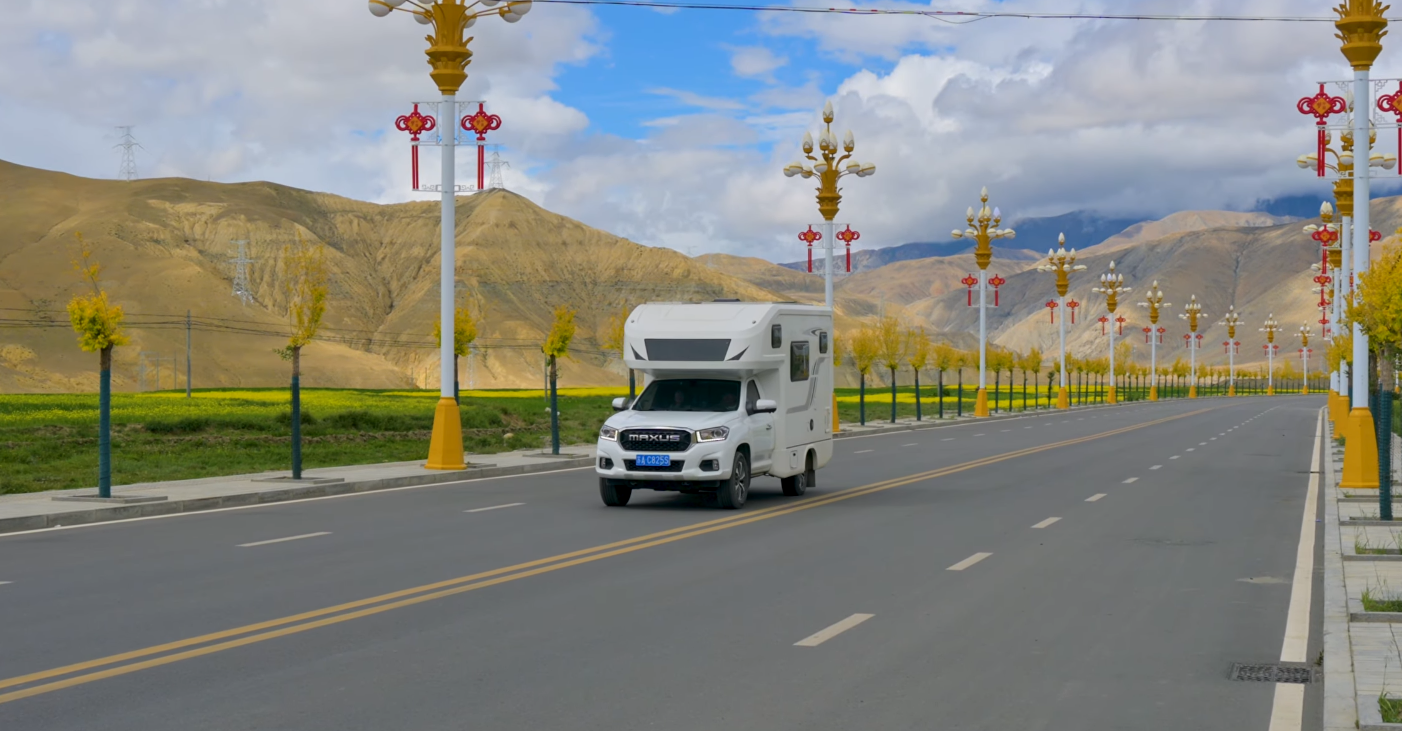
A Memorable Kailash Mansarovar Yatra with Excellent Support
My Kailash Mansarovar Yatra with Best Of Nepal Trek was an unforgettable experience. From the very beginning, everything was well planned and the team made sure our journey was comfortable, safe and enjoyable.
Our guide and the entire staff were friendly, experienced and always ready to help. They took great care of the group, answered all our questions and ensured that every part of the pilgrimage went smoothly.
Visiting the sacred Mount Kailash and Lake Mansarovar was a dream come true. The stunning Himalayan scenery and the peaceful spiritual atmosphere made this journey truly special.
I would like to thank Best Of Nepal Trek for their outstanding hospitality and professional service. I highly recommend them to anyone planning the Kailash Mansarovar Yatra. It was a wonderful experience that I will always remember.
Raada J
,USA

Excellent Kailash Mansarovar Yatra with Best Of Nepal Trek
Everything was well organized from start to finish, and the communication before the trek was smooth and clear. Our guide, Mr. Arjun, was excellent—friendly, knowledgeable and always making sure everyone was safe and comfortable. The entire team at Best Of Nepal Trek was professional, helpful and made us feel welcome throughout the journey.
The Kailash Mansarovar Yatra was a truly unforgettable spiritual experience. From the breathtaking Himalayan landscapes to the peaceful atmosphere around Mount Kailash and Lake Mansarovar, every moment was memorable. I felt well supported throughout the journey, and the team's attention to detail made the pilgrimage comfortable and stress-free.
I highly recommend Best Of Nepal Trek to anyone planning the Kailash Mansarovar Yatra. Thank you to Mr. Arjun and the entire team for making this once-in-a-lifetime journey so special.
Anupam M
,USA

Outstanding Everest Base Camp Trek Experience
Our Everest Base Camp Trek with Best of Nepal Trek was an unforgettable experience from beginning to end. Every detail of the trip was professionally organized and our guide, Shyange Sherpa, was knowledgeable, friendly and always willing to help. His experience and encouragement made the trek enjoyable and safe.
We also enjoyed the Kathmandu city tour, which was a wonderful introduction to Nepal's rich culture and history before the trek. The breathtaking Himalayan scenery and outstanding service made this journey truly special.
We highly recommend Best of Nepal Trek to anyone planning an Everest Base Camp Trek or a Kathmandu city tour in Nepal. Thank you for creating such an incredible and memorable adventure.Gotti M
,Norway
Annapurna Base Camp Trek with Friendly Guide
The Annapurna Base Camp Trek was an unforgettable adventure. Nepal is truly a beautiful country, famous for its warm hospitality, rich culture and unique traditions. The mountain views were absolutely breathtaking throughout the journey. A special thanks to our guide, Suman Tamang, who was friendly, knowledgeable and always ready to help. His support and care made the trek safe, enjoyable and memorable. I highly recommend Best Of Nepal Trek to anyone planning the Annapurna Base Camp Trek in Nepal.
Andrea Stern
,Sweden
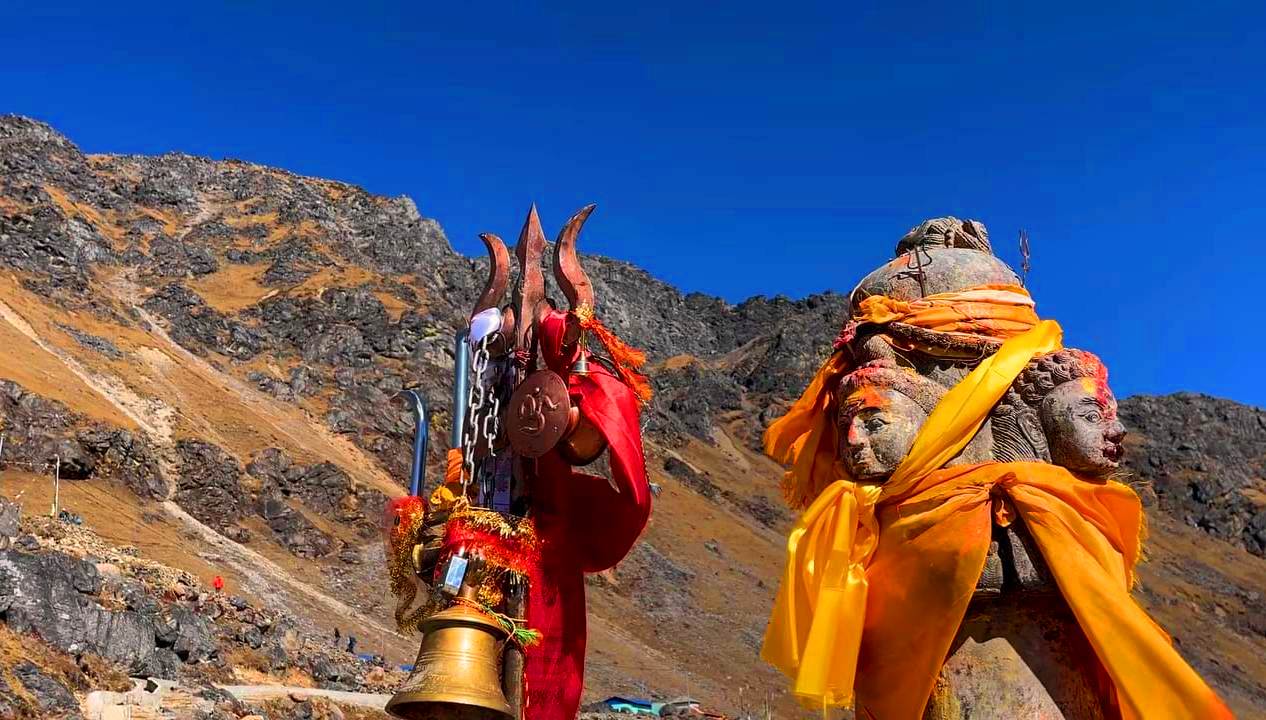
Well-Organized Gosaikunda Trekking with Stunning Himalayan Views
Our Gosaikunda Trekking adventure with Best of Nepal Trek was exceptionally well organized from beginning to end. The guide and porters were friendly, professional and always ready to help. Visiting the sacred Gosaikunda Lake was the highlight of our journey and the breathtaking panoramic mountain views made every step worthwhile. We had a fantastic trip and highly recommend Best of Nepal Trek to anyone planning the Gosaikunda Trek in Nepal.
Anna
,Australia
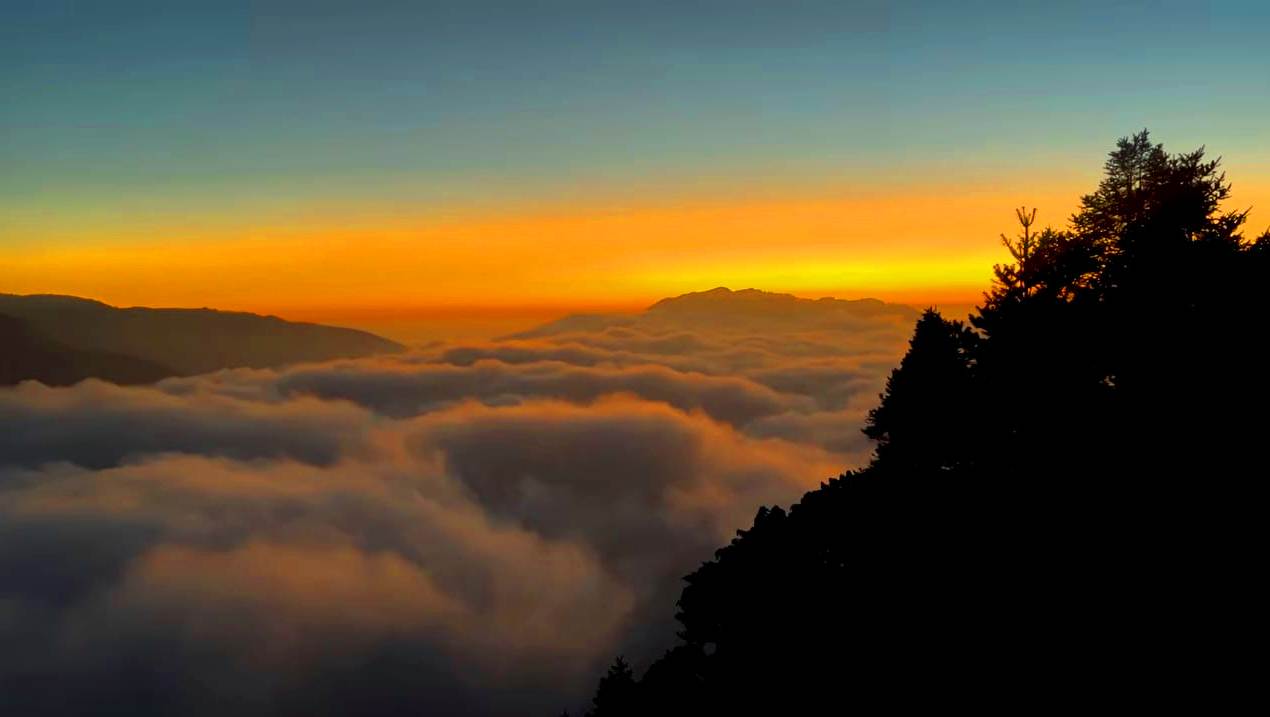
Amazing Gosaikunda Trek Experience
Our Gosaikunda Trek with Best of Nepal Trek was challenging but incredibly rewarding. The stunning Himalayan scenery, peaceful trails and warm hospitality made every moment unforgettable. Our guide, Dipak Sapkota, was knowledgeable, friendly and supportive throughout the trek. Everything was professionally organized, making our adventure safe, enjoyable and truly memorable. We highly recommend Best of Nepal Trek for anyone planning the Gosaikunda Trek in Nepal.
Jennifer,
,Canada
Excellent Kailash Mansarovar Yatra Experience
Our Kailash Mansarovar Yatra with Best of Nepal Trek was exceptionally well organized from start to finish. Communication was smooth and our Guide, Arjun, was friendly, knowledgeable and supportive throughout the journey. We felt safe, well cared for and truly enjoyed this once-in-a-lifetime pilgrimage. I highly recommend Best of Nepal Trek to anyone planning the Kailash Mansarovar Yatra.
Nini
,US
Jungle Safari on Foot in Chitwan
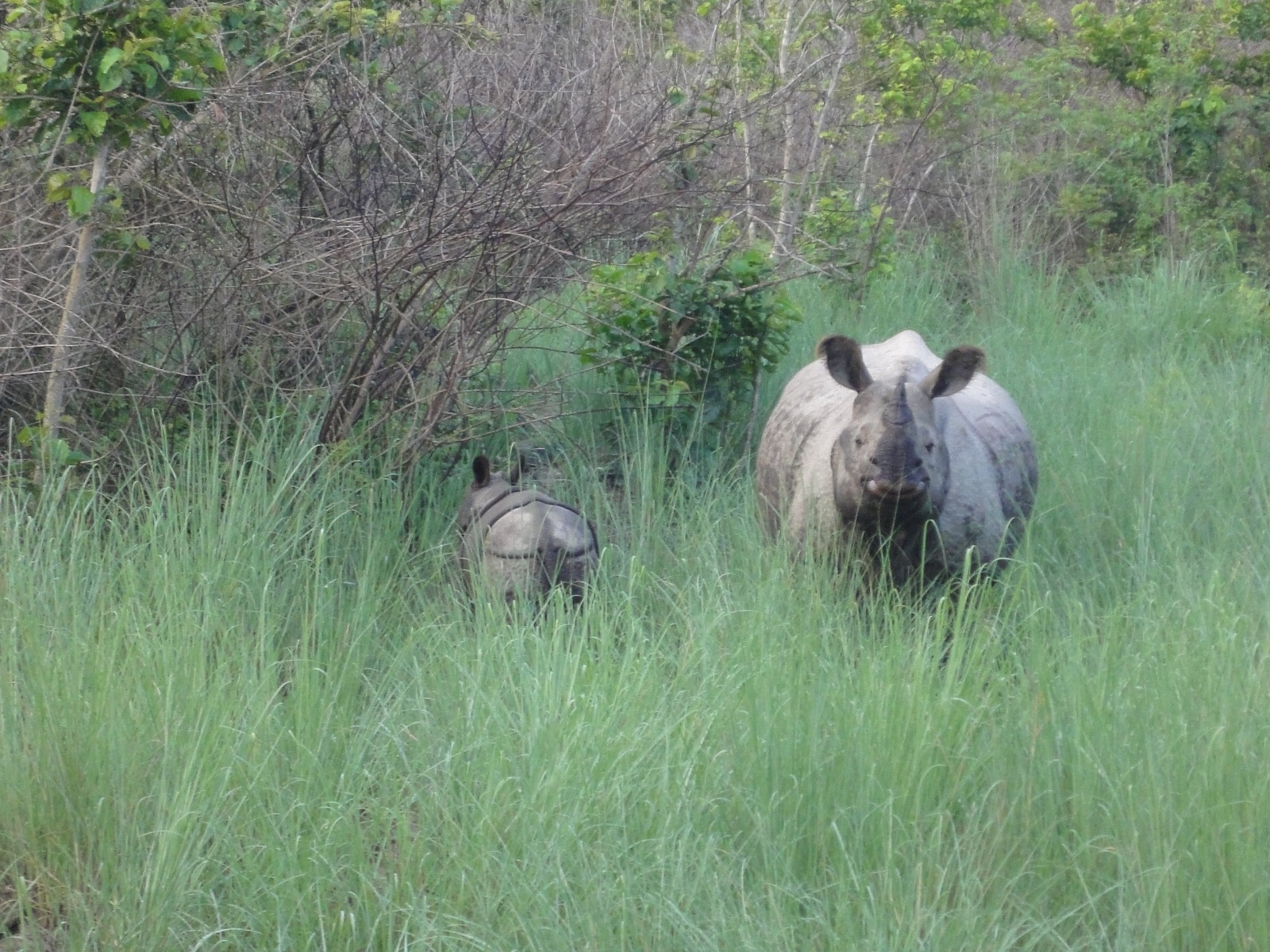
The jungle safari on foot was a really amazing experience. We were lucky to see a mother rhino with her calf, which was truly unforgettable. We also spotted deer and other wildlife along the way.
It was a great adventure in nature and a wonderful way to experience the beauty of the jungle up close.Nina N.
,Australia
Wonderful Jungle Safari Experience
Our Chitwan Jungle Safari Tour with Best Of Nepal Trek was an unforgettable experience. We enjoyed incredible wildlife sightings, including the famous one-horned rhinoceros and had the opportunity to explore the natural beauty of Chitwan National Park.
The guides were knowledgeable and helpful throughout the tour, while the resort staff provided excellent hospitality. The food was delicious and plentiful, making our stay even more enjoyable. Everything was well organized and we highly recommend this tour to anyone looking for a memorable wildlife adventure in Nepal.janet
,US
Chitwan Jungle Safari Tour with Best Of Nepal Trek
My Chitwan Jungle Safari Tour with Best Of Nepal Trek was a fantastic experience. The wildlife sightings, jungle activities and cultural experiences made the trip both exciting and memorable.
Everything was well organized and the team ensured a comfortable and enjoyable journey throughout the tour. I highly recommend Best Of Nepal Trek to anyone looking to explore the natural beauty and wildlife of Chitwan. Thank you for making this adventure so special.Kristen
,United States