
Annapurna Base Camp Trek
Destination:
Nepal
Trip Duration:
13 Days
Max Altitude:
Annapurna Base Camp (4,130m/13,550ft)
Activities:
Trekking
Start Point:
Kathmandu
Ending Point:
Kathmandu
Region:
Annapurna
Trip Grade:
Moderate
Group Size:
1-15 Pax
Accomodation:
Hotel/Normal Teahouses
Meals:
Breakfast, Lunch and Dinner during trekking
Transportation:
Car/Luxury Tourist Bus
Permits Required:
Annapurna Conservation Area Permit (ACAP)
Best Season:
March, April, May and Sept, Oct, Nov
The Annapurna Base Camp Trek is one of the most popular and rewarding trekking adventures in Nepal. Located in the stunning Annapurna region of central Nepal, this iconic Himalayan journey combines breathtaking mountain scenery, rich cultural experiences and diverse natural landscapes within a relatively short trekking duration.
The trek leads deep into the famous Annapurna Sanctuary, surrounded by towering snow-capped peaks and dramatic alpine scenery. Along the route, trekkers enjoy spectacular views of Annapurna I (8,091 m), Annapurna South, Machhapuchhre (Fishtail), Hiunchuli, Gangapurna, Nilgiri and Dhaulagiri. The panoramic mountain views from Annapurna Base Camp are considered among the best in the Himalayas.
Compared to other high-altitude treks in Nepal, the Annapurna Base Camp Trek is considered a moderate and accessible trekking route. Reaching a maximum altitude of 4,130 meters (13,549 ft), the trek is suitable for both beginners and experienced trekkers without requiring technical climbing skills.
One of the most attractive features of the trek is its incredible diversity of landscapes. The trail passes through lush rhododendron forests, bamboo groves, waterfalls, terraced farmland, glacial rivers and peaceful alpine valleys. Trekkers also experience the warm hospitality and unique traditions of the local Gurung and Magar communities living in traditional mountain villages.
The journey usually begins from Pokhara, Nepal’s beautiful lakeside city, and often starts trekking from Nayapul. The standard itinerary generally takes around 10 to 13 days, including the famous Ghorepani Poon Hill route, which is well known for its spectacular Himalayan sunrise views.
Popular villages and stops along the trek include Ghandruk, Chhomrong, Bamboo, Deurali, Machhapuchhre Base Camp (MBC), Annapurna Base Camp (ABC) and Jhinu Danda, famous for its natural hot springs.
With comfortable teahouse accommodation, well-maintained trekking trails, rich Himalayan culture and unforgettable mountain scenery, the Annapurna Base Camp Trek remains one of the best trekking experiences in Nepal.
Annapurna Base Camp Trek Highlights
- Poon Hill Sunrise Panorama: Begin your Annapurna Sanctuary trek with a pre-dawn hike for a breathtaking 360-degree sunrise over the Annapurna and Dhaulagiri ranges—one of Nepal’s most iconic Himalayan panoramas.
- Gurung & Magar Village Cultural Immersion: Experience genuine cultural immersion in charming villages like Ghandruk. Walk stone-paved trails, observe daily life, and visit local gumbas for a deep connection to Nepal’s traditional culture.
- Blooming Rhododendron Forests: In spring, traverse vast evergreen rhododendron forests ablaze with color. This scenic breathtaking landscape near Ghorepani is a highlight for nature lovers and photographers.
- Entering the Annapurna Sanctuary: Feel the awe of stepping into the sacred Annapurna Sanctuary, a high glacial basin surrounded by towering peaks. This moment delivers the unforgettable epic Himalayan reward of the trek.
- Sunrise at Machhapuchhre Base Camp (MBC): Acclimatize at MBC, the gateway to ABC. The dawn light on the near-vertical face of Machhapuchhre (Fishtail Mountain) offers stunning close-up views in a high-altitude location.
- 360-Degree Vista from Annapurna Base Camp Trek: Stand at 4,130 meters (13,550 feet) at Annapurna Base Camp (ABC), encircled by giants like Annapurna I and Annapurna South within the breathtaking amphitheater of the Himalayas.
- Natural Hot Springs at Jhinu Danda: Relax your tired muscles in natural geothermal hot springs beside the river. Surrounded by green hills and peaceful landscapes, Jhinu Danda is a perfect place to unwind after trekking days.
- Diverse & Ever-Changing Terrain: The ABC Trek Nepal is renowned for its diverse terrain. Cross suspension bridges, navigate lush forests, and trek glacial moraines—all showcasing the natural splendor of Nepal.
Route Details of Annapurna Base Camp Trek
The Annapurna Base Camp Trek follows a scenic trail through lush forests, traditional villages, and diverse landscapes, gradually leading trekkers to the heart of the Annapurna Massif. Starting from Syauli Bazaar or Nayapul, the route passes through vibrant Gurung and Magar villages, terraced farmlands, and rhododendron forests.
- Nayapul to Tikhedhunga/Ghorepani: Trek through subtropical forests and riverside trails, reaching Ghorepani for panoramic Himalayan sunrise views.
- Ghorepani to Poon Hill: Early morning hike to Poon Hill (3,210m) for spectacular views of Dhaulagiri, Annapurna South, and Machapuchare.
- Tadapani to Chhomrong: Descend into scenic valleys, passing waterfalls, suspension bridges, and charming villages.
- Chhomrong to Bamboo and Deurali: Follow the Modi River, trekking through lush forests and rugged paths.
- Deurali to Annapurna Base Camp (4,130m): Ascend through alpine landscapes, moraine trails, and glacial terrain to reach the base of Annapurna I, surrounded by towering peaks.
The ABC route is well-marked and teahouse-friendly, offering trekkers a blend of cultural immersion and Himalayan adventure. Along the way, breathtaking vistas, diverse flora and fauna, and traditional villages make the journey unforgettable.
Include
Our Annapurna Base Camp Trek package is designed to provide comfort, safety, and a seamless Himalayan experience. Every essential service is included to ensure a stress-free and well-organized journey from arrival to departure. Below is the full list of what’s covered in your trekking package:
- Airport Transfers: Enjoy hassle-free arrival and departure with private airport pick-up and drop-off in a comfortable tourist vehicle.
- Hotel Accommodation: Stay in well-selected 3-star hotels in Kathmandu and Pokhara, based on twin-sharing or double rooms. Daily breakfast is included to start your mornings fresh.
- Trekking Accommodation: Experience traditional mountain hospitality with clean and cozy tea house/lodge accommodation throughout the trek, arranged on a twin-sharing basis.
- Meals During the Trek: All standard meals—Breakfast, Lunch, and Dinner—are included during the trek. Each meal comes with one hot drink (tea/coffee) and seasonal fruits to keep you energized in the mountains.
- Professional Trekking Staff: A highly experienced, government-licensed, English-speaking trekking guide will lead the journey.
- You will also be supported by porters (1 porter for every 2 trekkers) to carry your luggage. All staff wages, meals, accommodation, insurance, and proper equipment are fully covered.
- Permits and Entry Fees: All mandatory trekking permits, including: Annapurna Conservation Area Permit (ACAP) and TIMS Card (Trekkers’ Information Management System) are included in your package.
- Transportation Services- Travel comfortably with-Luxury tourist bus transfers between Kathmandu and Pokhara/Private vehicle from Pokhara to Nayapul (trek starting point) and back ensuring smooth and safe travel on every leg of your journey.
- Trekking Gear & Souvenirs-Receive useful trekking essentials and memorable keepsakes, including: Complimentary duffel/kit bag, Detailed trekking map, Trip completion certificate
- Administrative & Government Fees: All official paperwork, government taxes, and service charges are fully included, ensuring a transparent and worry-free trekking experience.
Exclude
While our Annapurna Base Camp Trek package covers all essential services, the following items are not included and should be planned for separately:
- Meals in Kathmandu and Pokhara: Lunch and dinner during your stay in Kathmandu and Pokhara are not included, giving you the flexibility to explore local restaurants and cuisine.
- Beverages: All kinds of beverages—including bottled water, boiled water, tea/coffee beyond the included hot drink, soft drinks, and alcoholic beverages—are excluded from the package.
- Travel Insurance: Comprehensive travel insurance covering high-altitude trekking, medical emergencies, and emergency helicopter evacuation is mandatory but not provided. Trekkers must purchase suitable insurance in their home country.
- Tips and Gratuities: Tips for the trekking guide, porters, and drivers are not included. While tipping is not compulsory, it is customary in the Nepal tourism industry and appreciated for good service.
- Nepal Entry Visa: The Nepal visa fee, issued upon arrival at Kathmandu’s Tribhuvan International Airport, is not part of the package and must be paid by each traveler.
- Personal Trekking Gear:Personal trekking equipment such as down jackets, sleeping bags, trekking boots, walking poles, and other gear is not included. You can either bring your own or rent/purchase gear in Kathmandu or Pokhara.
Annapurna Base Camp Trek Itinerary
Arrive at Tribhuvan International Airport, where our representative will welcome you and transfer you to your hotel. After check-in, relax or explore the lively streets of Thamel. In the evening, attend a short trek briefing.
Accomodation:
3 Star Hotel/Resort
Your Annapurna Base Camp (ABC) trek begins with a picturesque drive from Kathmandu to Pokhara. The journey takes approximately 6 to 8 hours by tourist bus, following winding roads along the Trishuli River, through lush valleys, rice terraces, and traditional villages. Along the way, you’ll enjoy glimpses of the Himalayan foothills and experience the rich rural landscapes of Nepal.
Upon arriving in Pokhara—a peaceful lakeside city known as the gateway to the Annapurna region—you can unwind, explore the lakeside area, or enjoy views of Machhapuchhre (Fishtail Peak) reflected in Phewa Lake. With its calm atmosphere and Himalayan backdrop, Pokhara is the perfect place to prepare for your upcoming trekking adventure.
Trip Duration:
Drive 6-7 hours
Accomodation:
3-Star Hotel/Resort
Meals:
Breakfast
After a hearty breakfast in Pokhara, your trekking journey begins with a 1.5-hour drive to Nayapul (1,070m)—the official trailhead of the Annapurna Base Camp Trek. From Nayapul, cross a charming suspension bridge over the Modi Khola and pass through the lively village of Birethanti, where trekkers check in at the ACAP (Annapurna Conservation Area Project) checkpoint.
The trail gradually ascends through terraced farmlands, lush subtropical forests, and traditional Gurung and Magar villages. You’ll encounter cascading streams, grazing mules, and children playing along the trail. After about 4–5 hours of scenic trekking, you reach Tikhedhunga (1,540m)—a peaceful hillside village surrounded by rolling fields and rhododendron trees.
Trip Duration:
Drive 1.5 hour/Trek 4–5 hours
Accomodation:
Normal Teahouse
Meals:
Breakfast, Lunch & Dinner
Your day begins with a challenging ascent from Tikhedhunga to Ulleri (2,050m) via a steep stone staircase of over 3,000 steps. Though physically demanding, the trail rewards you with stunning views of lush hills and distant snow-capped peaks.
From Ulleri, the path continues through dense rhododendron and oak forests, home to diverse birdlife and wildlife. In spring, these forests burst into vibrant colors, offering one of the most beautiful natural spectacles in the Annapurna region. As you gain altitude, the air becomes cooler, and panoramic views of Annapurna South, Hiunchuli, and Machhapuchhre (Fishtail) start to unfold.
By afternoon, you arrive at Ghorepani (2,750m)—a charming Magar village and an important crossroads on the trekking route. Historically a rest stop for traders and horse caravans, Ghorepani now serves as a key stopover for trekkers headed toward Poon Hill and Annapurna Base Camp.
Trip Duration:
6–7 hours
Accomodation:
Normal Teahouse
Meals:
Breakfast, Lunch & Dinner
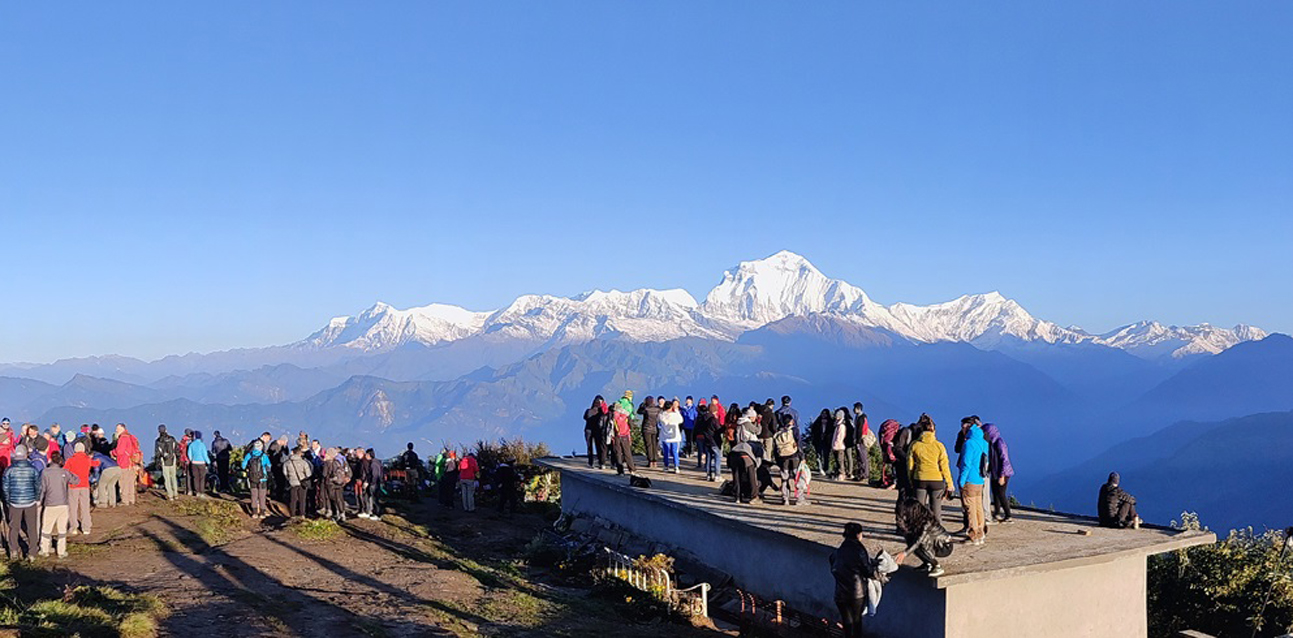
Rise before dawn for a pre-sunrise hike to Poon Hill (3,210m)—one of Nepal’s most iconic viewpoints. A short but steep uphill trek brings you to a ridge that offers a 360-degree panorama of the Annapurna and Dhaulagiri mountain ranges, including Annapurna I, Annapurna South, Machhapuchhre (Fishtail), Hiunchuli, and Dhaulagiri. As the sun rises and paints the peaks in golden hues, you’ll witness a breathtaking moment that many consider the highlight of the trek.
After descending back to Ghorepani for breakfast, the trek continues eastward through lush rhododendron, pine, and oak forests, with sections of the trail tracing scenic ridgelines. Along the way, you’ll pass small waterfalls, birdsong-filled woodlands, and occasional mountain vistas. The trail includes a mix of short ascents and descents before reaching Tadapani (2,710m), a peaceful settlement nestled in a forest clearing with striking views of Machhapuchhre and Annapurna South.
Trip Duration:
4 - 5 Hours
Accomodation:
Normal Teahouse
Meals:
Breakfast, Lunch & Dinner
Begin your day with a scenic descent through dense oak and rhododendron forests, filled with birdsong and Himalayan flora. The trail winds downhill until you reach the Kimrong Khola, which you’ll cross via a traditional suspension bridge surrounded by lush greenery.
From there, start a steady ascent toward Chhomrong (2,100m), one of the largest and most beautiful Gurung villages in the Annapurna region. Located on the lap of the majestic Annapurna South, Chhomrong offers sweeping views of Annapurna I, Machhapuchhre (Fishtail), and Hiunchuli.
This village is also known for its traditional stone houses, terraced fields, and warm hospitality. It’s a perfect place to rest and absorb the region’s rich culture before heading deeper into the Annapurna Sanctuary.
Trip Duration:
4-5 Hours
Accomodation:
Normal Teahouse
Meals:
Breakfast, Lunch & Dinner
Today’s journey begins with a steep descent to the Chhomrong Khola, followed by a challenging uphill climb through shaded forests to Sinuwa (2,340m). This portion tests your endurance but rewards you with cooler air, lush greenery, and glimpses of snow-capped peaks.
From Sinuwa, the trail winds through dense bamboo and rhododendron forests, passing cascading waterfalls, mossy cliffs, and tranquil streams. You’ll briefly rest at Bamboo village (2,310m), then continue toward Dovan, a quiet stop nestled in the heart of the forest. Located along the Modi Khola river, Dovan marks your entry into the Annapurna Sanctuary, where the landscape becomes wilder and more serene with every step.
Trip Duration:
6-7 Hours
Accomodation:
Normal Teahouse
Meals:
Breakfast, Lunch & Dinner
Today’s trek takes you deeper into the Annapurna Sanctuary, ascending gradually from Dovan through serene forests of bamboo and rhododendron. You’ll pass the Himalaya Hotel (2,920m) and continue upward to Deurali (3,230m), enjoying occasional views of the valley and surrounding cliffs.
As you cross Hinko Cave, a historical rest stop used by shepherds and early mountaineers, the trail opens up into alpine terrain. After navigating past Bagar, a small settlement, you reach Machhapuchhre Base Camp (MBC)—nestled beneath the awe-inspiring Machhapuchhre (Fishtail Mountain), a sacred peak that remains unclimbed due to its spiritual significance.
At MBC, you’re surrounded by a dramatic amphitheater of Himalayan giants, including Hiunchuli, Annapurna South, and Gangapurna, making this one of the most breathtaking viewpoints on the trek.
Trip Duration:
6-7 Hours
Accomodation:
Normal Teahouse
Meals:
Breakfast, Lunch & Dinner
Today marks the most rewarding moment of your journey. After an early breakfast at MBC, begin a steady uphill hike toward Annapurna Base Camp (ABC). The trail ascends gradually along the Modi Khola riverbed, offering stunning views with every step.
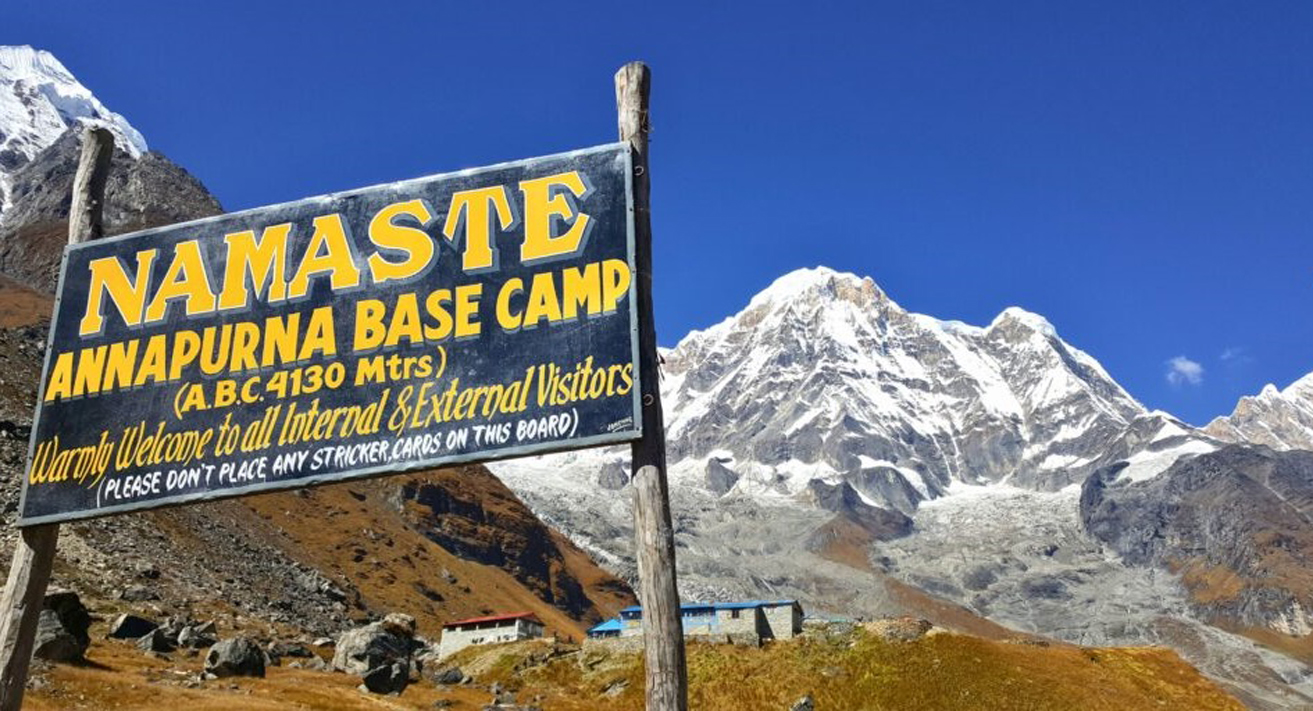
As you reach ABC at 4,130 meters, you find yourself in the heart of the Annapurna Sanctuary, a vast, high-altitude glacial basin encircled by towering peaks. Here, you’re completely surrounded by Himalayan giants, including Annapurna I (8,091m), Hiunchuli, Annapurna South, Baraha Shikhar, and the sacred Machhapuchhre (Fishtail Mountain).
This is the perfect place to rest, reflect, and marvel at the scale and serenity of the Himalayas. Sunset views are especially magical, as golden light illuminates the snowy peaks in a once-in-a-lifetime panorama.
Trip Duration:
2-3 Hours
Accomodation:
Normal Teahouse
Meals:
Breakfast, Lunch & Dinner
Begin your day with an unforgettable sunrise over the Annapurna range—a golden spectacle that lights up the snow-clad peaks, creating one last magical moment at base camp. After breakfast, start your descent back down the Annapurna Sanctuary, retracing the trail through Machhapuchhre Base Camp, Deurali, Himalaya, and Dovan, before reaching the peaceful forest village of Bamboo.
The downhill walk is steep in sections but easier on the lungs. Along the way, witness how the terrain shifts from alpine to dense forest, passing waterfalls, moss-covered rocks, and rhododendron groves. This section offers a new perspective of the landscape you previously ascended—now viewed with the sense of achievement that only comes after reaching ABC.
Trip Duration:
6-7 Hours
Accomodation:
Normal Teahouse
Meals:
Breakfast, Lunch & Dinner
Today’s trek continues with a descent through lush forests of bamboo, rhododendron, and oak, offering refreshing shade and serene mountain scenery. After a series of ascents and descents, you’ll arrive at Jhinu Danda, a peaceful village perched on a hillside.
What makes this day extra special is the chance to soak in the natural hot springs located about a 20-minute walk downhill from the teahouses. Nestled beside the Modi Khola river, these geothermal pools are the perfect place to relax sore muscles and reflect on your incredible journey through the Himalayas.
Trip Duration:
5-6 Hours
Accomodation:
Normal Teahouse
Meals:
Breakfast, Lunch & Dinner
Your final trekking day begins with a gentle descent through scenic terraced farmlands, lush forests, and quaint hillside villages as you make your way to Nayapul, the official endpoint of the trek. Along the trail, enjoy the last glimpses of traditional Nepali countryside life and mountain landscapes.
From Nayapul, a private or shared vehicle will transfer you back to Pokhara, where you can unwind by the lakeside, indulge in a well-earned meal, or explore the local markets. It’s the perfect way to wrap up your unforgettable Annapurna Base Camp adventure.
Trip Duration:
5-6 Hours
Accomodation:
3-Star Hotel/Resort
Meals:
Breakfast & Lunch
After an unforgettable journey through the Annapurna region, it’s time to return to Kathmandu. Enjoy a 7–9 hour scenic drive through the rolling hills, winding rivers, and charming countryside that define Nepal’s landscape. The tourist bus offers comfort and views, making it a relaxing way to reflect on your trekking adventure.
Once in Kathmandu, you’ll have time to unwind, shop for souvenirs, or enjoy a celebratory dinner in Thamel—the city’s vibrant traveler hub.
Trip Duration:
Drive 6-7 Hours
Accomodation:
3-Star Hotel/Resort
Meals:
Breakfast
Your incredible Annapurna Base Camp trekking journey comes to an end today. Depending on your flight schedule, a representative will provide a timely transfer from your hotel to Tribhuvan International Airport in Kathmandu. Depart with unforgettable memories of the Himalayas, vibrant cultures, and scenic trails.
We hope to see you again for your next adventure in Nepal!
Accomodation:
3-Star Hotel/Resort
Meals:
Breakfast
Trekking Equipment List for the Annapurna Base Camp Trek
Proper gear is essential for a comfortable, safe, and successful trek to Annapurna Base Camp Trek (ABC). This list covers all the essentials you’ll need to handle variable conditions—from warm, humid lowlands to freezing, high-altitude nights.
Essential Trekking Gear:
- Comfortable trekking backpack (30–40L with rain cover)
- Duffel bag (if using porters)
- Daypack for personal use
- Sleeping bag (rated for -5°C to -15°C)
- Trekking poles (collapsible and lightweight)
- Headlamp with extra batteries
- Water bottles or hydration bladder (minimum 2L)
- Water purification tablets or filter
Clothing for Annapurna Base Camp (ABC) Trek
- Base Layer (Moisture-Wicking)
- 2–3 thermal tops (quick-drying)
- 2 thermal bottoms
Mid Layer
- 1–2 fleece jackets or warm sweaters
- Insulated down jacket (lightweight and packable)
Outer Layer
- Waterproof/windproof jacket and pants (Gore-Tex or similar)
Trekking Wear:
- 2–3 quick-dry trekking shirts (long & short sleeve)
- 2–3 pairs of trekking trousers
- 1 pair of trekking shorts (optional, for lower altitudes)
Innerwear and Accessories
- 4–5 pairs of moisture-wicking socks
- 3–4 sets of underwear
- 1 pair of thermal gloves
- 1 pair of windproof gloves
- Warm hat or beanie
- Sun hat or cap with brim
- Buff or scarf for dust/wind protection
Footwear
- Sturdy, broken-in trekking boots (ankle support recommended)
- Lightweight camp shoes or sandals (for evenings)
- Gaiters (optional during monsoon or snow season)
Personal Hygiene & Toiletries
- Quick-dry towel
- Toothbrush, toothpaste, biodegradable soap
- Sunscreen (SPF 30+) and lip balm with SPF
- Hand sanitizer and wet wipes
- Toilet paper (and plastic bag for waste)
- Small personal first aid kit (with blister care, band-aids, painkillers, etc.)
- Feminine hygiene products (if applicable)
Electronics & Miscellaneous
- Power bank (10,000mAh or more)
- Universal adapter
- Extra camera batteries or memory cards
- Lightweight camera or smartphone for photography
- Trekking map or guidebook
- Notebook and pen (optional)
Documents & Money
- Passport (valid and with Nepal visa)
- Trekking permits (ACAP and TIMS – usually arranged by trekking company)
- Travel insurance certificate
- Copies of all important documents
- Cash in Nepalese rupees (ATMs are rare on the trail)
Annapurna Base Camp Trek FAQs
Best Of Nepal Trek is a trusted trekking company offering safe, well-organized, and memorable Himalayan adventures since 2018. With experienced local guides, personalized service, and carefully planned trekking packages, we ensure an enjoyable experience for every traveler.
Our team focuses on safety, authentic cultural experiences, and responsible trekking practices, helping trekkers explore Nepal’s mountains with confidence and comfort. From short Himalayan treks to high-altitude adventures, Best Of Nepal Trek is committed to providing professional service and unforgettable journeys.
Most travelers joining the ABC Trek in Nepal’s Annapurna region can obtain a visa on arrival at Tribhuvan International Airport in Kathmandu. The process is simple and convenient for tourists visiting Nepal for trekking up to Annapurna Base Camp Trek 4,130 meter.
Before traveling, make sure your passport is valid for at least 6 months beyond your intended departure date. Some countries may not be allowed entry if the passport validity is shorter.
On arrival, you can complete the visa application form, pay the required fee, and receive your visa at the airport immigration counter. Visa options usually include 15, 30, or 90 days depending on your travel plan.
For the most accurate and updated visa rules, it is recommended to check the official immigration website http://www.nepalimmigration.gov.np of Nepal before your trip.
Our staff will warmly welcome you upon your arrival at Tribhuvan International Airport. A representative will be waiting outside the airport terminal holding a Best Of Nepal Trek signboard with your name for easy identification.
You will then be transferred comfortably to your hotel in Kathmandu by a private tourist vehicle, ensuring a smooth and hassle-free start to your trekking journey.
Annapurna Base Camp Trek is located in central Nepal, within the stunning Annapurna Sanctuary at an elevation of 4,130 meters (13,550 feet). It lies inside the Annapurna Conservation Area, one of Nepal’s most protected and scenic trekking regions.
Surrounded by towering Himalayan giants like Annapurna I, Machapuchare and Hiunchuli, this base camp offers panoramic mountain views and is a major highlight of trekking in the Annapurna region.
While Nepal boasts countless trails, the Annapurna region holds a unique charm. It is a shorter, “quite easy” adventure compared to its high-altitude cousins, making it perfect for those with limited time but a big appetite for natural beauty.
Here is why savvy travelers rank ABC Trek over other treks:
Diverse Landscapes in a Short Time: Walk from subtropical forests to arctic-like glacial moraines in just a few days.
Cultural Immersion: Unlike restricted areas, ABC allows deep interaction with the Gurung and Magar communities, famous for their bravery, unique architecture, and hospitality.
The Hot Spring Reward: The natural geothermal baths at Jhinu Danda provide the ultimate muscle relief at the end of your trek.
The “Fish Tail” View: The sacred peak of Machhapuchhre (Fishtail) dominates the skyline, never conquered due to its holy status, yet offering a perfect photographic backdrop.
The Annapurna Base Camp (ABC) Trek usually takes 5 to 11 days to complete, depending on the chosen route, trekking pace, and whether you include scenic detours like Poon Hill or Jhinu Danda. The total trekking distance ranges between 67 to 115 kilometers (42 to 71 miles) round trip.
This flexible itinerary makes the ABC trek ideal for both beginner and experienced trekkers looking for a rewarding Himalayan adventure.
The Annapurna Base Camp Trek is considered one of the best treks in the world because it offers a perfect combination of breathtaking Himalayan scenery, rich cultural experiences and comfortable trekking conditions.
Trekkers enjoy close-up views of 8,000-meter peaks like Annapurna I and Machhapuchhre, walk through beautiful rhododendron forests, and experience traditional Gurung villages along the trail. With well-established teahouse accommodation and duration of just 7 to 11 days, it provides an accessible, affordable, and highly rewarding Himalayan adventure.
The best time to trek to Annapurna Base Camp Trek is during spring (March to May) and autumn (September to November). These seasons provide stable weather, clear mountain views, and comfortable temperatures.
Spring offers blooming rhododendrons and vibrant landscapes, while autumn brings crisp air and excellent visibility after the monsoon rains. These months are ideal for experiencing the beauty of the Himalayas with fewer weather-related disruptions.
Yes, all trekkers heading to Annapurna Base Camp Trek must obtain two essential permits:
- TIMS Card(Trekkers’ Information Management System)
- ACAP Permit(Annapurna Conservation Area Permit)
These permits help regulate trekking and support conservation efforts in the Annapurna region. You can easily obtain them through a registered trekking agency or at official tourism offices in Kathmandu or Pokhara before starting your trek.
The Annapurna Base Camp Trek is considered moderate in difficulty. It is ideal for trekkers with a basic fitness level and does not require any technical climbing skills. The trail includes daily walks of around 4 to 7 hours, with gradual ascents and some steep stone staircases—especially near Chhomrong and Deurali.
While the trek reaches a high point of 4,130 meters at Annapurna Base Camp (ABC), proper acclimatization, hydration and pacing make it manageable for most healthy individuals. First-time trekkers often succeed on this route with preparation and guidance.
Yes, acclimatization is important on the Annapurna Base Camp (ABC) trek. Although the maximum altitude of 4,130 meters is lower than some other high-altitude treks, there’s still a risk of altitude sickness as you ascend above 3,000 meters.
To reduce this risk, it’s recommended to follow a gradual ascent, stay hydrated, and include rest days at key points like Chhomrong or Dovan. Listening to your body and trekking at a steady pace can help ensure a safer and more enjoyable journey in the Himalayas.
During the Annapurna Base Camp Trek, accommodation is mainly in teahouses and lodges along the trail. These typically provide basic rooms with twin beds and shared bathroom facilities.
Meals are available at the teahouses, making it convenient for trekkers. For added comfort, some lodges offer upgraded rooms featuring private bathrooms and hot showers, usually at an additional cost.
Yes, it is sometimes possible to get private rooms during the Annapurna Base Camp Trek, especially in lower-altitude villages such as Ghandruk, Chhomrong and Jhinu Danda. These areas have better-developed teahouses with more room options.
However, as you go higher up the trail toward places like Deurali, Machhapuchhre Base Camp, and Annapurna Base Camp, accommodation becomes more limited. In these higher regions, twin-sharing rooms are more common, and private rooms may not always be available, especially during peak trekking seasons.
Availability also depends on the season and crowd levels. During busy months (spring and autumn), trekkers may need to share rooms due to high demand. Booking through a guide or trekking agency can increase the chances of securing private accommodation where possible.
Overall, while private rooms are available in some sections, trekkers should be flexible, especially at higher elevations.
Along the ABC trail, trekkers can enjoy a variety of meals including traditional Nepali dishes like dal bhat and momos, as well as international options such as noodles, pasta, and soups. Breakfast items like pancakes and porridge are also common. Vegetarian meals are widely available and safe, catering to diverse dietary preferences.
It is not recommended to drink untreated tap water during the Trek in Nepal. Water sources along the trail are not always purified, and consuming untreated water may increase the risk of stomach infections or illness while trekking at higher altitudes.
Most teahouses and lodges provide boiled or filtered drinking water, which is safe for trekkers. In addition, many travelers use water purification tablets or portable filters as an extra safety measure.
Bottled water is also available in some places, but it becomes more expensive at higher elevations and is less environmentally friendly due to plastic waste.
Best Practice
For a safe and eco-friendly trekking experience, it is best to rely on:
- Boiled water from teahouses
- Filtered drinking water
- Personal purification tablets or filters
Staying properly hydrated with safe water sources is essential for health and energy during the ABC Trek, ensuring a comfortable and enjoyable Himalayan journey.
During the Annapurna Base Camp Trek, trekkers may experience altitude-related symptoms as the route reaches up to 4,130 meters. Although the trek is considered moderate, it is still important to understand and recognize early signs of altitude sickness for a safe journey.
Common symptoms include:
- Headache or pressure in the head
- Dizziness or light-headedness
- Nausea or loss of appetite
- Unusual tiredness or weakness
- Difficulty sleeping
- Shortness of breath during light activity
Important warning signs:
If symptoms become more serious, it may indicate a severe condition and requires immediate attention. Warning signs include:
- Persistent vomiting
- Confusion or difficulty thinking clearly
- Trouble walking or maintaining balance
What to do if symptoms appear:
- Stop ascending and take rest
- Drink plenty of water
- Avoid alcohol and heavy meals
- Inform your guide or trekking group immediately
- Descend to a lower altitude if symptoms worsen
Recognizing symptoms early and taking proper precautions is essential for a safe trekking experience. With a gradual ascent, proper rest, and hydration, most trekkers complete the Annapurna Base Camp Trek comfortably while enjoying the stunning Himalayan scenery.
The most commonly used medication for preventing and managing altitude sickness during the Annapurna Base Camp Trek is Acetazolamide (Diamox). It helps the body adjust more quickly to higher altitudes by improving breathing efficiency and increasing oxygen intake.
Diamox is often taken as a preventive measure before or during ascent, but it should always be used only after consulting a doctor. It does not cure altitude sickness but helps reduce the risk and severity of symptoms when combined with proper acclimatization.
In addition to Acetazolamide, mild pain relievers such as ibuprofen or paracetamol may be used to manage headaches. In some cases, doctors may also prescribe anti-nausea medication for stomach-related symptoms.
However, medication should never replace safe trekking practices. The most effective way to prevent altitude sickness is to ascend slowly, stay hydrated, rest properly, and descend if symptoms worsen. Always consult a healthcare professional before starting the trek to ensure you carry the right medication for your personal health condition.
Yes, travel insurance is highly recommended—and often required—for the Annapurna Base Camp Trek. Although the trek is considered moderate, it takes place in a remote Himalayan region where medical facilities are limited and emergency evacuation can be expensive.
A suitable insurance policy for the trek should include coverage for high-altitude trekking up to at least 4,130 meters, along with medical treatment and emergency helicopter evacuation. This is especially important in case of accidents, sudden illness, or severe altitude sickness during the journey.
Travel insurance also provides protection for unexpected situations such as flight delays, trip cancellations, lost baggage, or injury-related expenses. Many trekking companies and guides require proof of valid insurance before starting the trek for safety reasons.
Overall, having proper travel insurance ensures financial protection and peace of mind, allowing you to enjoy the ABC Trek with confidence and safety throughout your Himalayan adventure.
In case of an emergency during the Annapurna Base Camp Trek, the most important step is to stay calm and act quickly. Immediately inform your trekking guide or group, as they are trained to handle high-altitude emergencies and will take the necessary action.
If the issue is related to altitude sickness, injury, or sudden illness, the safest response is to stop ascending and descend to a lower altitude as soon as possible. Early action is critical in preventing the condition from getting worse.
For serious medical situations, helicopter evacuation or emergency rescue may be required, so having travel insurance with high-altitude coverage is essential before starting the trek.
Independent trekkers should seek help from the nearest teahouse, local community, or mobile network to contact emergency services. In some areas, signal may be limited, so carrying a guide or trekking with a group is strongly recommended.
Quick response, proper communication, and valid insurance are key to ensuring safety during any emergency on the trek.
There are no strict age limits for trekking in Nepal, including the Annapurna Trek. People of different age groups can complete the trek as long as they are physically fit and properly prepared.
The key factors for a successful trek are fitness level, acclimatization and overall health, rather than age. Children, young adults and senior trekkers can all enjoy the journey with the right pace and support.
Yes, the Annapurna Base Camp (ABC) trekking is suitable for beginners who are physically fit and well-prepared. With a carefully planned itinerary that includes gradual altitude gain and rest days for acclimatization, first-time trekkers can comfortably complete the trek.
Proper training, good health, and guidance from experienced guides make the Annapurna Base Camp trek an achievable and rewarding adventure for newcomers to Himalayan trekking.
The Annapurna Base Camp trek is generally considered less challenging than the Everest Base Camp (EBC) trek because it is shorter in duration and reaches a lower maximum altitude (4,130 meters vs. 5,364 meters).
However, both treks present unique physical and environmental challenges, including steep trails, variable weather, and high-altitude conditions. Your ABC trekking experience depends on fitness level, acclimatization, and preparation for either trek.
Typically, a porter carries up to 15-18 kg of luggage for every two trekkers on the Annapurna Base Camp trek. It’s recommended that trekkers carry a light daypack with personal items and essentials while trekking to ensure comfort and ease on the trail.
During the Annapurna Base Camp Trek, trekkers should carry an additional budget of around USD 15–20 per person per day for personal expenses. This is usually enough to cover small extra costs along the trekking route.
These expenses may include drinking water, tea or coffee, snacks, Wi-Fi, hot showers, and personal drinks at teahouses and lodges. Prices can vary depending on altitude, with higher areas generally being slightly more expensive due to limited supply and transport costs.
It is also recommended to carry extra cash for tips, small souvenirs, and emergency needs, as there are no ATMs available along the trekking trail. Therefore, all required cash should be arranged in Kathmandu or Pokhara before starting the trek.
Proper budgeting ensures a smooth and comfortable trekking experience in the Himalayas.
Yes, the trek is considered safe, especially when done with licensed guides and porters. Annapurna Base Camp Trails are well-maintained, and most villages have basic medical support. However, safety precautions for altitude and weather should always be followed.
While trekking independently on the Annapurna Base Camp Trek route is possible, hiring a guide and porter is highly recommended, especially for first-time trekkers. A guide ensures safe navigation, provides cultural insights, and helps manage altitude sickness and emergencies.
Porters carry heavy luggage (up to 15-18 kg for two people), allowing you to trek comfortably with a light daypack. Besides improving safety and comfort, hiring a guide and porter supports the local economy. For a safer, more enjoyable ABC trek, booking experienced guides and porters is the best choice.
Weather on the Annapurna Base Camp trek varies by season. Spring (March–May) and Autumn (September–November) offer the most stable conditions with clear skies and mild temperatures.
Winter (December–February) can be cold with snow at higher altitudes, while monsoon season (June–August) brings rain and leeches, especially in lower areas.
No, there are no ATMs available along the Annapurna Base Camp (ABC) trekking trail. All teahouses, lodges, and local shops along the route operate on a cash-only basis, and they accept payment in Nepali rupees (NPR) only.
Before starting your trek, it’s important to withdraw enough cash from ATMs in Pokhara or Kathmandu to cover all expenses, including meals, accommodation, charging fees, hot showers, snacks, tips, and emergencies. ATMs are widely available in both cities, but not in the mountain villages. Carrying extra cash ensures you won’t face any inconvenience during your trek.
Yes, you can easily rent sleeping bags and down jackets in Kathmandu for the ABC Trek in Nepal. This is a popular option for trekkers who prefer to travel light and avoid carrying bulky winter gear from home.
A good-quality -10°C rated sleeping bag usually costs around USD 2–3 per day, while a down jacket typically costs about USD 2 per day. These items are essential for staying warm at higher elevations, especially near Base Camp 4,130 meters where temperatures can drop significantly at night.
All rental arrangements can be made during your trek briefing in Kathmandu, or your guide can assist you in visiting a reliable gear shop before the trek begins.
Wear sturdy, well-broken-in trekking boots with good ankle support and grip. Avoid wearing brand-new shoes on the trek to prevent blisters or discomfort. Lightweight sandals or flip-flops are handy for teahouse evenings.
There are no mandatory vaccinations required to enter Nepal, but certain vaccinations are strongly recommended for your health and safety. Commonly advised vaccines include Hepatitis A, Typhoid, Tetanus, and Rabies.
It’s important to consult with your travel health provider or doctor well before your trip to discuss your medical history and get personalized vaccination advice. Staying up to date on vaccines helps protect you from common illnesses while trekking in the Annapurna region.
No, there are no official age restrictions for the Annapurna Base Camp (ABC) Trek. With proper fitness and preparation, trekkers as young as 10 and seniors over 70 have successfully completed the journey. The key factors are physical health, endurance, and readiness for multi-day hiking at high altitudes (up to 4,130 meters).
Children and older adults are encouraged to follow a gradual itinerary, take regular breaks, and consider hiring a guide or porter for added support. A medical check-up before the trek is also recommended.
Overall, age is not a barrier—fitness, acclimatization, and safety planning are what matter most for a successful ABC trekking experience.
Yes, hot showers are available at most teahouses along the Annapurna Base Camp (ABC) trek. These showers usually come at an extra cost, typically ranging from NPR 200 to 500 per use. Water is generally heated by gas or solar power, depending on the location and altitude.
While hot showers are common in lower villages, availability may decrease or become less reliable at higher elevations due to limited resources. Trekkers are advised to use hot water sparingly to help conserve energy and support sustainable trekking practices in the region.
Absolutely! Many trekkers combine Annapurna Base Camp trek with Poon Hill, Mardi Himal, or even parts of the Annapurna Circuit. These add-ons provide more diverse scenery and cultural experiences.
The Annapurna Base Camp Trek is unique because it takes you into the heart of the Annapurna Sanctuary, surrounded by a 360° amphitheater of Himalayan giants. It blends moderate difficulty, rich culture, and incredible biodiversity, making it a favorite among trekkers.
Yes, vegetarian and vegan meals are available throughout the Annapurna Base Camp trek. Teahouses serve a variety of plant-based dishes like dal bhat, vegetable noodles, soups, and fried rice. Vegans should inform guides in advance to avoid dairy or eggs. Bringing a few vegan snacks is also recommended for remote areas.
If your ABC Trek is delayed or ends earlier than planned due to weather conditions, health issues, or personal reasons, you may need additional nights in Kathmandu.
In such situations, we will help you arrange hotel accommodation and necessary support in Kathmandu to make your stay comfortable and stress-free. However, the cost of extra hotel nights and related services will need to be covered by the trekker.
In the Trekking in Nepal, trekkers may sometimes be unable to complete the journey due to health issues, personal reasons, or unexpected circumstances.
Please note that in such cases, no refunds are provided for unused trekking days or services, as most arrangements such as permits, accommodation, guides and porters are confirmed and prepaid in advance before the trek begins.
However, our team will always provide full support, guidance and necessary assistance to ensure your safety and help manage any changes during the trek as smoothly as possible.
Yes, most hotels in Kathmandu or Pokhara offer free luggage storage services for trekkers. You can safely leave non-essential items and extra luggage at your hotel before starting the trek. It’s best to pack light for the trail and store any non-trekking gear securely until you return.
Yes, departures for the Annapurna Base Camp Trek are guaranteed once your booking is confirmed. We organize treks based on fixed or private departure schedules to ensure smooth planning and reliable service.
Even for smaller groups or solo travelers, the trek can still operate with full guide and porter support, so you can join with confidence.
During the ABC Trekking in Nepal, you can support local communities in several simple and meaningful ways. Choosing local guides and porters, staying in locally owned teahouses, and purchasing local food and handmade products directly helps the mountain economy.
Respecting local traditions, culture and religious sites is also important while trekking through beautiful villages along the route to ABC.
Reducing plastic waste by using a reusable water bottle and avoiding single-use plastics helps protect the fragile Himalayan environment.
Annapurna Base Camp Trek Good To Know
The Annapurna region of Nepal is rich in history, culture, and Himalayan traditions, offering trekkers more than just stunning landscapes. This area has been a crossroads of ancient trade routes connecting Tibet and India, which influenced its unique blend of Tibetan, Hindu, and Gurung-Magar cultures.
- Gurung & Magar Communities: These indigenous groups dominate the lower and mid-hill regions, known for their warm hospitality, traditional houses, and vibrant festivals. Their lifestyle revolves around subsistence farming, animal herding, and local craftsmanship.
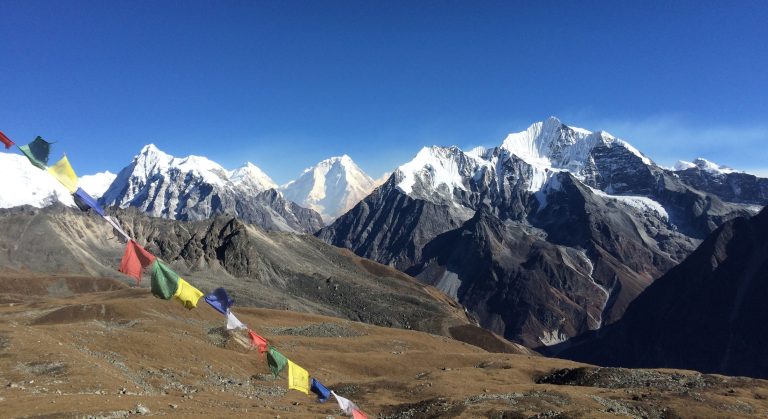
- Tibetan Influence: The upper valleys, especially around Manang and Mustang, showcase Tibetan culture, with monasteries, prayer flags, chortens, and mani walls lining the trails. Buddhism is practiced widely alongside Hinduism, creating a harmonious cultural mix.
- Religious Sites: Sacred temples and monasteries, such as Muktinath Temple, Braga Monastery, and small village shrines, reflect centuries-old spiritual traditions and pilgrimage practices.
- Festivals & Traditions: The region celebrates a variety of festivals including Losar (Tibetan New Year), Dashain & Tihar, and local harvest festivals, offering trekkers a glimpse into community rituals, dances, and traditional ceremonies.
The Annapurna region’s rich cultural tapestry complements its natural beauty, making the trek an immersive journey where hikers experience both Himalayan landscapes and centuries-old traditions.
The Annapurna Base Camp Trek is located in the central Himalayas of Nepal, within the Annapurna Conservation Area (ACA). The trek begins near Nayapul or Syauli Bazaar in the Pokhara region and winds through lush valleys, traditional villages, and alpine forests.
The trail leads to Annapurna Base Camp (4,130m), situated at the foot of Annapurna I, one of the world’s highest peaks (8,091m). Along the way, trekkers pass through culturally rich villages like Ghorepani, Chhomrong, and Deurali, offering panoramic views of the Annapurna Massif, Machapuchare (Fishtail Mountain), and surrounding peaks.
The Annapurna Base Camp Trek is a well-marked and teahouse-friendly route, making it one of Nepal’s most accessible yet scenic high-altitude treks.
The Annapurna Base Camp (ABC) Trek is not just a scenic Himalayan adventure — it’s a journey through the heart of Nepal’s rich cultural landscape. As you pass through villages nestled in the Annapurna foothills, you’ll encounter warm hospitality, ancient customs, and vibrant local traditions that make this trek truly unforgettable.
The trail winds through villages inhabited by ethnic groups such as the Gurung, Magar, Thakali, and Loba. The Gurung people, especially in places like Ghandruk and Chhomrong, are known for their bravery, cultural dances, and long-standing service in the British Gurkha Army. You’ll see traditional stone houses, handwoven textiles, and prayer flags fluttering in the breeze.
Buddhism and Hinduism are the dominant religions in this region. Along the trail, you’ll pass by colorful monasteries (Gumbas), mani walls, chortens, and spinning prayer wheels, offering a deep sense of spiritual tranquility. These symbols reflect the deep connection locals have with the mountains and their faith.
During your trek, you may witness traditional festivals like Dashain, Tihar, or Lhosar, celebrated with music, dance, and rituals. The daily life of locals revolves around farming, yak herding, and welcoming trekkers with warm meals like Dal Bhat and butter tea.
Staying in teahouses and community lodges offers an authentic cultural experience, allowing trekkers to interact directly with villagers, share stories, and learn about their way of life.
Trekking to Annapurna Base Camp offers not only majestic views of snow-capped peaks but also a deeper connection with Nepal’s living heritage. Embrace the unique culture and traditions that make the ABC Trek a journey of both natural and cultural discovery.
The Annapurna Base Camp Trek takes you through one of Nepal’s most ecologically diverse regions, offering a spectacular variety of flora and fauna throughout the journey.
As you ascend from the lowland villages to the alpine heights of the Annapurna Sanctuary, you’ll pass through distinct ecological zones that showcase the region’s rich biodiversity.
Flora: The trek begins in subtropical forests, where you’ll encounter dense vegetation, including bamboo groves, oak trees, and vibrant rhododendrons—Nepal’s national flower. During spring (March to April), the trail comes alive with blooming rhododendron forests, painting the hillsides in shades of red, pink, and white.
As you gain altitude, the lush forests give way to alpine vegetation, including juniper shrubs, mosses, and high-altitude herbs. The changing flora not only adds color to the trail but also reflects the dramatic variation in elevation and climate.
Fauna: The Annapurna Conservation Area is home to a variety of wildlife species. Trekkers often spot langurs (monkeys), Himalayan tahrs, musk deer, and mountain goats along the trail. Birdwatchers will be thrilled to see species such as Himalayan monals (Danphe – Nepal’s national bird), snow pigeons, eagles, and colorful pheasants.
While rare, some trekkers may even hear about sightings of leopards or red pandas in the remote forests, especially near the bamboo zone. The region’s wildlife is protected under conservation efforts, so visitors are encouraged to respect nature and observe animals from a distance.
Annapurna Base Camp (ABC) is located at an elevation of 4,130 meters (13,550 feet) above sea level. It sits at the foot of Annapurna I (8,091m) and is surrounded by the towering peaks of the Annapurna Massif, including Machapuchare (Fishtail), Annapurna South, Hiunchuli and Gangapurna.
This high-altitude location offers trekkers panoramic Himalayan views and a close-up experience of some of the world’s most spectacular mountains.
Proper acclimatization is vital for a safe and rewarding experience on the Annapurna Base Camp (ABC) Trek, as the trail climbs above 4,000 meters. To reduce the risk of altitude sickness and help your body adjust to thinner air, it’s important to ascend gradually and include planned rest days in your itinerary. Most ABC trekking routes have built-in acclimatization stops at key locations like Chhomrong or Dovan, where trekkers can rest and adapt before continuing higher.
During these rest days, staying well-hydrated, engaging in light activities such as short walks, and avoiding alcohol or heavy exertion are highly recommended. Being aware of altitude sickness symptoms—such as headaches, dizziness, nausea, or fatigue—is essential. If you experience these symptoms, slowing down or descending to a lower altitude may be necessary.
Traveling with experienced guides from our company ensures that your acclimatization schedule is well-managed; with professional support available should altitude-related issues arise. With careful acclimatization, you can fully enjoy the breathtaking mountain views and vibrant culture of the Annapurna region safely and comfortably.
Yes, the Annapurna Base Camp (ABC) Trek is widely recognized as a classic adventure trip in Nepal. It offers a perfect mix of challenging high-altitude trekking, breathtaking Himalayan landscapes, and rich cultural experiences.
Trekkers navigate through lush forests, alpine meadows, and rocky mountain trails, gradually ascending to 4,130 meters at the base of Annapurna I.
Along the way, the trail passes through traditional Gurung, Magar, and Tibetan-influenced villages, ancient monasteries, and prayer sites, providing a unique cultural immersion alongside the physical adventure.
This combination of scenic beauty, altitude challenge, and local culture makes the ABC Trek an ideal choice for adventure enthusiasts seeking both thrill and inspiration
The Annapurna Base Camp Trek is generally safe for trekkers who are reasonably fit, well-prepared, and follow proper trekking guidelines. The trail is well-marked and supported by tea-houses, making navigation straightforward.
Key Safety Considerations:
- Altitude Sickness: The base camp sits at 4,130 meters, so gradual acclimatization and rest days (e.g., at Ghorepani or Chhomrong) are essential.
- Weather Conditions: Weather can change rapidly in the Himalayas. Trekkers should be prepared for cold temperatures, snow at higher elevations, and occasional rain.
- Trail Conditions: Trails are generally safe but can be slippery or uneven in certain sections, especially during the monsoon. Proper trekking shoes are recommended.
- Local Support: Numerous teahouses, lodges and local guides are available along the route to assist with emergencies or health issues.
With adequate preparation, the right gear, and guidance from experienced guides, the ABC Trek is considered a safe and rewarding adventure in the Annapurna region.
Getting to the ABC Trek:
Most treks to Annapurna Base Camp start from Pokhara, a scenic city approximately 200 km west of Kathmandu. From Pokhara, trekkers can reach the trailhead by:
- Private or Tourist Vehicle: A 1.5–2 hour drive to Nayapul or Syauli Bazaar, the common starting points of the trek.
- Local Transport: Buses or shared jeeps are available for budget travelers, though private transport is more comfortable and time-efficient.
Trekking to ABC:
- From Nayapul/Syauli Bazaar, the trek passes through villages such as Tikhedhunga, Ghorepani, Chhomrong, Bamboo, Deurali, and finally reaches Annapurna Base Camp (4,130m).
Returning from ABC:
- Retrace the Route: Many trekkers return the same way, descending to Nayapul/Syauli Bazaar before heading back to Pokhara.
- Alternative Routes: Some trekkers combine ABC with the Ghorepani or Annapurna Circuit loops for variety.
- From Pokhara to Kathmandu: After the trek, travelers can take a tourist bus (6–7 hours) or a 30–40 minute flight back to Kathmandu.
This route provides a flexible and well-supported trekking experience, with multiple transportation options to suit different budgets and schedules.
To trek to Annapurna Base Camp, all trekkers must obtain two essential permits: the Annapurna Conservation Area Permit (ACAP) and the Trekkers’ Information Management System (TIMS) card.
The ACAP helps fund conservation efforts in the Annapurna region and is mandatory for entering the protected area. The TIMS card is required for the safety and tracking of trekkers along the trail.
These permits are issued by the Nepal Tourism Board offices in Kathmandu or Pokhara. If you book your trek with a reliable agency like Best Of Nepal Trek, they will handle the entire permit process on your behalf, saving you time and effort.
Make sure to carry your permits with you at all times, as there are multiple checkpoints along the route.
The best time to trek to Annapurna Base Camp (ABC) is during the spring (March to May) and autumn (September to November) seasons. These periods offer the most stable weather conditions, clear skies, and breathtaking views of the towering peaks, including Annapurna I (8,091 m) and the sacred Machapuchare (Fishtail Mountain).
Spring Season (March to May): Spring is a popular time to visit the Annapurna region. The trails come alive with blooming rhododendrons, wildflowers, and lush greenery. Temperatures are moderate, and visibility is excellent, making it perfect for trekking and photography.
Autumn Season (September to November): Autumn is considered the peak season for ABC trekking. After the monsoon, the air is crisp and clean, and the skies are typically cloud-free. This is the ideal time for panoramic Himalayan views, pleasant daytime temperatures, and comfortable trekking conditions.
Whether you prefer the colorful blooms of spring or the crystal-clear mountain views of autumn, both seasons provide the perfect setting for a memorable Annapurna Base Camp adventure.
Altitude sickness is a common concern for trekkers heading to Annapurna Base Camp (4,130m). With proper planning, most trekkers can minimize the risks and enjoy a safe, comfortable journey.
Tips to Avoid Altitude Sickness:
Gradual Ascent:
- Follow the principle of “climb high, sleep low” when possible.
- Include acclimatization days at key villages like Ghorepani, Chhomrong, or Manang to allow your body to adjust.
Stay Hydrated:
- Drink plenty of water throughout the day to prevent dehydration, which can worsen altitude sickness symptoms.
- Avoid excessive caffeine or alcohol at high altitudes.
Pace Yourself:
- Walk slowly and steadily, especially above 3,000m, and avoid overexertion.
- Listen to your body and rest when needed.
Monitor Symptoms:
- Early signs include headache, nausea, dizziness, and fatigue.
- If symptoms persist or worsen, descend immediately to a lower altitude.
Medications:
- Consult your doctor about altitude sickness medication (e.g., Diamox) before the trek.
- Carry basic medicines for headache, stomach issues, and minor injuries.
Proper Nutrition:
- Eat high-calorie, balanced meals to maintain energy levels.
- Include fruits, nuts, and carbohydrate-rich foods for sustained energy.
Travel insurance is essential for the Annapurna Base Camp (ABC) Trek, as it covers unforeseen events that can occur in high-altitude trekking. Nepal’s mountainous terrain, variable weather, and remote locations make proper insurance a crucial part of trek planning.
Why You Need Travel Insurance:
- Medical Emergencies:Coverage for illness or injury during the trek, including high-altitude sickness.
- Evacuation & Rescue:Helicopter evacuation or ambulance services in case of serious emergencies.
- Trip Cancellation or Interruption:Protection in case you need to cancel or shorten your trek due to unforeseen circumstances.
- Lost or Stolen Belongings:Coverage for luggage, trekking gear, or personal items lost or damaged during the trip.
Tips for Choosing Insurance:
- Ensure it covers high-altitude trekking up to at least 5,500m, as Annapurna Base Camp reaches 4,130m.
- Look for providers that include helicopter evacuation, as this is a common requirement for high-altitude treks in Nepal.
- Purchase insurance before traveling to Nepal and carry a digital or printed copy for reference.
Having reliable travel insurance provides peace of mind, allowing trekkers to focus on enjoying the stunning Himalayan landscapes and cultural experiences of the Annapurna Base Camp Trek safely.
The Annapurna region of Nepal experiences a diverse range of climates due to its wide variation in elevation — from 800 meters in the lowlands to over 8,000 meters at the Annapurna summit. Understanding the climate and weather patterns is crucial for planning a safe and enjoyable Annapurna Base Camp (ABC) Trek.
Spring (March to May): Spring is one of the best seasons to trek in the Annapurna region. Daytime temperatures in lower areas range between 15°C to 25°C (59°F to 77°F), while higher altitudes remain cooler. Rhododendrons bloom during this season, adding color to the trail. Skies are generally clear, offering excellent mountain views.
Summer/Monsoon (June to August): This season brings heavy monsoon rains, especially below 3,000 meters. Temperatures remain warm, but muddy trails and leeches can pose challenges. However, the rain-washed landscapes are lush and vibrant, and crowds are minimal. This is an off-season for trekking due to low visibility and frequent rain.
Autumn (September to November): Autumn is the peak trekking season in the Annapurna region. With clear skies, mild temperatures, and dry conditions, it’s ideal for panoramic mountain views. Daytime temperatures range from 10°C to 20°C (50°F to 68°F). Nights can be chilly at higher elevations. This season sees the highest number of trekkers on the trail.
Winter (December to February): Winter brings cold temperatures and occasional snowfall, especially above 3,000 meters. Lower altitudes remain pleasant during the day, but temperatures at Annapurna Base Camp can drop below -10°C (14°F) at night. The trails are quieter, and the snow-capped mountains offer a magical trekking experience, though some routes may be blocked due to snow.
While trekking to Annapurna Base Camp (ABC), staying connected and keeping your devices charged is important, but electricity is limited along the trail. Most teahouses and lodges offer charging facilities, but availability can vary depending on location and weather conditions.
Tips for Charging on the Trek:
- Bring a Power Bank:High-capacity power banks are essential, especially for longer trekking days.
- Teahouse Charging:Many lodges provide charging for a small fee (usually USD 1–3 per device). Some offer solar-powered charging stations.
- Solar Chargers: Lightweight solar panels are a good alternative in remote areas without electricity.
- Limited Access at High Altitudes: Charging options are more reliable in villages up to Manang and Yak Kharka, but become sparse near Thorong Phedi and ABC.
- Keep Devices Warm:Cold temperatures can reduce battery efficiency, so store phones and cameras inside your jacket when not in use.
With proper preparation, you can capture your trek, stay connected, and ensure devices remain functional throughout the Annapurna Base Camp adventure.
During the Annapurna Base Camp (ABC) Trek, trekkers can enjoy a variety of delicious and nutritious meals to keep their energy up on the trail. The teahouses along the route offer diverse menus that cater to different tastes and dietary preferences, including traditional Nepali dishes like dal bhat (lentil soup with rice), momos (dumplings), and vegetable curry.
You’ll also find popular international options such as pasta, noodles, soups, and sandwiches. Fresh fruits and snacks are widely available, and hot beverages like tea, coffee, and hot chocolate help keep you warm during chilly evenings. While food prices increase slightly at higher altitudes, the quality and variety remain good, ensuring trekkers stay well-fueled throughout their journey.
At the beginning of the Annapurna Base Camp (ABC) trekking route, especially in places like Ghorepani, trekkers can easily purchase bottled water. However, beyond certain points in the Annapurna region, the sale of bottled water is strictly banned to protect the environment and reduce plastic waste.
To ensure safe and clean drinking water throughout the trek, guides often carry portable water filtration systems, such as the popular Katadyn water filter, allowing trekkers to purify water directly from natural sources like taps and streams. This helps prevent waterborne illnesses and keeps you hydrated on the trail.
As an alternative, many trekkers use water purification tablets which effectively disinfect tap water, making it safe to drink. Carrying your own purification method is highly recommended to stay healthy while enjoying the stunning landscapes of the Annapurna region.
Accommodation during the Annapurna Base Camp (ABC) Trek is primarily in local teahouses or mountain lodges, which offer a cozy and authentic Himalayan experience. These teahouses provide basic yet comfortable rooms, usually with twin beds, clean bedding, and shared bathrooms.
Most teahouses have a communal dining area with a fireplace, where trekkers can enjoy hot meals and socialize with fellow hikers. As you ascend, facilities may become more basic, but essentials like hot meals, drinking water, and warm blankets are available throughout the route.
Some lower-altitude villages may offer Wi-Fi, hot showers, and charging facilities for an extra cost. Accommodation is generally clean, safe, and run by friendly locals, making your trekking experience warm and welcoming.
Yes, trekking to Annapurna Base Camp (ABC) without a guide is possible for independent trekkers. The trail is well-marked, clearly signposted, and supported by numerous teahouses and lodges, making navigation relatively easy.
Many solo or self-guided trekkers use maps, GPS devices, or trekking apps to follow the route. However, hiring a local guide can enhance safety, provide cultural insights, and assist with permits (ACAP & TIMS), especially for first-time visitors or those unfamiliar with Himalayan trekking.
Trekking independently allows for flexibility and personal pace, but proper preparation, awareness of altitude risks, and knowledge of trail conditions are essential for a safe and enjoyable journey.
The Annapurna Base Camp (ABC) Trek is considered a moderate-level trek, making it suitable for both beginners and experienced hikers. The trail involves daily walking of 4 to 7 hours, with gradual elevation gain and well-maintained paths.
While no technical climbing is required, the trek does reach a high altitude of 4,130 meters, so proper acclimatization and a good fitness level are important. The route includes a mix of stone steps, forest trails, and uphill climbs, especially in sections like Chhomrong and Deurali.
With the right preparation, pacing, and support from experienced guides, the ABC trek is a manageable and rewarding adventure. Many first-time trekkers successfully complete the journey, especially with the help of a reliable company like Best of Nepal Trek, which ensures safety, comfort, and guidance along the way.
While trekking to Annapurna Base Camp (ABC), internet and Wi-Fi access are limited but increasingly available in key villages along the route. Most teahouses and lodges in villages such as Ghorepani, Chhomrong, Manang, and Yak Kharka offer Wi-Fi, usually for a small fee (USD 1–3 per device).
Things to Know:
- Slow Speeds:Wi-Fi is generally slow and less reliable compared to urban areas, so it’s best used for messaging or light browsing.
- Limited Coverage:High-altitude areas like Thorong Phedi and ABC may have no internet access.
- Local SIM Cards:Nepal’s major providers, such as Ncell and Nepal Telecom, offer mobile data coverage along most of the trail, though signal strength can be weak in remote sections.
- Offline Preparation:Download maps, music, or important information before the trek to avoid connectivity issues.
With these tips, trekkers can stay connected when needed while fully enjoying the natural beauty and serenity of the Annapurna region.
The Annapurna Base Camp (ABC) Trek is a moderate to challenging high-altitude trek, requiring trekkers to be physically and mentally prepared. Proper fitness training enhances endurance, strength, and overall stamina, helping you tackle long trekking days, steep ascents, and uneven trails.
Key preparation focuses on cardiovascular exercises, leg and core strength training, and practice hikes with a loaded backpack to simulate real trekking conditions. Additionally, mental preparation and knowledge about acclimatization help reduce the risk of altitude sickness and improve your overall trekking experience.
With the right training, you can fully enjoy the breathtaking Himalayan scenery, cultural immersion, and adventure that the ABC Trek offers.
- Stand beneath a world-class 8,000-meter Himalayan giant
- Hike through diverse ecosystems — from subtropical forests to alpine zones
- Immerse in authentic mountain culture and village life
- Enjoy stunning sunrise and sunset views every day
- Trek on a well-established, safe, and scenic trail
Whether you’re a beginner trekker or a seasoned hiker, the Annapurna Base Camp Trek offers a perfect balance of adventure, nature, and cultural immersion. With expert guidance from trusted teams like Best of Nepal Trek, your journey to Annapurna Base Camp will be safe, inspiring, and unforgettable.
The Annapurna Base Camp (ABC) Trek covers a total distance of approximately 67 to 115 kilometers (42 to 71 miles) round trip, depending on the selected route and itinerary. The classic trekking route from Nayapul to Annapurna Base Camp Trek and back spans about 110 kilometers (68 miles) and typically takes 7 to 11 days to complete.
On average, trekkers walk between 10 to 15 kilometers per day, passing through scenic villages, terraced fields, rhododendron forests, and high-altitude landscapes. Optional side trips to places like Poon Hill or Jhinu Danda (hot springs) can slightly increase the total distance.
The Annapurna Base Camp Trek is a must-do adventure for anyone seeking an unforgettable Himalayan experience. Nestled at 4,130 meters, ABC offers panoramic views of majestic peaks like Annapurna I, Machapuchare (Fishtail), Hiunchuli and Gangapurna.
The trail takes you through diverse landscapes—from lush rhododendron forests and terraced farmlands to alpine meadows and glacier valleys—showcasing the true beauty of Nepal. Rich in local Gurung and Magar culture, the trek also includes the chance to relax in natural hot springs at Jhinu Danda.
With moderate difficulty and well-established tea houses along the route, it’s perfect for both first-time trekkers and seasoned hikers. The combination of stunning scenery, cultural immersion, and accessible terrain makes ABC one of the most popular and rewarding treks in Nepal.
With expert support from agencies like Best of Nepal Trek, your journey to Annapurna becomes safe, memorable, and life-changing.
The Annapurna Base Camp Trek is suitable for anyone with moderate fitness and a passion for adventure. Trekkers of all ages—from young adults to seniors—can complete the ABC Trek with proper preparation.
No prior high-altitude trekking experience is required, making it ideal for first-time trekkers and experienced hikers alike. As the trail gradually ascends to 4,130 meters, it allows time for proper acclimatization.
With daily walking hours ranging from 4 to 7 hours, the trek is manageable for anyone in good health and physically active. Families, solo travelers, and small groups can all enjoy this iconic Himalayan journey.
For added comfort and safety, it’s recommended to join with a professional trekking agency like Best of Nepal Trek, who provide expert guides, porters, and personalized support throughout the trek.
Tipping is an important part of Nepal’s trekking and tourism culture, though it is not mandatory. On treks like the Annapurna Base Camp Trek, tips are a way to show appreciation for the hard work of guides, porters, and staff who ensure a safe and comfortable journey.
Guidelines for Tipping on Trek:
- Guides: Typically USD 5–10 per day per guide, depending on the quality of service and trek duration.
- Porters: Usually USD 3–5 per day per porter.
- Teahouse Staff: Small tips (USD 1–2) for good service are appreciated but optional.
Tips for Trekkers:
- Carry small denominations of USD or NPR for convenience.
- Consider the length and difficulty of the trek when deciding the amount.
- Tipping is a personal choice but greatly valued by local staff as part of their income.
Following local tipping customs helps promote responsible tourism and supports the livelihoods of the people who make your trekking experience enjoyable and memorable.
Reviews

Annapurna Base Camp Trek with Friendly Guide
The Annapurna Base Camp Trek was an unforgettable adventure. Nepal is truly a beautiful country, famous for its warm hospitality, rich culture and unique traditions. The mountain views were absolutely breathtaking throughout the journey. A special thanks to our guide, Suman Tamang, who was friendly, knowledgeable and always ready to help. His support and care made the trek safe, enjoyable and memorable. I highly recommend Best Of Nepal Trek to anyone planning the Annapurna Base Camp Trek in Nepal.
Andrea Stern
,Sweden
Annapurna Base Camp Trek
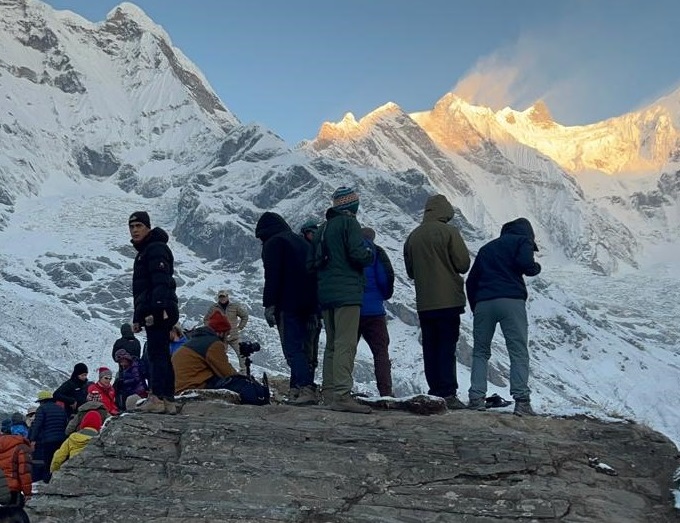
Our Annapurna Base Camp Trek with Best Of Nepal Trek was an unforgettable experience. The mountain scenery was stunning, the tea houses were comfortable and the trails were peaceful and enjoyable.
A special thanks to our guide, Nichal Tamang, for his friendly support and professional guidance throughout the journey. Everything was well organized, making the trek safe, comfortable and truly memorable.Maja Hansen
,Sweden