
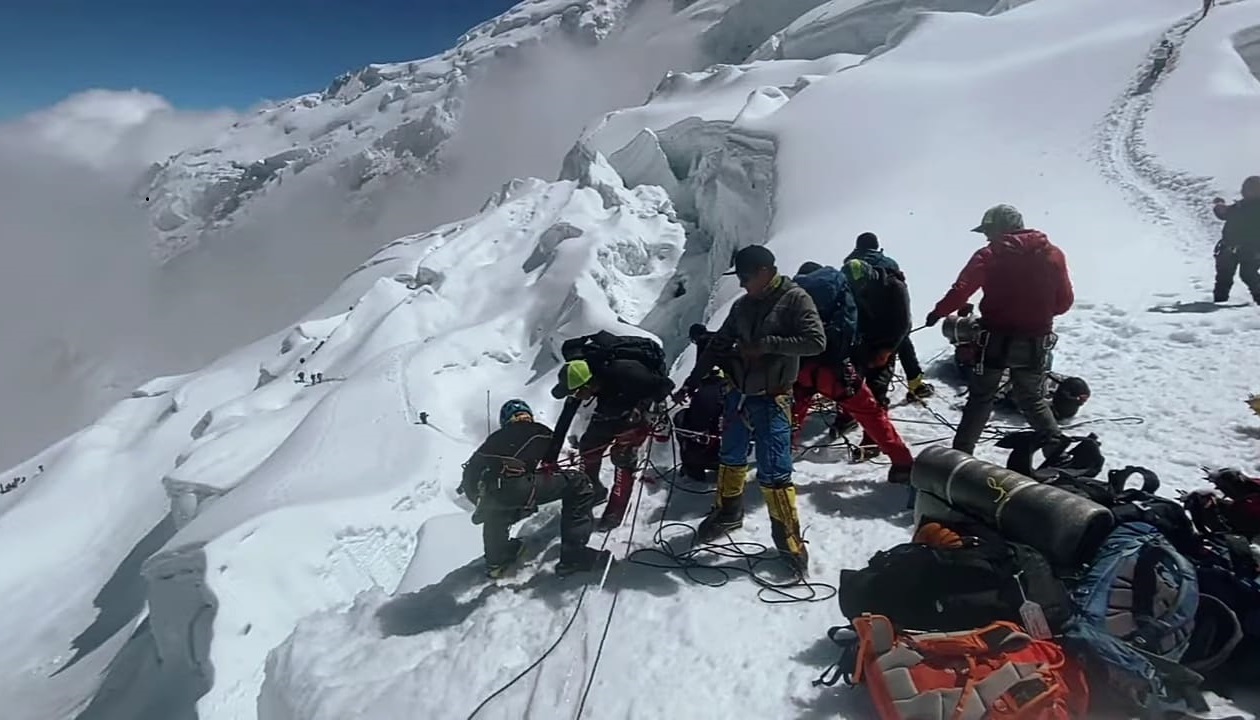
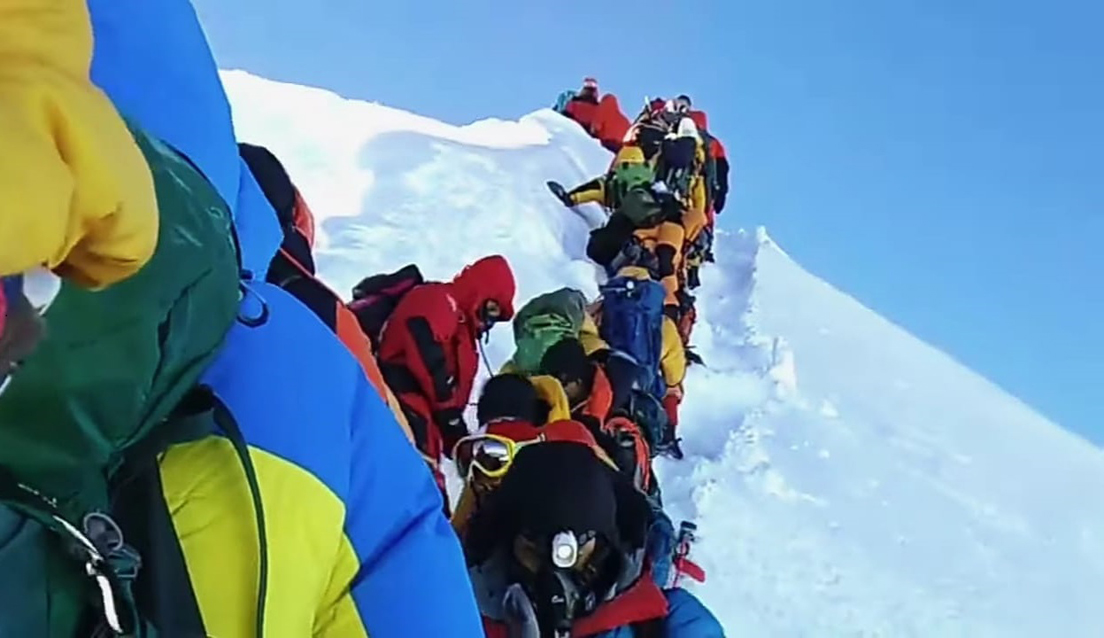

Manaslu Expedition
Destination:
Nepal
Trip Duration:
40 Days
Max Altitude:
Mt. Manaslu Summit (8,163 m)
Activities:
Mountain Expedition
Start Point:
Kathmandu
Ending Point:
Kathmandu
Region:
Manaslu
Trip Grade:
Moderate to Challenging
Group Size:
2-15 Pax
Accomodation:
Hotel/Teahouses/Tent Camp
Meals:
Breakfast, Lunch and Dinner during Trip
Transportation:
Private Vehicle
Permits Required:
Special Restricted Area /ACAP/MCAP Permit
Best Season:
Late September to Early October (Post-Monsoon)
The Manaslu Expedition is one of Nepal’s most exciting and rewarding high-altitude climbing adventures, offering experienced mountaineers the opportunity to summit Mount Manaslu (8,156 meters / 26,759 feet), the eighth-highest mountain in the world. Located in the remote Gorkha District of north-central Nepal, this magnificent Himalayan peak is famous for its spectacular mountain scenery, rich cultural heritage and challenging climbing experience. For those who dream of reaching the summit of an 8,000-meter mountain, the Manaslu Expedition offers an unforgettable journey of adventure, endurance and achievement.
The name Manaslu comes from the Sanskrit word “Manasa,” meaning “spirit” or “soul,” reflecting the mountain’s natural beauty and spiritual significance. Mount Manaslu was first successfully climbed on May 9, 1956, by Japanese mountaineer Toshio Imanishi and Nepali Sherpa Gyalzen Norbu via the Northeast Face, which remains the standard climbing route today. Over the years, Manaslu has become one of the most sought-after Himalayan expeditions for climbers looking to gain valuable experience on an 8,000-meter peak before attempting mountains such as Mount Everest.
The journey begins with a scenic drive from Kathmandu, followed by a rewarding trek through the breathtaking Manaslu Conservation Area. Along the trail, you will pass traditional Gurung and Tibetan-influenced villages, ancient monasteries, colorful prayer flags, mani walls, suspension bridges, dense forests and pristine alpine landscapes. Away from the busy trekking routes, this expedition offers a unique opportunity to experience authentic Himalayan culture while enjoying warm local hospitality and untouched natural beauty. Throughout the journey, our experienced local guides share fascinating insights into the region’s history, traditions, wildlife and mountain lifestyle, making every step even more meaningful.
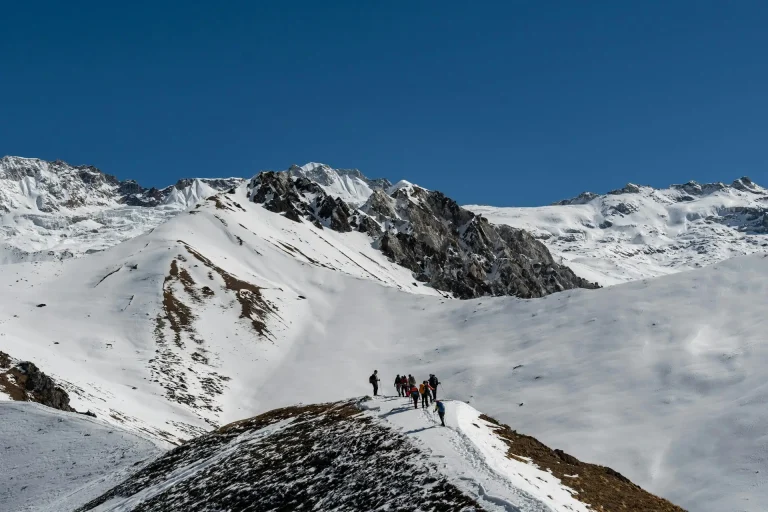
As you approach Manaslu Base Camp, breathtaking views of Mount Manaslu, Himalchuli, Ngadi Chuli, Ganesh Himal, Shringi Himal, Annapurna II and other snow-covered peaks create an unforgettable backdrop. From Base Camp, the climbing phase begins with a carefully planned acclimatization schedule and a gradual ascent through a series of high camps before the final summit push. Every stage of the expedition offers spectacular alpine scenery, exciting mountaineering challenges and an incredible sense of achievement.
Due to the mountain’s remote location and extreme altitude, climbing Manaslu requires excellent physical fitness, previous mountaineering experience, proper acclimatization and professional support. At Best Of Nepal Trek, our experienced Sherpa guides and dedicated expedition team provide reliable logistics, quality equipment support and the highest safety standards to help maximize your chances of a successful summit.
The best seasons for the Manaslu Expedition are spring (April to May) and autumn (September to October), when stable weather and favorable climbing conditions offer the best opportunity for success. More than reaching the summit, the Manaslu Expedition is a journey of resilience, personal growth, and lifelong memories. Whether you are preparing for future Himalayan expeditions or fulfilling your dream of climbing an 8,000-meter mountain, Best Of Nepal Trek is committed to delivering a safe, professionally organized and truly unforgettable adventure.
Manaslu Expedition Highlights
- Climb the Eighth-Highest Mountain in the World (8,163 m): Experience the thrill of summiting Mt. Manaslu, the “Mountain of the Spirit,” standing tall among the 8,000-meter giants of Nepal
- Perfect Preparation for Mount Everest: Manaslu is often regarded as the final stepping stone to Everest, offering similar high-altitude conditions and technical challenges ideal for advanced training.
- Historic Route First Climbed in 1956: Follow the legendary North-East Face route, first conquered by Toshio Imanishi and Gyalzen Norbu Sherpa, featuring moderately steep slopes of snow and ice
- Stunning Himalayan Panoramas: Enjoy breathtaking 360° views of Annapurna, Ganesh Himal, Himalchuli, Ngadi Chuli, Shringi Himal, and other towering peaks throughout the climb.
- Cultural Journey Through the Manaslu Region: Trek through the remote Gorkha District, where Tibetan-influenced villages, ancient monasteries, and prayer flags reflect centuries of Buddhist heritage.
- Diverse and Scenic Trekking Route: Traverse lush forests, terraced farmlands, high mountain passes, and glacial valleys within the Manaslu Conservation Area, one of Nepal’s most pristine landscapes.
- Professional Sherpa Support and Expedition Logistics: Benefit from the guidance of highly experienced Sherpa climbers, high-quality base camp services, and comprehensive safety measures.
- Optimal Climbing Seasons: The spring (April–May) and autumn (September–October) seasons offer stable weather, clear visibility, and the best conditions for a successful summit.
- Rewarding Adventure with Lower Crowds: Compared to Everest or Annapurna, the Manaslu Expedition offers a more peaceful and authentic Himalayan mountaineering experience.
Route of the Manaslu Expedition
The Manaslu Expedition route follows a spectacular journey through Nepal’s remote Gorkha region, combining an adventurous trekking approach with a challenging high-altitude climb. The expedition begins with a scenic drive from Kathmandu to Soti Khola or Machha Khola, the starting point of the Manaslu Circuit Trail. From here, climbers trek through lush forests, terraced farmlands, and traditional Gurung and Tibetan-influenced villages, gradually gaining altitude toward the high Himalayas.
The route passes through Jagat, Deng, Namrung, Samagaon, and Samdo, offering stunning views of Manaslu, Himalchuli, Ngadi Chuli, and Ganesh Himal. The trail also provides an opportunity to explore Buddhist monasteries, mani walls, and the rich cultural heritage of the Manaslu region before reaching Manaslu Base Camp (4,800 m) near Samagaon.
From base camp, the real climbing phase begins. The standard North-East Face route is used for summiting Mt. Manaslu (8,163 m).
Include
The Manaslu Expedition package includes a comprehensive range of services designed to ensure safety, comfort, and a successful summit experience. Our team provides full logistical support from arrival in Kathmandu to the completion of the expedition.
The Manaslu Expedition inclusions are designed to give every climber the highest level of comfort, safety and support, ensuring a successful and memorable ascent of one of Nepal’s most majestic peaks.
Package Includes:
- All airport transfers (arrival and departure) in Kathmandu
- 3-night accommodation in Kathmandu with breakfast at a 3-star category hotel
- Full board meals (breakfast, lunch, and dinner) during trekking and climbing days
- Accommodation in local lodges during the trek and fully equipped tented camps during the climbing period
- All necessary permits: Manaslu Expedition Permit, Manaslu Conservation Area Permit (MCAP), Annapurna Conservation Area Permit (ACAP) and Special Restricted Area Permit
- Experienced and licensed climbing Sherpa guides (1 Sherpa per climber)
- Experienced and licensed climbing Sherpa guides (1 Sherpa per climber)
- Support staff, porters, and kitchen crew for the entire expedition
- All domestic transportation (Kathmandu to Soti Khola/Machha Khola and return)
- All meals, wages, and insurance for expedition staff and porters
- Government taxes and official expedition documentation fees
- Complete camping and kitchen equipment, including base camp tents, dining tent with table and backrest chairs, kitchen with utensils and toilet tent with commode
- Climbing ropes, fixed lines, and other necessary mountaineering equipment for group use
- Satellite phone and radio communication system for coordination and safety
- High-altitude tents and essential gadgets such as EPI gas and burners for higher camps
- Warm clothing and trekking gear for Nepali staff and porters
- Life and medical insurance for all expedition crew and porters
- Portable Altitude Chamber (PAC) and Gamow Bag with a comprehensive first aid kit
- Communication devices including walkie-talkies and satellite phones for emergencies
- Emergency oxygen cylinder with regulator and mask during the climb
- All agency service charges and government fees
- Farewell dinner in Kathmandu featuring traditional Nepali cuisine, song and dance
The Manaslu Expedition inclusions are designed to give every climber the highest level of comfort, safety, and support, ensuring a successful and memorable ascent of one of Nepal’s most majestic peaks.
Exclude
The following services and expenses are not included in the Manaslu Expedition package. Participants are advised to review the list carefully and make necessary arrangements prior to the expedition.
Package Excludes:
- International airfare to and from Nepal, including any applicable airport taxes
- Nepal entry visa fees (obtainable upon arrival at Kathmandu Airport)
- Personal travel, medical, and high-altitude rescue insurance – mandatory for all climbers
- Lunch and dinner in Kathmandu, allowing flexibility to choose your own dining options
- Bar bills, bottled drinks and alcoholic beverages during the trek and expedition
- Personal climbing gear and equipment, such as down suits, boots, crampons, harnesses, ice axes and carabiners
- Emergency rescue or evacuation costs in case of illness, injury, or unforeseen events
- Climbing bonuses, tips, and gratuities for Sherpa guides, porters and base camp staff
- Permit fees and charges for the use of satellite phones, communication devices, or commercial filming during the expedition
- Refundable garbage deposit of USD 3,000 (shared among team members) – the fee will not be refunded if climbers fail to return all waste materials to Kathmandu as per Nepal Government regulations
The above exclusions are standard for high-altitude expeditions in Nepal. Climbers should ensure they have proper insurance coverage, essential gear, and personal contingency funds to handle additional expenses during the Manaslu Expedition.
Manaslu Expedition Itinerary
Arrive at Tribhuvan International Airport, Kathmandu and transfer to your hotel. Rest after your international flight and enjoy a brief evening introduction about the Manaslu Expedition, including permits gear preparation and safety tips.
Trip Duration:
30 minutes
Accomodation:
3-Star Hotel/Resort
After a restful first night in Kathmandu, spend the day preparing for the Manaslu Expedition. Begin with a comprehensive expedition briefing where guides provide detailed information about trekking routes, climbing schedules, safety protocols, and acclimatization plans.
Next, check your trekking and climbing gear, ensuring all essentials are ready. Kathmandu offers a wide range of outdoor and mountaineering shops, perfect for purchasing any missing equipment, clothing, or accessories.
Finally, complete all required permits for the expedition, including the Manaslu Expedition Permit, ACAP (Annapurna Conservation Area Permit), and MCAP (Manaslu Conservation Area Permit), which are mandatory for trekking in this restricted Himalayan region.
Accomodation:
3-Star Hotel/Resort
Meals:
Breakfast
Start your Manaslu Expedition with a scenic drive from Kathmandu to Arughat, which takes approximately 6–8 hours depending on road conditions. The journey offers stunning views of lush green valleys, terraced farmland, flowing rivers, and traditional Nepali villages, giving a glimpse of rural life along the route.
Upon arrival in Arughat, check into your local lodge, rest, and prepare for the trekking portion of the expedition. This day serves as a smooth transition from city life to the natural Himalayan landscapes that lie ahead.
Trip Duration:
7-8 Hours
Accomodation:
Normal Teahouse
Meals:
Breakfast, Lunch & Dinner
Begin your Manaslu Expedition trek by following the Budhi Gandaki River, surrounded by lush subtropical forests and terraced farmland. The trail gradually ascends through charming villages where you can observe local culture and traditional Nepali lifestyles.
The trek is scenic and peaceful, offering your first immersive experience in the Himalayan foothills. Arrive in Sotikhola in the evening, settle into a local lodge, and enjoy a warm meal while preparing for the journey ahead.
Trip Duration:
5–6 Hours
Accomodation:
Normal Teahouse
Meals:
Breakfast, Lunch & Dinner
Continue your Manaslu Expedition trek along the Budhi Gandaki River, passing through dense jungle, charming small settlements, and traditional suspension bridges. The trail offers glimpses of local life and rural Himalayan culture while gradually ascending toward higher altitudes.
The trek is scenic yet moderately challenging, allowing you to immerse yourself in the lush natural surroundings and enjoy the sound of flowing rivers and chirping birds along the way. Arrive in Machhakhola in the evening and rest at a comfortable local lodge, preparing for the next day’s journey deeper into the Manaslu region.
Trip Duration:
5–6 hours
Accomodation:
Teahouse
Meals:
Breakfast, Lunch & Dinner
Continue trekking along the Budhi Gandaki River valley, surrounded by terraced farmlands, dense forests, and scenic river views. Pass through traditional Nepali villages, where you can observe the local culture, architecture, and daily life of the Gurung and Tamang communities.
Arrive in Jagat, a key gateway to the Manaslu region, offering your first glimpse of the high Himalayan landscapes ahead. Overnight stay is in a comfortable local lodge, allowing you to rest and acclimatize before ascending further into the mountains.
Trip Duration:
5–6 hours
Accomodation:
Teahouse
Meals:
Breakfast, Lunch & Dinner
On Day 7 of the Manaslu Expedition trek, begin a gentle ascent through forested trails, terraced farmland, and charming Himalayan villages. The path offers opportunities to experience local culture, interact with villagers, and observe traditional lifestyles in the remote Manaslu region.
The trek provides breathtaking views of surrounding hills and river valleys, making it a scenic and enjoyable day of hiking. Arrive in Dang in the evening and rest at a local lodge, preparing for the next stage of your expedition.
Trip Duration:
5–6 hours
Accomodation:
Normal Teahouse
Meals:
Breakfast, Lunch & Dinner
After breakfast, begin a steady ascent through lush rhododendron forests, terraced fields, and scenic Himalayan villages. Along the way, pass traditional Mani walls and prayer flags, which offer a glimpse into the region’s Buddhist culture and heritage.
As the trail climbs higher, you gradually enter the high-altitude Himalayan landscape, with stunning views of snow-capped peaks in the distance. Arrive in Namrung, a charming mountain village, and stay overnight in a local lodge, providing comfort and essential acclimatization for the journey ahead.
Trip Duration:
6–7 hours
Accomodation:
Normal Teahouse
Meals:
Breakfast, Lunch & Dinner
Trek along the Budhi Gandaki valley, surrounded by majestic Himalayan landscapes. Along the way, pass ancient Mani walls, prayer flags, and Buddhist monasteries, showcasing the region’s spiritual and cultural heritage.
As you ascend, the trail enters the Sherpa-influenced region, featuring distinctive architecture, local customs, and warm hospitality. Arrive in Lho, a traditional Sherpa village, and stay overnight in a comfortable lodge, ensuring proper rest and acclimatization before reaching Sama Gaun and Manaslu Base Camp.
Trip Duration:
5–6 hours
Accomodation:
Normal Teahouse
Meals:
Breakfast, Lunch & Dinner
After breakfast, Trek from Lho to Sama Gaun, the main village near Manaslu Base Camp, situated amidst stunning Himalayan scenery. Along the trail, enjoy panoramic views of surrounding peaks and immerse yourself in the local culture.
At Sama Gaun, explore the village and interact with Sherpa families, learning about their traditions, daily life, and mountain lifestyle. Overnight stay is at a local lodge, allowing for rest and acclimatization before the ascent to Manaslu Base Camp.
Trip Duration:
4–5 Hours
Accomodation:
Normal Teahouse
Meals:
Breakfast, Lunch & Dinner
Take a rest day at Sama Gaun to allow your body to acclimatize to high altitude before ascending to Manaslu Base Camp. Use this time to relax, recover, and explore the surrounding area.
Optional short hikes around the village help improve acclimatization, while offering breathtaking views of nearby peaks and glaciers. Interact with local Sherpa families and observe their traditional lifestyle, gaining a deeper understanding of the region’s culture and environment.
Accomodation:
Normal Teahouse
Meals:
Breakfast, Lunch & Dinner
Ascend gradually from Sama Gaun to Manaslu Base Camp, following well-marked trails and enjoying breathtaking panoramas of Manaslu’s North-East face. The trek takes you through rocky paths, moraine fields, and glacial landscapes, offering a true high-altitude experience.
Arrive at Manaslu Base Camp, where expedition tents are set up with dining and sleeping facilities, providing comfort and shelter. This is your gateway to the summit, allowing time to rest, acclimatize and prepare for the upcoming climbing rotation and summit attempt.
Trip Duration:
6–7 Hours
Accomodation:
Tent Camp
Meals:
Breakfast, Lunch & Dinner
The Manaslu Expedition climbing period spans approximately 19 days, dedicated to high-altitude acclimatization, technical climbing, and summit preparation. Climbers follow a rotation system between Manaslu Base Camp (4,800 m) and intermediate camps, gradually ascending to higher altitudes to minimize the risk of altitude sickness and maximize summit success.
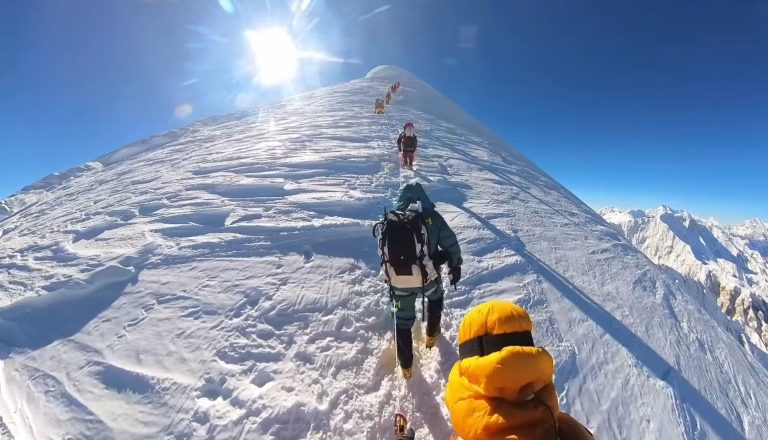
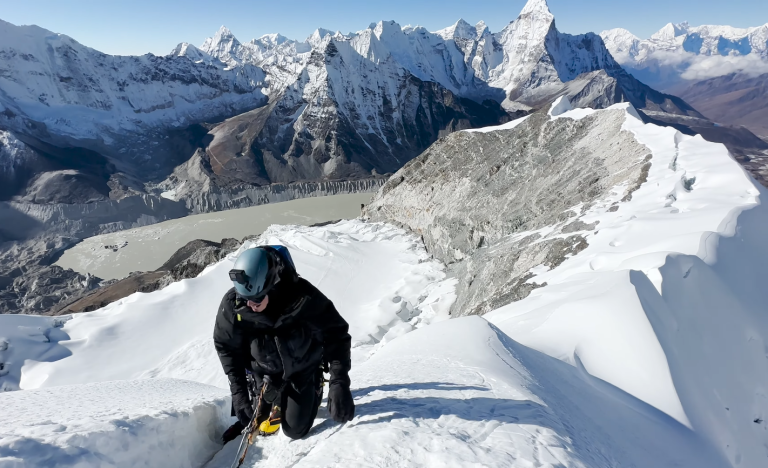
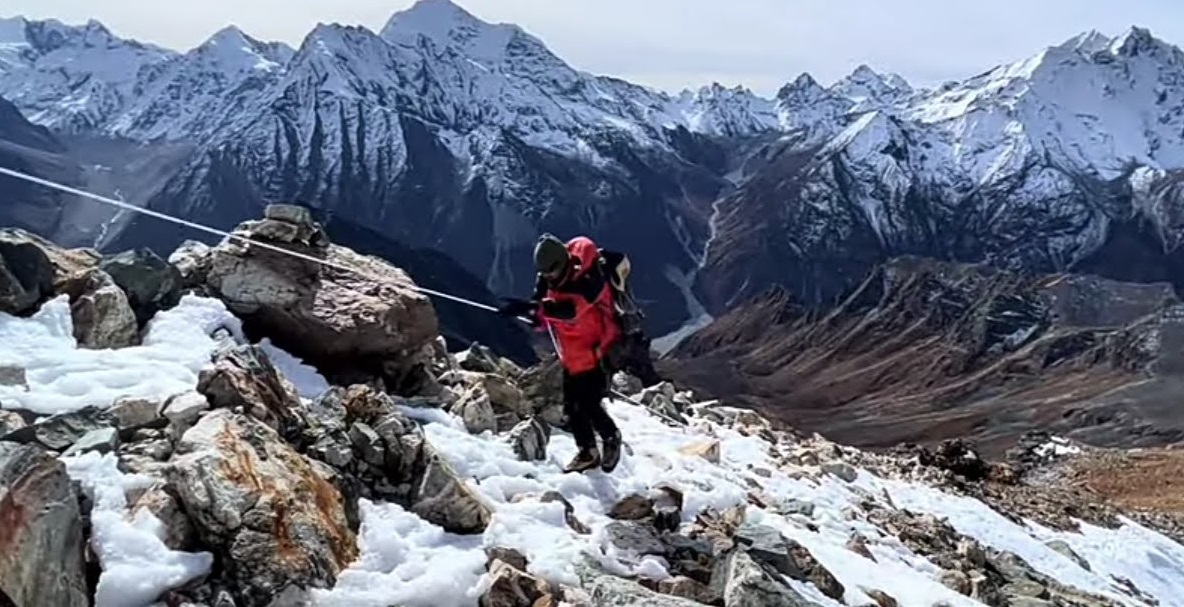
The ascent passes through glacial terrain, snow-covered slopes, icefalls, and rocky ridges, requiring climbers to use fixed ropes, harnesses, crampons, and ice axes under the guidance of experienced Sherpa climbers. Each rotation helps the body adjust to thin air, while also allowing climbers to gain confidence in technical climbing sections.
The summit attempt is carefully timed based on weather forecasts, snow conditions, and climbers’ health. Throughout the climb, guides continuously monitor oxygen levels, physical well-being, and safety measures, ensuring a controlled and secure ascent. Climbers experience panoramic Himalayan views, witnessing iconic peaks such as Annapurna, Ganesh Himal, and Shringi Himal, along with the stunning Manaslu North-East face.
This period demands physical endurance, mental resilience, and strategic climbing skills, while also providing the ultimate high-altitude mountaineering experience. Successful climbers reach the summit of Manaslu (8,163 m / 26,781 ft), standing among the world’s highest peaks and gaining unforgettable memories of Himalayan grandeur, snow-clad ridges, and Sherpa culture.
Accomodation:
Expedition tents at Base and intermediate camps
Meals:
Full-board meals prepared by the expedition kitchen crew
After the Manaslu summit attempt, climbers dismantle the base camp, pack all equipment, and prepare for the descent. This includes organizing tents, kitchen facilities, climbing gear, and expedition supplies, ensuring nothing is left behind.
Emphasis is placed on environmental responsibility, leaving the area clean and organized in accordance with Manaslu Conservation Area regulations.
This process also allows the team to review expedition accomplishments, check equipment, and plan the safe trek back to Sama Gaun, marking the transition from high-altitude climbing to the descent phase.
Accomodation:
Normal Teahouse
Meals:
Breakfast, Lunch & Dinner
Begin the descent from Manaslu Base Camp to Sama Gaun, retracing the scenic route through glacial terrain, moraines, and high-altitude landscapes. The trail offers stunning views of snow-capped peaks, glaciers, and alpine valleys, making the descent as visually rewarding as the ascent.
Arrive in Sama Gaun, a traditional Himalayan village, and stay overnight in a local lodge. This leg of the trek allows for gradual altitude adjustment while reflecting on the summit experience and the breathtaking Himalayan scenery.
Trip Duration:
5–6 Hours trekking
Accomodation:
Normal Teahouse
Meals:
Breakfast, Lunch & Dinner
Descend from Sama Gaun to Namrung, passing through Sherpa villages, terraced fields, and lush Himalayan valleys. The trail offers opportunities to observe local culture, traditional architecture, and daily life while retracing the route taken during the ascent.
Arrive in Namrung and stay overnight in a local lodge, allowing for rest and recovery after the high-altitude climb. The descent provides a chance to soak in the scenic landscapes and reflect on the expedition achievements.
Trip Duration:
5–6 Hours
Accomodation:
Normal Teahouse
Meals:
Breakfast, Lunch & Dinner
Continue the descent from Namrung to Philim, a picturesque Gurung village nestled in the Himalayan foothills. The trail passes through lush forests, flowing streams, and terraced farmland, offering scenic views and opportunities to observe local culture and rural life.
Arrive in Philim and stay overnight in a comfortable local lodge, allowing time to rest and recover after the high-altitude sections of the expedition. This portion of the trek highlights the natural beauty and traditional lifestyles of the lower Manaslu region.
Trip Duration:
6–7 Hours
Accomodation:
Normal Teahouse
Meals:
Breakfast, Lunch & Dinner
Descend from Philim to Machhakhola along forested trails, riversides, and small traditional settlements. The route showcases the natural beauty of the lower Manaslu region, with opportunities to enjoy lush greenery, local wildlife, and glimpses of village life.
Arrive in Machhakhola and stay overnight in a local lodge, providing comfort and rest after a long day of trekking. This section of the descent highlights the transition from high-altitude Himalayan terrain to subtropical landscapes.
Trip Duration:
6–7 Hours
Accomodation:
Normal Teahouse
Meals:
Breakfast, Lunch & Dinner
Complete the descent from Machhakhola to Arughat, following river valleys, lowland forests, and terraced farmland. The trail offers scenic views of lush landscapes and traditional villages, highlighting the natural and cultural diversity of the Manaslu region.
Arrive in Arughat, where you can rest and celebrate the completion of the trekking portion of the expedition. Overnight stay is at a local lodge, providing comfort and a chance to reflect on the journey through the Himalayas.
Trip Duration:
6–7 Hours
Accomodation:
Normal Teahouse
Meals:
Breakfast, Lunch & Dinner
Drive from Arughat back to Kathmandu, retracing the scenic route through rivers, rolling hills, and traditional Nepali villages. The journey offers picturesque views of rural landscapes, terraced fields, and local life, providing a peaceful transition from the Himalayan region to the capital city.
Arrive in Kathmandu and check into your hotel, where you can rest, relax, and enjoy the comforts of the city after the long expedition. This day also allows for reflection on the adventure and preparation for the final activities in Nepal.
Trip Duration:
6–8 Hours Drive
Accomodation:
3-Star Hotel/Resort
Meals:
Breakfast & Lunch
Spend a leisure day in Kathmandu to explore its rich cultural heritage, historic temples, bustling markets, and souvenir shops. This is the perfect opportunity to relax, enjoy local cuisine, or visit famous landmarks such as Pashupatinath, Boudhanath Stupa, or Patan Durbar Square.
In the evening, celebrate the successful completion of the Manaslu Expedition with a farewell dinner, featuring traditional Nepali music, dance performances, and local delicacies. This memorable evening provides a chance to connect with fellow climbers and reflect on the Himalayan adventure.
Accomodation:
3-Star Hotel/Resort
Meals:
Breakfast & Dinner
Transfer to Tribhuvan International Airport for your onward flight, concluding the Manaslu Expedition with memories of breathtaking Himalayan landscapes, Sherpa culture and the thrill of climbing one of the world’s highest peaks.
Trip Duration:
30 minutes
Meals:
Breakfast
Manaslu Expedition Packing List
A successful Manaslu Expedition requires careful preparation and the right gear to ensure safety, comfort, and efficiency at high altitudes. Below is a recommended packing list for climbers tackling Nepal’s eighth-highest mountain:
Clothing
- Insulated down jacket (warm and lightweight)
- Waterproof and windproof shell jacket and pants
- Fleece or soft-shell jacket for layering
- Thermal base layers (tops and bottoms)
- Trekking pants and shorts for lower elevations
- Moisture-wicking t-shirts and long-sleeve shirts
- Insulated gloves and waterproof outer gloves
- Warm hat/beanie and balaclava
- Sun hat or cap for daytime trekking
- Trekking socks (several pairs) and gaiters
- High-altitude climbing boots with crampons compatibility
- Casual clothes for Kathmandu and village stops
Climbing & Trekking Gear
- Backpack (50–60 L) for personal gear
- Daypack (20–30 L) for trekking essentials
- Sleeping bag rated for -20°C or lower
- Trekking poles
- Headlamp with spare batteries
- Sunglasses with UV protection
- Ice axe, harness, and climbing helmet (if required)
- Carabiners, ascenders, and safety ropes (group/expedition gear will be provided)
Personal Essentials
- Water bottles or hydration system
- Water purification tablets or filter
- Sunscreen and lip balm with high SPF
- Personal toiletries and quick-dry towel
- Small first aid kit with personal medications
- Trekking map, guidebook, or GPS device
- Passport, permits, and necessary identification
Optional Items
- Camera or smartphone for photography
- Power bank or solar charger
- Snacks, energy bars, or trail food
- Lightweight binoculars for mountain viewing
Tips:
- Layering is key to manage changing temperatures and conditions.
- Avoid overpacking; most high-altitude gear can be rented locally.
- Ensure all personal items are lightweight, durable, and weather-resistant.
Having the right gear and clothing can make a huge difference in comfort, safety, and your overall Manaslu Expedition experience, especially when navigating glaciers, snow slopes, and high-altitude camps.
Manaslu Expedition FAQs
The Manaslu Expedition is a high-altitude climbing adventure to Mt. Manaslu (8,163 m / 26,781 ft), the eighth-highest peak in the world. It offers technical climbing challenges, high-altitude trekking, and breathtaking Himalayan views, making it ideal for climbers preparing for Everest or other major peaks.
The expedition is located in Central-Western Nepal, primarily in the Gorkha District, within the Manaslu Conservation Area, a protected region with glaciers, alpine forests, and traditional Himalayan villages.
No. The region is restricted, and all climbers must hire a registered guide and Sherpa team. This is mandatory for permits, navigation, safety, and support at high altitude.
Manaslu is technically challenging and physically demanding, involving steep snow slopes, glacier crossings, and high-altitude conditions. Climbers should have previous trekking or mountaineering experience and excellent physical fitness.
The best seasons are:
- Spring (March–May): Mild weather, blooming rhododendrons, and clear skies.
- Autumn (September–November): Stable, dry conditions with excellent visibility.
- Monsoon (June–September) and winter (December–February) are not recommended due to rain, snow, and avalanche risks.
- Ascend gradually and follow acclimatization schedules.
- Drink plenty of water and eat nutritious meals.
- Rest adequately and monitor for symptoms.
Use medication like Diamox only under medical supervision
Climbers need:
Manaslu Expedition Permit
- ACAP (Annapurna Conservation Area Permit)
- MCAP (Manaslu Conservation Area Permit)
- Special Restricted Area Permit
All permits must be arranged through a licensed trekking agency.
Tipping is customary in Nepal:
- Sherpa/guide: USD 25–50 per day
- Porters: USD 10–20 per day
Kitchen/support staff: USD 5–
Yes. High-altitude travel insurance with emergency evacuation coverage is mandatory due to the remote location and climbing risks.
- Kathmandu: 3–4 star hotels with breakfast.
- Trekking route: Local lodges and teahouses with shared or private rooms.
- High-altitude camps: Expedition-style tents with sleeping mats, dining tents, and cooking facilities.
- Kathmandu and lower villages: Mobile networks and Wi-Fi.
- High camps above base camp: No mobile coverage; satellite phones or radios are used for emergency communication.
- High-altitude clothing (layered jackets, thermal base layers)
- Trekking gear and daypack
- Climbing equipment (ice axe, crampons, harness, helmet)
- Sleeping bag suitable for sub-zero temperatures
- Personal items (medication, first-aid kit, water bottles)
Climbers should have:
- Strong cardiovascular endurance
- Leg and core strength
- Experience in multi-day hikes with backpacks
- Ability to trek at moderate to high altitudes
With experienced guides, proper acclimatization, and safety protocols, the expedition is relatively safe. Risks include altitude sickness, severe weather, and technical climbing challenges, which require careful planning and preparation.
- Lower villages: Nepali and Tibetan cuisine (dal bhat, noodles, soups).
- High-altitude camps: Warm meals, energy-rich snacks, and full-board expedition food prepared in dining tents.
Yes, but some areas require special filming permits, and fees may apply. Always respect local customs and cultural sites.
Yes. Trekkers pass through traditional Gurung, Tibetan, and Sherpa villages, experiencing local festivals, monasteries, and Himalayan hospitality.
- Understand that the expedition involves long, physically demanding days.
- Be prepared for harsh weather, isolation, and high-altitude challenges.
- Maintain a positive attitude, patience, and flexibility, which are essential for a successful summit.
Manaslu Expedition Good To Know
The Manaslu region in Central-Western Nepal is steeped in Himalayan history and Tibetan Buddhist culture. Named from the Sanskrit word “Manasa” meaning “spirit,” Manaslu holds deep spiritual significance for local communities. The region remained isolated for centuries, preserving its traditional lifestyle, monasteries, mani walls and prayer flags.
The area gained international recognition in 1956, when Japanese climbers Toshio Imanishi and Gyalzen Norbu Sherpa completed the first successful ascent via the North-East face. Trekking through villages like Samagaon, Samdo, and Namrung, visitors experience authentic Tibetan and Gurung culture, traditional farming, festivals, and monastic rituals.
The blend of rich culture, ancient traditions, and breathtaking Himalayan landscapes makes the Manaslu region a unique destination for climbers and trekkers seeking both adventure and cultural immersion.
The Manaslu Expedition is situated in Central-Western Nepal, within the scenic Gorkha District. The mountain, Mt. Manaslu (8,163 m / 26,781 ft), is the eighth-highest peak in the world and lies inside the Manaslu Conservation Area, a protected region renowned for its breathtaking Himalayan landscapes, glaciers, and alpine forests.
The Manaslu Expedition is not just about climbing the eighth-highest peak in the world; it is also a journey through remote Himalayan villages and an immersion into the lives of local communities. Along the route, trekkers pass through Soti Khola, Jagat, Deng, Namrung, Samagaon, and Samdo, each offering a unique glimpse into the region’s rich culture and traditions.
The area is home to Tibetan-influenced communities, as well as ethnic groups like the Gurung and Bhote people, who maintain traditional lifestyles rooted in farming, animal husbandry, and handicrafts. Trekkers will see ancient monasteries, mani walls, prayer flags, and chortens, reflecting centuries of Buddhist heritage and spiritual practice.
The locals are known for their warm hospitality, offering tea, meals, and insights into their daily life. Visiting these villages provides trekkers with a deeper understanding of Himalayan culture, making the Manaslu Expedition not just a climbing challenge but also a cultural adventure.
The Manaslu Expedition takes trekkers through the ecologically diverse Manaslu Conservation Area, home to a remarkable range of flora and fauna. The lower elevations feature lush subtropical forests with bamboo, rhododendron, oak, and pine trees, creating vibrant landscapes along the trekking trails. As the altitude increases, these give way to alpine meadows and moss-covered rocks, offering a unique high-altitude ecosystem.
The region is rich in wildlife, including species such as the red panda, Himalayan tahr, snow leopard, musk deer, and langur monkeys. Birdwatchers can spot Himalayan monals, blood pheasants, and a variety of colorful migratory birds, making it a paradise for nature enthusiasts.
The combination of dense forests, alpine flora, and diverse wildlife adds a scenic and tranquil dimension to the expedition. Observing the unique ecosystem of the Manaslu region allows trekkers to connect with Nepal’s pristine natural heritage while ascending one of the world’s highest peaks.
Proper acclimatization is crucial for a safe and successful Manaslu Expedition, as climbers ascend to heights exceeding 8,000 meters (26,781 ft). The expedition is carefully designed to allow gradual altitude gain, giving the body enough time to adjust to lower oxygen levels and reducing the risk of Altitude Sickness (AMS).
The trek begins at Soti Khola and gradually climbs through villages like Jagat, Deng, Namrung, Samagaon, and Samdo, reaching Manaslu Base Camp (4,800 m) over several days. Above base camp, climbers establish multiple higher camps—Camp I, II, III, and IV—with rest days incorporated at key altitudes to allow for proper physiological adaptation.
During acclimatization days, climbers may undertake short hikes to higher points before returning to sleep at lower camps, a technique known as “climb high, sleep low”. This approach strengthens endurance, reduces fatigue, and increases the chances of a successful summit.
Following a structured acclimatization schedule is essential for safety and ensures that climbers enjoy the breathtaking views and unique experiences of the Manaslu region while minimizing health risks at high altitudes.
Yes, the Manaslu Expedition is a true high-altitude adventure trip. Climbing Mt. Manaslu (8,163 m / 26,781 ft) involves challenging trekking, glacier crossings, snow slopes, and technical climbing sections, making it an ideal expedition for experienced mountaineers seeking a thrilling Himalayan adventure.
The journey also offers cultural immersion through remote Tibetan-influenced villages, monasteries, and prayer flags, combined with stunning alpine landscapes, glaciers, and panoramic Himalayan views. With proper Sherpa support, acclimatization, and logistical planning, the Manaslu Expedition provides a safe yet adventurous experience for those looking to test their limits at one of Nepal’s most majestic peaks.
The Manaslu Expedition is considered moderately safe for experienced climbers when proper precautions are followed. Safety depends on fitness, prior high-altitude experience, acclimatization, and adherence to expedition guidelines.
The expedition is supported by experienced Sherpa guides, professional climbing staff, fixed ropes, and high-altitude camps, along with emergency oxygen, satellite communication, and first-aid systems. Proper planning, respect for weather conditions, and gradual acclimatization significantly reduce risks, allowing climbers to enjoy a challenging yet well-supported Himalayan adventure.
The Manaslu Expedition starts and ends in Kathmandu, Nepal’s capital and main gateway to the Himalayas. International travelers can reach Kathmandu via Tribhuvan International Airport (TIA), which connects with major cities worldwide.
From Kathmandu, the expedition begins with a scenic drive to Soti Khola or Machha Khola, the starting point of the trek. The route passes through terraced farmlands, rivers, and villages such as Jagat, Deng, Namrung, Samagaon, and Samdo, offering stunning views and cultural encounters along the way.
After completing the expedition and descending from the summit, climbers return along the same route, reaching Soti Khola/Machha Khola before driving back to Kathmandu. This journey typically involves private or shared jeep/van transport, allowing for a comfortable and flexible return.
The combination of road travel and trekking ensures accessibility while preserving the remote and pristine experience of the Manaslu region. Climbers can then depart Kathmandu for international flights, marking the end of their expedition.
Climbing Mt. Manaslu (8,163 m / 26,781 ft) requires several official permits issued by the Government of Nepal and local conservation authorities. As the mountain lies within a restricted area and conservation zone, all climbers must obtain the necessary permits before beginning the expedition.
-
Manaslu Expedition Climbing Permit
This is the primary permit required for summiting Mt. Manaslu, issued by the Nepal Mountaineering Association (NMA). The cost varies depending on the season:
- Spring (March–May): USD 1,800 per person
- Autumn (September–November): USD 900 per person
- Winter/Summer (December–February & June–August): USD 450 per person
- Restricted Area Permit (RAP)
Because the Manaslu region lies in a restricted border zone near Tibet, trekkers must obtain a special Restricted Area Permit from the Department of Immigration in Kathmandu. The fee depends on the duration:
- USD 100 per person for the first week
- USD 15 per person for each additional day
- Manaslu Conservation Area Permit (MCAP)
Managed by the National Trust for Nature Conservation (NTNC), this permit supports environmental preservation and local development.
- Cost: NPR 3,000 (approx. USD 25) per person
- Annapurna Conservation Area Permit (ACAP)
If the itinerary exits through the Annapurna region (e.g., via Dharapani), an additional ACAP is required.
- Cost: NPR 3,000 (approx. USD 25) per person
Permit Application Requirements
- Valid passport copy and Nepal visa
- Passport-size photographs
- A registered local trekking or expedition agency (independent trekking is not allowed in the Manaslu region)
Obtaining all these permits ensures legal entry, environmental protection, and safe expedition management. Your authorized trekking company handles the entire permit process, making the journey hassle-free and fully compliant with Nepal’s mountaineering regulations.
The Manaslu Expedition is best attempted during spring (March–May) and autumn (September–November), when weather conditions are most favorable for high-altitude climbing. These seasons offer stable skies, minimal snowfall, and excellent visibility, making it ideal for both trekking and summiting Mt. Manaslu (8,163 m / 26,781 ft).
Spring (March–May):
During spring, the region blooms with rhododendrons, alpine flowers, and lush greenery along the trekking route. Temperatures are moderate at lower elevations, while higher camps have clear weather and manageable snow conditions. This season is also preferred for acclimatization and summit attempts.
Autumn (September–November):
Autumn provides crisp, clear skies, making it perfect for panoramic views of Manaslu, Annapurna, Ganesh Himal, and Shringi Himal. The trails are drier after the monsoon, and stable weather ensures safer climbing conditions.
Winter and Monsoon Seasons:
Climbing during winter (December–February) or monsoon (June–August) is not recommended due to heavy snowfall, extreme cold, and high avalanche risk, which can make the expedition dangerous.
Choosing the best season maximizes safety, scenic beauty, and your chances of a successful summit, while providing an unforgettable experience of the Manaslu region and Himalayan landscapes.
Altitude sickness (Acute Mountain Sickness – AMS) is one of the biggest challenges when climbing Mt. Manaslu (8,163 m / 26,781 ft). Proper precautions and acclimatization are crucial to ensure a safe and successful expedition.
- Gradual Acclimatization: Follow the “climb high, sleep low” principle. Ascend slowly and spend extra days at base camp or intermediate camps to allow your body to adjust to reduced oxygen levels.
- Stay Hydrated: Drink at least 3–4 liters of water daily. Proper hydration helps prevent headaches and fatigue, common symptoms of AMS. Avoid excessive alcohol or caffeine.
- Balanced Nutrition: Eat light, high-carbohydrate meals to maintain energy levels. Foods like rice, noodles, and energy bars are ideal for high-altitude trekking.
- Monitor Symptoms: Watch for early signs of AMS: headache, nausea, dizziness, or shortness of breath. Descend immediately if symptoms worsen.
- Medication (Optional): Some climbers use Diamox (Acetazolamide) after consulting a doctor to aid acclimatization.
- Rest and Avoid Overexertion: Take short breaks during trekking and climbing. Avoid pushing too hard, especially in the first few days at high altitude.
Travel insurance is mandatory for all climbers attempting the Manaslu Expedition due to the high-altitude and remote nature of the trek. A comprehensive policy ensures coverage for medical emergencies, evacuation, and other unexpected events during the expedition.
Why Travel Insurance is Essential:
- Emergency Medical Evacuation: Helicopter rescue is often the only option in case of severe illness or injury at high altitudes.
- Medical Treatment: Coverage for illnesses, injuries, or altitude sickness treatment in remote regions.
- Trip Cancellation or Delays: Protects your investment if unforeseen circumstances prevent departure or continuation.
- Equipment Loss or Damage: Reimburses for lost or damaged climbing gear and personal belongings.
Recommended Insurance Features:
- High-altitude coverage up to 8,500 meters
- Helicopter evacuation and repatriation
- Coverage for mountaineering or expedition climbing
- Medical coverage for hospitalization, medications, and treatment
Before the expedition, ensure your insurance policy explicitly covers high-altitude trekking and mountaineering, as standard travel insurance often excludes peaks above 5,000 meters. This ensures your safety and peace of mind while exploring the remote and challenging Manaslu region.
The Manaslu Expedition experiences a diverse high-altitude Himalayan climate, ranging from lush lower valleys to icy upper glacial zones. Awareness of these seasonal patterns is vital for safe trekking, proper acclimatization, and a successful summit.
Spring (March–May)
- Conditions: Mild days with clear mornings; occasional afternoon clouds and pre-monsoon storms toward May.
- Temperatures: 10–20°C in lower regions; -5 to 10°C above 4,000 m.
- Highlights: Blooming rhododendrons, green valleys, and warmer weather. Spring offers excellent trekking conditions and clear skies for higher camps.
Summer/Monsoon (June–September)
- Conditions: Heavy rainfall, landslides, leeches in lower areas, slippery trails, and low visibility.
- Temperatures: 15–25°C at lower altitudes; 0–10°C above 4,000 m.
- Challenges: Increased risk of landslides, swollen rivers, and avalanches. Monsoon is generally not recommended for climbing.
Autumn (September–November)
- Conditions: Stable weather with clear skies and crisp air.
- Temperatures: 5–15°C at mid-altitudes; -10 to 5°C at Larke Pass.
- Highlights & Challenges: Ideal for summit attempts and mountain views, though nights grow very cold by November. Trails are dry, offering safe trekking conditions.
Winter (December–February)
- Conditions: Dry but extremely cold; higher regions often frozen with occasional snowstorms.
- Temperatures: -10 to 5°C at mid-altitudes; -20°C or lower at high passes.
- Challenges: Snow can block high passes, making travel difficult. Winter expeditions are only for experienced climbers with advanced high-altitude gear.
Tips for Weather Preparedness
- Wear layered clothing to handle rapid temperature changes.
- Bring insulated jackets, thermal layers, gloves, and high-altitude gear.
- Monitor weather forecasts and plan summit attempts carefully.
- Be ready for snowstorms, icy slopes, and strong winds at higher elevations.
Understanding the seasonal climate of the Manaslu region ensures a safer, more enjoyable expedition while offering opportunities to experience breathtaking Himalayan landscapes.
Proper packing is crucial for a successful and comfortable Manaslu Expedition, as climbers face high-altitude trekking, variable weather, and long days on the trail. Understanding the baggage options helps manage personal gear efficiently and ensures safety.
Porter Baggage (Main Expedition Bag)
Most climbers hire porters to carry their main expedition baggage. The porter typically carries 15–20 kg of your personal belongings, including climbing equipment, warm clothing, sleeping bag, and other heavy gear. Using a porter allows climbers to focus on trekking and acclimatization without the burden of heavy loads. All items must be well-packed in durable duffel bags or expedition backpacks, ideally waterproof, to protect against snow, rain, and rough handling.
Day Bag (Trekking Backpack)
In addition to the main porter baggage, each climber should carry a light day pack of 30–40 liters. This bag holds water, snacks, camera, extra layers, first-aid kit, and personal items needed for daily trekking. A comfortable day pack with padded shoulder straps and waist belt ensures mobility and balance during steep climbs and long trekking days.
Baggage Tips for the Expedition
- Pack clothing in layers to adjust for temperature changes.
- Carry important documents, permits, and valuables in the day bag.
- Label all bags clearly for easy identification by porters.
- Avoid overpacking to maintain efficiency and prevent strain on porters.
By properly organizing main porter baggage and day packs, climbers can maximize comfort, safety, and convenience during the Manaslu Expedition while keeping essential items accessible throughout the journey.
Staying connected and keeping your devices charged during the Manaslu Expedition requires some planning due to the remote high-altitude environment. Electricity is limited along the trek, especially above Manaslu Base Camp, so climbers should prepare accordingly.
Charging Options along the Trek
- Tea Houses and Lodges: Most villages along the trekking route provide charging facilities for phones, cameras, and small electronics. A small fee (usually USD 2–5 per device) may apply.
- Solar Chargers: Portable solar panels are highly recommended for charging gadgets in remote areas where electricity is unavailable.
- Power Banks: Carry high-capacity power banks to ensure your devices remain operational during long trekking days.
Tips for Gadget Safety and Charging
- Bring universal adapters compatible with Nepali plugs (Type C, D, and M).
- Protect devices from cold temperatures, which can reduce battery life at high altitudes.
- Limit non-essential device usage to conserve battery during remote stretches.
- Consider a satellite phone or walkie-talkie for emergencies above base camp where mobile networks are unavailable.
Proper planning for phone and gadget charging ensures climbers remain connected, safe, and able to document their journey while enjoying the remote beauty of the Manaslu region.
Proper nutrition is essential during the Manaslu Expedition, as climbers expend high energy on long trekking days and high-altitude climbs. The expedition offers a mix of local Nepali cuisine and international dishes, ensuring a balanced diet for all participants.
Meals along the Trek
- Breakfast: Typically includes porridge, eggs, bread, noodles, or local Tibetan-style dishes like tsampa (roasted barley flour) to provide energy for the day.
- Lunch and Snacks: Lunch often consists of rice, lentils (dal), vegetables, and soups, with options for pasta, sandwiches, or instant noodles. Trekkers are encouraged to carry energy bars, nuts, and chocolate for quick boosts during trekking.
- Dinner: After a long day, dinners feature hearty meals such as dal bhat (rice and lentils), vegetable curries, soups, and occasionally meat dishes to restore energy.
High-Altitude Camps
At Manaslu Base Camp and higher camps, meals are provided in the expedition dining tent, with a mix of warm soups, noodles, pasta, and energy-rich snacks. The menu is designed to maintain calories and stamina while accommodating limited cooking facilities.
Tips for Eating on the Expedition:
- Stay hydrated with water, tea, or electrolyte drinks.
- Avoid excessive oily or heavy foods that may upset digestion at high altitude.
- Try local dishes to experience Himalayan culture while keeping meals nutritious.
A well-planned diet during the Manaslu Expedition ensures climbers have sufficient energy, maintain proper acclimatization, and enjoy the journey through remote Himalayan villages.
Accommodation during the Manaslu Expedition is designed to provide comfort, safety, and convenience while trekking through remote Himalayan regions. The expedition combines local lodges, teahouses, hotels, and high-altitude tents, depending on the stage of the trek and climbing camps.
In Kathmandu: Before and after the expedition, climbers stay in 3-star or 4-star hotels in Kathmandu, offering modern amenities, comfortable rooms, hot showers, and breakfast. This allows for rest and preparation before heading to the remote trail.
Trekking Route Accommodation: Along the trekking route to Manaslu Base Camp, most villages provide teahouses and local lodges. These offer basic but clean rooms, shared or private bathrooms, and full-board meals. Staying in these lodges allows trekkers to experience local culture and interact with Himalayan communities.
High-Altitude Camps: Above the Base Camp, climbers stay in expedition-style tents. These tents are insulated and equipped with sleeping mats, dining tents, and cooking facilities to ensure warmth and safety at extreme altitudes. Specialized high-altitude gear, such as EPI gas stoves, heaters, and toilet tents, is provided for comfort.
Tips for Accommodation
- Bring a warm sleeping bag suitable for sub-zero temperatures.
- Be prepared for basic facilities in high-altitude camps.
- Staying in local lodges offers a unique cultural experience alongside the natural beauty of the Manaslu region.
This combination of city hotels, teahouses, and high-altitude tents ensures climbers are well-rested, acclimatized, and prepared for the challenges of the Manaslu Expedition.
No, it is not possible to undertake the Manaslu Expedition independently. The region falls under a restricted area in Nepal, and all climbers must have a registered local trekking or expedition agency to obtain the required Manaslu Expedition Permit, ACAP, MCAP, and Restricted Area Permits.
Hiring an experienced guide and Sherpa team is mandatory, not only for legal compliance but also for safety, navigation, and support at high altitudes. Guides provide crucial services, including:
- Route navigation and local knowledge
- Acclimatization planning and altitude safety
- Camp setup, cooking, and porter management
- Emergency response, including medical evacuation
Attempting Manaslu without a licensed guide is illegal and extremely dangerous due to the technical climbing sections, high-altitude risks, and remote location. Therefore, all climbers must rely on a professional guide and support team for a safe and successful expedition.
The Manaslu Expedition is considered a high-altitude, challenging expedition, suitable for experienced climbers with prior trekking or mountaineering experience. Standing at 8,163 m (26,781 ft), Manaslu is the eighth-highest peak in the world, requiring climbers to navigate steep snow slopes, glaciers, and exposed ridges.
Factors Contributing to Difficulty:
- High Altitude: Risks of Altitude Sickness (AMS) and extreme oxygen deprivation above 5,000 meters.
- Technical Sections: Some parts involve ice climbing, fixed ropes, and crevasse navigation.
- Remote Location: Limited access to medical facilities and long travel distances from the nearest road or town.
- Weather Conditions: Rapidly changing weather, snowstorms, and strong winds increase risk.
- Physical Endurance: The expedition requires long trekking days, carrying gear, and acclimatization hikes.
Connectivity on the Manaslu Expedition is limited due to the remote high-altitude location. While some villages and teahouses along the trekking route offer Wi-Fi or mobile internet, the speed is often slow and intermittent, particularly in higher-altitude areas.
Connectivity Details:
- Kathmandu: Full access to high-speed internet, Wi-Fi, and mobile networks.
- Lower Villages (Soti Khola to Jagat): Limited mobile coverage with occasional Wi-Fi at select lodges.
- Mid-Trek Villages (Deng to Samagaon): Weak mobile signals; some teahouses may offer paid Wi-Fi.
- High-Altitude Camps (Above Base Camp): No internet or mobile network; communication relies on satellite phones, radios, or walkie-talkies.
Tips for Staying Connected:
- Purchase a Nepalese SIM card with data for coverage in lower and mid-altitude villages.
- Carry portable Wi-Fi devices or power banks to maintain device functionality.
- Use satellite phones or walkie-talkies for emergency communication above base camp.
While internet access is limited, climbers can still share updates during lower-altitude stops. Planning ahead ensures safety, connectivity, and uninterrupted documentation of the Manaslu Expedition experience.
Climbing Mt. Manaslu (8,163 m / 26,781 ft) is a physically demanding high-altitude expedition that requires strength, endurance, and cardiovascular fitness. Proper preparation is essential to maximize safety, acclimatization, and summit success.
- Cardiovascular Training
- Engage in running, cycling, swimming, or stair climbing 4–5 times per week.
- Focus on long-duration cardio sessions to build stamina for daily trekking and climbing.
- Strength Training
- Strengthen legs, core, and upper body with squats, lunges, step-ups, planks, and push-ups.
- Include exercises that simulate carrying a backpack or climbing with weight.
- Endurance and Hiking Practice
- Go on multi-day hikes with weighted backpacks to adapt to prolonged trekking.
- Practice steep ascents and descents to mimic high-altitude conditions.
- Flexibility and Balance
- Incorporate yoga or stretching routines to improve flexibility and reduce the risk of injury.
- Work on balance exercises for traversing uneven terrain and icy slopes.
- Acclimatization and Altitude Preparation
- If possible, do treks at moderate altitudes (3,000–5,000 m) to experience reduced oxygen levels.
- Learn to recognize symptoms of altitude sickness and practice slow, controlled breathing techniques.
- General Tips
- Maintain a healthy diet and proper hydration during training.
- Gradually increase intensity and duration to avoid overtraining.
- Consult a doctor if you have pre-existing medical conditions before high-altitude trekking.
Proper fitness and training ensure that climbers are physically and mentally prepared for the challenges of the Manaslu Expedition, making the experience safer, more enjoyable, and increasing the chances of a successful summit.
Tipping is a customary practice in Nepal and an important way to show appreciation for services provided by guides, porters, drivers, and support staff during trekking and expeditions like the Manaslu Expedition. While not mandatory, tipping is highly encouraged if you are satisfied with the service.
Guidelines for Tipping:
- Climbing Sherpa/Guide: USD 25–40 per day per guide, depending on experience and service quality.
- Porters: USD 10–20 per day per porter.
- Kitchen and Support Staff: USD 5–10 per day.
- Present tips in Nepalese Rupees or USD at the end of the trek, preferably in envelopes labeled with names.
Tipping is a gesture of gratitude and supports the livelihoods of local communities involved in high-altitude expeditions.
The Manaslu Expedition 2025–2026 is a high-altitude adventure designed for serious climbers. The cost reflects full expedition logistics, experienced Sherpa support, permits, accommodation, meals, and safety measures.
Pricing varies depending on group size, expedition duration, season, and included services, with a typical range for a 40-day expedition from USD 16,500 to USD 20,000 per person. This ensures a safe, well-organized, and memorable climbing experience.
Reviews
A Memorable Kailash Mansarovar Yatra with Excellent Support
My Kailash Mansarovar Yatra with Best Of Nepal Trek was an unforgettable experience. From the very beginning, everything was well planned and the team made sure our journey was comfortable, safe and enjoyable.
Our guide and the entire staff were friendly, experienced and always ready to help. They took great care of the group, answered all our questions and ensured that every part of the pilgrimage went smoothly.
Visiting the sacred Mount Kailash and Lake Mansarovar was a dream come true. The stunning Himalayan scenery and the peaceful spiritual atmosphere made this journey truly special.
I would like to thank Best Of Nepal Trek for their outstanding hospitality and professional service. I highly recommend them to anyone planning the Kailash Mansarovar Yatra. It was a wonderful experience that I will always remember.
Raada J
,USA
Excellent Kailash Mansarovar Yatra with Best Of Nepal Trek
Everything was well organized from start to finish, and the communication before the trek was smooth and clear. Our guide, Mr. Arjun, was excellent—friendly, knowledgeable and always making sure everyone was safe and comfortable. The entire team at Best Of Nepal Trek was professional, helpful and made us feel welcome throughout the journey.
The Kailash Mansarovar Yatra was a truly unforgettable spiritual experience. From the breathtaking Himalayan landscapes to the peaceful atmosphere around Mount Kailash and Lake Mansarovar, every moment was memorable. I felt well supported throughout the journey, and the team's attention to detail made the pilgrimage comfortable and stress-free.
I highly recommend Best Of Nepal Trek to anyone planning the Kailash Mansarovar Yatra. Thank you to Mr. Arjun and the entire team for making this once-in-a-lifetime journey so special.
Anupam M
,USA

Outstanding Everest Base Camp Trek Experience
Our Everest Base Camp Trek with Best of Nepal Trek was an unforgettable experience from beginning to end. Every detail of the trip was professionally organized and our guide, Shyange Sherpa, was knowledgeable, friendly and always willing to help. His experience and encouragement made the trek enjoyable and safe.
We also enjoyed the Kathmandu city tour, which was a wonderful introduction to Nepal's rich culture and history before the trek. The breathtaking Himalayan scenery and outstanding service made this journey truly special.
We highly recommend Best of Nepal Trek to anyone planning an Everest Base Camp Trek or a Kathmandu city tour in Nepal. Thank you for creating such an incredible and memorable adventure.Gotti M
,Norway
Annapurna Base Camp Trek with Friendly Guide
The Annapurna Base Camp Trek was an unforgettable adventure. Nepal is truly a beautiful country, famous for its warm hospitality, rich culture and unique traditions. The mountain views were absolutely breathtaking throughout the journey. A special thanks to our guide, Suman Tamang, who was friendly, knowledgeable and always ready to help. His support and care made the trek safe, enjoyable and memorable. I highly recommend Best Of Nepal Trek to anyone planning the Annapurna Base Camp Trek in Nepal.
Andrea Stern
,Sweden
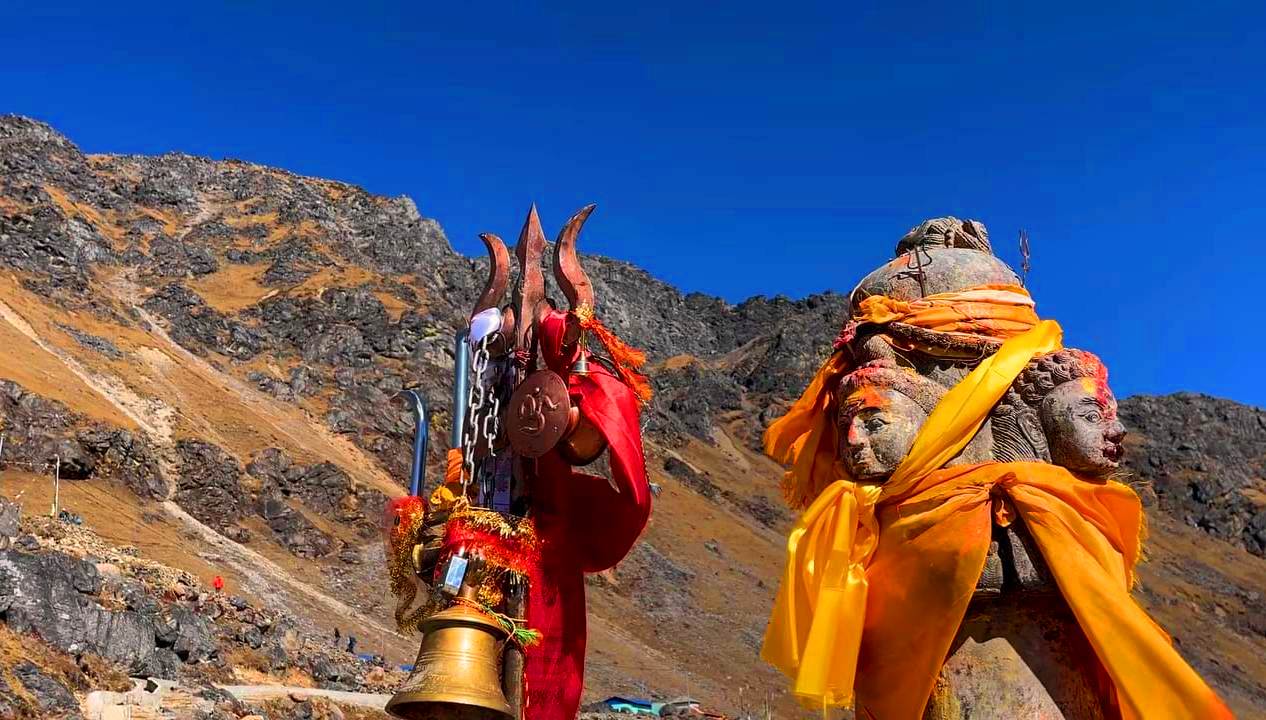
Well-Organized Gosaikunda Trekking with Stunning Himalayan Views
Our Gosaikunda Trekking adventure with Best of Nepal Trek was exceptionally well organized from beginning to end. The guide and porters were friendly, professional and always ready to help. Visiting the sacred Gosaikunda Lake was the highlight of our journey and the breathtaking panoramic mountain views made every step worthwhile. We had a fantastic trip and highly recommend Best of Nepal Trek to anyone planning the Gosaikunda Trek in Nepal.
Anna
,Australia
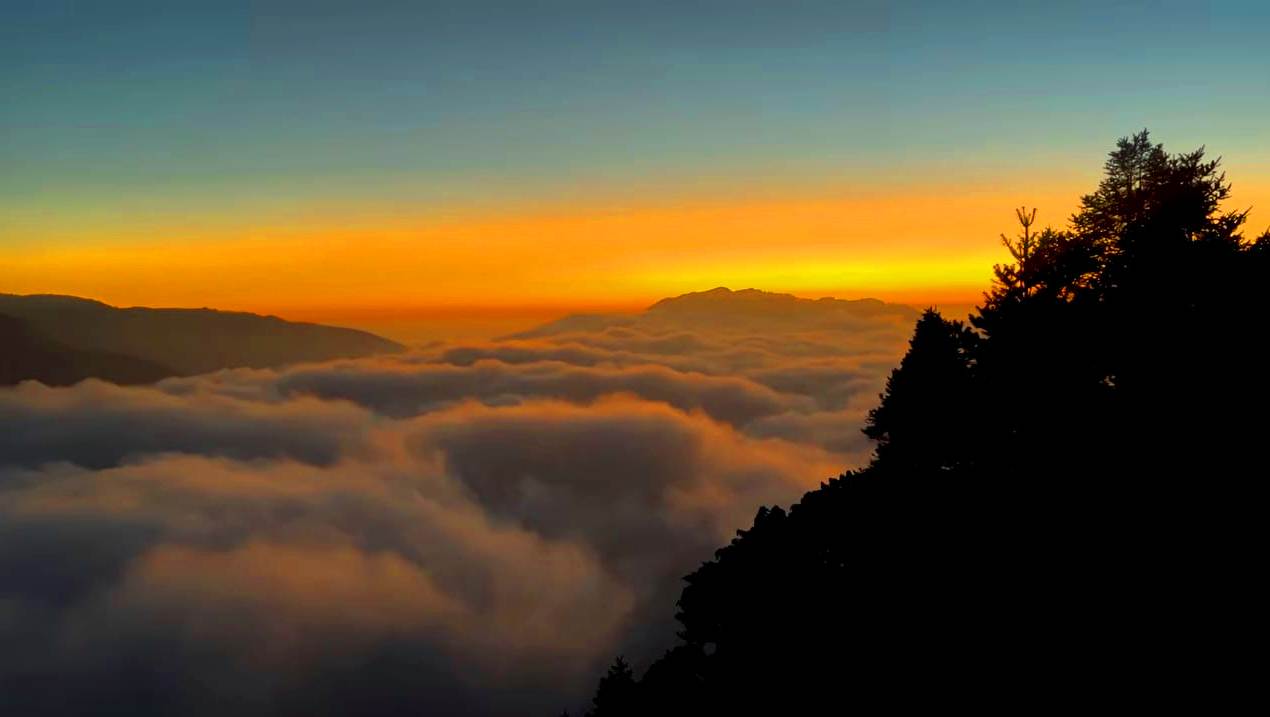
Amazing Gosaikunda Trek Experience
Our Gosaikunda Trek with Best of Nepal Trek was challenging but incredibly rewarding. The stunning Himalayan scenery, peaceful trails and warm hospitality made every moment unforgettable. Our guide, Dipak Sapkota, was knowledgeable, friendly and supportive throughout the trek. Everything was professionally organized, making our adventure safe, enjoyable and truly memorable. We highly recommend Best of Nepal Trek for anyone planning the Gosaikunda Trek in Nepal.
Jennifer,
,Canada
Excellent Kailash Mansarovar Yatra Experience
Our Kailash Mansarovar Yatra with Best of Nepal Trek was exceptionally well organized from start to finish. Communication was smooth and our Guide, Arjun, was friendly, knowledgeable and supportive throughout the journey. We felt safe, well cared for and truly enjoyed this once-in-a-lifetime pilgrimage. I highly recommend Best of Nepal Trek to anyone planning the Kailash Mansarovar Yatra.
Nini
,US
Jungle Safari on Foot in Chitwan
The jungle safari on foot was a really amazing experience. We were lucky to see a mother rhino with her calf, which was truly unforgettable. We also spotted deer and other wildlife along the way.
It was a great adventure in nature and a wonderful way to experience the beauty of the jungle up close.Nina N.
,Australia
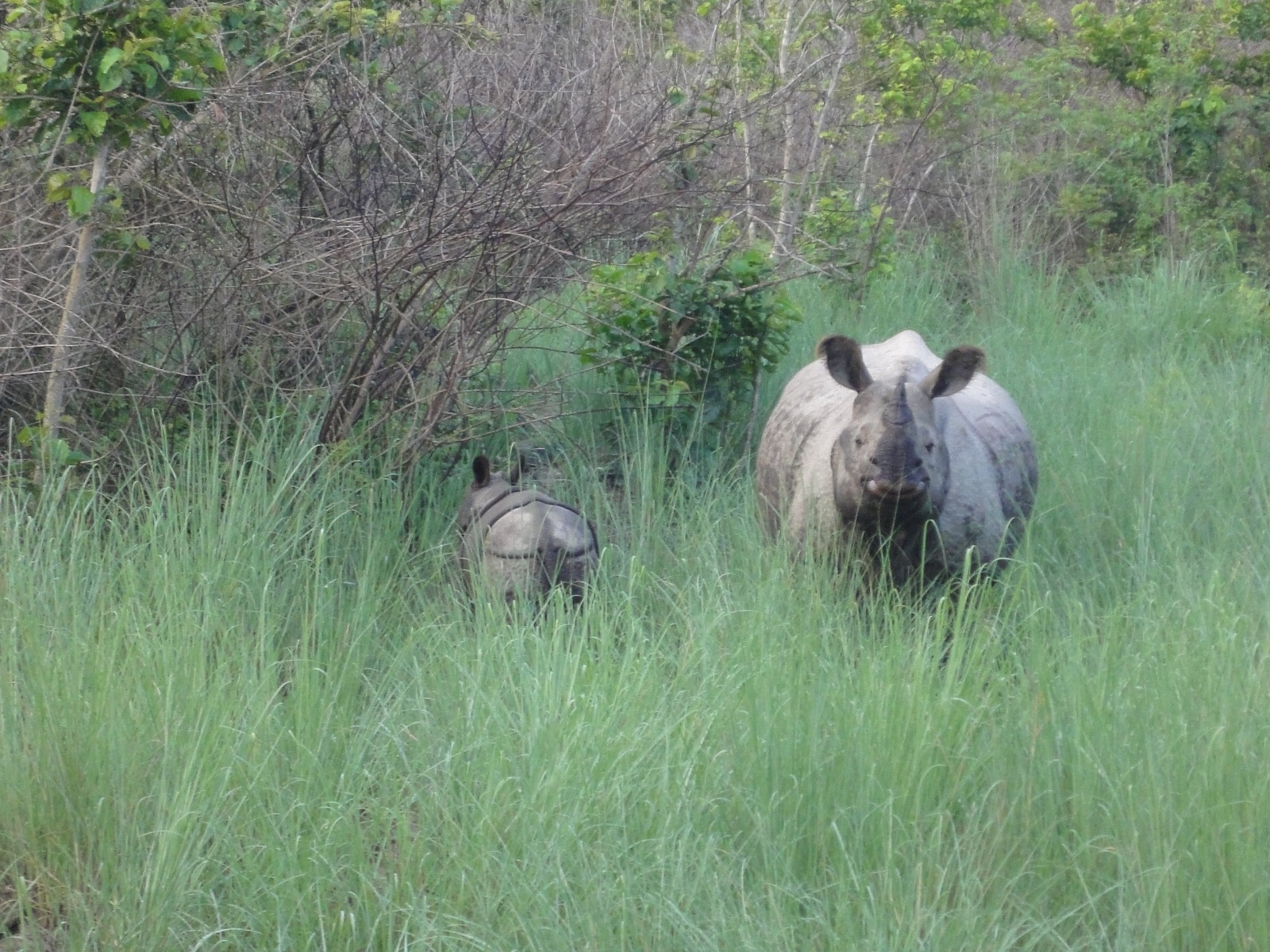
Wonderful Jungle Safari Experience
Our Chitwan Jungle Safari Tour with Best Of Nepal Trek was an unforgettable experience. We enjoyed incredible wildlife sightings, including the famous one-horned rhinoceros and had the opportunity to explore the natural beauty of Chitwan National Park.
The guides were knowledgeable and helpful throughout the tour, while the resort staff provided excellent hospitality. The food was delicious and plentiful, making our stay even more enjoyable. Everything was well organized and we highly recommend this tour to anyone looking for a memorable wildlife adventure in Nepal.janet
,US
Chitwan Jungle Safari Tour with Best Of Nepal Trek
My Chitwan Jungle Safari Tour with Best Of Nepal Trek was a fantastic experience. The wildlife sightings, jungle activities and cultural experiences made the trip both exciting and memorable.
Everything was well organized and the team ensured a comfortable and enjoyable journey throughout the tour. I highly recommend Best Of Nepal Trek to anyone looking to explore the natural beauty and wildlife of Chitwan. Thank you for making this adventure so special.Kristen
,United States