

Everest Pikey Peak Trek
Destination:
Nepal
Trip Duration:
9 Days
Max Altitude:
Pikey Peak (4,065 M)
Activities:
Hiking/Trekking
Start Point:
Kathmandu
Ending Point:
Kathmandu
Region:
Everest
Trip Grade:
Moderate
Group Size:
1-15 Pax
Accomodation:
Hotel/Cozy local teahouses
Meals:
Breakfast, Lunch and Dinner during trekking
Transportation:
Local Transportation
Permits Required:
National Park Permit
Best Season:
March, April, May and Sept, Oct, Nov
The Everest Pikey Peak Trek is one of the best short trekking adventures in Nepal, offering an unforgettable journey through the peaceful lower Everest (Solu) region. Perfect for travelers who want to experience the spectacular beauty of the Everest region without the crowds of the Everest Base Camp trail, this moderate trek combines breathtaking Himalayan scenery, authentic Sherpa culture, ancient monasteries, charming villages and warm local hospitality. Suitable for nature lovers, photographers, families, beginners and experienced trekkers alike, it provides an ideal balance of adventure, culture and relaxation.
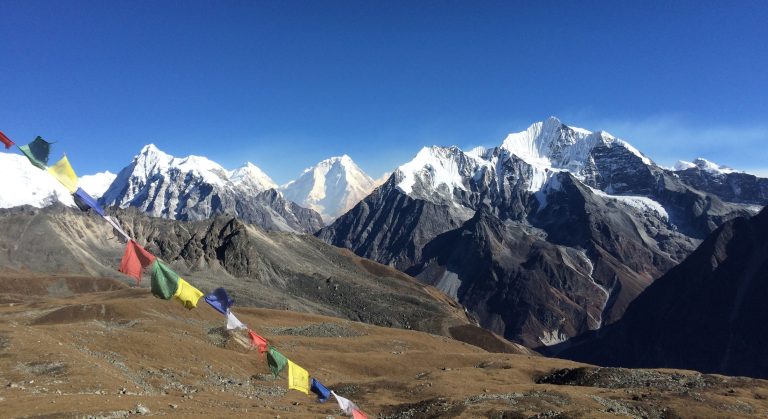
Located at 4,065 meters (13,336 ft) in the Solukhumbu District, Pikey Peak lies approximately 230–250 km east of Kathmandu. The adventure begins with a scenic drive to Dhap Bazaar, followed by a rewarding trek through picturesque villages including Jhapre, Pikey Base Camp, Junbesi, Thupten Chholing Monastery and Phaplu. Along the way, trekkers enjoy lush forests, rolling hills, colorful prayer flags, ancient mani walls, chortens and peaceful mountain landscapes while discovering the unique traditions of the Sherpa, Rai, Tamang, Magar, Brahmin and Chhetri communities.
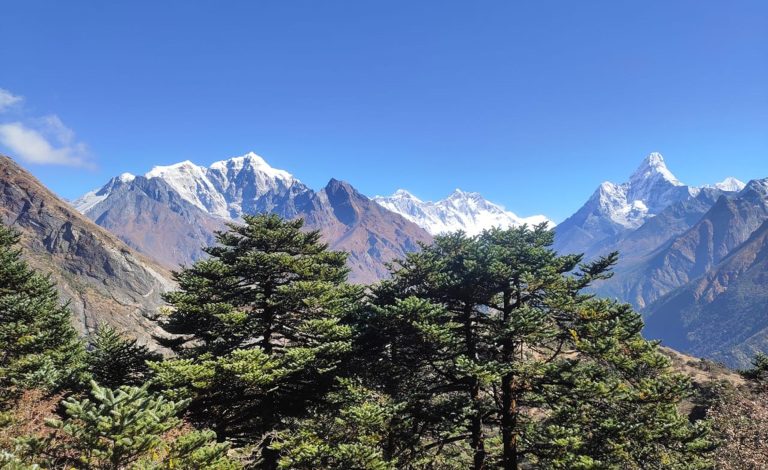
The highlight of the trek is the unforgettable sunrise from the summit of Pikey Peak, one of the finest viewpoints in Nepal. As the first rays of sunlight illuminate the Himalayas, trekkers are rewarded with spectacular panoramic views of Mount Everest (8,848.86 m), Lhotse, Makalu, Kanchenjunga, Nuptse, Thamserku, Mera Peak and many other snow-capped peaks. A visit to the famous Thupten Chholing Monastery, home to hundreds of monks and nuns, offers a deeper insight into the region’s rich Buddhist heritage, peaceful atmosphere and centuries-old traditions. The name Pikey is believed to originate from a local Sherpa deity and annual religious ceremonies continue to honor this sacred mountain.
Accommodation throughout the trek is provided in cozy family-run teahouses and homestays, where genuine Himalayan hospitality is matched with freshly prepared local meals such as Dal Bhat, Dhindo, Tsampa, potato curry, momos, noodles, soups, homemade bread, fresh vegetables and traditional butter tea. Local people earn their livelihoods through tourism, farming, and livestock rising, helping preserve the region’s unique culture while welcoming visitors from around the world. With magnificent mountain views, authentic cultural experiences, comfortable teahouses, and peaceful trekking trails, the Everest Pikey Peak Trek is one of Nepal’s finest short Himalayan adventures.
Explore our detailed itinerary, trip cost, departure dates and book your Everest Pikey Peak Trek with Best Of Nepal Trek for an unforgettable journey in the heart of the Everest region.
Everest Pikey Peak Trek Highlights
- Enjoy a spectacular sunrise from Pikey Peak (4,065 m) with breathtaking Everest panorama
- Stunning Himalayan views of Everest, Lhotse, Makalu, Kanchenjunga, Manaslu, Annapurna, Dhaulagiri and Numbur Himal
- One of the best short Everest view treks in Nepa
- Peaceful and less crowded trekking trails in the lower Solukhumbu region
- Experience authentic Sherpa culture, traditional villages, and ancient Buddhist monasteries
- Walk through beautiful rhododendron forests, pine forests, yak pastures, and alpine landscapes
- Perfect off-the-beaten-path trekking experience away from busy tourist routes
- Easy to moderate trekking difficulty suitable for beginners and families
- Comfortable teahouse accommodation with warm local hospitality
- Incredible sunrise and sunset photography opportunities over the Himalayas
- Lower altitude trek with less risk of altitude sickness compared to Everest Base Camp Trek
- Easy road access from Kathmandu to Dhap and Phaplu
- Ideal trekking package for travelers with limited time in Nepal
- Short, scenic and culturally rich Himalayan adventure in the Everest region
Route of the Everest Pikey Peak Trek
The Everest Pikey Peak Trek route is a beautiful journey through the lower Everest region of Nepal, offering peaceful trails, cultural villages, and panoramic Himalayan views. This short Everest region trek starts with a drive from Kathmandu to Dhap Bazaar (2,850 m), the gateway to the Pikey Peak trekking trail.
From Dhap, the route gradually ascends through pine forests, rhododendron hills, and traditional settlements to Jhapre, where trekkers can enjoy early views of the Everest range. The trail then continues toward Pikey Base Camp (3,640 m) before reaching the main highlight of the trek, Pikey Peak (4,065 m).
From the summit, trekkers are rewarded with stunning views of Mount Everest, Lhotse, Makalu, Kanchenjunga and Dhaulagiri ranges. After enjoying the sunrise panorama, the route descends through the scenic Lamjura Pass, passing peaceful forests and alpine landscapes.
The journey continues to culturally rich villages like Junbesi, home to ancient monasteries such as Thupten Chholing Monastery, before concluding at Phaplu, where transportation back to Kathmandu is available.
This route is ideal for beginners and trekkers looking for a short Everest view trek in Nepal with less crowd, authentic Sherpa culture, and breathtaking Himalayan scenery.
Include
When you choose to embark on the Everest Pikey Peak Trek, we ensure that all the essential services and comforts are covered so you can focus on enjoying your adventure. Here’s a breakdown of what’s included:
- Certified Trekking Guide: A government-certified and licensed trekking guide with professional training in high-altitude sickness prevention and first aid will accompany you throughout the trek to ensure your safety and provide valuable information.
- Local Trekking Porter: We provide one porter for every two trekkers to carry your personal trekking gear. The porter will assist with your luggage, making the journey more comfortable.
- Trekking Staff, Food, Accommodation, Salary, and Insurance: All necessary arrangements for the trekking staff are covered, including food, accommodation, salaries, and insurance for our team members.
- Transportation: Kathmandu to Dhap Bazaar will be by local jeep/bus, and the return from Phaplu to Kathmandu will be by local jeep/bus. If you prefer more comfort, a Private Landcruiser is available for an extra cost.
- Accommodation: Accommodation during the trek will be in twin-sharing rooms in teahouses along the route, ensuring a comfortable and authentic experience in the mountains.
- Daily Meals: Breakfast, lunch and dinner are provided during the trek. You can choose your meals from a variety of options available on the menu, catering to different tastes and dietary preferences.
- Trekking Permits and Fees: All necessary trekking permits and fees (including Sagarmatha National Park and TIMS) are included, ensuring your journey is fully compliant with local regulations.
- Essential Medical Supplies: Your guide will carry a well-stocked first aid kit and essential medical supplies for emergency situations.
- Government Taxes and Service Charges: All government taxes and service charges are included in the trek cost.
Exclude
While we ensure a comprehensive package for your trekking experience, there are a few additional costs that are not included in the trek price. These are:
- International Flight to Nepal: The cost of your international flight to Nepal is not included in the trek package. You will need to arrange and purchase your flight to Kathmandu independently.
- Travel Insurance: Travel insurance that covers medical emergencies, evacuation, trip cancellations, and lost baggage is not part of the trekking cost. It is highly recommended to purchase comprehensive travel insurance before embarking on your trek.
- Personal Expenses: Personal expenses, including snacks, drinks, and souvenirs, are not covered in the trek package. These expenses will be incurred along the trail at teahouses or local shops.
- Hot Showers and Wi-Fi: While most teahouses provide basic amenities, hot showers and Wi-Fi are usually available at an additional cost. Please note that these services can be limited and may not always be available in all areas.
- Tips for Your Guide and Porter: Tipping for your guide and porter is not mandatory, but it is customary to show appreciation for their services. The amount is at your discretion and is typically given at the end of the trek.
Everest Pikey Peak Trek Itinerary
Arrive at Tribhuvan International Airport in Kathmandu, where you’ll be greeted and transferred to your hotel. After check-in, you can relax or explore the lively streets of Thamel. In the evening, attend a short trek briefing and enjoy a traditional Nepali dinner.
Trip Duration:
30 minutes
Accomodation:
3-Star hotel/Resort
After breakfast in Kathmandu, embark on a scenic drive to Dhap Bazaar (2,850 m), passing through rolling hills, terraced fields, and traditional Nepali villages. Dhap serves as the main starting point for the trek and introduces trekkers to the Lower Solukhumbu region’s serene landscapes.
From Dhap, begin your first short trekking segment to Jhapre (2,820 m), a quiet Sherpa village. Along the trail, enjoy picturesque views of distant peaks including Mount Everest and Numbur Himal. This initial trek is gentle, allowing you to acclimatize gradually while immersing in local Sherpa culture and rural Himalayan life.
Arrive in Jhapre in the afternoon, where you’ll stay overnight in a comfortable teahouse, enjoying your first authentic Himalayan meal and preparing for the journey ahead.
Trip Duration:
Drive: 7-8 hours
Accomodation:
Tea house
Meals:
Breakfast, Lunch, Dinner
After breakfast in Jhapre, begin trekking through lush rhododendron forests, open yak pastures, and traditional Sherpa settlements. The trail gradually ascends, offering panoramic views of the Himalayan ranges, including glimpses of Mount Everest, Numbur, and surrounding peaks.
The day’s destination is Pikey Base Camp (3,640 m), the gateway for tomorrow’s early morning hike to the summit of Pikey Peak. This area provides a perfect spot to observe the surrounding mountains, relax, and acclimatize for the next day’s climb.
Arrive at a local teahouse for an overnight stay, enjoy a hearty dinner and rest while soaking in the serene Himalayan environment.
Trip Duration:
5-6
Accomodation:
Normal Teahouse
Meals:
Breakfast, Lunch and Dinner
Today, you will follow a gentle trail from Loding to Junbesi (2,700 m), a picturesque Sherpa village nestled in the Solukhumbu region. The path winds through verdant forests, terraced fields, and traditional settlements, offering scenic views of the surrounding Himalayan peaks.
Upon arrival in Junbesi, visit the Thupten Chholing Monastery, one of the region’s most significant Buddhist spiritual centers. Here, you can witness monks performing daily rituals, chanting prayers, and preserving centuries-old traditions, gaining deep insight into Sherpa culture and spirituality.
Spend the night in Junbesi at a local teahouse, enjoying a warm meal and the serene atmosphere of this charming Himalayan village.
Trip Duration:
4–5 hours
Accomodation:
Tea house
Meals:
Breakfast, Lunch, Dinner
After breakfast in Junbesi, continue your trek through lush forests, terraced hills, and serene mountain landscapes toward Taksindu (2,960 m). Along the way, enjoy the fresh Himalayan air and panoramic valley views, with opportunities to observe traditional Sherpa homes and rural village life.
Upon arrival in Taksindu, visit the ancient Taksindu Monastery, a spiritual hub for the local community. The monastery offers spectacular views of surrounding peaks and valleys, making it a perfect spot for photography and cultural exploration.
Overnight at a comfortable teahouse in Taksindu, enjoying a warm meal and the peaceful Himalayan environment, preparing for the trek ahead.
Trip Duration:
5–6 hours
Accomodation:
Tea house
Meals:
Breakfast, Lunch and Dinner
Today, begin your trek descending from Taksindu to Phaplu (2,470 m), a vibrant town that marks the conclusion of the Everest Pikey Peak Trek. The trail passes through forests, farmlands, and small Sherpa settlements, offering glimpses into daily life in the Solukhumbu region.
Along the way, stop at Chiwong Monastery, perched on a scenic hilltop. This monastery is a spiritual center for the local community, providing trekkers with insight into Buddhist traditions and rituals, along with breathtaking views of the surrounding valleys and mountains.
Arrive in Phaplu in the afternoon and stay overnight at a comfortable local teahouse, enjoying a warm meal and reflecting on the cultural and natural experiences of your trek.
Trip Duration:
5–6 hours
Accomodation:
Tea house
Meals:
Breakfast, Lunch and Dinner
After breakfast in Phaplu, begin the scenic drive back to Kathmandu (1,400 m), retracing the winding mountain roads, terraced hills, and lush Solukhumbu landscapes. Along the way, enjoy the picturesque countryside, small villages, and panoramic Himalayan views, capturing the last moments of your Everest Pikey Peak adventure.
Arrive in Kathmandu by evening and check into your hotel. Take the evening to relax, explore the city, or enjoy a traditional Nepali dinner, reflecting on the memorable trekking experience through Sherpa villages, monasteries, and pristine Himalayan nature.
Trip Duration:
Drive: 6-7 hours
Accomodation:
3-Star hotel/Resort
Meals:
Breakfast and Lunch
After breakfast at your hotel, you will be transferred to Tribhuvan International Airport for your onward flight. Your Everest Pikey Peak Trek concludes, leaving you with unforgettable memories of panoramic Himalayan vistas, serene trekking trails, and the rich Sherpa culture experienced along the journey.
Take home not only stunning photographs but also a deep appreciation for the natural beauty and cultural heritage of Nepal’s Lower Solukhumbu region, making this trek a truly rewarding Himalayan adventure.
Meals:
Breakfast
Trek Packing List for the Everest Pikey Peak Trek
Packing the right gear is essential for a comfortable and safe journey during the Everest Pikey Peak Trek. Since the trek involves varying altitudes and weather conditions, it’s important to bring layers and reliable trekking equipment. Below is a detailed packing list to help you prepare:
Clothing
- Warm down jacket and fleece jacket
- Waterproof and windproof shell jacket and pants
- Lightweight trekking pants and shorts
- Moisture-wicking base layers (top and bottom)
- Thermal innerwear for cold nights
- Comfortable trekking shirts and t-shirts
- Sun hat or cap and warm beanie
- Gloves: inner liner and insulated outer gloves
- Buff or neck gaiter
Footwear
- Durable trekking boots (broken in before the trek)
- Lightweight camp shoes or sandals
- Warm trekking socks and extra pairs
Trekking Gear
- Trekking poles (adjustable)
- Sleeping bag (rated for -10°C / 14°F)
- Headlamp with extra batteries
- Sunglasses with UV protection
- Daypack (30–40L) and main duffel bag (carried by porter)
- Reusable water bottles or hydration bladder
- Water purification tablets or filter
Personal Items & Toiletries
- Quick-dry towel and wet wipes
- Biodegradable soap, shampoo, and toothpaste
- Sunscreen and lip balm with SPF
- Basic first aid kit (with altitude medication)
- Hand sanitizer and toilet paper
Documents & Accessories
- Passport and trekking permits
- Cash (Nepalese Rupees) for personal expenses
- Power bank and charging cables
- Camera or smartphone for photos
Proper preparation and the right packing list ensure a smooth and enjoyable experience on the Pikey Peak Trek, allowing you to focus on the adventure and breathtaking mountain views.
Everest Pikey Peak Trek FAQs
Best Of Nepal Trekis a trusted trekking company offering safe, well-organized, and memorable Himalayan adventures since 2018. With experienced local guides, personalized service, and carefully planned trekking packages, we ensure an enjoyable experience for every traveler.
Our team focuses on safety, authentic cultural experiences, and responsible trekking practices, helping trekkers explore Nepal’s mountains with confidence and comfort. From short Himalayan treks to high-altitude adventures, Best of Nepal Trek is committed to providing professional service and unforgettable journeys.
Most travelers joining the Everest Pikey Peak Trek in Nepal’s Everest region can obtain a visa on arrival at Tribhuvan International Airport in Kathmandu. The process is simple and convenient for tourists visiting Nepal for trekking up to Pikey Peak (4,065 m).
Before traveling, make sure your passport is valid for at least 6 months beyond your intended departure date. Some countries may not be allowed entry if the passport validity is shorter.
On arrival, you can complete the visa application form, pay the required fee, and receive your visa at the airport immigration counter. Visa options usually include 15, 30, or 90 days depending on your travel plan.
For the most accurate and updated visa rules, it is recommended to check the official immigration website http://www.nepalimmigration.gov.np of Nepal before your trip.
Our staff will warmly welcome you upon your arrival at Tribhuvan International Airport. A representative will be waiting outside the airport terminal holding a Best Of Nepal Trek signboard with your name for easy identification.
You will then be transferred comfortably to your hotel in Kathmandu by a private tourist vehicle, ensuring a smooth and hassle-free start to your trekking journey.
The Everest Pikey Peak Trek in Nepal usually takes 7 to 10 days, depending on your itinerary, walking pace, and how many rest or acclimatization days are included. A standard package is often completed in 7–8 days, which covers the journey from Kathmandu to Dhap Bazaar, trekking to Pikey Peak (4,065 m), and returning via Junbesi and Phaplu.
Daily walking time is typically 4 to 6 hours, making it a comfortable short trek in the Everest region. Some trekkers choose a slightly longer itinerary for a more relaxed pace and better cultural exploration in Sherpa villages along the route.
Overall, it is one of the best short Himalayan treks for travelers who want spectacular Everest views, cultural experiences, and peaceful trails within a limited timeframe.
During the Everest Pikey Peak Trek in Nepal, trekkers should carry an additional budget of around USD 15–20 per person per day for personal expenses. This amount is generally enough to cover basic extra costs while staying on the trekking route.
These expenses may include drinking water, tea or coffee, snacks, Wi-Fi access, hot showers, and other personal drinks at teahouses and lodges. Prices can vary slightly depending on the location and altitude, with higher areas sometimes being a bit more expensive due to transportation and limited supply.
It is also a good idea to carry some extra cash for tips, small souvenirs, or emergency needs. Since ATMs are not available on the trekking route, all expenses should be planned in advance before starting the trek from Kathmandu.
On the Everest Pikey Peak Trek, trekkers usually walk at a relaxed pace of about 4–5 km per hour on easy sections. However, due to mountain terrain and altitude, the actual trekking time is around 4–6 hours per day with regular breaks. The pace is steady and comfortable, allowing time to enjoy the scenery and adjust to elevation.
The trek is not a race—it is designed to allow you to enjoy the mountain scenery, adjust to the altitude, and trek safely and comfortably.
On the Everest Pikey Peak Trek in Nepal, accommodation is mainly in simple teahouses and locally run mountain lodges found along the trekking route. These are basic but clean and comfortable, designed to meet the essential needs of trekkers in the Himalayan region.
Most teahouses offer twin-sharing rooms with basic beds, mattresses, blankets, and shared bathroom facilities. In lower villages, facilities may be slightly more comfortable, while in higher areas such as near Pikey Base Camp (3,640 m), accommodation becomes more basic due to the remote location.
Yes, private rooms may be available on the Everest Pikey Peak Trek in Nepal, especially in lower villages such as Dhap, Jhapre, and Junbesi. However, availability cannot always be guaranteed, particularly during peak trekking seasons like spring and autumn when lodges may be fully occupied.
During the busy season, trekkers are more likely to stay in shared twin rooms due to limited accommodation capacity along the route. In contrast, during the off-season or less crowded periods, teahouses may offer private rooms, sometimes at little or no additional cost depending on availability.
As you go higher in altitude, especially near Pikey Base Camp (3,640 m) and surrounding areas, accommodation becomes more basic and shared rooms are more common due to limited facilities.
Overall, while private rooms are sometimes possible, trekkers should be prepared for simple shared lodging as part of the authentic Himalayan trekking experience.
The Everest Pikey Peak Trek in Nepal is considered a moderate trekking route, so it does not require advanced mountaineering skills. However, a reasonable level of fitness is important to comfortably complete the journey.
Trekkers should be able to walk for 4 to 6 hours per day on uneven mountain trails that include gradual ascents, descents, and forest paths. Basic endurance is necessary, especially when reaching higher elevations up to 4,065 meters (13,336 ft) at Pikey Peak.
A good physical standard includes:
- Average cardiovascular fitness (able to handle steady uphill walking)
- Ability to walk long distances on consecutive days
- Comfortable carrying a light daypack
- No serious medical conditions that affect breathing or stamina
Prior preparation such as walking, jogging, hiking, or light cardio training for a few weeks before the trek is highly recommended. This helps improve stamina and reduces fatigue during trekking.
Overall, the Pikey Peak Trek is suitable for beginners, families, and first-time trekkers in Nepal, as long as they are reasonably fit and prepared for mountain walking conditions.
During the Everest Pikey Peak Trek in Nepal, trekkers may experience altitude-related symptoms as the trail reaches up to 4,065 meters (13,336 ft). Although the trek is moderate in difficulty, it is still important to recognize early signs of altitude sickness.
Common symptoms include:
- Headache or pressure in the head
- Dizziness or light-headedness
- Nausea or loss of appetite
- Unusual tiredness or weakness
- Difficulty sleeping
- Shortness of breath during light activity
Important warning signs:
If symptoms become more severe, such as persistent vomiting, confusion, or difficulty walking straight, it may indicate a more serious condition and requires immediate attention.
What to do if symptoms appear:
- Stop ascending and take rest
- Drink plenty of water
- Avoid alcohol and heavy meals
- Inform your guide or trekking group immediately
- Descend to a lower altitude if symptoms worsen
Recognizing symptoms early and taking proper precautions is key to a safe experience on the Pikey Peak Trek. With gradual ascent and proper acclimatization, most trekkers complete the journey comfortably while enjoying the stunning Himalayan scenery.
The most commonly used medication for preventing and managing altitude sickness during the Everest Pikey Peak Trek in Nepal is Acetazolamide (Diamox). It helps the body adapt more efficiently to higher altitudes by improving breathing and increasing oxygen intake, which can be useful when ascending to places like Pikey Peak (4,065 m).
However, this medication should only be taken after consulting a qualified doctor before the trek. It is not a cure or replacement for proper trekking practices.
The most effective ways to prevent altitude sickness remain:
- Gradual ascent and proper acclimatization
- Staying well hydrated
- Walking at a steady, slow pace
- Taking rest breaks when needed
Medications like Diamox can support acclimatization, but safe trekking habits are always the most important factor for a successful and comfortable Himalayan journey.
Yes, travel insurance is highly recommended—and often required—for the Everest Pikey Peak Trek in Nepal. Even though this trek is considered moderate, it takes place in a remote Himalayan region where medical facilities are limited and emergency support can be costly.
A suitable travel insurance policy should include coverage for high-altitude trekking, medical treatment, and emergency helicopter evacuation. This is especially important as the trek reaches up to 4,065 meters (13,336 ft) at Pikey Peak.
Having insurance ensures financial protection in case of unexpected situations such as illness, injury, flight delays, or evacuation needs. Most trekking agencies also require proof of valid insurance before starting the trek.
Overall, travel insurance is an essential safety requirement that allows you to enjoy the Everest Pikey Peak Trek with confidence and peace of mind.
In case of an emergency on the Everest Pikey Peak Trek, stay calm and immediately inform your guide or trekking group (Best Of Nepal Trek if applicable). They are trained to handle emergencies and will take the necessary action.
If it is altitude sickness, injury, or illness, stop trekking and descend to a lower altitude as soon as possible, as this is the most effective response in the mountains.
For serious situations, medical help or helicopter evacuation may be required, so having travel insurance with high-altitude rescue coverage is essential.
Independent trekkers should contact the nearest lodge, local authority, or available mobile network for assistance.
Quick action, communication, and proper insurance are key to staying safe during the trek.
The Everest Pikey Peak Trek in Nepal offers a wide range of natural and cultural highlights, making it one of the most scenic short treks in the Everest region.
The main attraction is the Pikey Peak viewpoint (4,065 m), famous for its 360-degree Himalayan panorama, including stunning views of Mount Everest, Makalu, Lhotse, Kanchenjunga, and Annapurna ranges. Sunrise and sunset from the summit are especially unforgettable.
Along the trail, trekkers pass through traditional Sherpa villages, Buddhist monasteries, prayer flags, mani walls, and chortens, offering a deep cultural experience. Places like Junbesi and Thupten Chholing Monastery provide insight into local spiritual life.
The trek also features beautiful natural scenery, including rhododendron forests, pine woodlands, rolling hills, and alpine landscapes, along with peaceful trails away from crowded routes.
Overall, the Pikey Peak Trek is known for combining Everest views, rich Sherpa culture, and quiet Himalayan nature in a short and rewarding journey.
The best time to trek the Everest Pikey Peak Trek in Nepal is during the spring (March to May) and autumn (September to November) seasons. These months offer the most stable weather, clear skies, and excellent visibility of the Himalayan peaks.
During the Everest Pikey Peak Trek in Nepal, trekkers can enjoy a variety of simple, freshly prepared meals at teahouses along the route. The most popular and nutritious option is dal bhat (rice, lentil soup, and vegetables), which provides excellent energy for long trekking days and is commonly served throughout the journey.
Other available food options include noodles, momos (dumplings), fried rice, pasta, sandwiches, and sometimes items like pizza or burgers in lower-altitude lodges. While the menu is not very extensive, the food is cooked fresh and designed to support trekking energy needs.
It is not recommended to drink untreated tap water during the Everest Pikey Peak Trek in Nepal. Water sources along the trail are not always purified, and consuming untreated water may increase the risk of stomach infections or illness while trekking at higher altitudes.
Most teahouses and lodges provide boiled or filtered drinking water, which is safe for trekkers. In addition, many travelers use water purification tablets or portable filters as an extra safety measure.
Bottled water is also available in some places, but it becomes more expensive at higher elevations and is less environmentally friendly due to plastic waste.
Best Practice
For a safe and eco-friendly trekking experience, it is best to rely on:
- Boiled water from teahouses
- Filtered drinking water
- Personal purification tablets or filters
Staying properly hydrated with safe water sources is essential for health and energy during the Pikey Peak Trek, ensuring a comfortable and enjoyable Himalayan journey.
Yes, Wi-Fi service is available on parts of the Everest Pikey Peak Trek in Nepal, but it is limited and not always reliable. Most teahouses and lodges in lower villages offer paid Wi-Fi, usually for a small fee, but the connection can be slow or unstable due to the remote mountain location.
In villages such as Dhap, Junbesi, and Phaplu, mobile networks like NTC and Ncell also provide basic internet and calling services, though coverage becomes weaker as you go higher.
Yes, communication is available during the Everest Pikey Peak Trek in Nepal, although it can be limited in higher and remote areas.
Our guides carry local mobile phones, which can be used for communication in emergencies or when needed along the trail. Trekkers can also purchase a Nepali SIM card in Kathmandu, and our team can assist with setup before the trek begins.
Many teahouses along the route offer Wi-Fi services for an additional cost, but the speed and reliability may vary depending on altitude, weather conditions, and location.
For serious emergencies, satellite communication support is also available, ensuring safe coordination and assistance even in remote Himalayan areas.
Yes, there are restrooms available throughout the Everest Pikey Peak Trek in Nepal, but they are basic and vary depending on the location.
Most teahouses and lodges along the route provide shared toilet facilities for trekkers. In lower villages, you may find simple Western-style toilets, while in higher and more remote areas, facilities are usually squat-style and more basic.
Along the trekking trail itself, especially between villages, there are no public restrooms, so trekkers should use facilities at teahouses before continuing the hike.
What to Expect:
- Basic shared toilets in teahouses
- Western-style toilets in lower elevations (limited)
- Squat toilets at higher altitudes
- No toilets on remote trail sections
While facilities are simple, they are generally clean and functional. Carrying toilet paper, hand sanitizer, and basic hygiene items is highly recommended for a comfortable trekking experience on the Pikey Peak route.
Yes, basic laundry services are available in some teahouses along the Everest Pikey Peak Trek in Nepal, but they are limited and not guaranteed in every village. These services are usually provided for an additional charge and depend on the lodge’s facilities.
At higher elevations, especially near Pikey Peak (4,065 m), laundry services are rarely available due to colder temperatures and limited water supply. Even when washing is possible, clothes may take longer to dry because of cold weather and humidity.
Yes, you can charge electronic devices during the Everest Pikey Peak Trek in Nepal, but it is usually available for an additional fee at teahouses and lodges along the route.
The charging cost typically ranges from USD 1–3 per device, depending on the location and altitude. In lower villages, charging may be more accessible, while at higher elevations it can be limited due to basic electricity supply.
Important Tips:
- Carry a power bank for backup charging
- Bring universal plug adapters (Type C and Type D)
- Charging facilities may be slower in remote areas
- Availability decreases at higher altitudes
While charging is available on most parts of the trail, it is not always guaranteed. Carrying backup power ensures your devices stay charged for photos, communication, and safety throughout the Pikey Peak Trek.
No, there are no reliable ATM services available along the Everest Pikey Peak Trek route in Nepal. Once you leave Kathmandu and start the trek from areas like Dhap Bazaar or Phaplu, ATM access is extremely limited or unavailable.
The last dependable place to withdraw cash is usually Kathmandu, so trekkers should plan ahead and carry enough Nepali cash (NPR) for the entire journey.
There are no strict age limits for trekking in Nepal, including the Everest Pikey Peak Trek. People of different age groups can complete the trek as long as they are physically fit and properly prepared.
The key factors for a successful trek are fitness level, acclimatization, and overall health, rather than age. Children, young adults, and senior trekkers can all enjoy the journey with the right pace and support.
Yes, the Everest Pikey Peak Trek is considered one of the least crowded trekking routes in Nepal, especially when compared to popular trails like the Everest Base Camp or Annapurna Circuit.
Located in the Lower Solukhumbu region, the trail remains relatively peaceful, passing through quiet Sherpa villages, forest paths, and open ridgelines with very few trekkers along the way. This makes it ideal for those seeking a calm and authentic Himalayan experience.
No, previous trekking experience is not necessary for the Everest Pikey Peak Trek in Nepal. This trek is considered moderate in difficulty, making it suitable for beginners, first-time trekkers, and families.
The route involves gradual ascents, well-established trails, and daily walking of about 4–6 hours, which can be comfortably managed with basic fitness and preparation. There are no technical climbing sections or special mountaineering skills required.
Yes, the Everest Pikey Peak Trek in Nepal is generally safe for solo female travelers. The region is known for its welcoming Sherpa communities and peaceful trekking environment, especially compared to busier routes.
Trekkers stay in local teahouses and lodges that are friendly and accustomed to hosting international visitors, which adds to the sense of safety and comfort along the trail.
For added security and convenience, it is highly recommended to trek with a licensed guide or organized trekking group. A guide provides navigation support, assists in emergencies, and ensures smooth communication throughout the journey.
On the Everest Pikey Peak Trek in Nepal, the walking pace is slow, steady, and comfortable. Trekkers typically walk for about 4 to 6 hours per day, depending on the route, altitude, and trail conditions.
The focus is not on speed but on safe acclimatization and enjoying the Himalayan scenery. The pace is adjusted to match the group, ensuring everyone can trek comfortably without pressure.
Licensed guides usually maintain a consistent group pace, take regular breaks, and support slower trekkers to ensure a safe and enjoyable experience throughout the journey.
For the Everest Pikey Peak Trek in Nepal, having the right equipment is essential for comfort, safety, and an enjoyable Himalayan experience while trekking up to Pikey Peak (4,065 m).
Essential Trekking Gear:
- Sturdy hiking boots with good grip
- Layered clothing (thermal base layer, fleece, warm jacket)
- Waterproof and windproof jacket
- Cold-rated sleeping bag for chilly nights
Personal Essentials:
- Warm hat and gloves
- Sunglasses and sunscreen for UV protection
- Lightweight backpack for daily use
Safety & Utility Items:
- Basic first-aid kit
- Reusable water bottle or hydration system
- Trekking poles for balance and support
Proper trekking equipment helps you stay warm, safe, and comfortable, ensuring a smooth and enjoyable journey through the Himalayas on the Pikey Peak Trek.
Yes, you can easily rent sleeping bags and down jackets in Kathmandu for the Everest Pikey Peak Trek in Nepal. This is a popular option for trekkers who prefer to travel light and avoid carrying bulky winter gear from home.
A good-quality -10°C rated sleeping bag usually costs around USD 2–3 per day, while a down jacket typically costs about USD 2 per day. These items are essential for staying warm at higher elevations, especially near Pikey Peak (4,065 m) where temperatures can drop significantly at night.
All rental arrangements can be made during your trek briefing in Kathmandu, or your guide can assist you in visiting a reliable gear shop before the trek begins.
During the Everest Pikey Peak Trek in Nepal, your main luggage is usually carried by a porter in a duffel bag, allowing you to trek comfortably with a light load.
A standard duffel bag is often provided by the trekking company, and porters handle it throughout the journey. However, since porters may walk at a different pace or reach teahouses earlier, trekkers should always carry a small daypack.
What to carry in your daypack:
- Water bottle and snacks
- Warm jacket or rain gear
- Camera and personal items
- Sunscreen, sunglasses, and essentials
- Passport and valuables
Using porter support makes the trek more comfortable and enjoyable, while a light daypack ensures you have everything you need during daily hiking on the Pikey Peak Trek.
We carefully organize guide and porter support on the Everest Pikey Peak Trek in Nepal to ensure safety, comfort, and smooth coordination throughout the journey.
Guide Arrangement:
- One experienced trekking guide is assigned for up to 6 trekkers
- For larger groups, an assistant guide is added
- Very big groups may be split into smaller teams for better management and safety
Porter Arrangement:
- Usually 1 porter for every 2 trekkers
- Standard load: around 20 kg per porter (10 kg per person)
- Private (1:1) porter service is available on request at extra cost
This system ensures a safe trekking experience, balanced workload for porters, and comfortable journey management while trekking in the Himalayas.
Yes, all guides and porters on the Everest Pikey Peak Trek in Nepal are fully insured. This includes trekking guides, assistant guides, porters, cooks, Sherpas, and drivers involved in the trekking operation.
Their insurance covers safety protection during trekking activities in remote Himalayan regions, ensuring they are supported in case of any accident, injury, or emergency situation while working on the trail.
Yes, the trekking guide on the Everest Pikey Peak Trek in Nepal will speak English. Our guides are trained and experienced in communicating with international trekkers, making it easy to understand instructions, safety information, and daily trekking plans.
They also help with cultural explanations, local traditions, and interactions with Sherpa communities along the route, which enhances your overall trekking experience.
During the Everest Pikey Peak Trek in Nepal, it is important to manage your essential documents and personal belongings carefully for safety and convenience.
You should always carry copies of your passport, travel insurance, and important documents in your daypack while trekking. Your original passport can be safely stored in your hotel in Kathmandu or kept securely with you if needed for permits.
If you take regular medication, keep it in your daypack so it is easily accessible at all times, especially during long trekking days toward higher elevations like Pikey Peak (4,065 m).
Valuables such as cash, phone, camera and important gear should also be carried with you, while extra luggage can be safely stored in Kathmandu during the trek.
Yes, you can safely store your extra luggage in Kathmandu before starting the Everest Pikey Peak Trek in Nepal. Most hotels in Kathmandu provide secure luggage storage facilities, and our office also offers safe storage for your belongings.
This allows you to travel light during the trek, carrying only essential items in your backpack while your remaining luggage is kept securely until you return from the mountains.
On the Everest Pikey Peak Trek in Nepal, safety is a top priority throughout the journey. All trekking guides are trained in first aid and carry essential medical kits to handle minor injuries or health issues on the trail.
Guides also regularly monitor trekkers’ health, including observing symptoms of altitude sickness and checking oxygen levels when trekking at higher elevations like Pikey Peak (4,065 m).
In case of serious emergencies, rescue coordination and evacuation support from Kathmandu is available, including helicopter evacuation if required.
Yes, departures for the Everest Pikey Peak Trek are guaranteed once your booking is confirmed. We organize treks based on fixed or private departure schedules to ensure smooth planning and reliable service.
Even for smaller groups or solo travelers, the trek can still operate with full guide and porter support, so you can join with confidence.
If your Everest Pikey Peak Trek is delayed or ends earlier than planned due to weather conditions, health issues, or personal reasons, you may need additional nights in Kathmandu.
In such situations, we will help you arrange hotel accommodation and necessary support in Kathmandu to make your stay comfortable and stress-free. However, the cost of extra hotel nights and related services will need to be covered by the trekker.
In the Everest Pikey Peak Trek in Nepal, trekkers may sometimes be unable to complete the journey due to health issues, personal reasons, or unexpected circumstances.
Please note that in such cases, no refunds are provided for unused trekking days or services, as most arrangements such as permits, accommodation, guides and porters are confirmed and prepaid in advance before the trek begins.
However, our team will always provide full support, guidance and necessary assistance to ensure your safety and help manage any changes during the trek as smoothly as possible.
During the Everest Pikey Peak Trek in Nepal, you can support local communities in several simple and meaningful ways. Choosing local guides and porters, staying in locally owned teahouses, and purchasing local food and handmade products directly helps the mountain economy.
Respecting local traditions, culture, and religious sites is also important while trekking through Sherpa villages along the route to Pikey Peak (4,065 m).
Reducing plastic waste by using a reusable water bottle and avoiding single-use plastics helps protect the fragile Himalayan environment.
Everest Pikey Peak Trek Good To Know
The Everest Pikey Peak Trek is an ideal choice for travelers seeking a short and rewarding Himalayan adventure with spectacular mountain views and authentic cultural experiences. Located in the lower Everest region, it is one of Nepal’s best low-altitude trekking routes, offering stunning panoramas of Mount Everest and surrounding Himalayan peaks without the difficulties of high-altitude trekking.
This trek is perfect for beginners, families, and time-limited travelers who want a peaceful alternative to the busy Everest Base Camp route. The journey combines scenic landscapes, traditional Sherpa villages, Buddhist monasteries, and beautiful forest trails, creating a balanced mix of nature and culture.
Unlike more crowded trekking routes, Pikey Peak offers a quiet and immersive experience where trekkers can enjoy sunrise views, fresh mountain air, and genuine local hospitality. Its moderate difficulty level and comfortable teahouse accommodation make it one of the most accessible and enjoyable treks in the Everest region.
Overall, the Everest Pikey Peak Trek is a great option for anyone looking for a short Everest view trek in Nepal that delivers both natural beauty and cultural richness in a relaxed setting.
The Pikey region in Lower Solukhumbu, is a culturally rich and spiritually significant part of the Everest region. Unlike the busy upper Everest trekking routes, this area offers a peaceful journey through traditional Sherpa settlements where ancient customs, mountain lifestyle, and Buddhist traditions are still deeply preserved.
The name Pikey Peak (4,065 m) is believed to come from a local Sherpa deity known as “Pikey,” considered the protector of the region. For local communities, the mountain holds sacred importance, and rituals and prayers are regularly performed to seek blessings for protection, prosperity, and safe journeys.
During the Everest Pikey Peak Trek, travelers pass through authentic Sherpa villages decorated with prayer flags, stone-built houses, mani walls, and Buddhist chortens. These cultural symbols reflect the deep influence of Tibetan Buddhism, which shapes daily life, beliefs and traditions in the region.
One of the most important spiritual sites is the Thupten Chholing Monastery near Junbesi. This peaceful monastery is home to monks and nuns who dedicate their lives to meditation and Buddhist studies, offering visitors a meaningful glimpse into Himalayan spiritual life.
The region is also famous for cultural festivals such as Dumje and Mani Rimdu, where local communities gather for masked dances, chanting, prayers, and traditional celebrations. These events highlight the strong cultural identity, unity and spiritual faith of the Sherpa people.
Warm hospitality is an essential part of life in the Pikey region. Locals warmly welcome trekkers and share their traditions, stories and lifestyle, which have been passed down through generations. Life here remains closely connected to nature, farming and Himalayan heritage.
Exploring the history and culture of the Pikey region enriches the trekking experience, allowing travelers to connect deeply with both the natural beauty of the Himalayas and the timeless spiritual traditions of the Sherpa community in the Solu region.
The Everest Pikey Peak Trek is located in the Lower Solukhumbu region of eastern Nepal, south of Mount Everest. This beautiful off-the-beaten-path trail lies in the Solu area, home to the Sherpa community and rich Buddhist culture. The trek’s highlight, Pikey Peak (4,065 m), offers one of the most stunning panoramic viewpoints in the Himalayas — showcasing Mount Everest, Makalu, Kanchenjunga, Lhotse, Dhaulagiri, and Annapurna on clear days.
The journey usually begins with a scenic drive from Kathmandu to Dhap Bazaar (2,850 m), which serves as the main starting point of the trek. From there, the trail passes through charming villages like Jhapre, Pikey Base Camp, and Junbesi, allowing trekkers to experience authentic Sherpa culture and untouched natural beauty.
The Everest Pikey Peak Trek offers a rich combination of natural beauty, cultural encounters, and authentic Himalayan village life in the Lower Solukhumbu region of Nepal. Along the trail, trekkers pass through traditional Sherpa settlements where daily life remains closely connected to nature, farming, and mountain traditions.
Villages such as Dhap, Jhapre, Pikey Base Camp settlements, Lamjura, Junbesi, and Phaplu provide a genuine glimpse into rural Himalayan lifestyle. These communities are known for their warm hospitality, simple living, and deep respect for Buddhist traditions. Stone-built houses, prayer flags, mani walls, and small monasteries are common sights throughout the journey, reflecting the strong spiritual identity of the region.
One of the highlights of the trek is the opportunity to interact with local Sherpa families. Trekkers are often welcomed with kindness and hospitality, sharing traditional meals and learning about local customs, agriculture, and mountain life. Farming, yak herding, and small-scale trade remain the main sources of livelihood in these villages.
Children walking to school, elders spinning prayer wheels, and monks in nearby monasteries create a peaceful and culturally rich atmosphere along the trail. These everyday moments give trekkers a deeper understanding of life in the Everest foothills beyond the tourist experience.
The Pikey region is also known for its connection between people and nature. Seasonal farming practices, livestock grazing, and forest resources play an important role in sustaining village life. The slower pace of living allows visitors to experience an authentic Himalayan environment that feels both traditional and untouched.
Unlike heavily commercial trekking routes, the Everest Pikey Peak Trek provides meaningful cultural interactions with fewer crowds, making each village visit more personal and memorable.
The Everest Pikey Peak Trek in the Lower Solukhumbu region of Nepal reaches its highest point at Pikey Peak (4,065 meters / 13,336 feet). This makes it one of the best low-altitude Himalayan viewpoints, offering spectacular panoramic views without the extreme elevations of higher Everest region treks.
From the summit of Pikey Peak, trekkers are rewarded with breathtaking sunrise and sunset views over some of the world’s highest mountains, including Mount Everest (8,848 m), Makalu (8,481 m), Kanchenjunga (8,586 m), Lhotse (8,516 m), Dhaulagiri (8,167 m), and the Annapurna range. The wide Himalayan panorama from this viewpoint is considered one of the most beautiful in Nepal.
The trek begins at Dhap Bazaar (2,850 m) and gradually ascends through scenic villages and landscapes. Key stopping points along the route include Jhapre, Pikey Base Camp (3,640 m), and Junbesi, before reaching the final ascent to the summit of Pikey Peak. This gradual elevation gain helps trekkers acclimatize comfortably and reduces the risk of altitude sickness.
Because of its moderate altitude and well-paced itinerary, the Everest Pikey Peak Trek is suitable for beginners, families, and trekkers with limited high-altitude experience. It offers a perfect balance of adventure, cultural exploration, and natural beauty without the physical demands of higher-altitude expeditions.
Overall, the Everest Pikey Peak Trek is an ideal choice for those looking for a short Everest region trek in Nepal with stunning mountain views, manageable altitude, and a rewarding Himalayan experience.
Proper acclimatization is an important part of the Everest Pikey Peak Trek to ensure a safe, comfortable, and enjoyable Himalayan experience. Since the trek reaches a maximum elevation of 4,065 meters (13,336 ft) at Pikey Peak, the itinerary is designed with gradual altitude gain to help the body adjust naturally to changing oxygen levels.
The route follows a steady ascent from lower villages such as Dhap Bazaar (2,850 m) through Jhapre and toward Pikey Base Camp (3,640 m) before reaching the summit. This slow elevation gain allows trekkers to adapt step by step, reducing the risk of altitude-related discomfort.
A key part of acclimatization on this trek is spending extra time in places like Junbesi or Pikey Base Camp, where trekkers can rest and adjust before continuing higher. These stops are ideal for short hikes in the surrounding hills, which follow the “climb high, sleep low” principle—one of the most effective ways to prepare for altitude.
During acclimatization days, it is important to:
- Stay well hydrated
- Eat light and energy-rich meals
- Walk at a steady, comfortable pace
- Avoid unnecessary physical strain
- Get enough rest and sleep
Listening to your body is essential throughout the journey. Mild symptoms such as tiredness or slight headaches can be normal at higher elevations, but slowing down and resting helps the body recover quickly.
Good acclimatization not only ensures safety but also improves overall trekking performance. It allows trekkers to fully enjoy the peaceful trails, cultural villages, and breathtaking Himalayan views that make the Everest Pikey Peak Trek such a rewarding experience.
By following proper acclimatization practices, trekkers can safely reach Pikey Peak and experience one of the most stunning sunrise viewpoints in the Everest region without stress or difficulty.
The Everest Pikey Peak Trek is considered a moderately easy trekking route, making it an excellent choice for beginners, families, and travelers looking for a short and rewarding Himalayan experience in Nepal. Reaching a maximum elevation of 4,065 meters (13,336 feet) at the summit of Everest Pikey Peak, the trek offers breathtaking mountain views without the physical demands of high-altitude expeditions.
Trek Duration & Daily Walking Hours: On average, trekkers walk 5 to 6 hours per day along well-marked trails that pass through forests, traditional Sherpa villages, open ridgelines, and alpine landscapes. The trekking pace is comfortable and flexible, with regular stops for rest, meals, and photography, making the journey enjoyable rather than exhausting.
Altitude and Acclimatization: Although the trek crosses above 4,000 meters, the risk of altitude sickness remains relatively low. This is because the itinerary follows a gradual ascent, allowing the body to adjust naturally to changing altitude. Most trekking routes are designed with proper pacing and overnight stays at intermediate elevations such as Jhapre, Junbesi, and Pikey Base Camp.
Trail Conditions: The trekking trail is generally smooth and easy to follow, with a mix of gentle uphill sections and mild descents. There are no technical climbs, steep cliffs, or need for climbing equipment. Basic trekking gear such as comfortable shoes, warm clothing, and a daypack is sufficient for the journey.
Experience Level Required: No prior trekking experience is required for the Everest Pikey Peak Trek. Anyone with average fitness and the ability to walk for several hours a day can complete the trek successfully. Light preparation such as walking, jogging, or cardio training before the trip can improve stamina and overall comfort.
Yes, the Everest Pikey Peak Trek is considered an adventure trekking experience in Nepal. While it is less crowded than the classic Everest Base Camp route, it offers breathtaking Himalayan landscapes, challenging ascents, and a chance to explore remote Sherpa villages, ancient monasteries, and alpine forests.
The trek combines moderate trekking difficulty with cultural immersion, making it ideal for beginners, families, and adventure enthusiasts seeking a short but rewarding Himalayan journey.
The summit of Pikey Peak (4,065 m / 13,336 ft) provides panoramic views of Mount Everest, Makalu, Kanchenjunga, Lhotse, and the Annapurna range, adding to the adventure’s thrill and uniqueness.
With scenic trails, authentic local culture, and off-the-beaten-path exploration, the Pikey Peak Trek is both a cultural and Himalayan adventure, offering unforgettable experiences for every trekker.
The Everest Pikey Peak Trek is considered a safe and beginner-friendly trekking route in Nepal, especially for travelers with good physical fitness and proper preparation. Compared to higher-altitude treks like Everest Base Camp, this trek reaches a maximum elevation of 4,065 meters (13,336 ft), which significantly reduces the risk of severe altitude sickness when trekked at a steady pace.
The trail is well-established and passes through local Sherpa villages, forest paths, and open ridgelines, making navigation straightforward for most trekkers. Along the route, comfortable teahouses and lodges provide safe accommodation, fresh meals, and basic facilities such as drinking water and resting areas.
For added safety and a smoother experience, hiring a licensed trekking guide and porter is highly recommended. Guides offer route navigation, local knowledge, weather updates, and emergency support, while porters help reduce physical strain, allowing trekkers to enjoy the journey more comfortably.
Although the trek is generally safe, standard mountain precautions are important. Trekkers should:
- Maintain a steady walking pace
- Drink plenty of water to stay hydrated
- Monitor any signs of altitude discomfort
- Take regular rest breaks
- Carry a basic first aid kit and personal medication
- Be prepared for changing weather conditions
Weather in the Himalayan region can shift quickly, especially at higher elevations, so proper clothing and layered gear are essential for comfort and safety.
Overall, the Everest Pikey Peak Trek offers a secure, well-managed, and accessible Himalayan adventure, making it an excellent choice for beginners, families, and travelers looking for a safe Everest region trekking experience in Nepal.
The Everest Pikey Peak Trek starts with a scenic journey from Kathmandu, the capital of Nepal, to the trekking starting point in Dhap Bazaar (2,850 m) in the Lower Solukhumbu region. The route offers a smooth introduction to the adventure, passing through green hills, rivers, and traditional countryside landscapes.
By Road (Kathmandu to Dhap Bazaar)
The most common and practical way to reach the starting point is by road. Travelers can take a 5 to 6-hour drive from Kathmandu to Dhap Bazaar, usually passing through Ramechhap or Manthali depending on road conditions and season.
This journey is highly scenic, offering beautiful views of terraced fields, rolling hills, rural villages, and river valleys along eastern Nepal. It is a comfortable and flexible option, especially during the spring and autumn trekking seasons, when weather and road conditions are generally stable.
From Dhap Bazaar, the trekking route officially begins, gradually leading through villages, forests, and ridgelines toward the Pikey Peak summit.
Return Journey (From Phaplu to Kathmandu)
After completing the trek, the return journey is typically made from Phaplu, the ending point of the trail. From Phaplu, travelers can take a jeep or local transport back to Kathmandu, which usually takes around 8 to 10 hours depending on road conditions.
Some trekking itineraries may also combine short domestic flights from nearby airstrips when available, but road travel remains the most commonly used option.
- Travel Tips for a Smooth Journey
- Travel early in the morning for better road conditions
- Choose a reliable vehicle or trekking agency transport
- Keep buffer time for weather or road delays
- Carry snacks, water, and motion sickness medicine if needed
- Plan extra time during monsoon season due to road conditions
Trekking in the Everest Pikey Peak region requires a few official permits to ensure safe travel, environmental conservation, and proper management of tourism in the Solukhumbu area of Nepal. These permits are an important part of responsible trekking and help support local communities and trail maintenance.
- TIMS Card (Trekkers’ Information Management System)
The TIMS Card is one of the essential permits for the Everest Pikey Peak Trek. It is used to register trekkers and help authorities monitor safety throughout the route. This system ensures better tracking in case of emergencies and improves overall trekking security in Nepal.
- Local Area Permit
Depending on the exact route taken, a local area permit may also be required for certain sections of the Pikey Peak trail. This permit helps regulate access to local villages and supports conservation efforts in the region.
Where to Obtain Permits
Trekkers can obtain these permits in Kathmandu before starting the trek. Many registered trekking agencies also handle all necessary paperwork, making the process simple and hassle-free. In some cases, permits may also be issued at entry points along the trekking route.
Important Tips for Trekkers
- Always carry printed copies of your permits during the trek
- Keep permits easily accessible for checkpoint inspections
- Work with a licensed trekking agency for smooth arrangements
- Double-check permit requirements before departure, as regulations may change
Final Note: Overall, the permit system for the Everest Pikey Peak Trek is straightforward and well-organized. It helps ensure a safe, regulated, and sustainable trekking experience while protecting the natural beauty and cultural heritage of the Everest region.
The Everest Pikey Peak Trek can be done throughout the year, but the most favorable seasons are spring (March to May) and autumn (September to November). During these months, trekkers enjoy stable weather, clear skies, and outstanding views of the Himalayan range, including Mount Everest, Makalu, Kanchenjunga, and Lhotse.
Spring Season (March–May)
Spring is one of the most beautiful times for the Pikey Peak Trek. The trails come alive with blooming rhododendron forests, lush greenery, and colorful landscapes. Temperatures are moderate, making walking conditions comfortable for trekkers of all levels. This season is also excellent for photography due to clear visibility and vibrant scenery.
Autumn Season (September–November)
Autumn is widely considered the best trekking season in Nepal. After the monsoon, the air becomes fresh and clean, offering crystal-clear mountain views and stable weather conditions. The skies remain mostly cloud-free, making it the ideal time for panoramic Himalayan photography and comfortable trekking experiences.
Winter Season (December–February)
Winter trekking is possible but colder, especially at higher elevations near Pikey Peak (4,065 m). The trails are quieter, and the mountain views can be exceptionally clear. However, trekkers should be well-prepared with warm clothing and proper gear to handle low temperatures.
Monsoon Season (June–August)
The monsoon period brings heavy rainfall, muddy trails, and reduced visibility of the mountains. While the landscapes become lush and green, trekking is generally not recommended during this season due to slippery conditions and frequent weather disruptions.
Final Recommendation: For the best experience, spring and autumn are the ideal seasons for the Everest Pikey Peak Trek, offering the perfect combination of safety, scenery, and comfortable trekking conditions in the Everest region.
Although the Everest Pikey Peak Trek is considered a moderate-altitude trek, reaching a maximum height of 4,065 meters (13,336 ft), altitude sickness can still occur if proper precautions are not followed. With the right preparation and awareness, trekkers can greatly reduce risks and enjoy a safe Himalayan journey.
- Gradual Ascent is Important:
The trekking route is designed to support natural acclimatization by increasing altitude slowly. Staying overnight in places like Junbesi and Pikey Base Camp allows the body to adjust to changing oxygen levels and reduces stress on the system.
- Stay Properly Hydrated:
Drinking enough water is one of the most effective ways to prevent altitude sickness. Trekkers should avoid excessive alcohol and limit caffeine intake, as both can contribute to dehydration and fatigue at higher elevations.
- Follow the “Walk High, Sleep Low” Principle:
Whenever possible, trekking higher during the day and sleeping at a lower altitude helps the body adapt more efficiently. This method is widely used in Himalayan trekking to support safe acclimatization.
- Pay Attention to Your Body:
Early symptoms of altitude sickness may include headache, dizziness, nausea, or unusual tiredness. If symptoms become severe, it is important to rest or descend immediately rather than continue ascending.
- Maintain a Balanced Diet:
Eating light, energy-rich meals such as carbohydrates helps maintain stamina and supports the acclimatization process. Avoid heavy or greasy foods that may slow digestion at high altitude.
- Consider Medical Advice:
Some trekkers consult doctors before the journey regarding preventive medication such as Acetazolamide (Diamox). This should only be taken under professional guidance.
Travel insurance is highly recommended for the Everest Pikey Peak Trek to ensure safety, financial protection, and peace of mind throughout the journey. Although this trek is considered moderate in difficulty, it still takes place in a remote Himalayan region where weather conditions, altitude, and terrain can change quickly.
A suitable trekking travel insurance policy for Nepal should specifically cover high-altitude trekking and emergency situations. Standard travel insurance is often not enough, so it is important to choose a plan designed for mountain trekking.
What Your Insurance Should Cover
For the Everest Pikey Peak Trek, your insurance should include:
- Medical treatment and hospitalization expenses
- High-altitude trekking coverage up to at least 4,500–5,000 meters
- Emergency helicopter evacuation and rescue services
- Trip cancellation, delays, or interruptions
- Coverage for accidents or injuries during trekking activities
Why Insurance is Important
The Pikey Peak region is remote, with limited road access and basic medical facilities. In case of an emergency, helicopter evacuation is often the fastest and safest option, which can be very expensive without insurance coverage.
Having proper insurance allows trekkers to enjoy the journey with confidence, knowing they are protected in unexpected situations such as altitude sickness, injuries, or flight and weather delays.
Trekking Requirement in Nepal
Most licensed trekking agencies in Nepal require proof of valid travel insurance before starting the trek. This is an important safety standard that ensures trekkers are prepared for high-altitude travel and remote trekking conditions.
The Everest Pikey Peak Trek in the Lower Solukhumbu region experiences varied weather conditions due to changes in elevation and seasons. Understanding the climate is essential for planning a safe and comfortable trekking experience.
- Spring (March–May): Mild temperatures, clear skies, and blooming rhododendron forests make this one of the best times to trek. Daytime temperatures range from 10°C to 20°C (50–68°F), while nights can be cooler at higher altitudes.
- Autumn (September–November): Post-monsoon clarity provides crystal-clear mountain views and stable weather, with daytime temperatures similar to spring. Nights are cold, especially above 3,500 meters.
- Winter (December–February): Cold temperatures with possible snowfall at higher elevations. Daytime temperatures range from 0°C to 10°C (32–50°F). Trekking is possible but requires proper winter gear.
- Monsoon (June–August): Heavy rainfall, slippery trails, and limited visibility make this season less ideal for trekking.
Weather at higher elevations can change rapidly, so trekkers should carry layered clothing, waterproof gear, and sun protection. Planning your trek during spring or autumn ensures pleasant conditions, breathtaking views and an enjoyable adventure.
During the Everest Pikey Peak Trek in the Lower Solukhumbu region of Nepal, charging facilities for phones, cameras, and other electronic devices are available at most teahouses and lodges along the route. However, electricity access is limited and may not always be consistent due to the remote mountain location.
Most lodges rely on solar power systems or small generators, which means charging may be slower compared to urban areas. In some places, trekkers may need to pay a small fee, usually around $1–$3 per device per charge, depending on the location and availability of electricity.
Weather conditions and altitude can also affect power supply, and occasional interruptions are common, especially during cloudy or rainy days. Because of this, it is important to manage your device usage wisely throughout the trek.
Recommended Power Solutions for Trekkers
To stay fully prepared, trekkers are strongly advised to carry:
- A power bank (10,000–20,000 mAh or higher)
- A portable solar charger for longer treks
- Extra charging cables and adapters
- Energy-efficient usage habits (turning off unused apps and airplane mode when not needed)
Why Planning Charging is Important
Since the Everest Pikey Peak Trek passes through remote Himalayan villages with limited infrastructure, managing battery life is essential for safety and convenience. A charged phone is important for capturing stunning mountain photography, navigation, and emergency communication.
Proper preparation ensures trekkers can stay connected while enjoying the peaceful and remote beauty of the Pikey Peak trekking route, without worrying about running out of power.
Final Note:
Although charging facilities are available along the trail, they are basic and not always guaranteed. By carrying backup power solutions, trekkers can fully enjoy the journey while staying connected, safe, and ready to capture every unforgettable moment of the Pikey Peak Trek.
The Everest Pikey Peak Trek in the Lower Solukhumbu region of Nepal offers a simple yet satisfying range of food options at teahouses and lodges along the trail. Meals are freshly prepared using locally available ingredients, giving trekkers an authentic taste of traditional Himalayan cuisine while supporting local communities.
Local Nepali Food Options: The most common and highly recommended meal during the trek is Dal Bhat, a traditional Nepali dish made of rice, lentil soup, seasonal vegetables, and pickles. It is nutritious, filling, and provides long-lasting energy for trekking days. Other popular local foods include momo (dumplings), vegetable curries, noodle soups, and potato-based dishes commonly found in mountain villages.
International and Continental Meals: Alongside local cuisine, most teahouses also offer simple international-style meals to suit different tastes. Options often include pasta, noodles, fried rice, omelets, sandwiches, and toast. These meals are basic but suitable for maintaining energy during the trek.
Drinks and Snacks: Hot beverages are widely available throughout the route, including tea, coffee, ginger tea, and hot chocolate, which are especially popular in colder conditions. Light snacks such as biscuits, chocolates, energy bars, and local treats are also available at small shops along the trail.
Drinking Water and Safety: Safe drinking water is essential during the trek. Trekkers can buy bottled water or refill from lodges, but it is strongly recommended to carry a refillable water bottle and purification tablets or a filter system to ensure safe hydration and reduce plastic waste.
Nutrition and Energy Balance: The combination of local meals and simple international food ensures trekkers receive enough energy for daily hiking. Freshly cooked food not only supports physical endurance but also adds to the cultural experience of staying in remote Himalayan villages.
Accommodation during the Everest Pikey Peak Trek in the Lower Solukhumbu region of Nepal is a combination of comfortable hotel stays in Kathmandu and simple, authentic teahouse lodging along the trekking route. This balance offers both comfort at the beginning and end of the journey, and a true Himalayan experience during the trek.
Accommodation in Kathmandu:
Before and after the trek, trekkers usually stay in 3-star hotels in Kathmandu, which provide modern facilities and a comfortable environment to rest and prepare for the journey. These hotels typically include services such as Wi-Fi, hot showers, clean rooms, breakfast, and helpful staff, ensuring a smooth and relaxed start to the adventure.
Teahouse Accommodation on the Trail:
Once the trek begins, accommodation shifts to traditional teahouses and local lodges found in villages along the Pikey Peak route. These lodges are basic but cozy, offering simple rooms with twin beds, warm blankets, and shared bathroom facilities in most places.
Teahouses also include a communal dining area, where trekkers gather to eat meals, share experiences, and enjoy the warm hospitality of local families. Staying in these lodges provides an authentic insight into Sherpa mountain life, culture, and traditions.
Experience of Staying in Local Lodges:
Although facilities are simple compared to city hotels, teahouse accommodation is an important part of the trekking experience. It allows trekkers to connect closely with local people and enjoy the peaceful lifestyle of remote Himalayan villages.
Electricity and Wi-Fi may be limited in some areas, but the natural surroundings, mountain atmosphere, and cultural interaction make the stay memorable and unique.
Final Note: Overall, accommodation on the Everest Pikey Peak Trek is a mix of comfort and authenticity. From modern hotels in Kathmandu to traditional teahouses in the mountains, trekkers experience both convenience and genuine Himalayan hospitality throughout their journey.
Yes, it is possible to complete the Everest Pikey Peak Trek in Nepal without a guide, as the route is generally well-marked and less crowded compared to popular trails like the Everest Base Camp Trek. Many experienced trekkers choose to travel independently to enjoy more flexibility and a personal adventure experience.
However, even though independent trekking is allowed, hiring a licensed trekking guide in Nepal is highly recommended for a safer and more enriching journey.
Safety and Emergency Support
A professional guide provides important support in case of emergencies such as injury, illness, or symptoms of altitude sickness. In remote areas of the Lower Solukhumbu region, immediate medical access is limited, so having a guide significantly improves safety.
Easier Navigation on Remote Trails
While the Pikey Peak route is relatively straightforward, some sections pass through forested paths, ridge trails, and small villages where signage may be limited. A guide helps ensure smooth navigation, especially during fog, rain, or low-visibility conditions.
Cultural Experience and Local Knowledge
Guides also enhance the trekking experience by sharing valuable insights about Sherpa culture, Buddhist monasteries, local traditions, and mountain heritage. This helps trekkers better understand the region beyond just the scenery.
Who Should Hire a Guide?
Hiring a guide is especially recommended for:
- First-time trekkers in Nepal
- Families or group travelers
- Trekkers unfamiliar with Himalayan terrain
- Visitors looking for a safe and organized experience
While trekking Pikey Peak independently is possible, having a guide ensures a safer, more comfortable, and culturally rewarding experience. It allows trekkers to fully enjoy the journey without worrying about navigation, logistics, or unexpected challenges along the trail.
The Everest Pikey Peak Trek in the Lower Solukhumbu region of Nepal is classified as a moderate trekking route, making it suitable for beginners as well as intermediate trekkers who have a reasonable level of fitness. Compared to the Everest Base Camp Trek, it is less crowded, less physically demanding, and more relaxed, while still offering incredible Himalayan scenery.
The highest point of the trek is Pikey Peak (4,065 meters / 13,336 ft). The altitude is manageable for most trekkers, especially when the itinerary is followed at a steady pace with proper rest and acclimatization. Daily walking hours typically range from 4 to 6 hours, allowing enough time for breaks, photography, and gradual elevation gain.
Trail Conditions
The trekking route passes through a variety of landscapes, including Sherpa villages, rhododendron forests, pine woodland, and open ridgelines. While the trail is generally safe and well-defined, trekkers should be prepared for:
- Uneven and natural mountain paths
- Occasional uphill and downhill sections
- Rocky or dusty trails in some areas
- Changing weather conditions at higher elevations
No technical climbing skills or equipment are required for this trek.
Fitness Requirements
A basic level of physical fitness is recommended. Trekkers should be able to walk for several hours a day with a light backpack. Simple preparation such as walking, jogging, or cardio training before the trip can significantly improve comfort and endurance during the trek.
Altitude and Safety
Although the trek reaches above 4,000 meters, the gradual ascent helps reduce the risk of altitude sickness. Proper hydration, steady pacing, and rest breaks are important for a safe trekking experience.
During the Everest Pikey Peak Trek in the Lower Solukhumbu region of Nepal, internet and Wi-Fi access is available in many villages, but it remains limited due to the remote Himalayan environment. Connectivity is not as strong or consistent as in cities, so trekkers should be prepared for basic and sometimes slow internet services along the route.
Wi-Fi at Teahouses and Lodges: Most teahouses and lodges along the trekking trail offer paid Wi-Fi services, typically costing around $1–$3 per hour. However, the connection speed can be slow and may fluctuate depending on weather conditions and the number of users connected at the same time. In higher-altitude areas, Wi-Fi may be unavailable or unreliable.
Mobile Network Coverage: Mobile networks such as NTC (Nepal Telecom) and Ncell provide coverage in several parts of the route, especially in villages like Dhap, Junbesi, and Phaplu. These networks allow trekkers to make phone calls, send messages, and use basic mobile data when signal strength is available. However, coverage may weaken in higher or more remote sections of the trail.
Important Preparation Tips:
To stay connected and avoid inconvenience during the trek, it is recommended to:
- Download offline maps and trekking guides before starting
- Save important documents and travel information offline
- Carry a power bank or solar charger for device charging
- Inform family or contacts that connectivity may be limited
While internet access is available in some areas of the Everest Pikey Peak Trek, it is not always reliable. This limited connectivity encourages trekkers to disconnect from daily distractions and fully enjoy the natural beauty, peaceful trails, and cultural richness of the Himalayan journey.
Preparing your body properly is an important step for enjoying the Everest Pikey Peak Trek in Nepal safely and comfortably. Although this trek is classified as moderate, it still involves daily walking, uneven mountain trails, and an ascent up to 4,065 meters (13,336 ft) at Pikey Peak. Good fitness preparation helps improve endurance and overall trekking enjoyment.
Cardiovascular Training:
Cardio exercises are essential for building stamina and lung capacity. Activities such as running, cycling, swimming, or brisk walking help condition your body for long trekking days at higher altitudes. Aim for consistent training several weeks before your trip.
Strength Training:
Strong muscles make uphill and downhill trekking easier and reduce fatigue. Focus on building strength in the legs, core, and back muscles. Effective exercises include squats, lunges, step-ups, and planks, which closely mimic trekking movements.
Endurance Practice Hikes:
Long-distance walking is one of the best ways to prepare. Try day hikes or long walks with a backpack, gradually increasing distance and weight. This helps your body adjust to carrying gear and walking for several hours at a steady pace.
Flexibility and Balance:
Stretching and flexibility exercises help reduce muscle stiffness and lower the risk of injury on uneven terrain. Yoga or simple stretching routines improve balance, which is important when walking on rocky or forest trails.
Additional Preparation Tips:
- Altitude awareness: If possible, train at higher elevations to adapt to thinner air
- Hydration: Drink plenty of water during training to build good hydration habits
- Balanced nutrition: Eat a healthy diet rich in carbohydrates, protein, and vitamins
- Pacing practice: Learn to walk slowly and steadily instead of rushing uphill
The Twin Pikey Peaks (4,065 m) are widely regarded as one of the most spectacular viewpoints in the Everest region of Nepal, offering a breathtaking 360-degree Himalayan panorama. Located in the peaceful Lower Solukhumbu area, this hidden gem provides an unforgettable mountain experience without the crowds found on more popular trekking routes.
From the summit, trekkers are rewarded with stunning views of some of the world’s highest peaks, including Mount Everest, Kanchenjunga, Makalu, Lhotse, and surrounding Himalayan ranges. On clear days, the vast mountain horizon stretches endlessly, creating one of the most impressive landscapes in Nepal.
The viewpoint is especially famous for its sunrise and sunset experiences. Early morning light slowly touches the snow-covered peaks, turning them into glowing shades of gold and orange. Similarly, sunset offers a peaceful and dramatic atmosphere as the mountains fade into soft evening colors.
Unlike crowded viewpoints in other trekking regions, the Twin Pikey Peaks provide a quiet and serene environment, making it ideal for photography, meditation, and enjoying nature in its purest form. The calm surroundings allow trekkers to fully connect with the Himalayas without distractions.
This viewpoint is a major highlight of the Everest Pikey Peak Trek, combining natural beauty, tranquility, and panoramic Himalayan scenery in one unforgettable location.
The Everest Pikey Peak Trek in Nepal is considered one of the most affordable and rewarding short treks in the Everest region. It offers excellent value for money, combining stunning Himalayan views, cultural experiences, and comfortable teahouse accommodation at a reasonable cost.
Average Trekking Cost:
The total cost of the Everest Pikey Peak Trek package typically ranges from USD 600 to USD 1,150 per person, depending on several factors such as group size, travel season, itinerary length, and level of services included.
What Influences the Cost?
- Several key factors affect the overall trekking price:
- Group size: Larger groups usually reduce per-person cost
- Duration of the trek: Longer itineraries increase total cost
- Accommodation type: Standard teahouses vs. upgraded services
- Guide and porter services: Professional guides and porters add safety and comfort
- Transport options: Private jeep or shared transport from Kathmandu
- Season of travel: Peak seasons like spring and autumn may have slightly higher prices
Additional Personal Expenses
Trekkers should also budget separately for:
- Drinks and snacks
- Wi-Fi and device charging
- Travel insurance
- Tips for guides and porters
- Personal trekking gear
The Everest Pikey Peak Trek cost is relatively budget-friendly compared to other Everest region treks, making it an excellent choice for travelers seeking a short, scenic, and culturally rich Himalayan adventure without high expenses.
Reviews
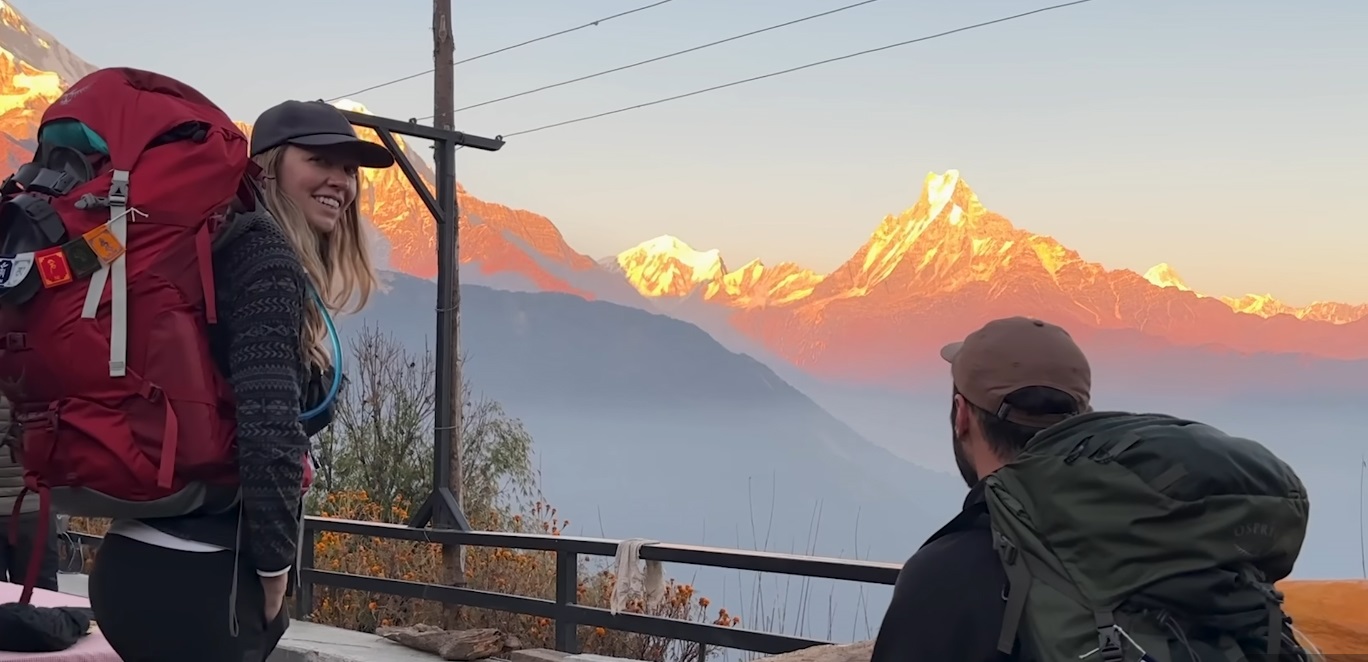
One Unforgettable Sunrise
Our group of ten friends wanted a short trek with big mountain views. Beast Of Nepal Trek recommended the Everest Pikey Peak rout and we are so glad we listened. Our guide, Janak Baram, organized everything – permits, transport, teahouses and even a birthday cake for one of us at Pikey Base Camp! The trek took exactly 5 days of walking (plus drives). On summit morning, Janak woke us at 4:30 AM and led us to the perfect viewpoint. We watched the sunrise hit Everest, Lhotse and Makalu in perfect silence. No other trekkers were around. If you want to see the world’s highest peaks without the crowds and in less than a week, book this trek with Ram and Beast Of Nepal. Worth every penny.
The Adventure US
,USA
Perfect for Beginners
This was my first Himalayan trek, and I was nervous about altitude. But the Everest Pikey Peak Trek only goes to 4,065m and I never felt sick. Our guide, Chhiring Gelu Sherpa from Beast Of Nepal Trek, checked our oxygen levels every evening and walked at our pace. The sunrise from Pikey Peak was the most beautiful thing I have ever seen – Everest glowing pink and orange. Chhiring told us that Sir Edmund Hillary himself loved this spot. We completed the trek in 6 days, including the drive from Kathmandu. The teahouses were basic but warm, and the food was fresh. I will definitely trek with Beast Of Nepal again.”
Sophia L.,
,Australia

Real Villages and Everest Up Close
I walked for an entire morning without seeing a single other tourist. That’s the magic of the Everest Pikey Peak Trek. Sabin Tamang from Beast Of Nepal Trek was our guide and he made the experience truly special. He grew up near Junbesi, so he introduced us to his family, served us butter tea and explained local festivals. The mountain views from Pikey Peak included Everest, Lhotse, Makalu and even a glimpse of Kanchenjunga. The trek took us 7 relaxed days, including a rest day. Sabin was patient, funny and always put our safety first. I highly recommend Beast Of Nepal Trek for anyone who wants an authentic, uncrowded Everest experience.
Nina and Tom,
,Netherlands

Unforgettable Himalayan Panorama
I only had 5 days for trekking, so the Everest Pikey Peak route was perfect. Beast Of Nepal Trek customized a short itinerary for me, and our guide Prsanna Rai made sure we didn’t miss anything. We woke up early on day 4 to reach Pikey Peak summit at sunrise. The view of Everest, Kanchenjunga, and Numbur was simply jaw dropping. Prsanna shared stories about Sherpa culture, pointed out rare birds, and even taught me how to spin a prayer wheel at a monastery. This trek is a hidden gem – easy on the body, huge on views. Thank you, Prsanna and Beast Of Nepal!
Lucas F.,
,Germany
Sir Edmund Hillary’s Favorite Everest View
I chose the Everest Pikey Peak Trek because I read it was Sir Edmund Hillary’s favorite viewpoint for Mount Everest. And after completing it in 6 days with Beast Of Nepal Trek, I completely understand why. Our guide, Ram Krishna Baram, was outstanding. He knew exactly when to start the morning hike to catch the perfect sunrise over Everest, Lhotse, and Makalu. The trail was peaceful – we barely saw other trekkers. Ram also arranged clean teahouses and delicious hot meals every day. If you have less than a week and want to see Everest without the crowds, book this trek with Ram and Beast Of Nepal.
Emily R.,
,Canada
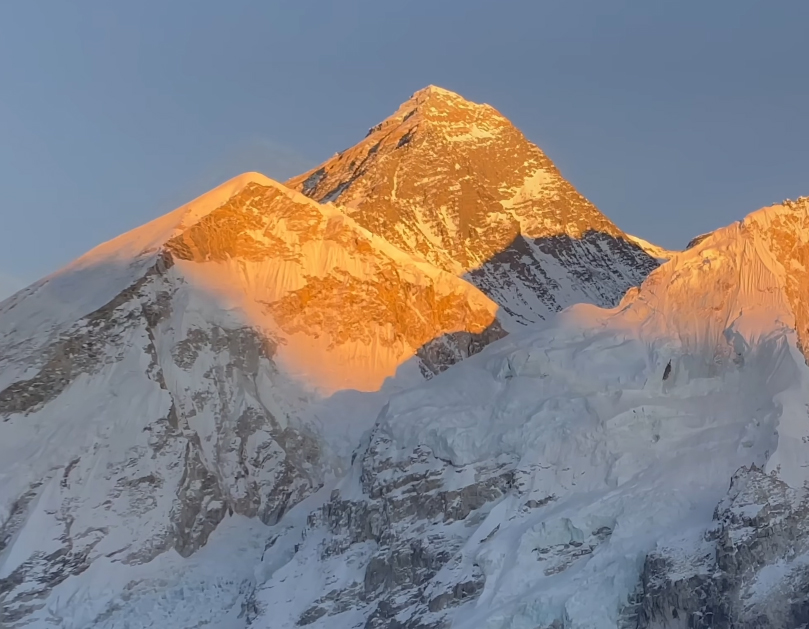
Sunrise Views over Mount Everest
The Everest Pikey Peak Trek was an epic experience filled with beautiful mountain scenery, peaceful trails and stunning sunrise views over Mount Everest. The trek offered a perfect mix of natural beauty, local culture and adventure.
A special thanks to our trekking guide, Mr. Rajan Bista, for his excellent support, friendly nature and professional guidance throughout the journey. We truly enjoyed the warm hospitality of the local people and the breathtaking views of Mount Everest and surrounding peaks
laura Bueno
,USA