


Kailash Mansarovar Yatra
Essential Travel Information
The Kailash Mansarovar Yatra is a high-altitude pilgrimage to Mount Kailash and Lake Mansarovar in the Tibet Autonomous Region of China. A valid passport (minimum six months’ validity), Tibet Travel Permit (TTP) and Chinese Group Tourist Visa are required for all travelers. These documents are arranged through Best Of Nepal Trek.
The journey reaches Dolma La Pass (5,650 m), so good physical fitness, proper acclimatization and comprehensive travel insurance are highly recommended. As weather and border conditions may change, the itinerary may be adjusted if necessary to ensure a safe and successful pilgrimage.
Destination:
Tibet
Trip Duration:
14 Days
Max Altitude:
Dolma La Pass (5,636 m)
Activities:
Tour
Start Point:
Kathmandu
Ending Point:
Kathmandu
Region:
Tibet
Trip Grade:
Moderate
Group Size:
2-10 People
Accomodation:
Hotel/Guesthouse/Tent camp
Meals:
Breakfast, Lunch and Dinner during Tour
Transportation:
Private transportation
Permits Required:
Tibet travel/ trekking permits
Best Season:
May to September
The Kailash Mansarovar Yatra is one of the world’s most sacred religious and spiritual pilgrimages, offering an extraordinary journey to the holy Mount Kailash (6,638 m) and Lake Mansarovar (4,580 m) in the Tibet Autonomous Region of China. Revered by Hindus, Buddhists, Jains and followers of the Bon religion, this remarkable journey is much more than a pilgrimage—it is a deeply transformative experience that combines faith, culture, adventure and the spectacular beauty of the Himalayas.
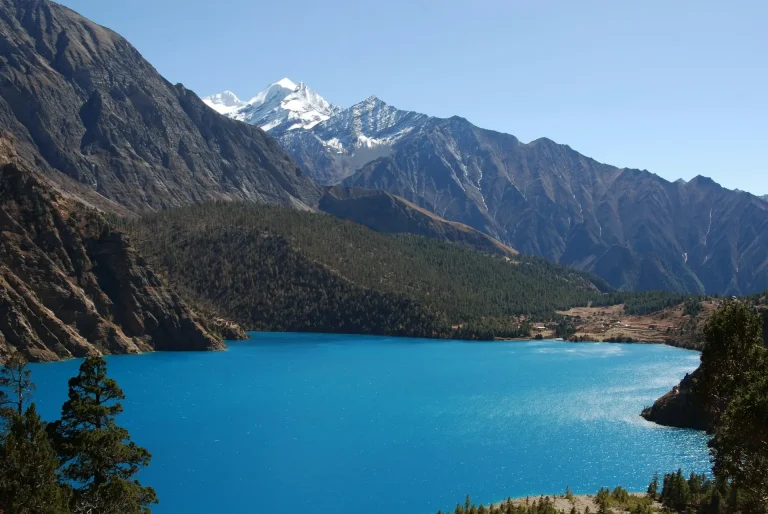
For millions of devotees, visiting Mount Kailash and Lake Mansarovar is a lifelong dream. Many pilgrims spend years hoping for the opportunity to perform darshan, offer prayers, take a holy bath in the sacred waters of Lake Mansarovar, and complete the revered Mount Kailash Parikrama (Kora). In Hindu belief, Mount Kailash is the eternal home of Lord Shiva and Goddess Parvati, while Lake Mansarovar, one of the world’s highest freshwater lakes, is believed to bring spiritual purification, inner peace and divine blessings. Many devotees dream of visiting this sacred place at least once in their lifetime and lovingly regard it as a heavenly destination on Earth.
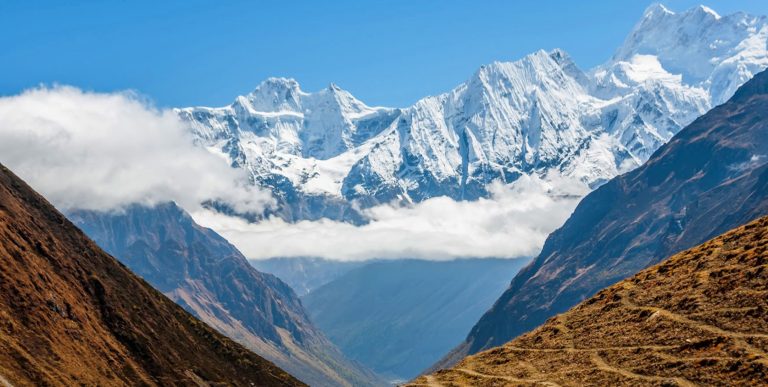
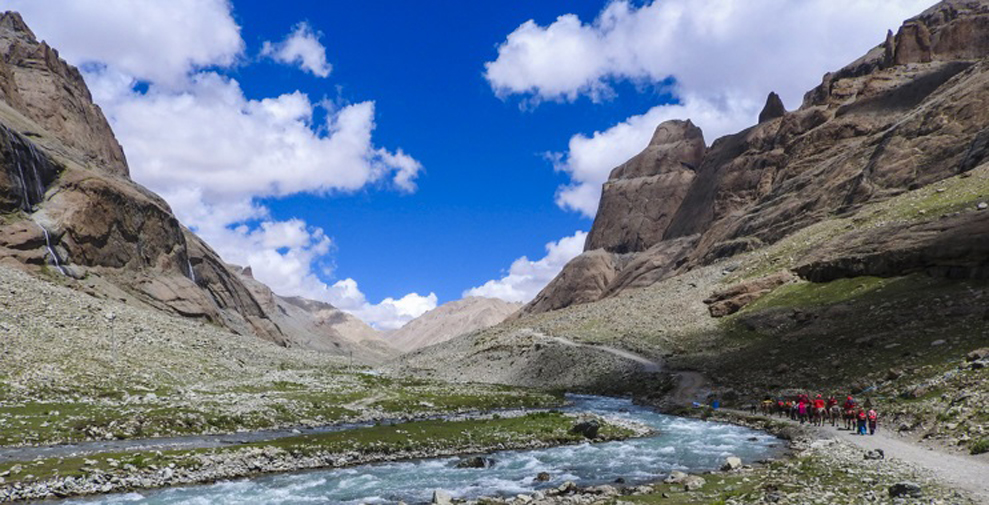
Our Kailash Mansarovar Tour from Nepal begins in Kathmandu and follows a scenic overland route through Rasuwa Gadhi, Kerung, Saga and Darchen before reaching the holy Lake Mansarovar and Mount Kailash. Along the way, travelers journey across the breathtaking Tibetan Plateau, where snow-capped Himalayan peaks, crystal-clear rivers, colorful prayer flags, ancient monasteries, traditional Tibetan villages and timeless Himalayan landscapes create unforgettable memories. Carefully planned accommodations, reliable transportation, experienced guides and professional support ensure a safe, comfortable and well-organized pilgrimage from beginning to end.
The highlight of the journey is the sacred Mount Kailash Parikrama (Kora), where pilgrims walk around the holy mountain as an act of faith, devotion and spiritual renewal. For Tibetans, this sacred circuit has been practiced for centuries as one of the highest expressions of religious devotion. Crossing the holy Dolma La Pass (5,650 m) is both a physical challenge and a deeply rewarding spiritual achievement, offering breathtaking Himalayan panoramas and a profound sense of accomplishment.
The Kailash Mansarovar Yatra holds immense religious significance in Hinduism, Buddhism, Jainism and the Bon tradition. Each faith honors Mount Kailash as a sacred place of enlightenment, spiritual power and divine presence. The peaceful surroundings of Lake Mansarovar provide the perfect setting for prayer, meditation, reflection and traditional religious rituals, making this pilgrimage one of the most meaningful spiritual experiences in the world.
Whether you are seeking spiritual fulfillment, cultural discovery, personal transformation, or a once-in-a-lifetime Himalayan adventure, the Kailash Mansarovar Yatra offers an unforgettable experience unlike any other. It is a journey of faith, devotion, self-discovery and inner peace that remains in the hearts of pilgrims long after they return home.
Ready to begin your sacred journey? Explore our detailed itinerary, trip cost, departure dates and complete Kailash Mansarovar Yatra package. Book your pilgrimage with Best Of Nepal Trek and let our experienced team guide you on a safe, comfortable and spiritually enriching journey to the holy Mount Kailash and Lake Mansarovar. Join thousands of pilgrims in fulfilling a lifelong dream and create unforgettable memories on one of the world’s most sacred Himalayan pilgrimages.
Kailash Mansarovar Yatra Highlights
- Begin your sacred Kailash Mansarovar Yatra with a spiritual Pashupatinath Temple Darshan in Kathmandu.
- Visit the holy Mount Kailash (6,638 m) and the sacred Lake Mansarovar (4,580 m) in the Tibet Autonomous Region.
- Complete the holy Kailash Parikrama (Kora) at elevations above 5,000 meters.
- Complete the revered Mount Kailash Parikrama (Kora), one of the world's most sacred pilgrimage routes.
- Cross the famous Dolma La Pass (5,650 m), the highest point of the Kailash Kora.
- Travel overland from Nepal to Tibet via the Rasuwagadhi–Kerung Border, enjoying a scenic Himalayan journey.
- Explore ancient Tibetan monasteries, traditional villages and experience the rich culture of the Tibetan people.
- Witness breathtaking views of the Himalayas, the vast Tibetan Plateau, crystal-clear rivers and dramatic mountain landscapes.
- Experience the spiritual peace of Lake Mansarovar, where pilgrims offer prayers, meditation and traditional religious rituals.
- Stay in comfortable hotels and local guesthouses while enjoying freshly prepared vegetarian meals throughout the pilgrimage.
- Travel with experienced guides, reliable support staff and a well-organized team for a safe, comfortable and memorable journey.
- Discover the spiritual significance of Mount Kailash, revered by followers of Hinduism, Buddhism, Jainism and the Bon religion.
- Create lifelong memories on one of the world's most meaningful spiritual and cultural pilgrimages.
Route of Kailash Mansarovar Yatra
The Kailash Mansarovar Yatra begins in Kathmandu (Nepal), where pilgrims visit sacred Hindu temples before starting their spiritual journey. From Kathmandu, the route follows a scenic drive through the beautiful Trishuli River Valley to Timure, located near the Nepal–China border.
After completing immigration formalities, the journey enters Tibet (China) through the Kerung (Gyirong) Border. A rest day in Kerung allows proper acclimatization before continuing across the spectacular Tibetan Plateau to Saga. The route then leads to the holy Lake Mansarovar (4,580 m), one of the world’s highest freshwater lakes and one of the most sacred pilgrimage sites for Hindus, Buddhists, Jains, and Bon followers. Here, pilgrims can offer prayers, perform religious rituals, meditate and enjoy their first breathtaking views of the sacred Mount Kailash (6,638 m).
From Darchen (4,575 m), the spiritual highlight of the journey begins with the Mount Kailash Parikrama (Kora). The trekking route passes through Dirapuk, crosses the sacred Dolma La Pass (5,650 m)—the highest point of the pilgrimage—visits the holy Gauri Kunda and continues to Zuthulpuk Monastery before returning to Darchen.
After successfully completing the Kailash Kora, the journey retraces the same route through Saga and Kerung, crosses back into Nepal and finally returns to Kathmandu. This carefully planned route combines breathtaking Himalayan landscapes, Tibetan culture, sacred temples, holy lakes and one of the world’s most meaningful spiritual pilgrimages, creating an unforgettable lifetime experience.
Popular Kailash Mansarovar Yatra Route:
Kathmandu → Rasuwa Gadhi → Kerung → Saga → Paryang → Lake Mansarovar → Darchen → Dirapuk → Dolma La Pass → Zuthulpuk → Darchen → Saga → Kerung → Kathmandu
Include
Our Kailash Mansarovar Yatra Package includes all the essential services needed for a safe, comfortable and well-organized pilgrimage. From transportation and accommodation to meals, permits and experienced guides, every detail is carefully arranged so you can focus on your spiritual journey without worrying about logistics.
Whether you’re traveling for religious devotion or the adventure of visiting one of the world’s most sacred destinations, our comprehensive package ensures a smooth and hassle-free experience throughout your Kailash Mansarovar Yatra.
Package Includes:
- Comfortable accommodation in hotels or guesthouses as per the itinerary.
- Private transportation by van or mini coach, customized according to your group size.
- All required Tibet travel and trekking permits, including the Kailash Mansarovar entry permits.
- Experienced, English-speaking Tibetan guide to provide local insights and spiritual context.
- Entrance fees for all sightseeing sites and monasteries mentioned in the itinerary.
- Dedicated cook and Sherpa staff from Kathmandu (for camping groups) ensuring hygienic and nutritious meals.
- Support truck for groups larger than two people to carry personal luggage during camping or trekking days.
- Meals on a full-board basis (breakfast, lunch and dinner) or bed and breakfast, based on your selected package.
- Round-trip transportation between Kathmandu and the Nepal–Tibet border for a hassle-free travel experience.
Exclude
Our Kailash Mansarovar Yatra Package covers all major travel arrangements to provide a seamless pilgrimage experience. However, some personal expenses, optional services and items beyond the standard itinerary are not included in the package cost. We recommend reviewing the exclusions below to help you plan your budget and prepare for your journey.
Package Excludes:
- Personal travel expenses, including beverages, snacks, and shopping.
- Travel insurance (highly recommended to cover medical or emergency needs).
- Additional charges for hiring porters or horses during the Kailash Kora trek.
- Portable oxygen cylinders in case of high-altitude emergencies.
- Rescue, evacuation, or medical services if required during the trip.
- Unexpected expenses caused by weather conditions, political issues, or natural disasters.
Kailash Mansarovar Yatra Itinerary
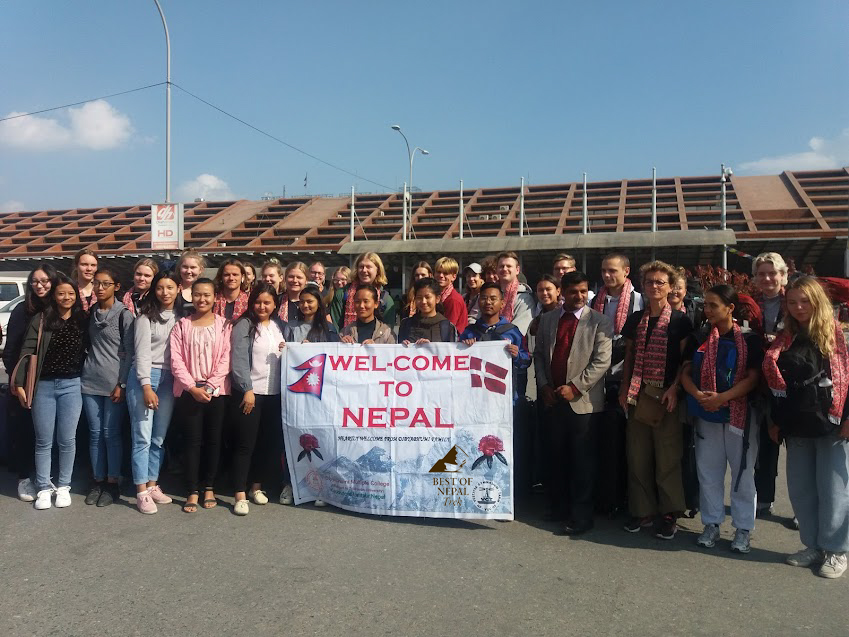
Welcome to Nepal! Upon arrival at Tribhuvan International Airport, a friendly representative from Best Of Nepal Trek will warmly welcome you and transfer you to your hotel in Kathmandu. After check-in, take some time to relax or explore the vibrant streets of Thamel, one of the city’s most popular tourist areas.
In the evening, enjoy a traditional Nepali welcome dinner and meet your experienced tour leader for a brief introduction to your Kailash Mansarovar Yatra. You will receive an overview of the journey, daily itinerary and important travel information to help you prepare for the sacred pilgrimage ahead.
Trip Duration:
30 minutes
Accomodation:
Comfortable hotel stay in Kathmandu
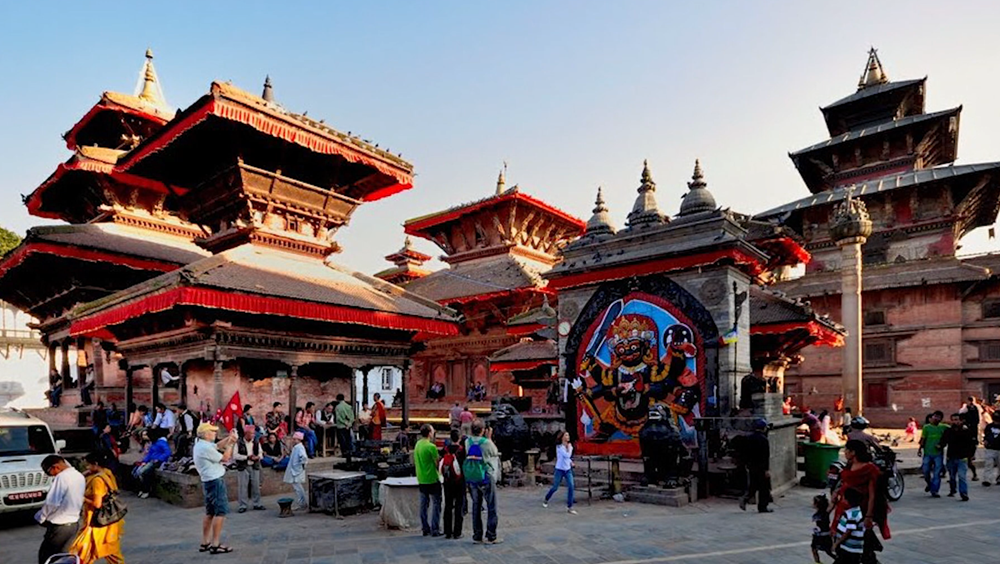
After breakfast, begin your spiritual journey with a guided sightseeing tour of Kathmandu’s most sacred Hindu pilgrimage sites. Visit the holy Pashupatinath Temple, a UNESCO World Heritage Site, where pilgrims perform Puja and Darshan, seeking the blessings of Lord Shiva for a safe and successful Kailash Mansarovar Yatra.
Continue to the sacred Guhyeshwari Temple, dedicated to Goddess Parvati and revered as one of Nepal’s most important Shakti Peethas. Later, visit the famous Budhanilkantha Temple (Sleeping Vishnu), renowned for its magnificent stone statue of Lord Vishnu and its peaceful spiritual atmosphere.
In the afternoon, attend the final Kailash Mansarovar Yatra briefing, where your tour leader will explain the travel route, daily itinerary, altitude precautions, packing recommendations and important travel guidelines. Complete the necessary travel formalities and make your final preparations for your overland journey to Tibet.
Return to your hotel in the evening, enjoy dinner with your fellow pilgrims and rest well before your sacred Himalayan pilgrimage begins the following day.
Trip Duration:
4-5 Hours
Accomodation:
Comfortable hotel stay in Kathmandu
Meals:
Breakfast
After breakfast, begin your overland Kailash Mansarovar Yatra with a scenic drive from Kathmandu to Timure, a peaceful village near the Nepal–Tibet border. As you travel along the Trishuli River, enjoy spectacular views of lush green hills, terraced farmlands, traditional villages, cascading waterfalls and picturesque mountain landscapes. The journey offers an excellent opportunity to experience Nepal’s beautiful countryside and observe the daily lives of local communities.
Along the route, pass several small towns and villages before reaching Timure, the final overnight stop in Nepal before entering Tibet. The fresh mountain air and peaceful surroundings make Timure an ideal place to rest and prepare for the next stage of your pilgrimage.
Upon arrival, check in to your guesthouse and take some time to relax. In the evening, enjoy a delicious dinner with your group while your tour leader provides a brief update about the border crossing and the journey ahead. Rest well and prepare for the exciting adventure into Tibet the following day.

Trip Duration:
Drive Time 5-6 Hours
Accomodation:
Guesthouse in Timure
Meals:
Breakfast, Lunch & dinner
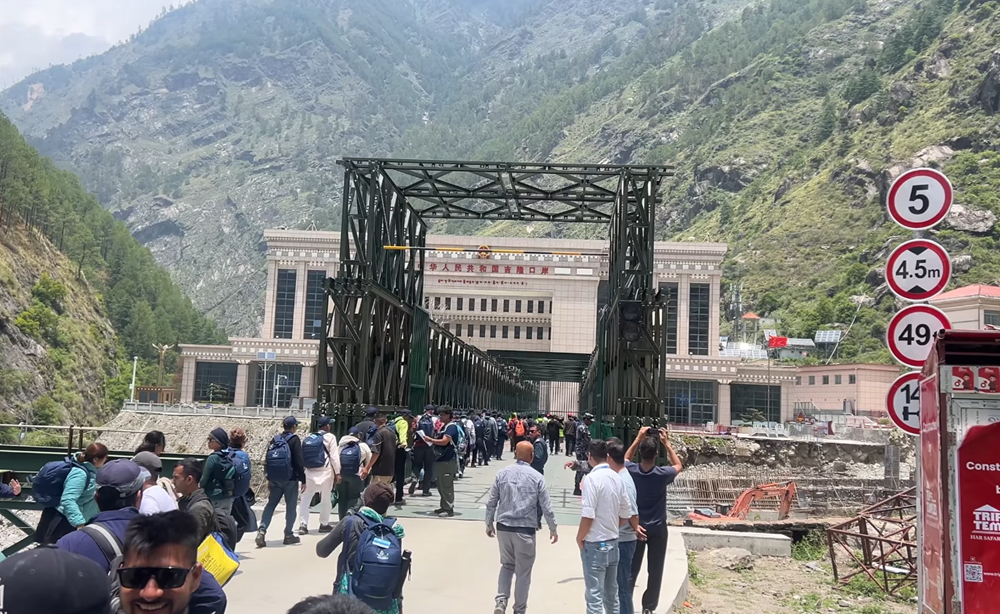
After an early breakfast, enjoy the fresh mountain air as you drive through beautiful green hills, forests and the Trishuli River Valley to the Nepal–China border. After completing immigration formalities, cross into Tibet (China) and continue your scenic drive to Kerung (Gyirong).
Along the journey, enjoy breathtaking Himalayan landscapes, deep river valleys, traditional Tibetan villages and the peaceful beauty of the Tibetan countryside. As you enter Tibet, you will notice a gradual change in the landscape, culture and architecture, offering your first glimpse of the unique Tibetan way of life.
Upon arrival, check in to your hotel and relax as you begin acclimatizing to the higher altitude. A good rest and proper hydration will help prepare your body for the journey ahead. Enjoy dinner and spend a peaceful night in Kerung before continuing your Kailash Mansarovar Yatra.
Trip Duration:
Drive Time 2-3 Hours
Accomodation:
Guesthouse in Kyirong
Meals:
breakfast, Lunch & Dinner
Today, continue your Kailash Mansarovar Yatra with a scenic drive across the magnificent Tibetan Plateau to Saga, one of the major towns on the pilgrimage route. Along the way, enjoy breathtaking views of snow-capped mountains, vast grasslands, crystal-clear rivers, high mountain passes and traditional Tibetan villages.
As you travel through one of the world’s highest plateaus, experience the unique beauty of the Tibetan landscape and discover the rich culture and lifestyle of the local Tibetan people. With every mile, the spectacular scenery and peaceful surroundings make the journey even more memorable.
Upon arrival in Saga, check in to your hotel and take time to rest and acclimatize to the higher altitude. Enjoy dinner and relax with an overnight stay, preparing for the next stage of your sacred Kailash Mansarovar Yatra.

Trip Duration:
Drive Time 6-7 Hours
Accomodation:
Hotel in Saga
Meals:
Breakfast, Lunch & Dinner
Today is an important acclimatization day in Saga, giving your body time to adjust safely to the higher altitude before continuing your Kailash Mansarovar Yatra. After breakfast, enjoy a short walk around Saga with your tour leader while taking in the breathtaking views of the Tibetan Plateau, snow-capped mountains and traditional Tibetan villages.
During the day, spend quality time with your group, experience the peaceful atmosphere of the region, and learn about Saga, Tibetan culture, history, local traditions and the unique lifestyle of the Tibetan people from your experienced guide. This gradual acclimatization helps reduce the risk of altitude sickness and prepares you for the journey to the sacred Lake Mansarovar and Mount Kailash.
Return to your hotel in the evening, enjoy dinner and relax before the next stage of your unforgettable pilgrimage.

Trip Duration:
Acclimatization walk and rest
Accomodation:
Hotel in Saga
Meals:
Breakfast, Lunch & Dinner
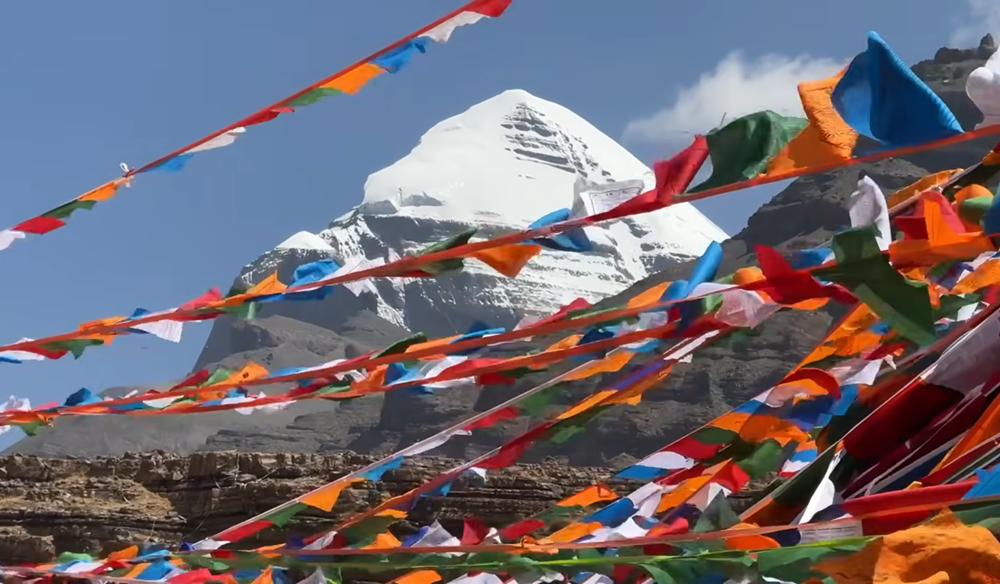
Today is one of the most special and spiritually rewarding days of your Kailash Mansarovar Yatra. After breakfast, continue your journey across the spectacular Tibetan Plateau to the sacred Lake Mansarovar, one of the world’s highest freshwater lakes. Along the way, enjoy breathtaking views of vast open landscapes, snow-capped Himalayan peaks and your first unforgettable glimpse of the holy Mount Kailash, a lifelong dream destination for millions of pilgrims.
Upon arrival at Lake Mansarovar, take time to offer prayers, meditate, perform religious rituals, or simply enjoy the peaceful surroundings of this sacred lake. According to Hindu belief, taking a holy bath in the lake and offering prayers here brings spiritual purification, inner peace and divine blessings.
As the sun sets over the tranquil waters of Lake Mansarovar with the majestic Mount Kailash in the background, you will experience a truly unforgettable moment that remains in the hearts of pilgrims for a lifetime.
Trip Duration:
Drive Time 7–9 hours
Accomodation:
Guesthouse near Lake Manasarovar
Meals:
Breakfast, Lunch & Dinner
After breakfast, spend more time exploring the peaceful shores of the sacred Lake Mansarovar. Offer prayers, meditate, perform religious rituals, or simply enjoy the magnificent views of the holy Mount Kailash, a dream destination for millions of pilgrims from around the world. The calm surroundings and spiritual atmosphere make this a truly unforgettable experience.
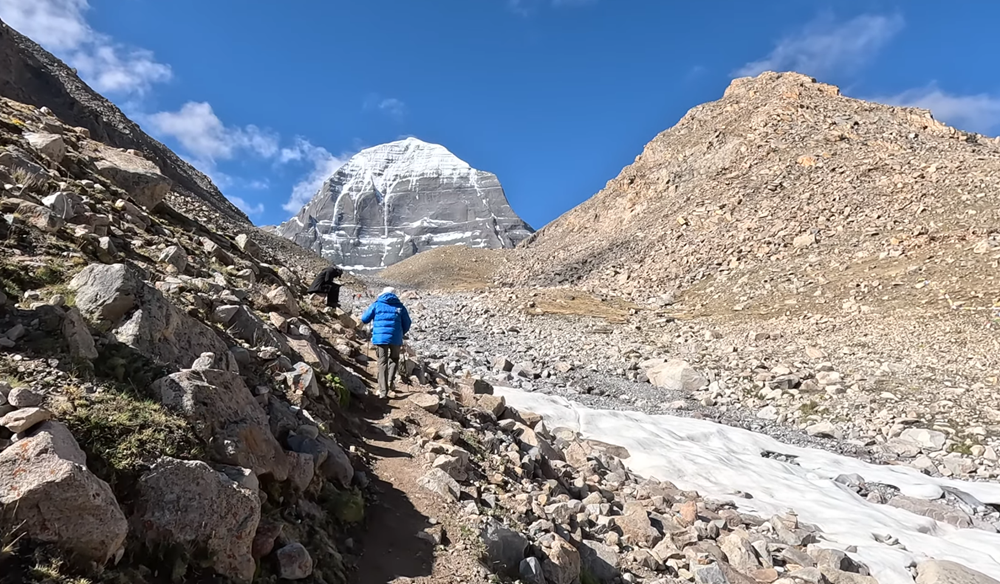
With your heart filled with peace and spiritual blessings, continue your Kailash Mansarovar Yatra with a scenic drive to Darchen, the starting point of the sacred Mount Kailash Parikrama (Kora). Along the way, enjoy spectacular views of the Tibetan Plateau and the majestic Mount Kailash.
Upon arrival in Darchen, check in to your hotel and take time to relax before the next day’s pilgrimage. Enjoy dinner and a comfortable overnight stay as you prepare physically and spiritually for the holy Mount Kailash Parikrama.
Trip Duration:
Drive Time 2 Hours
Accomodation:
Guesthouse in Darchen
Meals:
Breakfast, Lunch & Dinner
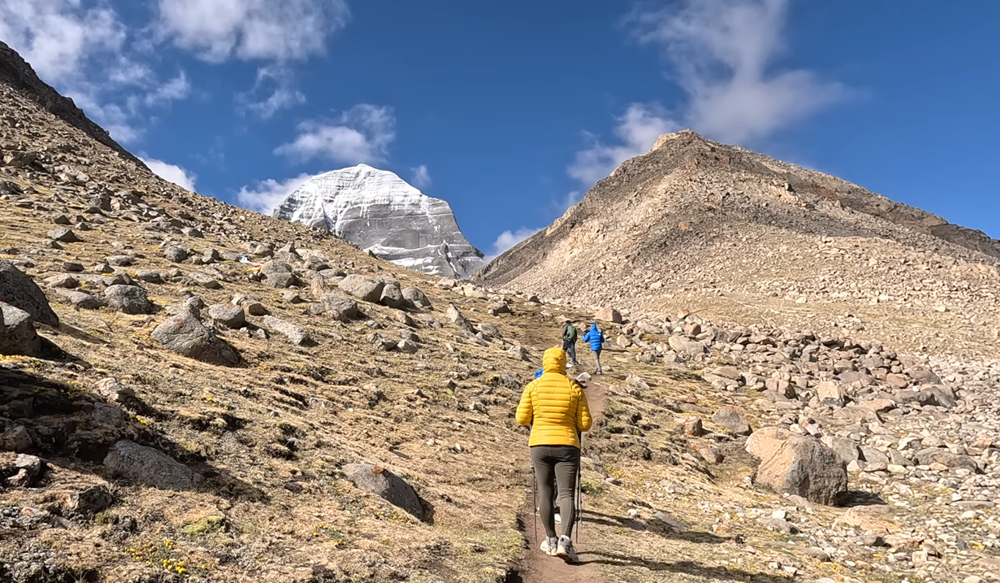
Today marks the beginning of the sacred Mount Kailash Parikrama (Kora), one of the world’s most revered pilgrimage journeys. After breakfast, start your trek through beautiful valleys, vast open landscapes and peaceful mountain trails while enjoying breathtaking views of the magnificent North Face of Mount Kailash, regarded as the most sacred and spectacular side of the holy mountain.
As you walk through this spiritually significant landscape, experience the peaceful atmosphere and the deep sense of devotion that has inspired pilgrims for centuries. Every step brings you closer to the heart of this sacred journey, making the trek both spiritually meaningful and personally rewarding.
Upon arrival at Dirapuk, admire the stunning views of Mount Kailash, enjoy dinner and relax at a local guesthouse. Surrounded by the majestic Himalayas, spend a peaceful night preparing for the challenging yet unforgettable journey over Dolma La Pass the following day.
Trip Duration:
6–7 Hours
Accomodation:
Guesthouse in Diraphuk
Meals:
Breakfast, Lunch & Dinner
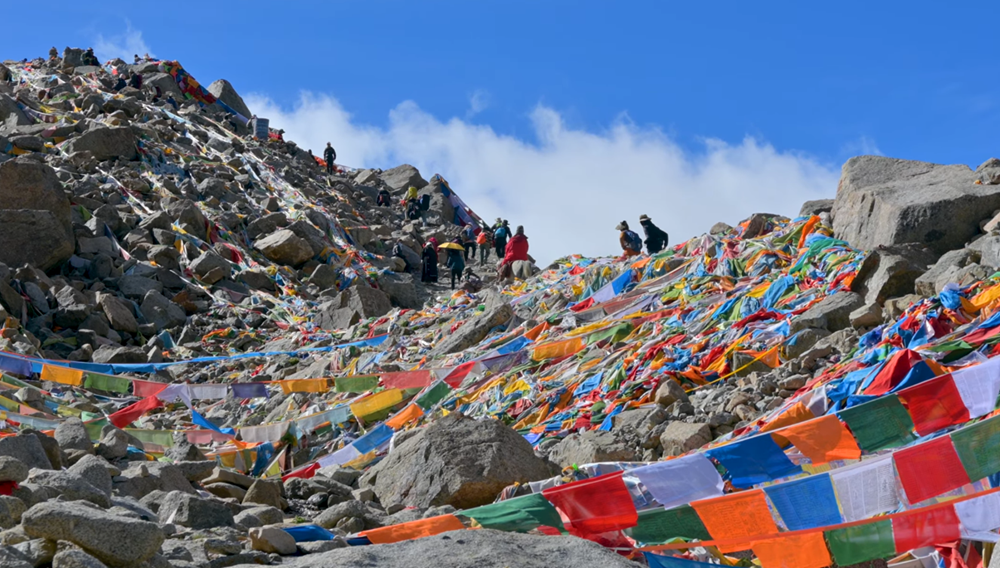
Today is the most important, challenging, and spiritually rewarding day of your Kailash Mansarovar Yatra. After an early breakfast, begin your trek to the sacred Dolma La Pass (5,636 m), the highest point of the Mount Kailash Parikrama (Kora). This challenging ascent rewards you with breathtaking views of the surrounding Himalayan peaks, colorful prayer flags and a profound sense of spiritual achievement.
Along the way, visit the holy Gauri Kund, a sacred lake where Hindu pilgrims offer prayers and seek the blessings of Goddess Parvati. The peaceful surroundings and spiritual atmosphere make this one of the most memorable moments of the pilgrimage.
After crossing Dolma La Pass, descend carefully through the beautiful mountain landscape before continuing to the historic Zuthulpuk Monastery, renowned for its ancient meditation caves and rich spiritual heritage. Upon arrival, enjoy dinner and relax at a local guesthouse after completing one of the most significant days of the sacred Mount Kailash Kora.
Trip Duration:
5-6 Hours
Accomodation:
Guesthouse in Zuthulphuk
Meals:
Breakfast, Lunch & Dinner
After breakfast, complete the final section of the sacred Mount Kailash Parikrama (Kora) and celebrate the successful completion of one of the world’s most revered pilgrimages. Return to Darchen, where you will enjoy lunch before beginning the scenic drive back to Saga across the breathtaking Tibetan Plateau.
Along the journey, admire the spectacular Himalayan landscapes, vast grasslands and peaceful Tibetan countryside while reflecting on the unforgettable spiritual experiences and lifelong memories created during your Kailash Mansarovar Yatra. Completing the holy Kora is a deeply rewarding achievement that many pilgrims cherish for the rest of their lives.
Upon arrival in Saga, check in to your hotel, enjoy dinner and relax after an incredible day of spiritual accomplishment and adventure.

Trip Duration:
Drive Time 2-3 Hours
Accomodation:
Hotel in Saga
Meals:
Breakfast, Lunch & Dinner
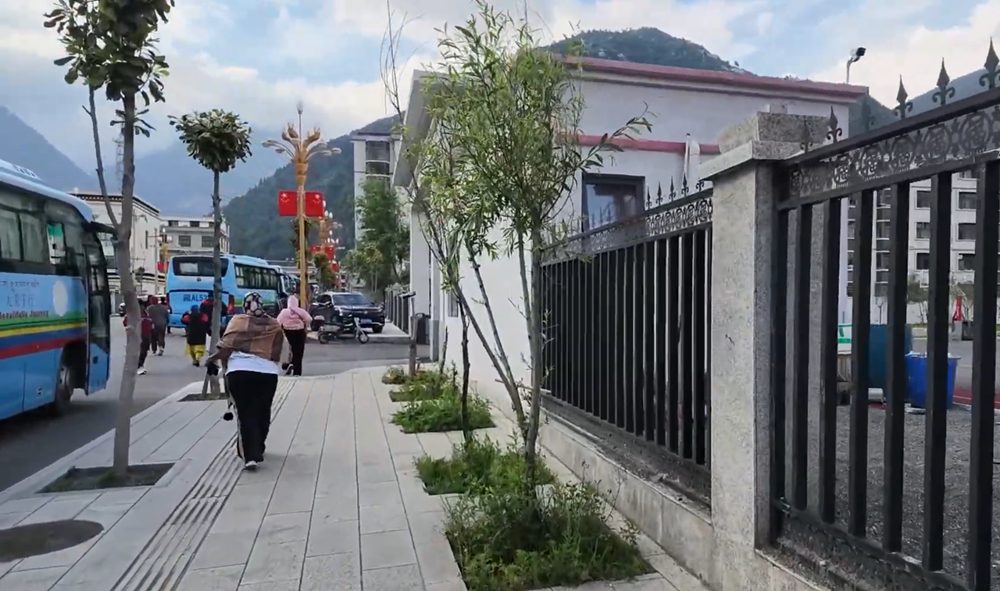
After breakfast, enjoy a scenic drive from Saga to Kerung (Kyirong), taking in the final breathtaking views of the Tibetan Plateau, snow-capped Himalayan peaks, vast grasslands, grazing yaks and traditional Tibetan villages. Along the way, reflect on the unforgettable spiritual experiences of your Kailash Mansarovar Yatra while enjoying the peaceful beauty and unique culture of Tibet.
As you descend to the lower altitude of Kerung, the changing landscapes and fresh mountain air provide a relaxing end to your journey through the Tibetan Plateau. Upon arrival, check in to your hotel, enjoy dinner with your group and share memories of your pilgrimage before returning to Nepal the following day.
Trip Duration:
Drive Time 6-7 Hours
Accomodation:
Guesthouse in Kyirong
Meals:
Breakfast, Lunch & Dinner
Early in the morning after breakfast, drive to the Kerung Border and complete the immigration formalities before crossing from Tibet into Nepal. Continue your scenic drive through the beautiful Trishuli River Valley, passing lush green hills, winding rivers, cascading waterfalls, terraced farmlands and traditional villages on your way back to Kathmandu.
As you travel through Nepal’s picturesque countryside, take time to reflect on the unforgettable spiritual experiences, breathtaking Himalayan landscapes, and lifelong memories created during your Kailash Mansarovar Yatra.
Upon arrival in Kathmandu, check in to your hotel and enjoy a special farewell dinner with your fellow pilgrims. Share your travel experiences, celebrate the successful completion of your sacred pilgrimage, and spend your final evening in Nepal before your overnight stay.
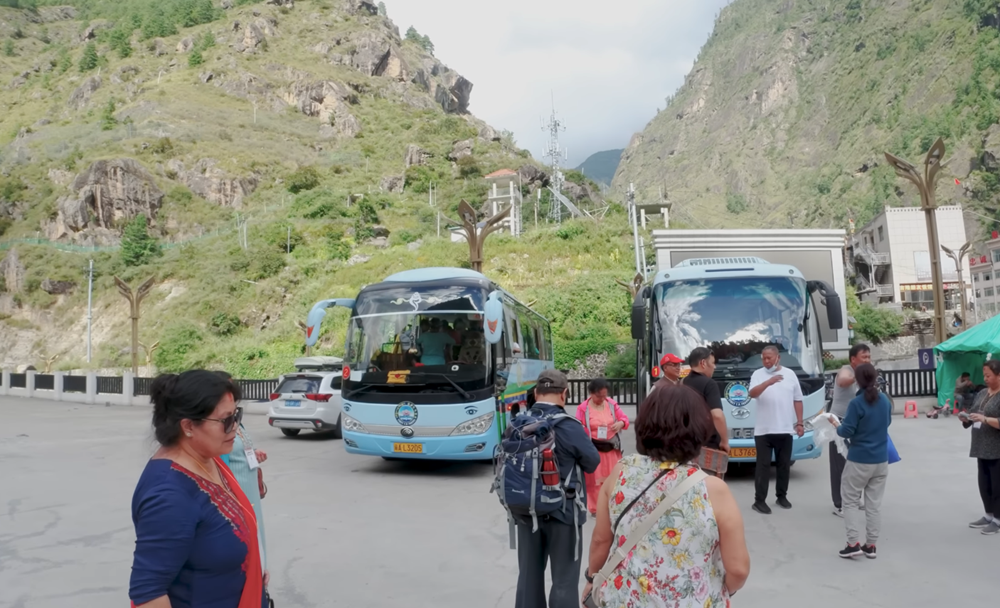
Trip Duration:
Drive Time 7-8 Hours
Accomodation:
Hotel in Kathmandu
Meals:
Breakfast & Lunch
After breakfast, a representative from Best Of Nepal Trek will transfer you to Tribhuvan International Airport for your departure flight. As your Kailash Mansarovar Yatra comes to an end, take with you the unforgettable memories, spiritual blessings and breathtaking Himalayan experiences you have shared throughout this sacred pilgrimage.
Thank you for choosing Best Of Nepal Trek. It has been our pleasure to be part of your spiritual journey, and we look forward to welcoming you back to Nepal for another unforgettable Himalayan adventure in the future.
Trip Duration:
Drive Time 30 minutes
Meals:
Breakfast
Packing List – Kailash Mansarovar Tour
Preparing the right gear is essential for a safe and comfortable pilgrimage to Mount Kailash and Lake Mansarovar. This high-altitude journey involves trekking, cold temperatures, and varying weather conditions, so proper packing ensures you can fully enjoy the spiritual and scenic experience.
Clothing:
- Insulated down jacket or warm fleece jacket
- Waterproof and windproof shell jacket and pants
- Thermal base layers (tops and bottoms)
- Comfortable trekking pants and shorts
- Moisture-wicking T-shirts and long-sleeve shirts
- Warm gloves, hat, and scarf/balaclava
- Sun hat or cap for daytime trekking
- Comfortable trekking socks and extra pairs
Footwear
- Sturdy, waterproof trekking boots with good grip
- Lightweight shoes or sandals for rest days
- Gear & Accessories
- Daypack for daily essentials
- Trekking poles for support on steep paths
- Sunglasses with UV protection
- Sunscreen (high SPF) and lip balm
- Reusable water bottle or hydration system
- Sleeping bag (for camping groups)
- Personal toiletries and quick-dry towel
Health & Safety
- Personal medications and first-aid kit
- High-altitude medication (consult your doctor before the trip)
- Water purification tablets or portable filter
- Travel insurance documents
Optional Items
- Camera or smartphone for photos
- Power bank and charging cables
- Notebook or journal for reflections
- Prayer beads or small spiritual items
Packing the right gear ensures comfort and safety while trekking through high-altitude passes, visiting sacred sites, and experiencing the remote landscapes of Tibet. Travel light, but be prepared for changing weather and spiritual encounters along the Kailash Mansarovar Tour.
Kailash Mansarovar Yatra FAQs
Best Of Nepal Trek is your trusted partner for a safe, comfortable and professionally organized Kailash Mansarovar Yatra from Nepal. With experienced local guides, carefully planned itineraries, comfortable accommodations, reliable transportation and complete Tibet permit assistance, we ensure a smooth and hassle-free pilgrimage from start to finish.
Our dedicated team prioritizes your safety, comfort and acclimatization, allowing you to focus on the spiritual journey to the sacred Mount Kailash and Lake Mansarovar. From your arrival in Kathmandu to the successful completion of the Kailash Kora (Parikrama), we are committed to delivering an unforgettable pilgrimage experience with personalized service and genuine Himalayan hospitality.
Most international travelers joining the Kailash Mansarovar Yatra from Nepal can obtain a Nepal Tourist Visa on Arrival at Tribhuvan International Airport (TIA) in Kathmandu. The process is simple, quick and convenient, making it easy for visitors to begin their pilgrimage or holiday in Nepal.
To apply for a visa on arrival, your passport must be valid for at least six months from your date of entry into Nepal. After landing at Kathmandu Airport, complete the online or kiosk visa application form, pay the applicable visa fee and present your passport and payment receipt at the immigration counter. Tourist visas are generally available for 15, 30, or 90 days, depending on the length of your stay.
Nepal Visa on Arrival – Quick Information
- Visa Available: On arrival at Tribhuvan International Airport, Kathmandu.
- Passport Validity: Minimum of 6 months from the date of arrival.
- Tourist Visa Duration: 15, 30, or 90 days.
- Visa Fees: USD 30 (15 days), USD 50 (30 days), and USD 125 (90 days).
- Application Process: Complete the visa form, pay the fee, and receive your tourist visa at the immigration counter.
- Recommended: You can complete the online visa application before your arrival to save time at the airport.
For the latest visa requirements, eligible nationalities and updated immigration policies, please visit the official Department of Immigration Nepal website: https://immigration.gov.np/
Our friendly staff will warmly welcome you upon your arrival at Tribhuvan International Airport in Kathmandu. A company representative will be waiting outside the airport terminal holding a signboard with your name for easy identification.
After meeting our team, you will be comfortably transferred to your hotel in Kathmandu by a private tourist vehicle, ensuring a smooth, safe and hassle-free start to your Kailash Mansarovar Yatra.
The Kailash Mansarovar Yatra is one of the world’s most sacred pilgrimages, taking you to the holy Mount Kailash and Lake Mansarovar in western Tibet. Revered in Hinduism, Buddhism, Jainism and the Bon tradition, this spiritual journey offers a unique combination of faith, culture and breathtaking Himalayan landscapes.
The pilgrimage includes the sacred Kailash Kora (Parikrama), a 52-kilometer walk around Mount Kailash that symbolizes devotion, spiritual renewal and personal achievement. Along the way, you’ll explore ancient monasteries, traditional Tibetan villages and the spectacular Tibetan Plateau.
Whether you are seeking spiritual blessings, cultural discovery, or a once-in-a-lifetime Himalayan adventure, the Kailash Mansarovar Tour from Nepal offers an unforgettable experience filled with peace, inspiration and lifelong memories.
The Kailash Mansarovar Yatra from Nepal typically takes 14 days, including arrival in Kathmandu, sightseeing, travel to Tibet, acclimatization, the sacred Kailash Kora (Parikrama), and the return journey to Kathmandu.
The itinerary is carefully designed to allow proper altitude acclimatization, ensuring a safer and more comfortable pilgrimage. During the tour, travelers visit the holy Mount Kailash, Lake Mansarovar and several important cultural and religious sites across the Tibetan Plateau.
The duration may vary slightly depending on the route, weather conditions, border procedures and travel arrangements, but a 14-day itinerary is the most popular and recommended option for the Kailash Mansarovar Yatra.
During the Kailash Mansarovar Yatra, it is recommended to carry approximately USD 30–40 per person per day for personal expenses. While your tour package covers the major travel services, having some extra cash will help you pay for optional items and personal needs along the journey.
Your daily budget can be used for:
- Drinking water, tea, coffee and other hot beverages
- Snacks and personal refreshments
- Wi-Fi, battery charging and hot shower facilities (where available)
- Soft drinks and small personal purchases
- Personal tips for guides, drivers or support staff (optional)
Since ATMs and card payment facilities are extremely limited in remote areas of Tibet, we recommend carrying sufficient cash in Chinese Yuan (CNY) or US Dollars (USD) for your convenience throughout the Kailash Mansarovar Yatra from Nepal.
During the Kailash Mansarovar Yatra, we maintain a slow, comfortable and steady walking pace to help pilgrims safely adjust to the high altitude. The trek is not a race and our experienced guides ensure that everyone walks at a pace suitable for the group.
Regular rest stops are included for hydration, photography, and enjoying the spectacular views of Mount Kailash and the Tibetan Plateau. Whether you are completing the sacred Kailash Kora (Parikrama) for spiritual reasons or adventure, our priority is your safety, comfort and successful completion of the pilgrimage.
Yes. Proper acclimatization is essential during the Kailash Mansarovar Yatra because the journey reaches elevations above 5,000 meters, including the crossing of Dolma La Pass (5,630 m). Taking time to adjust to the high altitude helps reduce the risk of altitude sickness and makes your pilgrimage safer and more enjoyable.
Our Kailash Mansarovar Yatra from Nepal itinerary includes dedicated acclimatization days in Kerung and Saga, allowing your body to adapt gradually before visiting Lake Mansarovar and beginning the sacred Kailash Kora (Parikrama).
Our experienced guides also monitor your well-being and provide guidance on hydration, pacing and altitude safety throughout the journey.
Accommodation during the Kailash Mansarovar Yatra from Nepal is carefully selected to provide comfort throughout your pilgrimage. In Kathmandu, you will stay in a comfortable tourist-standard hotel with modern facilities. In Kerung, Saga and Darchen, accommodation is provided in well-maintained hotels offering a relaxing environment before continuing your journey.
During the sacred Kailash Kora (Parikrama), overnight stays at Dirapuk and Zuthulpuk are in clean and comfortable local guesthouses with basic facilities, reflecting the remote nature of the Mount Kailash region. While accommodations in western Tibet are simpler than city hotels, they are chosen to ensure a safe, clean and comfortable stay.
Our Kailash Mansarovar Tour from Nepal is designed to balance comfort with the unique experience of traveling through the Tibetan Plateau, allowing you to focus on your pilgrimage to Mount Kailash and Lake Mansarovar with confidence and peace of mind.
Yes, private rooms are available during parts of the Kailash Mansarovar Yatra, although availability depends on the location and accommodation options along the route. Private rooms can usually be arranged in Kathmandu, Kerung, Saga and Darchen, subject to availability.
During the sacred Kailash Kora (Parikrama), accommodation is limited to basic guesthouses in Dirapuk and Zuthulpuk, where shared rooms are generally the standard due to the remote high-altitude environment. If you prefer private accommodation, please let us know when booking your Kailash Mansarovar Yatra from Nepal and we will arrange private rooms wherever possible.
The Kailash Mansarovar Yatra requires a moderate level of physical fitness. While no technical trekking or mountaineering experience is needed, pilgrims should be able to walk 5–7 hours a day during the Kailash Kora (Parikrama) over uneven trails at elevations above 5,000 meters.
Regular walking, hiking, or light cardiovascular exercise before your trip is highly recommended to improve stamina and prepare for the high-altitude conditions. Our Kailash Mansarovar Yatra from Nepal itinerary includes acclimatization days to help your body adjust safely and our experienced guides provide support throughout the journey to ensure a safe, comfortable and rewarding pilgrimage to Mount Kailash and Lake Mansarovar.
Because the Kailash Mansarovar Yatra reaches elevations above 5,000 meters, it is important to recognize the early signs of altitude sickness (Acute Mountain Sickness – AMS). Common symptoms include headache, dizziness, fatigue, shortness of breath, nausea, loss of appetite, difficulty sleeping and unusual tiredness.
Our Kailash Mansarovar Yatra from Nepal itinerary includes proper acclimatization days to help your body adjust gradually to the high altitude. Our experienced guides closely monitor every pilgrim, provide altitude safety guidance, and take immediate action if symptoms become more serious. Staying well hydrated, walking at a steady pace and following your guide’s advice are essential for a safe and successful pilgrimage to Mount Kailash and Lake Mansarovar.
The most commonly prescribed medication for helping prevent Acute Mountain Sickness (AMS) during the Kailash Mansarovar Yatra is Acetazolamide (Diamox). It helps your body adapt to high altitude by improving acclimatization and may reduce the risk of common symptoms such as headache, dizziness and fatigue.
However, Diamox should only be taken after consulting your doctor, as it may not be suitable for everyone and can have side effects.
The best ways to reduce the risk of altitude sickness during the Kailash Mansarovar Yatra from Nepal include:
- Take time to acclimatize properly.
- Walk at a slow and steady pace.
- Stay well hydrated throughout the journey.
- Get enough rest and avoid overexertion.
- Follow your guide’s instructions and report any symptoms immediately.
Our itinerary includes dedicated acclimatization days, and our experienced guides closely monitor your well-being throughout the pilgrimage to Mount Kailash and Lake Mansarovar, helping ensure a safer and more enjoyable journey.
Yes, comprehensive travel insurance is strongly recommended before joining the Kailash Mansarovar Yatra from Nepal. Since this pilgrimage takes place in remote, high-altitude regions of Tibet, your insurance should cover high-altitude trekking, emergency medical treatment, hospitalization, trip cancellation or interruption, lost or delayed baggage and emergency evacuation, if available under your policy.
Before traveling, carefully review your insurance coverage to ensure it is valid for the maximum altitude reached during the journey, including the crossing of Dolma La Pass (5,630 m). Having the right travel insurance provides valuable peace of mind and helps protect you against unexpected situations during your pilgrimage to Mount Kailash and Lake Mansarovar.
We recommend purchasing your travel insurance before arriving in Nepal and carrying a copy of your policy and emergency contact details throughout the journey.
If an emergency occurs during the Kailash Mansarovar Yatra, stay calm and notify your guide immediately. Our experienced guides are trained to respond to altitude sickness (AMS), injuries and other medical emergencies, ensuring you receive prompt assistance throughout the journey.
Depending on the situation, we will arrange first aid, coordinate medical treatment, adjust your itinerary, or organize emergency evacuation when necessary and feasible. Your safety is our highest priority during the Kailash Mansarovar Yatra from Nepal, especially while traveling through the remote, high-altitude regions of Tibet.
To reduce the risk of emergencies, follow your guide’s instructions, stay well hydrated, walk at a steady pace and report any symptoms of altitude sickness or illness as soon as they appear. Proper acclimatization, careful planning and professional support help make your pilgrimage to Mount Kailash and Lake Mansarovar as safe and comfortable as possible.
No, it is not recommended to drink untreated tap water during the Kailash Mansarovar Yatra. In the remote regions of Tibet, water sources may not always be filtered or safe for drinking. To avoid waterborne illnesses, always choose safe drinking water throughout your pilgrimage.
The safest drinking water options include:
- Boiled water available at hotels and guesthouses (recommended)
- Filtered or purified water where available
- Water purification tablets or a portable water filter
- Bottled drinking water (available in most towns but more expensive in remote areas)
For an environmentally friendly journey, we recommend carrying a reusable water bottle with a built-in filtration or purification system. This helps reduce plastic waste while ensuring you have access to safe drinking water throughout the Kailash Mansarovar Yatra from Nepal.
Staying well hydrated with safe drinking water is essential for acclimatization, maintaining energy and enjoying a safe and comfortable pilgrimage to Mount Kailash and Lake Mansarovar.
Yes. If you do not have your own cold-weather gear, you can easily rent high-quality sleeping bags and down jackets in Kathmandu before starting the Kailash Mansarovar Yatra from Nepal. Renting trekking equipment is a convenient and cost-effective option for pilgrims who prefer to travel light.
A warm sleeping bag suitable for temperatures around -10°C to -20°C and an insulated down jacket are highly recommended, especially during the Kailash Kora (Parikrama), where temperatures can drop below freezing in the early morning and at night. Rental equipment is generally well-maintained, comfortable and available at reasonable daily rates.
Having the right clothing and sleeping gear will help you stay warm, comfortable and well-prepared for the high-altitude conditions around Mount Kailash and Lake Mansarovar, making your pilgrimage safer and more enjoyable.
During the Kailash Mansarovar Yatra from Nepal, your main luggage is transported by the support vehicle, so you only need to carry a small daypack with your daily essentials, such as water, snacks, warm clothing, medications, sunscreen and personal valuables.
We recommend packing your belongings in a duffel bag or soft travel bag, as these are easier to handle during the journey. Keep your luggage light and bring only the items you need for the pilgrimage. A daypack of 20–30 liters is ideal for carrying personal items while walking the Kailash Kora (Parikrama).
Proper packing helps ensure a more comfortable and enjoyable Kailash Mansarovar Yatra, allowing you to focus on the spiritual journey to Mount Kailash and Lake Mansarovar.
Yes. At Best Of Nepal Trek, the safety and well-being of both our guests and staff are top priorities. Our trekking guides, Sherpa guides, cooks, drivers and support staff are covered by appropriate insurance for their assigned responsibilities during the Kailash Mansarovar Yatra from Nepal, in accordance with our operating requirements.
Our staff insurance helps provide protection in the event of accidents or injuries while carrying out their duties and reflects our commitment to responsible and ethical tourism.
Our support team includes:
- Professional trekking and tour guides
- Assistant guides and Sherpa guides
- Cooks and kitchen staff
- Drivers and other support personnel
By choosing Best Of Nepal Trek, you are traveling with a company that values safety, fair treatment of its staff, and responsible adventure travel. We are committed to providing a well-organized, reliable and secure Kailash Mansarovar Yatra, ensuring peace of mind for both our clients and our dedicated team.
Yes. During the Kailash Mansarovar Yatra from Nepal, our professional guides communicate fluently in English and Hindi, ensuring clear and effective communication throughout your pilgrimage. They provide daily trip briefings, safety instructions, altitude guidance, cultural insights and route information to help you enjoy a safe and meaningful journey.
Our experienced team is committed to delivering friendly, reliable and personalized service, making your pilgrimage to Mount Kailash and Lake Mansarovar comfortable, informative and memorable from beginning to end.
Yes. You can safely store your extra luggage in Kathmandu before starting the Kailash Mansarovar Yatra from Nepal. Most hotels provide secure luggage storage facilities and Best Of Nepal Trek also offers safe baggage storage for our guests throughout the pilgrimage.
We recommend carrying only the essential items needed for the journey, while leaving unnecessary luggage securely stored in Kathmandu. This allows you to travel more comfortably, especially during the sacred Kailash Kora (Parikrama) around Mount Kailash.
Our secure luggage storage service gives you peace of mind, knowing your belongings will be safely kept until you return to Kathmandu after completing your Kailash Mansarovar Yatra.
Yes. Kailash Mansarovar Yatra departures are guaranteed once your booking is confirmed and the required travel permits and documentation have been completed. We offer both fixed group departures and private Kailash Mansarovar tours from Nepal, providing a smooth, safe and professionally organized pilgrimage.
Solo travelers, couples, families, and small groups are all welcome to join our scheduled departures. Every journey is fully supported by experienced guides, comfortable transportation, quality accommodations, and dedicated ground staff to ensure a hassle-free experience from Kathmandu to Mount Kailash and Lake Mansarovar.
Whether you choose a group departure or a private pilgrimage, Best Of Nepal Trek is committed to delivering a reliable, comfortable and unforgettable Kailash Mansarovar Yatra from Nepal.
The Kailash Mansarovar Yatra from Nepal is not operated during winter because heavy snowfall, freezing temperatures, and the closure of high mountain passes make travel unsafe. The best time to undertake this sacred pilgrimage is from May to mid-October, when weather conditions are generally more stable and roads are accessible.
The journey is possible during the monsoon season, as much of western Tibet lies in the rain shadow of the Himalayas and receives relatively little rainfall. However, travelers should be aware that occasional rain in Nepal may affect road conditions or border crossings before entering Tibet.
For the safest and most comfortable experience, we recommend joining the Kailash Mansarovar Yatra during the main pilgrimage season, when weather, road conditions and travel arrangements are most favorable for visiting Mount Kailash and Lake Mansarovar.
If your Kailash Mansarovar Yatra from Nepal is delayed, rescheduled, or ends earlier than planned due to weather conditions, border procedures, health reasons, transportation disruptions, or other unforeseen circumstances, you may need to stay additional nights in Kathmandu.
In such cases, Best Of Nepal Trek will assist you in arranging comfortable hotel accommodation and provide the necessary support to help make your stay as smooth and stress-free as possible. However, unless specifically stated in your tour package, the cost of extra hotel nights, meals, airport transfers and other personal expenses is the responsibility of the traveler.
We strongly recommend purchasing comprehensive travel insurance that covers trip delays, cancellations and additional accommodation expenses to protect you against unexpected travel disruptions during your Kailash Mansarovar Yatra.
Kailash Mansarovar Yatra Good To Know
The Kailash Mansarovar Region is one of the world’s most sacred spiritual destinations, where history, religion, and Tibetan culture have flourished for thousands of years. Located in the remote Tibet Autonomous Region of China, this holy land attracts thousands of pilgrims and travelers every year who come seeking peace, blessings and spiritual fulfillment.
At the heart of the region stands the sacred Mount Kailash (6,638 m), worshipped by Hindus, Buddhists, Jains and followers of the Bon religion. Hindus believe Mount Kailash is the eternal home of Lord Shiva and Goddess Parvati, while Buddhists regard it as the sacred mountain of Demchok (Chakrasamvara). For Jains, it is the place where their first Tirthankara attained liberation, and Bon followers consider it the center of their spiritual universe.
Nearby lies the holy Lake Mansarovar (4,580 m), one of the world’s highest freshwater lakes. According to Hindu belief, taking a holy bath, offering prayers and meditating at the lake helps cleanse the soul and brings inner peace, good fortune and spiritual blessings. Many pilgrims also believe that every Hindu should visit Kailash Mansarovar at least once in their lifetime if possible.
The region is equally rich in Tibetan culture. Along the journey, travelers encounter colorful prayer flags, ancient monasteries, traditional villages, Buddhist stupas, and friendly Tibetan people who continue to preserve their unique customs, language, festivals and way of life. Many local families still depend on yak herding, livestock farming and traditional trade, offering visitors an authentic glimpse into life on the Tibetan Plateau.
More than a pilgrimage, the Kailash Mansarovar Yatra is a life-changing journey that beautifully combines spirituality, history, culture, breathtaking Himalayan landscapes and unforgettable experiences, making it one of the world’s most meaningful and inspiring travel destinations.
The Kailash Mansarovar Tour is a sacred journey across some of the most remote and spiritually significant regions of Tibet, blending high-altitude trekking with rich cultural experiences. Understanding the trek map and elevation profile is essential for a safe, well-paced and enjoyable pilgrimage.
Elevation Highlights: Kailash Mansarovar Tour
- Proper knowledge of daily elevations helps with acclimatization and planning:
- Kathmandu (1,400 m): Starting point with mild altitude, perfect for preparation.
- Timmure (1,983 m): Scenic border village on the way to Tibet.
- Kyirong (2,700 m): First Tibetan town, beginning high-altitude adjustment.
- Saga (4,450 m): Key stop to rest and acclimatize before reaching higher altitudes.
- Lake Mansarovar (4,550 m): Sacred lake at high altitude, offering spiritual reflection.
- Darchen (4,650 m): Base camp for Mount Kailash, starting point for the Kora trek.
- Dirapuk (4,860 m): First day of Kora, providing stunning views of Kailash’s north face.
- Dolma La Pass (5,636 m): Highest and most challenging segment of the Kora trek.
- Zuthulpuk (4,760 m): Rest point after descending from Dolma La Pass.
- Return via Saga & Kyirong: Gradual descent to lower altitudes, concluding the pilgrimage.
This trek map and elevation overview helps travelers plan their daily pace, prevent altitude sickness and fully enjoy the breathtaking landscapes, sacred lakes and holy sites along the Kailash Mansarovar Tour.
The Kailash Mansarovar Tour takes you to the sacred Tibet Autonomous Region of China, one of the world’s most important spiritual destinations. The journey centers around the holy Mount Kailash (6,638 m) and the pristine Lake Mansarovar (4,580 m), located in Ngari Prefecture on the western Tibetan Plateau, near the borders of Nepal and India.
For travelers from Nepal, the journey usually begins in Kathmandu, followed by an overland drive through Timure and the Kerung (Gyirong) Border before entering Tibet. The route continues across the spectacular Tibetan Plateau, passing Kerung, Saga, Lake Mansarovar and Darchen, the starting point of the sacred Mount Kailash Parikrama (Kora). Pilgrims then trek through Dirapuk, cross the holy Dolma La Pass (5,650 m), visit the sacred Gauri Kund, continue to Zuthulpuk Monastery and finally return to Kathmandu via the same route.
For millions of people around the world, visiting Mount Kailash is more than a journey—it is a lifelong dream and a deeply spiritual goal. Pilgrims from many countries hope to visit this sacred place at least once in their lifetime to seek blessings, inner peace, and spiritual fulfillment.
Surrounded by breathtaking Himalayan landscapes, ancient monasteries, colorful prayer flags, and traditional Tibetan villages, the Kailash Mansarovar Tour offers a unique blend of spirituality, culture and adventure. It is a once-in-a-lifetime pilgrimage for Hindus, Buddhists, Jains and Bon followers, while also attracting travelers seeking the beauty, history and peaceful atmosphere of the Tibetan Himalayas.
The Kailash Mansarovar Tour offers a wonderful opportunity to experience the unique culture and warm hospitality of the Tibetan people. Along the journey, you will travel through Timure, Kerung, Saga, Darchen, Dirapuk and Zuthulpuk, where you can observe the peaceful lifestyle of local communities living on the high Tibetan Plateau.
As you travel through these remote villages, you will meet friendly Tibetan people, Buddhist monks, pilgrims from different countries, yak herders, local shopkeepers and families who have preserved their traditions for generations. Colorful prayer flags, ancient monasteries, stone houses, mani walls and spinning prayer wheels reflect the region’s deep spiritual heritage.
One of the most memorable parts of the journey is interacting with local people, learning about their customs, tasting simple Tibetan food and experiencing their peaceful way of life. These meaningful encounters add a rich cultural dimension to your Kailash Mansarovar Yatra, making it not only a sacred pilgrimage but also a truly unforgettable cultural experience.
The Kailash Mansarovar region is part of the high-altitude Tibetan Plateau, featuring a unique ecosystem that has adapted to extreme weather and rugged terrain. Travelers will encounter a diverse range of flora and fauna that thrive in these remote landscapes.
Flora
- The lower valleys and riverbanks are dotted with rhododendrons, junipers, and wild shrubs.
- Alpine meadows near Saga and Darchen host medicinal herbs, mosses and colorful wildflowers, adding vibrancy to the otherwise arid plateau.
- Sparse vegetation at higher altitudes reflects the harsh conditions but contributes to the region’s stark, pristine beauty.
Fauna
- The plateau is home to Tibetan antelope (chiru), wild yaks, and blue sheep (bharal).
- Birdwatchers can spot Himalayan vultures, lammergeiers, Tibetan snowcocks, and golden eagles.
- Nomadic communities herd domestic yaks, sheep, and goats, which are central to local life and economy.
Travelers can witness the harmonious coexistence of wildlife and human settlements, making the Kailash Mansarovar Tour not only a spiritual and cultural journey but also a nature-rich adventure.
The Kailash Mansarovar Tour takes travelers through high-altitude regions of western Tibet, where proper acclimatization and preparation are crucial for a safe and enjoyable journey. Mount Kailash (6,638 m) and surrounding areas lie in remote locations, which means accommodation options along the route are generally basic and limited. Travelers should not expect luxury hotels or modern amenities such as private bathrooms or laundry services during the pilgrimage.
Along the popular Nepal route, towns like Kyirong, Saga and Darchen provide the best lodging facilities. Here, visitors can find relatively comfortable guesthouses and small hotels, offering shared washrooms and simple, warm meals. Most overnight stays are in dormitories, small hotels, or basic guesthouses with limited electricity. For a more immersive experience, tent or camping stays are common, especially during the Kailash Kora trek.
To ensure comfort during the tour, travelers should bring essentials such as warm clothing, power banks, personal hygiene products, and trekking gear. Gradual acclimatization at Saga, Darchen and Dirapuk is recommended to adjust to high altitudes and minimize the risk of altitude sickness.
Being prepared for basic living conditions allows pilgrims to focus on the spiritual and natural beauty of the region, from the turquoise waters of Lake Mansarovar to the awe-inspiring views of Mount Kailash. Proper acclimatization, careful planning, and a flexible mindset ensure a safe, comfortable, and unforgettable journey through one of the most sacred and remote landscapes in the world.
Yes, the Kailash Mansarovar Tour is considered a high-altitude adventure pilgrimage, combining spiritual exploration with physically challenging terrain. The journey takes travelers across the remote Tibetan Plateau, through rugged mountains, vast plateaus, and high-altitude passes such as the Dolma La Pass (5,636 m).
While the tour is deeply spiritual, it also requires endurance, acclimatization, and preparation due to the harsh conditions, long drives, and multi-day treks involved in the Kailash Kora (Parikrama). Adventurers will experience stunning landscapes, pristine lakes, nomadic villages and snow-capped Himalayan peaks, making it a unique blend of culture, spirituality, and adventure.
Whether you are seeking a challenging high-altitude trek or a transformative spiritual journey, the Kailash Mansarovar Tour offers a rare opportunity to explore one of the most remote and sacred regions in the world.
The Kailash Mansarovar Tour is generally safe for well-prepared travelers, but it requires careful planning due to its high-altitude environment, remote locations, and rugged terrain. Proper acclimatization, hydration, and rest are essential to prevent altitude sickness, especially when crossing passes like Dolma La (5,636 m).
Travelers should book with experienced tour operators who provide licensed guides, support vehicles, and emergency planning. Accommodations along the route are basic but reliable, and local communities are welcoming and accustomed to pilgrims.
While road travel and trekking are safe, the region’s high altitude, weather variability, and remote access mean travelers must carry essential gear, first-aid supplies, and travel insurance. Following guide instructions and pacing yourself during the Kailash Kora (Parikrama) ensures a secure and enjoyable journey.
With preparation and caution, the tour offers a safe and transformative experience, allowing travelers to focus on the spiritual significance, breathtaking landscapes and unique Tibetan culture of the Kailash Mansarovar region.
The Kailash Mansarovar Tour is one of the most iconic spiritual journeys in the world, accessible via Nepal or Tibet. This pilgrimage combines overland travel, high-altitude trekking, and cultural exploration, offering both a spiritual and adventurous experience.
From Nepal (Kathmandu Route)
- Start Point: Kathmandu, Nepal (1,400 m) – the gateway to Tibet and the Himalayas.
- Overland Route: Travelers drive from Kathmandu to Timmure, a scenic border village, before crossing the Nepal–Tibet border at Kyirong (Kerung). The journey continues through Saga, the remote Tibetan plateau, before reaching Lake Mansarovar, Darchen, Dirapuk, and Zuthulpuk, where the sacred Kailash Kora (Parikrama) trek begins.
- Return Route: The journey retraces the same path from Darchen → Saga → Kyirong → Kathmandu, passing through breathtaking Himalayan foothills, river valleys, and the vast Tibetan plateau, allowing travelers to reflect on their spiritual experience while enjoying the natural landscapes.
Traveling to Mount Kailash and Lake Mansarovar requires specific permits due to the region’s location in Tibet, China. Obtaining these permits is essential for a smooth and hassle-free pilgrimage.
Essential Permits
- Tibet Travel Permit (TTP):
- Mandatory for all foreign travelers entering Tibet.
- Issued by the Tibet Tourism Bureau and usually arranged through a licensed tour operator.
- Required for border entry points such as Kyirong (Kerung) or Lhasa.
- Kailash and Mansarovar Permit:
- Needed specifically for visiting Mount Kailash, Lake Mansarovar, and the surrounding Ngari region.
- Grants access to sacred sites and high-altitude areas for the Kora trek.
- Alien Travel Permit (if required):
- Some restricted areas along the route may require an additional local permit.
How to Obtain Permits
- Permits must be arranged in advance, usually through your tour operator in Nepal or Tibet.
- Travelers cannot obtain these permits independently.
- Processing times may take several days, so early planning is essential.
Having the correct permits ensures legal entry, smooth border crossing, and uninterrupted travel, allowing pilgrims to focus on the spiritual journey and breathtaking landscapes of the Kailash Mansarovar region.
The Kailash Mansarovar Tour is best undertaken during spring (April–May) and autumn (September–October), when weather conditions are most favorable for high-altitude travel and spiritual exploration.
Spring (April–May)
- Days are generally warm with clear skies, offering excellent visibility of Mount Kailash and the surrounding Himalayan peaks.
- Snow begins to melt at higher passes, making trekking and overland travel easier.
- Ideal for witnessing blooming wildflowers and alpine meadows along the route.
Autumn (September–October)
- Crisp, clear weather provides stunning panoramic views and calm conditions for the Kailash Kora (Parikrama) trek.
- Festivals and local cultural activities are more visible, allowing travelers to immerse themselves in Tibetan traditions.
Avoid winter and Monsoon
- Winter (November–February): Extremely cold temperatures, especially at night, and snow may block high passes.
- Monsoon (June–August): Heavy rains in lower Nepal regions and landslides along the route can disrupt travel plans.
Traveling during spring and autumn ensures the safest, most comfortable, and visually rewarding journey, allowing pilgrims to fully experience the spiritual and natural beauty of Mount Kailash and Lake Mansarovar.
The Kailash Mansarovar Tour reaches elevations above 5,600 meters at Dolma La Pass, making altitude sickness a real concern for travelers. Proper preparation and pacing are essential for a safe and enjoyable journey.
Tips to Prevent Altitude Sickness
- Gradual Acclimatization:
- Follow a slow ascent schedule through towns like Kyirong, Saga, and Darchen.
- Spend extra nights at key stops to allow your body to adjust to high altitudes.
- Stay Hydrated:
- Drink plenty of water throughout the journey.
- Avoid excessive caffeine and alcohol, which can contribute to dehydration.
- Balanced Diet:
- Eat light, high-carbohydrate meals to maintain energy levels.
- Avoid heavy or greasy foods that may cause fatigue.
- Medication (if recommended):
- Consult a doctor about altitude sickness prevention medication such as acetazolamide.
- Carry necessary prescriptions and first-aid supplies.
- Take it Slow:
- Avoid overexertion during trekking and long drives.
- Listen to your body and rest whenever needed.
- Oxygen Support:
- Portable oxygen cylinders can be helpful for emergencies at higher elevations.
By following these guidelines, travelers can minimize the risk of altitude sickness and focus on enjoying the spiritual, cultural, and natural wonders of the Mount Kailash and Lake Mansarovar region.
Traveling to Mount Kailash and Lake Mansarovar involves high-altitude trekking, remote locations, and rugged terrain, making travel insurance essential for a safe and worry-free journey.
Why Travel Insurance is Important
- Medical Emergencies: Covers treatment for altitude sickness, injuries, or illness during the tour.
- Evacuation and Rescue: Ensures access to emergency evacuation services from remote high-altitude areas.
- Trip Cancellation or Delays: Protects your investment in case of unforeseen events such as natural disasters, political restrictions, or personal emergencies.
- Lost or Stolen Items: Provides coverage for lost luggage, travel documents, or personal belongings.
Recommended Coverage
- High-altitude trekking coverage up to 6,000 meters.
- Emergency medical evacuation and helicopter rescue if needed.
- Trip interruption and delay insurance.
Most tour operators strongly advise travelers to purchase travel insurance before departing, ensuring peace of mind while focusing on the spiritual and adventurous journey to this sacred Tibetan region.
The Kailash Mansarovar region lies on the high Tibetan Plateau, with extreme weather conditions influenced by altitude and geography. Understanding the climate is crucial for planning a safe and enjoyable journey.
Seasonal Overview
- Spring (April–May): Mild daytime temperatures, clear skies, and melting snow make it ideal for trekking and sightseeing. Perfect for photographers and nature enthusiasts.
- Autumn (September–October): Crisp air, stable weather, and stunning panoramic views of Mount Kailash and the Himalayas. Cultural festivals are also common during this period.
- Winter (November–February): Extremely cold, especially at night, with heavy snowfall at higher passes. Travel is challenging, but fewer tourists make for a serene experience.
- Monsoon (June–August): Rainfall in lower Nepal regions and occasional landslides can disrupt travel, although the Tibetan plateau remains relatively dry.
Temperature Range
- Daytime: 10°C to 20°C at lower altitudes, 5°C to 15°C near Darchen and Mansarovar.
- Nighttime: Can drop below 0°C, especially at Saga, Dirapuk, and Dolma La Pass.
Tips for Travelers
- Dress in layers to adjust to varying temperatures.
- Carry waterproof gear and sun protection, as high-altitude sun exposure is strong.
- Plan travel during spring or autumn for the safest and most comfortable experience.
By understanding the weather and climate conditions, travelers can prepare properly, ensuring a safe, comfortable, and spiritually rewarding Kailash Mansarovar journey.
Packing smart is essential for the high-altitude Kailash Mansarovar Tour, as travelers will encounter remote areas, rugged terrain, and basic accommodations. Proper baggage preparation ensures comfort and safety throughout the journey.
Recommended Baggage
Main Luggage:
- Soft duffel bag or medium-sized suitcase (up to 20–25 kg) for transport in support vehicles.
Daypack / Trekking Bag:
- Small backpack (20–30 liters) for essentials during treks and daily excursions.
Packing Tips
- Clothing: Layered clothing, thermal innerwear, waterproof jackets, gloves, and hats for variable temperatures.
- Footwear: Comfortable trekking boots for Kora and casual shoes for travel in towns.
- Personal Items: Sunglasses, sunscreen, lip balm, personal medications, and hygiene products.
- Optional Gear: Trekking poles, sleeping bag for camping, and portable power banks.
- Weight Management: Keep luggage light and avoid carrying unnecessary items, as transport options are limited in remote areas.
Important Notes
- Support vehicles or pack animals may be available for groups, but personal luggage should remain manageable.
- High-altitude conditions require quick access to warm clothing, water, and snacks in your daypack.
Proper baggage planning ensures a comfortable, safe, and stress-free pilgrimage, allowing travelers to focus on the spiritual and scenic beauty of Mount Kailash and Lake Mansarovar.
Travelers on the Kailash Mansarovar Tour should plan for limited access to electricity, especially in remote villages, high-altitude camps, and during the Kora trek. Understanding charging options ensures your devices remain functional for navigation, photography, and emergencies.
Charging Facilities
- Guesthouses and Hotels: Towns like Kyirong, Saga, and Darchen offer basic electricity, usually available in common areas or rooms.
- Campsites and Tents: Power supply is often unavailable or limited to solar panels. Travelers should plan accordingly.
- Voltage & Plugs: Tibet generally uses 220V, 50Hz. Carry universal adapters compatible with Chinese sockets.
Tips for Travelers
- Power Banks: Carry high-capacity power banks to keep phones, cameras, and GPS devices charged during long treks or drives.
- Solar Chargers: Useful for remote camping areas and multi-day Kora treks.
- Limited Usage: Reduce unnecessary device use to conserve battery life.
- Backup Storage: Carry extra memory cards and portable hard drives for photos and videos.
Travelers on the Kailash Mansarovar Tour will experience a mix of local Tibetan cuisine, simple meals at guesthouses, and camping food during the high-altitude journey. Being prepared for basic food options ensures comfort and energy throughout the pilgrimage.
Meals in Towns and Villages
- Kyirong, Saga, and Darchen offer small guesthouses and restaurants serving Tibetan and Chinese cuisine.
- Popular dishes include tsampa (roasted barley flour), momos (dumplings), noodles, vegetable stews, and yak butter tea.
- Vegetarian options are available, but meat dishes often dominate local menus.
Meals during the Trek
- Kora (Parikrama) trek and remote camps may provide packed meals or meals prepared by your guide and cook.
- Travelers can expect high-energy, simple foods such as rice, noodles, soups, and dried fruits.
- Snacks: Carry energy bars, nuts, and chocolates to maintain stamina during long treks.
Tips for Food and Hydration
- Drink plenty of boiled or bottled water to prevent dehydration.
- Avoid raw or street food to minimize the risk of illness at high altitudes.
- Bring any special dietary items if needed, as remote regions may have limited options.
Accommodation along the Kailash Mansarovar Tour is generally basic due to the remote and high-altitude nature of the region, but it provides essential comfort for pilgrims and travelers.
Accommodation Options
- Guesthouses and Small Hotels:
- Available in Kyirong, Saga and Darchen.
- Offer shared washrooms, warm meals, and simple bedding.
- Electricity may be limited, especially in remote areas.
- Tented Camps:
- Common during the Kailash Kora trek and in isolated stretches near high passes.
- Provides a more immersive experience amidst the Tibetan plateau.
- Dormitory-Style Lodging:
- Some stops may have shared dormitories for groups of travelers.
- Basic but clean and functional for resting after long trekking or drives.
Tips for Comfortable Accommodation
- Carry a sleeping bag or liner for added warmth in dormitories or tents.
- Bring personal hygiene essentials due to limited facilities.
- Book accommodation through a reliable tour operator to ensure availability in remote areas.
While technically possible, traveling to Mount Kailash and Lake Mansarovar without a licensed guide is strongly discouraged. The region is remote, high-altitude, and culturally sensitive, with strict permit requirements that make independent travel extremely difficult.
Why a Guide is Essential
- Permits and Legal Requirements:
- Tibet Travel Permit and Kailash-Mansarovar Permit are mandatory and can only be arranged through licensed guides or tour operators.
- Navigation and Safety:
- Roads and trekking routes in Saga, Darchen, Dirapuk, and Dolma La Pass are remote and can be confusing.
- A guide ensures safe navigation, emergency support, and altitude acclimatization advice.
- Cultural and Spiritual Insight:
- Guides provide valuable information about sacred sites, local customs, Tibetan culture, and religious practices.
Emergency Support:
- In high-altitude areas, guides can assist with medical emergencies, altitude sickness, and evacuation procedures.
Traveling with a licensed Tibetan guide ensures a safe, smooth, and spiritually enriching experience, allowing you to fully enjoy the breathtaking landscapes and sacred significance of the Kailash and Mansarovar region.
Tour Difficulty – Kailash and Mansarovar Tour
The Kailash and Mansarovar Tour is considered a moderate to challenging high-altitude pilgrimage, combining long overland drives, high-altitude trekking, and basic living conditions. Travelers should be prepared for physical and mental endurance to fully enjoy the journey.
Factors Affecting Difficulty
- High Altitude: Elevations reach up to 5,636 meters at Dolma La Pass, requiring proper acclimatization to avoid altitude sickness.
- Long Travel Days: The overland route from Kathmandu → Kyirong → Saga → Mansarovar → Darchen → Kora trek involves several hours of driving and trekking each day.
- Trekking Terrain: The Kailash Kora (Parikrama) includes rocky paths, steep ascents, and high passes, demanding good stamina and endurance.
- Basic Accommodation: Guesthouses and campsites are simple and remote, requiring flexibility and comfort with minimal facilities.
Travelers on the Kailash Mansarovar Tour should expect limited internet and Wi-Fi connectivity, particularly in remote high-altitude areas along the route. Being prepared ensures seamless communication and planning during your journey.
Connectivity Overview
- Major Towns (Kyirong, Saga, Darchen):
- Some guesthouses and small hotels may provide basic Wi-Fi, but speeds are often slow and intermittent.
- Mobile networks may work, but signal strength can vary.
- Remote Trekking Areas (Dirapuk, Zuthulpuk, Dolma La Pass):
- No internet or mobile coverage is available in these high-altitude and isolated regions.
- Travelers should rely on offline maps, GPS devices, and pre-downloaded content.
Tips for Staying Connected
- SIM Cards: Purchase Tibetan or Chinese SIM cards in border towns for mobile connectivity where available.
- Offline Preparation: Download maps, guides, and emergency contacts before leaving major towns.
- Limited Expectations: Use internet access sparingly; the focus should be on spiritual experience and natural surroundings.
Despite connectivity limitations, the lack of distractions allows travelers to fully immerse themselves in the sacred landscapes, cultural heritage, and serene environment of Mount Kailash and Lake Mansarovar.
The Kailash Mansarovar Tour is a high-altitude pilgrimage that combines long drives, trekking over rugged terrain, and high passes. Proper fitness preparation is essential to enjoy the journey safely and comfortably.
Cardiovascular Training
- Engage in running, brisk walking, cycling, or swimming to improve endurance and stamina.
- Aim for 30–60 minutes of cardio at least 4–5 times a week for several weeks before the tour.
Strength Training
- Focus on legs, core, and back muscles to handle long treks, uphill climbs, and carrying a daypack.
- Exercises: squats, lunges, step-ups, planks, and resistance band workouts.
Hiking Practice
- Regular trekking or long hikes on uneven terrain with a weighted backpack simulates real tour conditions.
- Gradually increase duration and altitude if possible.
Acclimatization Preparation
- If possible, practice hiking at higher altitudes to prepare for thin air and reduced oxygen levels.
- Learn to pace yourself and monitor breathing to reduce the risk of altitude sickness.
Flexibility & Balance
- Incorporate stretching, yoga, or Pilates to enhance balance, flexibility, and reduce muscle strain during trekking.
Tips for Success
- Start training at least 6–8 weeks before the trip.
- Maintain hydration and a balanced diet to support fitness gains.
- Consult a doctor if you have pre-existing health conditions before high-altitude travel.
Proper fitness ensures that travelers can enjoy the spiritual journey, breathtaking landscapes, and cultural immersion of the Kailash Mansarovar Tour without fatigue or health risks.
The Kailash and Mansarovar Tour is a sacred and transformative pilgrimage in the Himalayas. For 2026–2027, the 14-day tour cost ranges from USD 2,500 to USD 5,500 per person, depending on group size, accommodation type, and inclusions. The price typically covers comfortable guesthouse or hotel stays, private transportation, licensed Tibetan guides, and essential Tibet travel permits.
Meals, trekking support and sightseeing along the Kailash Kora and Lake Mansarovar route are also included in most packages. Travelers can expect a safe, well-organized and spiritually enriching journey to one of the world’s most revered destinations.
Before booking the Overland Mount Kailash & Lake Mansarovar Tour, please note the latest Tibet Group Visa requirements issued by the Chinese authorities.
A minimum of four participants is generally required to obtain a Tibet Group Visa for the overland journey from Nepal. All visa applications are processed in Kathmandu and each traveler must submit their original passport. The visa process usually takes three official working days, so we recommend arriving in Kathmandu early to complete all necessary formalities.
As part of the current visa procedure, all applicants are required to visit the China Visa Application Center in Kathmandu in person to provide biometric information, including fingerprints and a photograph.
Our experienced team at Best Of Nepal Trek will assist you throughout the entire visa application process, permit arrangements and tour preparation to ensure everything is completed smoothly. We recommend confirming your trip and preparing all required documents well in advance to avoid any unexpected delays before your Kailash Mansarovar Yatra.
Reviews
A Memorable Kailash Mansarovar Yatra with Excellent Support
My Kailash Mansarovar Yatra with Best Of Nepal Trek was an unforgettable experience. From the very beginning, everything was well planned and the team made sure our journey was comfortable, safe and enjoyable.
Our guide and the entire staff were friendly, experienced and always ready to help. They took great care of the group, answered all our questions and ensured that every part of the pilgrimage went smoothly.
Visiting the sacred Mount Kailash and Lake Mansarovar was a dream come true. The stunning Himalayan scenery and the peaceful spiritual atmosphere made this journey truly special.
I would like to thank Best Of Nepal Trek for their outstanding hospitality and professional service. I highly recommend them to anyone planning the Kailash Mansarovar Yatra. It was a wonderful experience that I will always remember.
Raada J
,USA
Excellent Kailash Mansarovar Yatra with Best Of Nepal Trek
Everything was well organized from start to finish, and the communication before the trek was smooth and clear. Our guide, Mr. Arjun, was excellent—friendly, knowledgeable and always making sure everyone was safe and comfortable. The entire team at Best Of Nepal Trek was professional, helpful and made us feel welcome throughout the journey.
The Kailash Mansarovar Yatra was a truly unforgettable spiritual experience. From the breathtaking Himalayan landscapes to the peaceful atmosphere around Mount Kailash and Lake Mansarovar, every moment was memorable. I felt well supported throughout the journey, and the team's attention to detail made the pilgrimage comfortable and stress-free.
I highly recommend Best Of Nepal Trek to anyone planning the Kailash Mansarovar Yatra. Thank you to Mr. Arjun and the entire team for making this once-in-a-lifetime journey so special.
Anupam M
,USA

Excellent Kailash Mansarovar Yatra Experience
Our Kailash Mansarovar Yatra with Best of Nepal Trek was exceptionally well organized from start to finish. Communication was smooth and our Guide, Arjun, was friendly, knowledgeable and supportive throughout the journey. We felt safe, well cared for and truly enjoyed this once-in-a-lifetime pilgrimage. I highly recommend Best of Nepal Trek to anyone planning the Kailash Mansarovar Yatra.
Nini
,US