Jomsom Muktinath Trek
Destination:
Annapurna
Trip Duration:
13 Days
Max Altitude:
Muktinath Temple (3,800 m)
Activities:
Trekking
Start Point:
Kathmandu
Ending Point:
Kathmandu
Region:
Annapurna
Trip Grade:
Hotel/Cozy local teahouses
Group Size:
1-10
Accomodation:
Hotel/Normal Teahouse
Meals:
Breakfast, Lunch and Dinner during trekking
Transportation:
Car/Luxury Tourist Bus
Permits Required:
Annapurna Conservation Area Permit (ACAP)/TIMS
Best Season:
Spring (Mar-May) & Autumn (Sep-Nov)
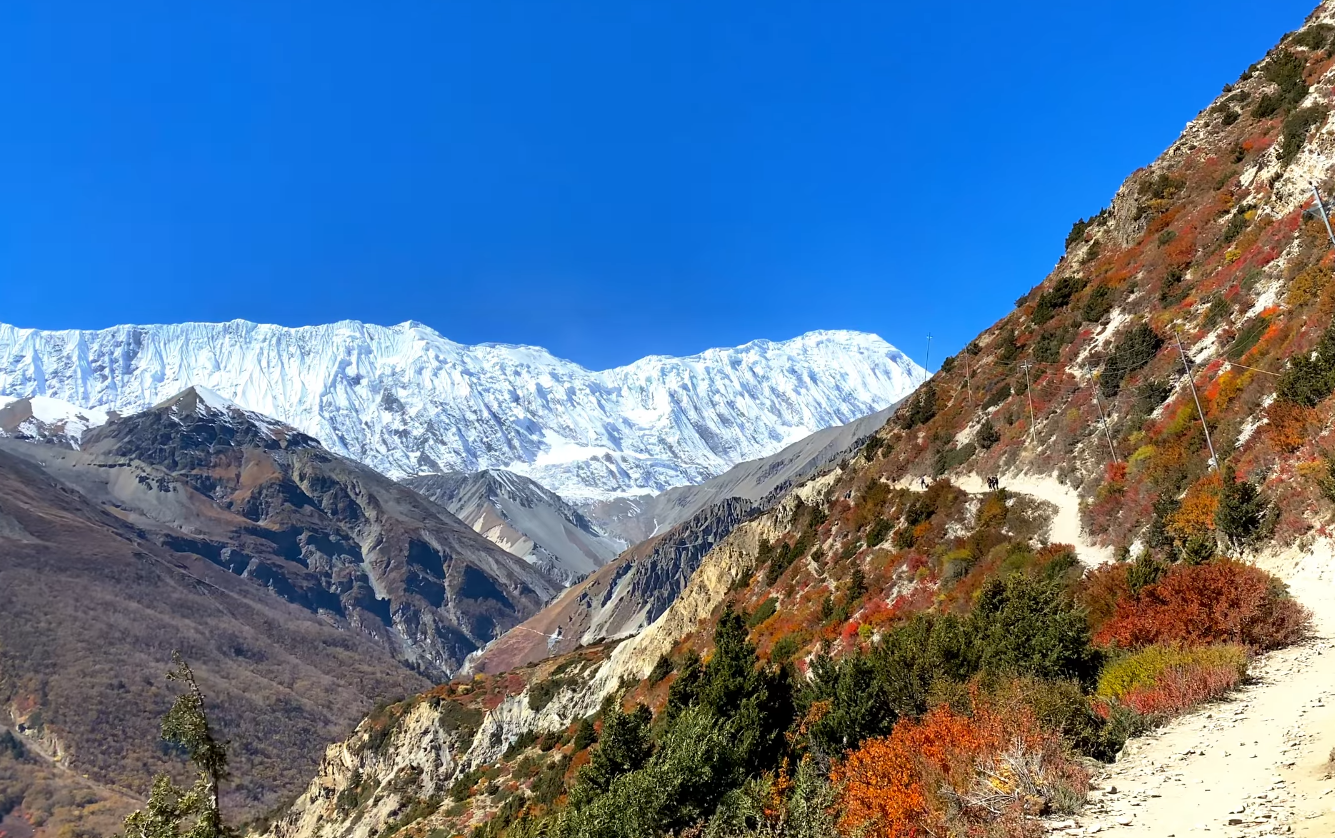
The Jomsom Muktinath Trek is one of Nepal’s most popular cultural and scenic trekking adventures, offering an unforgettable journey through the spectacular Annapurna and Mustang regions. Perfect for nature lovers, pilgrims, photographers and adventure seekers, this moderate trek combines breathtaking Himalayan landscapes, traditional mountain villages, ancient monasteries and the spiritual significance of Muktinath Temple. Suitable for trekkers of all ages with a reasonable level of fitness, the Jomsom Muktinath Trek provides the perfect balance of natural beauty, cultural discovery and religious heritage.
Located in the heart of Mustang District, the adventure begins with a scenic journey from Kathmandu to Pokhara by tourist bus or private vehicle (approximately 6–8 hours) or a short 25–30-minute domestic flight. From Pokhara, a 1 to 1.5-hour drive takes you to Tikhedhunga, the gateway to the trek. The trail then follows the spectacular Kali Gandaki Valley, the world’s deepest gorge, passing through picturesque villages including Ghorepani, Tatopani, Ghasa, Marpha, Jomsom, Kagbeni and Muktinath.
Along the way, trekkers enjoy beautiful rhododendron forests, apple orchards, suspension bridges, dramatic river valleys, dry desert-like landscapes and magnificent views of Annapurna, Dhaulagiri, Nilgiri, Machhapuchhre (Fishtail) and many other snow-capped Himalayan peaks. Visitors also experience the rich traditions and warm hospitality of the Thakali and Gurung communities while exploring ancient monasteries, colorful prayer flags, mani walls and centuries-old Buddhist culture.
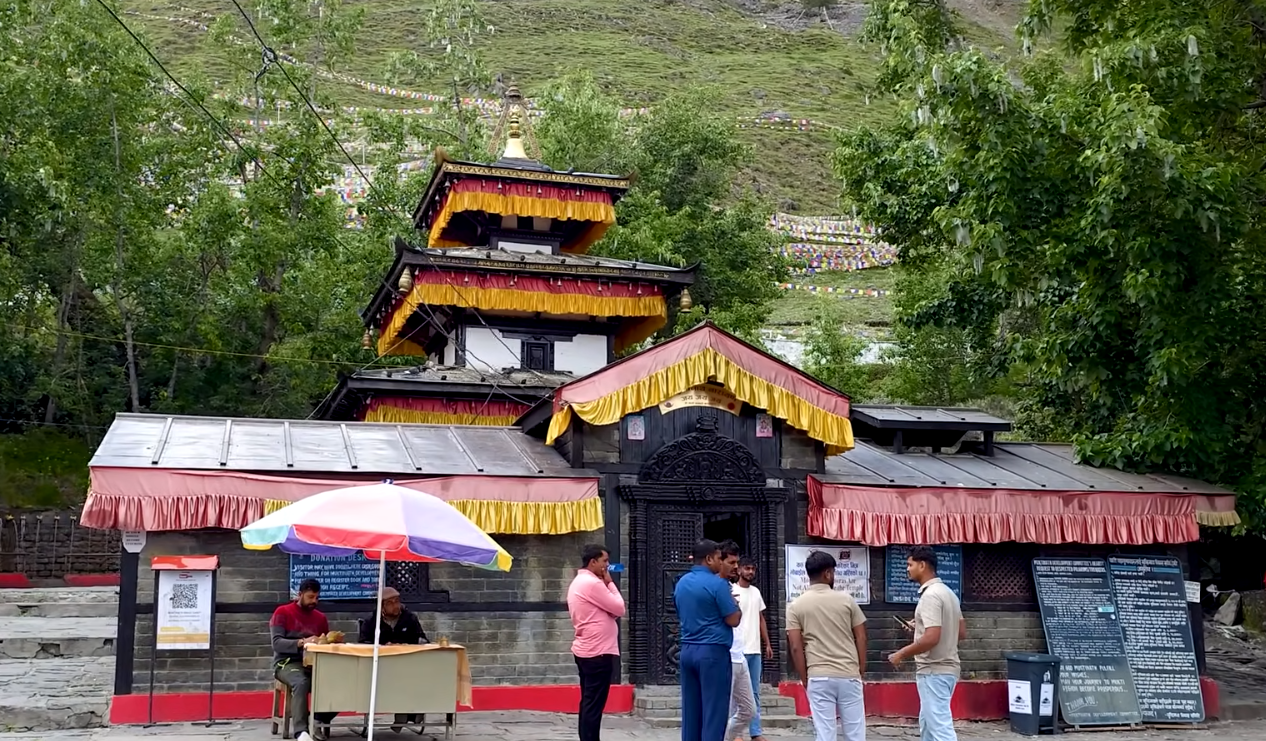
The spiritual highlight of the trek is the sacred Muktinath Temple (3,800 m), one of Nepal’s most important pilgrimage sites for both Hindus and Buddhists. Hindus believe that bathing beneath the 108 sacred water spouts washes away sins and brings spiritual liberation, while the eternal flame at the temple symbolizes divine blessings. For Buddhists, Muktinath is closely associated with Guru Rinpoche (Padmasambhava), making it an important place for meditation and spiritual practice. The peaceful monasteries, prayer wheels and tranquil atmosphere create a truly unique spiritual experience in the Himalayas.
Accommodation throughout the trek is provided in comfortable family-run teahouses, where trekkers enjoy genuine Himalayan hospitality and freshly prepared local meals such as Dal Bhat, Thakali Khana, noodles, momos, soups, potatoes, seasonal vegetables, apple products, Tibetan bread and hot drinks. With spectacular mountain scenery, sacred pilgrimage sites, authentic mountain culture and comfortable trekking trails, the Jomsom Muktinath Trek is one of Nepal’s finest short Himalayan adventures.
Explore our detailed itinerary, trip cost, departure dates and book your Jomsom Muktinath Trek with Best Of Nepal Trek for an unforgettable journey through the heart of the Annapurna and Mustang regions.
Jomsom Muktinath Trek Highlights
- Scenic journey through the beautiful Annapurna and Mustang regions of Nepal
- Visit the sacred Muktinath Temple, an important pilgrimage site for Hindus and Buddhists
- Spectacular sunrise view from Poon Hill (3,210 m)
- Stunning mountain panoramas of Annapurna, Dhaulagiri, Nilgiri and Machhapuchhre
- Explore traditional Thakali and Gurung villages with rich Himalayan culture
- Trek through the world’s deepest gorge, the Kali Gandaki Valley
- Experience diverse landscapes ranging from green forests to dry Himalayan deserts
- Visit ancient monasteries, prayer wheels, and Buddhist cultural sites
- Relax in the natural hot springs at Tatopani
- Scenic mountain flight from Jomsom to Pokhara
- Comfortable teahouse trekking experience with local hospitality
- Suitable for beginner and moderate trekkers seeking a cultural Himalayan adventure
Route of the Jomsom Muktinath Trek
The Jomsom Muktinath Trek follows a beautiful trekking route through the Annapurna and Mustang regions of Nepal, offering a perfect blend of Himalayan landscapes, traditional villages, and sacred pilgrimage sites.
The journey usually begins with a scenic drive from Kathmandu to Pokhara, followed by another drive to the trekking starting point at Tikhedhunga. From here, the trail gradually ascends through charming mountain villages, rhododendron forests, waterfalls and terraced farmlands toward Ghorepani.
One of the major highlights of the route is the early morning hike to Poon Hill (3,210 m), famous for its spectacular sunrise views over Annapurna, Dhaulagiri, Machhapuchhre, and Nilgiri mountains.
After descending to Tatopani, the trail follows the dramatic Kali Gandaki Valley, passing through traditional Thakali villages such as Ghasa and Tukuche before reaching Jomsom, the gateway to the Mustang region. The landscape gradually changes into dry Himalayan terrain with strong Tibetan cultural influences.
From Jomsom, trekkers continue to Kagbeni, an ancient village known for its monasteries and traditional architecture, before ascending to the sacred pilgrimage site of Muktinath Temple (3,800 m).
After exploring Muktinath, the trek returns to Jomsom, followed by a scenic mountain flight to Pokhara and a final drive back to Kathmandu.
Main Trekking Route:
Kathmandu → Pokhara → Tikhedhunga → Ghorepani → Poon Hill → Tatopani → Ghasa → Tukuche → Jomsom → Kagbeni → Muktinath → Jomsom → Pokhara → Kathmandu
This classic trekking route offers an unforgettable experience of mountain scenery, local culture, spiritual heritage, and diverse Himalayan landscapes in Nepal.
Include
The standard Jomsom Muktinath Trek package includes all essential services required for a comfortable and well-organized trekking experience in Nepal.
- Airport pickup and drop in Kathmandu
- One night hotel accommodation in Thamel, Kathmandu
- Tourist bus transportation from Kathmandu to Pokhara and Pokhara to Kathmandu
- Transportation from Pokhara to the trek starting point at Tikhedhunga by local vehicle, taxi, or bus
- Domestic flight ticket from Jomsom to Pokhara
- Two nights hotel accommodation in Pokhara (before and after the trek)
- Annapurna Conservation Area Permit (ACAP) and TIMS trekking permit
- Three daily meals during the trek (breakfast, lunch and dinner)
- Teahouse/lodge accommodation during the trekking period
- Professional government-licensed English-speaking trekking guide
- One porter shared between two to three trekkers
- Guide and porter expenses including salary, meals, accommodation, transportation and insurance
- Trekking duffel bag for carrying personal belongings
- All required trekking paperwork, local taxes and government service charges
- Trek completion certificate after successfully finishing the Jomsom Muktinath Trek in Nepal
Exclude
The following items are not included in the package cost:
- International airfare
- Travel insurance (compulsory)
- Tips and gratuities for guide and porter
- Personal expenses (drinks, snacks, hot showers, Wi-Fi, charging, etc.)
- Extra accommodation or meals in Kathmandu/Pokhara due to delays
- Personal trekking gear (sleeping bag, down jacket if not rented)
- Emergency evacuation costs (covered by insurance if needed)
This clear breakdown of inclusions and exclusions helps trekkers understand the full cost structure and prepare properly for a safe and well-organized Jomsom Muktinath Trek in Nepal.
Jomsom Muktinath Trek Itinerary
Welcome to Nepal. Upon arrival at Tribhuvan International Airport in Kathmandu, our representative will greet you and transfer you to your hotel. After check-in, you can rest or explore the nearby tourist areas of Thamel. In the evening, there will be a short trek briefing and preparation for the upcoming Himalayan adventure. Overnight stay at hotel in Kathmandu.
Trip Duration:
30 m Drive
Accomodation:
Standard Hotel
The Jomsom Muktinath Trek begins with a scenic drive from Kathmandu to Pokhara, the beautiful gateway to Nepal’s Annapurna region. After an early breakfast, travel by tourist bus at around 7:00 AM along the famous Prithvi Highway.
The journey covers approximately 200 kilometers and offers wonderful views of flowing rivers, green hills, terraced farms, traditional villages, and distant Himalayan landscapes. This overland journey is a great introduction to the natural beauty and cultural diversity of Nepal.
After 7 to 8 hours of driving, arrive in Pokhara (822 m), one of Nepal’s most popular tourist cities. Upon arrival, transfer to your hotel near the peaceful Lakeside area beside Phewa Lake.
In the evening, enjoy the relaxing atmosphere, explore the lakeside streets, or admire the beautiful views of the Annapurna mountain range reflected on the lake.
Trip Duration:
5-6 Hours Drive
Accomodation:
Standard Hotel in Pokhara
Meals:
Breakfast
After breakfast in Pokhara, continue the Jomsom Muktinath Trek with a scenic drive by private vehicle toward Tikhedhunga (1,960 m), a popular starting point for trekking in Nepal’s Annapurna region. The drive passes through picturesque countryside landscapes, traditional villages, terraced farmland, and rolling green hills.
Upon reaching Tikhedhunga, begin your first day of trekking through beautiful Himalayan foothill scenery. The trail follows stone staircases, waterfalls, suspension bridges, and charming mountain villages, offering an authentic glimpse into rural Nepali culture and daily life.
This section of the trek is relatively gentle and ideal for gradually adapting to the mountain environment while enjoying peaceful natural surroundings and fresh Himalayan air.
After approximately five hours of trekking, arrive at a traditional teahouse where you can relax and experience warm local hospitality.
Trip Duration:
1.5 hours | Trek: 2-3 hours
Accomodation:
Normal Teahouse
Meals:
Breakfast, Lunch & Dinner
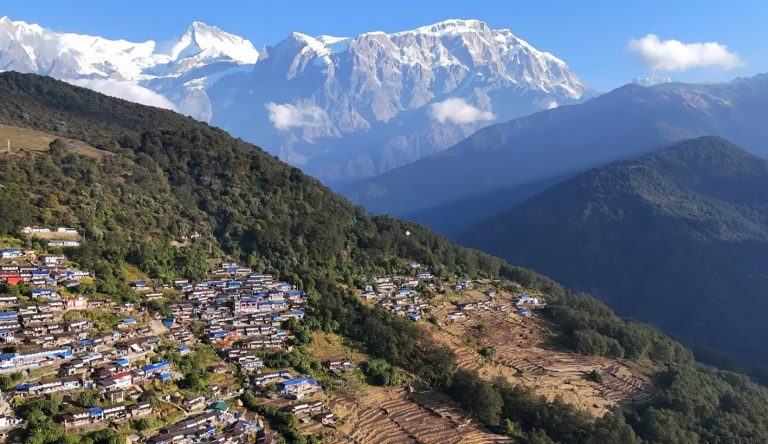
Today’s trek is one of the most beautiful sections of the Jomsom Muktinath Trek in Nepal’s Annapurna region. The trail gradually ascends through lush rhododendron forests, cascading waterfalls, suspension bridges, and traditional Gurung and Magar villages that reflect the rich culture of the Himalayas.
A major highlight of the day is the famous Ulleri stone staircase, a long uphill climb surrounded by peaceful mountain scenery and green hillsides. As you continue trekking, the landscape becomes cooler and more forested, with occasional views of the Annapurna and Dhaulagiri mountain ranges.
After approximately 5 to 6 hours of trekking, reach the beautiful village of Ghorepani (2,860 m), one of the most popular stops in the Annapurna region. Known for its spectacular Himalayan panoramas and peaceful atmosphere, Ghorepani serves as the gateway to the famous Poon Hill sunrise viewpoint.
Trip Duration:
5–6 hours
Accomodation:
Normal Teahouse
Meals:
Breakfast, Lunch & Dinner
Today is one of the most memorable days of the Jomsom Muktinath Trek in Nepal’s Annapurna region. Early in the morning, hike to the famous Poon Hill (3,210 m), one of the best sunrise viewpoints in Nepal.
From the top of Poon Hill, enjoy a breathtaking panoramic sunrise over the Himalayan giants, including Annapurna, Dhaulagiri, Machhapuchhre (Fishtail), Nilgiri, and Annapurna South. As the first golden sunlight touches the snow-covered peaks, the surrounding mountain scenery creates an unforgettable Himalayan experience and one of the best photography moments of the trek.
After spending time at the viewpoint, return to Ghorepani for breakfast before continuing the trek downhill toward Tatopani (1,120 m). The trail descends through beautiful rhododendron forests, waterfalls, suspension bridges, terraced farmland, and traditional mountain villages rich in Gurung and Magar culture.
Tatopani, which means “hot water” in Nepali, is famous for its natural hot springs beside the river. Many trekkers enjoy relaxing in the warm spring water after several days of walking in the mountains.
Upon arrival, check into a local teahouse and enjoy the peaceful atmosphere of this riverside village.
Trip Duration:
6-7 Hours
Accomodation:
Normal Teahouse
Meals:
Breakfast, Lunch & Dinner
Today’s journey follows the scenic Kali Gandaki River Valley, one of the deepest gorges in the world. After breakfast in Tatopani, begin trekking through beautiful landscapes filled with waterfalls, subtropical forests, terraced farmland and traditional Himalayan villages.
As the trail gradually ascends, the scenery slowly changes from lush green hills to a cooler mountain environment surrounded by pine and rhododendron forests. Along the route, trekkers can enjoy peaceful walking trails, river views, suspension bridges, and glimpses of local rural life.
After approximately 5 to 6 hours of trekking, arrive at Ghasa (2,450 m), a charming traditional Thakali village known for its rich culture, warm hospitality and beautiful natural surroundings. The village is surrounded by pine forests and impressive mountain scenery, creating a peaceful atmosphere for an overnight stay.
Ghasa is an important stop along the trekking route and offers a wonderful opportunity to experience authentic Himalayan village life and local Thakali culture.
Trip Duration:
5-6 Hours
Accomodation:
Normal Teahouse
Meals:
Breakfast, Lunch & Dinner
Early in the morning, continue your trek along the dramatic Kali Gandaki Gorge, one of the deepest gorges in the world. After breakfast in Ghasa, begin a scenic ascent through riverside trails, small settlements, suspension bridges, and rugged Himalayan landscapes.
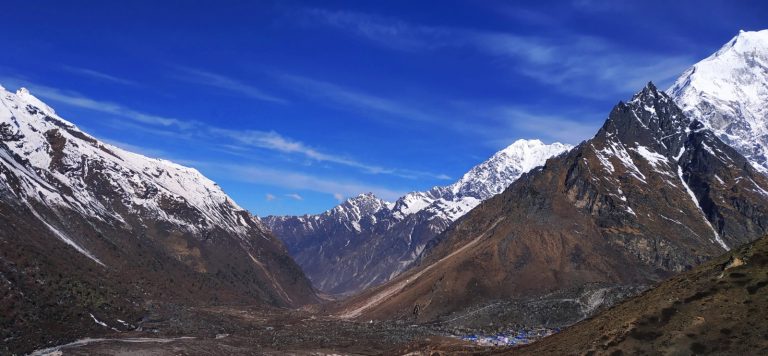
As you move deeper into the valley, the scenery gradually transforms from lush greenery to a more arid, alpine environment. Along the way, enjoy spectacular views of towering Himalayan peaks including Dhaulagiri, Nilgiri, and the Annapurna range, which dominate the horizon on clear days.
The trail offers a peaceful trekking experience through remote villages and open landscapes shaped by strong winds and high-altitude geography. This section of the journey beautifully showcases the contrast between green valleys and the dry trans-Himalayan terrain.
After approximately 6 hours of trekking, arrive at Tukuche (2,732 m), a traditional Thakali village known for its rich culture, historic trading heritage, and famous apple orchards. Tukuche is one of the most culturally significant villages in the region and offers a unique glimpse into Himalayan lifestyle and traditions.
The village is also well known for its traditional stone houses, warm hospitality, and locally produced apple brandy, making it a memorable cultural stop along the route.
Trip Duration:
6 Hours
Accomodation:
Normal Teahouse
Meals:
Breakfast, Lunch & Dinner
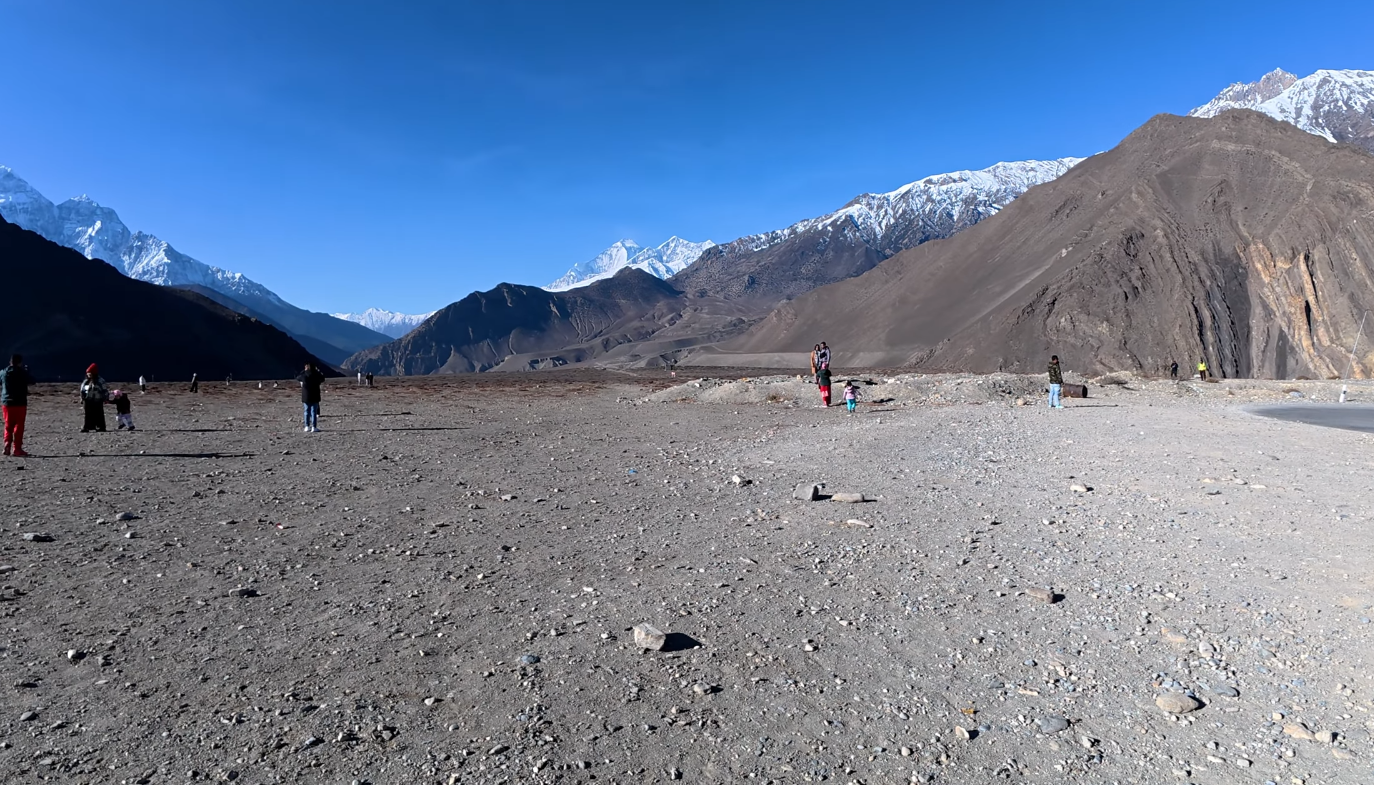
Today’s short and scenic trek follows the windy Kali Gandaki Valley as you gradually make your way toward Jomsom (2,743 m), the administrative center of the Mustang district.
The trail offers a unique change in landscape, transitioning into a dry, desert-like Himalayan terrain surrounded by dramatic cliffs and open valleys. Along the way, enjoy stunning views of towering peaks including Nilgiri and Dhaulagiri, which dominate the skyline on clear days.
As you approach Jomsom, the valley becomes wider and more developed, reflecting the region’s importance as a trade and transport hub in the Himalayas.
After approximately 3 hours of trekking, arrive in Jomsom, where you can relax and explore the local market, interact with villagers, and experience the lively atmosphere of this mountain town.
Jomsom also serves as an important stopover point for trekkers traveling between the Annapurna and Mustang regions.
Trip Duration:
3 Hours
Accomodation:
Normal Teahouse
Meals:
Breakfast, Lunch & Dinner
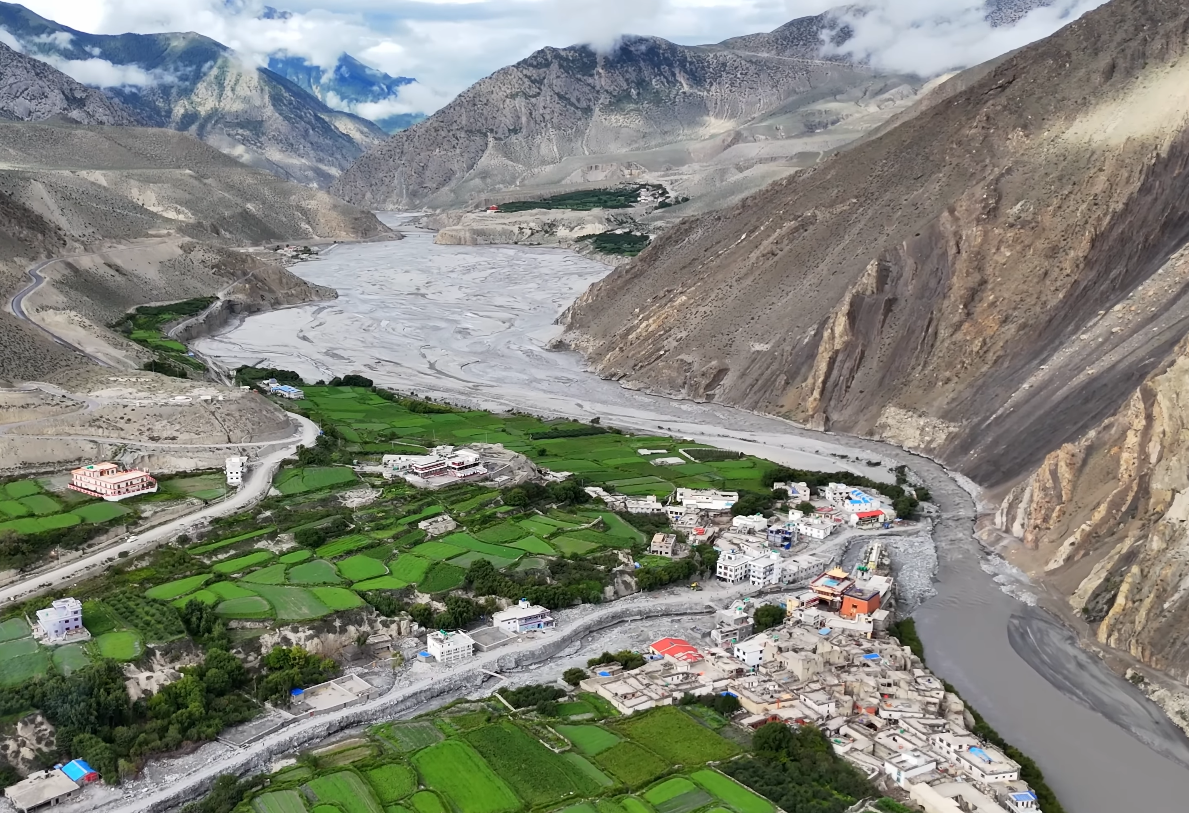
Today’s short and scenic trek follows the Kali Gandaki River Valley toward the historic village of Kagbeni (2,980 m), one of the most culturally rich settlements along the route.
The trail is relatively easy and offers beautiful views of the surrounding barren hills, river landscapes, and distant Himalayan peaks. As you walk, the environment gradually becomes more influenced by Tibetan culture and Mustang’s unique trans-Himalayan geography.
After approximately 3 hours of trekking, arrive at Kagbeni, a fascinating medieval-style village that serves as the gateway to Upper Mustang. The village is known for its narrow alleys, ancient monasteries, prayer wheels, and traditional Tibetan-style houses, creating a timeless Himalayan atmosphere.
Kagbeni offers a strong cultural experience, where trekkers can explore its ancient heritage and enjoy the peaceful charm of this historic settlement.
Trip Duration:
3-4 Hours
Accomodation:
Normal Teahouse
Meals:
Breakfast, Lunch & Dinner
Today’s trek continues through the dramatic trans-Himalayan landscape toward the sacred pilgrimage site of Muktinath (3,800 m). The trail gradually ascends through dry, windy hills, rocky terrain, and open valleys, offering stunning views of the surrounding Himalayan ranges and Mustang landscapes.
Muktinath is one of the most important spiritual destinations in Nepal, deeply revered by both Hindus and Buddhists. Pilgrims from around the world visit this holy site for spiritual purification, blessings, and peace.
Upon arrival, explore the sacred Muktinath Temple complex, which includes the famous eternal flame, 108 holy water spouts, Buddhist monasteries, and beautifully maintained prayer areas. The peaceful atmosphere and high-altitude setting make it a truly unique spiritual experience in the Himalayas.
Trip Duration:
4 Hours
Accomodation:
Normal Teahouse
Meals:
Breakfast, Lunch & Dinner
After an early breakfast and a peaceful morning visit to the sacred Muktinath Temple, begin your descent back toward Jomsom (2,728 m). The trail follows the same dramatic route through the high-altitude landscapes of the Kali Gandaki Valley, passing through Kagbeni and surrounding Himalayan terrain.
As you descend, enjoy continuous views of barren hills, deep valleys, and distant snow-capped peaks. The changing scenery offers a refreshing walking experience, with easier breathing compared to higher elevations and a more relaxed trekking pace.
The route also passes through traditional villages and river landscapes, giving you another opportunity to experience the unique culture and natural beauty of the region.
After approximately 5 hours of trekking, arrive in Jomsom, where you can rest and reflect on your journey through the Himalayas.
Trip Duration:
5 Hours
Accomodation:
Normal Teahouse
Meals:
Breakfast, Lunch & Dinner
Take an early morning scenic flight from Jomsom to Pokhara, a short but unforgettable journey over the Himalayas. This mountain flight offers spectacular aerial views of the Annapurna and Dhaulagiri mountain ranges, deep valleys, and dramatic landscapes of the Mustang region.
After landing in Pokhara (822 m), transfer to your hotel near the peaceful Lakeside area, one of Nepal’s most popular tourist destinations.
The rest of the day is free for relaxation and personal activities. You can enjoy a peaceful walk along Phewa Lake, go boating, explore cafés and local shops, or simply relax while enjoying the beautiful views of the Annapurna range.
Trip Duration:
25 minutes
Accomodation:
Hotel in Pokhara
Meals:
Breakfast
After breakfast, begin your return journey to Kathmandu by tourist bus at around 7:00 AM. The scenic drive follows the Prithvi Highway, passing through riverside roads, terraced hills, rural villages, and lush countryside landscapes.
During the journey, enjoy beautiful views of Nepal’s mid-hill scenery, with winding roads alongside rivers and occasional glimpses of distant mountains. The drive is a comfortable way to reflect on your completed Himalayan adventure.
After approximately 6 to 7 hours, arrive in Kathmandu, the capital city of Nepal. Upon arrival, transfer to your hotel or proceed with your onward travel arrangements.
Trip Duration:
6-7 Hours
Meals:
Breakfast
Trekking Equipment List for Jomsom Muktinath Trek
Having the right trekking equipment is essential for a safe, comfortable and enjoyable Himalayan journey. Whether you are doing a short or moderate trek, proper gear helps you manage changing weather, altitude and long walking days.
Trekking Bag & Storage
- Duffel bag (provided by trekking company or 60–70L)
- Day backpack (20–30L for daily essentials)
- Rain cover for backpack
- Dry bags or plastic covers for protection
Clothing (Layer System)
Base Layer:
- Moisture-wicking t-shirts
- Thermal innerwear (top & bottom)
- Mid Layer:
- Fleece jacket or warm sweater
- Light insulated jacket
Outer Layer:
- Waterproof & windproof jacket
- Waterproof trekking pants or shell pants
Warm Gear
- Down jacket (can be rented in Kathmandu)
- Warm gloves (inner + outer)
- Woolen hat/beanie
- Neck buff or scarf
- Warm socks (3–5 pairs)
Footwear
- Comfortable trekking boots (waterproof, broken-in)
- Lightweight sandals or slippers for teahouses
- Extra trekking socks
Accessories
- Sunglasses with UV protection
- Sun hat or cap
- Headlamp with extra batteries
- Trekking poles (highly recommended)
Personal Care & Health
- Basic first aid kit
- Personal medicines
- Sunscreen (SPF 30+)
- Lip balm with SPF
- Hand sanitizer & wet wipes
Electronics
- Mobile phone & charger
- Power bank
- Camera (optional)
- Plug adapter (Type C/D)
Water & Hydration
- Reusable water bottle or hydration bladder
- Water purification tablets or filter
Important Documents
- Passport copy
- Travel insurance copy
- Permits (handled by agency if guided trek)
Proper trekking equipment preparation ensures safety, comfort, and better performance in the mountains. Packing smart and light will help you enjoy your Himalayan adventure without unnecessary burden.
Jomsom Muktinath Trek FAQs
Best Of Nepal Trek is a trusted trekking company offering safe, well-organized, and memorable Himalayan adventures since 2018. With experienced local guides, personalized service, and carefully planned trekking packages, we ensure an enjoyable experience for every traveler.
Our team focuses on safety, authentic cultural experiences, and responsible trekking practices, helping trekkers explore Nepal’s mountains with confidence and comfort. From short Himalayan treks to high-altitude adventures, Best Of Nepal Trek is committed to providing professional service and unforgettable journeys.
Most travelers joining the Jomsom Muktinath Trek in Nepal’s Annapurna region can obtain a visa on arrival at Tribhuvan International Airport in Kathmandu. The process is simple and convenient for tourists visiting Nepal for trekking up to Jomsom Muktinath Trek.
Before traveling, make sure your passport is valid for at least 6 months beyond your intended departure date. Some countries may not be allowed entry if the passport validity is shorter.
On arrival, you can complete the visa application form, pay the required fee, and receive your visa at the airport immigration counter. Visa options usually include 15, 30, or 90 days depending on your travel plan.
For the most accurate and updated visa rules, it is recommended to check the official immigration website http://www.nepalimmigration.gov.np of Nepal before your trip.
Our staff will warmly welcome you upon your arrival at Tribhuvan International Airport. A representative will be waiting outside the airport terminal holding a Best Of Nepal Trek signboard with your name for easy identification.
You will then be transferred comfortably to your hotel in Kathmandu by a private tourist vehicle, ensuring a smooth and hassle-free start to your trekking journey.
The Jomsom Muktinath Trek in Nepal’s Annapurna region usually takes 10 to 13 days to complete, depending on the itinerary, walking pace, and travel style.
A standard route includes trekking through popular destinations such as Ghorepani, Poon Hill, Tatopani, Jomsom, Kagbeni, and Muktinath (3,800 m), along with road travel and a scenic flight between Jomsom and Pokhara.
Shorter itineraries can be arranged for experienced trekkers, while longer versions may include extra acclimatization days or cultural exploration.
For the Jomsom Muktinath Trek in Nepal’s Annapurna region, it is recommended to carry an extra budget of around USD 20–25 per person per day for personal expenses.
This amount is generally enough to cover basic on-trail needs such as:
- Drinking water
- Tea, coffee, and hot drinks
- Snacks and energy bars
- Wi-Fi usage at teahouses
- Hot showers and charging fees
- Soft drinks and personal items
Prices may increase slightly in higher altitude areas like Jomsom and Muktinath (3,800 m) due to transportation costs and limited supplies.
It is also wise to carry additional cash for:
- Tips for guides and porters
- Small souvenirs from local villages
- Emergency or unexpected expenses
Since there are no ATM facilities along the trekking route, all required cash should be withdrawn in Kathmandu or Pokhara before starting the trek.
On the Jomsom Muktinath Trek in Nepal, the walking pace is slow, steady, and comfortable, typically around 4–5 km per hour on easy terrain. However, due to mountain trails, altitude changes, and regular breaks, the overall trekking time is usually 4–6 hours per day.
The pace is carefully managed to ensure:
- Proper acclimatization to altitude
- Reduced fatigue on uphill and downhill sections
- Time to enjoy landscapes, villages, and viewpoints
- Safe and enjoyable trekking experience
The trek is not a race, but a journey designed for exploration, cultural experience, and safe progression through the Himalayas.
During the Jomsom Muktinath Trek in Nepal’s Annapurna region, accommodation is a combination of comfortable city hotels and simple mountain lodges known as teahouses.
In Kathmandu and Pokhara, trekkers stay in comfortable tourist-standard hotels (usually 3-star category) that offer clean rooms, Wi-Fi, hot showers, breakfast, and modern facilities for a relaxed stay before and after the trek.
Once the trekking begins accommodation changes to local teahouses along the trail in villages such as Ghorepani, Tatopani, Jomsom, Kagbeni, and Muktinath. These lodges are basic but cozy and typically provide:
- Twin-sharing rooms
- Simple beds with mattresses and blankets
- Shared bathroom facilities
- A communal dining area for meals
Teahouse lodging offers a warm and authentic Himalayan experience, allowing trekkers to connect closely with local culture and mountain hospitality.
Yes, private rooms may be available during the Jomsom Muktinath Trek in Nepal, especially in lower and less crowded villages along the route such as Ghorepani, Tatopani, and Jomsom.
However, private rooms cannot always be guaranteed, particularly during peak trekking seasons (spring and autumn) when teahouses can become fully occupied.
At higher altitudes like Kagbeni and Muktinath (3,800 m), accommodation is more basic, and shared rooms are more common due to limited lodges and high demand.
In the off-season or quieter periods, many teahouses may offer private rooms more easily, sometimes without extra cost depending on availability.
For better comfort, it is recommended to:
- Book early during peak season
- Be flexible with accommodation options
- Carry a sleeping bag for extra warmth and hygiene
Private rooms are possible, but flexibility is important for a smooth trekking experience in the Himalayas.
The Jomsom Muktinath Trek in Nepal’s Annapurna region is a moderate-level trek, so it does not require advanced mountaineering skills. However, a reasonable level of fitness is important for a comfortable experience.
Basic Physical Requirements:
- Ability to walk 4–6 hours per day
- Comfortable with uphill and downhill walking
- Good general stamina and endurance
- No serious heart, lung, or mobility issues
Recommended Fitness Level:
- Regular walking, jogging, or light exercise before the trek
- Ability to carry a small daypack (4–5 kg)
- Basic strength in legs and core muscles
Final Answer: You do not need to be an athlete, but basic fitness, good health, and regular walking ability are essential to complete the Jomsom Muktinath Trek safely and enjoyably.
During the Jomsom Muktinath Trek in Nepal, trekkers may reach elevations up to 3,800 meters at Muktinath, where some people can experience mild altitude-related symptoms. Recognizing early signs is important for safety.
Common Signs of Altitude Sickness:
- Headache
- Dizziness or light-headedness
- Nausea or vomiting
- Loss of appetite
- Difficulty sleeping
- Unusual tiredness or weakness
Moderate to Serious Symptoms (Seek immediate attention):
- Shortness of breath even at rest
- Confusion or difficulty walking properly
- Persistent vomiting
- Severe headache that does not improve
What to Do If Symptoms Appear:
- Stop ascending immediately
- Rest and drink plenty of water
- Do not ignore worsening symptoms
- Descend to a lower altitude if needed
Altitude sickness can be prevented by slow walking, proper hydration, and gradual ascent. The Jomsom Muktinath Trek is generally safe, but awareness and early action are key for a comfortable trekking experience.
The most commonly used medication for preventing and managing mild altitude sickness during the Jomsom Muktinath Trek in Nepal’s Annapurna region is Acetazolamide (Diamox).
This medicine helps the body adapt to higher altitudes by improving breathing efficiency and increasing oxygen intake, which can be helpful when trekking up to Muktinath (3,800 m).
Important Notes:
- It is usually taken before and during ascent, as advised by a doctor
- It helps reduce symptoms like headache, dizziness, and fatigue
- It is not a cure, but a preventive support medicine
Safety Reminder:
- Always consult a doctor before using any medication
- Medication should never replace proper acclimatization
- Slow walking, hydration, and rest are the most important prevention methods
Acetazolamide (Diamox) is the most commonly used option, but safe trekking habits remain the best protection against altitude sickness on the Jomsom Muktinath Trek.
Yes, travel insurance is highly recommended—and often required—for the Jomsom Muktinath Trek in Nepal’s Annapurna region. Although this trek is considered moderate, it takes place in remote Himalayan areas where medical services are limited and emergency evacuation can be expensive.
A suitable travel insurance policy should include coverage for:
- High-altitude trekking (up to at least 4,000 m)
- Medical treatment and hospitalization
- Emergency helicopter evacuation
- Trip delays, cancellations, or interruptions
- Loss or damage of personal belongings
Since the trek reaches a maximum elevation of around 3,800 meters at Muktinath, having proper coverage ensures safety and financial protection in case of unexpected situations.
Most trekking agencies also require trekkers to provide valid insurance details before starting the journey.
In case of an emergency during the Jomsom Muktinath Trek in Nepal’s Annapurna region, the most important step is to stay calm and act quickly.
If you are trekking with a guide or group, immediately inform your guide or trekking team, as they are trained to handle emergencies such as altitude sickness, injury, or sudden illness.
The best time to trek the Jomsom Muktinath Trek in Nepal’s Annapurna region is during the spring (March to May) and autumn (September to November) seasons. These months offer the most stable weather conditions and the clearest Himalayan views.
It is not recommended to drink untreated tap water during the Jomsom Muktinath Trek in Nepal’s Annapurna region. Water sources along the trail are not always purified, and drinking directly from taps or streams can cause stomach problems.
Safe Drinking Water Options:
- Boiled water provided by teahouses (safest option)
- Filtered water available in many lodges
- Bottled water (available but more expensive at higher altitude)
- Water purification tablets or filters (recommended for extra safety)
Eco-Friendly Tip:
To reduce plastic waste in the Himalayas, it is best to use a reusable bottle with a purification system instead of buying bottled water.
Final Note: For a safe and healthy trekking experience, always choose boiled or purified water during the Jomsom Muktinath Trek.
Yes, you can easily rent sleeping bags and down jackets in Kathmandu or Pokhara for the Jomsom Muktinath Trek in Nepal’s Annapurna region. This is a very common option for trekkers who prefer to travel light.
A good-quality -10°C rated sleeping bag usually costs around USD 1–2 per day, while a down jacket typically costs about USD 2 per day.
These items are important for comfort, especially in higher areas like Jomsom and Muktinath (3,800 m), where temperatures can drop significantly at night.
Rental Arrangements:
- Available in Kathmandu or Pokhara trekking shops
- Can be arranged during trek briefing
- Your guide can assist in selecting reliable gear
Renting gear is a budget-friendly and convenient option, ensuring you stay warm and comfortable throughout the Jomsom Muktinath Trek without carrying extra luggage from home.
During the Jomsom Muktinath Trek in Nepal’s Annapurna region, your main luggage is typically carried by a porter in a duffel bag, allowing you to trek comfortably with only a light daypack.
A standard duffel bag is usually provided by the trekking company, and it is used to carry your main clothing and gear throughout the journey.
Porter Baggage System:
- One porter usually carries luggage for 2 trekkers
- Standard weight limit is around 20 kg total (10 kg per person)
- Duffel bags are transported between teahouses each day
Yes, all guides and porters working on the Jomsom Muktinath Trek in Nepal are fully insured. This includes trekking guides, assistant guides, porters, cooks, Sherpas, and drivers involved in the trekking operation.
Their insurance provides protection during trekking activities in remote Himalayan regions, ensuring safety support in case of accidents, injuries or emergency situations while on the trail.
Yes, the trekking guide on the Jomsom Muktinath Trek will speak English. Our guides are trained and experienced in communicating with international trekkers, making it easy to understand daily plans, safety instructions, and route information.
They also provide valuable support such as:
- Cultural and historical explanations
- Local village and lifestyle insights
- Assistance during interactions with local communities
- Safety guidance throughout the trek
Having insured and English-speaking guides and porters ensures a safer, more comfortable and more enriching trekking experience in the Himalayas.
Jomsom Muktinath Trek Good To Know
Jomsom Muktinath Trek is not only a scenic Himalayan adventure but also a rich cultural and spiritual journey through the ancient settlements of the Annapurna and Mustang regions of Nepal. The route has been used for centuries as an important trade and pilgrimage path connecting Nepal and Tibet, creating a unique blend of Himalayan traditions, religion, and mountain lifestyle.
One of the most significant cultural highlights of the trek is Muktinath Temple (3,800 m), a sacred pilgrimage destination for both Hindus and Buddhists. Hindus believe that bathing under the 108 holy water spouts at Muktinath cleanses sins and brings salvation. The eternal flame at the temple, which naturally burns from underground gas, is another important spiritual symbol.
For Buddhists, Muktinath is closely associated with Guru Rinpoche (Padmasambhava), the great spiritual master who introduced Buddhism to Tibet. The area is filled with monasteries, prayer wheels, chortens, mani walls, and colorful prayer flags that reflect the deep influence of Tibetan Buddhism throughout the region.
During the trek, travelers pass through traditional Thakali, Gurung, and Tibetan-influenced villages such as Ghasa, Tukuche, Kagbeni, and Jomsom. The local people are known for their warm hospitality, unique customs, traditional stone houses, and delicious Himalayan cuisine.
The region also preserves ancient trade culture from the historic salt trading route between Tibet and Nepal. Many villages still maintain their traditional lifestyle, farming practices, festivals, and religious ceremonies that have existed for generations.
Exploring the history and culture of the Jomsom Muktinath Trek allows trekkers to experience not only the beauty of the Himalayas but also the spiritual harmony and timeless traditions of
The Jomsom Muktinath Trek offers more than spectacular mountain views — it is also a cultural journey through traditional Himalayan villages where trekkers experience the warm hospitality, lifestyle, and traditions of local mountain communities in Nepal’s Annapurna and Mustang regions.
Throughout the trek, you will pass through charming villages inhabited mainly by Thakali, Gurung, and Tibetan-influenced communities. Each village has its own unique culture, architecture, and traditions shaped by centuries of Himalayan trade and Buddhist heritage.
One of the first major settlements is Ghorepani, a beautiful mountain village surrounded by rhododendron forests and famous for its nearby Poon Hill viewpoint. The area is home to Gurung and Magar communities known for their friendly nature and traditional lifestyle.
As the trail continues toward the Kali Gandaki Valley, trekkers reach villages such as Tatopani, Ghasa, and Tukuche, where Thakali culture becomes more prominent. The Thakali people are well known throughout Nepal for their hospitality, traditional cuisine, and successful trading history.
Further along the route, Jomsom and Kagbeni introduce a stronger Tibetan cultural influence. Stone-built houses, ancient monasteries, prayer flags, mani walls, and narrow village alleys create a unique Himalayan atmosphere. Kagbeni, in particular, feels like a medieval Himalayan village with deep spiritual significance.
The trek finally reaches Muktinath, an important pilgrimage destination visited by both Hindu and Buddhist devotees from Nepal and India.
Meeting local people along the trail provides a meaningful cultural experience. Trekkers can learn about mountain traditions, farming lifestyles, Buddhist practices, and the deep spiritual connection local communities have with the Himalayas.
The combination of authentic villages, friendly local people, and rich Himalayan culture makes the Jomsom Muktinath Trek one of the most rewarding cultural trekking experiences in Nepal.
The Jomsom Muktinath Trek in Nepal’s Annapurna region reaches a maximum elevation of 3,800 meters (12,467 ft) at the sacred Muktinath Temple. This makes it a moderate-altitude Himalayan trek that offers stunning mountain views without the extreme elevation challenges of higher expeditions.
The journey starts from lower elevations in the Pokhara region and gradually ascends through beautiful landscapes such as Ghorepani, Tatopani, and the dramatic Kali Gandaki Valley. This steady altitude gain helps trekkers adjust comfortably to changing conditions.
Proper acclimatization during the Jomsom Muktinath Trek in Nepal is important for a safe and comfortable journey, especially as the route gradually reaches a maximum altitude of 3,800 meters at Muktinath.
Although this trek is considered moderate in elevation, your body still needs time to adjust to thinner air as you move through higher villages such as Jomsom, Kagbeni, and Muktinath.
How Acclimatization Happens on This Trek
The trek is naturally designed with a gradual altitude gain, which helps reduce the risk of altitude sickness. You will spend nights at different elevations, allowing your body to slowly adapt.
Key stops like Ghorepani, Tatopani, and Jomsom play an important role in helping trekkers adjust before reaching higher terrain.
Best Practices for Acclimatization
- Walk at a slow and steady pace without rushing
- Drink plenty of water and stay well hydrated
- Avoid alcohol and excessive caffeine during the trek
- Take short breaks and listen to your body
- Eat light, energy-rich meals
- Include rest periods in your daily trekking routine
Recognizing Your Body’s Signals
Mild symptoms such as headache, fatigue, or slight dizziness may occur while ascending. If symptoms increase, it is important to rest or descend to a lower altitude immediately.
The Jomsom Muktinath Trek in Nepal’s Annapurna region is considered a moderate-level trek, making it suitable for beginners, families, and trekkers with average fitness. It is one of the most accessible Himalayan trekking routes that still offers spectacular mountain scenery and cultural experiences.
How Difficult is the Trek?
The trek does not require any technical climbing skills or mountaineering experience. The trails are well-established and pass through villages, river valleys, forests, and high-altitude desert landscapes.
Daily walking hours typically range from 4 to 6 hours, depending on the route and pace. Some sections include uphill climbs and stone steps, especially around Ghorepani and Poon Hill, but overall the trail remains manageable.
Altitude Factor
The highest point of the trek is Muktinath at 3,800 meters (12,467 ft). While this is a moderate altitude, trekkers may feel mild effects of thinner air, so gradual walking and hydration are important.
Trail Conditions
- Well-marked trekking paths
- Mix of forest trails, stone steps, and river valleys
- Occasional windy and dry sections in the Mustang region
- No technical climbing or rope sections
The Jomsom Muktinath Trek in Nepal’s Annapurna region is generally considered a safe trekking route for beginners, families, and moderate trekkers. The trail is well-established and frequently used by both international trekkers and local pilgrims heading to the sacred Muktinath Temple.
Trail Safety: The trekking route passes through well-marked paths, villages, and teahouses, which makes navigation easier and reduces risks. Unlike remote high-mountain expeditions, this trek stays close to human settlements for most of the journey.
Altitude Safety: The maximum elevation of 3,800 meters at Muktinath is moderate compared to higher Himalayan treks. While mild altitude symptoms can occur, the risk of severe altitude sickness is relatively low when trekkers follow a steady pace and proper acclimatization.
Support and Assistance:
- Local guides are experienced in mountain safety
- Teahouses provide food, shelter, and basic support
- Emergency help can be arranged from Jomsom or Pokhara if needed
- Trekking groups and porters add extra safety and comfort
Weather Awareness: Weather in the Himalayas can change quickly, especially in higher sections. Proper clothing, layered gear, and preparation help ensure safety in all conditions.
Overall, the Jomsom Muktinath Trek is a safe and well-managed trekking route in Nepal, especially when undertaken with proper preparation, a guide, and basic fitness. It offers a secure way to experience both Himalayan landscapes and cultural heritage.
The Jomsom Muktinath Trek in Nepal’s Annapurna region is easily accessible from Kathmandu and Pokhara, making it one of the most convenient trekking routes in the Himalayas. The journey combines road travel and a short mountain flight, offering both adventure and comfort.
Step 1: Arrival in Kathmandu
Most international travelers arrive in Kathmandu (1,400 m), the capital city of Nepal. From here, trekking preparations such as permits, gear check, and briefing are completed before starting the journey.
Step 2: Kathmandu to Pokhara
The first travel leg is a scenic drive from Kathmandu to Pokhara (822 m), which takes around 6–7 hours by tourist bus or private vehicle. The route follows rivers, hills, and countryside landscapes.
Step 3: Pokhara to Trek Starting Point
From Pokhara, a local drive takes you to the starting point of the trek, usually Tikhedhunga or Nayapul area, depending on the itinerary. This journey passes through rural villages and terraced farmlands.
Step 4: Trekking Route
The trek continues through key destinations such as:
- Ghorepani
- Poon Hill
- Tatopani
- Ghasa
- Tukuche
- Jomsom
- Kagbeni
- Muktinath
Step 5: Return from Jomsom to Pokhara
After visiting Muktinath, trekkers usually return to Jomsom and take a scenic 20–25 minute flight back to Pokhara. This short mountain flight offers stunning views of the Annapurna and Dhaulagiri ranges.
Step 6: Pokhara to Kathmandu Return
From Pokhara, you return to Kathmandu by tourist bus or private vehicle, completing the journey in approximately 6–7 hours.
The Jomsom Muktinath Trek is easy to access and well-connected, combining road travel, trekking, and a scenic mountain flight. This makes it a perfect Himalayan adventure for travelers seeking both convenience and unforgettable landscapes in Nepal.
To complete the Jomsom Muktinath Trek in Nepal’s Annapurna region, trekkers are required to obtain official permits. These permits help support conservation efforts, maintain trekking safety, and regulate tourism in the Himalayan region.
Required Trekking Permits: Jomsom Muktinath Trek
- Annapurna Conservation Area Permit (ACAP)
The ACAP permit is mandatory for all trekkers entering the Annapurna region. Since the Jomsom Muktinath Trek passes through protected areas, this permit is essential.
It helps support:
- Conservation of wildlife and environment
- Maintenance of trekking trails
- Local community development
- TIMS Card (Trekkers’ Information Management System)
The TIMS card is required for tracking and safety purposes. It records trekkers’ details and helps authorities in case of emergencies.
It ensures:
- Trekker safety monitoring
- Emergency support coordination
- Proper trekking registration system
Where to Get Permits
Permits can be obtained in:
- Kathmandu (Nepal Tourism Board office)
- Pokhara (ACAP office and trekking agencies)
Most trekking agencies also arrange all permits on your behalf for a hassle-free experience.
The Jomsom Muktinath Trek permits (ACAP and TIMS) are simple to obtain and essential for trekking in Nepal’s Annapurna region. With proper documentation, trekkers can enjoy a safe, legal, and well-managed Himalayan adventure.
The best time for the Jomsom Muktinath Trek in Nepal’s Annapurna region is during the spring (March–May) and autumn (September–November) seasons. These periods offer the most stable weather, clear mountain views, and comfortable trekking conditions.
Spring Season (March–May)
Spring is one of the most beautiful times to trek.
- Clear skies and mild temperatures
- Blooming rhododendron forests along the lower trail
- Excellent visibility of Annapurna and Dhaulagiri ranges
- Comfortable walking conditions
Autumn Season (September–November)
Autumn is considered the peak trekking season in Nepal.
- Crystal-clear mountain views after the monsoon
- Stable weather and dry trails
- Ideal temperatures for trekking
- Best photography conditions for Himalayan landscapes
Winter Season (December–February)
- Cold temperatures, especially around Muktinath (3,800 m)
- Fewer trekkers and peaceful trails
- Possible snowfall in higher areas
- Suitable for well-prepared trekkers
Monsoon Season (June–August)
- Heavy rainfall and slippery trails
- Limited visibility of mountains
- Not recommended for trekking
The Jomsom Muktinath Trek is best enjoyed in spring and autumn, when weather conditions are stable and Himalayan views are at their clearest. Choosing the right season ensures a safe, comfortable, and unforgettable trekking experience in Nepal.
Although the Jomsom Muktinath Trek in Nepal is a moderate-altitude journey, it still reaches up to 3,800 meters at Muktinath, where some trekkers may experience mild altitude-related discomfort. Proper preparation can greatly reduce these risks.
Key Ways to Prevent Altitude Sickness
- Ascend Gradually:Take your time while gaining altitude. The trekking route is designed with gradual elevation changes, allowing your body to adjust naturally.
- Stay Well Hydrated:Drink plenty of water throughout the day. Proper hydration helps your body adapt better to thinner air.
- Eat Light and Balanced Meals:Choose energy-rich but light meals such as soups, rice, and vegetables to maintain stamina without overloading your system.
- Walk at a Steady Pace:Avoid rushing. A slow and consistent walking speed helps your body adjust comfortably to altitude changes.
- Rest Properly:Take short breaks during trekking and ensure good sleep at teahouses to help recovery and adaptation.
- Recognize Early Symptoms:Watch for signs like headache, dizziness, nausea, or fatigue. If symptoms worsen, it is important to rest or descend immediately.
- Medication (Optional):Consult a doctor about preventive medication such as Acetazolamide (Diamox) before starting the trek.
With proper pacing, hydration, and awareness, the Jomsom Muktinath Trek is very manageable in terms of altitude. Following these simple precautions ensures a safe and enjoyable Himalayan trekking experience in Nepal.
Having travel insurance for the Jomsom Muktinath Trek in Nepal is highly recommended and often considered essential for a safe trekking experience. Although this trek is moderate in difficulty, it still takes you into remote Himalayan regions where medical facilities and emergency services are limited.
Why Travel Insurance is Important: Travel insurance provides financial protection and emergency support in case of unexpected situations during the trek. This ensures peace of mind while exploring the Annapurna and Mustang regions.
What Your Insurance Should Cover
When choosing a policy for this trek, make sure it includes:
- Medical treatment and hospitalization expenses
- Emergency helicopter evacuation from high-altitude areas
- Coverage for trekking up to at least 4,000 meters (Muktinath: 3,800 m)
- Trip cancellation or delay protection
- Lost baggage or personal belongings coverage
Emergency Support in the Himalayas: In case of serious illness or injury, evacuation by helicopter from areas like Jomsom or Muktinath may be required. Travel insurance ensures these high-cost emergency services are covered.
A proper travel insurance plan is essential for the Jomsom Muktinath Trek, helping you trek with confidence and security while enjoying the beauty and culture of Nepal’s Himalayan region.
The Jomsom Muktinath Trek in Nepal’s Annapurna region covers a wide range of elevations, so temperatures vary significantly between lower valleys and higher Himalayan areas like Muktinath (3,800 m). Understanding seasonal temperatures helps trekkers prepare better for clothing, comfort, and safety.
Spring Season (March–May)
One of the most comfortable trekking seasons:
- Lower regions (Pokhara, Tatopani): 15°C to 25°C during the day
- Mid regions (Ghorepani, Jomsom): 8°C to 18°C during the day
- Higher regions (Muktinath): 0°C to 10°C during the day
- Night temperature: can drop to -2°C to 5°C at higher altitude
Clear skies, blooming rhododendrons, and excellent visibility.
Autumn Season (September–November)
The most popular and stable trekking season.
- Lower regions: 15°C to 24°C
- Mid regions: 10°C to 18°C
- Higher regions (Muktinath): 2°C to 12°C
- Night temperature: -3°C to 6°C
Ideal weather with dry trails and crystal-clear Himalayan views.
Winter Season (December–February)
Cold but peaceful trekking experience.
- Lower regions: 5°C to 15°C
- Mid regions: 0°C to 10°C
- Muktinath area: -5°C to 5°C
- Night temperature: can drop to -10°C in higher areas
Snow possible at higher elevations; requires warm gear.
Monsoon Season (June–August)
Rainfall affects lower regions more than Mustang.
- Lower regions: 18°C to 28°C with humidity
- Mid regions: 10°C to 20°C
- Jomsom & Muktinath: 8°C to 18°C (dry but windy)
- Night temperature: 5°C to 12°C
Lower trails are wet and slippery, but Mustang remains relatively dry due to the rain shadow effect.
Mustang Wind Factor- In Jomsom Valley:
- Strong afternoon winds are common
- Wind speed increases during dry seasons
- Temperature can feel colder than actual readings
The Jomsom Muktinath Trek offers diverse Himalayan weather, from warm lower valleys to cold high-altitude terrain. The best trekking comfort is found in spring and autumn, when temperatures are moderate and visibility is excellent.
During the Jomsom Muktinath Trek in Nepal’s Annapurna region, charging facilities for phones, cameras, and electronic devices are available at most teahouses and lodges along the route. However, electricity access is limited and becomes more basic as you move into higher altitude areas like Jomsom, Kagbeni, and Muktinath (3,800 m).
Charging Facilities on the Trek
- Charging is available in most teahouses for a small fee
- Cost typically ranges from USD 1–3 per device
- Electricity is often supplied by solar panels or small generators
- Charging may be slower in remote or high-altitude villages
Power Reliability
- Power cuts can occur during bad weather or peak usage times
- Charging points may be limited, especially in higher lodges
- Availability is better in lower regions like Ghorepani and Tatopani
Recommended Preparation
- Carry a power bank (10,000–20,000 mAh or higher)
- Bring a solar charger for backup power
- Fully charge devices in Pokhara or Kathmandu before the trek
- Use battery-saving mode on phones to extend usage
While charging is possible throughout the Jomsom Muktinath Trek, facilities are basic and not always reliable. Proper preparation with backup power ensures you stay connected, capture photos, and navigate safely throughout your Himalayan journey.
The Jomsom Muktinath Trek in Nepal’s Annapurna region offers a variety of freshly prepared meals in teahouses and lodges along the route. While the menu becomes simpler at higher altitudes, trekkers can still enjoy nutritious and satisfying food throughout the journey.
Local Nepali Food
The most common and traditional meal is:
- Dal Bhat (rice, lentil soup, vegetables, and pickles) – the main energy source for trekkers
- Momos (dumplings) – popular steamed or fried snacks
- Vegetable curry with rice or roti
- Thukpa (Tibetan-style noodle soup)
- Fried rice and simple vegetable dishes
International Food Options
In lower and mid-altitude villages, you can also find:
- Pasta and noodles
- Pancakes and omelets
- Sandwiches and toast
- Pizza and burgers (in select lodges like Ghorepani and Jomsom)
Drinks & Snacks
- Tea (milk tea, black tea, ginger tea)
- Coffee and hot chocolate
- Energy bars and biscuits
- Local snacks and fruits (seasonal availability)
The Jomsom Muktinath Trek offers simple but nutritious food options, designed to keep trekkers energized in the Himalayas. While menus are basic at higher altitudes, the freshness, warmth, and local hospitality make the dining experience part of the adventure.
The Jomsom Muktinath Trek in Nepal’s Annapurna region offers a combination of comfortable city hotels and simple mountain lodges, giving trekkers both convenience and an authentic Himalayan experience.
Accommodation in Kathmandu/Pokhara: Before and after the trek, trekkers stay in 3-star hotels in Kathmandu or Pokhara. These hotels provide a comfortable environment to rest and prepare for the journey.
Common facilities include:
- Clean and well-furnished rooms
- Hot shower and private bathroom
- Wi-Fi access
- Breakfast service
- Friendly and helpful staff
This ensures a smooth and relaxed start and end to your trekking adventure in Nepal.
Teahouse Accommodation on the Trek: During the trekking route, accommodation is provided in traditional teahouses and local mountain lodges located in villages such as Ghorepani, Tatopani, Jomsom, Kagbeni, and Muktinath.
These lodges are simple but comfortable and offer an authentic local experience.
Typical facilities include:
- Twin-sharing rooms
- Basic wooden beds with mattresses
- Warm blankets (extra sleeping bag recommended)
- Shared bathroom facilities in most areas
- A communal dining hall for meals and relaxation
Experience of Staying in Teahouses
Staying in teahouses allows trekkers to:
- Connect with local Himalayan communities
- Experience traditional mountain hospitality
- Enjoy warm meals in a cozy environment
- Rest in peaceful village surroundings
The Jomsom Muktinath Trek accommodation combines comfort in Kathmandu with authentic teahouse stays in the Himalayas, offering both relaxation and cultural immersion throughout your journey.
Yes, it is possible to trek the Jomsom Muktinath route without a guide, as the trail is well-established and passes through popular villages like Ghorepani, Tatopani, Jomsom, Kagbeni, and Muktinath in Nepal’s Annapurna region.
Many sections of the trail are clearly marked and have regular teahouses, making it accessible for experienced independent trekkers.
When You Can Trek Without a Guide
You may consider trekking independently if you:
- Have prior trekking experience in the Himalayas
- Are confident in navigation and route planning
- Can handle altitude and long walking days
- Are familiar with local transport and accommodations
Why Hiring a Guide is Recommended
Even though the trek is possible without a guide, hiring one is strongly recommended for a safer and smoother experience:
- Better safety and emergency support
- Assistance with navigation in remote areas
- Help with permits, accommodation, and logistics
- Cultural insights about local villages and traditions
- Easier communication in rural areas
The Jomsom Muktinath Trek can be done independently, but having a licensed guide significantly improves safety, comfort, and overall travel experience, especially for first-time visitors to Nepal.
During the Jomsom Muktinath Trek in Nepal’s Annapurna region, internet and Wi-Fi services are available in most villages, but connectivity becomes slower and less reliable as you gain altitude toward higher areas like Jomsom, Kagbeni, and Muktinath (3,800 m).
Wi-Fi Availability on the Trek
- Most teahouses and lodges offer paid Wi-Fi services
- Cost usually ranges from USD 1–3 per hour or per day
- Connection speed can be slow due to remote mountain locations
- Signal strength may vary depending on weather and network load
Wi-Fi is generally more stable in lower villages like Ghorepani and Tatopani, while higher regions may have limited access.
Mobile Network Coverage
Mobile networks such as NTC (Nepal Telecom) and Ncell provide coverage in many parts of the route:
- Good signal in lower and mid-altitude villages
- Moderate coverage in Jomsom and Kagbeni
- Weak or intermittent signal near Muktinath and higher areas
Recommended Preparation
- Download offline maps before starting the trek
- Inform family or contacts about limited connectivity
- Carry a power bank or solar charger
- Use Wi-Fi only when necessary to save cost and battery
While internet and Wi-Fi are available on the Jomsom Muktinath Trek, they are not fully reliable throughout the route. The trek offers a great opportunity to disconnect from daily digital life and fully enjoy the natural beauty and cultural experience of the Himalayas.
Preparing your body before the Jomsom Muktinath Trek in Nepal’s Annapurna region is important for a comfortable and enjoyable trekking experience. Although this trek is considered moderate, you will still walk 4–6 hours daily and reach an altitude of 3,800 meters at Muktinath, so good fitness helps a lot.
- Build Cardiovascular Endurance
Improve your stamina with regular cardio exercises such as:
- Walking or brisk hiking
- Jogging or running
- Cycling
- Swimming
Aim for at least 30–60 minutes, 3–5 times per week.
- Strength Training for Legs and Core
Strong muscles help you handle uphill and downhill trekking:
- Squats and lunges
- Step-ups and stair climbing
- Planks and core exercises
- Light weight training
Focus on legs, back, and core stability.
- Practice Hiking with a Backpack
Train by walking with a small backpack (5–8 kg):
- Helps simulate real trekking conditions
- Builds endurance for long walking days
- Improves balance on uneven terrain
- Long Walking Practice
Try weekend hikes of 3–5 hours to prepare for daily trekking routines in the Himalayas.
- Flexibility and Recovery
- Stretching before and after exercise
- Yoga or mobility exercises
- Prevents injury and muscle stiffness
- Hydration and Nutrition
- Drink plenty of water daily
- Eat balanced meals with protein and carbohydrates
- Avoid unhealthy eating habits before trekking
Good fitness preparation makes the Jomsom Muktinath Trek easier, safer, and more enjoyable. With proper training, even beginners can comfortably complete this scenic Himalayan journey in Nepal.
One of the biggest highlights of the Jomsom Muktinath Trek in Nepal’s Annapurna region is the incredible Himalayan viewpoints that offer panoramic mountain scenery and unforgettable sunrise experiences.
Poon Hill (3,210 m) – The Most Famous Viewpoint
The best and most iconic viewpoint of the trek is Poon Hill, located above Ghorepani.
From here, trekkers can enjoy a breathtaking 360-degree sunrise view over the Himalayas, especially in clear weather conditions.
- Mountains Visible from Poon Hill:
- Annapurna I
- Dhaulagiri
- Machhapuchhre (Fishtail)
- Nilgiri
- Annapurna South
The golden sunrise light shining over these peaks makes it one of the most photographed locations in Nepal.
Muktinath Area Viewpoint (3,800 m)
- Another beautiful viewpoint is around Muktinath Temple, where trekkers can enjoy:
- Wide views of the Mustang landscape
- Snow-capped peaks of the Annapurna and Dhaulagiri ranges
- Spiritual and peaceful mountain atmosphere
Jomsom Valley Views
- The Jomsom area offers dramatic views of:
- Nilgiri and Dhaulagiri mountains
- Deep Kali Gandaki Valley
- Unique desert-like Himalayan landscape
The Jomsom Muktinath Trek offers multiple stunning viewpoints, but Poon Hill remains the most famous sunrise destination, making this trek one of the best short scenic adventures in Nepal.
The Jomsom Muktinath Trek in Nepal’s Annapurna region is a well-planned and affordable Himalayan trekking experience that offers great value for money. The overall cost depends on services, group size, travel season, and itinerary style.
Average Trek Cost
The Jomsom Muktinath Trek package typically ranges from: USD 1,050 to USD 1,550 per person
Reviews
A Memorable Kailash Mansarovar Yatra with Excellent Support
My Kailash Mansarovar Yatra with Best Of Nepal Trek was an unforgettable experience. From the very beginning, everything was well planned and the team made sure our journey was comfortable, safe and enjoyable.
Our guide and the entire staff were friendly, experienced and always ready to help. They took great care of the group, answered all our questions and ensured that every part of the pilgrimage went smoothly.
Visiting the sacred Mount Kailash and Lake Mansarovar was a dream come true. The stunning Himalayan scenery and the peaceful spiritual atmosphere made this journey truly special.
I would like to thank Best Of Nepal Trek for their outstanding hospitality and professional service. I highly recommend them to anyone planning the Kailash Mansarovar Yatra. It was a wonderful experience that I will always remember.
Raada J
,USA
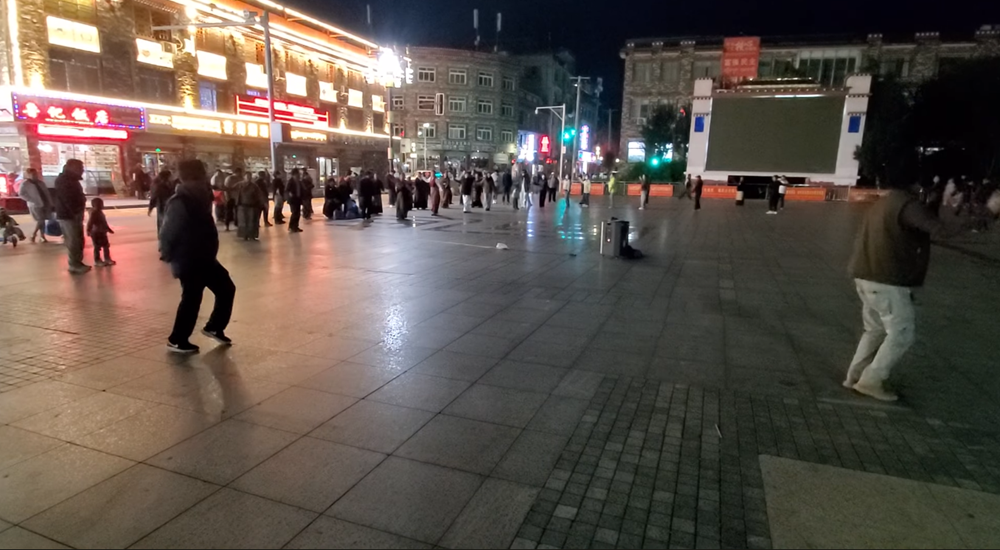
Excellent Kailash Mansarovar Yatra with Best Of Nepal Trek
Everything was well organized from start to finish, and the communication before the trek was smooth and clear. Our guide, Mr. Arjun, was excellent—friendly, knowledgeable and always making sure everyone was safe and comfortable. The entire team at Best Of Nepal Trek was professional, helpful and made us feel welcome throughout the journey.
The Kailash Mansarovar Yatra was a truly unforgettable spiritual experience. From the breathtaking Himalayan landscapes to the peaceful atmosphere around Mount Kailash and Lake Mansarovar, every moment was memorable. I felt well supported throughout the journey, and the team's attention to detail made the pilgrimage comfortable and stress-free.
I highly recommend Best Of Nepal Trek to anyone planning the Kailash Mansarovar Yatra. Thank you to Mr. Arjun and the entire team for making this once-in-a-lifetime journey so special.
Anupam M
,USA

Outstanding Everest Base Camp Trek Experience
Our Everest Base Camp Trek with Best of Nepal Trek was an unforgettable experience from beginning to end. Every detail of the trip was professionally organized and our guide, Shyange Sherpa, was knowledgeable, friendly and always willing to help. His experience and encouragement made the trek enjoyable and safe.
We also enjoyed the Kathmandu city tour, which was a wonderful introduction to Nepal's rich culture and history before the trek. The breathtaking Himalayan scenery and outstanding service made this journey truly special.
We highly recommend Best of Nepal Trek to anyone planning an Everest Base Camp Trek or a Kathmandu city tour in Nepal. Thank you for creating such an incredible and memorable adventure.Gotti M
,Norway
Annapurna Base Camp Trek with Friendly Guide
The Annapurna Base Camp Trek was an unforgettable adventure. Nepal is truly a beautiful country, famous for its warm hospitality, rich culture and unique traditions. The mountain views were absolutely breathtaking throughout the journey. A special thanks to our guide, Suman Tamang, who was friendly, knowledgeable and always ready to help. His support and care made the trek safe, enjoyable and memorable. I highly recommend Best Of Nepal Trek to anyone planning the Annapurna Base Camp Trek in Nepal.
Andrea Stern
,Sweden
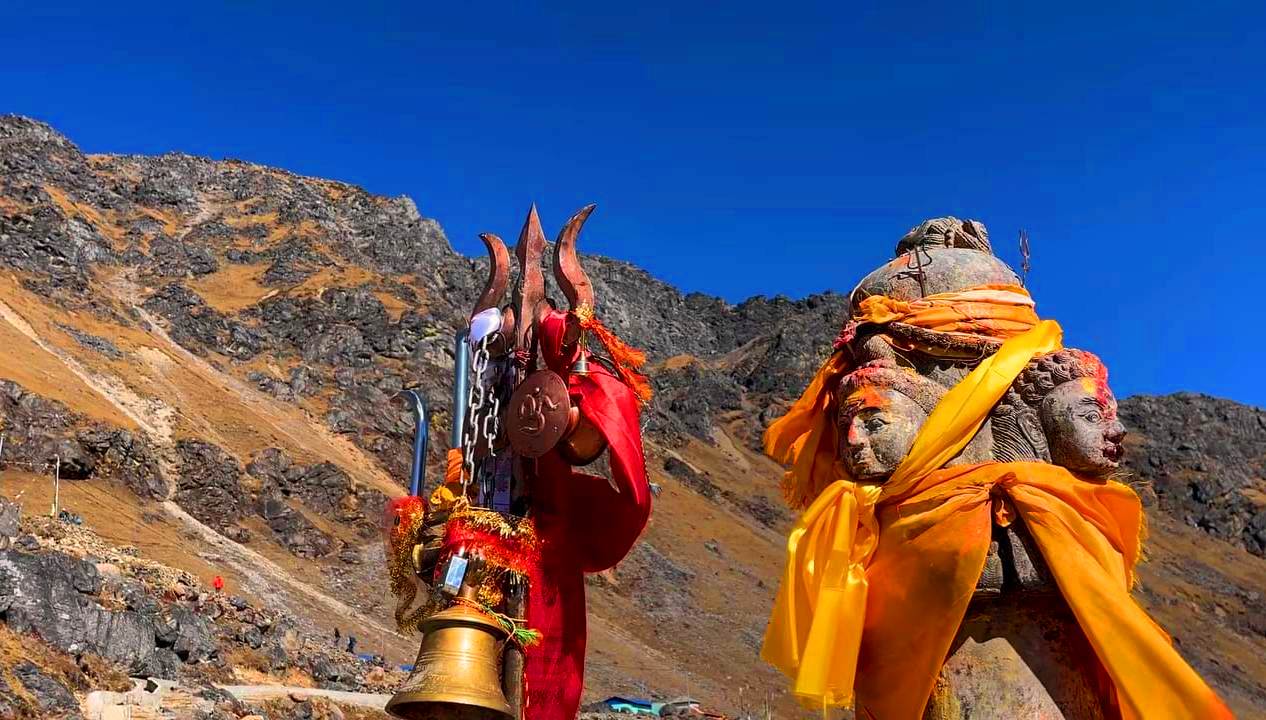
Well-Organized Gosaikunda Trekking with Stunning Himalayan Views
Our Gosaikunda Trekking adventure with Best of Nepal Trek was exceptionally well organized from beginning to end. The guide and porters were friendly, professional and always ready to help. Visiting the sacred Gosaikunda Lake was the highlight of our journey and the breathtaking panoramic mountain views made every step worthwhile. We had a fantastic trip and highly recommend Best of Nepal Trek to anyone planning the Gosaikunda Trek in Nepal.
Anna
,Australia
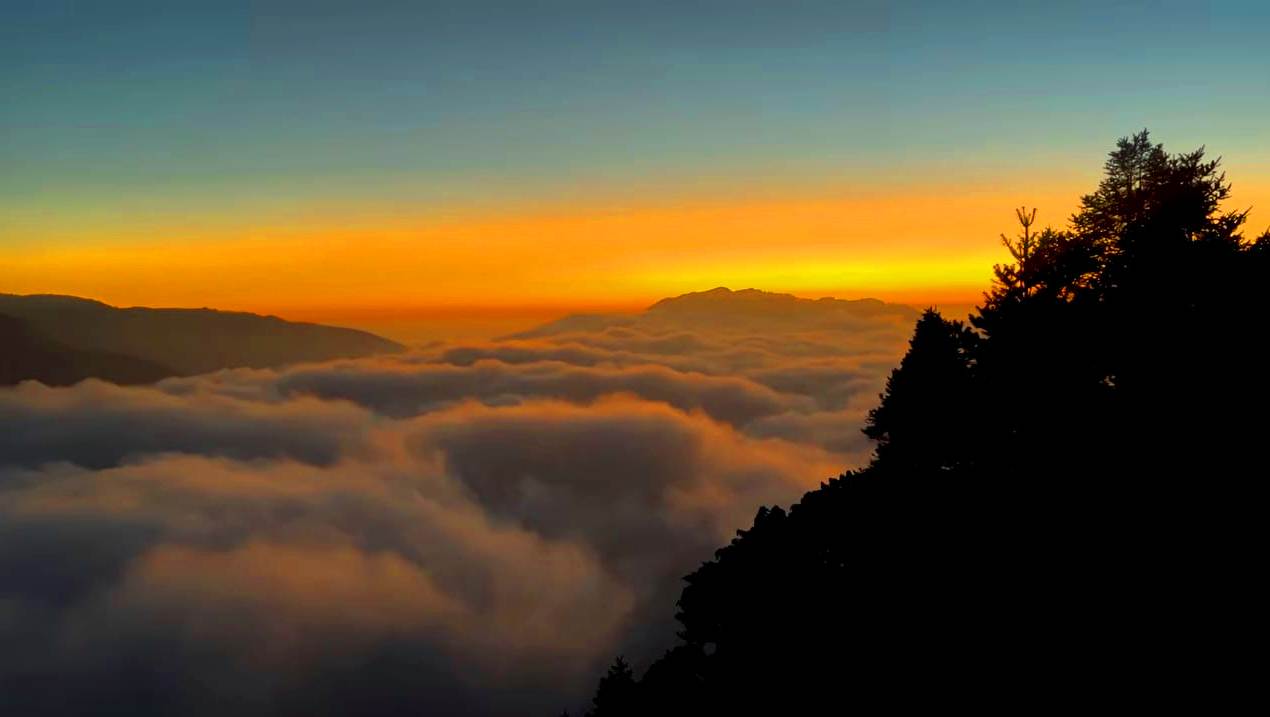
Amazing Gosaikunda Trek Experience
Our Gosaikunda Trek with Best of Nepal Trek was challenging but incredibly rewarding. The stunning Himalayan scenery, peaceful trails and warm hospitality made every moment unforgettable. Our guide, Dipak Sapkota, was knowledgeable, friendly and supportive throughout the trek. Everything was professionally organized, making our adventure safe, enjoyable and truly memorable. We highly recommend Best of Nepal Trek for anyone planning the Gosaikunda Trek in Nepal.
Jennifer,
,Canada
Excellent Kailash Mansarovar Yatra Experience
Our Kailash Mansarovar Yatra with Best of Nepal Trek was exceptionally well organized from start to finish. Communication was smooth and our Guide, Arjun, was friendly, knowledgeable and supportive throughout the journey. We felt safe, well cared for and truly enjoyed this once-in-a-lifetime pilgrimage. I highly recommend Best of Nepal Trek to anyone planning the Kailash Mansarovar Yatra.
Nini
,US
Jungle Safari on Foot in Chitwan
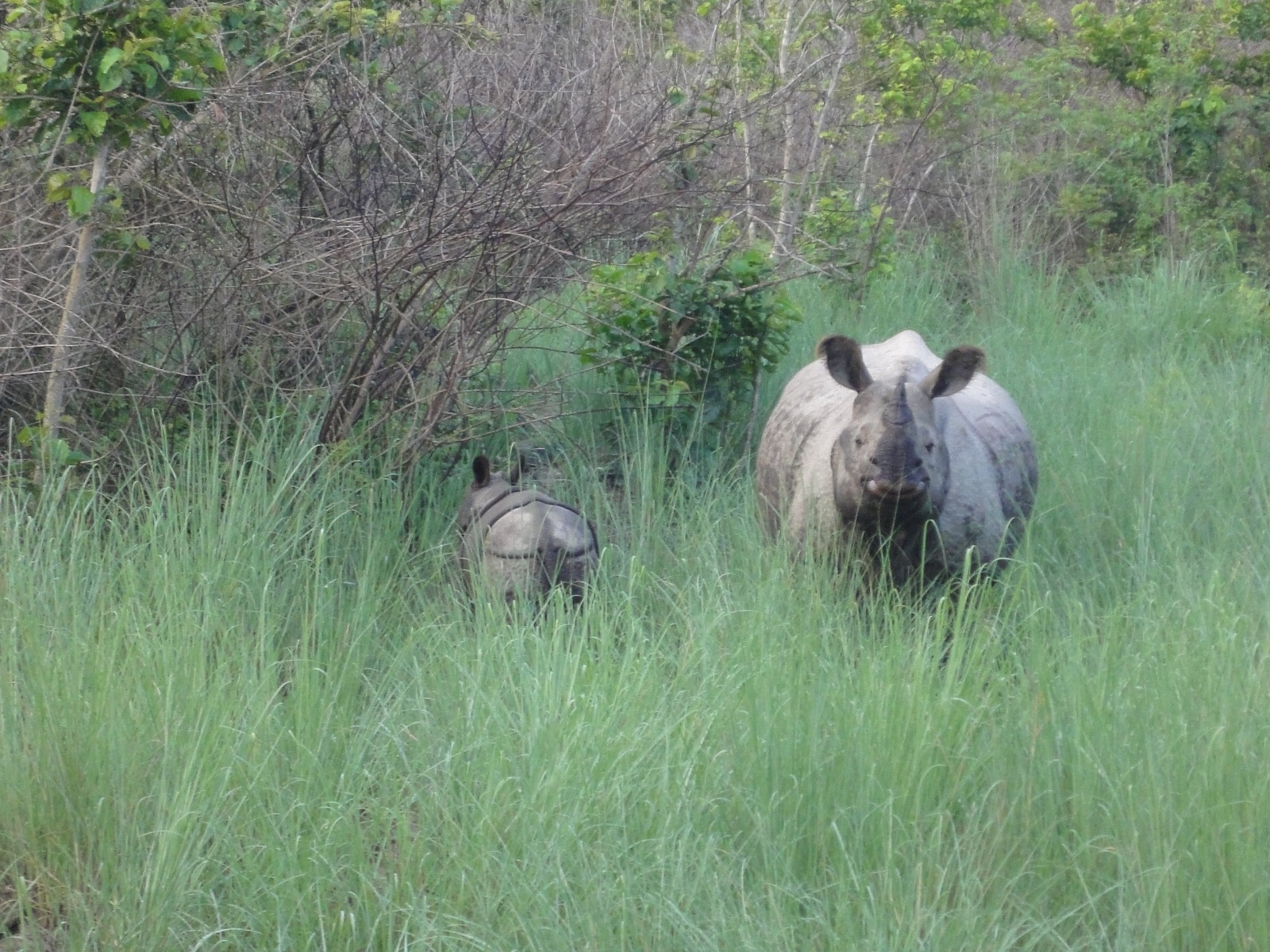
The jungle safari on foot was a really amazing experience. We were lucky to see a mother rhino with her calf, which was truly unforgettable. We also spotted deer and other wildlife along the way.
It was a great adventure in nature and a wonderful way to experience the beauty of the jungle up close.Nina N.
,Australia
Wonderful Jungle Safari Experience
Our Chitwan Jungle Safari Tour with Best Of Nepal Trek was an unforgettable experience. We enjoyed incredible wildlife sightings, including the famous one-horned rhinoceros and had the opportunity to explore the natural beauty of Chitwan National Park.
The guides were knowledgeable and helpful throughout the tour, while the resort staff provided excellent hospitality. The food was delicious and plentiful, making our stay even more enjoyable. Everything was well organized and we highly recommend this tour to anyone looking for a memorable wildlife adventure in Nepal.janet
,US
Chitwan Jungle Safari Tour with Best Of Nepal Trek
My Chitwan Jungle Safari Tour with Best Of Nepal Trek was a fantastic experience. The wildlife sightings, jungle activities and cultural experiences made the trip both exciting and memorable.
Everything was well organized and the team ensured a comfortable and enjoyable journey throughout the tour. I highly recommend Best Of Nepal Trek to anyone looking to explore the natural beauty and wildlife of Chitwan. Thank you for making this adventure so special.Kristen
,United States