Gosaikunda Trek
Destination:
Nepal
Trip Duration:
5 Days
Max Altitude:
4,380 M
Activities:
Trekking
Start Point:
Kathmandu
Ending Point:
Kathmandu
Region:
Langtang
Trip Grade:
Moderate
Group Size:
1-10 Pax
Accomodation:
Hotel/ Normal Teahouses
Meals:
Breakfast, Lunch and Dinner during trekking
Transportation:
Local Transportation
Permits Required:
National Park Permit
Best Season:
March, April, May and Sept, Oct, Nov
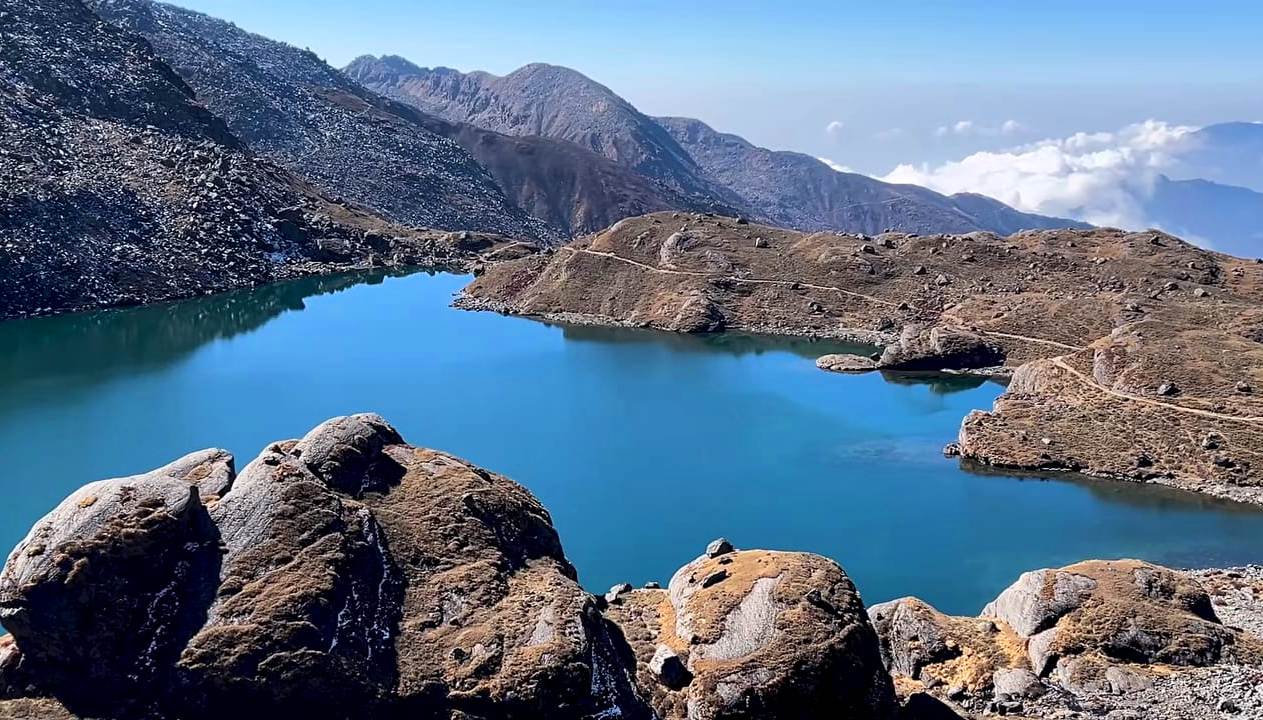
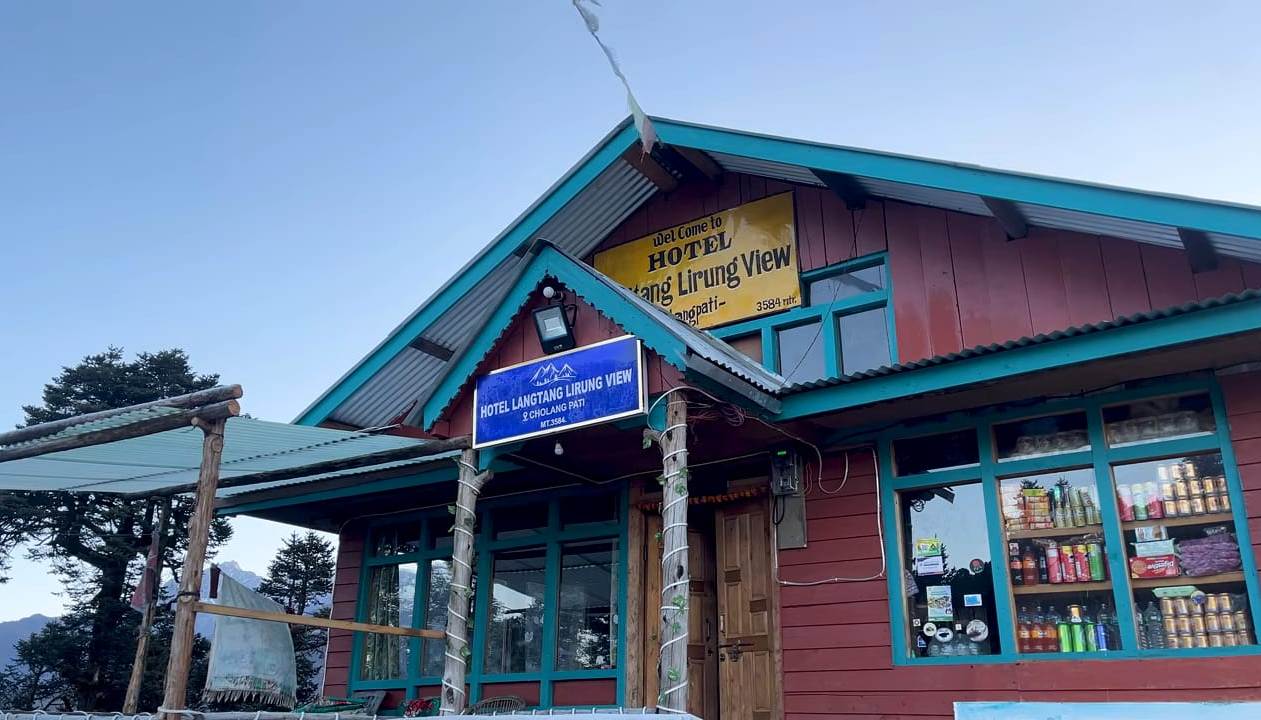
The Gosaikunda Trek is one of the most popular short trekking adventures in Nepal, offering a perfect combination of spectacular Himalayan scenery, rich Tamang culture and deep spiritual significance. Located in the beautiful Langtang National Park, this moderate trek takes you to the sacred Gosaikunda Lake (4,380 m / 14,370 ft), one of Nepal’s most revered alpine lakes. Situated approximately 52 km north of Kathmandu in Rasuwa District, Gosaikunda attracts thousands of trekkers, Hindu pilgrims and Buddhist devotees every year, making it one of Nepal’s most important natural and religious destinations.
The adventure begins with a scenic drive from Kathmandu to Dhunche, the gateway to the trek. From here, the trail gradually climbs through beautiful forests of rhododendron, oak, pine and bamboo, passing charming Tamang villages where visitors can experience warm local hospitality, traditional mountain lifestyles, ancient monasteries and the unique Tibetan-influenced culture of the Langtang region. During spring, the blooming rhododendron forests create colourful landscapes, while autumn offers crystal-clear mountain views and ideal trekking conditions.
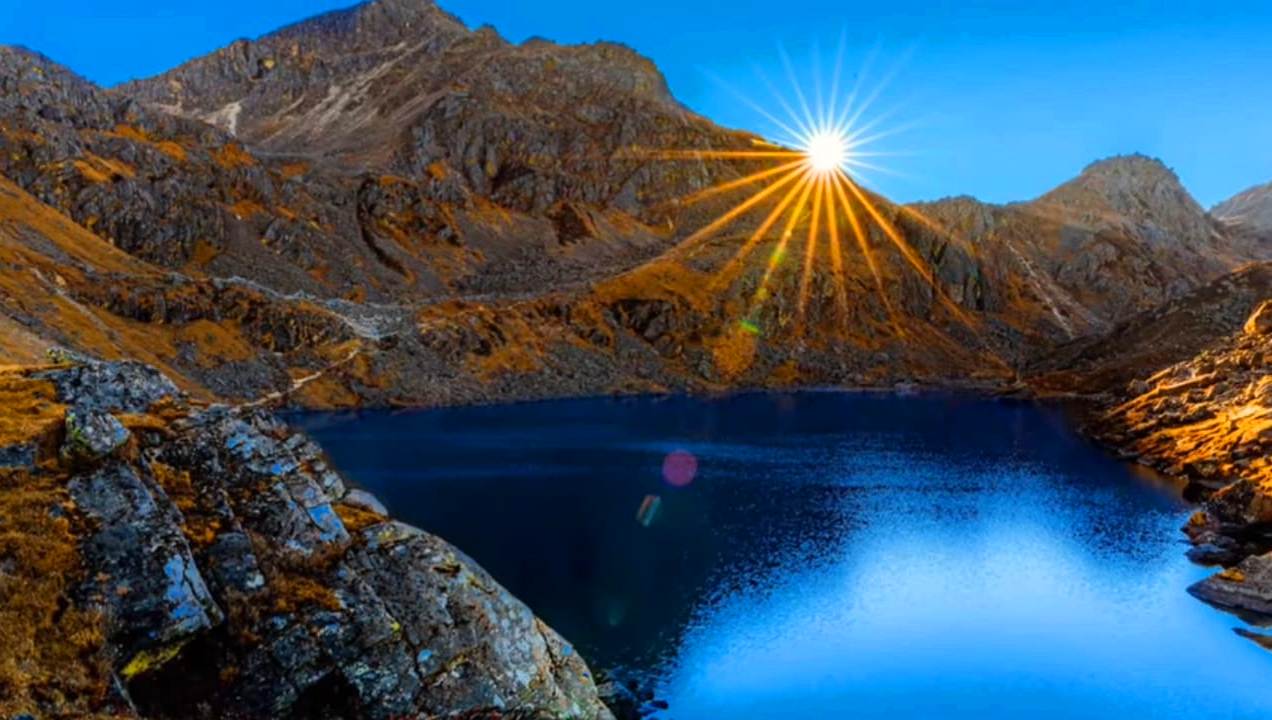
As the trail gains altitude, the scenery changes from dense forests to open alpine meadows, rocky hillsides and breathtaking high-altitude landscapes. Trekkers are rewarded with magnificent views of Langtang Lirung, Ganesh Himal, Manaslu, Dorje Lakpa, Himalchuli and many other snow-capped Himalayan peaks. The highlight of the journey is reaching the crystal-clear Gosaikunda Lake, surrounded by dramatic mountain scenery and peaceful natural beauty.
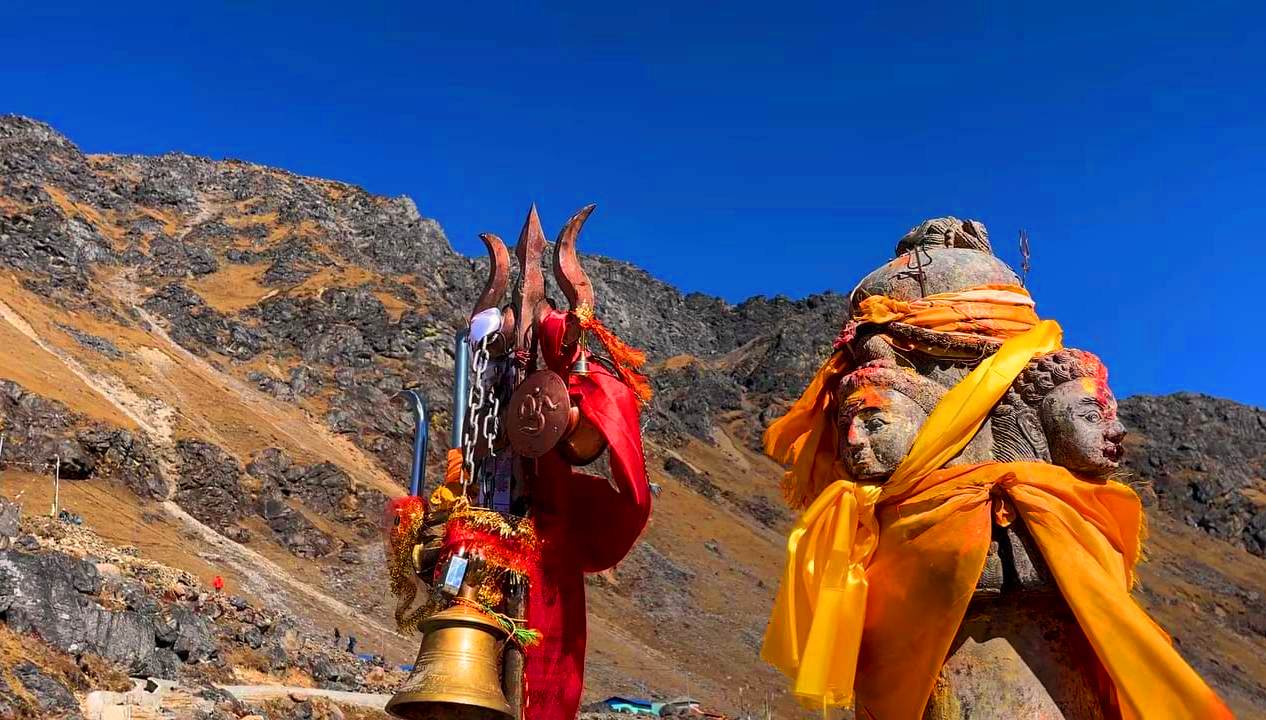
Beyond its natural beauty, Gosaikunda is one of the holiest pilgrimage sites in Nepal for both Hindus and Buddhists. Many devotees regard it as the “Second Kailash,” and every year, especially during the Janai Purnima Festival, thousands of pilgrims visit the sacred lake to take a holy bath and offer prayers, believing it brings spiritual purification, peace and blessings. The area is also home to several sacred alpine lakes, adding to its great religious and cultural significance.
Suitable for both beginners with good fitness and experienced trekkers, the Gosaikunda Trek can usually be completed in 5 to 7 days, making it one of the best short Himalayan treks near Kathmandu. Along the trail, you will experience the genuine hospitality of the local Tamang people, meet farmers working in their terraced fields, yak and livestock herders and friendly villagers who warmly welcome visitors.
Early in the morning and late in the afternoon, it is common to see local school children walking to and from school, adding a special charm to the journey. These authentic encounters with mountain communities provide a unique cultural experience that is just as memorable as the spectacular Himalayan scenery.
Combining breathtaking mountain views, sacred lakes, rich cultural heritage, peaceful trekking trails and unforgettable spiritual experiences, the Gosaikunda Trek offers a truly rewarding adventure in the heart of the Nepal Himalayas.
Explore our detailed itinerary, trip cost, departure dates and book your Gosaikunda Trek with Best Of Nepal Trek for an unforgettable Himalayan journey filled with nature, culture and spirituality.
Gosaikunda Trek Highlights
- Visit the Sacred Gosaikunda Lake: Discover one of Nepal’s most revered alpine lakes at 4,380 meters. This spiritual destination attracts both pilgrims and trekkers seeking peace, natural beauty, and a meaningful Himalayan experience
- Breathtaking Himalayan Views: Enjoy panoramic vistas of Langtang Lirung, Ganesh Himal, and surrounding snow-capped peaks. The trail offers incredible scenery and countless photo opportunities throughout the journey.
- Experience Traditional Tamang Villages: Walk through authentic Himalayan settlements where the Tamang culture thrives. Interact with locals, observe traditional lifestyles, and experience a unique blend of Tibetan-influenced heritage.
- Explore Sacred Alpine Lakes: Visit peaceful lakes such as Saraswati Kunda and Bhairab Kunda, each holding deep spiritual significance and offering serene, picturesque surroundings.
- Panoramic Views from Laurebina: Capture sweeping views of mountain ridges and valleys from Laurebina, one of the most scenic viewpoints along the Gosaikunda Trek route.
- Rich Forests and Wildlife: Trek through forests of rhododendron, pine, oak, and juniper. Keep an eye out for rare wildlife, including the elusive red panda and various Himalayan bird species.
- Short and Rewarding Trek: Complete a well-balanced 5-day trek starting from Kathmandu, making it ideal for beginners and travelers with limited time who still want a true Himalayan adventure.
- Spiritual and Cultural Experience: Combine natural exploration with cultural discovery by visiting sacred sites and experiencing local traditions, creating a deeper connection to Nepal’s Himalayan heritage.
Route of the Gosaikunda Trek
The Gosaikunda Trek begins with a scenic drive from Kathmandu to Dhunche (2,030 m), covering approximately 120 km in 6 to 8 hours, depending on road and traffic conditions. The journey follows the beautiful Trishuli River, passing picturesque hills, terraced farmlands, riverside villages and lush forests before reaching Dhunche, the gateway to Langtang National Park.
From Dhunche, the trekking trail gradually climbs through beautiful forests of rhododendron, oak, pine, and bamboo to Chandanbari (Sing Gompa, 3,300 m). Along the way, trekkers pass peaceful mountain villages, traditional Tamang settlements, Buddhist monasteries, waterfalls and scenic viewpoints while experiencing the warm hospitality and unique culture of the local people.
Continuing toward the sacred Gosaikunda Lake (4,380 m), the landscape changes from dense forests to alpine meadows and rugged high-altitude terrain. The trail passes Laurebina, one of the best viewpoints on the trek, offering breathtaking panoramic views of Langtang Lirung, Ganesh Himal, Manaslu, Dorje Lakpa, Himalchuli and many other snow-capped Himalayan peaks. Before reaching Gosaikunda, trekkers also visit the sacred alpine lakes of Saraswati Kunda and Bhairab Kunda, which hold great religious importance for both Hindus and Buddhists.
After spending time at the holy Gosaikunda Lake, the return journey follows the same trail back to Dhunche, allowing trekkers to enjoy the magnificent mountain scenery, peaceful forests and charming villages from a different perspective.
Finally, a comfortable drive returns you to Kathmandu, completing one of Nepal’s most rewarding short trekking adventures, filled with breathtaking landscapes, rich culture and unforgettable spiritual experiences.
Include
The Gosaikunda Trek in Nepal’s Langtang region is designed to provide a safe, comfortable and well-organized trekking experience up to Gosaikunda Lake (4,380 m). Most trekking packages include essential services to ensure a smooth journey in the Himalayas.
Package Includes:
- Experienced Guide & Porters: Professional English-speaking trekking guide and porters (if required) to assist with navigation, safety and carrying luggage.
- Trekking Permits: All necessary permits, including the Langtang National Park entry permit and TIMS card.
- Accommodation: Normal teahouse or lodge accommodation throughout the trek.
- Meals During Trek: Daily breakfast, lunch and dinner with a variety of local and basic international dishes.
- Transportation: Ground transportation from Kathmandu to the trek starting point (Dhunche) and return to Kathmandu.
- First Aid & Emergency Support: Basic first aid kit and support from the trekking team in case of minor health issues.
- Cultural Experience: Warm welcome and introduction to local Tamang culture, traditions and lifestyle in the Langtang region.
These inclusions make the Gosaikunda Trek a convenient and value-packed Himalayan adventure, allowing trekkers to focus on enjoying the natural beauty, cultural richness and spiritual atmosphere of the journey.
Exclude
While most packages for the Gosaikunda Trek in Nepal’s Langtang region cover essential services, some costs are not included and should be planned separately before heading toward Gosaikunda Lake (4,380 m).
Package Excludes:
- International & Domestic Flights: Airfare to and from Nepal, as well as any internal flights if required.
- Nepal Entry Visa Fee: Visa cost upon arrival in Nepal, payable at the airport.
- Personal Trekking Gear: Clothing, equipment, and sleeping bags (can be rented in Kathmandu if needed).
- Travel & Medical Insurance: Insurance covering high-altitude trekking, emergency evacuation and medical expenses.
- Meals in Kathmandu: Food and drinks before and after the trek, or outside the trekking itinerary.
- Additional Activities: Any extra sightseeing, tours, or activities not mentioned in the itinerary.
- Personal Expenses: Snacks, beverages, Wi-Fi, hot showers, charging fees and other personal costs during the trek.
- Tips for Guide & Porter
Understanding these exclusions helps trekkers plan their budget more accurately and avoid unexpected expenses during the Gosaikunda trekking adventure.
Gosaikunda Trek Itinerary
Your Gosaikunda Trek begins with a scenic drive from Kathmandu to Dhunche (2,030 m), which typically takes around 6 to 7 hours and covers a distance of approximately 102 km. Early in the morning, your guide will pick you up from your hotel and transfer you to the bus station, or you may travel by private vehicle such as a jeep or Scorpio for a more comfortable journey.
This overland drive is one of the most Beautiful and engaging parts of the Gosaikunda Trek itinerary, as it follows the winding highway along the Trishuli River, offering stunning views of lush hills, terraced farmlands, and traditional rural settlements.
As the journey progresses, you will also enjoy distant views of the majestic Ganesh Himal range, adding a Himalayan touch to your first day of adventure. A lunch break is usually taken at a local roadside restaurant, allowing you to relax and enjoy the surrounding scenery before continuing the drive.
Upon arrival in Dhunche, the gateway to the Langtang region, you will complete the necessary permit formalities at the checkpoint, including entry registration for the trekking area. Afterward, you can settle into your lodge, explore the small town, and prepare for the trekking days ahead.
This first day of the Gosaikunda Trek 5 days itinerary is relatively easy and helps you gradually transition from city life to the peaceful mountain environment. Overnight stay will be at a comfortable lodge in Dhunche.
Trip Duration:
6–7 Hours
Accomodation:
Normal Teahouse
Meals:
Lunch & Dinner
After an early breakfast, your Gosaikunda Trek officially begins from Dhunche. The trail starts with a gentle walk along a scenic path, gradually ascending through dense forests filled with rhododendron, oak, and pine trees, creating a refreshing and peaceful trekking environment.
As you continue, you will pass through Deurali, an ideal resting point where you can enjoy the natural surroundings, take photographs, and prepare for the more challenging sections ahead.
The trail then climbs steadily uphill toward Chandanbari, also known as Sing Gompa, a picturesque settlement perched at 3,300 meters. Along the way, trekkers are often treated to panoramic views of the majestic Langtang Himal range.
Nature enthusiasts may also spot rare wildlife, including the elusive red panda, adding a touch of adventure to the journey. The mix of alpine forests, mountain vistas, and local culture makes this section of the trek one of the most memorable parts of the Gosaikunda Trek.
Upon arrival at Chandanbari, you will stay overnight at a comfortable lodge, surrounded by serene landscapes and breathtaking views. This stop allows trekkers to rest and acclimatize properly while enjoying the tranquility of the Langtang region.
Trip Duration:
4-5 Hours
Accomodation:
Normal Teahouse
Meals:
Breakfast, Lunch & Dinner
On the third day of your Gosaikunda 5-day trek, you will experience one of the most thrilling and rewarding sections as you trek from Chandanbari (Sing Gompa) to the sacred Gosaikunda Lake, situated at 4,380 meters (14,370 ft).
The trail gradually ascends through dense pine and juniper forests, providing a peaceful and refreshing trekking experience amidst the crisp Himalayan air. As the forest opens up, trekkers are treated to sweeping alpine landscapes and breathtaking views of snow-capped Himalayan peaks and rolling mountain ridges, making this short trek near Kathmandu truly spectacular.
After several hours of trekking, you will reach Laurebina, a scenic viewpoint offering panoramic vistas of the surrounding Himalayas. This spot is ideal for photography, resting, and soaking in the grandeur of the mountains.
From Laurebina, the trail continues toward Gosaikunda Lake, passing a series of smaller sacred lakes such as Saraswati Kunda and Bhairab Kunda, each with deep religious and spiritual significance. Pilgrims often stop at these lakes to offer prayers, giving trekkers the opportunity to experience the serene and mystical atmosphere alongside the natural beauty.
Finally, you arrive at the enchanting Gosaikunda Lake, where the calm alpine waters reflect the surrounding Himalayan peaks, creating a memorable spiritual and scenic experience. The tranquil environment allows trekkers to connect with nature while appreciating the cultural and religious importance of the site.
You will spend the night at a lodge near Gosaikunda Lake, enjoying the peaceful surroundings and preparing for the return trek the following day. This day stands out as a highlight of the Gosaikunda Trek, combining adventure, spirituality, and stunning Himalayan landscapes.
Trip Duration:
6-7 Hours
Accomodation:
Normal Teahouse
Meals:
Breakfast, Lunch & Dinner
After a serene morning at Gosaikunda Lake, you begin your trek back to Dhunche at 2,030 meters. The trail for this section is mostly downhill, making the descent manageable while still offering plenty of trekking challenge.
As you walk, you will pass through stunning alpine landscapes, dense pine and rhododendron forests, and open valleys, allowing you to appreciate the natural beauty of the Langtang region from a fresh perspective.
The return journey retraces the route through Laurebina and Chandanbari (Sing Gompa), giving you the opportunity to enjoy new viewpoints and notice details you may have missed on the ascent. Along the way, you can take short breaks, enjoy the crisp mountain air, and capture scenic photographs of the Himalayan peaks and valleys surrounding the trail.
After a full day of trekking, you will arrive back in Dhunche, where you can relax and rest after this long but rewarding day. Staying overnight at a comfortable lodge in Dhunche provides a chance to recover and reflect on the incredible landscapes, cultural encounters, and spiritual experiences you have encountered on this memorable Gosaikunda Trek.
Trip Duration:
7-8 Hours
Accomodation:
Normal Teahouse
Meals:
Breakfast, Lunch, Dinner
After Breakfast, you will drive back from Dhunche to Kathmandu, descending from 2,030 meters to 1,300 meters. The journey typically takes 6 to 7 hours by local bus or private vehicle, offering a comfortable and scenic conclusion to your alpine adventure.
The route follows the winding highways along the Trishuli River, presenting stunning views of terraced hills, traditional mountain villages, and the Himalayan foothills. This relaxing drive allows trekkers to reflect on the unforgettable experiences of the past few days, including encounters with sacred lakes, panoramic snow-capped peaks, and lush forests.
It also provides one last opportunity to admire the diverse landscapes of the Langtang region, making the end of the trek a serene and memorable experience. Upon arrival in Kathmandu, your short yet rewarding Gosaikunda Trek comes to an end.
Trekkers leave with lasting memories of spiritual alpine lakes, rich Himalayan culture, and dramatic mountain vistas, making this 5-day trek one of the best short trekking adventures near Kathmandu for both nature lovers and adventure seekers.
Trip Duration:
6-7 Hours
Meals:
Breakfast & Lunch
Packing List for the Gosaikunda Trek
Preparing the right gear ensures a safe, comfortable and enjoyable experience on the Gosaikunda Trek, one of Nepal’s most scenic short treks near Kathmandu.
Clothing:
- Lightweight trekking shirts (quick-dry)
- Warm fleece jacket or sweater for evenings
- Down jacket for high-altitude cold at Gosaikunda Lake (4,380 m)
- Waterproof and windproof trekking jacket and pants
- Trekking trousers and shorts for lower altitudes
- Thermal inner layers for cold mornings and nights
- Trekking socks (multiple pairs)
- Gloves, warm hat, and scarf
- Sun hat or cap for daytime protection
Footwear:
- Sturdy, waterproof trekking boots with ankle support
- Comfortable sandals or shoes for lodge use
- Gaiters (optional, for snow or muddy trails)
Gear and Accessories:
- Daypack (20–30 liters) for daily essentials
- Sleeping bag (warm, suitable for 0°C to –5°C)
- Trekking poles for stability on steep trails
- Sunglasses with UV protection
- Headlamp with extra batteries
- Water bottles or hydration system (2–3 liters)
- Snacks, energy bars, or trail mix
- Camera or smartphone for Himalayan photography
Personal Items:
- Sunscreen and lip balm (high SPF)
- Personal toiletries and towel
- Hand sanitizer and wet wipes
- Basic first aid kit (bandages, antiseptic, painkillers, altitude sickness medicine)
- Personal medications
- Passport, trekking permits, and TIMS card
- Travel insurance documents
Optional Items:
- Binoculars for wildlife and birdwatching
- Lightweight notebook or journal
- Power bank for charging devices in lodges
Gosaikunda Trek FAQs
Best Of Nepal Trek is a trusted trekking company offering safe, well-organized, and memorable Himalayan adventures since 2018. With experienced local guides, personalized service, and carefully planned trekking packages, we ensure an enjoyable experience for every traveler.
Our team focuses on safety, authentic cultural experiences, and responsible trekking practices, helping trekkers explore Nepal’s mountains with confidence and comfort. From short Himalayan treks to high-altitude adventures, Best Of Nepal Trek is committed to providing professional service and unforgettable journeys.
Most travelers joining the Gosaikunda Trek in Nepal’s Langtang region can obtain a visa on arrival at Tribhuvan International Airport in Kathmandu. The process is simple and convenient for tourists visiting Nepal for trekking up to Gosaikunda Lake (4,380 m).
Before traveling, make sure your passport is valid for at least 6 months beyond your intended departure date. Some countries may not be allowed entry if the passport validity is shorter.
On arrival, you can complete the visa application form, pay the required fee, and receive your visa at the airport immigration counter. Visa options usually include 15, 30, or 90 days depending on your travel plan.
For the most accurate and updated visa rules, it is recommended to check the official immigration website http://www.nepalimmigration.gov.np of Nepal before your trip.
Our staff will warmly welcome you upon your arrival at Tribhuvan International Airport. A representative will be waiting outside the airport terminal holding a Best Of Nepal Trek signboard with your name for easy identification.
You will then be transferred comfortably to your hotel in Kathmandu by a private tourist vehicle, ensuring a smooth and hassle-free start to your trekking journey.
The Gosaikunda Trek usually takes 4 to 7 days, depending on the itinerary, walking pace, and acclimatization needs. The standard route includes a round-trip journey from Dhunche to Gosaikunda Lake and back in Kathmandu.
This duration is designed to allow a gradual ascent and safe altitude gain up to Gosaikunda Lake (4,380 m), ensuring better acclimatization and a more comfortable trekking experience.
Normally, USD 20–30 per person per day is enough for personal expenses during the Gosaikunda Trek. This budget usually covers items such as drinking water, tea or coffee, snacks, Wi-Fi, hot showers, and extra drinks along the trekking route.
You may also need additional spending money for meals in Kathmandu, charging electronic devices, or personal shopping before and after the trek. Carrying enough cash in Nepali rupees is recommended, as ATM and card payment facilities are limited in mountain areas.
The average walking pace during the Gosaikunda Trek is around 4-5 kilometers per hour for a reasonably fit person. However, at higher elevations near Gosaikunda Lake (4,380 m), trekkers are encouraged to walk slowly and steadily to support proper acclimatization and reduce the risk of altitude sickness.
The trek is not a race—it is designed to allow you to enjoy the mountain scenery, adjust to the altitude, and trek safely and comfortably.
During the Gosaikunda Trek, accommodation is comfortable and suitable for trekkers exploring the Himalayan trails toward Gosaikunda Lake (4,380 m).
In Kathmandu, trekkers usually stay in comfortable three-star hotels with breakfast included. During the trek, accommodation is provided in local teahouses or mountain lodges with clean and basic rooms.
Teahouses offer a warm and friendly atmosphere, shared dining areas, and essential facilities for trekkers along the route. As you go higher, the accommodation becomes simpler, but it provides a genuine Himalayan trekking experience.
Yes, private rooms may be available during the Gosaikunda Trek, especially in lower-altitude teahouses. However, private rooms cannot always be guaranteed during the busy trekking seasons due to limited accommodation along the trail to Gosaikunda Lake (4,380 m).
During the off-season, many teahouses can often provide private rooms without extra cost, depending on availability. At higher elevations, accommodation becomes more basic, and shared rooms are more common.
The Gosaikunda Trek is suitable for anyone in good physical condition with a reasonable level of fitness. Trekkers should be comfortable walking for 5–7 hours a day on mountain trails with gradual uphill and downhill sections leading to Gosaikunda Lake (4,380 m).
Regular walking, hiking, jogging, or light exercise before the trek can help improve stamina and make the journey more comfortable and enjoyable. Previous trekking experience is helpful but not mandatory.
During the Gosaikunda Trek in Nepal’s Langtang region, trekkers ascend to high altitude up to Gosaikunda Lake (4,380 m), where altitude sickness can occur if the body does not adjust properly.
Common early symptoms include headache, nausea, dizziness, fatigue, loss of appetite, and difficulty sleeping. These signs should not be ignored and usually indicate the need to rest and descend if necessary.
In more serious cases, symptoms may progress to vomiting, severe shortness of breath, confusion, or swelling, which require immediate attention and descent to a lower altitude.
Proper acclimatization, hydration, and a slow walking pace help reduce the risk of altitude sickness during the trek.
The most commonly used medication for preventing and reducing altitude sickness during the Gosaikunda Trek in Nepal’s Langtang region is Acetazolamide (Diamox).
This medicine helps the body adjust more quickly to higher elevations by improving breathing and increasing oxygen intake, which is especially useful when trekking up to Gosaikunda Lake (4,380 m).
However, medication should only be taken after consulting a doctor before your trek. It is not a substitute for proper acclimatization, hydration, and a slow walking pace, which are the most important factors for staying safe at high altitude.
Yes, travel insurance is highly recommended—and often required—for the Gosaikunda Trek in Nepal’s Langtang region. Since the trek reaches high altitude and remote terrain up to Gosaikunda Lake (4,380 m), proper insurance ensures safety and financial protection throughout your journey.
Your travel insurance should clearly include coverage for high-altitude trekking, as well as emergency medical expenses and helicopter evacuation if needed. These services are essential in case of altitude sickness, injury, or unexpected weather conditions in the Himalayas.
Before purchasing, always check that your policy specifically covers trekking activities in Nepal and includes rescue operations from remote mountain areas. Without proper coverage, emergency evacuation costs can be very high.
Having the right insurance gives you peace of mind, allowing you to fully enjoy your trekking experience without worry.
In case of any emergency during the Gosaikunda Trek in Nepal’s Langtang region, immediately inform your trekking guide. Our guides are trained in first aid and emergency response and will take quick action based on the situation.
If required, they can arrange medical assistance or coordinate a helicopter evacuation from remote areas near Gosaikunda Lake (4,380 m). Our office team in Kathmandu will also support and manage the emergency response process.
We strongly recommend carrying travel insurance that includes high-altitude trekking and emergency evacuation coverage to ensure complete safety and support during your journey.
The Gosaikunda Trek in Nepal’s Langtang region offers stunning Himalayan views, beautiful forests, and rich culture, ending at the sacred Gosaikunda Lake (4,380 m).
Trekkers can enjoy views of Langtang Lirung (7,227 m), Ganesh Himal (7,422 m), and distant Manaslu range, along with rhododendron forests and traditional Tamang villages.
It is a perfect blend of mountains, nature, and spirituality in a short trek near Kathmandu.
The best time for the Gosaikunda Trek in Nepal’s Langtang region is spring (March–May) and autumn (mid-September–November). These seasons offer clear skies, stable weather, and the best mountain views up to Gosaikunda Lake (4,380 m).
Spring brings blooming rhododendrons and colorful landscapes, while autumn offers crisp air and excellent visibility after the monsoon.
Winter is very cold with possible snow, and monsoon season brings rain and slippery trails.
During the Gosaikunda Trek in Nepal’s Langtang region, food options are simple but filling, served in local teahouses along the trail to Gosaikunda Lake (4,380 m).
The most common meal is dal bhat (rice, lentil soup, and vegetables), which provides good energy for trekking. Other popular choices include noodles, momos (dumplings), fried rice, pasta, pizza, and burgers in some lodges.
While the menu is not very extensive, meals are freshly prepared and designed to keep trekkers energized throughout the journey. Vegetarian options are widely available, and food becomes simpler at higher altitudes.
It is not recommended to drink untreated tap water during the Gosaikunda Trek in Nepal’s Langtang region due to safety and hygiene reasons. The water sources along the trail are not always treated, so direct consumption can increase the risk of stomach issues while trekking up to Gosaikunda Lake (4,380 m).
Most teahouses provide boiled or filtered drinking water, which is safe to consume. You can also use water purification tablets or filters as an extra precaution. Bottled mineral water is available in some lodges, but it becomes more expensive at higher altitudes and is less eco-friendly.
For a safe and sustainable trekking experience, it is best to rely on boiled water or purified water throughout the journey.
Yes, Wi-Fi is available in some lodges during the Gosaikunda Trek in Nepal’s Langtang region, but it is not very reliable. In lower areas, the connection is usually better, while at higher altitudes near Gosaikunda Lake (4,380 m), the internet becomes slow or may not work at all.
Most teahouses charge an extra fee for Wi-Fi usage, and the speed can be limited due to remote mountain conditions.
For a better experience, it is recommended to enjoy offline trekking and use mobile data or Wi-Fi only when necessary.
Yes, communication services are available during the Gosaikunda Trek, although connectivity may be limited in remote mountain areas near Gosaikunda Lake (4,380 m).
Our guides carry local mobile phones, which can be used in emergencies or when necessary. Trekkers can also purchase a local Nepali SIM card after arriving in Kathmandu, and our team will gladly assist with the setup.
Wi-Fi is available in many teahouses along the trekking route for an additional charge, though internet speed may vary depending on altitude and weather conditions.
For emergency situations, satellite communication support is also available to ensure safety and reliable coordination in the mountains.
Yes, restrooms are available at most teahouses during the Gosaikunda Trek. In lower areas, many lodges offer basic western-style flushing toilets for trekkers.
At higher elevations near Gosaikunda Lake (4,380 m), facilities become more basic, and squat-style toilets are more common. These are usually located outside the rooms and shared among trekkers.
Although the facilities are simple, teahouses provide essential restroom services throughout the trekking route.
Some teahouses along the Gosaikunda Trek in Nepal’s Langtang region offer basic laundry services for an extra charge. However, these services are not available everywhere and may be limited depending on the location.
Due to cold temperatures and changing weather conditions near Gosaikunda Lake (4,380 m), clothes may take longer to dry and same-day drying is not guaranteed.
For this reason, trekkers are advised to carry quick-dry clothing and pack enough spare layers for comfort during the trek.
Yes, you can charge your electronic devices during the Gosaikunda Trek in Nepal’s Langtang region at most teahouses along the route. However, charging is usually available for an additional fee.
The cost typically ranges from USD 1–3 per device, depending on the location and altitude near Gosaikunda Lake (4,380 m).
It is recommended to carry plug adapters, especially Type C (two-pin) and Type D (three-pin), as power outlets may vary in mountain lodges. A power bank is also highly useful for backup charging during the trek.
ATM services are only available up to Syabrubesi in Nepal’s Langtang region. Beyond this point, including the trail toward Gosaikunda Lake (4,380 m), there are no ATMs or bank facilities.
There is also no reliable card payment or e-banking service along the trekking route, so trekkers should carry enough cash (Nepali rupees) from Kathmandu or Syabrubesi before starting the trek.
Planning ahead with sufficient cash ensures a smooth and hassle-free trekking experience in the mountains.
There are no strict age limits for trekking in Nepal. Both young trekkers and seniors can complete the Gosaikunda Trek if they are physically fit and well-prepared.
Fitness, acclimatization, and a positive mindset matter more than age. Families or older trekkers may prefer a private trek with extra days for comfort.
Yes, the Gosaikunda Trek in Nepal’s Langtang region is generally less crowded compared to popular routes like Everest Base Camp or Annapurna.
The trail leading to Gosaikunda Lake (4,380 m) offers a peaceful trekking experience, especially outside peak festival times like Janai Purnima. You will still meet fellow trekkers and pilgrims, but the route remains relatively quiet and natural.
This makes it a great choice for those looking for calm, scenic, and less commercial trekking experience in Nepal.
The main festival in the Langtang Gosaikunda is celebrated during Janai Purnima, which falls on the full moon day in August (sometimes late July or early August depending on the lunar calendar).
During this time, thousands of pilgrims travel to the sacred Gosaikunda Lake (4,380 m) to take a holy bath and offer prayers, believing it brings spiritual purification and blessings.
It is one of the most important religious events in the Himalayan region, creating a vibrant atmosphere of devotion and cultural celebration.
No, previous trekking experience is not required. Many first-time trekkers successfully complete the Gosaikunda Trek.
However, a good fitness level and the ability to walk 5–7 hours a day are important. Prior hiking experience can make the journey easier and more enjoyable.
Yes, Nepal is generally safe and welcoming for solo female travelers. Trekking with a guide adds extra safety and support. Guides stay attentive to all group members, and teahouses along the route are reliable and friendly.
The pace is slow and steady to help with altitude adjustment. Trekking is not a race; it is about enjoying the scenery and staying safe. Guides ensure the group moves together and support slower trekkers.
For the Gosaikunda Trek in Nepal’s Langtang region, having the right equipment is important for comfort and safety while trekking up to Gosaikunda Lake (4,380 m).
Essential gear includes sturdy hiking boots with good grip, warm layered clothing, a waterproof jacket, and a cold-rated sleeping bag for chilly nights. You should also carry a hat, gloves, sunglasses and sunscreen for protection against sun and wind at high altitude.
A personal first-aid kit, reusable water bottle, trekking poles, and a lightweight backpack are also highly recommended for daily use.
Proper equipment ensures a safer, more comfortable and enjoyable trekking experience in the Himalayas.
Yes, you can easily rent sleeping bags and down jackets for the Gosaikunda Trek in Nepal’s Langtang region. A -10°C sleeping bag typically costs USD 2–3 per day, while a down jacket is around USD 2 per day.
All gear can be arranged during your trek briefing in Kathmandu, or our guide can take you to a reliable shop. These items are important for staying warm at higher altitudes near Gosaikunda Lake (4,380 m).
Renting is a convenient and budget-friendly option, especially if you prefer to travel light.
A duffel bag is usually provided and carried by porters. Since porters may reach the destination earlier, trekkers should carry a day pack with essential items for the day.
For the Gosaikunda Trek in Nepal’s Langtang region, we carefully manage guide and porter support to ensure safety and comfort throughout the journey to Gosaikunda Lake (4,380 m).
One experienced trekking guide is assigned for groups of up to 6 trekkers. If the group is larger, an additional assistant guide is provided, and bigger groups may be divided into smaller, manageable teams for better support and safety.
For luggage handling, we usually assign one porter for every two trekkers, meaning one porter carries the duffel bags of two clients. The standard weight limit is around 20 kg per porter (10 kg per person). If required, a one-to-one porter service can also be arranged at an additional cost.
This system ensures safe trekking, balanced workload for porter and a smooth Himalayan experience for all trekkers
Yes, all guides and porters working with us for the Gosaikunda Trek in Nepal’s Langtang region are fully insured. This includes trekking guides, assistant guides, porters, cooks, Sherpas and drivers.
Insurance coverage ensures their safety and protection during trekking operations up to Gosaikunda Lake (4,380 m) and other remote Himalayan areas.
This policy reflects our commitment to responsible trekking and the well-being of our entire trekking team.
Yes, you can safely store your extra luggage in Kathmandu before starting the Gosaikunda Trek in Nepal’s. Most hotels offer secures storage facilities, and you can also leave unnecessary items at our office.
This allows you to travel light and carry only essential gear for your trek toward Gosaikunda Lake (4,380 m).
Guides are trained in first aid and carry essential medical kits. They monitor trekkers’ health, including oxygen levels at higher altitudes. In case of emergency, rescue coordination is available from Kathmandu.
Yes, all Gosaikunda Trek departures are guaranteed once your booking is confirmed. Whether you join a group or travel privately in Nepal’s Langtang region, your trip will operate as planned.
Group sizes may vary depending on the season, but even with smaller groups, the trek will still run without cancellation.
Yes, all our guides for the Gosaikunda Trek in Nepal’s Langtang region are experienced and speak good English, ensuring clear communication and a smooth trekking experience throughout the journey to Gosaikunda Lake (4,380 m).
If your Gosaikunda Trek is delayed or you return early to Kathmandu due to unforeseen circumstances such as health issues, weather conditions, or personal reasons, additional nights in Kathmandu may be required.
In such cases, we will assist in arranging your accommodation and any necessary support in Kathmandu. However, the cost of extra hotel stays and related services will need to be covered by the trekker.
This ensures flexibility and comfort while allowing you to safely adjust your travel plans if needed.
In the Gosaikunda Trek in Nepal’s Langtang region, trekkers may sometimes be unable to complete the journey due to health issues, personal reasons, or unforeseen circumstances while heading toward Gosaikunda Lake (4,380 m).
Please note that in such cases, no refunds are provided for unused trek days or services. This is because all costs, including permits, accommodation, guides, porters and logistical arrangements, are prepaid in advance.
However, our team will always try to assist you with necessary support and arrangements to ensure your safety and comfort if changes occur during the trek.
During the Gosaikunda Trek in Nepal’s Langtang region, you can support local communities by hiring local guides and porters, staying in locally owned teahouses, and buying local products.
Respect local culture and reduce plastic waste by using reusable bottles while trekking to Gosaikunda Lake (4,380 m). Small responsible actions help support people and protect the Himalayas.
Gosaikunda Trek Good To Know
The Gosaikunda Region has a rich history that reflects the unique relationship between the Himalayan environment and the people who have lived here for generations. For centuries, this mountain region has served as an important seasonal route for local communities traveling between villages for trade, livestock grazing and religious gatherings. Despite its remote location, the area has successfully preserved its traditional lifestyle, customs and cultural identity.
The villages along the Gosaikunda Trek are mainly inhabited by the Tamang community, whose daily life is closely connected to farming, yak and cattle herding and mountain tourism. Their traditional stone houses, handmade wooden carvings, colorful clothing and warm hospitality provide visitors with an authentic glimpse into Himalayan village life. Many families continue to follow customs that have been passed down from generation to generation, preserving their unique language, music, dances and traditional ceremonies.
Religion plays an important role in everyday life throughout the region. Ancient monasteries, prayer wheels, chortens and beautifully decorated mani walls can be found along the trekking trail, reflecting the strong spiritual traditions of the local people. Throughout the year, villagers celebrate various religious festivals and community gatherings that strengthen family ties and preserve their cultural heritage.
One of the most meaningful traditions is the belief among many Hindu families that newly married couples should visit Gosaikunda to offer prayers and seek blessings for a happy and prosperous married life. Many devotees also consider a pilgrimage to Gosaikunda to be a once-in-a-lifetime spiritual journey, making the region an important destination for faith as well as adventure.
Today, the Gosaikunda Region remains one of Nepal’s finest places to experience authentic Himalayan culture, traditional mountain lifestyles and the timeless heritage of the Langtang Himalayas.
The Gosaikunda Trek passes through beautiful mountain villages such as Dhunche, Deurali, Chandanbari (Sing Gompa), Lauribina and Gosaikunda. Along the trail, you will meet the friendly Tamang community, known for their warm hospitality, rich traditions and simple Himalayan lifestyle.
Many local families earn their living through farming, livestock herding, small businesses and tourism. As you walk through the villages, you may also meet school children, monks, yak herders and local farmers, making your journey more personal and memorable while offering a genuine experience of life in Nepal’s Langtang region.
The Gosaikunda Trek passes through the diverse landscapes of Langtang National Park, one of Nepal’s richest protected areas for Himalayan biodiversity. As the trail climbs from lush forests to high alpine terrain, trekkers experience a remarkable variety of plants, wildlife and mountain ecosystems.
Lower elevations are covered with beautiful forests of rhododendron, oak, pine, bamboo and maple. During spring, blooming rhododendrons paint the hillsides with vibrant red, pink and white flowers, while higher elevations feature juniper shrubs, alpine grasses, and colorful wildflowers that thrive in the Himalayan climate.
The region is home to many fascinating wildlife species, including the red panda, Himalayan black bear, musk deer, Himalayan tahr and langur monkeys. Bird lovers may spot the colorful Himalayan Monal (Danphe), Nepal’s national bird, along with pheasants, eagles and other Himalayan birds.
As much of the trek lies within Langtang National Park, protecting its unique environment is essential. Trekkers are encouraged to respect wildlife, avoid disturbing natural habitats, and help keep the trails clean by following responsible and eco-friendly trekking practices.
The rich flora and fauna of the Gosaikunda Trek make this journey even more special, offering an unforgettable opportunity to explore the natural beauty and biodiversity of the Nepal Himalayas.
Gosaikunda Lake is located at an altitude of 4,380 meters (14,370 feet) above sea level. It is one of the highest and most sacred alpine lakes in Nepal, situated in the Langtang region. Surrounded by rugged peaks and pristine landscapes, the lake attracts both trekkers and pilgrims who come to experience its natural beauty and spiritual significance.
Proper acclimatization is essential during the Gosaikunda Trek, as the route reaches high altitude at 4,380 meters. Although the trek is considered moderately difficult, gradual elevation gain helps trekkers adjust safely to thinner air.
Most itineraries include overnight stays at Dhunche (2,030 m) and Chandanbari (3,300 m), allowing the body to adapt step by step. Walking at a steady pace, staying hydrated, and taking regular breaks are key to maintaining energy levels and avoiding altitude-related discomfort.
Short acclimatization walks around Chandanbari or higher viewpoints like Laurebina can further support adaptation. Listening to your body and following your guide’s advice ensures a safer and more enjoyable trekking experience.
With proper acclimatization, trekkers can fully enjoy the Himalayan scenery, sacred lakes, and cultural encounters that make the Gosaikunda Trek such a rewarding adventure.
Preparing in advance is key to enjoying a safe and comfortable Gosaikunda Trek, especially since the trail involves long walking hours and reaches high altitude. A good level of fitness will help you manage steep climbs, uneven terrain, and changing mountain conditions with greater ease.
Simple cardio exercises such as walking, jogging and running are highly effective for trek preparation. These activities strengthen the main muscle groups used during trekking—calves, thighs, glutes, and hamstrings—while also improving balance and coordination on rough trails.
To build endurance, start with shorter sessions and gradually increase your distance and pace over time. Regular training improves stamina and breathing efficiency, making it easier to walk for several hours a day in the Himalayan environment. Adding light strength exercises like squats or stair climbing can further support your fitness.
The advantage of this routine is its simplicity. It requires no special equipment and can be done anywhere, making it accessible for most people. With consistent practice, you will feel more confident, energetic, and well-prepared for the physical demands of the trek.
Important Safety Note
Your safety remains the top priority throughout the Gosaikunda Trek. Trekking in Nepal’s Himalayan region involves variable weather and high-altitude conditions, so careful planning and continuous monitoring are essential for a smooth and secure journey.
Our experienced team, led by a professional Trek Leader, keeps a close watch on weather updates, trail conditions, and the health of each trekker. Decisions are made based on real-time information and local expertise to ensure the safest possible experience at every stage of the trek.
If conditions change or risks arise, the itinerary may be adjusted, delayed, or rerouted. In certain situations, the team may decide to turn back from a specific point to avoid potential hazards. These precautions are taken responsibly to reduce risks related to altitude, terrain, and weather.
Trekkers are encouraged to follow guidance from the Trek Leader, maintain a steady pace, stay hydrated, and communicate any discomfort early. Proper acclimatization and awareness play a crucial role in completing the trek safely.
With the right preparation and a strong focus on safety, the Gosaikunda Trek becomes a rewarding experience, offering stunning landscapes, cultural encounters, and unforgettable Himalayan memories.
The ideal time to enjoy the Gosaikunda Trek is during Nepal’s two main trekking seasons—spring (March to May) and autumn (September to November). These months offer the most reliable weather, clear skies, and excellent visibility across the Langtang region, making your journey safer and more rewarding.
In spring, the trail is vibrant with blooming rhododendron forests, fresh greenery, and mild temperatures. The colorful landscapes combined with clear mountain views create a perfect setting for nature lovers and photographers. The comfortable climate also makes trekking more enjoyable at both lower and higher elevations.
During autumn, the weather becomes dry and stable after the monsoon season, providing crisp air and outstanding views of snow-capped Himalayan peaks. This is the most popular time for trekking, as the trails are in excellent condition and visibility is at its best, especially around Gosaikunda Lake (4,380 m).
While it is possible to trek in winter (December to February) and monsoon (June to August), these seasons present additional challenges such as heavy snowfall, colder temperatures, or slippery trails due to rain. For the best overall experience, spring and autumn remain the most recommended seasons for the Gosaikunda Trek.
Before beginning the Gosaikunda Trek, trekkers must obtain the required trekking permits. These permits are mandatory and are checked at several points along the route, especially at entry checkpoints like Dhunche and within protected areas. They play an important role in ensuring trekker safety, regulating tourism, and supporting conservation efforts in the Himalayan region of Nepal.
Required Permits
To complete the Gosaikunda Trek in the Langtang region, the following permits are required:
- Langtang National Park Entry Permit
This permit is essential because the trekking route lies within Langtang National Park, a protected area known for its rich biodiversity, alpine forests, and wildlife.
Cost:
- NPR 3,000 for foreign nationals
- NPR 1,500 for SAARC nationals
- Free for Nepali citizens
Purpose:
This fee supports environmental conservation, trail maintenance, and protection of wildlife within the national park.
- TIMS Card (Trekkers’ Information Management System)
The TIMS card is required for all trekkers in Nepal and is used to maintain trekker records for safety and monitoring purposes.
- Cost:Approximately NPR 2,000 per person
Purpose:
- It helps trekking authorities track visitors, manage trekking flow, and respond quickly in case of emergencies.
Optional Permit
- Shivapuri–Nagarjun National Park Permit (if applicable)
If you choose an alternative route starting from Sundarijal near Kathmandu, you may need a permit for Shivapuri Nagarjun National Park. This applies only to trekkers entering through that specific route.
Important Notes
- Carry printed copies of all permits during the trek, as they are checked at multiple points.
- You may need your passport copy and passport-sized photos when applying.
- Most trekking agencies in Nepal arrange permits on your behalf for convenience.
Why Permits Are Important
Permits are more than just formal requirements. They help to:
- Protect the natural environment of the Himalayas
- Support local communities and conservation projects
- Ensure trekker safety and emergency response
- Maintain sustainable tourism in the region
Before starting the Gosaikunda Trek, having reliable travel insurance is strongly recommended for a safe and stress-free Himalayan experience. This trek reaches high altitude and remote mountain terrain in Nepal’s Langtang region, where medical facilities are limited and weather conditions can change quickly. Travel insurance ensures you are financially and medically protected throughout your journey.
Why Travel Insurance Matters
The trek reaches up to Gosaikunda Lake (4,380 m), where altitude-related risks such as acute mountain sickness can occur. In addition, road conditions, weather changes, or physical strain may sometimes require emergency assistance.
In remote mountain areas, immediate medical access is limited, and in serious situations, helicopter evacuation to Kathmandu may be necessary. Insurance helps cover these high-cost emergencies and ensures quick response without financial stress.
What Your Insurance Should Include
When choosing insurance for the Gosaikunda Trek, make sure it covers the following key areas:
- High-Altitude Trekking Coverage:Your policy must include trekking up to at least 4,500–6,000 meters, as the maximum altitude of this trek is 4,380 meters. Many standard travel insurance plans exclude high-altitude trekking, so always verify this before purchase.
- Emergency Helicopter Evacuation:One of the most important features for trekking in Nepal is helicopter rescue coverage. If a serious medical issue occurs, evacuation from remote areas may be required.
- Medical and Hospital Expenses:Your insurance should cover treatment costs for injuries, altitude sickness, or illness during the trek, including hospitalization and follow-up care in Kathmandu if needed.
- Trip Delay or Cancellation:Weather in the Himalayas can be unpredictable, sometimes affecting road conditions or altering travel plans. Insurance helps recover costs in case of unexpected delays or cancellations.
- Loss or Theft of Belongings:Coverage for lost baggage, trekking equipment, or personal items adds extra security during your journey.
Recommended Coverage Level- Travel Insurance for Gosaikunda Trek
- For the Gosaikunda Trek, choose a policy that includes:
- High-altitude trekking coverage (minimum 4,500–6,000 m)
- Emergency helicopter evacuation
- Medical and accident coverage
- Adventure trekking activity inclusion
These features ensure full protection during your journey in the Himalayan region and are commonly recommended by trekking professionals in Nepal.
Important Tips before Buying Insurance
- Always confirm the maximum altitude covered by your policy
- Ensure trekking in Nepal is listed under adventure activities
- Carry both digital and printed copies of your insurance documents
- Share emergency contact details with your trekking guide or agency
- Double-check evacuation and claim procedures before departure
Final Advice
Travel insurance is not just an optional requirement—it is a vital part of safe trekking in the Himalayas. With proper coverage, you can fully enjoy the beauty, culture, and spirituality of the Gosaikunda Trek without worrying about unexpected risks.
A well-prepared trekker is a safe trekker, and insurance is one of the most important steps toward a responsible and enjoyable Himalayan adventure.
The Gosaikunda Trek in Nepal’s Langtang region covers a wide range of climate zones due to its rapid altitude gain, from the warm mid-hills up to the alpine region of Gosaikunda Lake (4,380 m).
Weather changes significantly with elevation. Lower sections are generally mild, while higher altitudes become cold, windy, and sometimes snowy, especially near the lake.
Temperature Range:
Lower region (Kathmandu–Dhunche): 10°C to 20°C
Mid region (Chandanbari/Sing Gompa): 0°C to 10°C
High altitude (Gosaikunda Lake): -10°C to 5°C
Spring and autumn offer the most stable weather with clear skies and excellent mountain views. Winter brings heavy snowfall and extreme cold, while monsoon season is wet with reduced visibility.
Packing the right baggage is very important for a comfortable and safe Gosaikunda Trek in Nepal’s Langtang region. The route gradually ascends from the lower hills to the high-altitude region near Gosaikunda Lake (4,380 m), so choosing the right type of bag and packing smartly makes a big difference in your overall trekking experience.
For this trek, a duffel bag (50–70L) is highly recommended for your main belongings. This bag is usually carried by a porter and should contain your clothing, sleeping gear, and other personal items. It is designed to handle rough trekking conditions and is more practical than a suitcase. Along with this, a day backpack (20–30L) is essential for carrying daily necessities such as water, snacks, sunscreen, camera, and important documents. This backpack stays with you throughout the trek, especially during long walking hours.
Hard suitcases are not suitable for the Gosaikunda Trek because the trail includes steep climbs, rocky paths, and forest sections where wheels cannot be used effectively. Lightweight and flexible bags are always the best choice.
A smart packing strategy is to carry only what you truly need. Over packing can make trekking more difficult, especially on uphill sections and at higher altitudes where oxygen levels are lower. Organizing your gear properly also helps you access essentials quickly during the trek.
By keeping your baggage light, practical, and well-planned, you can enjoy a more comfortable and stress-free journey to the sacred Gosaikunda region, making your Himalayan adventure safer and more enjoyable.
Charging your phone and gadgets during the Gosaikunda Trek in Nepal’s Langtang region requires good planning, as the trail passes through remote mountain areas with limited electricity access. The trek reaches up to Gosaikunda Lake (4,380 m), where facilities become more basic and power supply is not always reliable.
In lower villages like Dhunche and Chandanbari (Sing Gompa), most teahouses offer charging services, usually powered by solar energy or small local electricity systems. However, charging is often available at an additional cost and may be slow, especially during peak trekking seasons or cloudy weather conditions.
As you move higher toward Laurebina and Gosaikunda Lake, charging facilities become very limited or unavailable. At this stage, trekkers should rely on fully charged power banks or portable solar chargers. Carrying a high-capacity power bank (10,000–20,000 mAh) is highly recommended to keep your phone, camera, or GPS devices running throughout the trek.
It is also important to conserve battery life by switching your phone to airplane mode when not in use, reducing screen brightness, and avoiding unnecessary apps. Cold temperatures at higher altitude can drain battery power faster, so keeping devices warm inside your jacket or sleeping bag can help preserve battery life.
Overall, while basic charging is possible in lower sections of the trail, self-sufficiency becomes important as you go higher. Proper preparation ensures you stay connected for photos, navigation, and emergencies during your Gosaikunda trekking adventure.
Food during the Gosaikunda Trek in Nepal’s Langtang region is simple, freshly prepared, and designed to provide enough energy for long walking days at high altitude. As the trail climbs toward Gosaikunda Lake (4,380 m), food options become more basic but still nutritious and filling.
Most meals are served in local teahouses and lodges along the route. These small family-run accommodations offer a mix of traditional Nepali food and basic international dishes. The most common and highly recommended meal is Dal Bhat (rice, lentil soup, and vegetables), which provides unlimited refills and is perfect for trekking energy. Other popular options include noodles, fried rice, pasta, eggs, pancakes, soups, and Tibetan bread.
As you gain altitude, especially beyond Chandanbari and Laurebina, the menu becomes more limited due to transportation challenges. Fresh ingredients are carried by porters or animals, so availability depends on weather and supply conditions. Prices also increase with altitude because of the difficulty in transporting goods.
Drinking fluids is equally important during the trek. You can find hot drinks such as tea, coffee, ginger lemon honey, and hot lemon, which help with hydration and cold weather conditions. Trekkers are advised to drink plenty of safe water, either boiled or treated with purification tablets.
Vegetarian meals are widely available, and many trekkers prefer them due to freshness and easy digestion at high altitude. It is also recommended to avoid heavy, oily, or non-vegetarian food at higher elevations.
Overall, while food options on the Gosaikunda Trek are simple, they are nutritious enough to support a demanding Himalayan journey and keep you energized throughout the trek.
Accommodation during the Gosaikunda Trek in Nepal’s Langtang region is simple, comfortable, and locally operated. The trek follows a teahouse system, where trekkers stay in small mountain lodges run by local families. These lodges provide basic facilities while offering a warm and authentic Himalayan experience as you move toward Gosaikunda Lake (4,380 m).
In lower villages such as Dhunche and Chandanbari (Sing Gompa), accommodation options are relatively better with private rooms, attached or shared bathrooms, and small dining halls. As the altitude increases, the facilities become more basic, but the hospitality remains warm and welcoming throughout the route.
Rooms are usually twin-sharing with simple beds, mattresses, blankets, and pillows. Heating systems are limited, especially at higher elevations, so nights can be cold, particularly near Laurebina and Gosaikunda Lake. Trekkers are advised to bring a warm sleeping bag for extra comfort.
At higher camps, especially near Gosaikunda, lodges are more basic due to remoteness and limited supplies. Electricity may be available only in some places, often powered by solar energy, and hot showers may not always be guaranteed.
Despite the simplicity, staying in teahouses is one of the most enjoyable parts of the trek. It offers a chance to interact with local Tamang families, experience Himalayan hospitality, and share meals with fellow trekkers from around the world.
Overall, accommodation on the Gosaikunda Trek is basic but comfortable enough for a high-altitude adventure, adding cultural warmth and authenticity to your journey in the Himalayas.
The Gosaikunda Trek in Nepal’s Langtang region is one of the most popular short trekking routes near Kathmandu, leading to the sacred Gosaikunda Lake (4,380 m). Many trekkers often ask whether it is possible to do this trek without a guide.
Technically, the route from Dhunche to Gosaikunda is well-marked and has established teahouses along the trail, so experienced trekkers with good navigation skills can complete it independently. The path passes through villages like Chandanbari (Sing Gompa) and Laurebina, where accommodation and food are available, making self-guided trekking possible.
However, trekking without a guide is not always recommended. The route reaches high altitude, and weather conditions can change quickly. A guide provides important support in case of altitude sickness, route confusion, or emergency situations. In addition, guides help with local communication, permit checks, and cultural understanding of the Tamang communities along the trail.
In recent years, Nepal has also introduced regulations in some regions requiring foreign trekkers to hire a licensed guide for safety reasons. Rules may vary depending on current government policies, so it is important to check updated requirements before planning your trip.
For first-time trekkers, solo travelers, or those unfamiliar with high-altitude hiking, hiring a guide is strongly recommended. It ensures better safety, smoother logistics, and a more enriching trekking experience.
In summary, while it may be possible for experienced trekkers to complete the Gosaikunda Trek independently, going with a guide is the safer and more comfortable option for most visitors exploring the Himalayas.
The Gosaikunda Trek in Nepal’s Langtang region is considered a moderately difficult Himalayan trek. It is suitable for beginners with good physical fitness as well as experienced trekkers looking for a short adventure near Kathmandu. The trail leads up to the sacred Gosaikunda Lake (4,380 m), which makes altitude the main challenge of this journey.
The difficulty comes mainly from steady uphill climbs, long walking hours, and increasing altitude rather than technical climbing. On average, trekkers walk 5 to 7 hours per day through forest trails, stone steps, and alpine terrain. The ascent from Dhunche to Chandanbari (Sing Gompa) is steep, and the final push to Gosaikunda involves high-altitude trekking with thinner air and colder conditions.
Altitude sickness can be a concern above 3,000 meters, so proper acclimatization, slow pacing, and hydration are very important. Weather conditions can also affect difficulty, especially in winter when snow and ice may cover the trail, or during monsoon when paths become slippery.
Despite these challenges, the trek does not require technical climbing skills or special equipment. With reasonable fitness preparation, most trekkers can complete the route successfully.
Overall, the Gosaikunda Trek is a rewarding moderate-level trek that combines physical challenge with cultural experiences and breathtaking Himalayan scenery, making it one of the best short trekking adventures in Nepal.
Internet and Wi-Fi access on the Gosaikunda Trek in Nepal’s Langtang region is limited and becomes more unreliable as you gain altitude toward Gosaikunda Lake (4,380 m). While connectivity is improving in some lower villages, trekkers should not expect stable internet throughout the journey.
In lower areas such as Dhunche and sometimes Chandanbari (Sing Gompa), mobile network coverage is available depending on the provider. Some teahouses may also offer basic Wi-Fi services, but the speed is usually slow and may not support video calls or heavy browsing. These services are often charged separately.
As you move higher toward Laurebina and Gosaikunda, mobile signals become weak or completely unavailable. Weather conditions, terrain and remote geography all affect connectivity in these regions. At the lake area, internet access is generally not reliable.
Trekkers are advised to inform family or friends in advance that communication may be limited for a few days. It is also helpful to download maps, travel documents, and offline information before starting the trek.
Overall, while partial connectivity is available in lower sections of the Gosaikunda route, the trek is best experienced as a digital detox, allowing you to fully enjoy nature, mountains and the peaceful Himalayan environment.
Preparing your body before starting the Gosaikunda Trek in Nepal’s Langtang region is very important for a safe and enjoyable experience. Since the trail climbs gradually up to Gosaikunda Lake (4,380 m), good fitness helps you handle long walking hours, steep ascents, and high-altitude conditions with ease.
The best way to prepare is through regular cardiovascular exercise such as walking, jogging, running, or cycling. These activities improve stamina and strengthen the muscles used during trekking, especially in the legs, calves, and thighs. Try to train at least 3–5 times a week for a few weeks before your trek, gradually increasing duration and intensity.
Hiking practice is even more effective if possible. Walking on stairs, hills, or uneven terrain helps simulate real trekking conditions. Carrying a light backpack during practice hikes can also prepare your body for carrying weight on the trail.
Strength training is equally important. Exercises like squats, lunges, planks, and step-ups help build core and leg strength, improving balance and reducing fatigue during long trekking days.
In addition to physical training, mental preparation is also key. The trek involves slow ascents, changing weather, and basic accommodation, so patience and endurance are essential.
Staying hydrated, eating a balanced diet, and getting proper rest before the trek will further improve your performance.
With consistent fitness preparation, trekkers of all levels can comfortably complete the Gosaikunda Trek and fully enjoy its stunning Himalayan scenery and cultural experiences.
Tipping is a common and appreciated practice during the Gosaikunda Trek in Nepal’s Langtang region, especially in the trekking and tourism industry. While not mandatory, tips are a way of showing gratitude for good service provided by guides, porters, and lodge staff during your journey to Gosaikunda Lake (4,380 m).
In Nepal, trekking staff work hard in challenging mountain conditions, carrying heavy loads, guiding safely through remote trails, and ensuring a smooth trekking experience. Because of this, tipping is considered a respectful and supportive gesture rather than an obligation.
For guides and porters, tipping is usually given at the end of the trek as a collective amount from the group. The amount depends on the quality of service, trek duration, and group size. It is generally recommended to tip in cash, preferably in Nepali currency, and hand it directly to the staff.
In lodges and teahouses, small tips for staff are also appreciated, especially for good hospitality, meals, or assistance during your stay. Even a modest tip can make a meaningful difference for local workers in remote Himalayan areas.
There are no fixed rules for tipping in Nepal, but travelers often follow general guidelines based on satisfaction and service quality. The most important aspect is sincerity and appreciation.
Overall, understanding and respecting the tipping culture helps support local communities and encourages sustainable tourism in the Himalayas while making your trekking experience more positive and meaningful.
The Gosaikunda Trek in Nepal’s Langtang region is a popular short Himalayan adventure that offers sacred lakes, cultural villages, and mountain scenery up to Gosaikunda Lake (4,380 m). The overall cost for this trek in 2026–2027 depends on the level of service, group size, and whether you choose a guide, porter, or full package.
Average Trek Cost (2026–2027)
For most trekkers, the Gosaikunda Trek cost ranges from USD 300 to 500 per person. This is a standard budget estimate that includes basic services such as permits, accommodation, food, transport, and guide/porter support (depending on the package).
Reviews
Well-Organized Gosaikunda Trekking with Stunning Himalayan Views
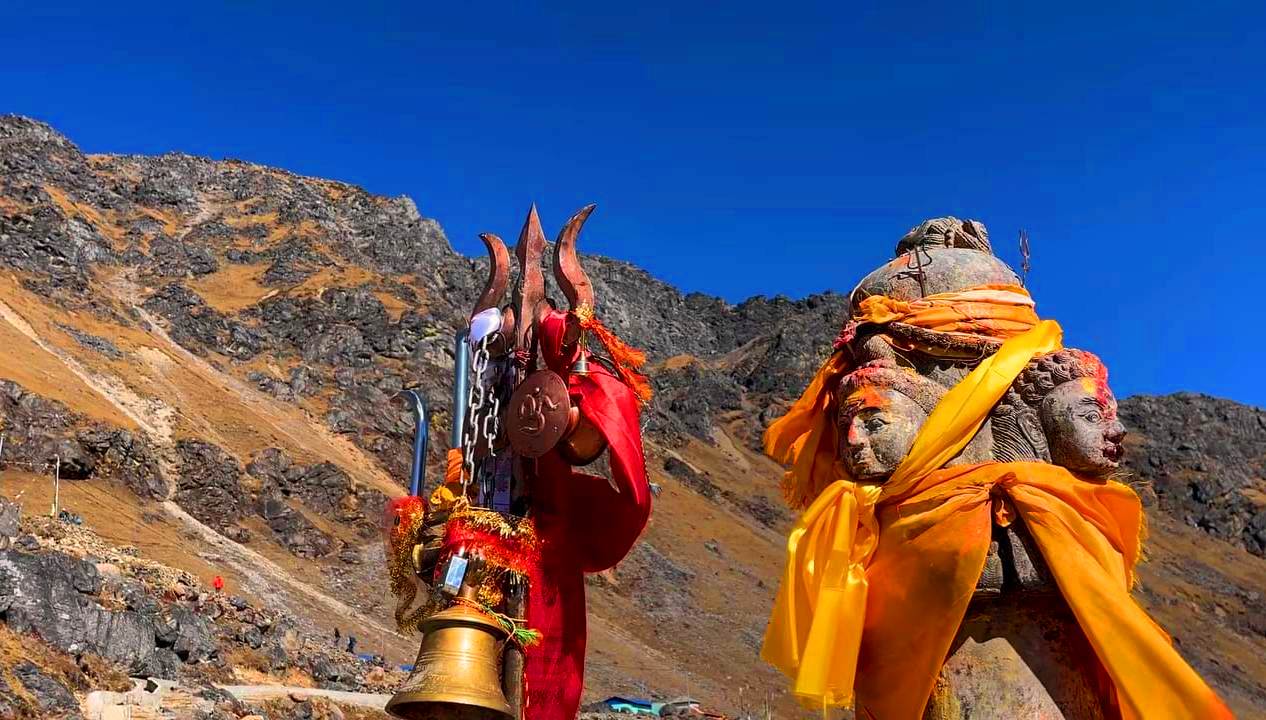
Our Gosaikunda Trekking adventure with Best of Nepal Trek was exceptionally well organized from beginning to end. The guide and porters were friendly, professional and always ready to help. Visiting the sacred Gosaikunda Lake was the highlight of our journey and the breathtaking panoramic mountain views made every step worthwhile. We had a fantastic trip and highly recommend Best of Nepal Trek to anyone planning the Gosaikunda Trek in Nepal.
Anna
,Australia
Amazing Gosaikunda Trek Experience
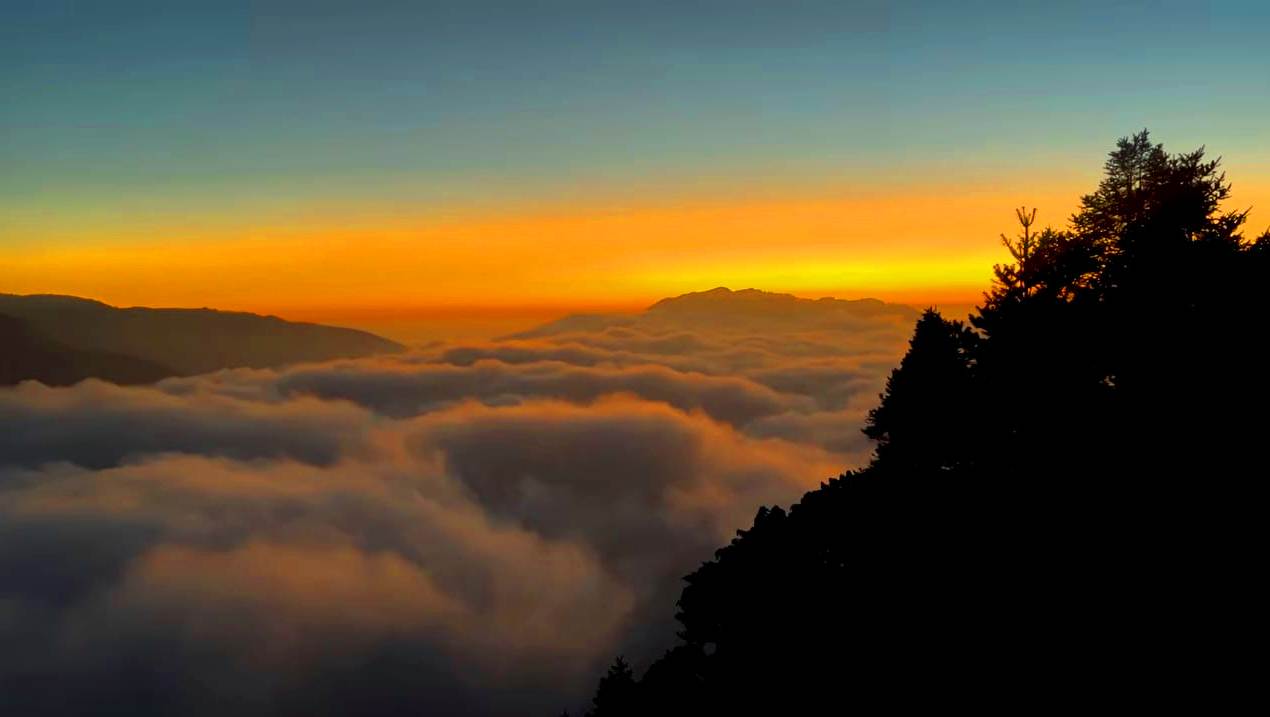
Our Gosaikunda Trek with Best of Nepal Trek was challenging but incredibly rewarding. The stunning Himalayan scenery, peaceful trails and warm hospitality made every moment unforgettable. Our guide, Dipak Sapkota, was knowledgeable, friendly and supportive throughout the trek. Everything was professionally organized, making our adventure safe, enjoyable and truly memorable. We highly recommend Best of Nepal Trek for anyone planning the Gosaikunda Trek in Nepal.
Jennifer,
,Canada
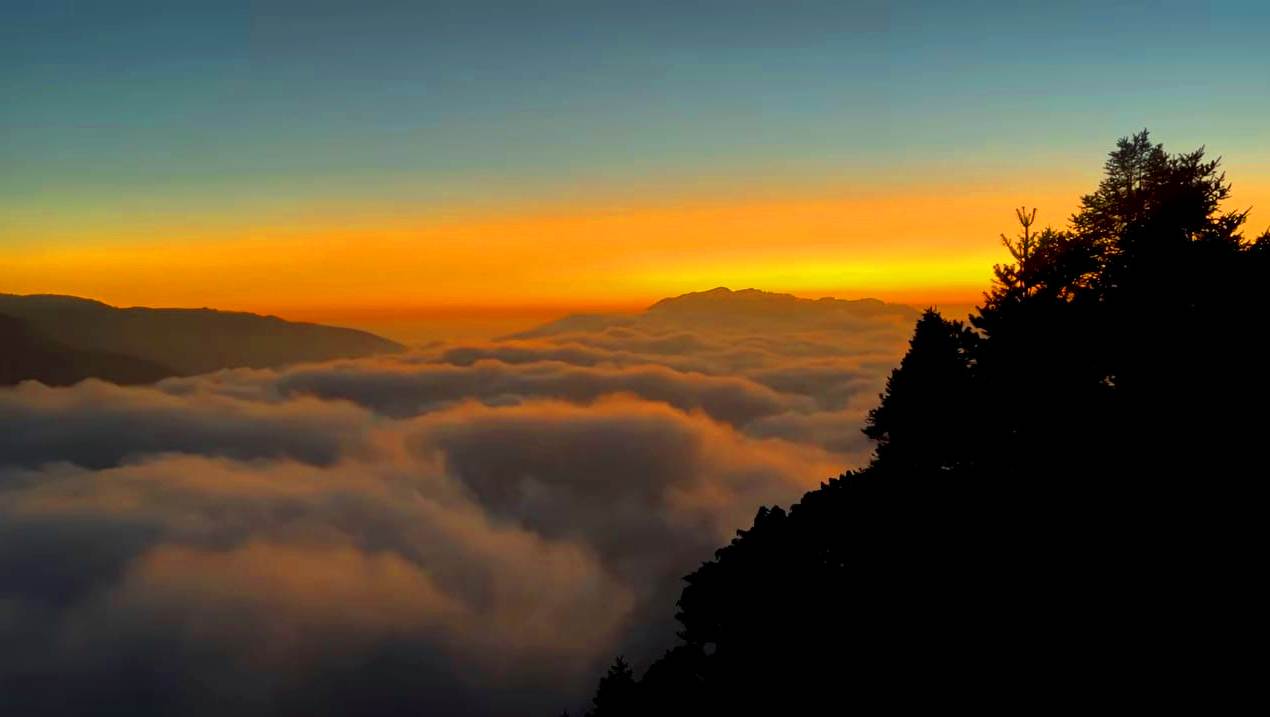
Memorable Himalayan Journey with Guide Wangchhu
Our group had an incredible experience completing the Gosaikunda Trek with Best Of Nepal Trek. The journey was filled with breathtaking Himalayan views, calm and peaceful trails and the spiritual beauty of the sacred Gosaikunda Lake.
A special thanks to our guide, Mr. Wangchhu, for his excellent support, friendly nature and professional guidance throughout the trek. The whole trip was well managed, safe and truly memorable.Stefan
,Nederland
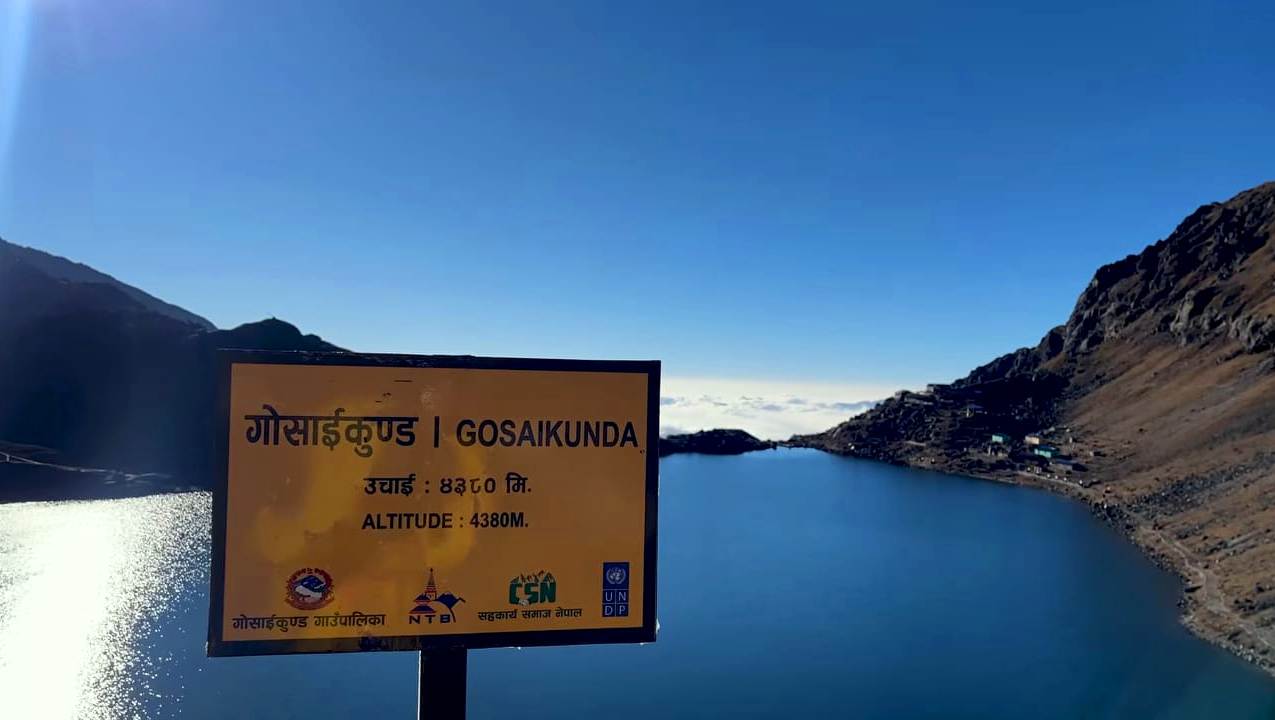
Amazing Trekking Experience
My family and I completed the Gosaikunda Trek on June 10 with Best Of Nepal Trek, and it was a wonderful experience. The beautiful mountain scenery, peaceful trails and sacred Gosaikunda Lake made the journey truly unforgettable.
A special thanks to our guides, Rabin and Raju, for their excellent support, friendly nature and professional service throughout the trek. They made our trip safe, comfortable and enjoyable. We highly recommend Best Of Nepal Trek for an amazing trekking experience in Nepal.Kira Nanna
,USA