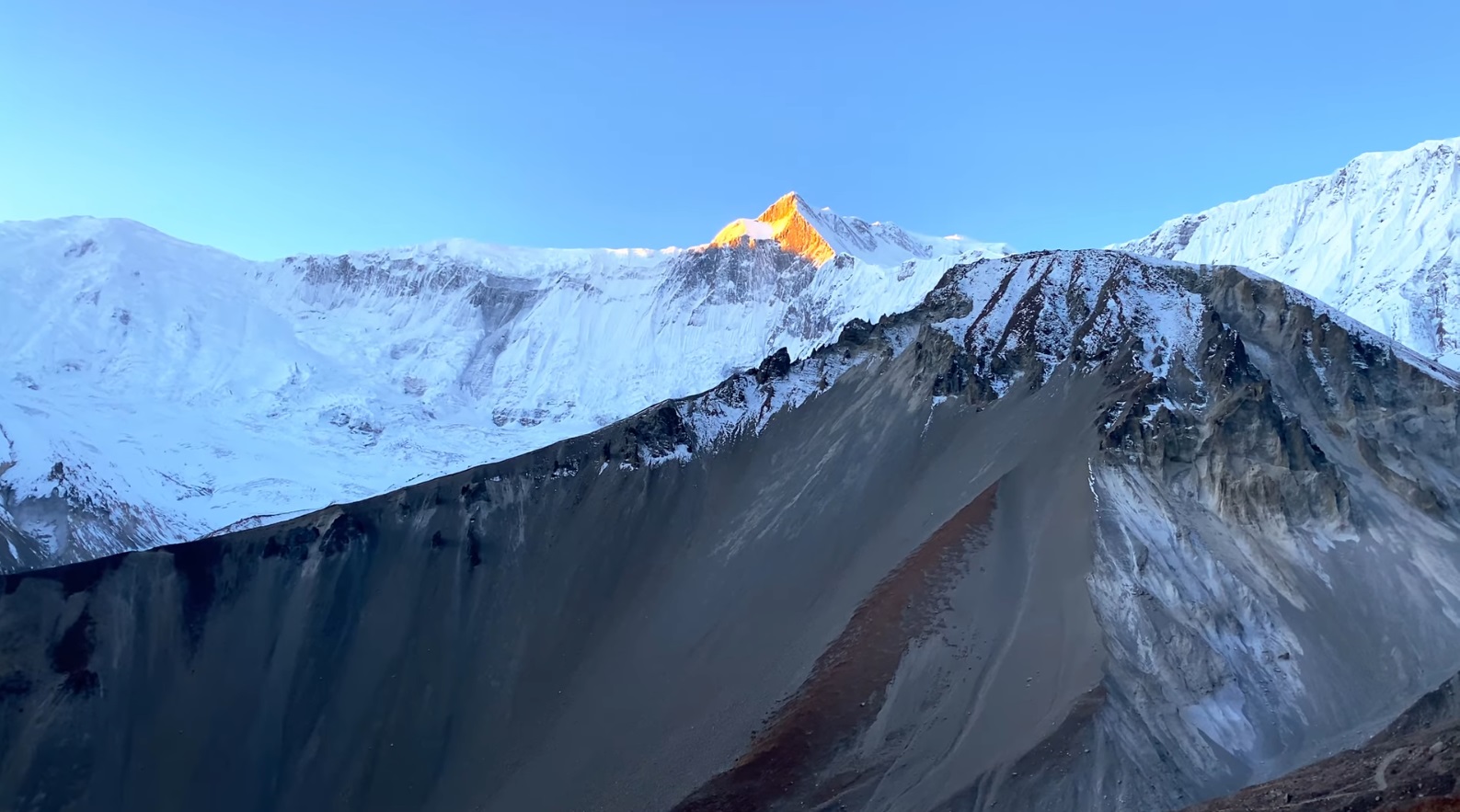
Annapurna Circuit Trek
Destination:
Nepal
Trip Duration:
15 Days
Max Altitude:
Thorong La pass 5,416m
Activities:
Trekking
Start Point:
Kathmandu
Ending Point:
Kathmandu
Region:
Annapurna
Trip Grade:
Moderate
Group Size:
1-15
Accomodation:
Hotel/Normal Teahouses
Meals:
Breakfast, Lunch and Dinner during trekking
Transportation:
Car/Tourist Bus
Permits Required:
Annapurna Conservation Area Permit (ACAP)
Best Season:
March, April, May and Sept, Oct, Nov
Walk along one of the world’s most spectacular trekking routes with the Annapurna Circuit Trek, an unforgettable Himalayan journey through dramatic mountain landscapes, deep river valleys, lush forests, diverse flora and fauna, traditional villages, terraced farmlands and culturally rich local communities. The Annapurna Circuit Trek in Nepal combines adventure, nature, spirituality and authentic Himalayan experiences in one remarkable journey.
The trek begins in the lower hills, where travelers encounter traditional Nepali villages, fertile farmland, Hindu temples, rivers, suspension bridges and diverse local communities. As the trail follows the Marsyangdi River Valley toward Manang, the landscape gradually changes and the influence of Tibetan Buddhist culture becomes more prominent. Monasteries, chortens, mani walls, prayer wheels, prayer flags and traditional stone houses become familiar features along the trail.
Depending on the itinerary and transportation arrangements, the Annapurna Circuit Trek covers approximately 160–230 km (100–145 miles) and generally takes 11–20 days. Trekkers typically walk around 5–8 hours per day, making the journey a moderate to challenging trek. The highest point is Thorong La Pass at 5,416 meters (17,769 feet). Although the pass involves a demanding ascent and high-altitude conditions, the trek does not require technical mountaineering skills. Tilicho Lake (4,919 m) can also be included as an optional side trip for travelers looking for an extended itinerary.
The journey commonly begins with a scenic drive from Kathmandu to Besisahar, passing through lively towns, riverside settlements, terraced farmland, traditional houses and beautiful hill landscapes. Depending on the selected itinerary, transportation may continue toward Dharapani or Chame, allowing trekkers to focus more time on the scenic mountain trails. From there, the route follows the Marsyangdi Valley through forests, waterfalls, villages and increasingly dramatic Himalayan scenery before reaching Manang (3,540 m).
After an important acclimatization period in Manang, the trail continues toward Yak Kharka and Thorong Phedi before crossing Thorong La Pass. The challenging pass crossing is followed by a dramatic descent to Muktinath (around 3,800 m), one of Nepal’s most important pilgrimage destinations, revered by both Hindus and Buddhists.
The journey then continues through Kagbeni, Marpha and Jomsom along the spectacular Kali Gandaki Valley. Depending on the itinerary, trekkers can finish around Jomsom and travel onward to Pokhara or continue farther south along the valley.
Beyond the scenery, the Annapurna Circuit Trek provides meaningful opportunities to experience local Himalayan life. With an experienced local guide, travelers can interact respectfully with villagers, observe traditional farming, see children and students going about their daily routines, learn about local occupations and discover the customs and traditions of communities along the route.
For travelers seeking a journey that combines mountains, culture, nature, spirituality, adventure and authentic local experiences, the Annapurna Circuit Trek offers an unforgettable way to explore the diverse landscapes and living heritage of the Nepal Himalayas.
Annapurna Circuit Trek Highlights
- Diverse Annapurna Circuit Trail: Trek through an extraordinary range of landscapes, from lush valleys, forests and terraced farmland to rugged alpine and Trans-Himalayan terrain.
- Panoramic Himalayan Mountain Views: Enjoy spectacular views of Annapurna I, II, III and IV, Dhaulagiri, Manaslu and numerous surrounding Himalayan peaks.
- Cross Thorong La Pass (5,416 m): Reach the highest point of the Annapurna Circuit Trek and experience one of the most challenging and rewarding moments of the journey.
- Explore the Manang Valley: Discover traditional mountain settlements, dramatic landscapes, Buddhist monasteries and the distinctive high-altitude culture of the Manang region.
- Marsyangdi River Valley: Follow the Marsyangdi River through deep gorges, forests, waterfalls, suspension bridges, terraced hillsides and traditional villages.
- Marsyangdi River Valley: Follow the Marsyangdi River through deep gorges, forests, waterfalls, suspension bridges, terraced hillsides and traditional villages.
- Experience Local Himalayan Culture: Meet local communities and learn about their traditions, architecture, livelihoods, hospitality and everyday mountain life.
- Visit Sacred Muktinath: Explore Muktinath, an important pilgrimage site revered by both Hindus and Buddhists, located at approximately 3,800 meters.
- Beautiful Kali Gandaki Valley: Trek through one of the world's deepest river valleys, surrounded by the Annapurna and Dhaulagiri mountain ranges and distinctive dry Himalayan landscapes.
- Rich Flora and Fauna: Experience changing ecosystems ranging from subtropical forests to alpine environments, with opportunities to observe Himalayan plants, birds and wildlife.
- Optional Tilicho Lake Adventure: Add a side trip to Tilicho Lake (4,919 m) for an extended and more diverse Annapurna trekking experience.
- Authentic Teahouse Experience: Stay in local mountain lodges, enjoy traditional Nepali meals and experience the warm hospitality of Himalayan communities.
- A Complete Himalayan Adventure: Combine mountains, culture, nature, spirituality, adventure and local experiences on one of Nepal’s most iconic trekking journeys.
Route of the Annapurna Circuit Trek: A Complete Trail Overview
The Annapurna Circuit Trek begins with a scenic drive from Kathmandu to Besisahar, following the popular Prithvi Highway through Nepal’s changing landscapes. Along the journey, travelers can observe riverside settlements, traditional houses, green agricultural fields, farmers working in their fields, students and local communities going about their daily lives, with beautiful hills gradually rising on both sides of the road. As the journey continues westward, the road enters the spectacular Marsyangdi River Valley, surrounded by waterfalls, forests, mountain villages and dramatic river gorges.
From Besisahar, we continue by local bus or 4WD jeep toward Chame, passing through traditional Himalayan settlements and increasingly rugged mountain scenery. This modern approach reduces walking on lower road sections and allows trekkers to spend more time on scenic trails at higher elevations.
The main trekking journey begins around Chame, continuing through Pisang and Manang. The trail passes through pine forests, traditional villages, Buddhist monasteries, prayer flags, mani walls, and beautiful high mountain valleys. From Manang, the route gradually climbs toward Yak Kharka and Thorong Phedi, with appropriate acclimatization before crossing Thorong La Pass (5,416 m).
After crossing the pass, the trail descends to the sacred pilgrimage site of Muktinath and continues through Kagbeni, Marpha and Jomsom along the spectacular Kali Gandaki Valley. The landscape changes from alpine mountains to the dry, Tibetan-influenced terrain of Mustang.
Although road development has changed parts of the traditional circuit, scenic walking trails and alternative routes remain available. Combining selected road transfers with trekking trails creates a practical, comfortable and rewarding Annapurna Circuit Trek from Kathmandu.
Include
Our Annapurna Circuit Trek package is meticulously designed to provide maximum comfort, safety, and a seamless Himalayan experience. Every essential service is included to ensure a stress-free, well-organized and unforgettable journey from arrival to departure.
Package Includes:
- Airport Transfers: Hassle-free private pick-up and drop-off in Kathmandu.
- Hotel Stays: Twin-share accommodation in 3-star hotels in Kathmandu and Pokhara with daily breakfast.
- Trek Accommodation: Clean, cozy teahouse/lodge stays on the trail (twin-share basis).
- All Meals: Breakfast, lunch, and dinner daily during the trek, plus one hot drink per meal and seasonal fruit.
- Expert Team: A licensed, English-speaking trekking guide and porters (1 porter per 2 trekkers). All their wages, insurance, meals, and gear are covered.
- All Permits: Annapurna Conservation Area Permit (ACAP) and TIMS Card.
- All Ground Transport: Including tourist bus/jeep from Kathmandu to Tal and Muktinath/Jomsom to Pokhara and return to Kathmandu.
- Administrative Coverage: All government taxes, service charges and official fees.
- Complimentary Gear: A durable duffel bag for your trek.
- Souvenirs: A detailed trekking map and an official trip completion certificate.
Exclude
While our Annapurna Circuit Trek package covers all essential services, the following items are not included and should be planned for separately:
Package Excludes:
- International flights & Nepal entry visa.
- Travel insurance (mandatory, with high-altitude evacuation cover).
- Lunches & dinners in Kathmandu/Pokhara.
- Personal expenses (snacks, bottled water, hot showers, Wi-Fi, battery charging, tips).
- Optional activities and any costs due to unforeseen events.
Annapurna Circuit Trek Itinerary
Arrive at Tribhuvan International Airport, where our representative will welcome you and transfer you to your hotel. After check-in, relax or explore the lively streets of Thamel. In the evening, attend a short trek briefing.
Accomodation:
3 Star Hotel/Resort
Your Annapurna Circuit adventure kicks off with a spectacular, full-day drive from the bustling capital of Kathmandu into the serene Himalayan foothills. The journey winds along Nepal’s scenic highways and mountain roads, following the banks of the Trishuli and Marsyangdi Rivers.
As you leave the city behind, the landscape transforms. Lush terraced fields, traditional villages, and cascading waterfalls paint the views from your window, offering a perfect prelude to the trek ahead. The drive itself is a cultural immersion, passing through vibrant market towns and offering glimpses of daily rural life in Nepal.
Your destination is Tal, a peaceful village whose name means “lake” in Nepali. Nestled in a broad, flat valley beside the Marsyangdi River, Tal is your first introduction to the tranquility of the trekking trail. After the long journey, you’ll check into a cozy teahouse, enjoy a hearty welcome dinner, and rest up for the first steps on the trail tomorrow.
Pro Tip: This is a long travel day. Pack water, snacks, and a good book or playlist. Have your camera ready—the vistas are stunning, and this journey sets the tone for the epic days to come.
Trip Duration:
10 Hours Drive
Accomodation:
Normal Teahouse
Meals:
Breakfast, Lunch & Dinner
Leaving the serene valley of Tal, your Annapurna Circuit trek continues with a steady ascent deeper into the Marsyangdi River Valley. Today’s trail is a beautiful immersion in Nepal’s mid-hill landscapes, characterized by lush forests, rustic villages, and the constant, thunderous soundtrack of the river below.
The path climbs gradually on well-defined trails, winding through refreshing pine and rhododendron forests. You’ll pass several dramatic waterfalls cascading down the valley walls and cross sturdy suspension bridges over side streams. Keep an eye out for langur monkeys in the trees and colorful prayer flags marking small villages.
Your destination, Danakyu (sometimes called Dharapani, though officially a bit further), is a small, traditional settlement. Arriving here marks a noticeable shift, as you begin to see more pronounced Tibetan Buddhist influence in the architecture with mani walls and chortens appearing along the trail. After a rewarding day of hiking, you’ll settle into a welcoming teahouse, with the sounds of the river ensuring a peaceful night’s rest.
Pro Trekking Tip: This is a great day to find your sustainable hiking rhythm. Pace yourself, drink plenty of water, and take short breaks to enjoy the waterfalls and views. Your body will thank you as the altitude slowly increases.
Trip Duration:
6-7 Hours
Accomodation:
Normal Teahouse
Meals:
Breakfast, Lunch & Dinner
Today’s trek on the Annapurna Circuit marks a significant transition as you officially enter the Manang District, a region renowned for its stark, high-altitude beauty and deep Tibetan Buddhist culture. The trail continues its steady climb alongside the powerful Marsyangdi River, leading you into the heart of the Himalayas.
The path winds through fragrant pine forests and past traditional stone villages. You’ll notice the architecture changing, with more slate-roofed houses and intricately carved mani walls lining the route. The sense of entering a sacred landscape grows stronger with each step.
Your destination, Chame, is the bustling administrative headquarters of the Manang District. Arriving here is a milestone, as the valley opens up to reveal your first breathtaking, close-up views of major snow-capped peaks. To the south, the imposing mass of Lamjung Himal dominates the skyline, while the iconic, razor-edged summit of Annapurna II comes into clear view for the first time—a powerful preview of the heights to come.
Pro Trekking Tip: Take time in Chame to explore the village and visit its small Buddhist monastery or the natural hot springs just across the river—a perfect way to soothe your muscles. Use the afternoon sun to dry any gear from the trail. The air is getting drier and cooler; ensure you are drinking extra water to stay hydrated.
Trip Duration:
5-6 Hours
Accomodation:
Normal Teahouse
Meals:
Breakfast, Lunch & Dinner
Today presents a critical and rewarding choice on the Annapurna Circuit: the high route versus the low road. For the most spectacular scenery and essential acclimatization, you must take the high trail to Upper Pisang. This path climbs steeply out of the Marsyangdi Valley onto a high, arid shelf, offering a dramatic shift in landscape and some of the trek’s most breathtaking panoramic views.
The ascent is challenging but immensely rewarding. As you gain altitude, the valley unfolds beneath you. The trail passes through ancient, windswept forests of juniper and pine before emerging onto open slopes. The Tibetan Buddhist influence becomes profoundly pronounced here. You’ll pass colorful mani walls, stone chortens, and the constant whisper of prayer flags in the mountain wind.
Your destination, Upper Pisang, is a traditional village clinging to the mountainside. Its stone houses and narrow alleys feel centuries old, centered around a historic Buddhist monastery. The real reward is the view: a staggering, unobstructed panorama of the entire Annapurna massif, with the sheer north face of Annapurna II and the towering peak of Pisang Peak feeling close enough to touch. This is a premier photography and sunset spot on the entire circuit.
Pro Trekking Tip: The extra altitude gain today is excellent for acclimatization, but it demands respect. Drink plenty of water and pace yourself on the steep climb. The air is noticeably thinner and drier at 3,300m. Staying in Upper Pisang over Lower Pisang is a key strategic decision for a healthier, more scenic ascent.
Trip Duration:
4-5 Hours
Accomodation:
Normal Teahouse
Meals:
Breakfast, Lunch & Dinner
Leaving the timeless village of Upper Pisang, today’s leg of the Annapurna Circuit reveals the trek’s most dramatic geographical transformation. The trail traverses a high, arid desert landscape, a stark contrast to the lush forests below. You are now deep in the Manang Valley, a vast, dry plateau surrounded by some of the world’s highest peaks, where the terrain and culture are distinctly Tibetan.
The path offers two options: a direct route or the longer, highly recommended high trail via Ghyaru and Ngawal. The high route adds time but rewards with unparalleled, close-up views of Annapurna II, III, and IV, and passes through ancient villages with thousand-year-old monasteries. Whichever path you choose, you’ll witness a breathtaking, almost Martian landscape of eroded cliffs and hardy, wind-swept vegetation.
Your destination is Manang (3,540m), the bustling capital and main acclimatization hub of the region. This lively settlement is a haven for trekkers, with bakeries, gear shops, and a small cinema. Your key cultural stop here is the ancient Braga Monastery (Bragga Gompa), perched dramatically on a cliffside above the village. One of the oldest in Nepal, its dimly lit interiors are filled with ornate statues, historic thangkas, and an atmosphere of profound serenity.
Pro Trekking Tip: Arriving in Manang marks the start of your critical acclimatization phase. Do not rush today. Explore Braga Monastery in the afternoon and begin planning your rest day activities. The air is thin and dry; prioritize hydration and watch for early signs of altitude. You have entered the heart of the high Himalayas.
Trip Duration:
5-6 Hours
Accomodation:
Normal Teahouse
Meals:
Breakfast, Lunch & Dinner
This is not a day of inactivity; it is a strategic and vital component of your Annapurna Circuit success. The rule of “climb high, sleep low” is essential for adapting safely to altitude. Spending a second night in Manang (3,540m) while taking an active hike to a higher elevation is the best way to prepare your body for the challenges of Thorong La Pass.
You have several stunning options, each offering a different level of challenge and reward:
- Chongkor Viewpoint (Short & Sweet): A steady 1-2 hour climb to a ridge above Braga Monastery. The effort is rewarded with a 360-degree panoramic view of the Annapurna Range, Gangapurna Glacier, and the entire Manang Valley. Perfect for a lighter day.
- Gangapurna Lake & Glacier (Moderate): A 3-4 hour round trip hike to the terminal moraine of the massive Gangapurna Glacier, where a serene glacial lake sits at its base. This hike offers dramatic, close-up views of the glacier’s blue ice seracs.
- Ice Lake / Kicho Tal (Challenging): The most demanding and rewarding option. A 5-6 hour, steep ascent to a breathtaking turquoise lake situated at approximately 4,600m. This rigorous hike provides exceptional acclimatization and unforgettable alpine scenery.
Pro Acclimatization Tip: Choose a hike, do not remain sedentary. Even the Chongkor Viewpoint walk provides crucial physiological benefits. Regardless of your choice, drink more water than you think you need, eat well, and spend the afternoon relaxing in Manang. Monitor yourself for any signs of altitude sickness. This day is your single best investment for a safe and successful pass crossing.
Trip Duration:
3-6 Hours round trip
Accomodation:
Normal Teahouse
Meals:
Breakfast, Lunch & Dinner
Today, you embark on a spectacular and challenging detour from the main Annapurna Circuit towards Tilicho Lake, one of the highest lakes in the world. This side trip is a premier adventure for experienced trekkers, demanding good fitness and proven acclimatization.
Leaving the comforts of Manang, the trail climbs steadily through the dramatic, barren landscape of the Jarsang Khola valley. The path is rocky and exposed, offering stark, beautiful vistas of the surrounding peaks. The sense of remoteness is palpable as you leave the main trail behind. After a few hours, you’ll reach the small settlement of Khangsar, the last permanent village, before continuing on the increasingly rugged path.
Your destination is Tilicho Base Camp, a sparse collection of very basic lodges perched at 4,150m. Facilities here are minimal—expect shared dormitory-style rooms, simple meals, and no heating beyond the dining room stove. This is a true high-altitude outpost, and the thin, cold air is a serious test of your acclimatization.
Pro Trekking Tip: This is a significant altitude gain. Move slowly and drink constantly. The short trekking time is deceptive; the altitude makes the effort substantial. Use the afternoon at base camp to rest, hydrate, and prepare mentally and physically for the demanding ascent to Tilicho Lake tomorrow. Ensure your headlamp and warmest layers are easily accessible for an early start.
Trip Duration:
4-5 Hours
Accomodation:
Normal Teahouse
Meals:
Breakfast, Lunch & Dinner
This is one of the most demanding and spectacular days on the entire Annapurna Circuit itinerary. It begins with a pre-dawn start for the strenuous, switchbacking climb to Tilicho Lake (4,919m). The trail is steep, rocky, and entirely above 4,500m, demanding excellent acclimatization, steady pacing, and mental resilience.
The immense effort is rewarded upon arrival at the lake’s shore. Tilicho Lake is a breathtaking sight—a vast, turquoise expanse of glacial meltwater cradled in a stark, rocky amphitheater beneath the towering peaks of the Great Barrier and Tilicho Peak. The sense of achievement and the sublime, otherworldly beauty of this high-altitude sanctuary are unforgettable.
After spending time at the lake, you begin the long, steep, and knee-jarring descent. The trail down is often loose and requires careful footing. You will not return to the Base Camp, but instead follow a descending traverse that eventually rejoins the main Annapurna Circuit trail at Shree Kharka (4,050m), a small settlement with basic teahouses.
Pro Trekking Tip: This day is a true test. Use trekking poles for stability on the ascent and to save your knees on the descent. Pack high-energy snacks and at least 3 liters of water. Weather can change rapidly at the lake; carry all essential layers. Success today is a major indicator of your readiness for Thorong La Pass. Listen to your body, and if you feel unwell at any point, begin descending immediately.
Trip Duration:
6-7 Hours
Accomodation:
Normal Teahouse
Meals:
Breakfast, Lunch & Dinner
After the monumental effort of Tilicho Lake, today offers a relatively shorter and gentler trekking day, allowing your body to recover while still making progress towards Thorong La Pass. You will fully rejoin the classic main Annapurna Circuit trail, continuing the steady ascent up the serene and expansive Marsyangdi Valley.
The trail from Shree Kharka is well-defined and contours along the valley’s western slopes. The landscape remains a dramatic high-altitude desert, with sparse grasses and hardy shrubs. The walking is pleasant, with only gentle elevation gain, offering panoramic views of the surrounding peaks and the valley floor far below. You’ll likely encounter herds of yaks and dzopkyos (yak-cow hybrids) grazing, a reminder of the traditional pastoral life that persists here.
Your destination, Yak Kharka (“Yak Meadow”), is a small cluster of teahouses situated at 4,110m. It’s a peaceful and essential stop, perfectly positioned for the upcoming push to the pass. The atmosphere is quieter and more remote than Manang, reinforcing the sense of being deep in the high Himalayas.
Pro Trekking Tip: Use this shorter day as active recovery. Focus on hydration and nutrition to replenish your body. This is an excellent time to check your gear, ensure your warm layers are ready, and mentally prepare for the significant climbs ahead. The air is thin; continue to monitor yourself for any signs of altitude sickness. Enjoy the stark beauty and the simplicity of life at this elevation.
Trip Duration:
4-5 Hours
Accomodation:
Normal Teahouse
Meals:
Breakfast, Lunch & Dinner
Today is a short but strategic climb to the final staging point before your Thorong La Pass crossing. The trail ascends steadily up the barren valley, following the Jarsang Khola river. The path is clear and the walking is straightforward, but the increasing altitude makes every step more demanding. You will pass the small settlement of Ledar before a final, steeper climb brings you to Thorong Phedi (“Foot of the Thorong”).
Thorong Phedi (4,600m) is not a village but a dedicated cluster of basic lodges serving trekkers. It sits in a dramatic, rocky gorge directly beneath the massive wall that leads to the pass. This is your last chance for proper rest and preparation. Facilities are very basic, and the cold is penetrating. The dining hall will be full of trekkers sharing a mix of nervous energy and quiet resolve.
Pro Trekking Tip: Your entire focus today is rest and preparation. Consciously drink 4-5 liters of water to combat dehydration and aid acclimatization. Organize your pack for tomorrow: have your headlamp, warmest layers (down jacket, gloves, hat), snacks, and water easily accessible for a pre-dawn start. Go to bed early. This is a critical rest stop—do not be tempted to push on to High Camp unless you are exceptionally well-acclimatized and confident, as sleeping higher significantly increases the risk of AMS. Your body needs this night at a “lower” altitude to prepare for the extreme effort ahead.
Trip Duration:
4-5 Hours
Accomodation:
Normal Teahouse
Meals:
Breakfast, Lunch & Dinner
This is the climactic and most demanding day of the Annapurna Circuit. It begins with a pre-dawn start (around 4-5 AM) using your headlamp to navigate the steep, switchbacking trail out of Thorong Phedi. The 4-5 hour ascent to the pass is a strenuous, continuous climb in thinning air over rocky, often snowy terrain. Pace is everything—find a slow, steady rhythm you can maintain.
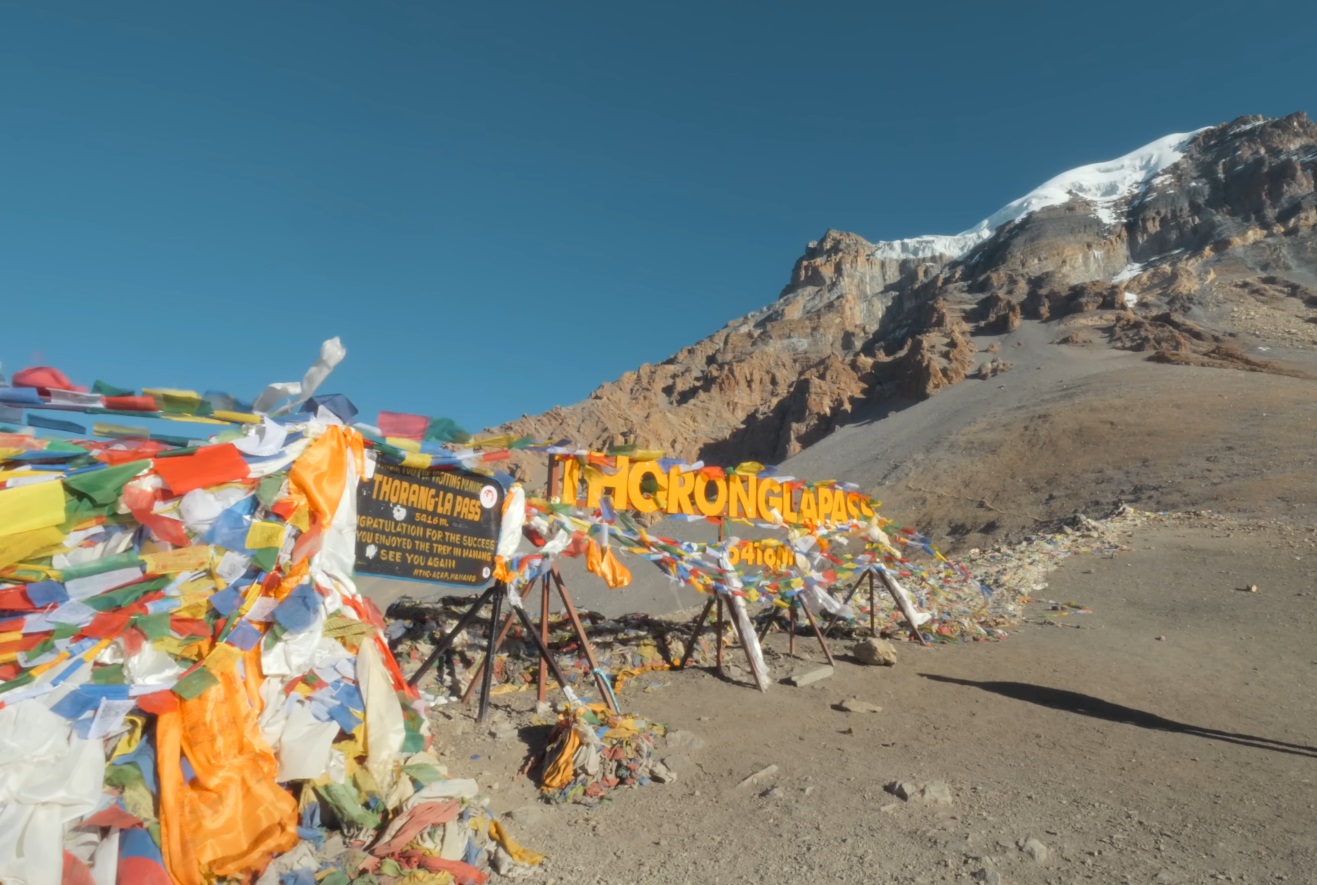
Reaching the stone-piled cairns and prayer flags of Thorong La Pass (5,416m / 17,769 ft) is a profound moment of achievement. You are standing on one of the world’s highest trekking passes, surrounded by a 360-degree Himalayan panorama of the Annapurna and Dhaulagiri massifs. Celebrate briefly, but don’t linger too long; the descent is long and challenging.
The 3-4 hour descent to Muktinath is notoriously steep and hard on the knees, dropping over 1,600 meters down a loose, dusty trail into the Kali Gandaki Valley. Your destination is the sacred pilgrimage town of Muktinath (3,800m), a site revered by both Hindus and Buddhists for its eternal flame and 108 water spouts.
Pro Trekking Tip: Trekking poles are essential for stability on the ascent and to save your knees on the descent. Layer meticulously—it will be freezing at the pass but warm in the valley. Carry high-calorie snacks and at least 3 liters of water. The key to success is a slow, steady pace from the very first step. Listen to your guide and your body; this is a day for mental fortitude as much as physical strength.
Trip Duration:
8-9 Hours
Accomodation:
Normal Teahouse
Meals:
Breakfast, Lunch & Dinner
Your trek concludes with a long but spectacular drive down the legendary Kali Gandaki Gorge, the deepest gorge in the world. After a final look at the sacred site of Muktinath, you’ll board a vehicle for a journey that showcases a dramatic reversal of the landscapes you’ve traversed over the past two weeks.
The rugged road winds its way down the arid, wind-sculpted valley, passing through the bustling hub of Jomsom and the iconic apple-growing village of Marpha. Gradually, the barren, high-altitude desert gives way to lush, green hillsides, cascading waterfalls, and terraced farms as you descend thousands of meters. The change in air—thicker, warmer, and more humid—is immediately noticeable.
Your destination is Pokhara, Nepal’s picturesque lakeside city. Arriving here feels like a return to another world. The sight of Phewa Lake with the majestic Machhapuchhre (Fishtail Mountain) reflected in its waters is the perfect serene finale to your Himalayan journey. Tonight, enjoy a well-earned celebration, a hot shower, and the comfort of a proper bed.
Pro Travel Tip: This is a full travel day on a rough road. Have your camera accessible for stunning gorge views, but also pack water, snacks, and patience. Upon arrival in Pokhara, take time to relax and reflect on your incredible accomplishment. The journey from the high desert of Muktinath to the subtropical warmth of Pokhara beautifully bookends the immense diversity of the Annapurna Circuit.
Trip Duration:
8-9 hour drive
Accomodation:
3 Star Hotel/Resort
Meals:
Breakfast & Lunch
Your Annapurna Circuit adventure officially concludes with your return to Nepal’s vibrant capital, Kathmandu. You have two main travel options, each offering a different experience to cap off your journey.
The most common choice is a scenic 6-7 hour drive along Nepal’s winding Prithvi Highway. The road follows the Trishuli River, offering glimpses of rural life, terraced hillsides, and river valleys—a gentle transition from the mountains. Alternatively, you can opt for a 25-minute flight from Pokhara to Kathmandu. This provides a breathtaking, birds-eye aerial farewell to the Annapurna range on a clear day, though flights are subject to weather conditions.
Arriving back in Kathmandu, you’ll return to the familiar buzz of the city. This is the time to celebrate your achievement, perhaps with a farewell dinner, share stories with your trekking team, and complete any last-minute souvenir shopping in Thamel.
Pro Travel Tip: If you drive, the road can be bumpy and traffic-heavy; consider it part of the cultural experience. If you fly, book a morning flight for better visibility and to mitigate potential weather delays. Use your final afternoon to relax, visit a spa for a post-trek massage, or simply reflect on the incredible landscapes, culture, and personal strength you’ve experienced on one of the world’s greatest treks.
Trip Duration:
6-7 hours drive
Accomodation:
3 Star Hotel/Resort
Meals:
Breakfast
Your incredible Annapurna Circuit trekking journey comes to an end today. Depending on your flight schedule, a representative will provide a timely transfer from your hotel to Tribhuvan International Airport in Kathmandu. Depart with unforgettable memories of the Himalayas, vibrant cultures and scenic trails.
We hope to see you again for your next adventure in Nepal!
Meals:
Breakfast
Trek Packing List: Essential Gear for the Annapurna Circuit Trek
A well-planned packing list is crucial for safety and comfort on the Annapurna Circuit Trek. The key is layering and preparedness for rapidly changing conditions—from warm, sunny valleys to freezing, windy passes.
Clothing (Layering System)
- Base Layers: Moisture-wicking thermal tops and bottoms (synthetic or merino wool).
- Mid Layers: Fleece jacket or lightweight down vest for insulation.
- Outer Layers: Waterproof and windproof jacket (Gore-Tex recommended) and rain pants.
- Trekking Bottoms: Convertible or quick-dry trousers, plus thermal leggings for cold nights/high camps.
- Footwear: Well-broken-in waterproof hiking boots, warm socks (wool blend), and camp shoes/sandals.
Essential Gear
- Backpack: 40-60L backpack with a waterproof cover. A separate daypack if using a porter.
- Sleeping: Sleeping bag rated to at least -10°C (teahouse blankets are basic).
- Hydration: Reusable water bottles or hydration bladder (3L total capacity) + water purification (tablets/filter).
- Trekking Poles: Highly recommended for steep descents and river crossings.
- Headlamp with extra batteries.
Health & Safety
- First Aid Kit: Blister care, antiseptic, bandages, pain relievers, and any personal medication.
- Altitude Sickness: Consider Diamox (acetazolamide) – consult your doctor before travel.
- Sunscreen (SPF 50+), lip balm with SPF, and high-quality sunglasses (UV protection).
- Hand sanitizer and wet wipes.
Important Extras
- Documents: Passport, permits (ACAP/TIMS), travel insurance copies, and extra passport photos.
- Cash: Sufficient Nepali Rupees (teahouses and villages rarely accept cards).
- Snacks: High-energy bars, nuts, or chocolate for trail fuel.
- Portable power bank (charging often costs extra in teahouses).
Pro Tip: Pack using compression sacks to organize your gear and keep it dry. Always carry critical layers, water, snacks, and first aid in your daypack during hikes.
Remember: Pack light, but don’t compromise on essentials for high-altitude and variable weather conditions.
Annapurna Circuit Trek FAQs
The Annapurna Circuit is graded moderate to challenging. The difficulty comes from the high altitude (max 5,416m at Thorong La Pass), long trekking days (5-8 hours), and the 12-18 day duration. It does not require technical climbing skills, but excellent physical fitness and proper acclimatization are essential.
While it is legally possible to trek independently, hiring a guide is highly recommended for safety, navigation (especially on alternative high trails away from the road), cultural insight, and managing logistics like teahouse bookings, especially in peak seasons. A guide is crucial for monitoring altitude sickness.
The best seasons are Autumn (late September to November) for stable weather and clear skies, and Spring (March to May) for warmer temperatures and blooming rhododendrons. Winter (Dec-Feb) is very cold and the pass may close, while Monsoon (June-Aug) is not recommended due to rain, leeches, and poor visibility.
Two permits are mandatory: the Annapurna Conservation Area Permit (ACAP) and the Trekkers’ Information Management System (TIMS) Card. Your trekking agency will typically arrange these for you.
Accommodation is in teahouses—basic, family-run lodges with twin-share rooms, a communal dining hall, and shared bathrooms. They provide a bed, blanket, and meals. Comfort decreases with altitude, and a warm sleeping bag is necessary.
The key is gradual ascent and proper acclimatization. Follow the “climb high, sleep low” principle, take the scheduled rest day in Manang (3,540m), stay hydrated, and recognize symptoms (headache, nausea). If symptoms worsen, descend immediately. Consult a doctor about preventive medication like Diamox before your trip.
Essentials include: broken-in hiking boots, a sleeping bag (rated -10°C), layered clothing (moisture-wicking base to down jacket), trekking poles, a headlamp, water purification, a high-capacity power bank, and personal first aid. Pack light but be prepared for all weather.
Wi-Fi is available for a fee (USD $2-5 per day) in most teahouse dining areas, but it is slow and unreliable. A local Ncell or NTC SIM card provides mobile data in many villages, but expect no signal in high, remote valleys and on the pass itself.
An all-inclusive package with a reputable agency typically costs between USD $1,400 and $2,200 for a 12-18 day trek. This covers permits, guide/porter, meals, accommodation, and transport. Independent trekking can cost less ($800-$1,200) but involves more risk and self-management.
Reputable operators include emergency helicopter evacuation coverage in their service. Guides are trained in first aid and will coordinate rescue via satellite phone if needed. This is why comprehensive travel insurance with high-altitude coverage is mandatory.
The classic Annapurna Circuit Trek is typically 12 to 18 days of trekking, covering approximately 160–230 km (100–145 miles). The exact duration depends on your starting point, itinerary, side trips (like Tilicho Lake), and pace.
Yes. Many trekkers now start further along the route by taking a jeep from Besisahar to Jagat, Dharapani, or Chame, shaving 2–3 days off the itinerary. You can also end the trek in Jomsom and take a flight to Pokhara, rather than trekking all the way out.
Teahouse menus offer a variety of local and western dishes. The staple is Dal Bhat (rice, lentil soup, and curry)—unlimited and perfect for energy. You’ll also find pasta, noodles, momos, soups, potatoes, and snacks like apple pie in Marpha. Menus become simpler and more expensive at higher altitudes.
Tap water is not safe to drink. You must purify all water. Options include using iodine/chlorine tablets, a portable water filter, or purchasing boiled/bottled water at Teahouses (which gets expensive and creates plastic waste). Carrying a reusable bottle and purification method is recommended.
No. Most trekkers hire a porter (1 porter per 2 trekkers is standard) to carry the bulk of their luggage (typically up to 15 kg/33 lbs). You only need to carry a daypack with daily essentials like water, snacks, camera, and a jacket.
A jeep road has been built on both sides of the pass. While it has changed some sections, dedicated hiking trails still exist parallel to or above the road. A good guide will keep you on these scenic, traditional footpaths. The road is primarily a logistical consideration, not a reason to avoid the trek.
Winter trekking (Dec–Feb) is possible but significantly more challenging and risky. Temperatures drop well below freezing, especially at Thorong Phedi and the pass (as low as -20°C/-4°F). The pass may be closed by snow, and teahouse services are limited. It is only recommended for very experienced, well-equipped trekkers.
There are no reliable ATMs on the trek. The last reliable ATMs are in Besisahar at the start and in Jomsom on the descent. You must carry enough Nepali Rupees (cash) for the entire trek to pay for extras like snacks, charging, Wi-Fi, hot showers, and tips. Plan for approximately USD $20–$30 per day for these personal expenses.
Focus on cardiovascular endurance and leg strength. Ideal training includes: hiking with a loaded backpack on hills or stairs, long-distance running or cycling, and leg workouts (squats, lunges). Aim to comfortably walk 5–7 hours a day with elevation gain for several consecutive days before your trip.
- Dress modestly (cover shoulders and knees).
- Always walk clockwise around mani walls, chortens, and stupas.
- Ask for permission before taking photos of people.
- Use your right hand for giving/receiving items and eating.
- Remove your shoes before entering monasteries and homes.
- A friendly “Namaste” with palms together is the standard greeting.
Annapurna Circuit Trek Good To Know
The Annapurna Circuit Trek earns its legendary status through incredible diversity. The journey begins in the lush, terraced foothills of Nepal, winding through traditional villages and subtropical forests. Trekkers cross thrilling suspension bridges over dramatic gorges and pass ancient monasteries, witnessing a profound transformation in scenery.
This route masterfully showcases a complete Himalayan transition. The landscape shifts from fertile lowlands to the arid, Tibetan-like high-altitude desert of the Manang region. The trek’s ultimate challenge and climax is crossing the Thorong La Pass at 5,416 meters, a formidable ascent rewarded with unforgettable panoramic views of Annapurna, Dhaulagiri, and surrounding peaks. It is this seamless blend of cultural immersion, geographical variety, and high-altitude achievement that solidifies its place as a world-class trek.
The Annapurna Circuit passes through a remarkable cultural crossroads where ancient Himalayan trade routes, diverse communities, religious traditions, and centuries-old mountain settlements come together. Along the journey, travelers experience not only dramatic landscapes but also a living heritage shaped by trade, agriculture, pilgrimage and cultural exchange between Nepal, Tibet and the surrounding Himalayan regions.
A Historic Himalayan Trade Route
For centuries, the Kali Gandaki Valley served as an important trading corridor between the Nepalese hills, Mustang, and Tibet. Traders transported goods such as salt, wool, grain, and other essential products across the mountains. Historic settlements including Kagbeni, Marpha, and Tukuche developed as important stopping points along these routes. The legacy of this trade can still be seen in traditional architecture, monasteries, narrow village lanes and the distinctive cultural traditions of the region.
Diverse Communities and Traditions
The Annapurna Circuit is home to several ethnic and cultural communities. Gurung and Magar communities are prominent in parts of the lower Annapurna region, while the Manangi people have maintained distinctive traditions in the upper Manang Valley. Around Marpha, Tukuche and other settlements in the Kali Gandaki Valley, visitors can experience the unique heritage of the Thakali community, including traditional architecture, cuisine, festivals and hospitality.
A Rich Spiritual Landscape
Religion is deeply connected with everyday life throughout the region. Buddhist monasteries, chortens, mani walls, prayer wheels, and colorful prayer flags are particularly prominent in the upper valleys. Muktinath is one of the most important spiritual highlights, revered by both Hindus and Buddhists and reflecting the region’s remarkable religious diversity.
Respecting Local Culture
Trekkers are encouraged to respect local traditions by dressing appropriately around religious sites, asking permission before photographing people or ceremonies and following local guidance when visiting monasteries, chortens and mani walls.
The Annapurna Circuit Trek is located in the north-central Himalayas of Nepal, circling the majestic Annapurna Massif—home to some of the world’s highest peaks. This legendary long-distance trek spans two distinct river valleys and crosses through multiple climate zones, offering one of Nepal’s most geographically diverse adventures.
Exact Region & Districts:
The route primarily travels through the Gandaki Province of Nepal. It begins in the Lamjung District, moves north into the Manang District on the eastern side, crosses the Thorong La Pass (5,416m) into the Mustang District, and concludes in the Myagdi or Kaski District near Pokhara.
Key Geographic Highlights
- Mountain Range: Central Himalayas, circling the Annapurna I (8,091m) massif.
- River Valleys: Follows the Marsyangdi River Valley eastward, then descends into the Kali Gandaki River Valley—the world’s deepest gorge—on the western side.
- Major Pass: Thorong La Pass (5,416m) is the highest point and the circuit’s defining landmark.
- Gateway Cities: The trek is accessed from Kathmandu (drive to Besisahar) or Pokhara (closer endpoint).
The Annapurna Circuit’s location isn’t just a point on a map—it’s a journey through the very heart of the Nepal Himalayas, connecting vibrant lowland villages, serene high-altitude plateaus, and ancient trans-Himalayan trade routes.
One of the greatest rewards of the Annapurna Circuit Trek is meeting the diverse mountain communities that have made the Annapurna region their home for generations. The journey passes through different cultural landscapes, where traditional architecture, local livelihoods, religious practices and warm Himalayan hospitality add depth to the trekking experience.
Lower Marsyangdi Valley
The journey through villages such as Bhulbhule, Jagat, and Tal introduces trekkers to communities whose lives are closely connected with farming, livestock, trade and tourism. Terraced fields, traditional houses, suspension bridges, waterfalls and rivers create a beautiful rural setting. Different ethnic communities, including Gurung and other hill communities, contribute to the cultural diversity of this lower section.
Manang Valley
As the trail continues through Chame, Pisang, Braga and Manang, the cultural atmosphere gradually changes. The Manangi people have a distinctive Himalayan heritage shaped by the high-altitude environment and historic connections with Tibet. Traditional stone houses, Buddhist monasteries, prayer wheels, chortens, mani walls and colorful prayer flags are prominent features of villages such as Braga and Manang.
Kali Gandaki Valley
After crossing Thorong La Pass, the route descends toward Muktinath, Kagbeni, Marpha and Jomsom. The region reflects a fascinating mixture of Hindu, Buddhist, Tibetan-influenced and Thakali cultural traditions. Marpha and Tukuche are particularly known for their traditional architecture, hospitality, local cuisine and historic connection with Himalayan trade.
A Living Himalayan Experience
Staying in family-run teahouses, enjoying local meals, meeting farmers and lodge owners, and observing everyday village life provides an authentic connection with the region. Respectful interaction with local people and their traditions makes the Annapurna Circuit Trek not only a mountain adventure but also a meaningful cultural journey.
The Annapurna Circuit Trek offers an extraordinary journey through one of Nepal’s most biologically diverse mountain landscapes. As the trail rises from warm river valleys and subtropical forests to alpine meadows and the dry Trans-Himalayan terrain beyond Thorong La, trekkers can experience remarkable changes in vegetation, wildlife and natural scenery. The wider route lies within the Annapurna Conservation Area (ACA), Nepal’s first and largest conservation area, covering 7,629 square kilometers.
Diverse Flora and Forests
The lower sections of the trek feature lush vegetation, agricultural land, and forests containing species such as sal, oak, pine, fir, rhododendron and other Himalayan plants. As elevation increases, dense forests gradually give way to alpine shrubs, grasses, and wildflowers. The ACA contains 22 forest types and ecosystems, ranging from subtropical Sal forests to sub-alpine environments and Trans-Himalayan cold deserts. Research has documented exceptional plant diversity, including more than 1,700 vascular plant species across the wider conservation area.
Wildlife of the Annapurna Region
The diverse habitats support a wide range of Himalayan wildlife. Trekkers may encounter or hear about species such as Himalayan tahr, blue sheep, musk deer, langur, pika and various mountain birds. The remote higher regions also provide habitat for the elusive snow leopard, while the forests support other mammals and birds. Wildlife sightings are never guaranteed, so the best approach is to appreciate animals from a respectful distance. NTNC identifies the Annapurna and Manaslu landscapes as important areas for snow leopard conservation.
Birds and Biodiversity
Birdwatching is another rewarding part of the Annapurna Circuit Trek. The wider Annapurna Conservation Area supports hundreds of recorded bird species, making its forests, valleys and alpine landscapes valuable habitats for birdlife.
Responsible Trekking and Conservation
The Annapurna ecosystem is protected through a community-based conservation approach led by the Annapurna Conservation Area Project (ACAP). Trekkers can support conservation by staying on designated trails, reducing waste, avoiding disturbance to wildlife and respecting local forests and natural resources. Exploring this extraordinary ecological transition adds another dimension to the Annapurna Circuit, making it a journey through not only spectacular mountains but also a living Himalayan ecosystem.
The Annapurna Circuit Trek reaches its highest point at the Thorong La Pass, which is 5,416 meters (17,769 feet) above sea level. This is the trek’s most famous and challenging altitude milestone.
However, the trek spans a massive vertical range of over 4,500 meters, traversing from low subtropical valleys to the high Himalayan desert.
Key Elevation Points on the Route:
- Typical Starting Point (Besisahar): 830m (2,723 ft)
- Manang (Acclimatization Stop): 3,540m (11,614 ft)
- Thorong Phedi (Base Before Pass): 4,540m (14,895 ft)
- Thorong La Pass (Highest Point): 5,416m (17,769 ft)
- Muktinath (After Descent): 3,760m (12,336 ft)
- Typical End Point (Nayapul/Pokhara): 1,070m (3,510 ft)
Why the Elevation Matters:
The extreme height is the trek’s defining challenge. The high altitude requires careful acclimatization to prevent Acute Mountain Sickness (AMS). A slow, steady ascent with planned rest days (like in Manang) is non-negotiable for safety and enjoyment. The dramatic elevation change is also what creates the trek’s famous stunning diversity in landscapes, climate, and ecosystems.
In short: The Annapurna Circuit Trek climbs to a maximum elevation of 5,416m at Thorong La Pass, but its true character is defined by the incredible journey from below 1,000m to over 5,400m and back down again.
Yes, without question, the Annapurna Circuit Trek is a quintessential adventure trip. It transcends a standard hike to become a multifaceted expedition that tests your physical limits, immerses you in remote cultures, and places you amid some of Earth’s most formidable and breathtaking landscapes.
Here’s why it’s considered a top-tier adventure:
- It Presents a Significant Physical & Altitude Challenge
This is not a casual walk. The trek demands good fitness and mental resilience for 5-8 hour hiking days over rugged, often steep terrain. The crown of the adventure is the crossing of Thorong La Pass at 5,416m (17,769 ft), a high-altitude endeavor that requires careful acclimatization and poses a real risk of Acute Mountain Sickness (AMS). Successfully reaching the pass is a genuine mountaineering-style achievement.
- It Involves Real Elements of Risk and Self-Reliance
While teahouses provide lodging, you are in a remote mountain environment. Weather can change rapidly, bringing snow, high winds, or intense sun. Trail conditions vary, and access to advanced medical care is limited. Managing your health, gear, and decisions—often with the support of a guide—is part of the adventure.
- It Offers Profound Cultural Immersion
Adventure isn’t just physical; it’s experiential. The trek is a journey through living cultures, from Hindu villages in the foothills to Tibetan Buddhist communities in the highlands like Manang. Staying in family-run teahouses, sharing meals, and witnessing ancient traditions provides a deep, authentic cultural adventure.
- It Delivers a Transformative Journey
True adventure changes you. The Circuit delivers a powerful sense of accomplishment, humility, and awe. You’ll witness sunrise over the Annapurna and Dhaulagiri ranges, descend into the world’s deepest gorge (Kali Gandaki), and connect with fellow trekkers from around the globe.
Proper acclimatization during the Annapurna Circuit Trek is essential because the route gradually reaches the high altitude of Thorong La Pass at 5,416 meters (17,769 feet). Allowing your body enough time to adapt can make the trek safer, more comfortable and more enjoyable.
A well-planned itinerary includes gradual altitude gain and an acclimatization day in Manang (around 3,540 m) before continuing toward the higher elevations. On the rest day, trekkers can take a gentle hike to a higher viewpoint and return to Manang to sleep. Where appropriate, the principle of “climb high and sleep lower” can support gradual adaptation to altitude, but activities should always match your fitness, symptoms and guide’s advice.
The acclimatization day in Manang can also become a memorable cultural experience. Instead of spending the entire day resting indoors, trekkers can explore the surrounding village, visit local homes and monasteries where appropriate, observe traditional livelihoods and learn about the unique lifestyle of the Manangi people. Short hikes around the valley offer beautiful mountain views while providing an opportunity to experience local culture.
Essential Acclimatization Tips
- Ascend gradually: Avoid gaining altitude too quickly, particularly above 3,000 meters.
- Stay hydrated: Drink enough fluids and maintain regular meals.
- Listen to your body: Headache, nausea, dizziness, unusual tiredness, or difficulty sleeping can indicate altitude illness.
- Do not ignore symptoms: If symptoms become worse, stop ascending and inform your trekking guide immediately.
- Descend when necessary: Worsening altitude-illness symptoms require prompt descent and appropriate medical attention.
With gradual altitude gain, adequate rest, proper hydration, and an experienced trekking guide, acclimatization can be managed responsibly. A well-planned Annapurna Circuit Trek allows you to enjoy the high Himalayas while giving your body sufficient time to adapt.
The Annapurna Circuit Trek is easily accessible from Kathmandu, with the journey combining scenic road travel, mountain trails, and optional domestic flights. Transportation arrangements may vary depending on the selected itinerary, road conditions, weather and the preferred starting and ending points.
Getting to the Annapurna Circuit Trek
The journey generally begins with a scenic drive from Kathmandu to Besisahar, the traditional gateway to the Annapurna region. The road gradually leaves the Kathmandu Valley and follows rivers, green hills, terraced farmland, and rural settlements toward Lamjung. From Besisahar, trekkers can continue by local bus or 4WD jeep farther into the Marsyangdi Valley. Many modern itineraries use road transport to reach Chame, reducing time spent walking along lower road sections and allowing more days for scenic trekking at higher elevations.
Returning from the Trek
After crossing Thorong La Pass (5,416 m) and exploring Muktinath, Kagbeni, Marpha and Jomsom, travelers have several options for continuing their journey. From Jomsom, a short domestic flight to Pokhara offers a convenient and scenic alternative to road travel. Flights are subject to weather and operational conditions, so flexibility is recommended.
Travelers can also continue by road from Jomsom toward Beni and Pokhara. Depending on road and weather conditions, the journey may take considerably longer but provides another opportunity to experience the landscapes and settlements of the Kali Gandaki Valley.
Returning to Kathmandu
After reaching Pokhara, travelers can return to Kathmandu by tourist bus, private vehicle, or domestic flight. Your trekking agency can coordinate the necessary transportation and adjust arrangements according to the condition of roads, weather, and flight schedules.
Because Himalayan road and flight services can be affected by weather and seasonal conditions, keeping some flexibility in your schedule is recommended for a smooth and enjoyable Annapurna Circuit Trek from Kathmandu.
To trek the Annapurna Circuit, you are required to obtain two permits. These are mandatory and will be checked at official entry points along the trail. Here is a clear breakdown.
- Annapurna Conservation Area Permit (ACAP)
Purpose: This permit funds the conservation and maintenance of the protected Annapurna Conservation Area, which the entire trek passes through.
- Cost: NPR 3,000 (approximately USD $23) for most foreign trekkers.
Where to Get It: The Tourist Service Center in Kathmandu or the Pokhara Tourism Office. If starting in Besisahar, a small ACAP counter is sometimes operational there.
- Trekkers’ Information Management System (TIMS) Card
Purpose: This is a safety and registration card that helps authorities monitor trekkers in the region.
- Cost: Blue TIMS Card (Independent Trekker): NPR 2,000 (USD $15)
- Green TIMS Card (With an Agency/Guide): NPR 1,000 (USD $8)
- Where to Get It: The TIMS Counter at the Nepal Tourism Board office in Kathmandu or the Trekking Agencies’ Association in Pokhara.
How to Obtain Permits (The Process)
You will need:
- Your original passport.
- Two passport-sized photos.
- The completed application form (available on-site).
Cash in Nepali Rupees (NPR).
Important: If you book with a licensed trekking agency in Nepal, they will handle all permit applications for you—this is the most hassle-free method.
Key Checkpoints
Keep these permits and your passport with you at all times. They will be inspected in:
- Dharapani (entering the Manang district)
- At the Thorong La Pass entry point
- Possibly in Jomsom
Final Tip: Start the trek with several extra passport photos and photocopies of your passport and permits for backup. The small investment in these permits is crucial for your legal access and contributes directly to preserving this incredible region.
Choosing the best time for the Annapurna Circuit Trek can make a significant difference to your Himalayan experience. Nepal’s trekking seasons bring different weather, scenery, trail conditions and cultural experiences, but autumn and spring are generally the most favorable periods for completing the circuit.
Autumn: September to November
Autumn is one of the best seasons for the Annapurna Circuit Trek. After the monsoon, the atmosphere becomes clearer, offering excellent views of the Annapurna, Dhaulagiri, Manaslu and surrounding Himalayan peaks. Daytime conditions are generally comfortable for trekking, while the higher valleys provide crisp mountain scenery. September can still receive occasional post-monsoon rainfall, while October and November are usually particularly attractive months. Major festivals such as Dashain and Tihar can also add a vibrant cultural dimension to your journey.
Spring: March to May
Spring is another excellent trekking season, bringing warmer days, longer daylight hours, and colorful Himalayan landscapes. Rhododendron forests bloom across many lower and middle elevations, adding beautiful color to the trail. March and April are particularly popular, while May can become warmer and cloudier in some areas.
Winter: December to February
Winter brings cold temperatures and possible snowfall at higher elevations. Thorong La Pass can become difficult or temporarily inaccessible during heavy snowfall, so route conditions should be checked before departure. For experienced trekkers with suitable equipment and flexible plans, winter can offer quieter trails and clear mountain views.
Monsoon: June to Early September
The summer monsoon brings frequent rainfall, cloud cover, muddy trails, and possible landslides in parts of the region. Road and flight services can also be affected by weather. However, the Manang and Mustang side of the circuit lies partly within the Himalayan rain-shadow, making some areas comparatively drier.
For the best combination of stable weather, mountain views, comfortable trekking conditions and cultural experiences, autumn and spring are the recommended seasons for the Annapurna Circuit Trek.
Altitude sickness, or Acute Mountain Sickness (AMS), is an important consideration on the Annapurna Circuit Trek, especially as the route reaches Thorong La Pass at 5,416 meters (17,769 feet). With gradual ascent, proper acclimatization and awareness of symptoms, trekkers can significantly reduce the risk and enjoy the journey more safely.
Gradual Ascent and Acclimatization
The most important strategy is to gain altitude gradually and allow your body sufficient time to adapt. Manang (around 3,540 m) is an important acclimatization stop. On the rest day, a gentle hike to a higher viewpoint and returning to Manang to sleep can provide valuable acclimatization. Avoid rushing the itinerary or gaining sleeping altitude too quickly.
Stay Hydrated and Eat Well
Drink fluids regularly throughout the trek and maintain a balanced diet. Energy-rich local meals such as dal bhat, rice, potatoes, vegetables, and soups can help maintain strength at high altitude. Avoid alcohol and sleeping medicines, as they can negatively affect breathing and sleep at altitude.
Recognize AMS Symptoms
Common symptoms include headache, dizziness, nausea, unusual tiredness, and loss of appetite. Never continue ascending if symptoms are worsening. Inform your trekking guide immediately and rest at the appropriate altitude. If serious symptoms such as confusion, difficulty walking, or severe breathing problems develop, immediate descent and medical assistance are essential.
Trek Responsibly with a Guide
An experienced trekking guide can monitor your condition, manage the pace, and adjust the itinerary when necessary. Preventive medicines such as acetazolamide (Diamox) may be appropriate for some travelers, but should only be considered after consulting a qualified healthcare professional.
With proper preparation, gradual acclimatization, sensible pacing, hydration, and attention to your body’s response, you can enjoy the Annapurna Circuit Trek safely and confidently.
Travel insurance is mandatory for the Annapurna Circuit Trek with us. If you choose to travel or trek in Nepal with our company, you must have valid travel insurance that specifically covers high-altitude trekking and emergency evacuation. For the safety and protection of our team, all our guides, assistant guides, porters and drivers are also covered by appropriate insurance. We therefore expect every guest to follow the same safety requirement.
The Annapurna Circuit Trek reaches Thorong La Pass at 5,416 meters, while much of the route passes through remote mountain areas where medical facilities and transportation can be limited. Comprehensive travel insurance provides important financial and emergency protection if you experience illness, injury, altitude-related problems, or unexpected travel disruption.
Essential Travel Insurance Coverage
Before starting the trek, make sure your policy includes:
- High-altitude trekking coverage:The policy should clearly cover trekking at elevations exceeding 5,000 meters and specifically include Thorong La Pass (5,416 m).
- Emergency helicopter evacuation: Coverage should include helicopter rescue when medically necessary, particularly from remote Himalayan areas.
- Medical expenses:Protection for emergency treatment, hospitalization, medicines, and related medical services in Nepal.
- Medical repatriation:Coverage for transportation to your home country if medically required.
- Trip cancellation and interruption:Protection if illness, injury, or an unforeseen emergency affects your travel plans.
- Baggage and trekking equipment:Coverage for lost, delayed, or damaged baggage and essential personal belongings, subject to your policy terms.
Please carefully read your insurance policy and confirm that high-altitude trekking and helicopter evacuation in Nepal are covered before departure. Carry a digital and printed copy of your insurance details and emergency contact information during the trek.
Proper travel insurance is an essential part of preparing for a safe and responsible Annapurna Circuit Trek.
The weather and climate on the Annapurna Circuit Trek vary significantly with altitude and season. Conditions can change quickly as the trail rises from warm lower valleys to the high-altitude environment of Thorong La Pass (5,416 m). Although mountain weather cannot always be predicted precisely, understanding the seasonal conditions helps trekkers prepare properly.
Autumn: Late September to November
Autumn is one of the best seasons for the Annapurna Circuit Trek, with generally stable weather, clear skies and excellent mountain visibility. At middle elevations, daytime temperatures are often around 10°C to 15°C, while nights become colder above 3,500 m and can fall below freezing. October and November are particularly popular for clear Himalayan views.
Spring: March to May
Spring offers warmer daytime conditions, longer daylight, and beautiful rhododendron blooms. Temperatures at middle elevations are generally comfortable, while higher areas remain cold. Afternoon clouds may develop, and late spring can bring occasional pre-monsoon showers. Early spring may still have snow around Thorong La.
Winter: December to February
Winter is the coldest period, especially at higher elevations. Daytime trekking can be pleasant in sunshine, but temperatures around Thorong Phedi and higher areas may fall to approximately -15°C to -20°C at night or during severe cold periods. Heavy snowfall can make Thorong La difficult or temporarily inaccessible, so flexible planning is important.
Monsoon: June to Early September
Monsoon brings frequent rainfall, humidity, cloudy skies, muddy trails, and possible landslides in lower sections. Mountain views are often limited, although Manang and Mustang lie partly in the Himalayan rain shadow and can remain comparatively dry.
Altitude and Changing Mountain Weather
Regardless of season, temperatures can change dramatically between day and night. Strong sunlight, cold winds, and sudden weather changes are common at high elevations. The Kali Gandaki Valley is particularly known for strong afternoon winds. Layered clothing, warm insulation and a waterproof outer layer are therefore essential for a comfortable Annapurna Circuit Trek.
Staying connected and powered up on the Annapurna Circuit is possible but requires planning due to limited and paid electricity in remote teahouses. Here’s your essential guide to keeping your gadgets charged.
Charging Availability & Cost
Electricity is available in almost all teahouses along the main route, sourced from solar panels, hydro, or generators. Charging is not free. Expect to pay NPR 200-500 (approx. $1.50-$4 USD) per device per charge, with prices increasing with altitude. Power is often only available in the dining room and may be switched off overnight. Power outlets are typically European-style two-pin sockets (Type C/E). A universal adapter is essential.
The Essential Strategy: Power Banks
Your primary power source should be a high-capacity power bank (20,000mAh or more). This allows you to charge phones, cameras, and headlamps on the go without relying on teahouse electricity daily. A 20,000mAh bank can fully recharge a smart phone 4-5 times. Carry it in your sleeping bag at night, as cold drains battery life.
Alternative: Solar Chargers
A portable solar panel (10W+) is an excellent sustainable backup, especially for longer treks or if charging camera batteries. Attach it to your backpack while hiking. Effectiveness depends on sunlight—excellent in autumn, less reliable in spring cloud or on short winter days.
Pro Tips to Conserve Battery:
- Use Airplane Mode: Drastically extends phone battery life. Switch to airplane mode and only enable Wi-Fi occasionally at teahouses.
- Download Offline Maps: Use apps like Maps.
- Bring a Multi-Port Charger: Allows you to charge multiple devices from one outlet, saving money and time.
- Prioritize Devices: Charge headlamps and cameras first, as they are critical for safety and photography.
By planning ahead with a power bank as your cornerstone, you can reliably document your adventure and stay connected without stress.
The Annapurna Circuit is a classic teahouse trek, meaning you will eat all meals at the lodges where you stay. The food is hearty, carb-focused and designed to fuel long hiking days. While menus become simpler at higher altitudes, you will find good variety and ample portions along the entire route.
The Staple: Dal Bhat
The iconic, all-you-can-eat Dal Bhat (rice, lentil soup, vegetable curry, and sometimes pickles or papad) is the trekkers’ gold standard. It’s nutritious, provides steady energy, and is often the safest and most filling option. Many trekkers eat it for lunch and dinner.
Typical Menu Items:
- Breakfast: Porridge, muesli, toast, chapati, or Tibetan bread. Eggs (fried, scrambled, omelets) are widely available.
Lunch/Dinner: Besides Dal Bhat, menus feature:
- Noodles & Pasta: Fried noodles, chow mein, pasta with tomato or cheese sauce.
- Potatoes: Fried potatoes, mashed potatoes, or chips.
- Soups: Delicious and warming garlic soup (believed to help with acclimatization), vegetable, noodle, or lentil soup.
- Momos: Steamed or fried dumplings (vegetable, chicken, or buff).
- Western Dishes: Pizza, spring rolls, and even apple pie (especially in Marpha).
- Drinks: Black tea, ginger tea, lemon tea, hot lemon, coffee, hot chocolate. Always order bottled or purified water.
Important Considerations:
Menu Repetition & Simplification: As you gain altitude, fresh produce becomes scarce. Menus shrink, prices increase, and cooking times lengthen. Patience is key.
Hygiene & Safety: Stick to well-cooked, hot food. Avoid uncooked vegetables/salads and unpasteurized dairy to minimize stomach issues. Peeling fruit yourself is safest.
Snacks: Carry high-energy snacks (nuts, chocolate, energy bars) from Kathmandu for trail fuel, as shop selection is limited and expensive on the trail.
Accommodation on the Annapurna Circuit is exclusively in teahouses—family-run lodges that provide a bed, meals, and a vital social hub for trekkers. This system is integral to the trek’s culture and accessibility, offering a warm, if basic, refuge after each day’s hike.
What to Expect in a Teahouse:
- Rooms: Are simple and Spartan. You’ll get a private twin room with two single beds, a thin mattress, pillow, and blanket. Walls are often thin. Expect shared, basic bathroom facilities, especially at higher altitudes.
- Amenities: Heat is only in the common dining room, warmed by a central stove (often fueled by yak dung). This is where everyone gathers to eat, socialize, and dry gear. Wi-Fi and charging are available for an extra fee (NPR 200-500).
- The Social Hub: The dining room is the heart of the teahouse, offering a chance to share stories with fellow trekkers and enjoy meals.
Key Things to Know & Seasonal Tips:
- Cost: Rooms are very inexpensive (NPR 200-500 per night), with the understanding you’ll eat dinner and breakfast at the lodge.
- Seasonal Crowds: During peak seasons (Oct-Nov & Mar-Apr), popular stops like Manang or Thorong Phedi can fill up. A guide helps secure rooms, or independent trekkers should aim to arrive by mid-afternoon.
- Altitude & Comfort: Amenities diminish with altitude. Above Manang, hot showers become rare or non-existent, and bathrooms are often outside squat toilets. Carry a sleeping bag rated to at least -10°C, as blankets provided are not sufficient for high-altitude cold.
- Water: Hot drinking water is available for purchase. Never drink from the tap.
Yes, the Annapurna Circuit can be trekked independently, particularly by experienced trekkers who are comfortable managing navigation, accommodation, altitude, transportation and changing mountain conditions on their own. The route is well established, and many independent travelers complete the circuit successfully. However, trekking with an experienced local guide can make the journey safer, easier and more informative.
Benefits of Trekking with a Guide
A knowledgeable guide can help you follow the best trekking trails, manage your daily pace, understand local customs, and adjust the itinerary when weather or trail conditions change. Since road development has changed parts of the traditional route, guides can also help identify scenic walking trails that avoid unnecessary road sections.
Guides are particularly valuable around Thorong La Pass (5,416 m), where altitude, weather and trail conditions require careful attention. They can recognize potential altitude-related problems and help arrange appropriate assistance when necessary.
A local guide also adds cultural value to the Annapurna Circuit Trek. Along the route, you can learn about the traditions, history, religion, architecture, and daily lives of communities in Manang, Mustang and the Kali Gandaki Valley. They can also assist with teahouse arrangements, local transportation, permits, communication and unexpected changes during the trek.
Is Independent Trekking Right for You?
Independent trekking may suit experienced hikers who are confident with high-altitude travel and self-management. For first-time Himalayan trekkers, travelers unfamiliar with Nepal, or anyone seeking greater support and cultural insight, hiring a licensed local trekking guide is strongly recommended.
Ultimately, both options are possible, but a knowledgeable guide can turn a challenging journey into a more comfortable, safe, culturally enriching and memorable Annapurna Circuit Trek.
The Annapurna Circuit Trek is generally considered a moderate to challenging trek. It does not require technical climbing skills, but the combination of high altitude, long trekking days, varied terrain, and changing mountain conditions makes it a physically and mentally demanding adventure. Depending on the itinerary, the trek usually takes around 11–18 days, with several hours of walking each day.
One of the biggest challenges is high altitude. The highest point of the journey is Thorong La Pass at 5,416 meters (17,769 feet). Proper acclimatization, gradual ascent and a comfortable trekking pace are essential for adapting to the thin mountain air and reducing the risk of altitude sickness.
The trail also changes considerably along the route. Trekkers may walk through forests, rocky paths, steep sections, suspension bridges, river valleys and high mountain terrain. Some days involve long ascents and descents, while crossing Thorong La Pass requires an early start and sustained effort.
Mountain weather is another factor that can affect the difficulty of the Annapurna Circuit Trek. Rain, snowfall, strong winds, cold temperatures, slippery trails, or occasional landslides can make certain sections more challenging. Road conditions and trail changes may also affect the itinerary.
Although basic teahouses provide accommodation and meals, facilities become simpler at higher elevations. Therefore, good physical preparation, suitable trekking equipment, mental resilience and proper pacing are important.
The trek is achievable for fit and well-prepared beginners, while previous trekking experience can be an advantage. You do not need to be an extreme athlete; consistent preparation, patience, acclimatization and respect for the mountain environment are the keys to successfully completing the Annapurna Circuit Trek.
Internet and Wi-Fi are available along most of the Annapurna Circuit, but with significant limitations in speed, reliability, and cost. Connectivity is a paid service, not a free amenity and should not be relied upon for critical communications.
Availability & Cost:
Wi-Fi is offered in the common dining areas of most teahouses, typically via satellite or mobile data routers. You will need to purchase an access code from the lodge owner, with prices ranging from NPR 200 to 500 ($1.50 – $4 USD) for a limited data amount or time (e.g., 1 GB or 24 hours).
Coverage is generally available from the start of the trek up to Manang and again from Muktinath downward. The most remote sections, particularly between Manang and Muktinath (including Thorong Phedi), have little to no service.
The Reality of Connectivity:
Speed: Expect very slow speeds, suitable only for messaging (WhatsApp, iMessage), basic emails and occasional social media updates. Video calls, streaming, or large uploads are usually impossible.
Reliability: Signals are weak and unstable. The shared connection slows drastically in the evenings when many trekkers are online.
Mobile Data: Purchasing a local NTC or Ncell SIM card in Kathmandu or Pokhara provides better data coverage in many village areas, but still has no signal in high, remote valleys and on the pass itself.
Bottom Line: Basic internet for messaging is available for a fee in most villages, but the Annapurna Circuit remains a place to embrace digital detox. Plan for intermittent connectivity and prioritize your real-world experience over your online one.
The Annapurna Circuit Trek does not require specialized or technical training, but good physical preparation can make the journey more comfortable and enjoyable. Since trekkers may walk for around 4–8 hours per day, developing regular walking endurance before departure is highly recommended.
You do not need to be an athlete. A consistent training routine of several weeks can help your body become accustomed to long days of walking, uphill climbs, downhill sections and carrying a daypack.
Walking and Hiking: Regular walking is the most useful preparation for the Annapurna Circuit. Start with comfortable walks and gradually increase the distance and duration. If possible, include hills, stairs, or uneven terrain in your training to prepare for the varied Himalayan trails.
Cardiovascular Fitness: Activities such as cycling, swimming, jogging, or brisk walking can improve stamina. Choose activities that you enjoy and increase the intensity gradually rather than trying to train too hard immediately before the trek.
Leg and Core Strength: Simple exercises such as squats, lunges, step-ups and calf raises can help strengthen the muscles used during long ascents and descents. Basic core exercises can also support balance and stability.
Practice with Your Trekking Gear: Before arriving in Nepal, wear your trekking shoes during training walks so they become comfortable. You can also practice carrying your daypack with a moderate weight similar to what you expect to carry during the trek./
Most importantly, consistency is more valuable than intense last-minute training. Arriving well-rested, healthy and adequately prepared is better than exhausting yourself with excessive exercise before departure. With regular walking, sensible preparation and proper acclimatization during the trek, most physically fit travelers can enjoy the Annapurna Circuit Trek with confidence.
The estimated cost for the Annapurna Circuit Trek ranges from USD $1,050 to $2,199 per person. This wide range reflects the choice between budget-friendly group tours and premium private services, as well as the inclusions and comfort level you select
Reviews
A Memorable Kailash Mansarovar Yatra with Excellent Support
My Kailash Mansarovar Yatra with Best Of Nepal Trek was an unforgettable experience. From the very beginning, everything was well planned and the team made sure our journey was comfortable, safe and enjoyable.
Our guide and the entire staff were friendly, experienced and always ready to help. They took great care of the group, answered all our questions and ensured that every part of the pilgrimage went smoothly.
Visiting the sacred Mount Kailash and Lake Mansarovar was a dream come true. The stunning Himalayan scenery and the peaceful spiritual atmosphere made this journey truly special.
I would like to thank Best Of Nepal Trek for their outstanding hospitality and professional service. I highly recommend them to anyone planning the Kailash Mansarovar Yatra. It was a wonderful experience that I will always remember.
Raada J
,USA
Excellent Kailash Mansarovar Yatra with Best Of Nepal Trek
Everything was well organized from start to finish, and the communication before the trek was smooth and clear. Our guide, Mr. Arjun, was excellent—friendly, knowledgeable and always making sure everyone was safe and comfortable. The entire team at Best Of Nepal Trek was professional, helpful and made us feel welcome throughout the journey.
The Kailash Mansarovar Yatra was a truly unforgettable spiritual experience. From the breathtaking Himalayan landscapes to the peaceful atmosphere around Mount Kailash and Lake Mansarovar, every moment was memorable. I felt well supported throughout the journey, and the team's attention to detail made the pilgrimage comfortable and stress-free.
I highly recommend Best Of Nepal Trek to anyone planning the Kailash Mansarovar Yatra. Thank you to Mr. Arjun and the entire team for making this once-in-a-lifetime journey so special.
Anupam M
,USA

Outstanding Everest Base Camp Trek Experience
Our Everest Base Camp Trek with Best of Nepal Trek was an unforgettable experience from beginning to end. Every detail of the trip was professionally organized and our guide, Shyange Sherpa, was knowledgeable, friendly and always willing to help. His experience and encouragement made the trek enjoyable and safe.
We also enjoyed the Kathmandu city tour, which was a wonderful introduction to Nepal's rich culture and history before the trek. The breathtaking Himalayan scenery and outstanding service made this journey truly special.
We highly recommend Best of Nepal Trek to anyone planning an Everest Base Camp Trek or a Kathmandu city tour in Nepal. Thank you for creating such an incredible and memorable adventure.Gotti M
,Norway
Annapurna Base Camp Trek with Friendly Guide
The Annapurna Base Camp Trek was an unforgettable adventure. Nepal is truly a beautiful country, famous for its warm hospitality, rich culture and unique traditions. The mountain views were absolutely breathtaking throughout the journey. A special thanks to our guide, Suman Tamang, who was friendly, knowledgeable and always ready to help. His support and care made the trek safe, enjoyable and memorable. I highly recommend Best Of Nepal Trek to anyone planning the Annapurna Base Camp Trek in Nepal.
Andrea Stern
,Sweden
Well-Organized Gosaikunda Trekking with Stunning Himalayan Views
Our Gosaikunda Trekking adventure with Best of Nepal Trek was exceptionally well organized from beginning to end. The guide and porters were friendly, professional and always ready to help. Visiting the sacred Gosaikunda Lake was the highlight of our journey and the breathtaking panoramic mountain views made every step worthwhile. We had a fantastic trip and highly recommend Best of Nepal Trek to anyone planning the Gosaikunda Trek in Nepal.
Anna
,Australia
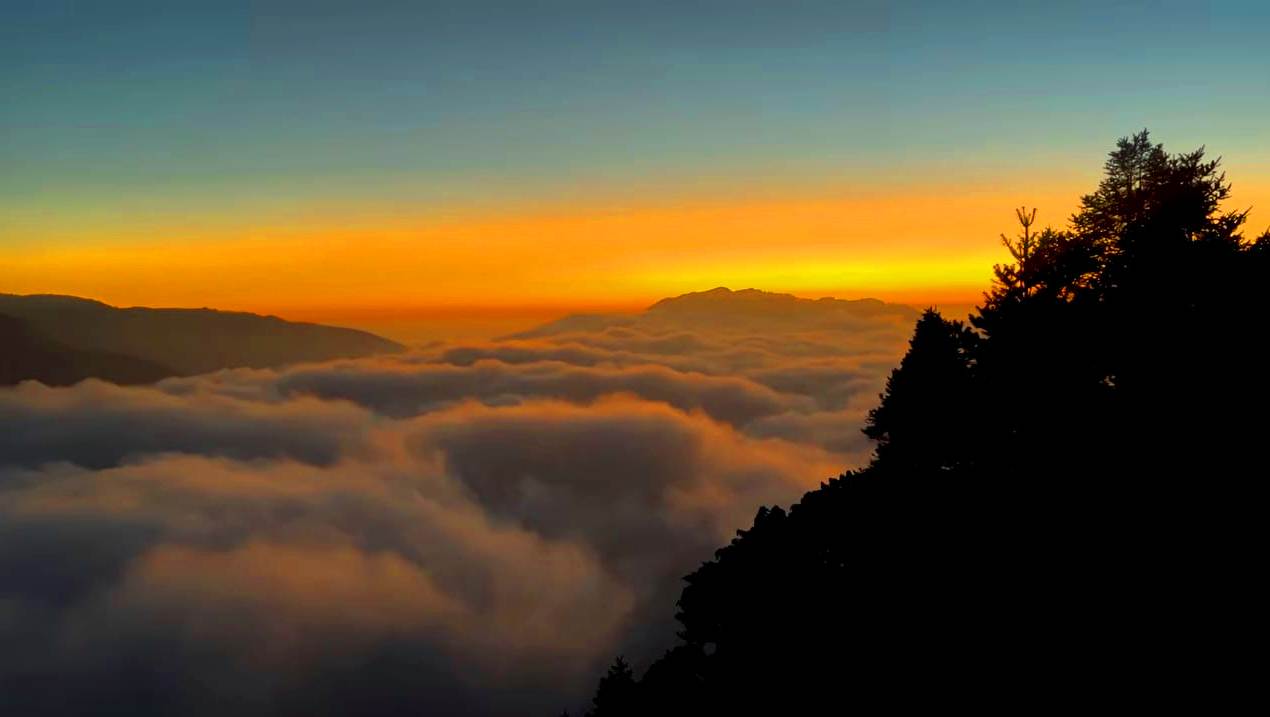
Amazing Gosaikunda Trek Experience
Our Gosaikunda Trek with Best of Nepal Trek was challenging but incredibly rewarding. The stunning Himalayan scenery, peaceful trails and warm hospitality made every moment unforgettable. Our guide, Dipak Sapkota, was knowledgeable, friendly and supportive throughout the trek. Everything was professionally organized, making our adventure safe, enjoyable and truly memorable. We highly recommend Best of Nepal Trek for anyone planning the Gosaikunda Trek in Nepal.
Jennifer,
,Canada
Excellent Kailash Mansarovar Yatra Experience
Our Kailash Mansarovar Yatra with Best of Nepal Trek was exceptionally well organized from start to finish. Communication was smooth and our Guide, Arjun, was friendly, knowledgeable and supportive throughout the journey. We felt safe, well cared for and truly enjoyed this once-in-a-lifetime pilgrimage. I highly recommend Best of Nepal Trek to anyone planning the Kailash Mansarovar Yatra.
Nini
,US
Jungle Safari on Foot in Chitwan
The jungle safari on foot was a really amazing experience. We were lucky to see a mother rhino with her calf, which was truly unforgettable. We also spotted deer and other wildlife along the way.
It was a great adventure in nature and a wonderful way to experience the beauty of the jungle up close.Nina N.
,Australia
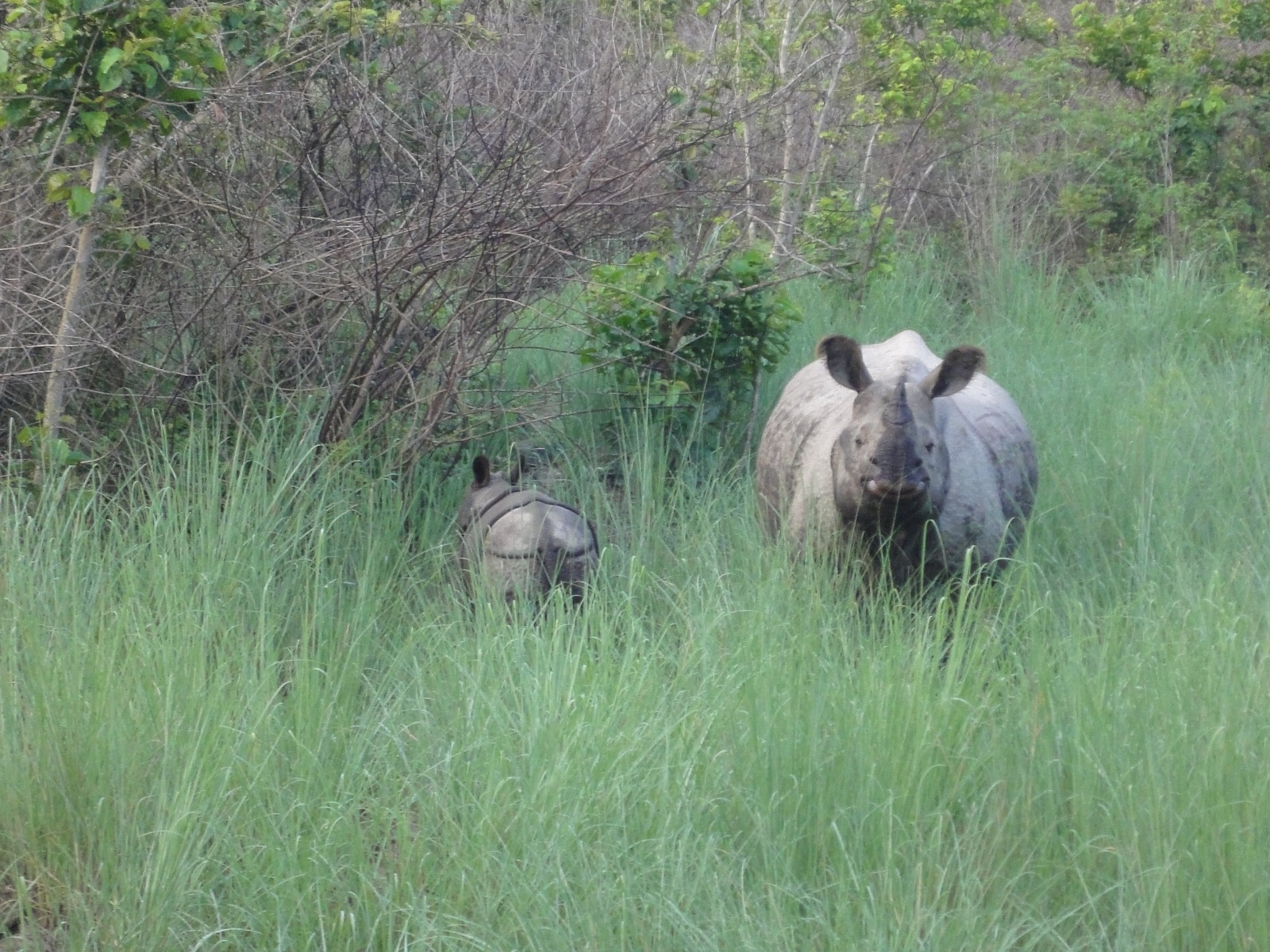
Wonderful Jungle Safari Experience
Our Chitwan Jungle Safari Tour with Best Of Nepal Trek was an unforgettable experience. We enjoyed incredible wildlife sightings, including the famous one-horned rhinoceros and had the opportunity to explore the natural beauty of Chitwan National Park.
The guides were knowledgeable and helpful throughout the tour, while the resort staff provided excellent hospitality. The food was delicious and plentiful, making our stay even more enjoyable. Everything was well organized and we highly recommend this tour to anyone looking for a memorable wildlife adventure in Nepal.janet
,US
Chitwan Jungle Safari Tour with Best Of Nepal Trek
My Chitwan Jungle Safari Tour with Best Of Nepal Trek was a fantastic experience. The wildlife sightings, jungle activities and cultural experiences made the trip both exciting and memorable.
Everything was well organized and the team ensured a comfortable and enjoyable journey throughout the tour. I highly recommend Best Of Nepal Trek to anyone looking to explore the natural beauty and wildlife of Chitwan. Thank you for making this adventure so special.Kristen
,United States