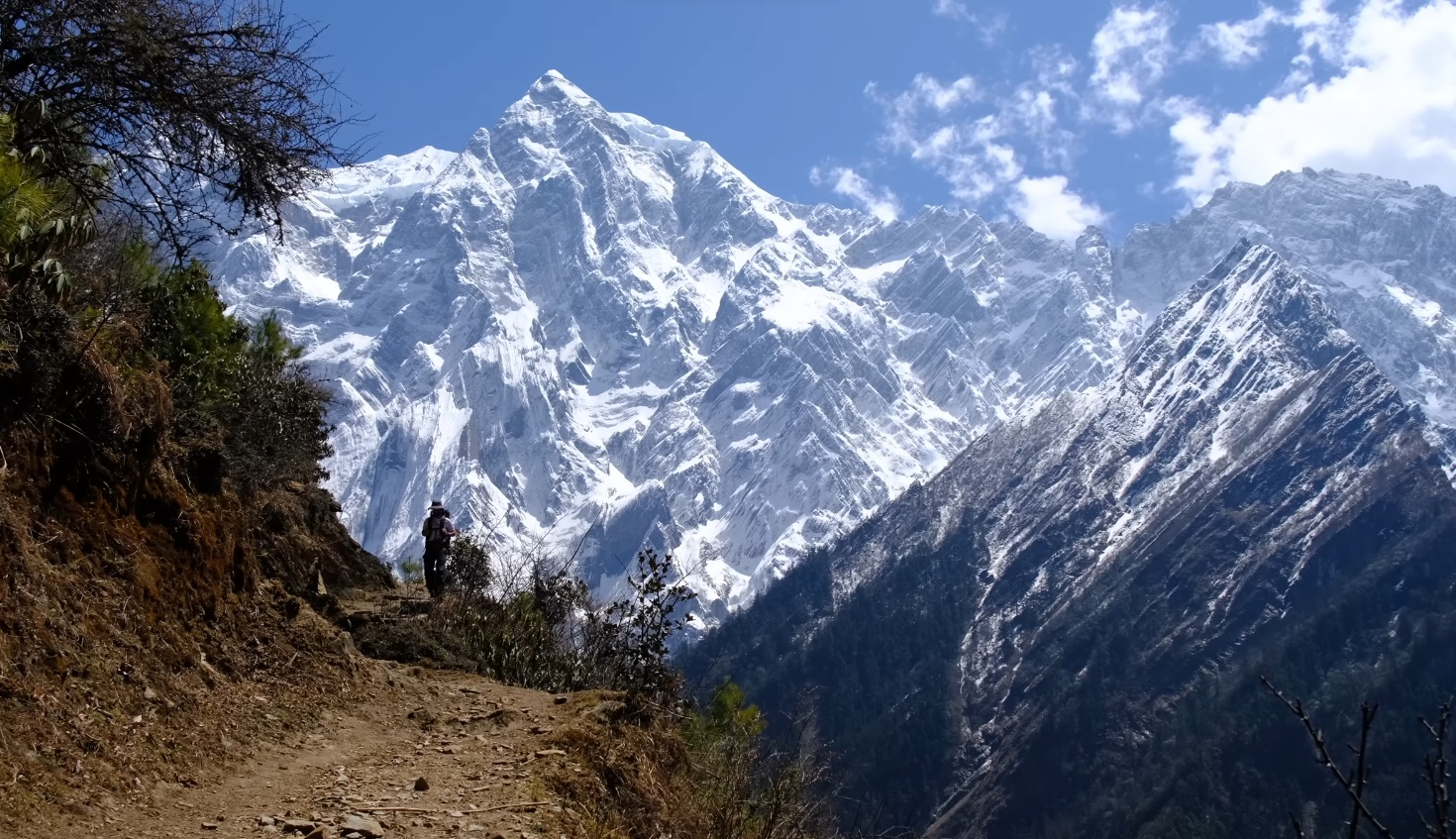

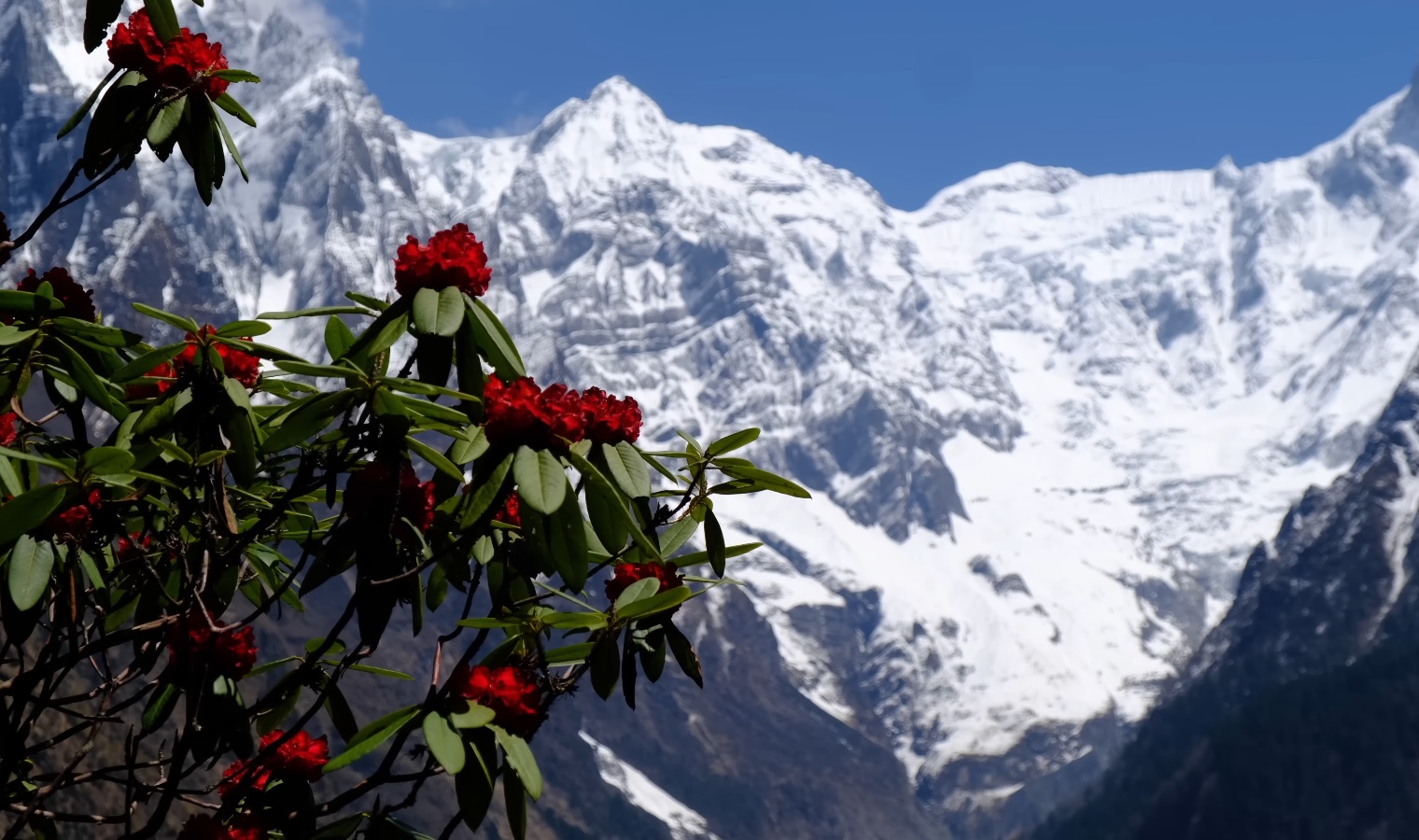
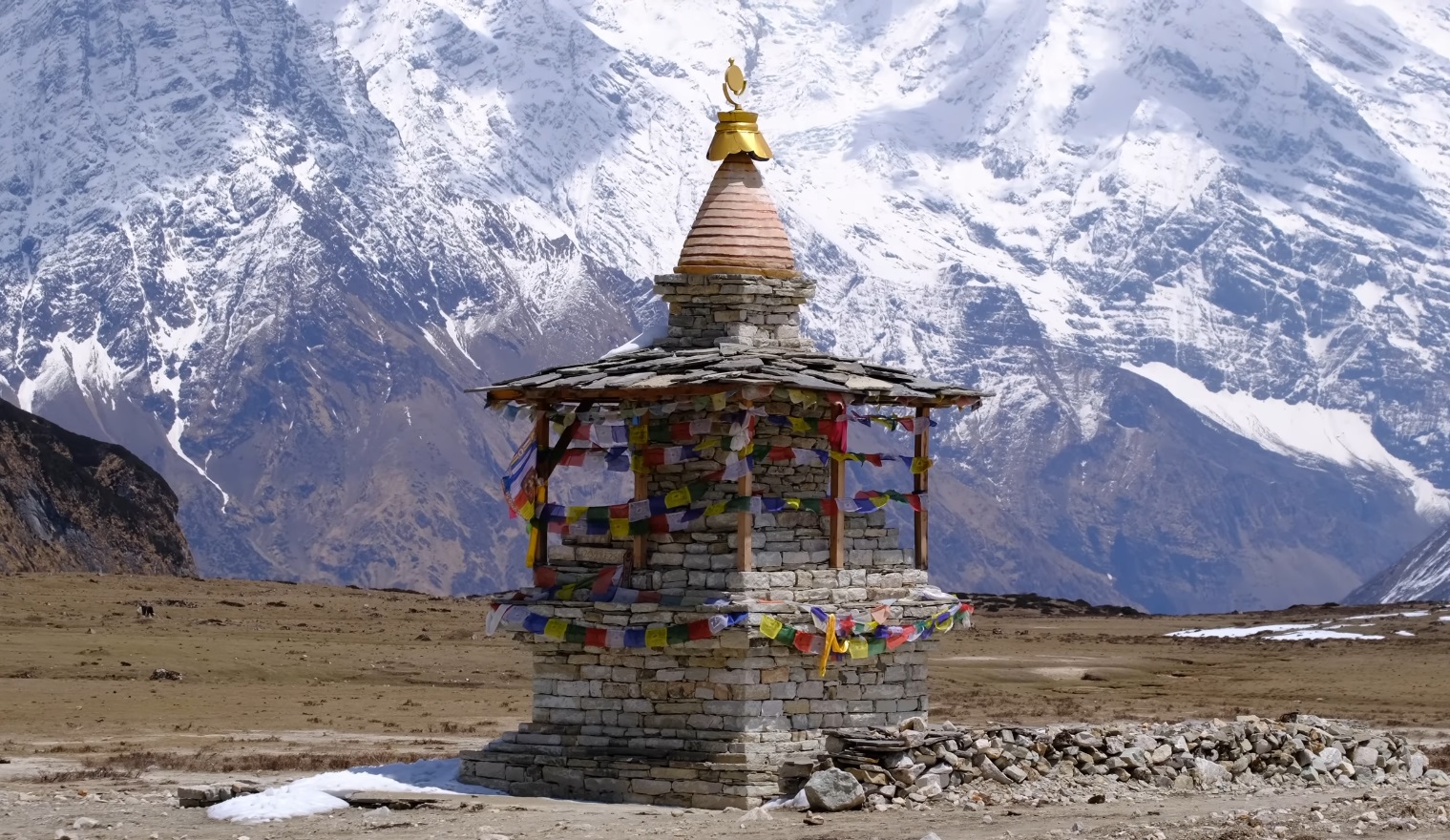

Manaslu Tsum Valley Trek
Essential Trip Note: Manaslu Tsum Valley Trek Regulations
Important: The Manaslu Tsum Valley Trek is a restricted area with mandatory rules for all trekkers.
- Guide Required:Solo trekking is prohibited. You must be accompanied by a licensed guide.
- Group Size:Permits are issued only for groups of two or more trekkers (plus guide).
These regulations, enforced by the Nepali government, ensure safety, environmental protection, and cultural preservation. Confirm both requirements with your agency before booking. Non-compliance will result in denied entry at checkpoints.
Destination:
Nepal
Trip Duration:
14 Days
Max Altitude:
Mu Gompa (3,700 m)
Activities:
Trekking
Start Point:
Kathmandu
Ending Point:
Kathmandu
Region:
Manaslu
Trip Grade:
Easy to Medium
Group Size:
2-15 Pax
Accomodation:
Hotel/ Normal Teahouses
Meals:
Breakfast, Lunch and Dinner during Trekking
Transportation:
Local Transportation
Permits Required:
Restricted Area/Conservation Permit
Best Season:
March, April, May and Sept, Oct, Nov
The Manaslu Tsum Valley Trek offers an extraordinary journey into one of Nepal’s most remote, sacred, and culturally preserved Himalayan regions. Set beneath the towering presence of Mount Manaslu (8,163 m)—the world’s eighth-highest mountain—this unique trek is located in the Gorkha District near the Nepal–Tibet border. Opened to trekkers only in recent years, the area remains a restricted trekking region, ensuring an uncrowned and authentic experience away from Nepal’s busier trails.
This remarkable Tsum Valley Trek in Nepal is a rare fusion of the dramatic Manaslu region trek and the historically isolated Tsum Valley, often described as a hidden valley shaped by Tibetan Buddhist culture. The word Tsum, meaning “vivid,” reflects the valley’s vibrant heritage, spiritual traditions, and deeply rooted way of life. Trekkers gain meaningful insight into centuries-old customs, sacred rituals, and local folklore that continue to thrive in this secluded Himalayan sanctuary.
The trail winds through peaceful villages adorned with ancient monasteries, sacred gompas, long mani walls, rotating prayer wheels, and colorful prayer flags, creating a deeply spiritual atmosphere. Strong influences of Tibetan Buddhism shape daily life throughout the valley, offering trekkers rare cultural immersion and inner tranquility.
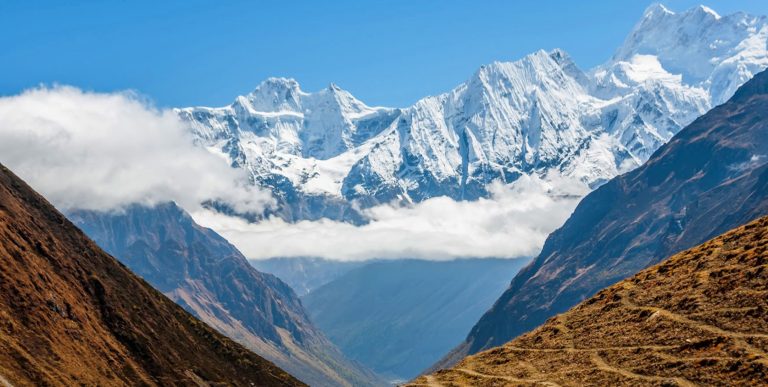
Scenic diversity is a defining feature of the Manaslu Tsum Valley Trek. The journey traverses a wide range of landscapes, from subtropical forests and river gorges to alpine meadows, high-altitude deserts, and glaciated terrain. Trekkers enjoy breathtaking panoramas of the Manaslu (8,163m / 26,781 ft), Ganesh Himal ranges and Himalchuli (7,893 m / 25,895 ft) along with numerous snow-capped Himalayan peaks.
With improved infrastructure, the route has become a comfortable teahouse trek in the Manaslu region, combining remote adventure with warm local hospitality. Ideal for trekkers seeking culture, spirituality, and pristine Himalayan scenery, this journey delivers a truly unforgettable experience with Best of Nepal Trek.
Manaslu Tsum Valley Trek Highlights
- Close-Up Views of Mt. Manaslu: Experience the awe-inspiring presence of Mount Manaslu (8,163 m) alongside the majestic Ganesh Himal range.
- Explore the Sacred Tsum Valley: Enter a remote, restricted valley rich in Tibetan Buddhist culture, spirituality, and tradition.
- Ancient Monasteries: Visit historic Rachen Gompa and the secluded Mu Gompa, iconic spiritual centers near the Tibetan border.
- Traditional Himalayan Villages: Immerse yourself in authentic village life in Chhekampar, Nile, Samagaun and other culturally rich settlements.
- Cultural Landscapes: Walk past long mani walls, chortens, and countless vibrant prayer flags fluttering in the mountain breeze.
- Restricted Area Exclusivity: Enjoy pristine, uncrowded trails due to the special permit requirement, offering a peaceful trekking experience
- Authentic Teahouse Experience: Stay in family-run lodges/Teahouse, share local meals, and connect deeply with the Gurung and Tibetan communities.
Route Details: Manaslu Tsum Valley Trek
The Manaslu Tsum Valley Trek is a premier Himalayan adventure, expertly combining the remote sacred Tsum Valley with the iconic Manaslu Circuit. This complete loop follows historic trade and pilgrimage trails, delivering an unmatched fusion of deep cultural discovery and breathtaking alpine landscapes.
The journey begins with a scenic drive to the trailhead, followed by a trek along the powerful Budi Gandaki River. The route then ascends into the secluded Tsum Valley, a hidden sanctuary of Tibetan Buddhism, where trekkers explore ancient monasteries like Rachen Gompa and Mu Gompa near the Tibetan border.
After immersing in Tsum’s spiritual culture, the trail rejoins the classic Manaslu Circuit, leading to traditional high-altitude villages such as Samagaun. Here, acclimatization days offer optional hikes with staggering views of Mount Manaslu. The trek concludes with a scenic descent through the Marsyangdi Valley.
As a restricted area trek, this route requires a licensed guide and a minimum of two trekkers. Perfect for those seeking a challenging and authentic journey, it provides a comprehensive experience of Nepal’s majestic mountains and living ancient cultures.
Include
When you book the Manaslu Tsum Valley Trek with Best Of Nepal Trek, your package is designed for a seamless, stress-free adventure from arrival to departure. We include all essential services so you can focus entirely on the Himalayan experience.
- Airport Transfers: Private arrival pick-up and departure drop-off at Tribhuvan International Airport (KTM).
- All Permits & Fees: All mandatory government permits, including the Manaslu Restricted Area Permit (RAP), Tsum Valley Restricted Permit, Manaslu Conservation Area Project (MCAP) permit, and Trekkers’ Information Management System (TIMS) card.
- Professional Trek Crew: Services of a licensed, experienced guide and porter(s) to assist with logistics, safety and carrying group gear.
- Accommodation: Twin-share hotel accommodation in Kathmandu (typically with breakfast) and basic teahouse lodge accommodation throughout the trek.
- All Meals on the Trek: Three hearty meals daily (breakfast, lunch, and dinner) during the trekking days, offering a mix of local and international dishes.
- Transportation: Local transfers between Kathmandu and the trailhead at Soti Khola/Machha Khola.
- Support & Logistics: Pre-trek briefing, agency administration, and local emergency support.
This comprehensive package ensures complete peace of mind, allowing you to immerse yourself fully in the breathtaking landscapes and rich culture of the Manaslu Tsum Valley region.
Note: Please confirm all inclusions with your final itinerary. Items such as international flights, Nepal visa, personal expenses, beverages, tips, and travel insurance are typically excluded and should be planned separately.
Exclude
For complete transparency, the standard Manaslu Tsum Valley Trek package does not include the following items and services. These are important to budget for separately to ensure a fully prepared and seamless journey.
- International Flights: Airfare to and from Nepal
- Nepal Entry Visa: Fee payable on arrival at Tribhuvan International Airport (approx. USD 50 for 30 days).
- Extra Kathmandu Nights: Hotel costs for early arrival, late departure, or early trek return.
- Meals in Kathmandu: Lunch and dinner in the city.
- Beverages & Snacks: Bottled/boiled water, soft drinks, alcohol, snacks, extra tea/coffee.
- Teahouse Amenities: Hot showers, electronic device charging and Wi-Fi.
- Personal Gear & Communication: Clothing, equipment rentals, and telephone calls.
- Tips: For your guide and porter(s)—a customary and appreciated gesture.
- Extra Porter: Personal porter service beyond the standard group allowance.
- Excess Luggage: Fees for bags over the typical 8-10 kg weight limit.
- Travel Insurance: Mandatory policy covering emergency rescue, medical evacuation and trip cancellation.
- Unforeseen Delays: Costs from events beyond our control (e.g., severe weather, landslides, political unrest).
- Early Departure: Any expenses from leaving the trek early for personal reasons.
In summary, while the package covers all core trekking services (permits, guide, trek accommodation/meals, transport), the items listed above remain the traveler’s personal responsibility. We strongly recommend reviewing this list to build a comprehensive budget for your adventure.
Manaslu Tsum Valley Trek Itinerary
Upon arrival at Tribhuvan International Airport, our team will warmly welcome you and transfer you to your hotel in Kathmandu. After check-in, enjoy a relaxing evening or stroll around the vibrant Thamel area.
Accomodation:
3-Star hotel/Resort
Your second day balances cultural immersion with essential trek preparation. After breakfast, embark on a guided Kathmandu sightseeing tour to one of the valley’s UNESCO World Heritage Sites, such as the sacred Hindu temple complex of Pashupatinath, the towering Buddhist stupa of Boudhanath, This half-day tour offers a profound introduction to Nepal’s rich spiritual and architectural heritage.
The afternoon is free for last-minute personal errands or rest. The crucial event of the day takes place at 5:00 PM, when you’ll attend a comprehensive pre-trek briefing. Held at our office or your hotel, this session is conducted by your lead guide or trip manager.
You will review the full itinerary, receive your trekking permits, perform a quick gear check, and have all your final questions answered. This meeting ensures every member of the team is perfectly prepared and aligned for the adventure ahead.
Today’s Highlights:
- A deep dive into Kathmandu’s history at a UNESCO World Heritage Site.
- A thorough pre-trek briefing to ensure a confident and organized start to your journey.
Note: This day seamlessly blends cultural discovery with practical logistics, setting a confident tone for the trek.
Trip Duration:
4-5 Hours
Accomodation:
3-Star hotel/Resort
Meals:
Breakfast
Today marks the transition from city to wilderness as you embark on a scenic drive from Kathmandu to the trek’s official starting point. After an early breakfast, you’ll board a private vehicle and leave the capital behind, heading northwest into the hills.
The journey follows the winding Prithvi Highway alongside the roaring Trishuli River, offering glimpses of rural Nepali life. A lunch stop is made in Dhading Besi or a local stop like Jyamire, where you can enjoy your first taste of traditional Nepali dal bhat on the road. Post-lunch, the adventure truly begins as you turn off the paved highway onto a rugged, rural road at Arughat Bazaar.
The final leg is a bumpy but exhilarating ride deep into the Budi Gandaki River valley. You’ll pass terraced farms, waterfalls, and hamlets, with the road often carved into steep hillsides. The destination is Machha Khola, a riverside village that serves as the gateway to the Manaslu region. This small settlement, with its Hindu temples and simple teahouses, is where the trekking trail begins. Upon arrival, you’ll check into a local lodge, meet your porters, and enjoy a welcome dinner while preparing for the first day of hiking tomorrow.
Today’s Highlights:
- Scenic drive along the Trishuli and Budi Gandaki river valleys.
- Transition from urban Kathmandu to the remote Himalayan foothills.
- Arrival in Machha Khola, the traditional start point of the Manaslu trek.
Trip Duration:
Drive Time: 7-8 hours 160 km
Accomodation:
Normal Teahouse
Meals:
Lunch & Dinner
Today marks your first true day of trekking as you leave the road behind and follow the Budi Gandaki River upstream into increasingly remote terrain. The trail weaves through subtropical forests, crosses several impressive suspension bridges, and passes traditional villages like Khorlabesi and Tatopani, where you may spot natural hot springs.
A steady ascent brings you to the strategically important village of Jagat. This stone-paved settlement is a formal checkpoint for the Manaslu Conservation Area. Here, your guide will present the necessary permits for official registration. Jagat, with its distinct Tibetan-influenced architecture and entrance gate, feels like the true gateway to the mountains.
Elevation Gain: +471 meters
Today’s Highlights:
- First full day of trekking along the powerful Budi Gandaki River.
- Crossing long, scenic suspension bridges over turquoise waters.
- Arrival at Jagat, the regulated entry point to the Manaslu restricted region.
Trail Note: The path is well-established but involves rocky sections and numerous ascents/descents. This day sets the rhythm for the journey ahead.
Trip Duration:
5-6 hours
Accomodation:
Normal Teahouse
Meals:
Breakfast, Lunch & Dinner
Today’s journey continues deeper into the Budi Gandaki Valley, with the trail offering a mix of steep climbs, forested paths, and inspiring river views. You’ll trek through villages like Salleri and Sirdibas, and pass the notable settlement of Philim, a vibrant Gurung village with cultivated fields.
A key highlight is the dramatic double waterfall glimpsed along the route. The trail then ascends steadily to Lokpa, a significant junction where the path splits. Here, you leave the main Manaslu Circuit and cross a suspension bridge northward, officially entering the restricted Tsum Valley. Lokpa serves as the quiet gateway to this sacred Himalayan sanctuary.
Elevation Gain: +900 meters
Today’s Highlights:
- Trekking through lush landscapes and past impressive waterfalls.
- Reaching the pivotal trail junction at Lokpa, the entrance to the Tsum Valley.
Trail Note: The trail involves sustained ascent. The shift in atmosphere upon entering the Tsum Valley is palpable, marking the start of a more remote and spiritually charged part of the journey.
Trip Duration:
5–6 hours
Accomodation:
Normal Teahouse
Meals:
Breakfast, Lunch & Dinner
Today, you officially step into the sacred landscape of Lower Tsum Valley. The trail begins with a steady climb through dense pine and rhododendron forests, soon revealing the dramatic shift in scenery and culture. As you ascend, the air feels clearer and the views expand.
The path eventually opens up, offering your first panoramic glimpse of the Shringi Himal range. A gradual descent leads to the wide, serene valley floor and the welcoming stone houses of Chumling. This picturesque village, one of the oldest in Tsum, showcases traditional Tibetan architecture and an aura of deep-rooted spirituality. Here, you’ll notice an increase in mani walls, prayer flags, and chortens, signaling the strong Buddhist influence that defines the valley.
Elevation Gain: +146 meters
Today’s Highlights:
- First full day trekking within the sacred Tsum Valley.
- Arrival in Chumling, a traditional village with authentic Tibetan culture and stunning mountain views.
Trail Note: The day involves a mix of climbing and descending. The cultural immersion deepens noticeably, setting the tone for the days ahead in this hidden Himalayan sanctuary.
Trip Duration:
4–5 hours
Accomodation:
Normal Teahouse
Meals:
Breakfast, Lunch & Dinner
Today’s trek is a beautiful and continuous climb deeper into the spiritual heart of the Tsum Valley. Leaving Chumling, the trail ascends steadily along the Serpu Khola river, crossing ancient bridges and winding through fragrant pine and juniper forests.
A significant cultural highlight is passing the historic Shyangling Gompa, perched dramatically on a hillside—a perfect place for a moment of reflection. As you climb, the valley unfolds beneath you, revealing breathtaking views of the Ganesh Himal range. Your destination is the scenic twin-village of Chekampar (Chokhangparo), dramatically positioned on a plateau with stunning mountain vistas.
This traditional settlement, with its stone houses and fertile fields, offers a profound sense of peace and timelessness.
Elevation Gain: +645 meters
Today’s Highlights:
- Steady ascent with expanding views of the Ganesh Himal.
- Visit the historic Shyangling Gompa.
- Arrival at the picturesque, plateau-set village of Chekampar.
Trail Note: This is a sustained ascent day, crucial for acclimatization. The landscape becomes more rugged and alpine, and the cultural atmosphere deepens, surrounded by peaks and prayer flags.
Trip Duration:
5-6 Hours
Accomodation:
Normal Teahouse
Meals:
Breakfast, Lunch & Dinner
Today’s trek continues the ascent into the upper reaches of the sacred Tsum Valley, a day marked by profound spiritual atmosphere and breathtaking landscapes. The trail descends initially to cross the river at Chhule, before climbing steadily through serene forests and past ancient mani walls.
A major highlight is a visit to the Rachen Gompa, one of the largest and most active nunneries in the region. This vibrant spiritual center, with its prayer halls and chanting nuns, offers a deep sense of tranquility.
Beyond the gompa, the path leads to the sister villages of Burji and finally Nile, perched high on the valley’s eastern flank with awe-inspiring, direct views of the Ganesh Himal. As the last permanently inhabited village before the Tibetan border, Nile serves as the gateway for tomorrow’s pilgrimage to Mu Gompa.
Elevation Gain: +330 meters
Today’s Highlights:
- Visiting the sacred and active Rachen Gompa nunnery.
- Arrival in Nile, a high Himalayan village with dramatic mountain vistas.
- Deepening immersion into the pristine culture of Upper Tsum.
Trail Note: A shorter trekking day focused on gradual acclimatization and cultural exploration. The high-altitude atmosphere and pristine setting make for an unforgettable Himalayan experience.
Trip Duration:
5–6 hours
Accomodation:
Normal Teahouse
Meals:
Breakfast, Lunch & Dinner
Today is a dedicated pilgrimage to one of the most sacred sites in the Tsum Valley: the ancient Mu Gompa (monastery). The trail climbs steadily from Nile through a stark, high-altitude landscape, following the Syar Khola river toward the Tibet border. The sense of remoteness and spirituality intensifies with every step.
Perched dramatically at 3,700 meters, Mu Gompa is the largest and oldest monastery in the region, a place of profound peace and isolation. You’ll have time to explore its prayer halls, ancient manuscripts, and interact with resident monks.
Given its extreme location, overnighting here is a rare and special experience. Depending on logistics, weather, and the group’s acclimatization, you will either return to Nile for the night or have the unique opportunity to stay in simple quarters at the monastery itself.
Elevation Gain: +339 meters
Today’s Highlights:
- A pilgrimage trek to the historic Mu Gompa near the Tibetan border.
- Experiencing the stark, high-altitude landscape of the upper valley.
- Optional overnight at the monastery for a deeply immersive spiritual experience.
Trail Note: This is a high-altitude hike on a rugged trail. The decision to overnight at Mu Gompa is made by your guide based on group health, weather, and available lodging. This day is a cultural and spiritual pinnacle of the trek.
Trip Duration:
6–7 hours (round trip)
Accomodation:
Normal Teahouse
Meals:
Breakfast, Lunch & Dinner
Today begins the return journey through the Tsum Valley, offering a new perspective as you descend along the familiar trail. Retracing your steps from Nile (or from Mu Gompa if you stayed there), you’ll pass back through Burji and the serene grounds of Rachen Gompa, with a final opportunity to absorb the valley’s spiritual ambiance.
The descent continues along the western bank of the Serpu Khola, weaving through pine and juniper forests. The lower altitude brings a noticeable change in air and vegetation. Arriving back in Chumling by afternoon provides a familiar and comfortable resting place, allowing time to reflect on the profound experiences of the upper valley.
Elevation Loss: Approximately -975 meters (from Nile)
Today’s Highlights:
- A reflective descent through the serene Tsum Valley landscape.
- Passing the iconic Rachen Gompa once more.
- Return to the warmer, forested environment of Lower Tsum.
Trail Note: This is a steady descent day, which is gentler on the lungs but requires care for knees. Trekking poles are recommended. The journey offers a chance to see the landscapes from a different angle and appreciate the valley’s scale.
Trip Duration:
5–6 hours
Accomodation:
Normal Teahouse
Meals:
Breakfast, Lunch & Dinner
Today, you officially exit the Tsum Valley and descend back to the main Budi Gandaki Valley. The trail retraces the route from your ascent, passing through Lokpa—the gateway village where the trails diverge. From here, you cross the suspension bridge and turn southwest, rejoining the Manaslu Circuit trail.
The path descends steadily through terraced fields and lush forests, following the roaring Budi Gandaki River. You’ll pass through Sirdibas before arriving at Philim, a vibrant and relatively large Gurung village set in an expansive valley. Philim is known for its school, apple orchards, and welcoming atmosphere, marking a noticeable shift from the secluded Tibetan culture of Tsum to a more central Himalayan vibe.
Elevation Loss: -816 meters
Today’s Highlights:
- Exiting the Tsum Valley and crossing the suspension bridge at Lokpa.
- Steady descent along the Budi Gandaki River.
- Arrival in the lively Gurung village of Philim.
Trail Note: This is a straightforward descent day. The trail is well-defined, and the lower altitude brings warmer temperatures. It’s a day of transition, both culturally and geographically.
Trip Duration:
5–6 hours
Accomodation:
Normal Teahouse
Meals:
Breakfast, Lunch & Dinner
Today marks the final day of trekking as you complete the circuit by returning to the trailhead at Machha Khola. The trail continues its descent alongside the powerful Budi Gandaki River, passing through familiar villages like Tatopani and Khorlabesi. You’ll cross several suspension bridges and walk through subtropical forests, feeling the temperature rise noticeably with the drop in elevation.
Arriving back in Machha Khola brings a sense of journey completion. This small riverside village, where your adventure began, now serves as a place to reflect on the incredible landscapes and cultural encounters of the past days. The evening here is relaxed, offering a chance to celebrate with your trekking team.
Elevation Loss: -640 meters
Today’s Highlights:
- Final day of trekking along the Budi Gandaki River.
- Return to Machha Khola, completing the trekking circuit.
- Celebration and farewell with your guide and porter team.
Trail Note: This is a steady descent on a well-traveled trail. The warmer climate and lower altitude are a noticeable change from the high mountain environment. It’s a day of reflection and celebration.
Trip Duration:
5–6 hours
Accomodation:
Normal Teahouse
Meals:
Breakfast, Lunch & Dinner
Your Himalayan circuit concludes with a full-day drive back to Kathmandu. After an early breakfast, bid farewell to the mountains as your private vehicle retraces the rugged road along the Budi Gandaki River and then joins the paved Prithvi Highway beside the Trishuli River.
The journey offers a final panorama of terraced hillsides, rural villages, and flowing rivers—a time to reflect on the past two weeks of trekking. A lunch stop will be made en route. Upon arrival in Kathmandu in the late afternoon, you’ll check back into your hotel. The remainder of the day is free to rest, shower, and enjoy the comforts of the city, perhaps culminating in a celebratory farewell dinner with your team.
Today’s Highlights:
- A scenic drive from the remote trailhead back to urban Kathmandu.
- Time to reflect on the completed trek through the Manaslu and Tsum Valleys.
- Return to hotel comforts and an optional celebration dinner.
Note: The drive is long but comfortable, with paved roads for most of the journey. Traffic entering Kathmandu in the late afternoon can be heavy. This evening is ideal for a final group celebration.
Trip Duration:
7–8 hours
Accomodation:
3-Star hotel/Resort
Meals:
Breakfast, Lunch & Dinner
Your memorable Manaslu Tsum Valley Trek officially concludes today. After breakfast at your hotel, you will be transferred to Tribhuvan International Airport (KTM) in accordance with your flight schedule. We recommend arriving at the airport at least three hours before your international departure.
Meals:
Breakfast
Essential Trekking Packing List for the Manaslu Tsum Valley Trek
Preparing the right gear is critical for comfort and safety on the challenging Manaslu Tsum Valley Trek. This high-altitude journey demands preparation for variable conditions—from warm, humid lowlands to freezing, windy passes. Here’s a categorized essentials list.
Clothing: The Layering System
- Base Layer (Moisture-wicking): Synthetic or merino wool tops and bottoms (2 sets).
- Insulating Layer (Warmth): Fleece jacket or pullover. A lightweight, packable down or synthetic insulated jacket for high altitudes.
- Outer Shell (Protection): A waterproof and windproof Gore-Tex (or equivalent) jacket and pants.
- Trekking Bottoms: Quick-dry hiking pants (2 pairs), plus thermal leggings for cold nights/passes.
- Headwear: Warm beanie, sun hat or cap, and a buff or neck gaiter.
- Handwear: Lightweight liner gloves and insulated waterproof gloves/mittens.
- Footwear: Well-broken-in waterproof hiking boots, camp shoes (sandals/crocs), and moisture-wicking socks (4-5 pairs).
Essential Gear & Equipment
- Backpack: A comfortable, 40-60 liter backpack with a rain cover.
- Sleeping Bag: Rated to at least -10°C (14°F) for high-altitude teahouses.
- Trekking Poles: Highly recommended for steep ascents/descents.
Headlamp with extra batteries.
- Water Purification: Reusable bottles (2L capacity) and purification tablets or a filter.
- Sunglasses with UV protection and sunscreen (SPF 50+).
- Personal First-Aid Kit: Include blister care, basic medications, diamox (after consulting a doctor), and any personal prescriptions.
Documents & Miscellaneous
- Passport & Permits: Manaslu Restricted Area Permit (MRAP), Manaslu Conservation Area Permit (MCAP), and TIMS card.
- Cash: Sufficient Nepali Rupees for teahouses, snacks, and emergencies (no ATMs on trail).
- Personal Items: Quick-dry towel, toiletries, wet wipes, lip balm, power bank, and a good book.
Pro Tip: Pack light but smart. Use packing cubes. Rent a down jacket and sleeping bag in Kathmandu if needed. Avoid cotton clothing, as it retains moisture. Always carry snacks and water for each day’s walk.
Manaslu Tsum Valley Trek FAQs
The Manaslu Tsum Valley Trek is a remote and culturally rich hiking circuit in Nepal that combines the classic Manaslu Circuit with the sacred Tsum Valley. It offers spectacular views of Mount Manaslu (the world’s 8th highest peak), deep immersion into Tibetan Buddhist culture.
It is rated moderate to challenging. It requires good physical fitness, mental stamina, and prior multi-day trekking experience is highly recommended. The challenge comes from long hiking days (5-7 hours), significant altitude gain.
The optimal seasons are Autumn (late September to November) for stable weather and clear skies, and Spring (March to early May) for blooming rhododendrons and warmer temperatures. Winter is extremely cold, and the monsoon (June-August) is not recommended due to rain and landslides.
This is a restricted area, requiring special permits only obtainable through a registered agency:
- Manaslu Restricted Area Permit (MRAP)
- Tsum Valley Restricted Permit
- Manaslu Conservation Area Permit (MCAP)
- Trekkers’ Information Management System (TIMS) Card
No. Independent trekking is illegal in this restricted region. You must hire a licensed guide and book through a registered trekking agency to obtain the necessary permits and ensure safety.
For 2026/2027, an all-inclusive package typically ranges from $1,200 to $1,800+ USD, depending on group size, itinerary length (14-22 days), and service level. This covers permits, guide/porter, meals, accommodation, and transport.
Prevention is key: choose an itinerary with proper acclimatization days, ascend gradually, drink 3-4 liters of water daily, and listen to your body. Discuss Acetazolamide (Diamox) with your doctor before the trip.
Accommodation is in basic family-run teahouses (lodges) with twin-share rooms, shared toilets, and a communal dining hall. Facilities become more basic with altitude. A warm sleeping bag is essential.
Connectivity is very limited. Some teahouses offer paid, slow satellite WiFi. NTC SIM cards may get sporadic 2G/3G signals in a few villages. Prepare for a digital detox and carry a power bank.
Essentials include: broken-in hiking boots, a warm sleeping bag (rated -10°C), layered clothing (moisture-wicking, insulating, waterproof), trekking poles, a high-capacity power bank, water purification, and a comprehensive personal first-aid kit.
There are no ATMs or banks. You must carry all required cash in Nepali Rupees (NPR) from Kathmandu. Budget for extra expenses like drinks, charging, and hot showers ($25-$40 per day), plus tips for your crew.
Tipping is customary. As a guideline, tip your guide $10-$20 per day and your porter $5-$10 per day. This is typically given as a lump sum in an envelope at the trek’s end, in
Manaslu Tsum Valley Trek Good To Know
The Manaslu Tsum Valley region is a living museum of Himalayan heritage, where history and deep spirituality are woven into the landscape. Its unique culture was shaped by centuries as a secluded trans-Himalayan trade corridor between Nepal and Tibet and its sacred status as a Beyul—a hidden valley of Buddhist refuge.
The cultural heart is defined by Tibetan Buddhism. The trails are a spiritual journey, lined with long Mani walls, adorned with chortens and prayer flags, leading to ancient monasteries like Rachen Gompa and Mu Gompa.
The Nubri and Tsum people preserve a pristine cultural lineage, with a social history that includes traditional polyandry and a daily life centered on farming, animal husbandry, and timeless rituals. Visitors may experience vibrant festivals like Lhosar, filled with masked dances.
In the lower hills, Gurung communities contribute their own rich traditions and renowned hospitality. Protected within the Manaslu Conservation Area, this region offers a rare glimpse into an intact Himalayan world.
Trekking here is a journey through time, connecting with a living culture where ancient prayers echo against the peaks and history is etched in stone.
The Manaslu Tsum Valley Trek is located in the Gorkha District of central Nepal, nestled in the north-central Himalayas along the historic border with Tibet (China).
Key Geographic Details:
- Region & District:It lies within the Gorkha District, approximately 100-150 km northwest of Kathmandu.
- Proximity to Tibet:The trekking route runs parallel to the Nepal-Tibet border, with the remote Tsum Valley extending directly towards it. The northernmost point near Mu Gompa is only a short distance from the frontier.
- Dominant Landmark:The entire region is dominated by Mount Manaslu (8,163m), the world’s eighth-highest peak, around which the Manaslu Circuit revolves.
- River Valley:The trail primarily follows the deep, rugged gorge of the Budi Gandaki River.
- Conservation Area:It falls under the Manaslu Conservation Area Project (MCAP), established to protect its unique environment and culture.
In Relation to Popular Treks:
The region is situated east of the Annapurna Sanctuary and west of the Langtang Valley. Its restricted-area status and required permits have preserved its pristine, less-crowded trails compared to its famous neighbors.
In essence, the trek is located in one of Nepal’s most spectacular and culturally intact border regions, offering a true wilderness experience in the shadow of the great Manaslu massif.
The Manaslu Tsum Valley Trek offers flexible itineraries to suit your schedule, fitness level, and trekking goals. Whether you want a comprehensive cultural and high-mountain experience or a shorter, focused adventure, there’s an option for every trekker.
Full Experience (Best Overall) – 18-22 Days: This is the ultimate trek, combining the Manaslu Circuit with the Tsum Valley. It includes proper acclimatization, visits to sacred villages, ancient monasteries, and panoramic Himalayan vistas. Ideal for those seeking the complete cultural, spiritual, and scenic journey in Nepal’s remote regions.
Highlights Trek (Time-Saver) – 14-16 Days: A faster-paced itinerary designed for fit trekkers, covering the key highlights of both Manaslu Tsum Valley. This option balances adventure and efficiency, giving you the most memorable experiences within a shorter timeframe.
Manaslu Circuit Only – 16 Days: Focus on the high-altitude adventure, including the challenging Larkya La Pass (5,106 m) and breathtaking mountain scenery. This route skips Tsum Valley but still offers a classic Himalayan trekking experience.
Tsum Valley Only – 12-14 Days: For those interested in culture, spirituality, and low-altitude exploration, this itinerary delves into the sacred Tsum Valley, its traditional villages, and ancient monasteries. The trek excludes the high pass, making it less strenuous but deeply rewarding.
Recommendation: Choose 18+ days for the complete journey or 14-16 days for a focused adventure. Always allow for proper acclimatization to ensure a safe and enjoyable trekking experience in the Manaslu and Tsum Valley region.
A day on the Tsum Valley Trek blends physical adventure, cultural immersion, and serene connection with the Himalayas, offering a truly memorable experience from dawn to dusk.
Morning (6:00 AM – 8:00 AM): A Peaceful Awakening
The day begins early in the crisp mountain air, with the distant chime of monastery bells or the soft sounds of village life. As the sun rises over the snow-capped peaks, enjoy a hearty breakfast at your teahouse—options often include porridge, Tibetan bread, or eggs.
Morning Trek (8:00 AM – 12:00 PM)
The trek starts around 8:00 AM, walking through ancient forests, terraced fields, and across suspension bridges. Clear skies and fresh energy reveal spectacular views of the Ganesh Himal range, while passing long mani walls and encountering local porters adds cultural depth.
Midday (12:00 PM – 1:00 PM)
Stop at a teahouse for a hot lunch—dal bhat, noodles, or momos—resting and refueling before the afternoon journey.
Afternoon (1:00 PM – 4:00 PM)
The afternoon often includes side trails to hidden monasteries such as Rachen Gompa, or walking through traditional villages. Arrive at your overnight teahouse in Nile, Mu, or Chhokang Paro with time to relax, explore, or visit a local gompa.
Evening (4:00 PM Onwards)
Enjoy tea, dinner, and storytelling in a cozy dining room. Evening briefings prepare you for the next day, followed by rest under the peaceful Himalayan night sky.
This daily rhythm of trekking, culture, and mountain vistas defines the unforgettable experience of the Manaslu Tsum Valley Trek.
The Manaslu Tsum Valley Trek is a journey defined by its monumental Himalayan panoramas, offering an intimate encounter with some of Nepal’s most stunning and less-visited peaks. Beyond the dominating presence of Mount Manaslu (8,163 m), the trail unveils a spectacular theater of mountains, with the Ganesh Himal range taking center stage.
The majestic Ganesh Himal (7,422 m/24,350 ft) anchors the skyline, its pristine white massif forming a dramatic backdrop to the sacred Tsum Valley. This range is further adorned by neighboring giants like Shringi Himal (7,165 m/23,507 ft), contributing to a continuous, awe-inspiring horizon.
Your visual journey is enriched by the surrounding Churke Himal, Kipu Himal, and Tara Himal ranges, which create a rugged and deeply textured landscape. Notable peaks include Pashuwo Himal (6,177 m/20,266 ft), the distinct Kiyong Peak (5,232 m/17,165 ft), and the striking Sar Peak (5,266 m/17,277 ft). Each day of the trek presents new perspectives and compositions of these soaring summits, often seen from pristine, uncrowded vantage points.
This unparalleled visual spectacle is seamlessly woven into the cultural fabric of the trek. The sight of ancient monasteries and prayer flags against the snow-capped panorama of the Ganesh Himal creates a truly unforgettable experience, offering both natural grandeur and profound spiritual ambiance unique to this restricted area.
The true essence of the Tsum Valley Trek lies in its people and villages, offering an authentic glimpse into Himalayan life. This journey connects you with communities that have preserved their Tibetan Buddhist culture for centuries in near isolation.
You will primarily interact with the Tsum and Nubri peoples, ethnic groups of Tibetan origin whose language, customs, and faith remain profoundly intact. Their daily life is interwoven with Buddhist rituals, evident in the mani walls, prayer wheels, and ancient monasteries that define the landscape. In the lower hills, you’ll also encounter Gurung communities, known for their warm hospitality.
Key villages bring this culture to life. Chumling introduces the valley’s unique stone-house architecture. Chhokang Paro offers breathtaking mountain views from its twin settlements. Nile and Chule serve as gateways to the remote Mu Gompa, an ancient monastery complex near the Tibetan border that represents the spiritual heart of the valley. On the Manaslu Circuit section, Samagaun provides vital acclimatization amidst stunning vistas of Mt. Manaslu.
Your stay in family-run teahouses allows for genuine connection, sharing meals and stories with hosts. This intimate access to a living, breathing culture—where tradition guides daily life—makes the human encounter on this trek as unforgettable as its scenic beauty.
The Manaslu Tsum Valley Trek traverses the Manaslu Conservation Area, passing through dramatic elevation changes that create a rich mosaic of ecosystems. This journey offers a remarkable transition from subtropical forests to high-altitude alpine landscapes, each hosting unique biodiversity.
Flora: A Botanical Journey
The trek begins in the lower valleys (below 2,000m) with subtropical forests of pine, oak, and rhododendron. In spring, these slopes explode with color from blooming rhododendron species, Nepal’s national flower. As you ascend (2,000m-3,500m), the vegetation shifts to temperate and subalpine zones featuring Himalayan blue pine, hemlock, fir, and juniper.
Above 3,500m, the landscape opens into alpine meadows with hardy, low-growing shrubs, wildflowers like edelweiss, and vast expanses of lichen-covered rocks leading to the barren, glaciated terrain near the passes.
Fauna: Wildlife of the High Himalayas
The region’s remote and protected status provides a sanctuary for diverse wildlife. Commonly sighted mammals include the Himalayan Thar (a mountain goat), agile Blue Sheep (Bharal), and the Himalayan Musk Deer.
The forests are home to troops of Langur monkeys and, more rarely, the Himalayan Black Bear. The region’s most elusive and iconic predator is the Snow Leopard, with the upper valleys and cliffs within its territory. The area is also a haven for birdwatchers, with species like the Impeyan Pheasant (Danphe, Nepal’s national bird), Himalayan Monal, eagles, and vultures.
This rich biodiversity, protected within the conservation area, adds a profound natural dimension to the trek, reminding travelers they are walking through a living, fragile ecosystem in the shadow of the great peaks.
Acclimatization remains a critical component of the Manaslu Tsum Valley Trek, even though this specific itinerary does not include the extreme altitude of the Larkya La Pass (5,106m). The trek ascends into a high, remote valley, reaching its pinnacle at Mu Gompa (3,700m / 12,139 ft), making a careful and gradual approach to altitude essential for safety and comfort.
Why Acclimatization is Still Crucial
While not reaching the “extreme high” zone above 5,000m, the Tsum Valley trek involves a significant ascent from the trailhead (~930m) to sleeping altitudes consistently above 3,000 meters. The body needs time to adapt to the thinner air to prevent Acute Mountain Sickness (AMS), which can occur from as low as 2,500 meters. Proper acclimatization ensures you can fully enjoy the cultural and scenic wonders of the sacred valley without discomfort.
Built-in Acclimatization in the Tsum Valley Itinerary
A well-structured Tsum Valley trek (typically 12-14 days) incorporates smart acclimatization through gradual ascent and strategic rest days:
- Gradual Ascent: The itinerary is designed to slowly increase sleeping altitude over several days, allowing your body to adapt naturally.
- Key Acclimatization Point – Nile/Chhekampar: The schedule includes vital rest days in villages like Chhekampar (3,031m) and Nile (3,361m). These are not idle days; the principle of “climb high, sleep low” is applied.
- Active Acclimatization Hike: From these villages, you will take an acclimatization day hike to Mu Gompa (3,700m). This involves climbing several hundred meters higher than your overnight stop, spending time at the higher elevation, and then descending back to sleep at the lower altitude in Nile or Chhekampar. This process is one of the most effective ways to stimulate your body’s adaptation.
Absolutely, yes The Manaslu Tsum Valley Trek is widely regarded as one of Nepal’s premier authentic adventure trips, far removed from a simple guided hike. It is a true expedition into a remote and culturally raw Himalayan frontier.
Here’s what qualifies it as a genuine adventure:
- Restricted & Remote Access: It lies in a controlled restricted area, requiring special permits and a licensed guide. This limits crowds and preserves a sense of untouched exploration absent on popular teahouse treks.
- True Cultural Immersion: This isn’t a curated cultural show. You stay in basic family-run teahouses in villages like Mu and Nile, where Tibetan Buddhist culture is a living, daily practice. You are a guest in a functioning, ancient society.
- Logistical Self-Sufficiency: While teahouses exist, facilities are basic. The adventure requires careful personal preparation—managing your gear, health, and acclimatization in an environment where immediate rescue or luxury is not available.
- Unpredictability & Reward: The journey carries inherent elements of calculated risk—weather, altitude, and remote travel—which are the hallmarks of adventure travel. The reward is an unparalleled feeling of achievement and connection to a hidden part of the Himalayas.
In summary: If your definition of an adventure involves physical challenge, cultural authenticity, logistical planning, and exploring a restricted wilderness, then the Manaslu Tsum Valley Trek is a classic and demanding adventure trip. It is ideal for trekkers seeking a step beyond the well-trodden paths of Everest and Annapurna.
The Manaslu Tsum Valley Trek is considered a safe adventure when undertaken with proper preparation, a reputable guide service, and respect for its remote, high-altitude environment. Its safety hinges on managing inherent risks common to all Himalayan treks.
Here is a breakdown of key safety factors and how they are mitigated:
- Primary Safety Considerations
- Altitude Sickness: This is the most significant risk. The trek ascends to 3,700m in Tsum Valley (or 5,106m on the full circuit). Mitigation comes from a well-paced itinerary with built-in acclimatization days, guidance to stay hydrated, and trained guides who monitor symptoms.
- Remote and Rugged Terrain: The trail is remote, with basic infrastructure. Paths can be narrow, rocky, or involve landslide-prone sections. Experienced local guides know the terrain, weather patterns, and safest paths. Trekking poles are highly recommended.
- Weather and Temperature: Conditions can change rapidly, bringing cold, rain, or snow. Safety depends on carrying appropriate clothing layers (thermal, waterproof) and following your guide’s advice on daily trekking windows.
- Health and Hygiene: Medical facilities are extremely basic. Carrying a comprehensive personal first-aid kit, water purification tablets/filter, and practicing good hygiene are crucial. Travel insurance with helicopter evacuation coverage is mandatory.
- Factors That Enhance Safety
- Restricted Area Permit System: Requiring a licensed guide and permits ensures trekkers are registered, monitored, and supported by professionals familiar with the area.
- Established Teahouse Infrastructure: While basic, the network of lodges provides shelter, warm meals, and community, reducing the need for camping and its associated risks.
- Experienced Guide and Support: A reliable agency provides guides trained in first aid and altitude sickness management. Porters help prevent overexertion by carrying heavy loads.
- Essential Safety Precautions
Choose a Reputable Trekking Agency: This is your most important safety decision. Ensure they are licensed, have a proven safety record, and provide experienced guides.
Reaching and departing from the Manaslu Tsum Valley Trek involves road travel to a remote trailhead, as there are no direct flights to the region. Your journey will be a combination of private vehicle and trekking.
- Getting to the Trailhead
Your journey begins with a scenic drive from Kathmandu.
- Destination: The roadhead is typically Soti Khola or Machha Khola in the Gorkha District.
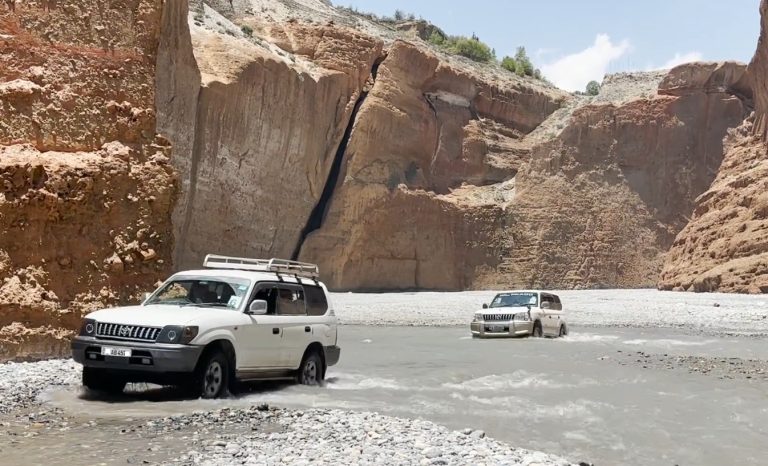
- Transport: Travel in a private 4WD jeep or van
- Duration: The drive takes approximately 7-9 hours, depending on road conditions. The route follows the Prithvi Highway and then turns north along the Budi Gandaki River valley on progressively rougher roads.
- Best Practice: Start early (6-7 AM) to avoid traffic and reach the trailhead with ample time to settle in.
- The Two Main Return Routes
Your return route depends entirely on your chosen itinerary:
- For the Tsum Valley Trek Only (12-14 days):
- Return Point: You will exit the same way you entered, trekking back down the Budi Gandaki Valley to Machha Khola.
- Return to Kathmandu: From Machha Khola, you will take a private jeep back to Kathmandu (another 7-9 hour drive).
For the Full Manaslu Circuit with Tsum Valley (18-22 days):
- Exit Point: After crossing the Larkya La Pass, you descend through the Marsyangdi Valley to Dharapani or Besi Sahar.
- Return to Kathmandu: From Dharapani/Besi Sahar, a private jeep will drive you back to Kathmandu. This drive takes 6-8 hours via the Marsyangdi and Prithvi Highways.
- Alternative: Combined Drive & Trek Start
Some itineraries begin the trek directly after a shorter drive to Arughat and then trek to Soti Khola/Machha Khola on the first day, slightly altering the schedule but not the overall access method.
Trekking in the Manaslu Tsum Valley region requires several permits due to its status as a Restricted Area and a Conservation Area. These permits are mandatory, non-negotiable, and must be arranged in advance through a government-licensed trekking agency in Nepal; independent trekkers cannot obtain them.
Here is a complete breakdown of the required permits:
- Manaslu Restricted Area Permit (MRAP)
- Purpose: Required because the trek passes through a controlled region near the Tibetan border.
Cost: The fee is variable based on the season:
- September to November: USD 100 per person per week.
- December to August: USD 75 per person per week.
Note: You will need this permit for the duration of your trek on the main Manaslu Circuit trail.
- Tsum Valley Restricted Permit
- Purpose: A separate, additional permit specifically for entering the sacred Tsum Valley.
Cost: The fee is also seasonal:
- September to November: USD 40 per person per week.
- December to August: USD 30 per person per week.
- Manaslu Conservation Area Project (MCAP) Permit
Purpose: An entry fee to help preserve the local environment and wildlife within the Manaslu Conservation Area.
- Cost: Approximately USD 30 per person (fixed rate, regardless of days).
- The Permit Process: How It Works
Agency Handles Everything: You must book your trek with a licensed agency. You will need to provide clear passport copies and passport-sized photos to them.
Checkpoints on the Trail: Your guide will carry the original permits. They will be checked at official police and army checkpoints in Jagat (entry to Manaslu) and Lokpa (entry to Tsum Valley). You cannot pass these without the proper paperwork.
The optimal seasons for the Manaslu Tsum Valley Trek are autumn (late September to November) and spring (March to early May). These windows offer the most stable weather, clear skies, and ideal trekking conditions.
Here’s a detailed seasonal breakdown to help you decide:
- Autumn (Late September to November) – The Prime Season
- Conditions: Post-monsoon clarity brings stable weather, crisp air, and outstanding mountain visibility. Daytime temperatures are pleasant for trekking, while nights become cold, especially at higher altitudes.
- Pros: The most reliable season. Excellent panoramic views of Manaslu, Ganesh Himal, and surrounding peaks. Festive atmosphere with clear trails and busy teahouses.
- Cons: The most popular season, so trails and teahouses are busier (though still less crowded than Everest or Annapurna).
- Spring (March to early May) – The Second-Best Season
- Conditions: Warming temperatures and longer days. The valleys come alive with blooming rhododendrons and wildflowers.
- Pros: Beautiful landscapes with lush flora. Good visibility and comfortable trekking temperatures before the pre-monsoon haze builds in late May.
- Cons: Possible afternoon cloud build-up and occasional short showers, especially in late spring. Slightly less reliable mountain views than autumn.
- Seasons to Generally Avoid
Winter (December to February): Extremely cold, especially at night and in the shaded valleys. High passes (like Larkya La) can be blocked by snow and ice, making the full circuit dangerous or impassable. Only suitable for very experienced, cold-weather trekkers on shorter routes.
Monsoon/Summer (June to early September): Heavy rainfall, making trails muddy, slippery, and prone to landslides. Leeches are prevalent, and dense clouds consistently obscure mountain views. The trek is generally not recommended during this time.
Successfully preventing altitude sickness (Acute Mountain Sickness) on the Manaslu Tsum Valley Trek requires a disciplined focus on acclimatization. The core strategy is the “climb high, sleep low” principle. Choose an itinerary with built-in acclimatization days in villages like Nile and Samagaun, and take active day hikes to higher points before returning to sleep at a lower elevation. This gradual ascent, limiting sleeping altitude gains to 400-500 meters per day above 3,000m, is your best defense.
Essential personal habits are crucial: Hydrate relentlessly (3-4 liters daily), maintain a slow, steady pace, eat a carb-rich diet even if appetite fades, and avoid alcohol and sedatives. Prophylactic medication like Acetazolamide (Diamox) can be discussed with your doctor as a supportive aid. Most importantly, recognize early symptoms like headaches and nausea and inform your guide immediately. Never ascend with symptoms; if they persist or worsen, immediate descent is the only cure.
Ultimately, altitude sickness is largely preventable. By respecting a gradual ascent, prioritizing hydration, listening to your body, and relying on the expertise of your licensed guide—while ensuring you have evacuation insurance—you can safely enjoy the majestic heights of the Himalayas.Travel Insurance for the Manaslu Tsum Valley Trek.
The weather and climate on the Manaslu Tsum Valley Trek are defined by extreme variability, influenced heavily by season and altitude. Understanding these patterns is crucial for choosing your trekking dates and packing appropriately.
Seasonal Climate Breakdown
Autumn (Late September to November) – The Premier Season
Conditions: Post-monsoon period offering the most stable weather. Days are clear, sunny, and warm at lower elevations, with crisp, cold nights. Skies are typically cloudless, providing exceptional mountain visibility.
- Daytime Temperatures (3,000m): 10°C to 15°C (50°F to 59°F)
- Nighttime Temperatures (3,000m): Can drop below freezing.
- Pros: Stable trails, minimal precipitation, best panoramic views.
- Cons: Popular season, leading to busier teahouses; colder nights.
Spring (March to early May) – The Second-Best Season
Conditions: Warming trends with longer days. Lower valleys bloom with rhododendrons and wildflowers. Weather is generally stable but can see afternoon cloud build-up and occasional brief showers, especially in late spring.
- Daytime Temperatures: Pleasant for trekking.
- Pros: Beautiful flora, good visibility, comfortable temperatures.
- Cons: Increasing haze and potential for pre-monsoon rain showers in May.
Winter (December to February) – Challenging & Cold
Conditions: Intensely cold, especially at night and in shaded valleys. Higher trails and passes (like Larkya La) can be blocked by deep snow and ice. Days can be sunny and clear but short.
- Pros: Solitude, incredibly clear skies, no crowds.
- Cons: Risk of route closure, sub-zero temperatures, limited teahouse services.
Monsoon (June to early September) – Generally Not Recommended
- Conditions: Heavy rainfall, leading to slippery, muddy trails and high risk of landslides. Leeches are prevalent, and dense clouds consistently obscure mountain views.
- Pros: Lush greenery, solitude.
- Cons: Dangerous trail conditions, poor visibility, flight/drive delays.Baggage for the Manaslu Tsum Valley Trek
Charging electronic devices on the remote Manaslu Tsum Valley Trek requires careful planning due to limited and inconsistent power sources. Understanding the charging infrastructure is key to staying connected and capturing your journey.
Throughout the trek, solar power is the primary, and often only, source of electricity in the village teahouses. This means charging is weather-dependent and shared among all guests. Availability is generally better in larger villages like Samagaun and Chhekampar, but becomes scarce or non-existent in smaller settlements like Nile or Mu Gompa.
Expect to pay a fee for charging, typically ranging from NPR 300 to NPR 500 per hour per device. Due to the shared solar systems and limited ports, charging is slow, and you may need to queue. Power banks are an absolute essential; a high-capacity (20,000mAh+) bank can charge your phone multiple times and is your most reliable power source.
Practical Tips: Bring a multi-port USB charger to charge several devices at once when an outlet is available. A universal travel adapter is recommended. Conserve your phone’s battery by using airplane mode, lowering screen brightness, and disabling non-essential apps. Prioritize charging your power bank first when you find a reliable outlet.
In summary, a large power bank is your lifeline, supplemented by paid teahouse charging. By managing your power usage strategically and preparing for limited access, you can ensure your gadgets last throughout this incredible Himalayan adventure.
The food on the Manaslu Tsum Valley Trek is characterized by simple, hearty, and carb-rich meals designed to fuel trekking, served in the basic teahouses (lodges) that line the route. The menus are limited due to the remote location, with all supplies carried in by porters or grown locally.
Staple Foods and Common Dishes
- Dal Bhat: The undisputed staple—a set meal of lentil soup (dal), rice (bhat), vegetable curry (tarkari), and sometimes a small portion of pickles or spinach. It’s nutritious, filling, and often offered with unlimited refills, making it the most reliable choice.
- Noodle & Pasta Dishes: Thukpa (noodle soup), chow mein, fried noodles, and pasta are common.
- Breakfast Options: Tibetan bread (fried), chapati, porridge, pancakes, and eggs (fried, scrambled, or as omelets).
- Snacks & Light Meals: Momos (Tibetan dumplings), instant soups, and popcorn.
- Drinks: Black tea, milk tea, ginger tea, lemon tea, and coffee (usually instant). Safe drinking water must be obtained by using purification tablets/filters or buying boiled water.
Important Considerations and Tips
- Dietary Restrictions: Vegetarians can manage well. Vegans and those with gluten-free needs will find options extremely limited (relying heavily on dal bhat, rice, and certain vegetables) and must communicate clearly with teahouse owners.
- Hygiene & Health: Food is generally safe and cooked fresh. To further minimize risk, stick to hot, cooked meals and avoid meat (especially at higher altitudes, where refrigeration is unreliable). Practice good hand hygiene.
- Menu Reliability & Cost: The menu in one teahouse is often similar to the next. Prices increase significantly with altitude (e.g., a plate of dal bhat can cost 3-4 times more in Nile than in Jagat). Carry sufficient Nepali cash.
- Packing Snacks: Bringing energy bars, nuts, chocolate, or electrolyte mixes from Kathmandu is highly recommended to supplement energy between meals.
Accommodation on the Manaslu Tsum Valley Trek is provided by a network of basic, family-run teahouses (lodges), offering a simple but authentic Himalayan shelter. These are not hotels; they are rustic guesthouses that provide essential warmth, a bed, and meals, with comfort levels decreasing as you gain altitude and remoteness.
Teahouse Standards & Facilities
- Rooms: Expect twin-sharing rooms with two single beds, a thin mattress, pillow, and blanket. Walls are thin. In colder months or higher villages (like Nile or Samagaun), sleeping bags are essential for extra warmth.
- Bathrooms: Shared toilets are the norm. In lower villages, you may find Asian squat toilets, while higher villages sometimes have basic western toilets. Hot showers are available in most teahouses for an extra fee (NPR 300-600), usually powered by solar or gas. Do not expect consistent hot water.
- Heating: There is no central heating. The heart of the teahouse is the communal dining room, warmed by a stove (often burning yak dung or wood) in the evenings. This space is for socializing, dining, and charging devices.
- Power & Charging: Electricity is from solar panels. Lighting is minimal, and charging ports are limited and require payment (typically NPR 300-500 per hour). A high-capacity power bank is crucial.
Key Variations by Location
- Lower Valleys (Jagat, Philim): Teahouses are more developed, with slightly better facilities and menu variety.
- Upper Tsum Valley (Chhekampar, Nile, Mu): Accommodations are very basic, reflecting the valley’s remoteness. Facilities are sparse, and the ambiance is deeply cultural.
- Manaslu Circuit Section (Samagaun, Samdo): Larger villages with more teahouse options, but still very simple. Samagaun has the most developed services.
No, independent trekking is strictly prohibited. The Manaslu Tsum Valley is a government-restricted area, making a licensed guide mandatory by law. Special permits like the Manaslu Restricted Area Permit (RAP) and Tsum Valley Restricted Permit are only issued through registered trekking agencies that provide a certified guide for your itinerary.
This rule ensures safety in remote, high-altitude terrain, preserves the region’s fragile culture and environment, and provides crucial logistical support. Regulations also require a minimum group of two trekkers, plus your guide and porter team.
To legally experience this unforgettable trek, you must book with a licensed Nepali trekking agency. They handle permits, provide an experienced guide, and ensure a responsible, secure journey through one of Nepal’s most majestic and culturally rich regions.
Internet and Wi-Fi connectivity on the Manaslu Tsum Valley Trek is extremely limited, unreliable, and often unavailable. Trekkers should prepare for significant disconnection, with access being a paid luxury rather than a standard service.
Connectivity Overview
- Wi-Fi: Available only in some teahouses for a fee (typically NPR 300-500 per hour or per device). It is usually powered by slow satellite or cellular data links, making it suitable only for basic messaging and emails when it works. Streaming, video calls, and large uploads/downloads are not possible.
- Mobile Data: Ncell coverage is sporadic and disappears after Deng or Philim. NTC coverage is slightly better and may offer intermittent 2G/3G signals in a few higher villages like Samagaun and on some ridge lines. Data speeds are very slow. Purchasing a local NTC SIM card in Kathmandu is recommended for the best chance of minimal connectivity.
Availability by Area
- Lower Trails (Start to Philim): Intermittent mobile data signals possible.
- Tsum Valley (Chumling to Mu Gompa): Little to no connectivity. Wi-Fi, if available, is very rare and weak.
- Manaslu Circuit Section (Samagaun, Samdo): Some teahouses offer paid Wi-Fi. Occasional, weak NTC signals may appear.
Practical Advice
- Assume Disconnection: Inform family/work of limited contact. Schedule check-ins for larger villages like Samagaun.
- Use Offline Maps: Download maps (e.g, Maps.me, offline Google Maps) and entertainment before the trek.
- Carry a Power Bank: Essential for recharging devices when you find a signal.
- Embrace the Disconnect: Consider this digital detox part of the immersive experience.
In summary, reliable internet is nonexistent. Treat any found connectivity as a fortunate bonus. Prioritize preparation with offline resources and a local SIM to manage essential communications during this remote Himalayan adventure.
The Manaslu Tsum Valley Trek demands excellent physical preparation. As a challenging high-altitude adventure, targeted training is essential for safety and enjoyment. Begin conditioning 2-3 months prior, focusing on endurance, strength, and hiking-specific fitness.
- Build Cardiovascular & Hiking Endurance
This is your top priority. The trek involves long, consecutive days of hiking.
Primary Training: Hike with a loaded backpack (10-15 kg) on hills or stairs for 4-6 hours weekly. This is the most specific training you can do.
Supplemental Cardio: Run, cycle, or use the stair climber for 45-60 minutes, 4-5 days a week.
- Develop Leg & Core Strength
Strong muscles protect joints and improve stability on rugged trails.
Leg Exercises: Squats, lunges, step-ups, and calf raises.
Core Exercises: Planks and leg raises to improve balance and load carrying.
- Train with Your Trekking Gear
Break in your hiking boots thoroughly to prevent blisters.
Train with your daypack to adjust fit and build comfort under load.
- Mental Preparation & Altitude Awareness
Cultivate a resilient mindset for basic amenities and variable weather.
Remember: Fitness does not prevent altitude sickness. Commit to a slow pace and proper acclimatization on the trek itself.
Consistency is key. A dedicated training regimen will allow you to confidently tackle the trails and fully immerse yourself in the majestic landscapes and rich culture of the Himalayas.
Ongoing road construction along the Budi Gandaki River valley is a current reality in the Manaslu region, directly impacting the traditional start and end sections of the trek. While improving local connectivity, it has altered the classic trekking experience on certain segments.
Current Situation & Impact on the Trek
A rough dirt/gravel road now extends from Arughat to Machha Khola and beyond, towards Jagat. This means the initial and final days of the classic trek—which previously followed pristine trails through the river gorge—now sometimes share the route with or run parallel to this road.
Affected Sections: The trail between Soti Khola, Machha Khola, and Jagat is most impacted. You may walk on the road itself or on adjacent trails that occasionally cross it.
Positive Aspects: The road has improved access for locals and supplies. For trekkers, it has allowed for flexible starting points (driving further to avoid the most developed road sections) and faster emergency evacuations if needed.
Negative Aspects: It reduces the wilderness feel on these lower sections, with occasional dust from passing vehicles. The traditional trail in parts has been replaced.
Trekking agencies have smartly adjusted to maintain the quality of the experience:
Driving Further In: It’s now standard to drive by 4WD jeep from Kathmandu beyond Arughat to Machha Khola or even as far as Jagat (road condition permitting). This bypasses the most affected walking sections.
Starting Trekking Higher: The authentic trek now often begins in Jagat or even Phillim, where the road effectively ends and the pristine, trail-only hiking begins.
Unchanged Core Experience: Crucially, the road does NOT enter the Tsum Valley or the higher Manaslu Circuit beyond Jagat. The sacred Tsum Valley, the routes to Samagaun, the Larkya La Pass, and the descent through Bimthang remain completely road-free and pristine.
What This Means for Trekkers
Expect a Mix on Start/End Days: Be prepared for a combination of short jeep rides and walking on or near the road at the very beginning and end of your trek.
The Wilderness Awaits: Once you turn north into the Tsum Valley or continue past Jagat on the Circuit, you are back on a classic Himalayan trail.
Consult Your Agency: A reputable operator will have the latest information on road conditions and will optimize your itinerary to maximize trail time and minimize road walking.
In summary: While road construction has changed the gateway to the region, the heart of the Manaslu Tsum Valley Trek remains an untouched wilderness adventure. With a well-planned itinerary, the impact is largely confined to transit days, preserving the trek’s core appeal of remote culture and majestic landscapes.
Carrying sufficient cash is a critical logistical part of the Manaslu Tsum Valley Trek. As you correctly noted, there are no ATMs, banks, or money exchange services anywhere along the trekking route, including in the Tsum Valley. All financial transactions must be made in Nepali Rupees (NPR).
Essential Financial Planning
Exchange Currency in Kathmandu: You must exchange all the money you will need for the trek in Kathmandu before departure. Bring cash in a major foreign currency (USD, EUR, GBP, etc.) to exchange at banks or authorized money changers in Thamel.
Calculate Your Total Need: Budget for:
- Meals & Drinks: All food, bottled/boiled water, and tea.
- Accommodation: Teahouse lodging costs (often part of a package, but confirm).
- Charging Devices: Fees for power and Wi-Fi (NPR 300-500 per session).
- Hot Showers: Available for a fee in most villages.
- Snacks & Souvenirs: Chocolate, biscuits, and local crafts.
- Tips: For guides and porters (a significant cash expense at the end).
- Contingency Fund: Extra for emergencies or unforeseen costs.
A general recommended total is USD $25 – $40 per day in personal spending cash, plus tips and contingency.
Cash Management on the Trail
- Carry Small Denominations: Break larger bills (1000 NPR notes) in Kathmandu. Teahouses in remote villages often have very limited change.
- Use a Secure Money Belt/Pouch: Keep your cash safe and distributed in different places in your luggage.
- Payment Process: You will pay for all incidentals (drinks, charging, showers) daily at each teahouse. Keep your cash accessible.
Important Considerations
- Credit/Debit Cards: Absolutely useless on the trail. They are only for use in Kathmandu.
- Traveler’s Cheques: Not recommended and impossible to cash.
- Guide Assistance: Your guide can often help with minor financial advice or currency calculation, but they are not a bank.
Effective budget planning is fundamental for your Manaslu Tsum Valley adventure. For the 2026–2027 trekking seasons, an all-inclusive package typically ranges from $1,200 to $1,800+ USD per person. The final cost is influenced by key variables: group size, chosen itinerary length (14-18 days standard), service level, and the agency’s reputation.
Key Factors Influencing Cost
- Group Size: Costs are shared; larger groups (4+) see significantly lower per-person rates than solo or private duos.
- Itinerary & Duration: Longer treks (18+ days) that include the full circuit and Tsum Valley cost more than shorter, focused itineraries.
- Service Level: Budget, standard, and luxury packages vary in hotel quality, meal allowances, and guide experience.
What’s Included vs. Excluded
- Generally Included: Permits (RAP, MCAP, TIMS), guide/porter services, Kathmandu hotel/teahouse lodging, all trek meals, and ground transport.
- Generally Excluded: International flights, Nepal visa, travel/evacuation insurance, personal gear, Kathmandu meals, trailside drinks/showers, Wi-Fi, and tips for your crew.
Smart Financial Planning Tips
Get Detailed Quotes: Request a full, written breakdown from agencies to compare exact inclusions and avoid hidden fees.
Budget for Daily Cash: Allocate an additional $25–$40 per day for personal expenses on the trail (snacks, drinks, charging, souvenirs).
By understanding these cost components, you can make an informed investment in a well-organized, safe, and unforgettable journey through the majestic Manaslu region and sacred Tsum Valley.
Plan for Tipping: Set aside a separate fund (typically 10-15 USD Per parson of your Itinerary) for tips for your guide and porters.
Tipping, while not mandatory, is a deeply ingrained and expected practice in Nepal’s trekking industry. It’s a direct way to show appreciation for the hard work of your guide and porter, often forming a significant part of their income. The following are current, respectful guidelines.
Recommended Tipping Amounts (Per Person, Per Trek)
- Guide: $80 – $150+ total (approximately $10 – $20 per day).
- Porter: $40 – $80+ total (approximately $5 – $10 per day).
- These amounts can also be calculated as 10-15% of your total trek cost, shared among the crew.
Key Factors to Consider
- Group Size: Tips are typically pooled. A larger group means a larger collective tip.
- Service Quality: Exceptional service, cultural insight, and handling of any issues merit a tip at the higher end of the scale.
- Trek Difficulty & Duration: Longer, more challenging treks generally warrant higher tips.
- Agency Policy: Some agencies include suggested tipping guidelines; it’s okay to ask.
How & When to Tip
- Currency: Tip in Nepali Rupees (NPR) for their direct use. USD is also acceptable. Ensure you have the cash set aside from your Kathmandu exchange.
- Presentation: Place the tip in an envelope and give it personally and respectfully at a farewell gathering on the last evening of the trek (e.g., at the final teahouse or back in Kathmandu). A sincere verbal thank you is important.
Important Note: Tipping is a gesture of thanks for service rendered. It should reflect your satisfaction and be given within your means. Clear communication and a respectful manner are as valuable as the amount itself. This practice ensures the local professionals who make your journey possible are fairly recognized.
Selecting the right partner elevates a great trek into an unforgettable journey. At Best of Nepal Trek, we specialize in crafting immersive, secure and deeply authentic Himalayan adventures. Discover why experienced trekkers trust us for their Manaslu Tsum Valley expedition.
- Unrivaled Local Expertise & Connection
As a locally owned and operated specialist, our team has lifelong ties to the Manaslu region. Your guide is a native expert, offering genuine cultural insight and personal connections that transform a standard trek into a meaningful journey.
- A Safety-First Philosophy
Your well-being is paramount. Our UIAGM/IFMGA-trained guides enforce proven acclimatization plans, carry advanced medical kits, and utilize real-time weather monitoring. We ensure verified emergency evacuation coverage and maintain satellite communication for complete peace of mind.
- Seamless, All-Inclusive Logistics
We handle every detail. From securing all required restricted permits to guaranteeing the best teahouse bookings and arranging private transport, our transparent packages let you focus entirely on the experience.
- Commitment to Ethical & Sustainable Tourism
We trek responsibly, adhering to Leave No Trace principles and supporting local communities. By partnering with family-run teahouses and ensuring fair treatment for our crew, your journey directly contributes to preserving the region’s culture and environment.
- Personalized, Flexible Adventures
We specialize in small, private groups, offering tailored itineraries that match your pace and interests. Enjoy the flexibility and personal attention that larger operators cannot provide.
Choose Best of Nepal Trek for a partnership built on expertise, safety, and respect. Let us guide you with confidence to the heart of the Himalayas.
Contact us today to start planning your authentic Manaslu Tsum Valley adventure.
Reviews
A Memorable Kailash Mansarovar Yatra with Excellent Support
My Kailash Mansarovar Yatra with Best Of Nepal Trek was an unforgettable experience. From the very beginning, everything was well planned and the team made sure our journey was comfortable, safe and enjoyable.
Our guide and the entire staff were friendly, experienced and always ready to help. They took great care of the group, answered all our questions and ensured that every part of the pilgrimage went smoothly.
Visiting the sacred Mount Kailash and Lake Mansarovar was a dream come true. The stunning Himalayan scenery and the peaceful spiritual atmosphere made this journey truly special.
I would like to thank Best Of Nepal Trek for their outstanding hospitality and professional service. I highly recommend them to anyone planning the Kailash Mansarovar Yatra. It was a wonderful experience that I will always remember.
Raada J
,USA
Excellent Kailash Mansarovar Yatra with Best Of Nepal Trek
Everything was well organized from start to finish, and the communication before the trek was smooth and clear. Our guide, Mr. Arjun, was excellent—friendly, knowledgeable and always making sure everyone was safe and comfortable. The entire team at Best Of Nepal Trek was professional, helpful and made us feel welcome throughout the journey.
The Kailash Mansarovar Yatra was a truly unforgettable spiritual experience. From the breathtaking Himalayan landscapes to the peaceful atmosphere around Mount Kailash and Lake Mansarovar, every moment was memorable. I felt well supported throughout the journey, and the team's attention to detail made the pilgrimage comfortable and stress-free.
I highly recommend Best Of Nepal Trek to anyone planning the Kailash Mansarovar Yatra. Thank you to Mr. Arjun and the entire team for making this once-in-a-lifetime journey so special.
Anupam M
,USA

Outstanding Everest Base Camp Trek Experience
Our Everest Base Camp Trek with Best of Nepal Trek was an unforgettable experience from beginning to end. Every detail of the trip was professionally organized and our guide, Shyange Sherpa, was knowledgeable, friendly and always willing to help. His experience and encouragement made the trek enjoyable and safe.
We also enjoyed the Kathmandu city tour, which was a wonderful introduction to Nepal's rich culture and history before the trek. The breathtaking Himalayan scenery and outstanding service made this journey truly special.
We highly recommend Best of Nepal Trek to anyone planning an Everest Base Camp Trek or a Kathmandu city tour in Nepal. Thank you for creating such an incredible and memorable adventure.Gotti M
,Norway
Annapurna Base Camp Trek with Friendly Guide
The Annapurna Base Camp Trek was an unforgettable adventure. Nepal is truly a beautiful country, famous for its warm hospitality, rich culture and unique traditions. The mountain views were absolutely breathtaking throughout the journey. A special thanks to our guide, Suman Tamang, who was friendly, knowledgeable and always ready to help. His support and care made the trek safe, enjoyable and memorable. I highly recommend Best Of Nepal Trek to anyone planning the Annapurna Base Camp Trek in Nepal.
Andrea Stern
,Sweden
Well-Organized Gosaikunda Trekking with Stunning Himalayan Views
Our Gosaikunda Trekking adventure with Best of Nepal Trek was exceptionally well organized from beginning to end. The guide and porters were friendly, professional and always ready to help. Visiting the sacred Gosaikunda Lake was the highlight of our journey and the breathtaking panoramic mountain views made every step worthwhile. We had a fantastic trip and highly recommend Best of Nepal Trek to anyone planning the Gosaikunda Trek in Nepal.
Anna
,Australia
Amazing Gosaikunda Trek Experience
Our Gosaikunda Trek with Best of Nepal Trek was challenging but incredibly rewarding. The stunning Himalayan scenery, peaceful trails and warm hospitality made every moment unforgettable. Our guide, Dipak Sapkota, was knowledgeable, friendly and supportive throughout the trek. Everything was professionally organized, making our adventure safe, enjoyable and truly memorable. We highly recommend Best of Nepal Trek for anyone planning the Gosaikunda Trek in Nepal.
Jennifer,
,Canada
Excellent Kailash Mansarovar Yatra Experience
Our Kailash Mansarovar Yatra with Best of Nepal Trek was exceptionally well organized from start to finish. Communication was smooth and our Guide, Arjun, was friendly, knowledgeable and supportive throughout the journey. We felt safe, well cared for and truly enjoyed this once-in-a-lifetime pilgrimage. I highly recommend Best of Nepal Trek to anyone planning the Kailash Mansarovar Yatra.
Nini
,US
Jungle Safari on Foot in Chitwan
The jungle safari on foot was a really amazing experience. We were lucky to see a mother rhino with her calf, which was truly unforgettable. We also spotted deer and other wildlife along the way.
It was a great adventure in nature and a wonderful way to experience the beauty of the jungle up close.Nina N.
,Australia
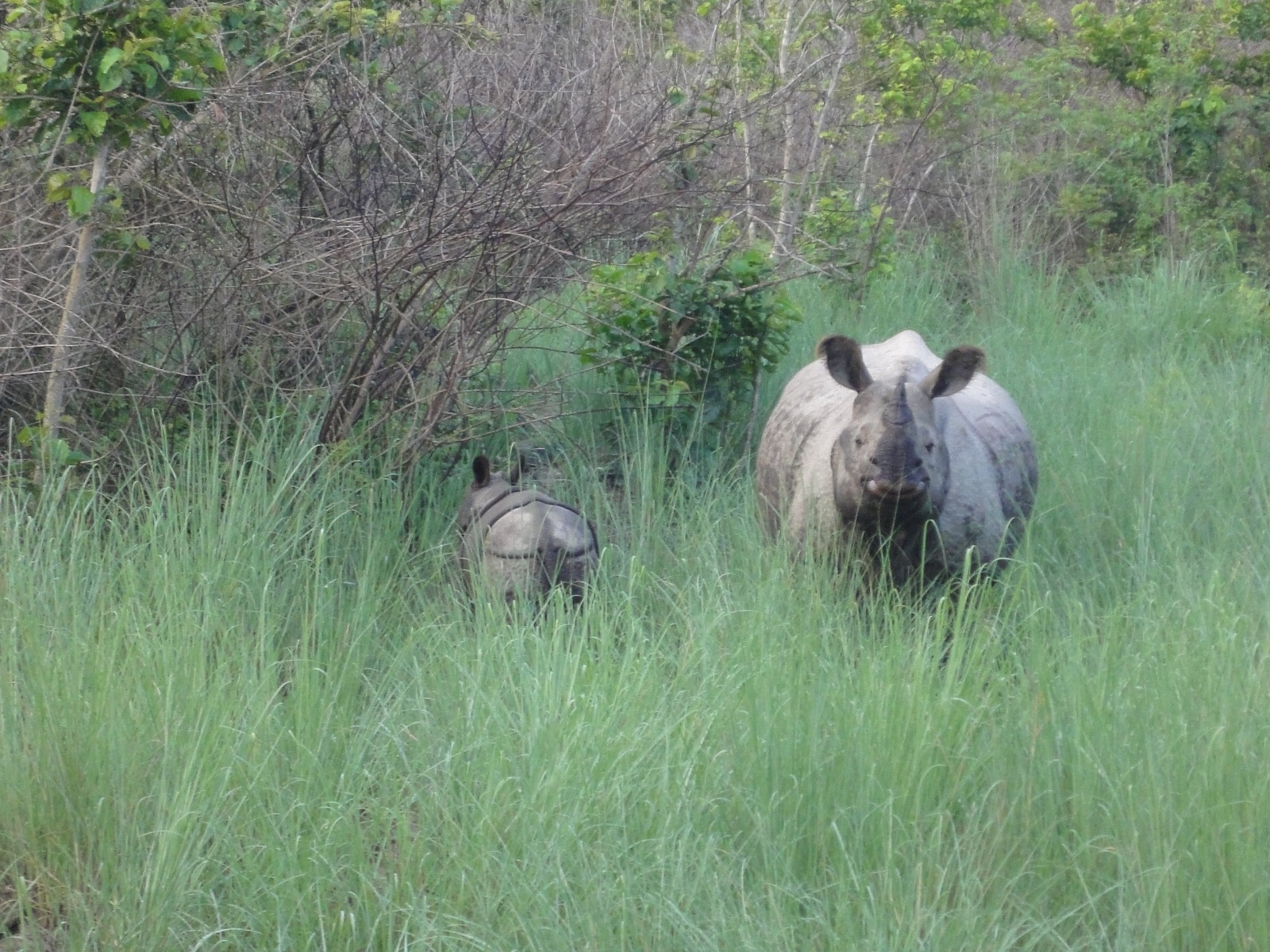
Wonderful Jungle Safari Experience
Our Chitwan Jungle Safari Tour with Best Of Nepal Trek was an unforgettable experience. We enjoyed incredible wildlife sightings, including the famous one-horned rhinoceros and had the opportunity to explore the natural beauty of Chitwan National Park.
The guides were knowledgeable and helpful throughout the tour, while the resort staff provided excellent hospitality. The food was delicious and plentiful, making our stay even more enjoyable. Everything was well organized and we highly recommend this tour to anyone looking for a memorable wildlife adventure in Nepal.janet
,US
Chitwan Jungle Safari Tour with Best Of Nepal Trek
My Chitwan Jungle Safari Tour with Best Of Nepal Trek was a fantastic experience. The wildlife sightings, jungle activities and cultural experiences made the trip both exciting and memorable.
Everything was well organized and the team ensured a comfortable and enjoyable journey throughout the tour. I highly recommend Best Of Nepal Trek to anyone looking to explore the natural beauty and wildlife of Chitwan. Thank you for making this adventure so special.Kristen
,United States